Photo credit: WHO_TEE_WHO/YouTube
Some cartridges look unstoppable on paper. They push high velocities, claim unmatched energy, and promise flat-shooting performance that’ll change the game. Then you actually take them into the field or to the range, and the truth settles in—they’re all bark and little bite. They chew through barrels, recoil like a mule, or cost too much to shoot regularly. The ballistics charts might say they’re superior, but practical experience tells a different story. These are the calibers that rule the spec sheet but stumble when it’s time to deliver in the real world.
6.8 Western
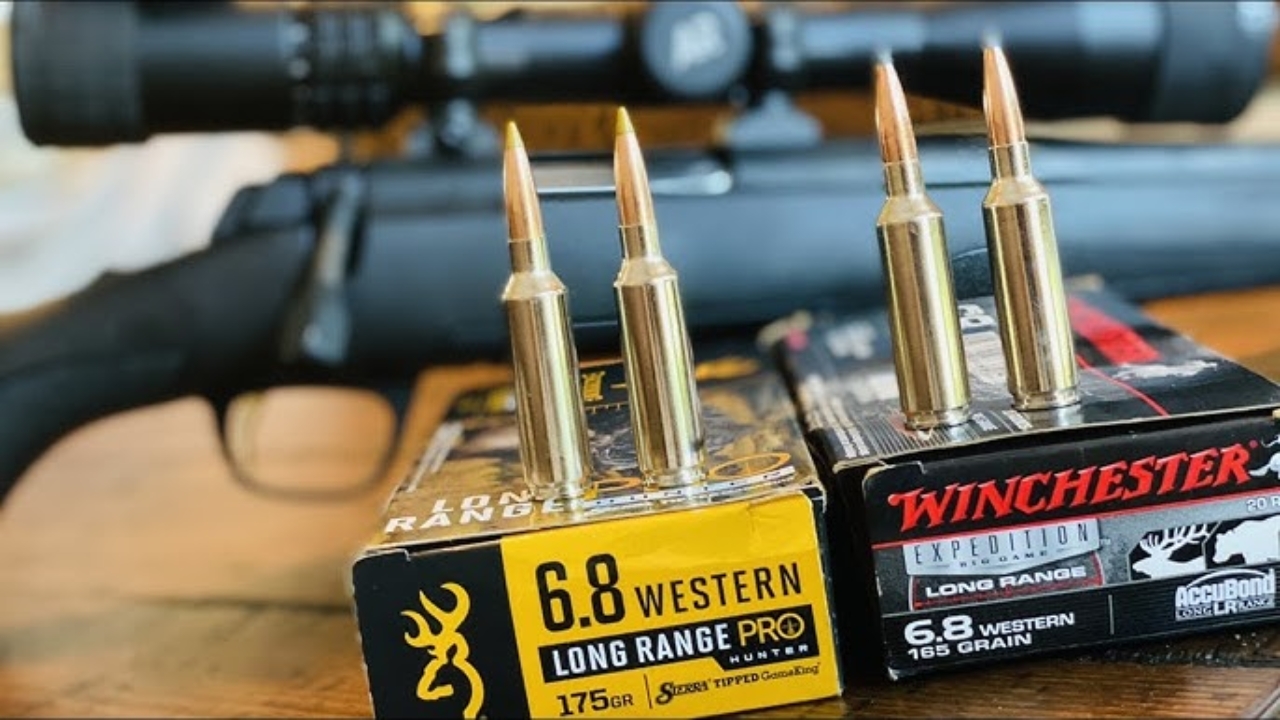
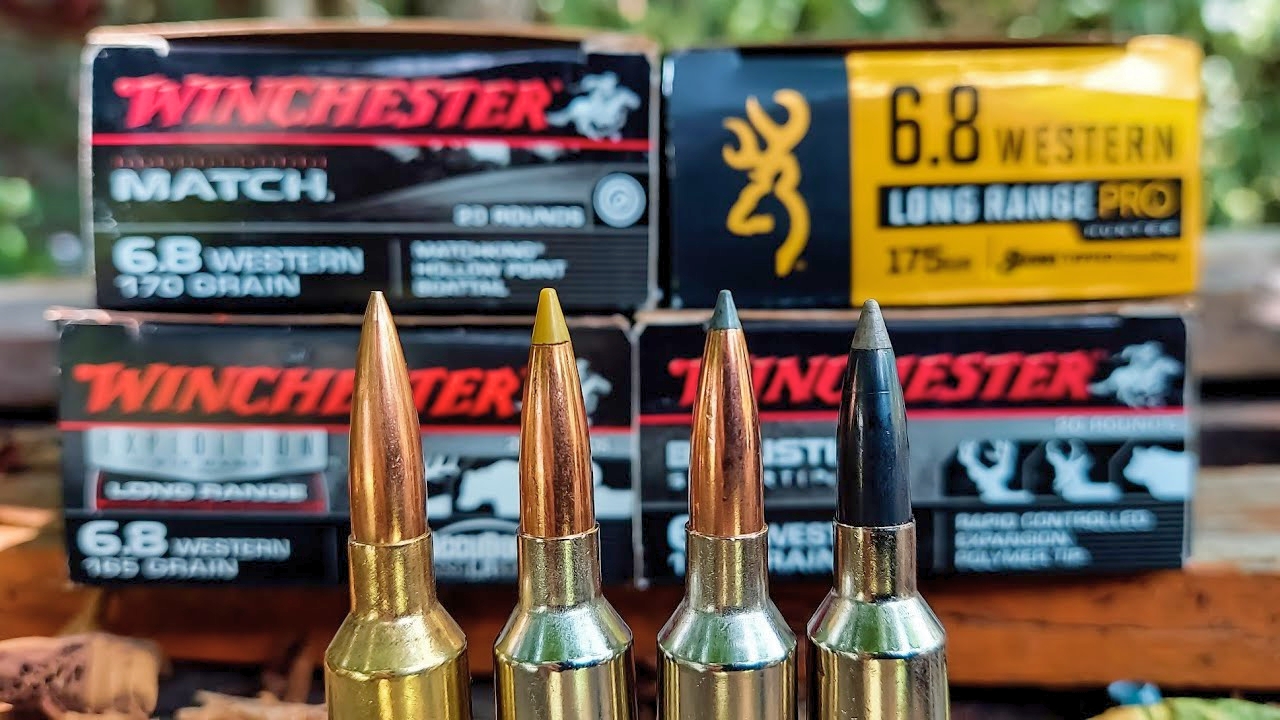
The 6.8 Western hit the market as a do-it-all hunting round, promising magnum performance from a short action. The velocity numbers looked great, and the ballistic coefficients were impressive. But in the field, it didn’t separate itself enough from the 6.5 PRC or .270 Winchester to justify its existence.
Ammo availability is spotty, prices are high, and factory loads vary in accuracy. While the cartridge performs fine on game, it doesn’t do anything that older, cheaper rounds don’t already handle. It’s a classic example of paper perfection that never turned into widespread success—mostly because hunters saw through the marketing before spending the money.
.264 Winchester Magnum

The .264 Win Mag was supposed to be the future of long-range hunting back in the late 1950s. It delivered blazing speed and laser-flat trajectories, but it also ate barrels like candy. Its overbore design meant throat erosion after only a few hundred rounds.
It looks unbeatable on the charts, but keeping one shooting accurately takes constant maintenance. Add in expensive ammo and brutal recoil for its caliber, and it’s easy to see why most shooters walked away. The ballistics remain impressive to this day, but the cost of keeping it shooting straight is why it never stayed relevant for long.
.30 Nosler
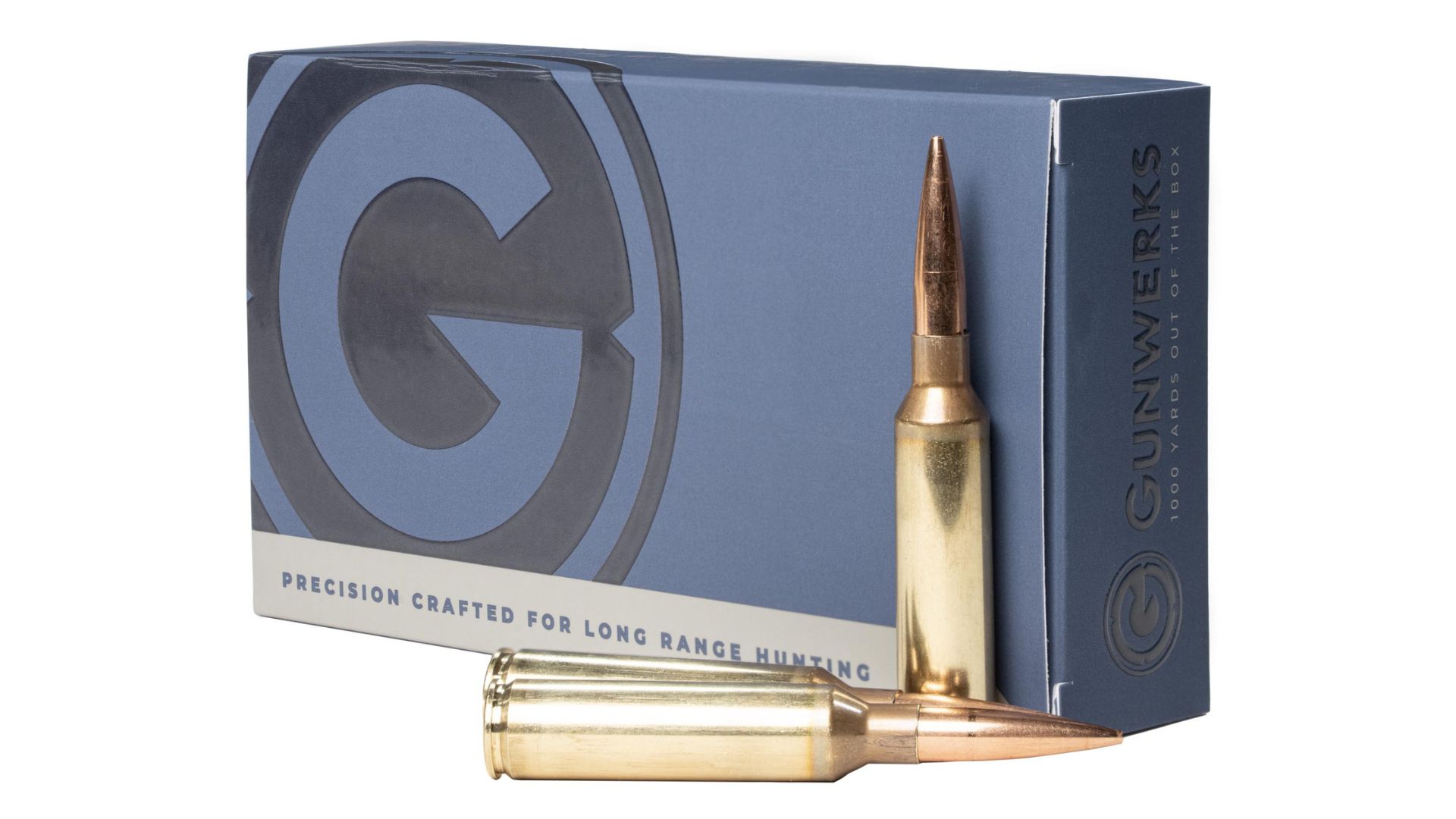
The .30 Nosler boasts more velocity than the .300 Winchester Magnum and claims superior long-range energy retention. In the real world, those gains are barely noticeable—and the downsides are obvious. It burns barrels fast, generates fierce recoil, and eats through powder at a shocking rate.
Ammo availability is limited, and brass is pricey. It’s a fantastic performer for a handful of shots, but not something most hunters can afford to practice with. It looks unbeatable on paper, but when you compare practical accuracy, cost, and comfort, you start wondering what that extra 100 fps is really worth.
.26 Nosler

The .26 Nosler might be the poster child for ballistic overachievement and real-world underperformance. It hits incredible velocities and stays flat out to extreme distances, but it also destroys barrels in record time. Shooters report throat erosion after fewer than 600 rounds.
That means it’s a high-maintenance, expensive-to-shoot rifle that’s impractical for most hunters. The recoil is sharp for its bore size, and the ammo costs make regular use unrealistic. Sure, it looks good in advertising, but most people who’ve owned one once don’t own one now.
.17 Remington

On paper, the .17 Remington is a varmint hunter’s dream—high velocity, minimal recoil, and pinpoint accuracy. In reality, it’s a maintenance nightmare. The tiny bore fouls easily, accuracy drops fast without obsessive cleaning, and the light bullets get blown around by the slightest wind.
It’ll vaporize prairie dogs, but getting consistent groups past 200 yards can be a chore. The cost of cleaning supplies and time outweighs the fun. It’s one of those calibers that impresses people at first glance but leaves them frustrated after a few weekends of actual use.
7mm Remington Ultra Magnum

The 7mm RUM looks unbeatable on the spec sheet—massive velocity and long-range capability with manageable recoil compared to the .300 magnums. But in practice, it’s brutal on barrels, hard to find ammo for, and burns powder like a rocket engine.
You get impressive numbers out to 1,000 yards, but for hunting distances, it doesn’t outperform more moderate rounds like the 7mm Rem Mag or .300 Win Mag. The payoff doesn’t justify the punishment. It’s one of those rounds that make you feel powerful—until you tally the costs and the barrel wear.
.22-250 Remington Ackley Improved

The .22-250 AI sounds like the ultimate predator round—more velocity, less drop, and incredible precision potential. The problem is that all that speed comes with a serious cost. Barrels don’t last, and the increased heat means accuracy fades faster than you’d like.
While reloaders love the control it offers, the gains are minimal compared to the standard .22-250, which already does everything most hunters need. It’s a great technical achievement, but one that proves sometimes “more” isn’t worth it once you leave the range and start thinking practically.
.224 Valkyrie

The .224 Valkyrie was supposed to make AR shooters competitive at 1,000 yards with a flatter trajectory than .223 and less recoil than 6.5 Creedmoor. In the real world, it struggled to deliver consistent accuracy and failed to meet its ballistic promises.
Ammo availability has been spotty, and many factory rifles shoot better with standard .223 loads. It’s a case of overpromising and underdelivering. The round’s numbers looked amazing during launch, but most shooters quickly realized it wasn’t the game-changer they were sold.
.45 GAP
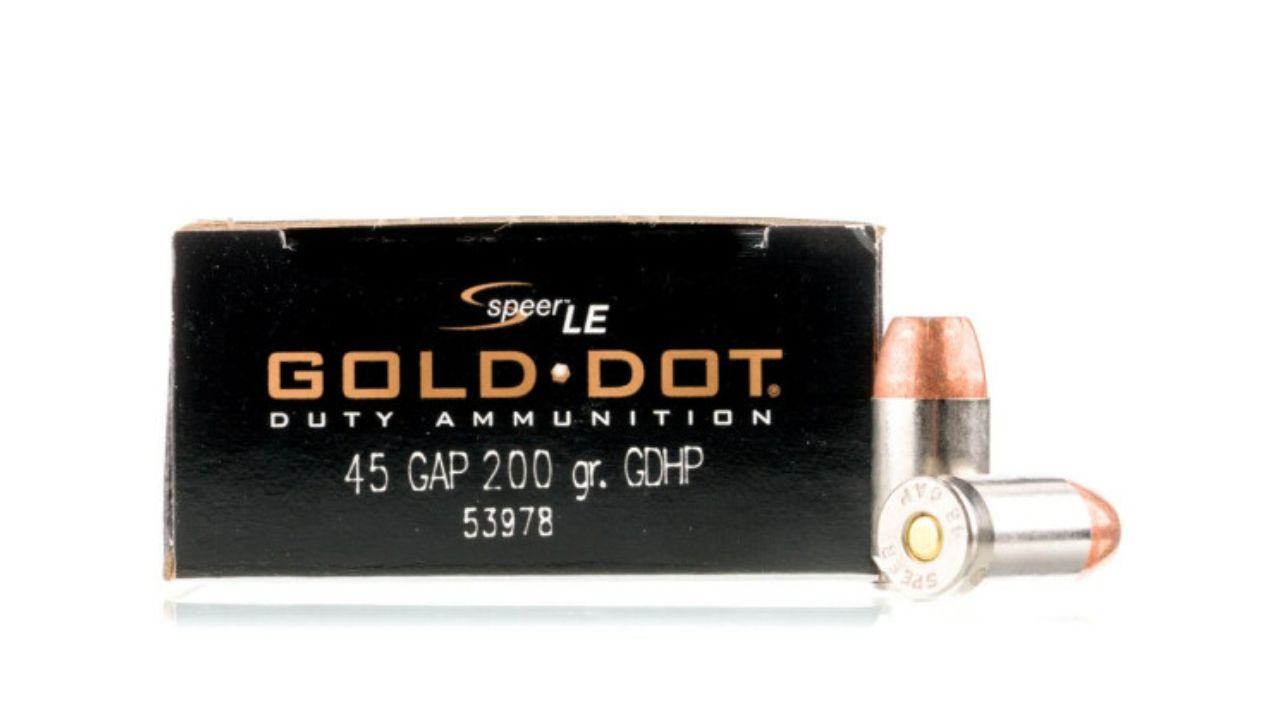
The .45 GAP was Glock’s answer to making .45 ACP performance fit into a 9mm-sized frame. The numbers made sense on paper—same velocity, smaller case. But the cartridge never took off because it didn’t offer any real advantage. Ammo was harder to find, more expensive, and incompatible with existing .45s.
It performed fine, but not better than .45 ACP, and that was enough to kill it. It’s the perfect example of a caliber designed for specs, not for shooters. The data looked neat in brochures, but nobody could justify the switch.
5.7x28mm

The 5.7x28mm is lightweight, fast, and armor-piercing—on paper. In civilian hands, it’s just an expensive small-caliber round that punches holes without much energy transfer. Its performance on soft targets is underwhelming, and ammo costs are high for what you get.
It’s fun to shoot and looks great on the spec sheet, but it’s not magic. You’ll burn through money fast chasing a performance edge that never shows up outside marketing hype. It’s a niche cartridge with a devoted following—but that doesn’t make it practical.
6.5 PRC

The 6.5 PRC is often praised for being the “Creedmoor but better,” but that’s not the full story. Yes, it’s faster and flatter, but it’s also louder, harsher on barrels, and more expensive to feed. For most hunting ranges, you’ll never notice a real difference on target.
It looks amazing in data charts, but the barrel wear and recoil make it less enjoyable to shoot over time. For competition, it has its place, but for most hunters, it’s an expensive answer to a question the 6.5 Creedmoor already solved.
.358 Winchester

The .358 Winchester was meant to bring more stopping power to the .308 case, and the numbers deliver—on paper. But in real life, the trajectory is awful, recoil is stiff, and the ammo options are slim. It hits hard but drops fast.
It’s excellent for thick cover and short shots, but outside of that, it’s clumsy and limiting. Its supposed versatility ends up being a trap for anyone expecting a modern all-around hunting caliber. The stats don’t lie, but they also don’t tell the whole story.
.280 Ackley Improved

The .280 AI has loyal fans, and the numbers show why—it’s efficient, fast, and ballistic perfection in theory. But in the real world, it’s a reloader’s round. Factory ammo is pricey and inconsistent, and few rifles are chambered for it.
It doesn’t offer enough advantage over the .270 or .30-06 to justify the added hassle. You’ll read about its brilliance, then struggle to find ammo or brass when it matters. It’s a technical winner that too often becomes a logistical headache.
.338 Lapua Magnum
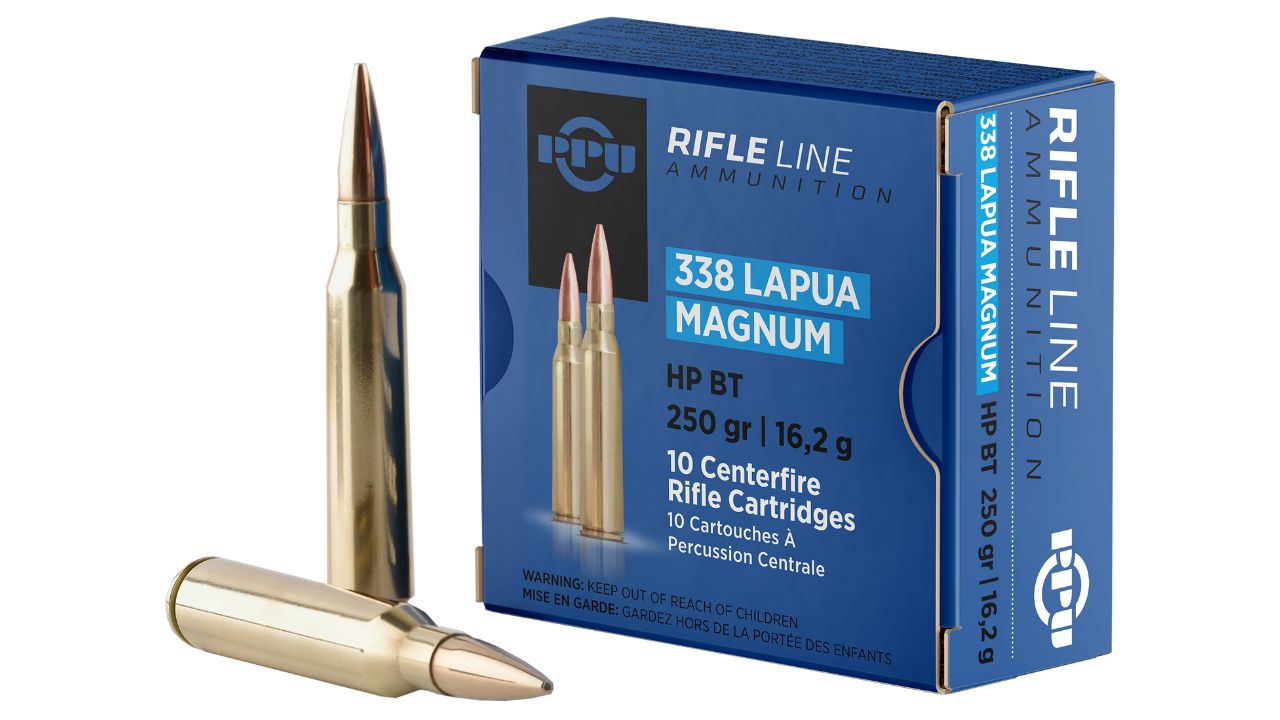
The .338 Lapua is a long-range monster on the charts—huge energy, extreme-range capability, and unmatched penetration. But for most shooters, it’s way too much. The recoil is punishing, rifles are heavy, and the ammo costs more than dinner for two.
Unless you’re shooting a mile or more, the practical advantages vanish. It’s a round designed for snipers, not deer hunters or range hobbyists. The specs might make you feel like you’re holding unmatched power, but in most hands, it’s overkill in every sense of the word.
6mm Creedmoor
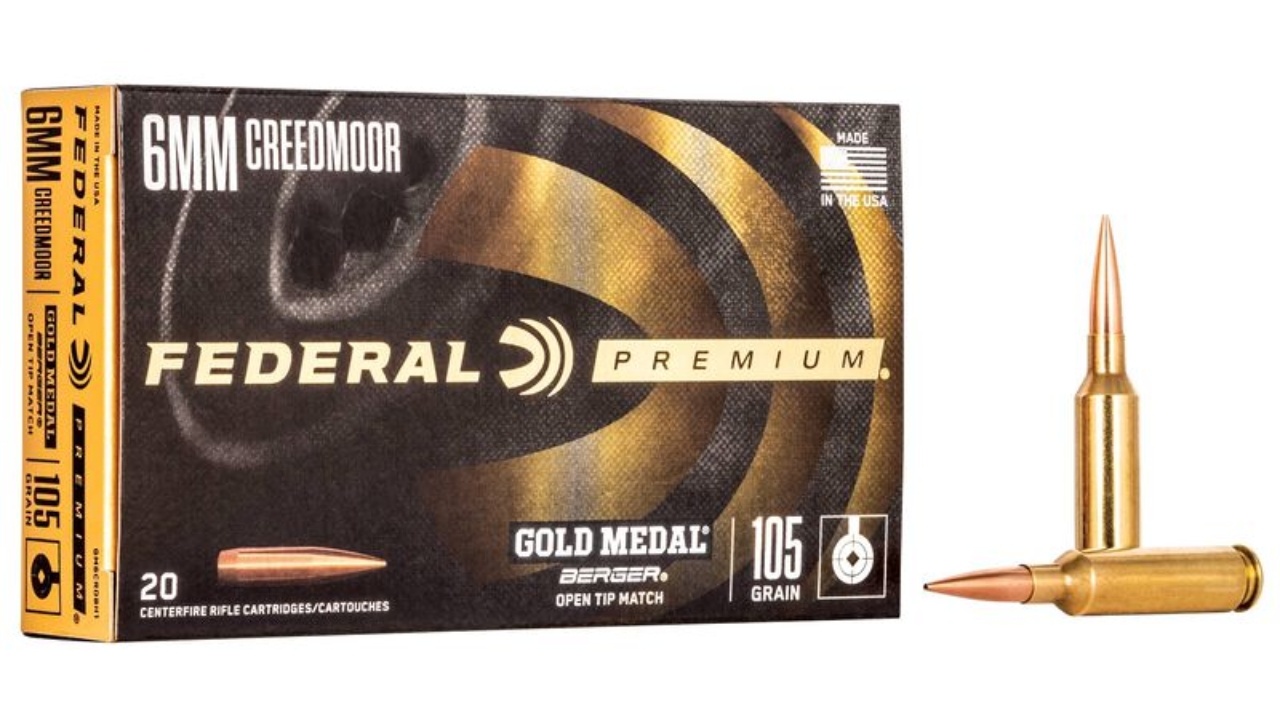
The 6mm Creedmoor has great numbers—flat, fast, and accurate. But it’s also a barrel burner with limited hunting bullet options. It excels for competition, not the field. The light bullets and high velocity make it finicky in wind and unforgiving with fouling.
It dominates the paper stats, but practical shooters often go back to the 6.5 Creedmoor for balance and barrel life. The numbers make it look like the future, but the upkeep makes it feel like a hassle. It’s a round for the spreadsheet, not for the average hunter’s rifle.
Like The Avid Outdoorsman’s content? Be sure to follow us.
Here’s more from us:
The worst deer rifles money can buy
Sidearms That Belong in the Safe — Not Your Belt
*This article was developed with AI-powered tools and has been carefully reviewed by our editors.