Photo credit: Nomad_Soul/Shutterstock.com
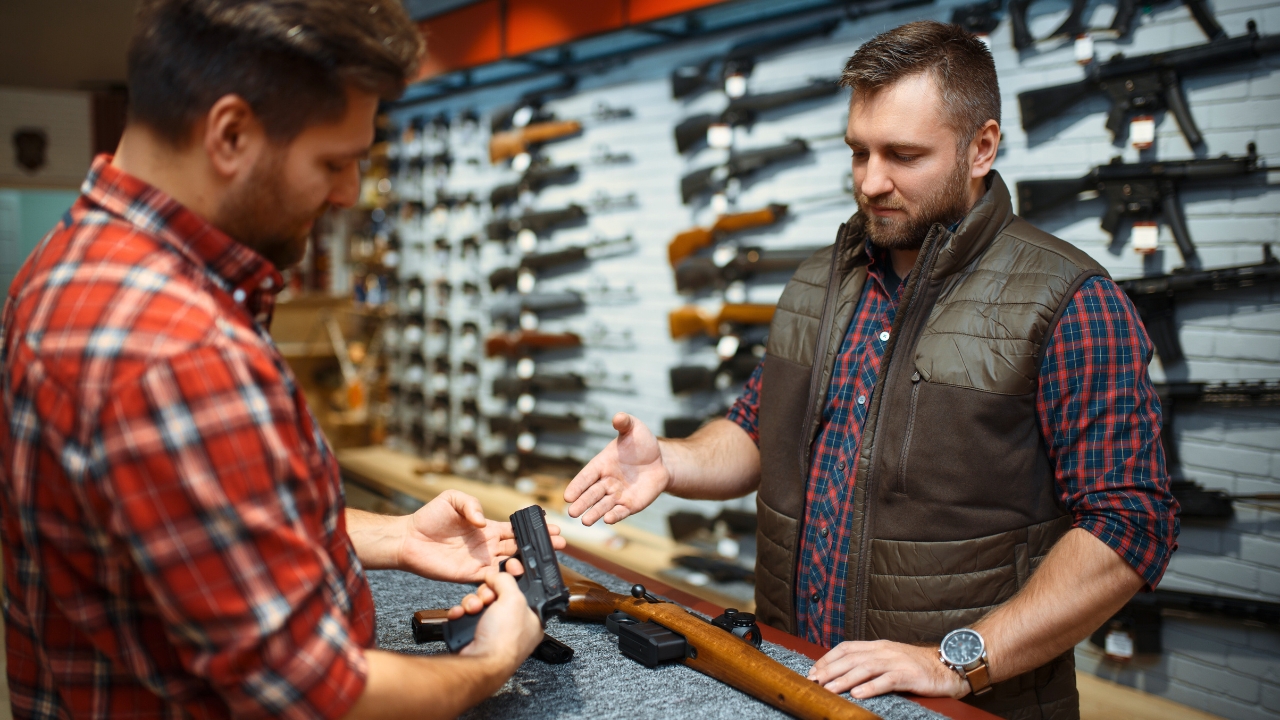
Gun-counter advice is dangerous for one reason: it’s usually delivered with absolute confidence, and confidence is contagious. A guy behind the counter says something like it’s a law of physics, and a new buyer walks out thinking they got expert guidance. Sometimes they did. A lot of times they didn’t. The most common gun-counter advice that sounds confident and causes real problems is “Just buy the smallest gun you can hide, because you’ll carry it more.” It sounds practical. It’s also incomplete, and when people follow it blindly, it creates a cycle of frustration: they buy a tiny pistol, they don’t shoot it well, they don’t enjoy training, and then they either stop carrying or they carry a gun they can’t run confidently when they’re cold and under pressure.
Carrying more only matters if you can actually perform with what you carry. A gun that’s always on you but slow, inaccurate, and hard to control isn’t the win people think it is. It can still be better than being unarmed, sure, but “better than nothing” is a low standard for something you’re trusting with your life. The counter advice skips the part that matters most: balancing concealment with shootability and building a setup you’ll train with consistently.
Why that advice hooks people
It hooks people because it solves an emotional problem. New carriers are worried about printing, attention, discomfort, and awkwardness. The smallest gun feels like a clean solution. It also feels cheaper and less complicated: small gun, small holster, done. The problem is that small guns demand better fundamentals. Less grip, more snap, shorter sight radius, and often harsher triggers mean you have to be more disciplined to get the same results you’d get easily with a compact. Most new shooters aren’t ready for that, and they don’t realize it until they’ve already spent money.
Then the buyer blames themselves, or blames concealed carry, or blames the gun brand. What they rarely blame is the original advice that pushed them into a platform that’s harder to master. The advice sounded confident, so it felt correct. But it wasn’t tailored to the buyer’s actual skill level or commitment to training.
What real carriers learn that counters don’t say out loud
Real carriers learn that the “carry it more” argument is only half the equation. The other half is: will you practice with it enough to be truly competent? Many tiny pistols are unpleasant to shoot for long sessions. They beat up hands, they punish sloppy grip, and they’re less forgiving when you’re trying to shoot fast. That makes people avoid training, which makes them less capable, which makes them less confident, which makes them carry less. It’s the opposite of the goal.
A compact pistol often conceals better than people expect with a proper belt and holster, and it’s dramatically easier to shoot well. That means you practice more, you improve faster, and you build confidence that’s based on performance rather than optimism. That’s the path that keeps people carrying long-term.
The better version of the advice
The smarter advice is: carry the largest gun you can realistically conceal every day, and set it up so it’s comfortable enough that you won’t quit. For most people, that ends up being a compact or slim compact, not the tiniest thing on the shelf. You still have to solve concealment, but you solve it with the holster/belt system, placement, and clothing choices—not by jumping straight to the most difficult gun to shoot.
If you truly need a tiny pistol for deep concealment, that’s fine. But treat it as a specialist tool and train accordingly. Don’t pretend it’s the “best” option just because it fits in a pocket. If you’re buying your first carry gun, you want something that helps you learn, not something that punishes you for learning.
How to protect yourself from confident counter talk
Any time you’re given absolute advice, run it through one question: “Does this make me more capable, or just more comfortable?” Comfort matters, but capability is the reason you’re buying the gun. Before you commit, handle a compact and a micro back-to-back. Better yet, shoot them back-to-back. Try a cold draw to one hit and a controlled pair. You’ll feel the difference instantly. If you can’t test-fire, at least choose a gun you can grip fully and press the trigger cleanly without shifting the sights.
Also, build the system around the gun. A good belt and holster often make a compact easier to conceal than a badly set-up micro. If you need a solid belt, holster clips, or basic carry gear, Bass Pro Shops is a convenient place to get started, but the bigger point is picking the right category of gun before you start chasing accessories.
Gun-counter confidence doesn’t equal correct advice. “Buy the smallest gun so you’ll carry it more” causes real problems because it ignores shootability, training reality, and cold-start performance. A gun you can shoot well is a gun you’ll trust, and a gun you trust is the one you’ll actually keep on you without quitting. Pick the gun that makes you more capable, then build comfort around it—not the other way around.
Like The Avid Outdoorsman’s content? Subscribe to our newsletter so you never miss an article.
Here’s more from us: