Photo credit: Half-Cocked Hillbilly/YouTube
Some guns get ignored for years because they never seem scarce enough, glamorous enough, or loud enough to make people panic. They are the ones sitting in the case while buyers chase whatever feels more collectible, more tactical, or more impressive to talk about. People call them common, plain, or nothing special right up until the day they go looking for one and realize the shelves have gone thin, the used prices have gone weird, and the easy supply they counted on is not coming back.
That is when the story changes. The gun itself usually did not become magical overnight. What changed was availability, attention, and the sudden realization that a firearm people treated like background stock had quietly become something buyers now scramble to replace. These are the guns people swore were nothing special until the shelves told a different story.
Smith & Wesson 5906
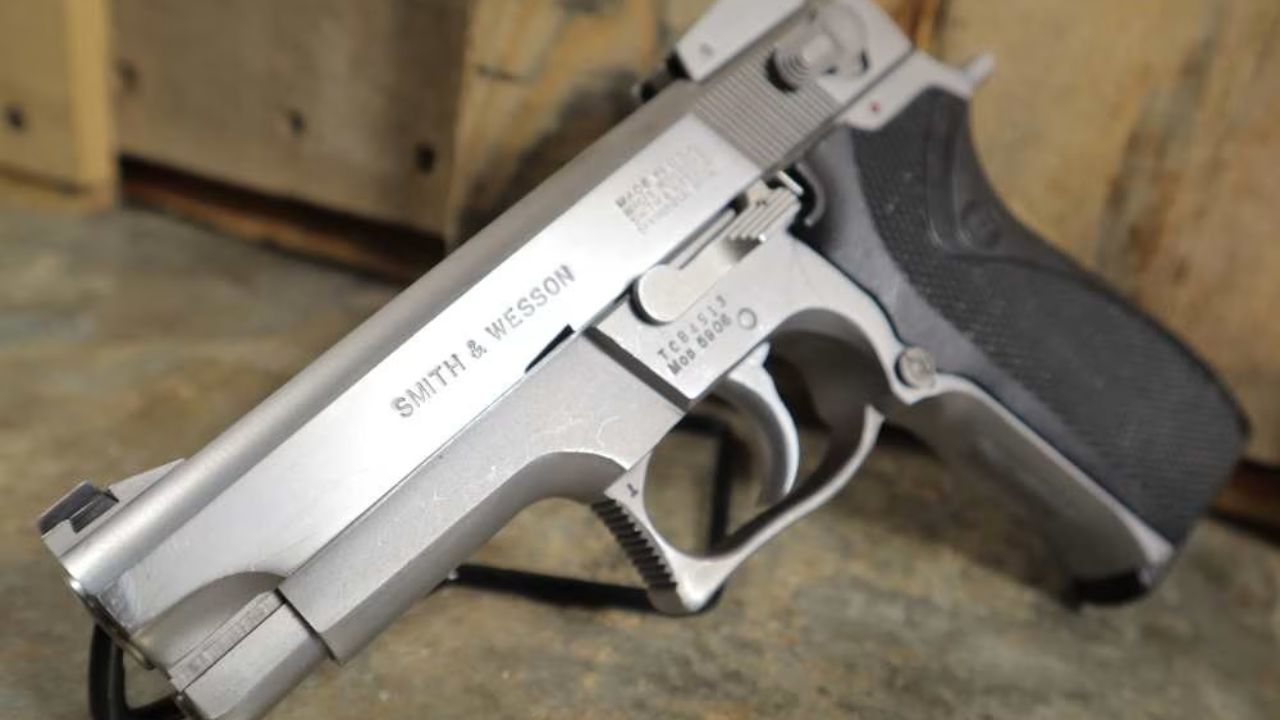
For years, the Smith & Wesson 5906 was the kind of pistol people respected without really valuing. It was heavy, stainless, and tied to an older duty-gun era that many buyers acted like they had outgrown. A lot of people saw police trade-ins stacked up and figured that meant the gun would always be around. That made it easy to call it nothing special while chasing something lighter, newer, or more fashionable.
Then the supply started thinning and the mood changed fast. Buyers suddenly remembered that the 5906 was built like a serious working pistol, shot well, and represented a kind of all-metal service gun the market was not replacing very convincingly. Once the shelves stopped reflecting endless supply, the same pistol people had shrugged at started looking a whole lot smarter.
Marlin 336 JM-stamped
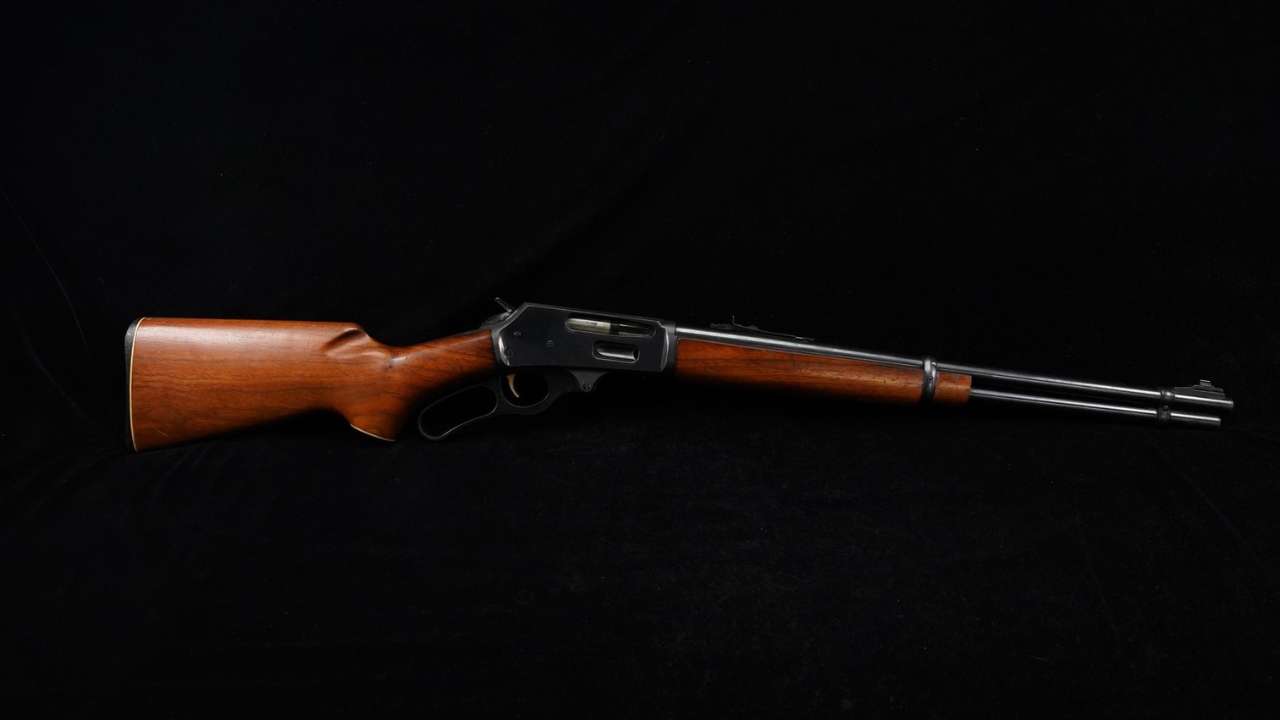
The JM-stamped Marlin 336 sat around long enough that many buyers stopped really seeing it. It was just a solid lever gun, a deer-camp rifle, something common enough that it never felt urgent. Plenty of people treated it like the definition of ordinary. They liked it, sure, but not in a way that made them think they needed to buy one immediately.
That attitude worked until the shelves changed. Once older Marlins stopped being so easy to find and the quality differences between production eras became a bigger conversation, the 336 gained a lot of respect in a hurry. The rifle people swore was just a basic lever gun suddenly became the one they wished they had grabbed when basic still meant affordable and available.
Ruger P89

The Ruger P89 spent years being described with a kind of reluctant respect. Buyers admitted it worked, admitted it was durable, and then usually followed that up with some reason they were too refined to actually want one. It was too chunky, too plain, too awkward-looking to feel special. That kept it sitting in the mental category of guns that would always be cheap and easy to find.
Then the used racks stopped looking so full. Prices on older service pistols started climbing, and the market forced people to reconsider what “nothing special” really meant. The P89 did not change. It was still rugged, dependable, and built to run. The difference was that buyers no longer had endless chances to ignore it while pretending something flashier made more sense.
Winchester 94 Angle Eject

The Winchester 94 Angle Eject used to live under a cloud of faint praise from people who acted like it was the less romantic Winchester. It was useful, sure, but not the version many traditionalists wanted to brag about. That made it easy to overlook. Buyers treated it like the practical but uninspiring option that would probably always be there if they ever got serious about buying one.
Then lever guns got hot and supply got thinner. Suddenly the same rifle people had talked down for years started looking like a very smart version of the Winchester 94 story. It handled well, wore the right name, and had been right there all along while buyers acted too picky to bother. Once the shelves started saying otherwise, the old condescension disappeared pretty quickly.
Beretta 84 Cheetah

The Beretta 84 Cheetah was another gun that plenty of people liked without taking seriously enough. It was stylish and well-made, but being a .380 kept some buyers talking like it was a charming side piece rather than a handgun worth prioritizing. That made it easy to leave sitting in the case while more “serious” pistols got the money.
Then the supply shifted and buyers started noticing what they had dismissed. The Cheetah offered metal-frame quality, excellent handling, and a kind of compact-pistol personality that the newer market often struggles to match. Once the shelves stopped treating them like a permanent fixture, buyers suddenly got a lot more interested in a pistol they had spent years calling nonessential.
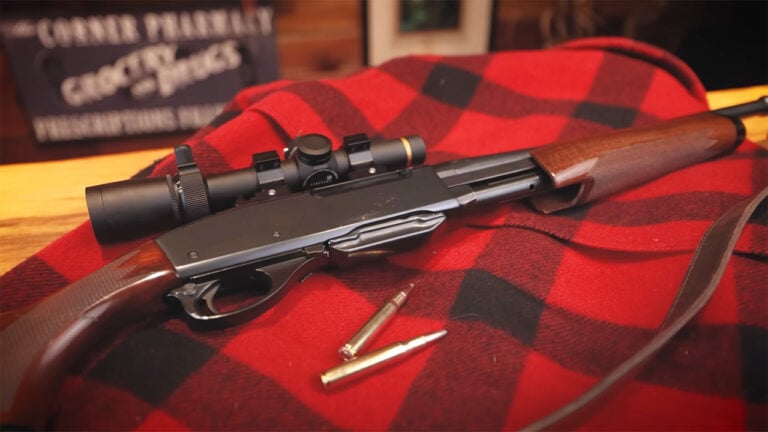
Remington 7600

The Remington 7600 has always had loyal users, but there was also a big crowd that acted like it was too plain and too regional to be anything worth chasing. If you were a “serious” rifle guy, you were supposed to want a bolt gun, something more refined, or something easier to brag about. That attitude left the 7600 stuck in the category of rifles people respected only after tagging deer with one.
Then availability tightened and the shelves started looking different. Buyers who had treated the 7600 like a backup option suddenly had to admit it was not nearly as easy to replace as they thought. The same plain pump rifle they once acted above had quietly become one of the smarter real-world hunting guns to have around.
Colt Mustang

The Colt Mustang spent years getting treated like a neat little pistol that was not quite important enough to chase. Buyers liked the Colt name, liked the compact metal feel, and then often talked themselves into spending elsewhere because the Mustang seemed too small and too soft in caliber to matter much. It was easy to assume one would always be around later.
Then later got expensive. Once buyers realized older compact metal carry guns with actual personality were not going to stay cheap forever, the Mustang stopped looking like a casual side purchase and started looking like a missed opportunity. The shelves did a lot to educate people who had spent years acting like they were above wanting one.
Savage 99E
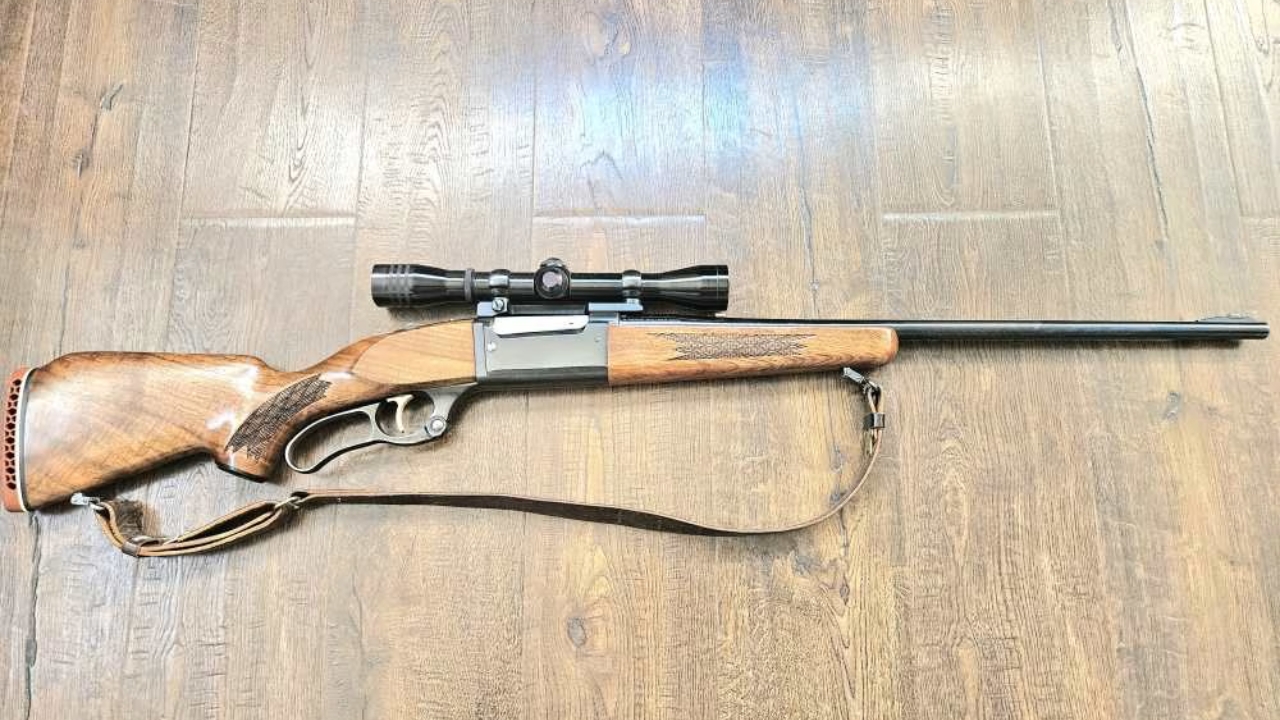
The Savage 99E is a perfect example of a rifle many buyers dismissed because it was the plain version of something more romantic. People liked the Savage 99 family, but plenty acted like the simpler E models were beneath their attention unless the price was low enough to make it impossible to say no. That kept them in the category of rifles people thought would never carry much urgency.
Then the market caught up to the whole platform. Once buyers had fewer easy chances to find decent 99s at sensible prices, even the plainer versions started getting viewed very differently. The 99E had been a real Savage 99 all along. The shelves just had to get thinner before a lot of buyers stopped pretending otherwise.
Smith & Wesson Model 64
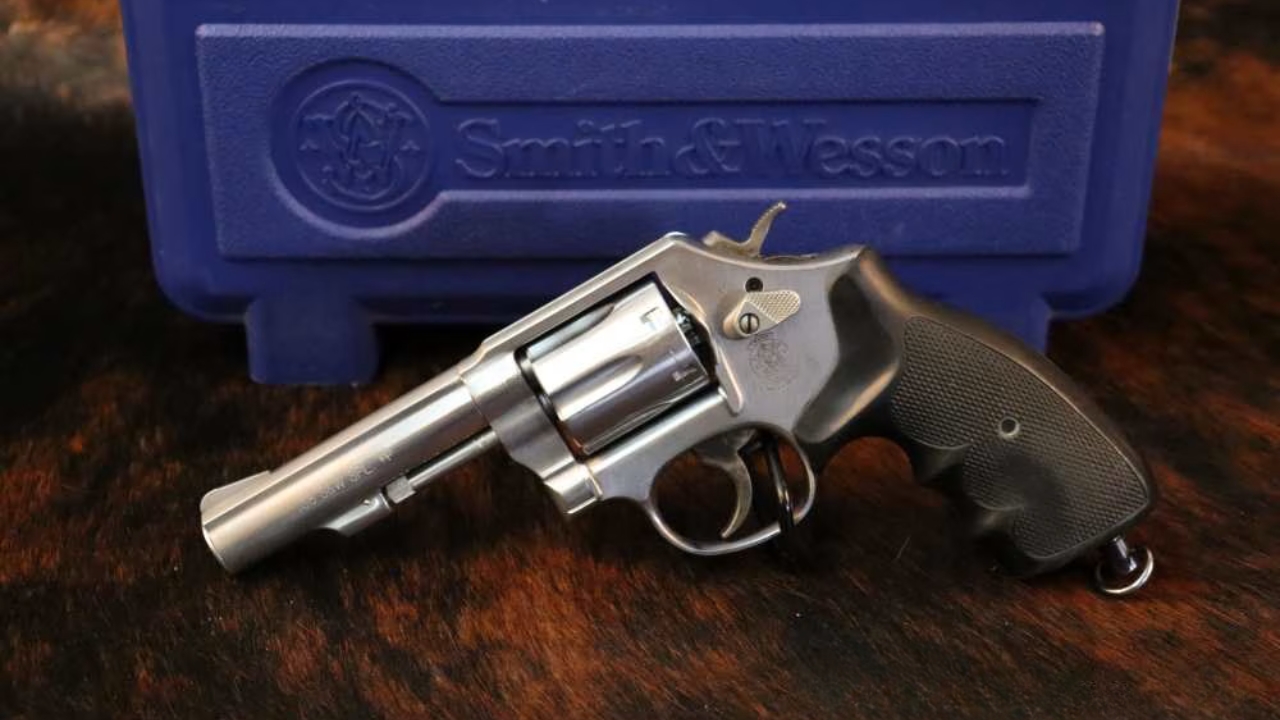
The Smith & Wesson Model 64 was long treated like the plain stainless revolver that lacked the visual pull of blued guns and the collector aura of fancier Smiths. Buyers respected it but often in a way that sounded dismissive. It was practical, durable, and a little boring. That made it easy to leave behind in favor of prettier revolvers or more hyped names.
Then good K-frames started getting harder to snag without paying up. The Model 64 did not become a different revolver. It simply stopped being surrounded by endless alternatives. Once the shelves got thinner, buyers had to confront the fact that the plain stainless service revolver they had written off was actually one of the most sensible and usable wheelguns in the room.
Browning Buck Mark

The Browning Buck Mark spent years sitting in that familiar rimfire lane where buyers liked it but rarely treated it as urgent. It was dependable, fun, and quietly good, but that quietness worked against it. People assumed rimfire pistols like that would always be around and always be affordable. That made it easy to prioritize louder purchases and leave the Buck Mark for some later date.
Then the easy supply stopped feeling so easy. Buyers started paying more attention to quality rimfires, and the Buck Mark’s steady competence suddenly stood out more. The pistol had not changed. It was still just a very good .22. But once the shelves started telling buyers they should have taken “just very good” more seriously, the whole tone around it changed.
Ruger Old Vaquero

The Ruger Old Vaquero used to be the revolver people bought only after deciding they were not getting the Colt they really wanted. That made it easy for some buyers to act like it was not all that special. It was a Ruger single-action, solid and useful, but not the one they wanted to romanticize. So they walked past it, thinking it would always be there as the practical fallback.
Then buyers started preferring the older frame size, supply thinned, and prices followed. Suddenly the same revolver that had once been treated like the less glamorous option started getting hunted hard. Once the shelves made it clear these were not just sitting around anymore, the old attitude that they were nothing special got very hard to maintain.
Winchester 100

The Winchester 100 sat in that awkward middle ground for years. It was not as celebrated as the classic lever guns and not as trendy as newer semi-autos, which made it easy to downplay. Buyers often treated it like an interesting older rifle that was never going to become a serious want. There would always be another one later if they ever decided they cared.
Then supply and prices started teaching a different lesson. The Winchester 100 began looking more appealing as buyers appreciated older semi-auto hunting rifles with real character, and suddenly the shelves did not support that old casual attitude anymore. The rifle people once called ordinary turned out to have been a whole lot more interesting than they gave it credit for.
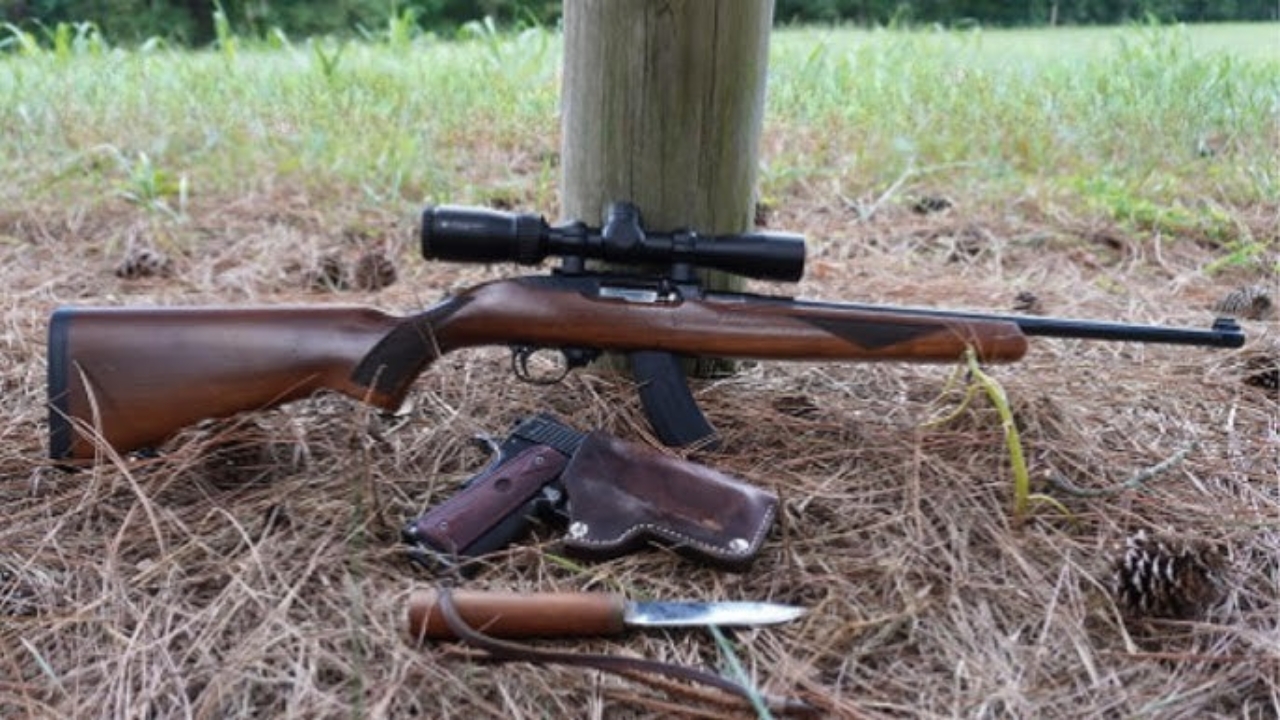
Ruger 10/22 Carbine
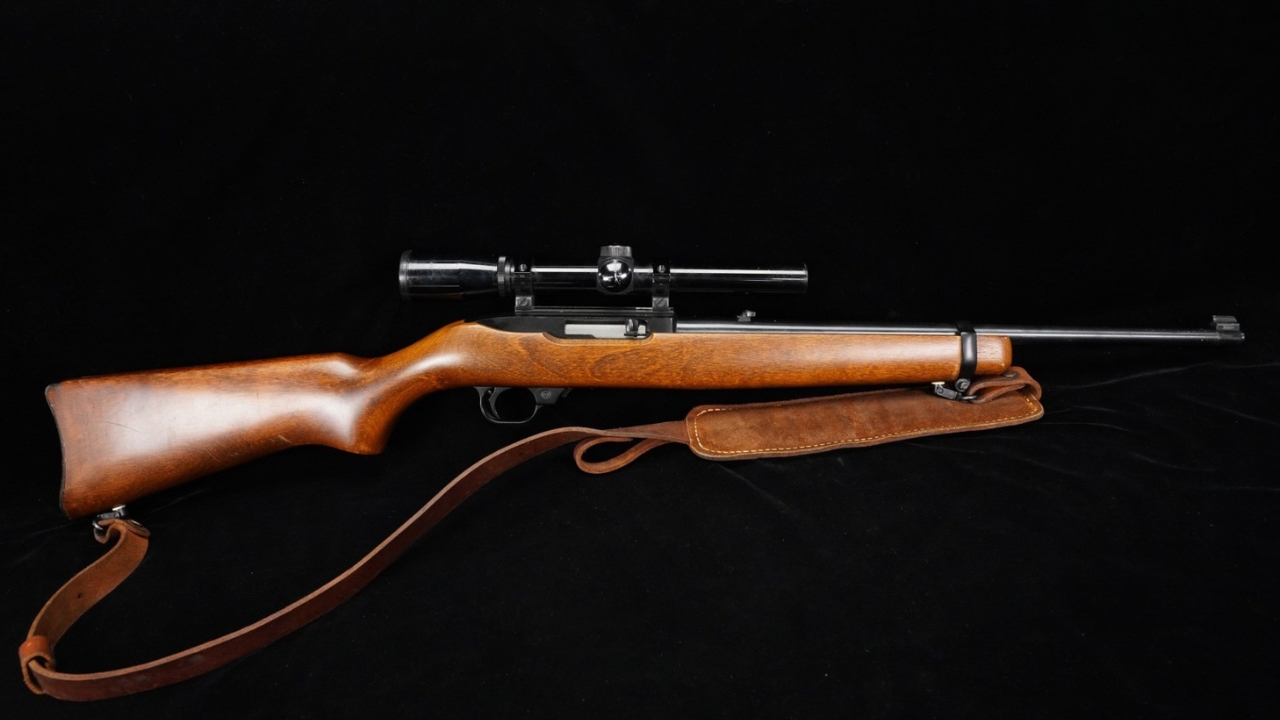
The plain Ruger 10/22 Carbine may be the ultimate example of a gun people stopped respecting because it was too familiar. Everybody knew it, everybody had seen one, and that very familiarity made it feel impossible to miss out on. Buyers acted like it was just the standard little rimfire, something permanent in the background while they chased more tactical or more specialized .22 setups.
Then buyers started realizing that plain carbines in nice condition were not necessarily going to sit everywhere forever, especially when the market got weird and demand surged across the board. The shelves forced people to see the 10/22 Carbine differently. What had looked too common to matter suddenly looked like exactly the kind of gun every smart safe ought to have had already.
Ithaca Model 37 riot variants
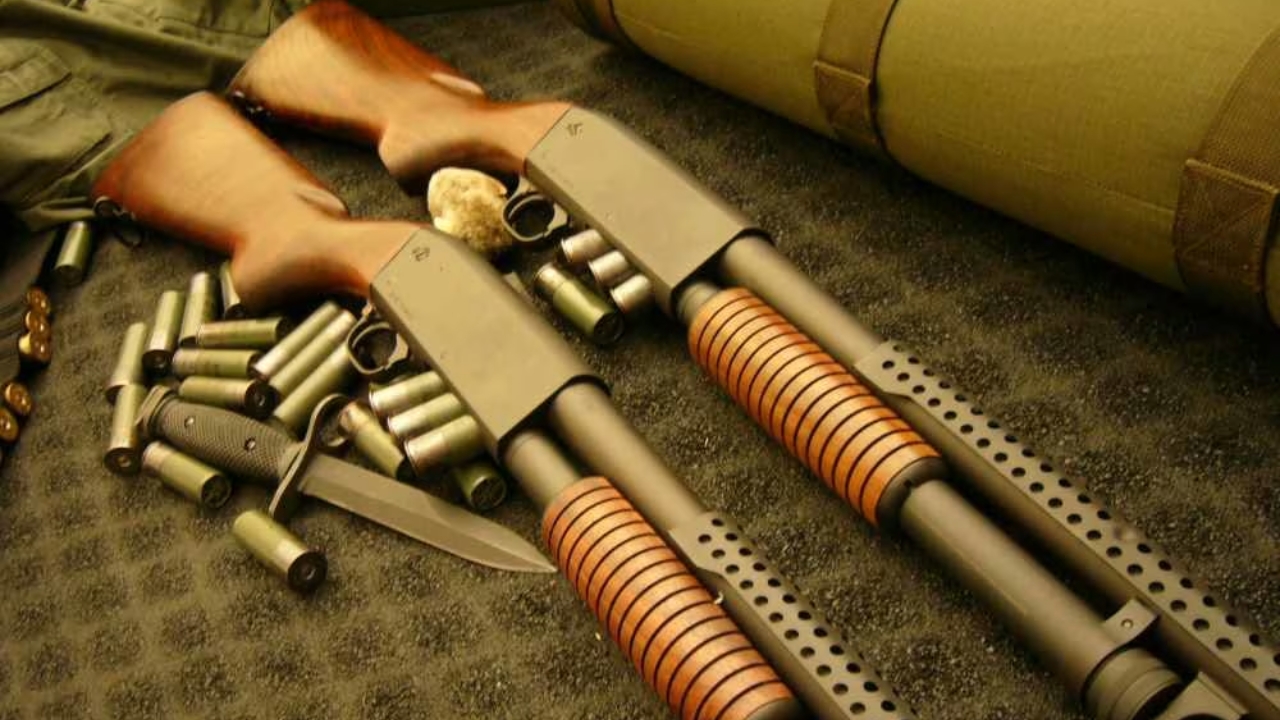
The Ithaca Model 37 riot-style guns were long treated as the interesting alternative pump rather than the one buyers were supposed to covet first. That made them easy to admire and easy to leave behind. People figured they were neat old shotguns, but not something likely to disappear into a hotter market anytime soon. That assumption let a lot of buyers stay lazy.
Then the shelves stopped supporting that laziness. Once older defensive shotguns with real character and strong reputations started getting more attention, the shorter Ithacas suddenly looked like far more than just cool alternatives. They had been solid, serious guns all along. The difference was that buyers finally had to admit it once they were no longer staring at stacks of them.
Like The Avid Outdoorsman’s content? Subscribe to our newsletter so you never miss an article.
Here’s more from us: