Photo credit: Kerry Hargrove/ShutterStock.com
When you’ve hunted long enough, you start to notice certain calibers that keep getting pushed as “deer capable” even though they fall short in the field. Maybe they look good on paper, maybe marketing departments needed something new to talk about, or maybe folks just wanted lighter recoil. But a caliber doesn’t magically become a deer round because a company says so.
If it can’t penetrate reliably, hold velocity past moderate distances, or deliver enough energy for consistent blood trails, it doesn’t belong in the deer woods. These are the ones seasoned hunters learn to leave on the shelf.
.22 Magnum

The .22 Magnum has taken a few deer over the years, but that doesn’t make it a deer cartridge. It simply lacks the penetration and energy needed for consistent kills. Even with the best modern loads, it struggles to punch through shoulder bone or reach the vitals from imperfect angles. Under real hunting conditions, that matters more than anything printed on a box.
At 125 yards, velocity drops fast, and wound channels are shallow. A deer can run a long way on a small hole. Hunters who rely on it usually end up tracking far longer than they should, and the margin for error is unacceptably small.
.17 HMR
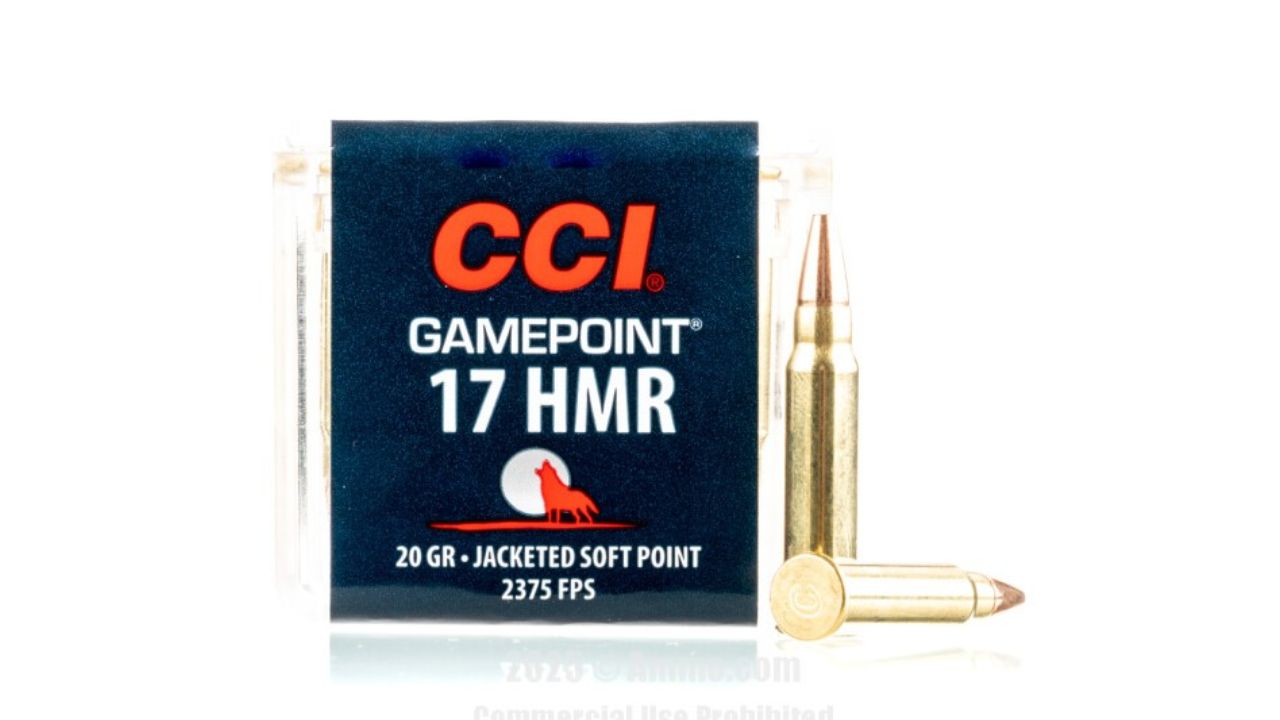
The .17 HMR is accurate and fun to shoot, but it was never meant for deer-sized animals. The bullet is designed to fragment, which works great on varmints but fails badly on larger game. When the bullet breaks apart on impact, you lose the penetration needed to reach vital organs reliably.
Even perfect broadside shots can turn into long tracking jobs. Throw in wind drift and the extremely light bullet weight, and your odds drop even more. It’s simply too fragile and too unpredictable to be ethical on deer, regardless of how tight the groups look at the range.
.25 ACP
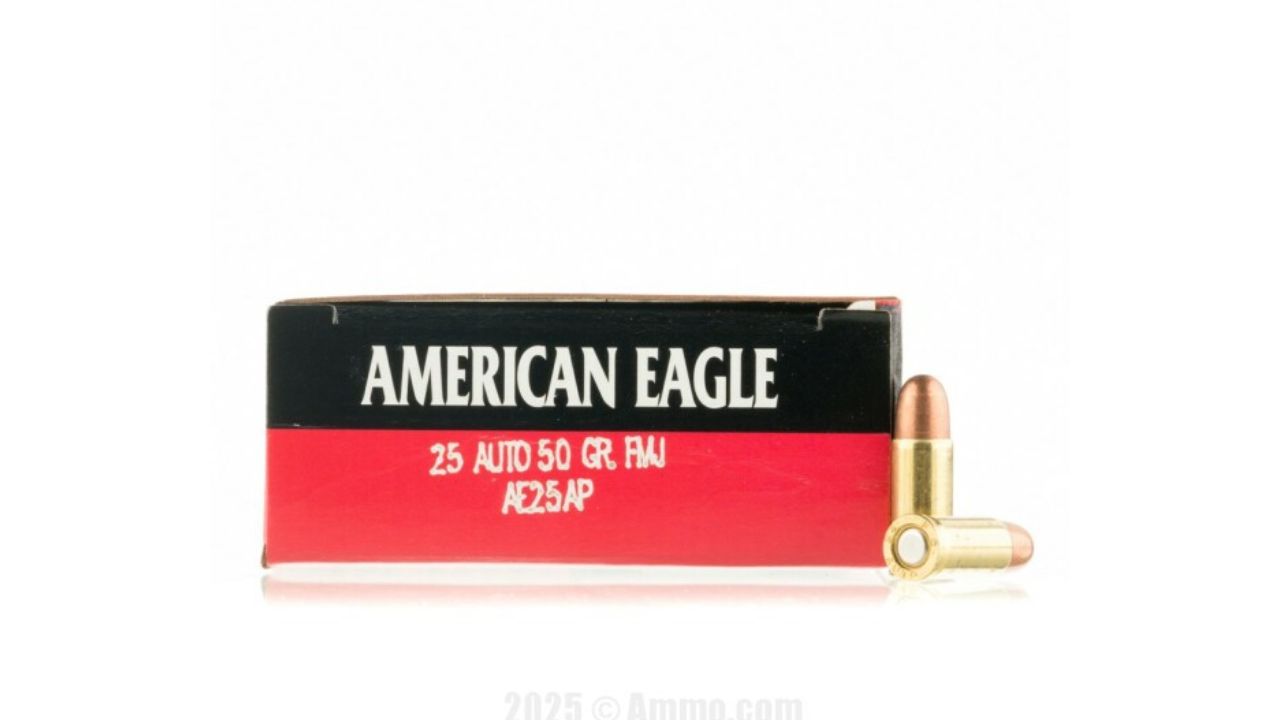
The .25 ACP barely has enough energy for small pests, let alone deer. Marketing this round for deer would be laughable if it weren’t so irresponsible. The tiny bullet doesn’t penetrate, it doesn’t expand, and it doesn’t carry any meaningful power past a few yards.
Even in controlled conditions, it performs more like a sharp poke than a lethal shot. Hunters who try it are setting themselves up for wounded animals and tracking nightmares. There’s a reason you never see it discussed seriously by experienced hunters—it simply doesn’t belong in the woods.
.32 ACP
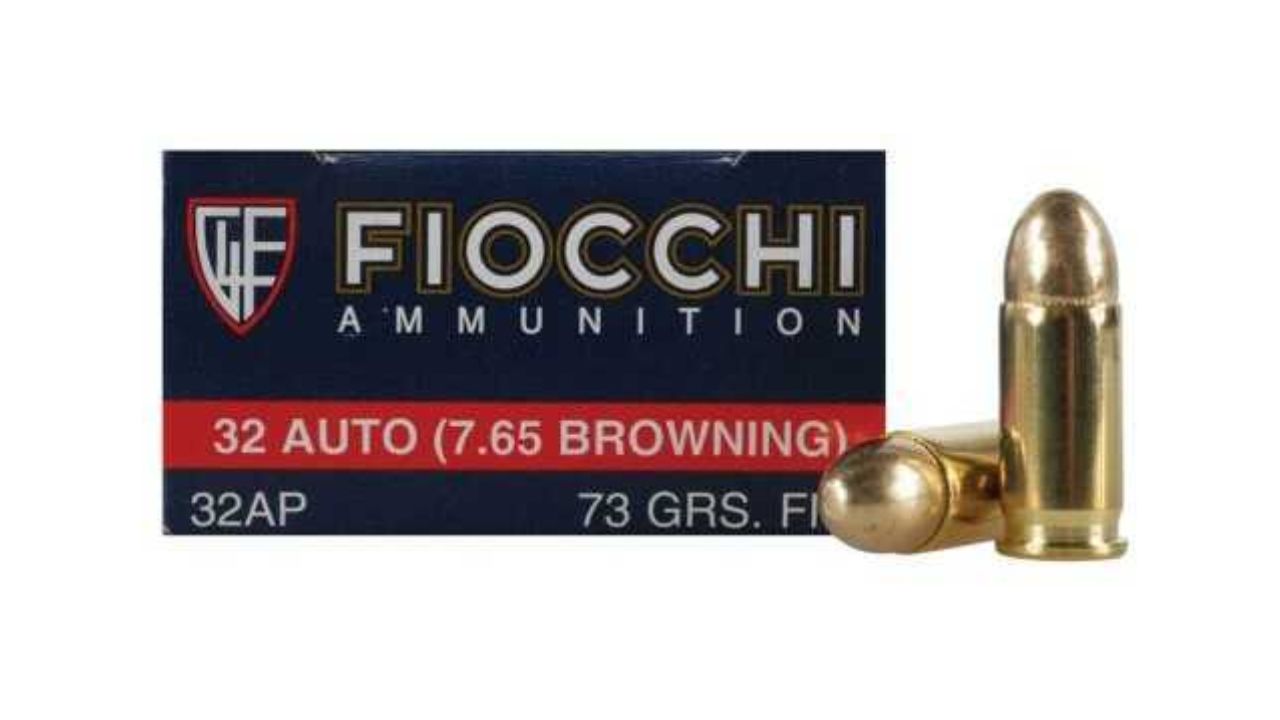
Some early 1900s hunters tried to make the .32 ACP work on deer, but experience proved quickly that it falls short. The round is slow, underpowered, and inconsistent on penetration. It was never designed for big-game hunting, and it shows immediately when bullets fail to reach the vitals.
Even modern loads don’t fix the issue. Velocity drops sharply past short distances, and shot placement must be perfect. Deer deserve better than a handgun round that struggles with even medium-size predators. It’s a round that works for small game dispatching but should stay far away from deer seasons.
.410 Slug (from lightweight youth guns)

A .410 slug can work, but it barely meets the lower edge of what’s ethical—and only from the right guns. Unfortunately, many hunters try it from super-light youth shotguns with short barrels and minimal energy. The result is shallow penetration, slow projectiles, and poor terminal performance on anything but perfect shots.
The tiny payload limits wound channel size, and the slug sheds energy fast. Add in the recoil-sensitive platforms it’s often paired with, and accuracy suffers. It’s a round that’s marketed as “easy for kids,” but in reality it creates more wounded deer than clean kills.
.30 Carbine
The .30 Carbine has been used on deer for decades, but its performance is inconsistent at best. The round was designed for military personnel who needed something better than a pistol—not for medium game hunting. Expansion is unpredictable, and penetration can fail when bone gets involved.
Inside 50 yards, with the right ammo, it can work. But marketing it as a general-purpose deer option stretches the truth. Energy drops fast, and its lightweight bullets don’t hold up well on quartering angles. Most seasoned deer hunters moved on from it long ago for good reason.
.223 Remington with Varmint Loads

The .223 can be effective on deer, but not with the varmint loads that often get marketed as “flat shooting” and “super accurate.” These lightweight bullets explode on impact, creating surface wounds rather than deep penetration. Newer bonded and monolithic options work well, but many hunters still reach for the wrong ammunition.
When a .223 fails, it’s almost always because of bullet selection. The fragmenting loads designed for coyotes simply aren’t made for deer. They create wide but shallow damage, leading to wounded animals that run far before going down.
.32-20 Winchester
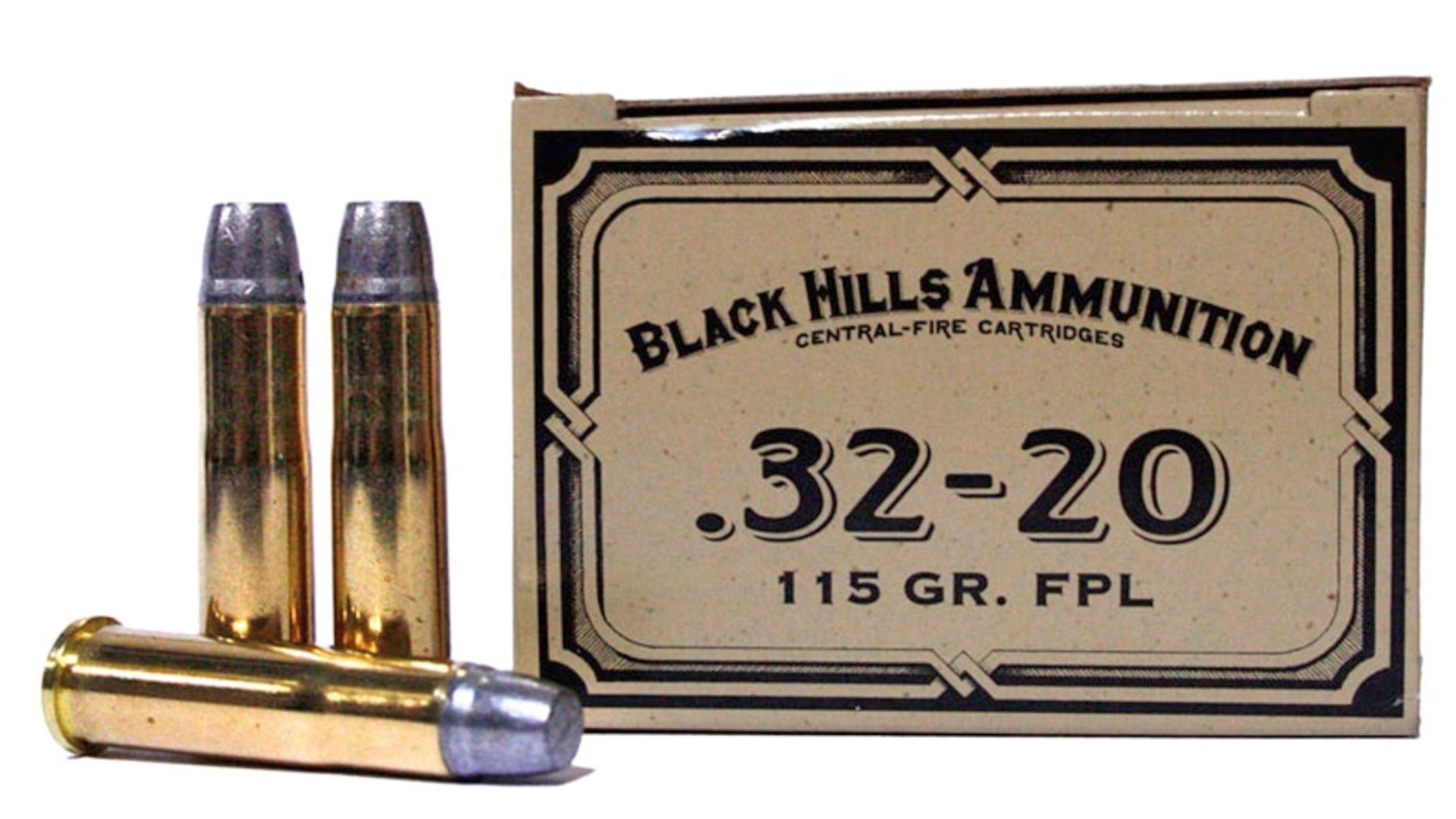
The .32-20 was originally a small-game and farm-use cartridge, and that’s where it still belongs. Its low velocity and light bullet weight limit its ability to penetrate deeply, especially on quartering deer. Hunters used it out of necessity decades ago, but modern ethics demand more reliable performance.
Even with modern ammo, the bullet sheds speed quickly, and expansion is inconsistent. Deer-sized game requires more energy and better terminal behavior. Marketing this round for deer today ignores everything we’ve learned about humane hunting.
.44-40 Winchester (from revolvers)
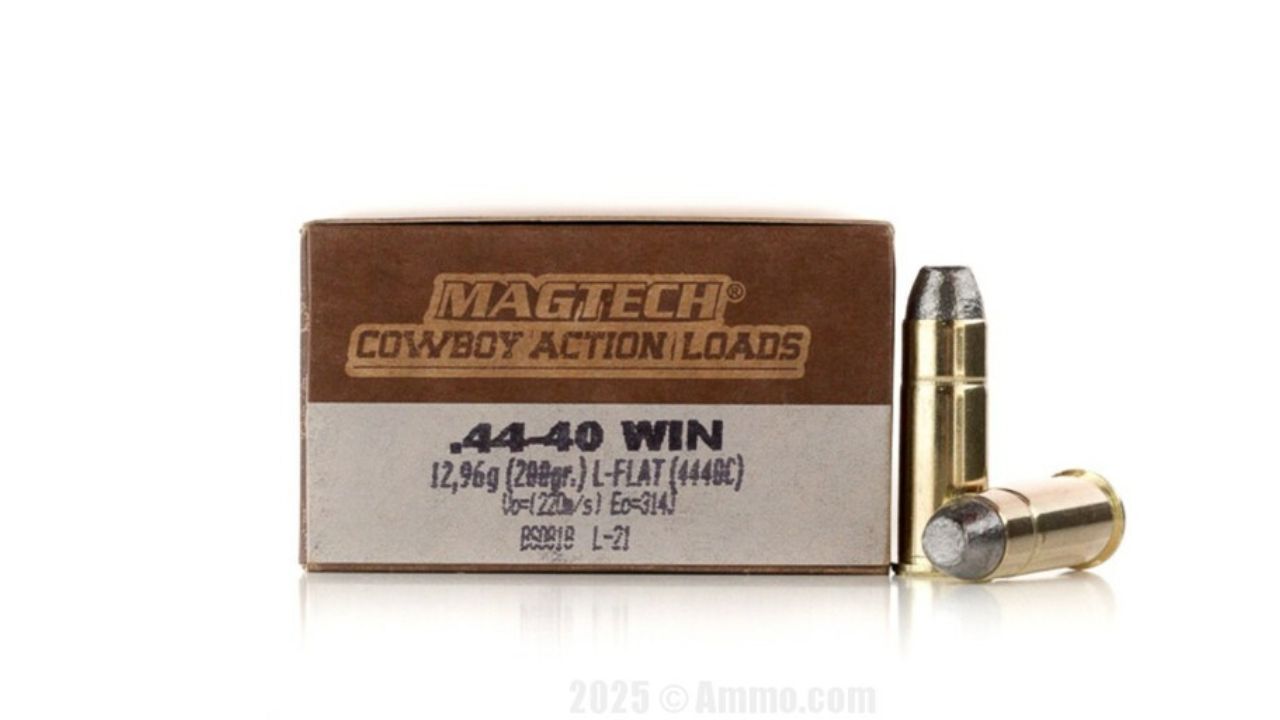
From rifles, the .44-40 can be marginally adequate on short-range deer. But from revolvers—which is where many ads and store tags still position it—the performance drops dramatically. The slow speeds and low-energy impacts simply aren’t reliable on deer-sized game.
Penetration varies wildly depending on ammo choice, and expansion is unreliable. Add in the short sight radius of most .44-40 revolvers, and shot placement becomes even harder. It’s a cartridge with a long history, but history alone doesn’t make it a good deer round.
7.62×25 Tokarev
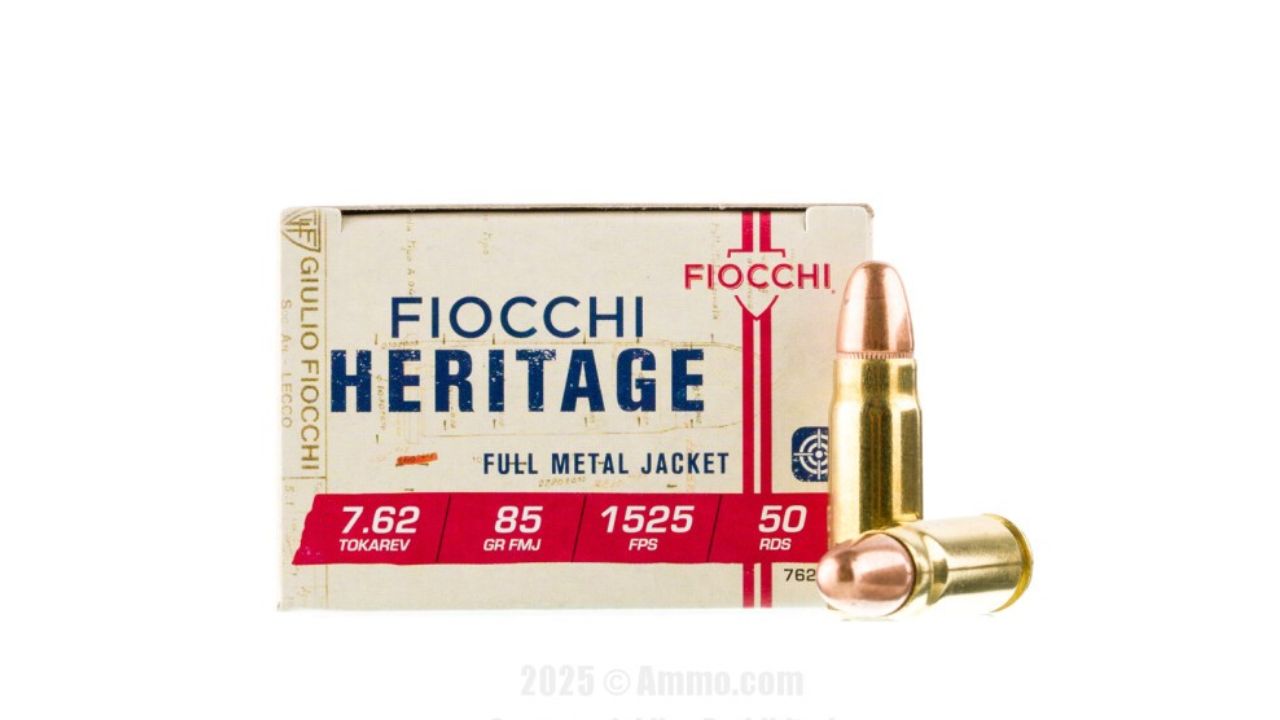
The Tokarev is fast, but that speed doesn’t translate into the penetration and expansion needed for medium game. The light bullets tend to zip straight through without creating meaningful wound channels, especially with FMJ loads—which most of the surplus ammo still is.
Hunting with it relies heavily on unlikely perfect circumstances. Once distances stretch or shots become angled, the bullet’s limitations show fast. It’s a fun cartridge for the range but one that has no place in the deer woods.
.45 Colt (cowboy loads)

Heavy hunting loads in .45 Colt absolutely work on deer. The problem is that the “cowboy action” loads sold everywhere are far too weak for reliable kills, yet many new hunters don’t know the difference. These soft, slow rounds barely expand and often fail to penetrate.
Marketing doesn’t help. Boxes marked “.45 Colt” get tossed into carts without checking the details. When hunters use low-pressure cowboy loads by mistake, deer pay the price. It’s not the cartridge itself that’s wrong—just the loads sold as general-purpose ammo.
9mm Luger

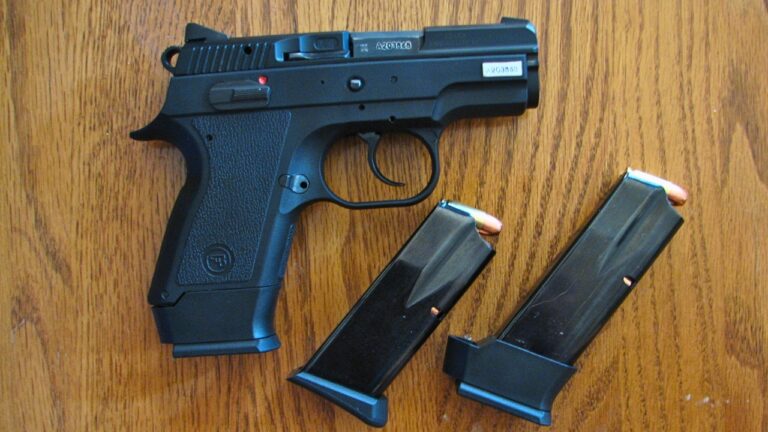
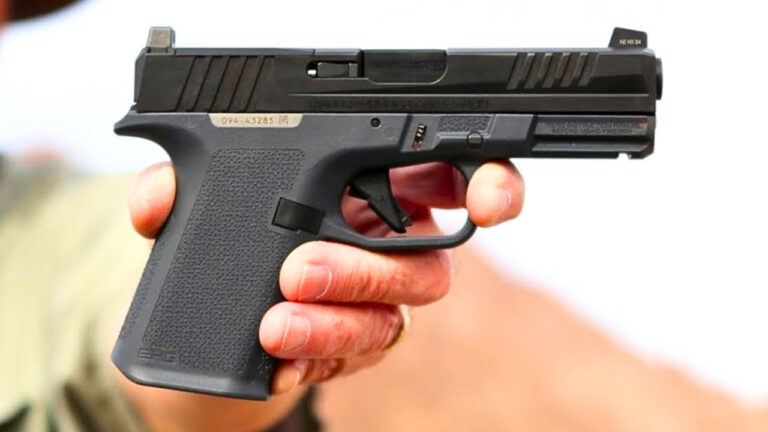
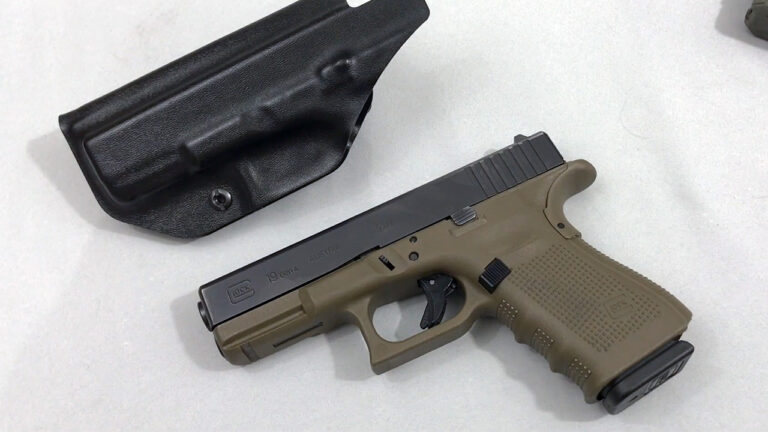
The 9mm has become popular with handgun hunters who claim modern bullets make it “just as good as a .357.” But the truth is more complicated. Even with high-quality ammo, penetration can be limited on bigger-bodied deer, especially on quartering angles.
Shot placement must be nearly perfect, and the margin for error is tiny. While the round can work at close distances, it’s consistently less reliable than proven revolver calibers. Marketing it as a routine deer option oversells its capabilities.
.45 ACP

The .45 ACP has plenty of slow, heavy bullets, but its velocity is too low for dependable expansion on deer. Many loads simply act like oversized FMJs, slipping through without causing enough trauma. Hunters have used it, but that doesn’t mean it’s appropriate.
On angled shots, penetration often falls short. Add in the limited effective range, and you’re left with a cartridge that doesn’t create the kind of consistent performance deer hunters need. It’s another round where marketing overshadows field reality.
.38 Special (standard pressure)

Like the .45 Colt cowboy loads, standard-pressure .38 Special has been marketed as “fine for deer at close range.” But its performance is marginal at best, and often downright poor. Expansion is unreliable, energy is low, and penetration fails when angles aren’t perfect.
The round shines in personal defense, not big-game hunting. Marketing it for deer creates the impression that shot placement alone can make up for poor terminal performance. In the real world, deer deserve far better.
.300 Blackout (subsonic)

Supersonic Blackout loads can handle deer just fine, but subsonic loads are a different story entirely. They’re often marketed as “quiet but effective,” yet the heavy, slow bullets lack the energy needed to create broad wound channels.
Without expansion, these bullets act like solid chunks of metal punching small holes. Blood trails are minimal, and deer often run far before dropping. Hunters who use subsonic Blackout for deer usually learn quickly that silence does not equal effectiveness.
Like The Avid Outdoorsman’s content? Subscribe to our newsletter so you never miss an article.
Here’s more from us: