

Photo credit: NonActiveAGC/YouTube
When you spend enough time on the range with hard-recoiling rifles and shotguns, you start to see which guns hold up and which ones quietly shake themselves apart. Heavy recoil exposes weak bedding, soft internals, poor stock design, and questionable machining faster than anything else. A rifle might feel good at the counter and shoot fine for a few boxes, but repeated pounding tells the real story.
The guns on this list aren’t unsafe—just poorly suited for long-term recoil abuse. If you shoot magnums, heavy slug loads, or stout lever-gun calibers, you want something that won’t loosen up, crack, or lose zero after a season of real use.
Savage Axis in Magnum Cartridges

The Savage Axis shoots well for the price, but extended use with hard-kicking cartridges can take a toll on the platform. The lightweight stock flexes under recoil, which leads to shifting point of impact over time. Hunters notice their zero wandering after a few range sessions, especially when shooting heavy loads.
The recoil lug setup is also basic, and bedding surfaces aren’t robust enough for long-term punishment. If you stick with mild cartridges, the rifle holds up well, but when you push it into magnum territory, fatigue shows quickly. It’s a budget gun doing its best, but it’s not built for repeated heavy recoil.
Ruger American Go Wild in .300 Win Mag
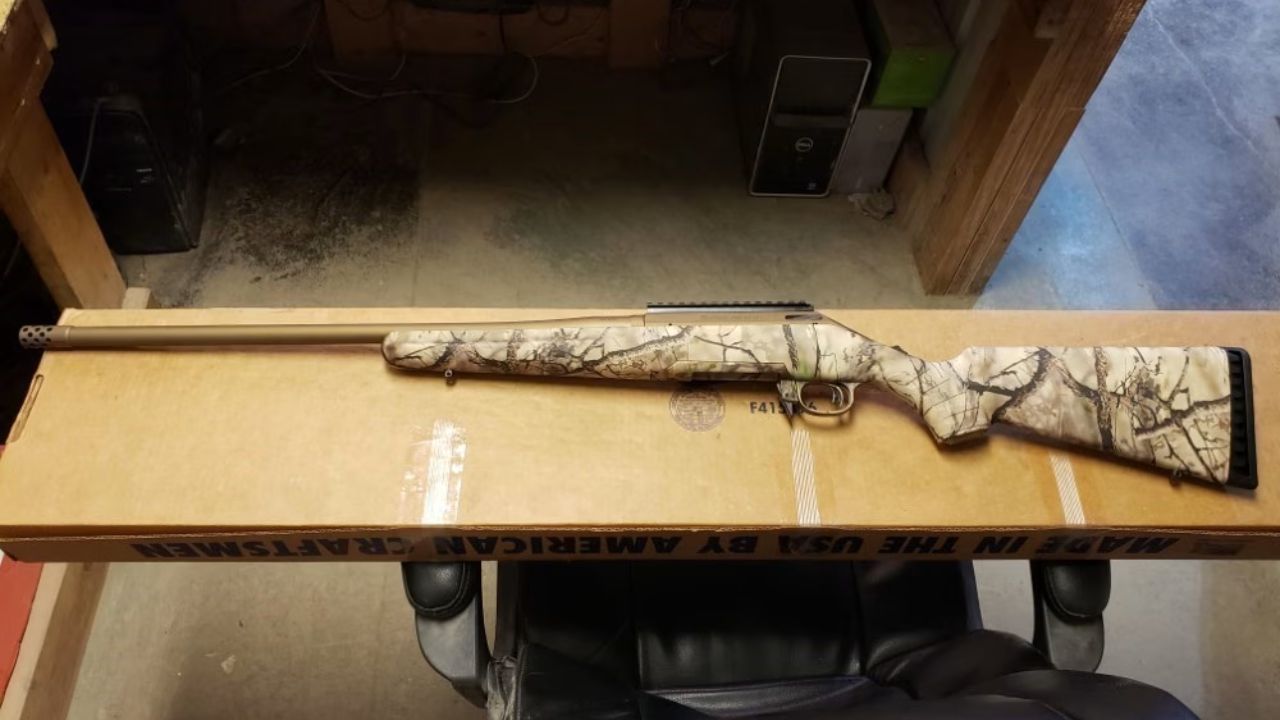
The Ruger American series offers solid performance for everyday use, but the Go Wild versions chambered in big magnums develop issues after repeated recoil cycles. The stock design transfers a lot of shock directly into the shooter and the bedding surfaces. Over time, this leads to wandering groups or small shifts in zero that become obvious at longer distances.
The polymer stock also flexes more than ideal under heavy recoil. While the action is strong, the supporting structure struggles to maintain consistency when pushed hard. With moderate cartridges, the rifle is reliable. With .300 Win Mag, the punishment is simply too much for the lightweight build.
Mossberg Patriot in .338 Win Mag

The Mossberg Patriot is a capable deer rifle, but it wasn’t engineered for the long-term pounding of heavy magnum rounds. In .338 Win Mag, the recoil impulse is sharp enough to shake screws loose, stress the stock, and shift the point of impact over repeated sessions. Hunters often report group consistency fading as the round count climbs.
It’s not a durability issue with the action itself—the platform is simply too light and flexible. The stock-to-action fit isn’t built to handle that level of punishment. If you keep it in .308 or .30-06, it’s steady. In .338, it’s a handful that wears the rifle down quickly.
Winchester XPR in .300 WSM
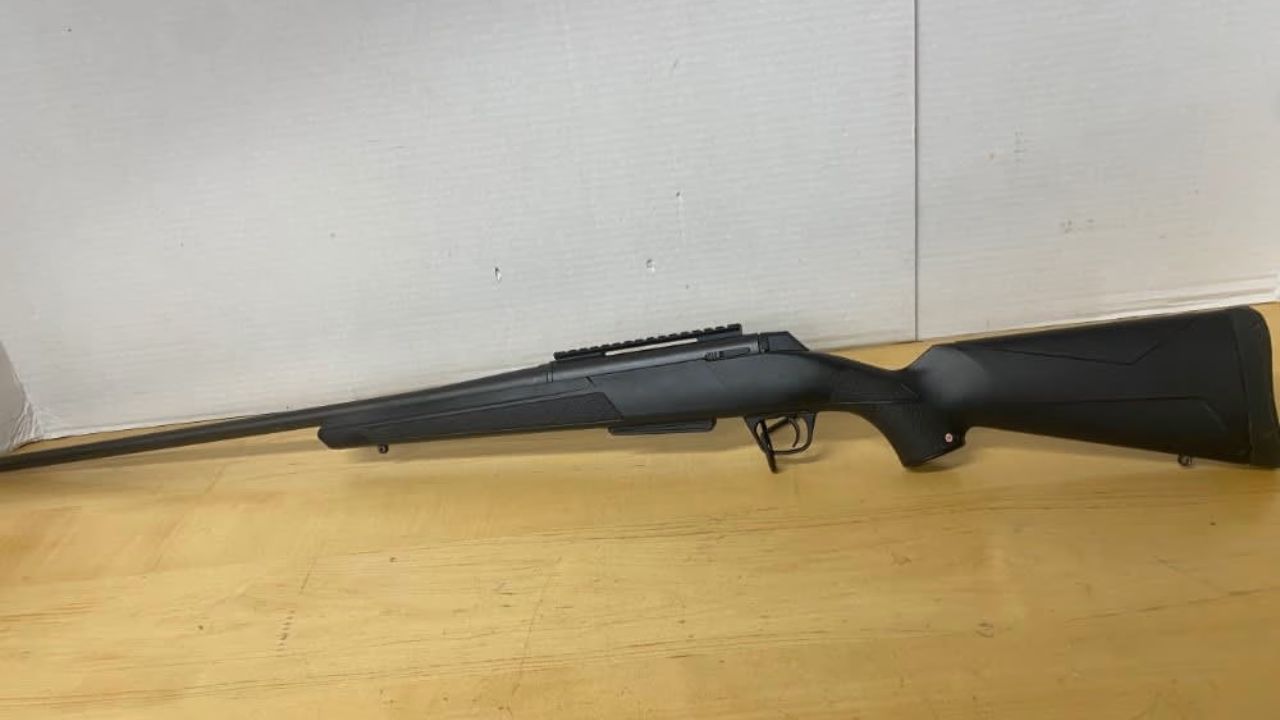
The Winchester XPR shoots remarkably well for its price, but the lightweight build doesn’t pair well with hard-kicking short magnums like the .300 WSM. Over time, recoil puts stress on the stock and bedding system, causing minor shifts that show up on target. Some hunters also notice small changes in bolt lift smoothness after many heavy loads.
The rifle is perfectly serviceable for moderate recoil cartridges, but repeated punishment from magnum rounds accelerates wear you won’t see in heavier, more reinforced rifles. For shooters who put in a lot of range time, the durability gap becomes noticeable.
Thompson/Center Compass in Magnum Loads

The Compass is one of the better budget rifles available, but it wasn’t built with magnum longevity in mind. The stock and recoil lug design can struggle to maintain consistent pressure after dozens of full-power shots. This leads to groups opening up or shifting more than they should.
The rifle shines with mild to moderate calibers, where its accuracy and price point make it a standout. But with heavy recoil, the design simply doesn’t provide the long-term reinforcement needed. As the punishment adds up, the rifle loses the tight, predictable behavior hunters rely on.
Marlin 1895G (pre-Ruger era)

The older, pre-Ruger Marlin 1895G rifles chambered in .45-70 have plenty of nostalgia behind them, but many weren’t built to tolerate extended use with modern high-pressure loads. The heavy recoil can loosen action screws, accelerate wear on the lever components, and open up groups if the rifle isn’t regularly re-tightened.
They still make fine brush guns, but the build quality during the late Remington years was inconsistent. Some rifles handled recoil well; others didn’t. When pushed hard, the flaws showed quickly compared to modern, improved versions.
CVA Cascade in .450 Bushmaster

The CVA Cascade handles moderate cartridges well, but the .450 Bushmaster version pushes the platform near its limit. The straight-wall cartridge delivers a sharp recoil impulse that magnifies small weaknesses in bedding or stock rigidity. Over time, many shooters notice shifts in point of impact after heavy use.
The rifle is accurate and budget-friendly, but extended pounding exposes the limits of its lightweight construction. For the occasional hunter, it’s fine. For high-volume shooters or those who practice heavily, the rifle works harder than it should just to stay consistent.
Mossberg 500 Lightweight Frames with Slugs
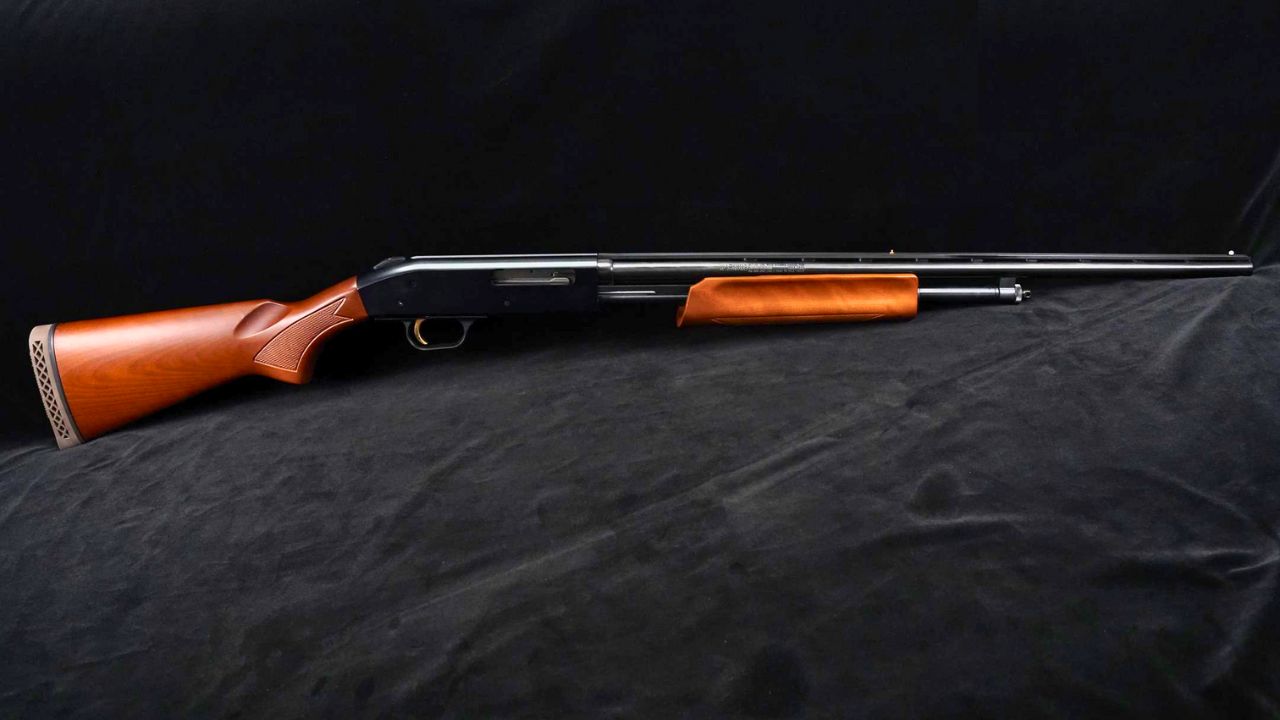
The Mossberg 500 is legendary for reliability, but the lightweight-framed versions used with heavy slug loads can wear out faster than expected. The recoil is punishing for both shooter and gun, stressing the action bars and putting strain on the receiver over time.
With birdshot, the platform lasts decades. With slugs, especially from short barrels, the wear accelerates noticeably. It’s not unsafe—it just takes a beating that eventually shows up in looser lockup and rougher cycling.
Henry Single Shot in Heavy Cartridges

Henry’s single-shot rifles are well-built, but the lightweight design struggles with repeated recoil from cartridges like .45-70 or .308. The break-action design transfers a lot of shock directly into the hinge and locking surfaces. Over time, this can lead to small amounts of play developing at the lockup point.
With moderate rounds, they hold up extremely well. But heavy recoiling cartridges speed up wear and expose the limits of a simple takedown-style system. It’s practical and accurate but not meant for constant punishment.
Savage 110 Lightweight Storm in .300 Win Mag

The 110 action is tough, but the Lightweight Storm version sacrifices some recoil stability in the name of portability. In heavy cartridges like .300 Win Mag, the rifle can loosen up screws or shift bedding pressure after extended use. The result is a point-of-impact drift that becomes noticeable during long shooting sessions.
It’s a great mountain rifle, but it’s not intended for large-volume fire with magnums. The build prioritizes weight reduction over long-term recoil absorption, and that tradeoff becomes clear over time.
Browning AB3 in Magnum Offerings

The Browning AB3 performs admirably with standard cartridges, but the magnum chamberings generate enough recoil to highlight the weaknesses of its simplified stock and bedding system. Shooters often report wandering groups after long sessions with .300 Win Mag or similar rounds.
The rifle is durable, but the lightweight composite stock flexes more than ideal under severe recoil. When used sparingly, it stays consistent. Under frequent heavy fire, the structural limitations start to show.
Rossi R92 in .454 Casull
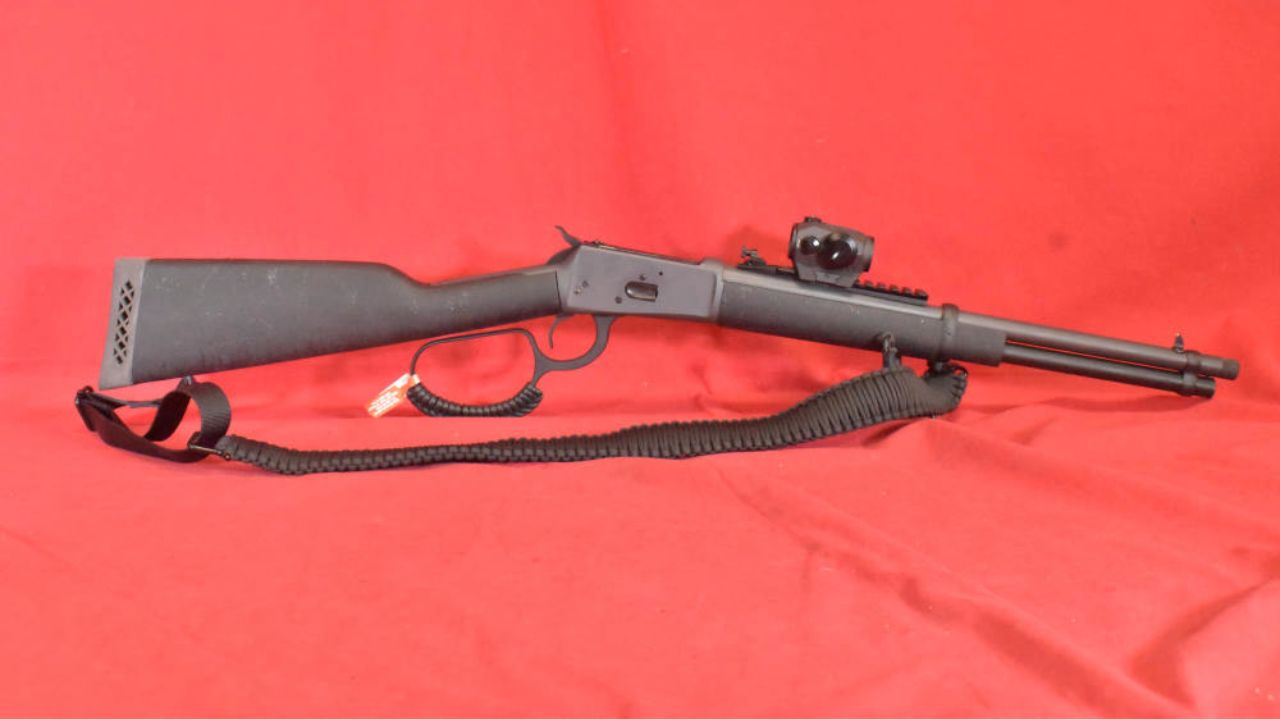
The Rossi R92 rifles chambered in .454 Casull are notoriously punishing on themselves. The cartridge is simply too powerful for the lightweight lever-gun design, and extended use leads to stretched parts, rough cycling, and accelerated wear on internal components.
While they can handle a few cylinders at the range, consistent use with full-power Casull loads stresses the rifle well beyond what it was originally designed for. It’s fun but not built for the long haul under that level of recoil.
Remington 770 in .300 Win Mag

The Remington 770 doesn’t have a strong reputation to begin with, and the magnum chamberings only make things worse. The recoil highlights the rifle’s cost-cutting measures, especially in the stock and bedding areas. Over time, accuracy becomes increasingly inconsistent.
While the action is functional, the overall construction doesn’t offer the rigidity needed for hard-recoiling cartridges. It’s a rifle that shows its limitations quickly when pushed.
H&R Handi-Rifle in Magnum Cartridges

The Handi-Rifle is simple and reliable, but heavy recoil accelerates wear on the hinge, locking surfaces, and stock. Shooters often report increased play in the action after extended use of magnum cartridges. It’s a classic design, but not built for long-term abuse with powerful rounds.
For lighter cartridges, the rifle will last generations. With magnums, it endures stress it was never engineered to handle repeatedly.
Weatherby Vanguard Synthetic Lightweight in .300 Weatherby

The Vanguard action is strong, but the lightweight synthetic versions paired with .300 Weatherby Magnum produce brutal recoil. Over time, the stock and bedding system struggle to maintain stability, causing small shifts in accuracy that add up. Hunters notice it most at longer ranges.
A heavier stock or reinforced bedding helps, but the factory lightweight setup simply isn’t ideal for repeated punishment. It’s accurate but not designed for constant heavy recoil cycles.
Like The Avid Outdoorsman’s content? Subscribe to our newsletter so you never miss an article.
Here’s more from us:


