Photo credit: Hornady Manufacturing/YouTube
Some cartridges still get marketed as “modern options,” yet the moment you shoot them alongside today’s real performers, they feel like they belong in another era. On paper, many of these rounds look updated enough to fool new shooters, but their ballistics, recoil patterns, or energy delivery haven’t moved forward with the rest of the hunting world.
You notice it when you’re stretching distance, trying to tune loads, or comparing drop charts to cartridges designed decades later. These rounds aren’t useless, but they ride on reputations that don’t match how they behave in the field today.
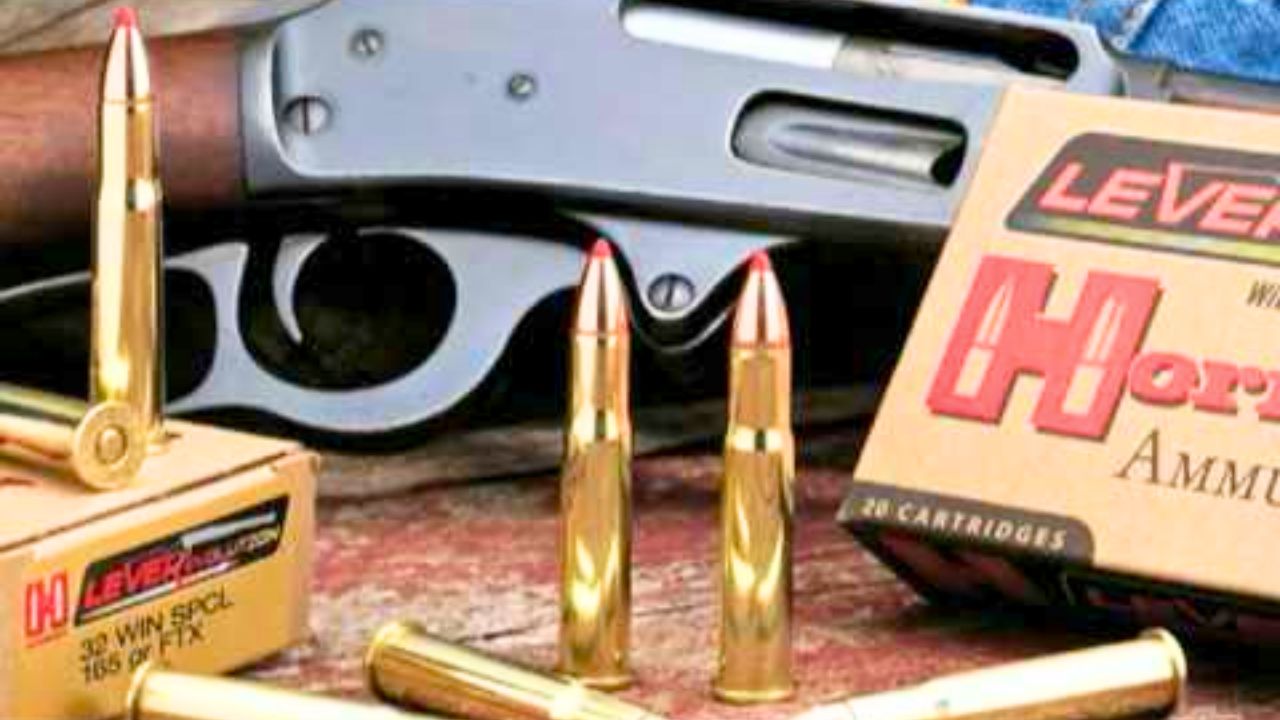
.32 Winchester Special

The .32 Winchester Special often gets framed as a slightly updated alternative to the .30-30, but in real use it doesn’t bring anything that feels modern. Its slow twist rate limits bullet choices, and most loads still rely on older-style projectiles that haven’t kept up with improvements seen in other lever-gun rounds.
When you shoot it next to more current deer cartridges, the .32 Special drops fast, loses steam quickly, and behaves almost identically to vintage loads. Many hunters who try it expecting something new end up realizing it performs like the same century-old design it truly is.
.38-55 Winchester
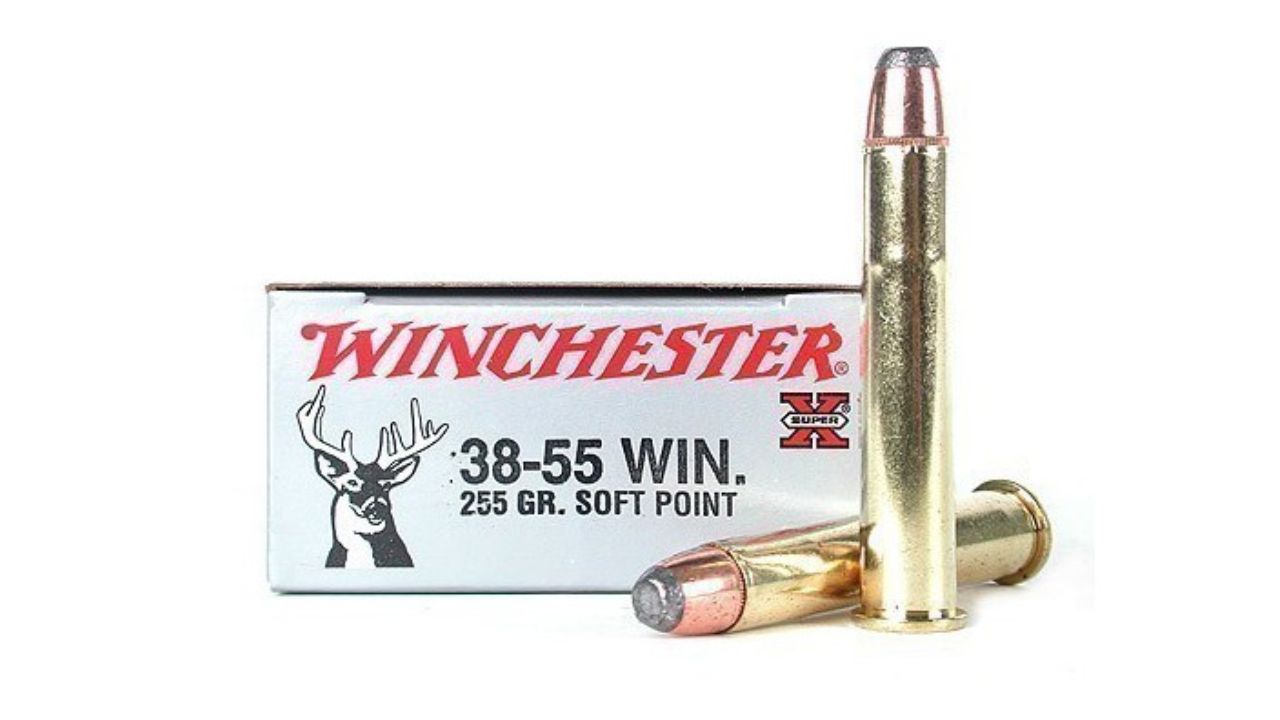
The .38-55 has a loyal following, but despite being repackaged in modern rifles, it still shoots like the blackpowder-era cartridge it originally was. Velocities stay low, and bullet designs—while improved—can’t make the round behave like anything meant for contemporary long-range work.
Its charm is up close, where it’s accurate and pleasant to shoot. Once you ask it to stretch out or handle tougher angles, it exposes its age quickly. You’re essentially firing a refined historical cartridge, not a modern performer, and the field results make that very clear.
.25-35 Winchester
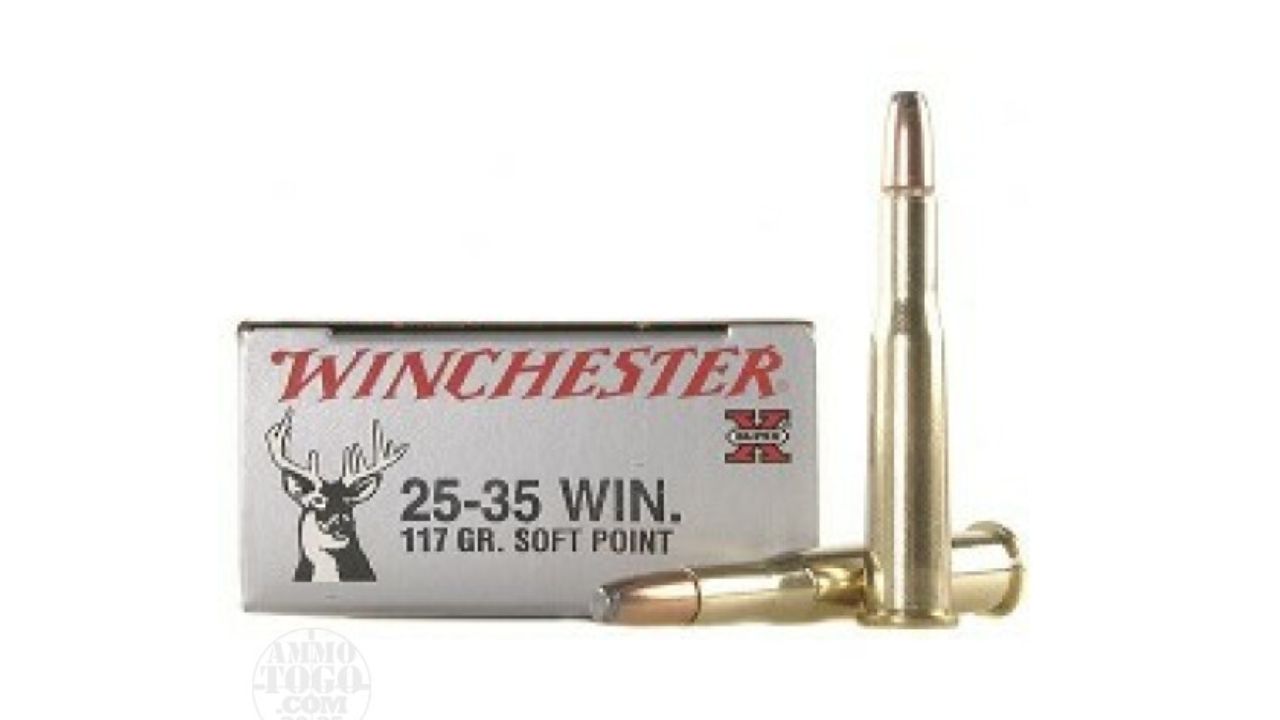
Even with updated factory loads, the .25-35 shoots like an antique dressed in modern packaging. Its narrow bullet selection and modest velocities keep it locked into short-range work, and that’s before you factor in its extremely steep drop past 150 yards.
Rifle makers occasionally chamber a run of lever guns for nostalgia, but that doesn’t make the cartridge itself any more contemporary. It’s perfectly fun for deer in tight woods, yet the second you compare it to even modest six-millimeter cartridges, it becomes obvious you’re running something from another era.
.300 Savage
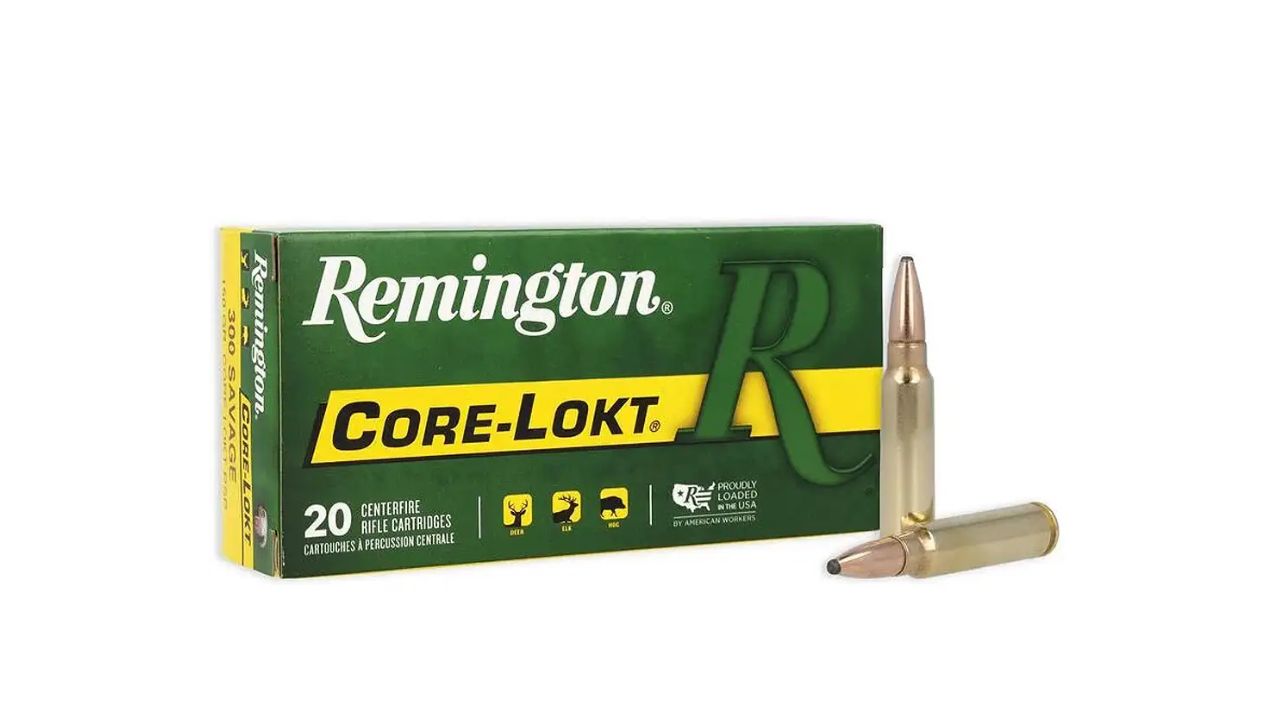
The .300 Savage gets marketed as the grandfather of modern .30-caliber hunting rounds, but that’s exactly the issue—it still behaves like a grandfather. Even with pressure-safe modern loads, you’re limited by the short case and the older rifles it usually appears in.
It falls behind quickly in both velocity and bullet performance compared to modern cartridges designed around aerodynamic projectiles. It can still take game cleanly, but if you expect something contemporary, you’ll feel like you’re shooting a museum piece with a fresh coat of paint.
.351 Winchester Self-Loading
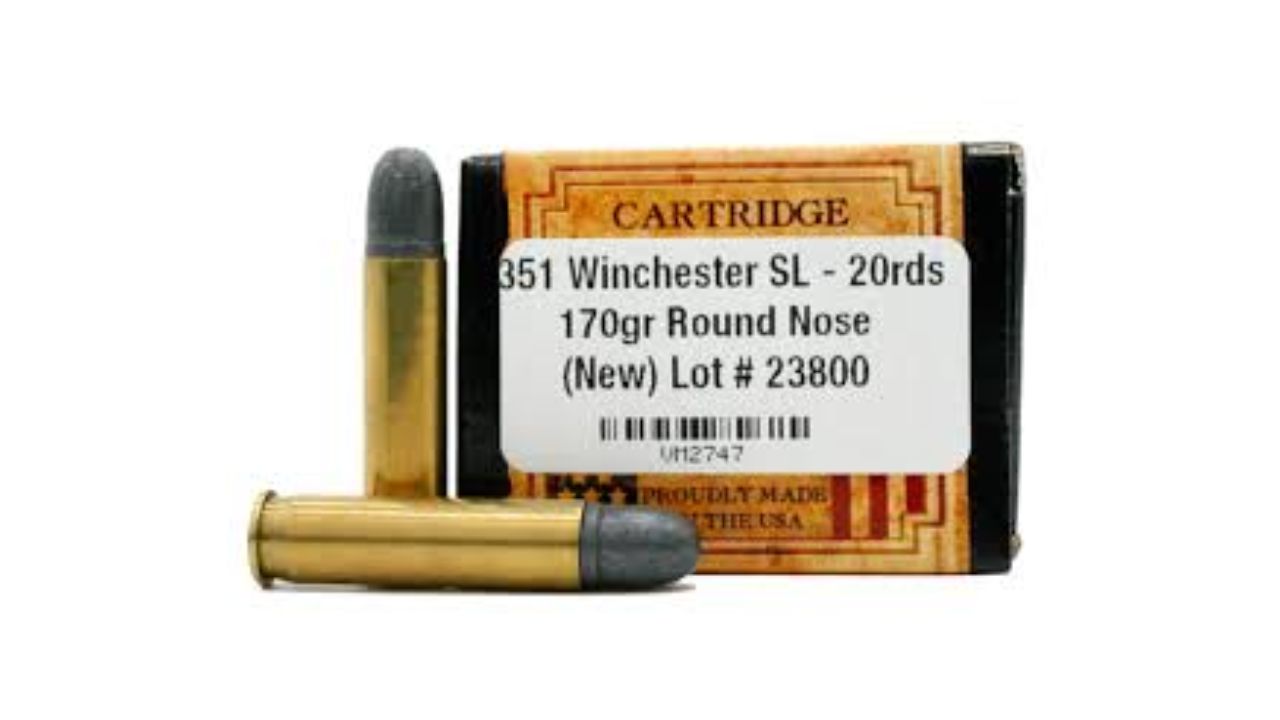
The .351 WSL looks cool and historic, and it still shows up in discussions about early semi-auto rifles. But once you shoot it, you realize the ballistics never made the leap into modern territory. It carries poor energy, drops steeply, and offers only blunt, outdated bullet shapes.
Trying to compare it to modern carbine rounds is unfair—it simply can’t keep up. Even in updated loads, it performs like an early 1900s law-enforcement cartridge because that’s exactly what it is.
.222 Remington
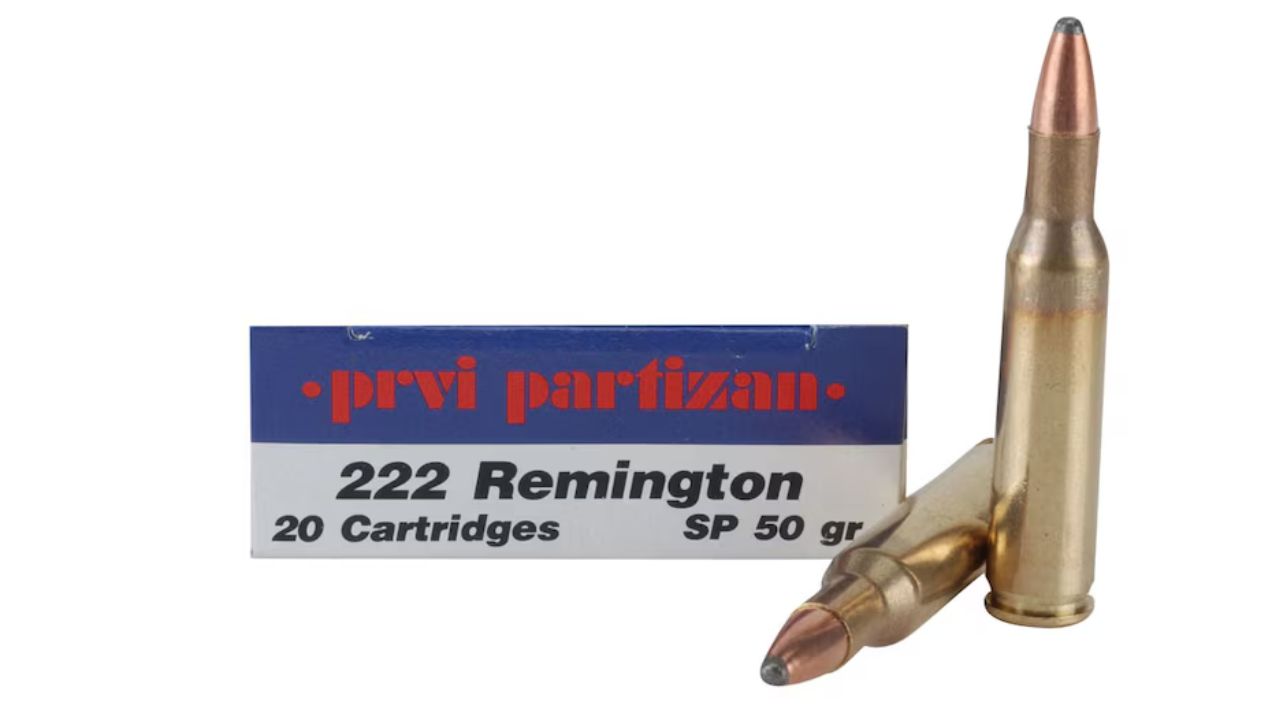
The .222 Remington is smooth and accurate, which keeps it relevant among nostalgic shooters, but its ballistics feel noticeably dated today. The small case limits modern bullet designs, and its velocities lag behind every newer .22 centerfire that replaced it.
In its time, the Triple Deuce was groundbreaking. Today, when you line it up next to the .223 Remington or .204 Ruger, it starts to feel like an heirloom benchrest round. It shoots fine—just not like anything created with current hunting demands in mind.
.307 Winchester
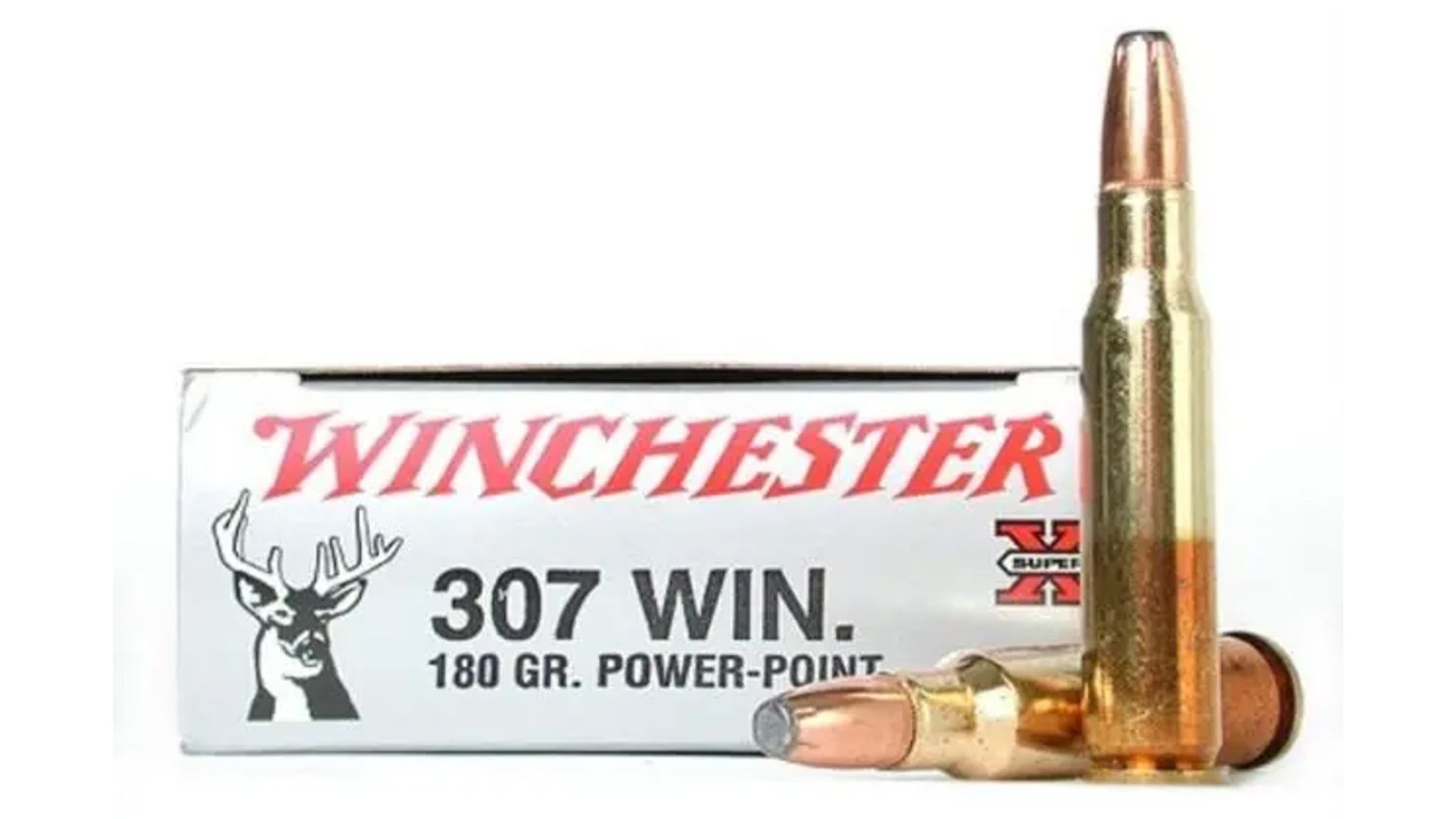
Winchester tried to modernize the lever-gun world with the .307, but the result behaves more like a boosted .30-30 than a true contemporary cartridge. The rimmed case limits bullet shapes, and the flat-nose requirements keep performance stuck in earlier decades.
You get more energy than a .30-30, but not enough refinement to feel updated. When shooters try it expecting .308-like behavior, the illusion disappears fast. It’s a cartridge caught between two eras, leaning much harder toward the old one.
.44-40 Winchester

The .44-40 is still fun to shoot, but regardless of how polished modern loads look, the cartridge hasn’t changed in any meaningful way. Velocities remain low, bullets stay blunt, and downrange performance copies what hunters saw more than 140 years ago.
Even when chambered in new rifles, it behaves like what it is—a cowboy-era round best kept in close brush or used for recreation. No marketing can turn it into anything resembling a modern hunting tool.
.30 Remington

The .30 Remington was supposed to rival the .30-30, and even with refreshed production runs, it still delivers vintage performance. Ammunition availability is limited, and when you find it, the ballistics are nearly identical to early smokeless-era loads.
There’s nothing wrong with it at close range, but it pretends to sit beside modern deer cartridges when its field performance never moved beyond early 20th-century expectations. It’s a cartridge that feels outdated the moment you stretch distance.
.32-20 Winchester
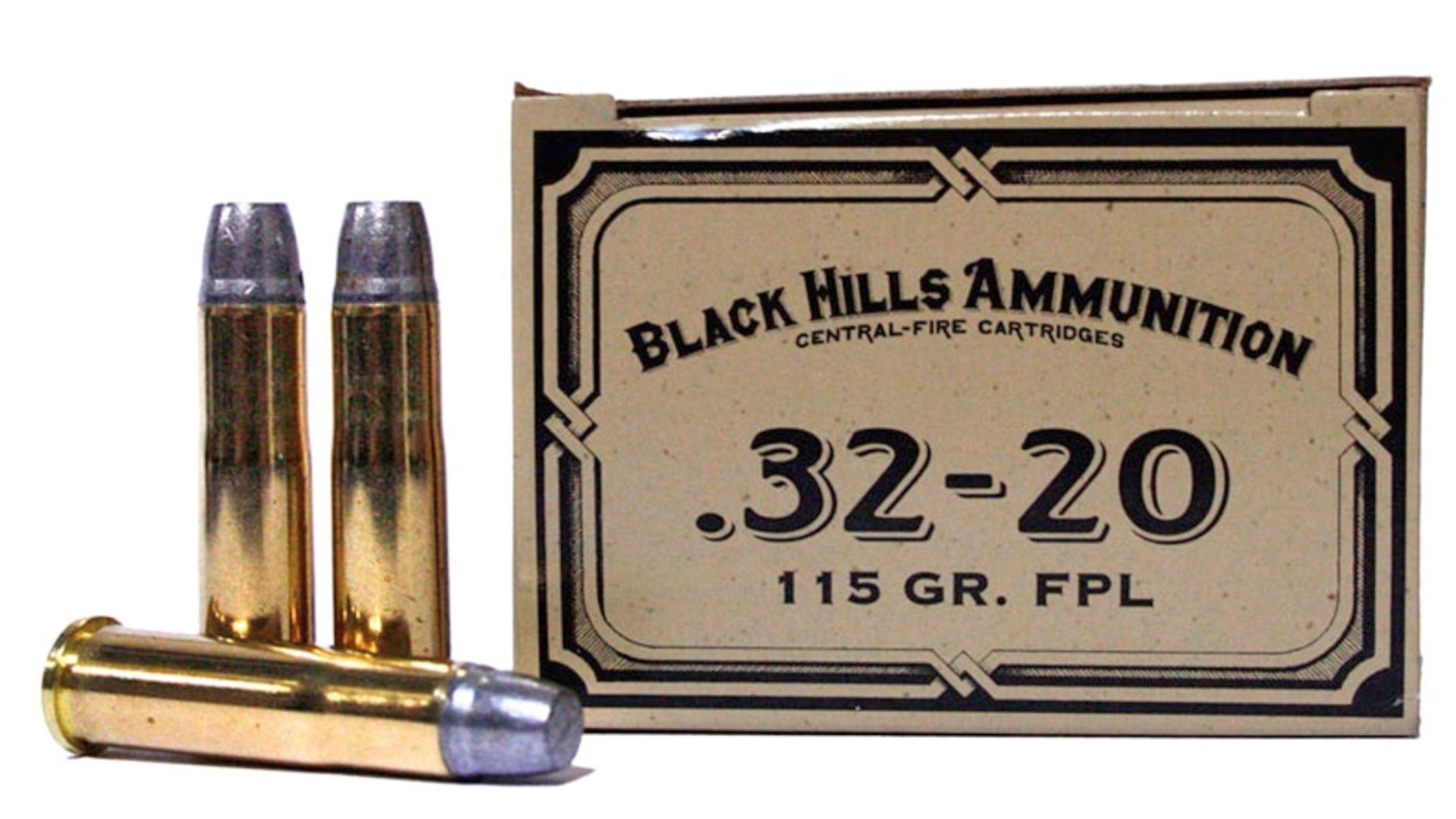
The .32-20 keeps getting revived because of small-game nostalgia, but most “modern” ammo runs the same mild ballistics shooters used over a century ago. It’s accurate and quiet, but the energy levels are tiny, and drop becomes extreme beyond short ranges.
Comparing it to today’s varmint rounds highlights the gap. The performance is honest and predictable—it just isn’t modern in any sense. You’re shooting something that behaves exactly like the antique design it is.
.358 Winchester
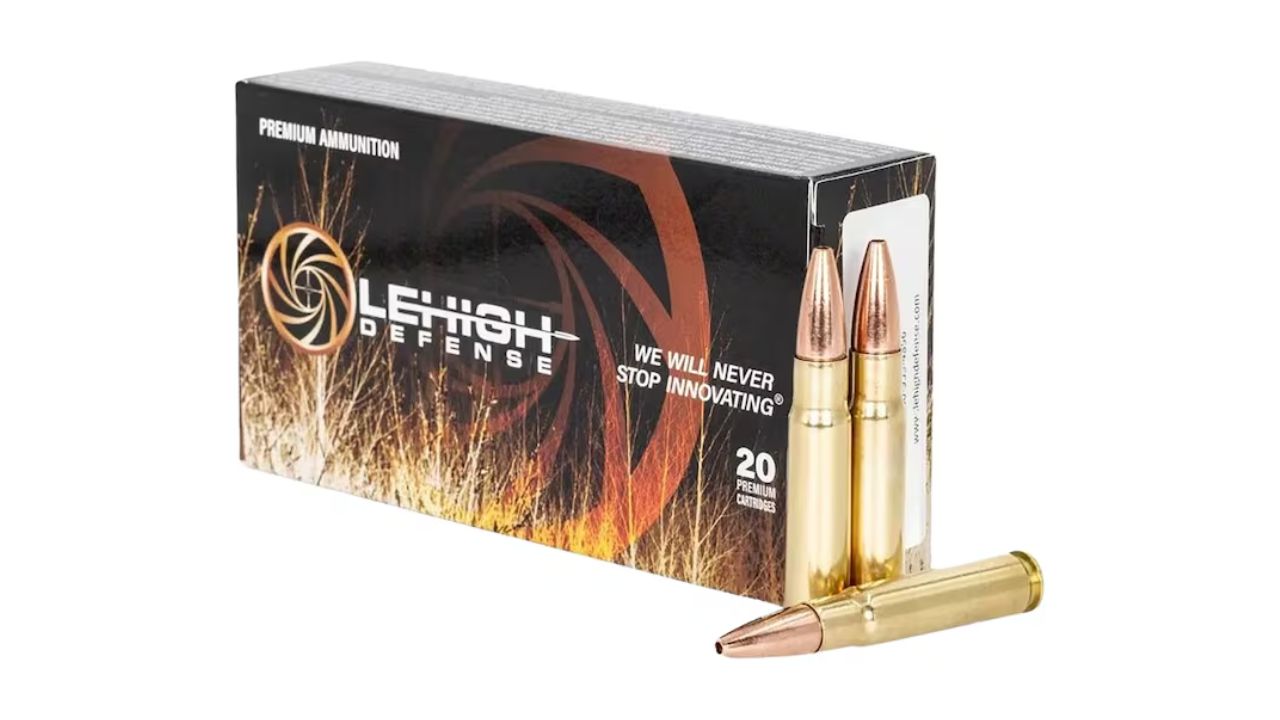
The .358 Winchester tries to ride the coattails of the .308 platform, but the performance still feels like an older woods cartridge rather than a modern powerhouse. velocities stay modest, and bullet choices remain limited, especially for long-range hunting.
It excels inside 200 yards, but when people pick it up expecting cutting-edge ballistics, the reality is much closer to cartridges from decades earlier. It’s capable, but undeniably dated once you put it in context.
.22 Hornet
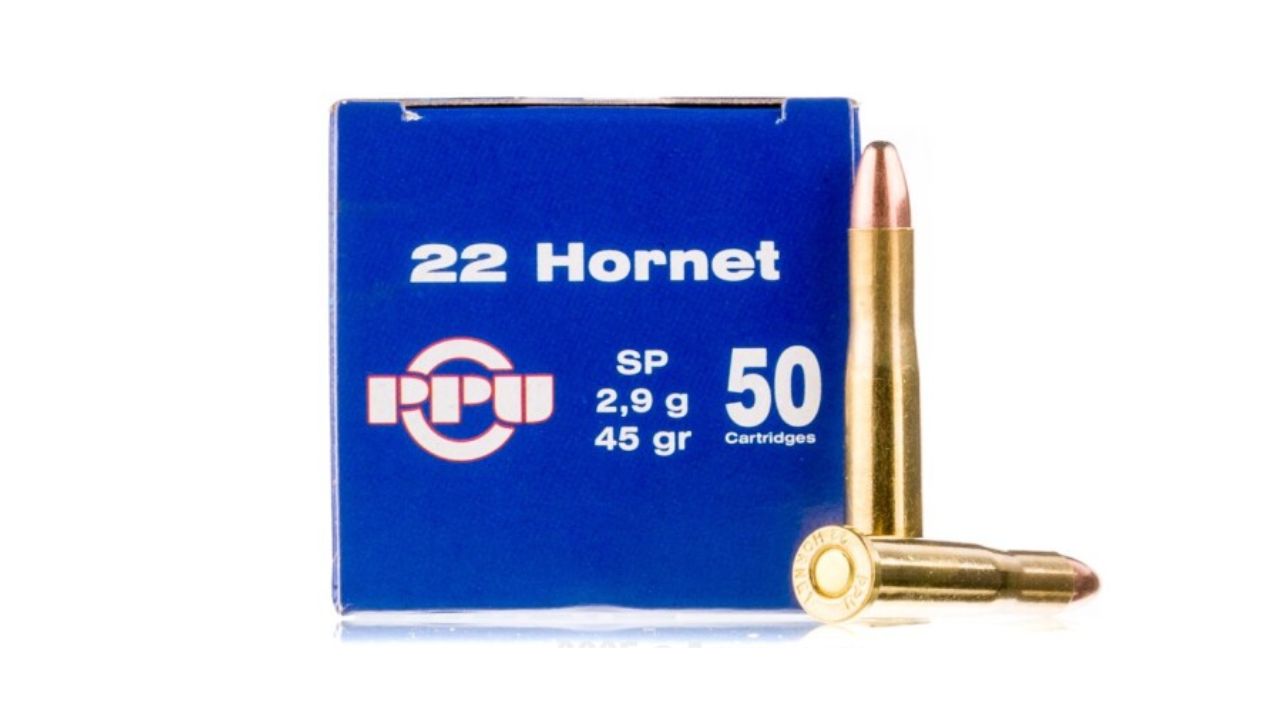
Even with improved loads, the .22 Hornet shoots like it’s frozen in time. Its thin brass limits pressure, and the cartridge simply doesn’t allow modern high-BC bullets to shine. You get a mild report and low recoil, but ballistically it behaves closer to its 1930s origins.
Varmint shooters appreciate its quiet nature, yet anyone expecting modern .22-centerfire performance will feel like they stepped backward several decades.
.30 Carbine
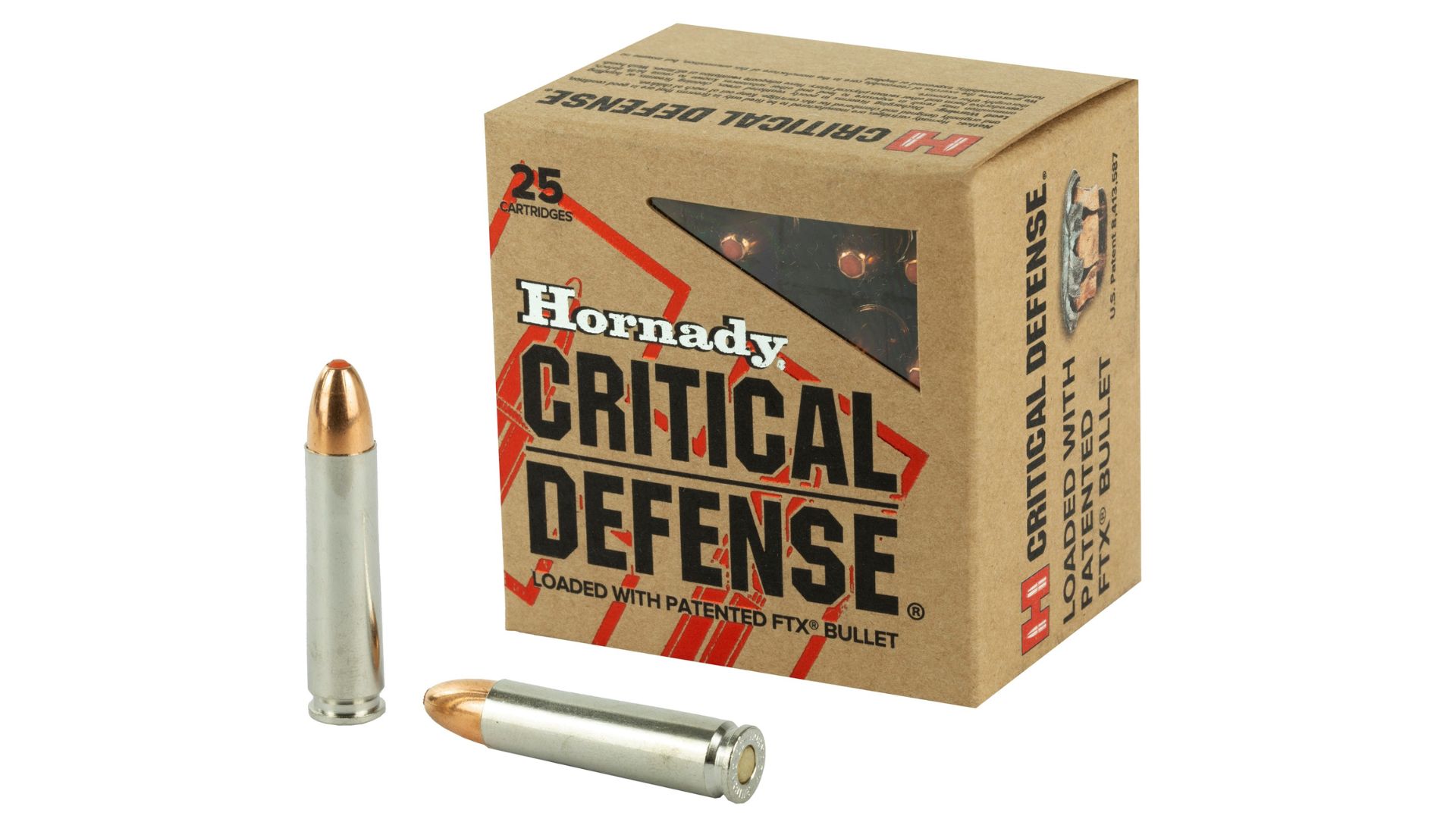
The .30 Carbine wears the costume of a lighter intermediate round, but it never catches up to cartridges that came decades later. With flat-nose bullets and mild velocities, its downrange performance stays stuck in World War II territory.
In the field, the cartridge hits a ceiling quickly. It’s useful inside limited distances, but comparing it to today’s carbine rounds instantly highlights how dated it truly is.
.35 Remington
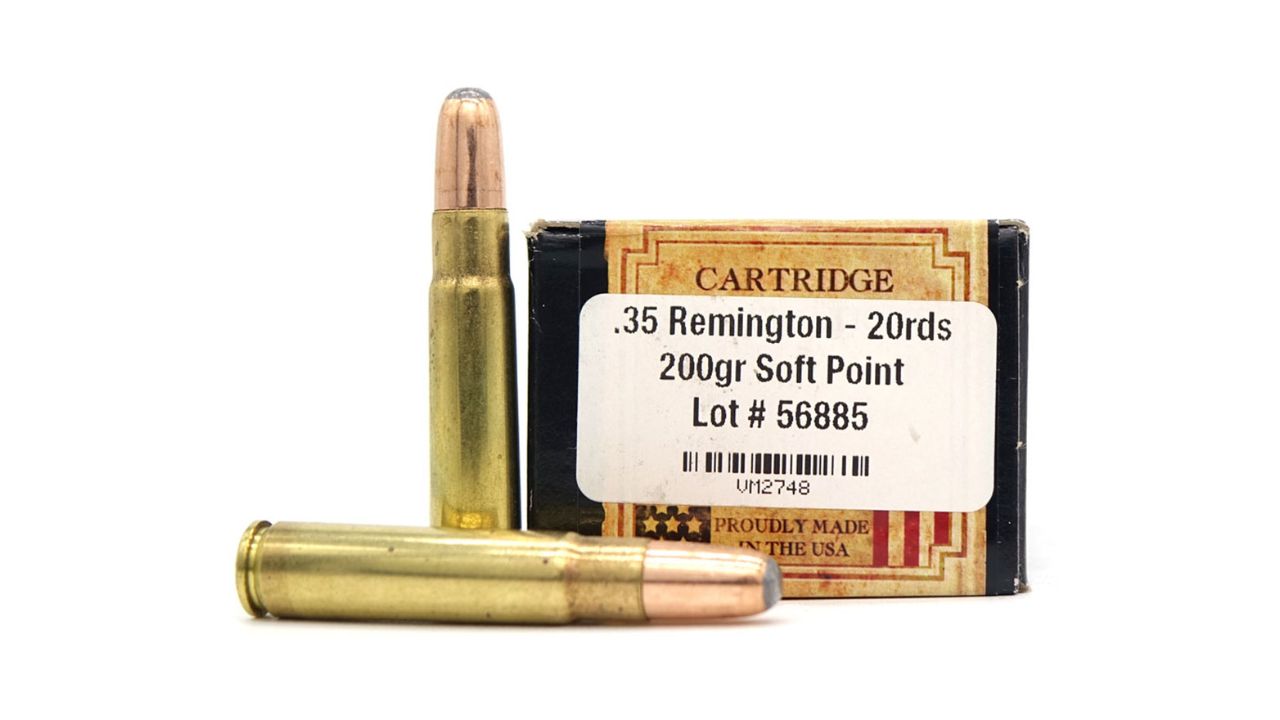
The .35 Remington still takes deer cleanly, but even with updated rifles, it behaves like the early smokeless cartridge it has always been. Velocities are mild, bullet shapes are limited, and drop becomes noticeable at moderate ranges.
Many shooters love it for nostalgia—and for good reason—but when hunters expect something modern, the old-school trajectory and modest reach show up immediately. It hasn’t aged poorly; it simply hasn’t evolved.
.219 Zipper

The .219 Zipper is one of those cartridges resurrected occasionally for novelty, but its performance sits squarely in the mid-20th century. It struggles with modern bullet shapes, and velocities fall short of what today’s small-caliber rounds deliver.
It’s accurate and fun for handloaders, but it doesn’t belong anywhere near modern concepts of reach or efficiency. Once you fire a few rounds, you immediately feel its old-world ballistics.
Like The Avid Outdoorsman’s content? Be sure to follow us.
Here’s more from us: