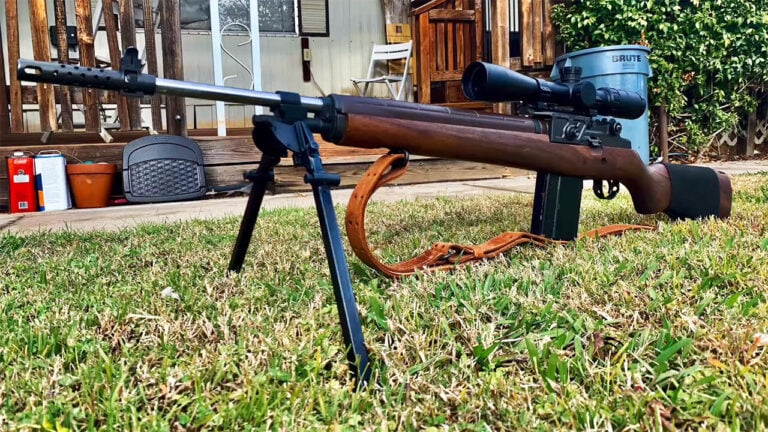
Photo credit: GunsOfTheWorld/YouTube
Some handguns run FMJ all day but fall apart the moment you switch to defensive ammo. You see it in older designs with steep feed ramps, tight magazine geometry, or rough cycling habits that never adapted to modern hollow-point shapes. A pistol may feel fine on the range with ball ammo, giving shooters a false sense of reliability, only to start choking as soon as you load it with what you actually plan to carry.
These guns aren’t useless, but they demand awareness, tuning, or load-specific testing that many shooters never expect going in.
Taurus PT22
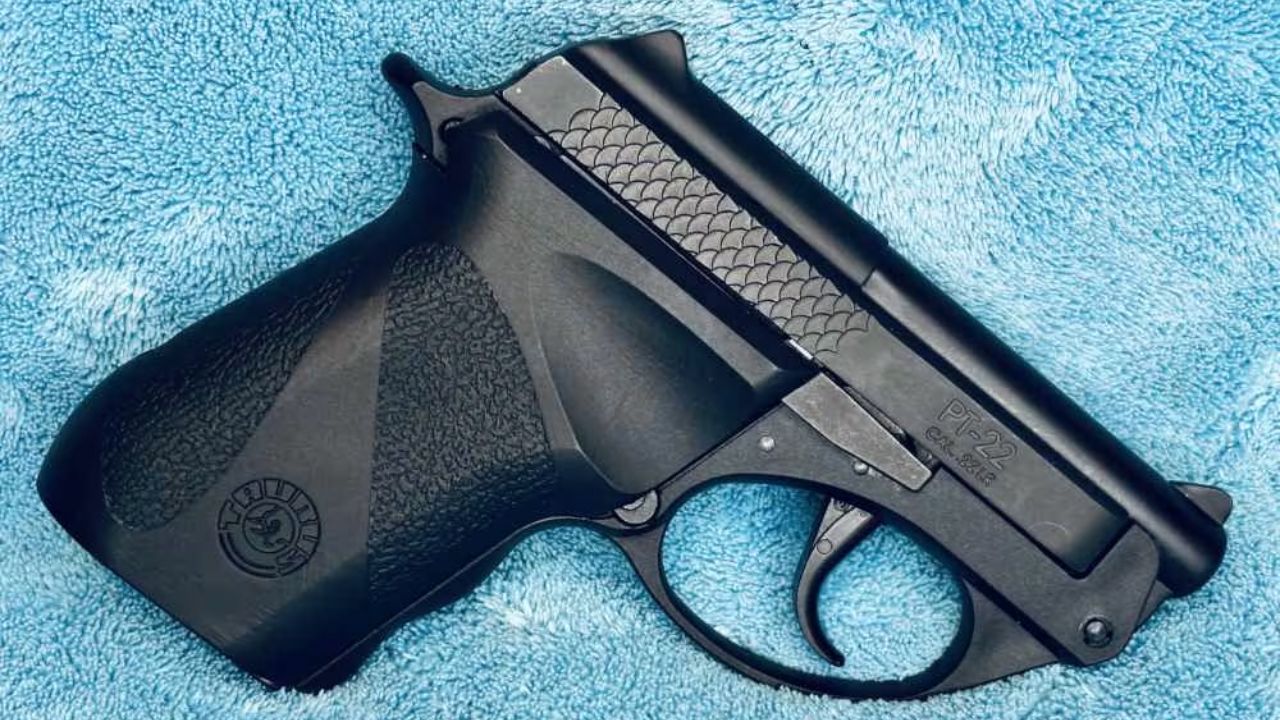
The Taurus PT22 works fine with standard-velocity ball ammunition, but once you switch to hollow points, the feed angles become a problem. The rimfire design and the steep upward travel from the magazine make it picky, especially with wide-mouthed bullets. It’s a fun pocket plinker, but not something you rely on for defensive duty.
Most owners figure this out quickly after a few magazine changes. The PT22’s compact size and light slide simply don’t provide the consistency needed to run anything other than FMJ. It’s capable within its limitations, but those limitations show up fast.
Walther P22
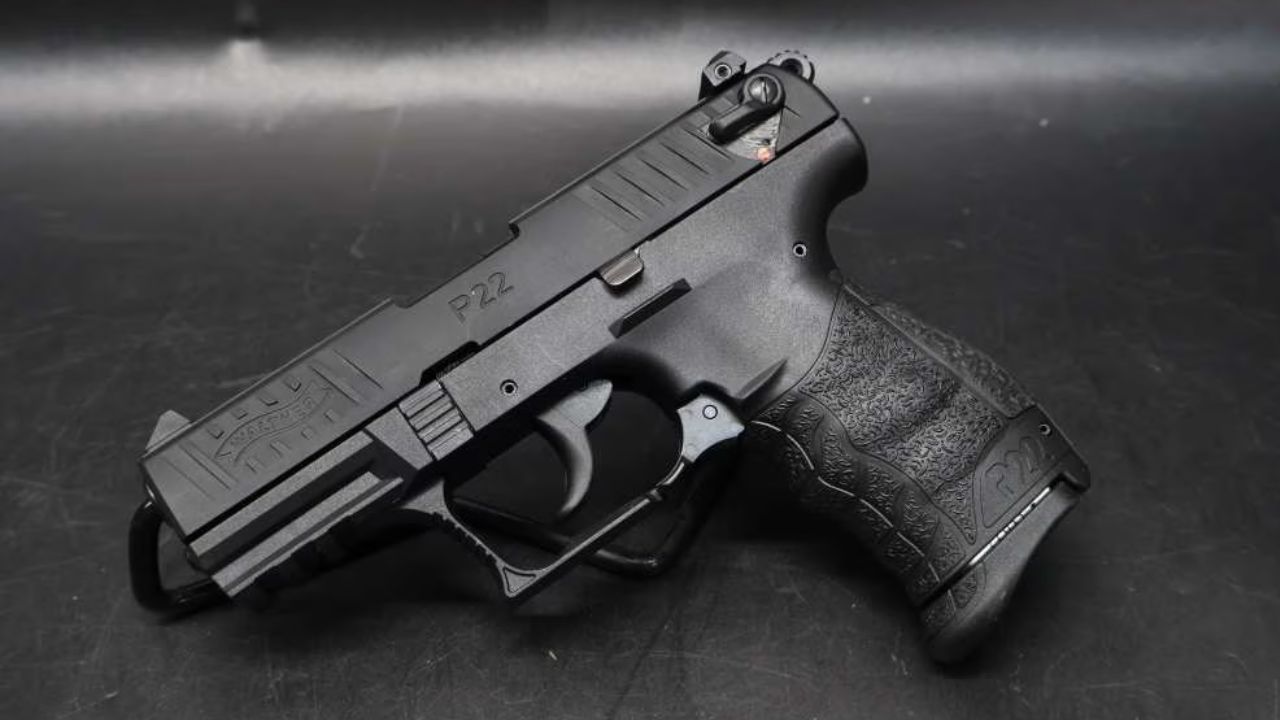
The Walther P22 is lightweight, comfortable, and popular for training. The challenge comes when you introduce hollow points. The pistol’s blowback system and short feed path make it sensitive to bullet shape, and low-power defensive .22 loads often fail to cycle the slide completely.
It runs considerably better with hotter FMJ ammunition. Hollow points that expand aggressively tend to drag on the feed ramp, creating stoppages shooters don’t see with ball ammo. It’s still useful for practice, but reliability expectations should stay modest.
KelTec P3AT
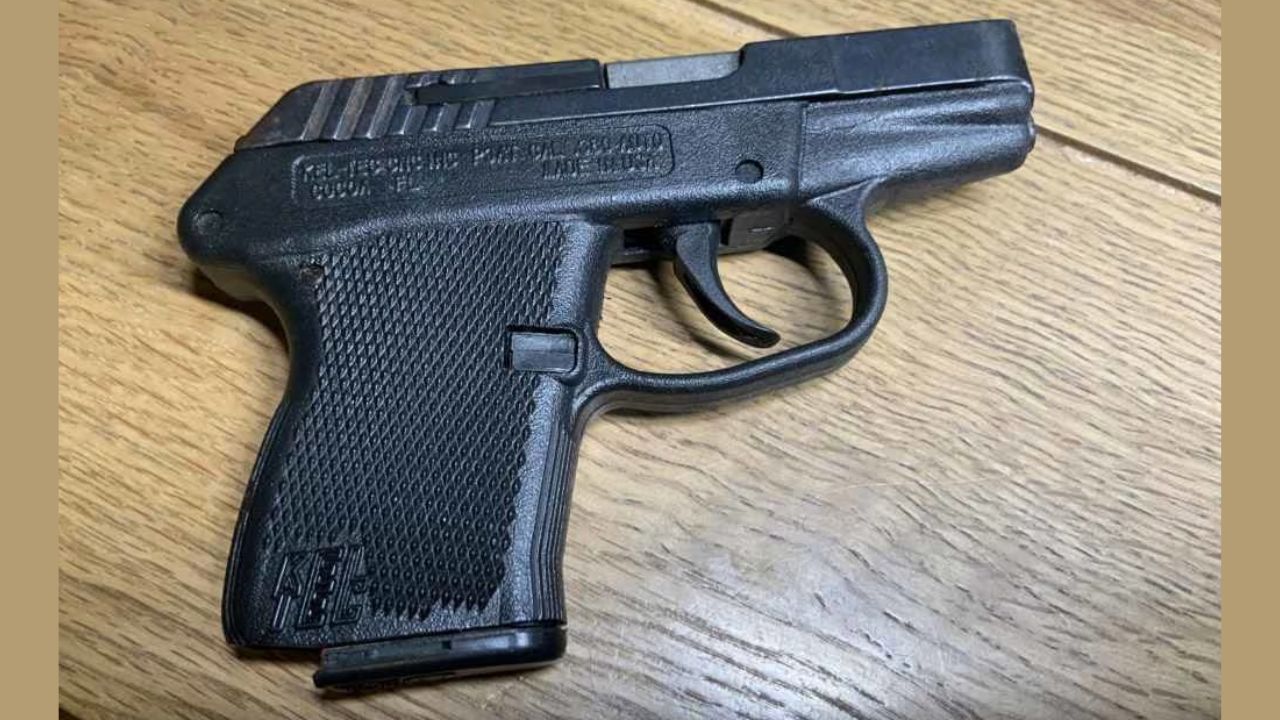
The KelTec P3AT is one of the original micro .380s, and that age shows in its feeding habits. FMJ rounds feed reliably because of their rounded profiles, but many modern hollow points catch at the top of the feed ramp or create nose-diving issues due to the light slide and stiff recoil spring.
Shooters often find themselves testing several defensive loads before finding something the gun tolerates. Even then, performance can be inconsistent. The P3AT carries easily, but it was never designed around today’s bullet designs, and that becomes obvious when you push it beyond FMJ.
Ruger LCP (Gen 1)
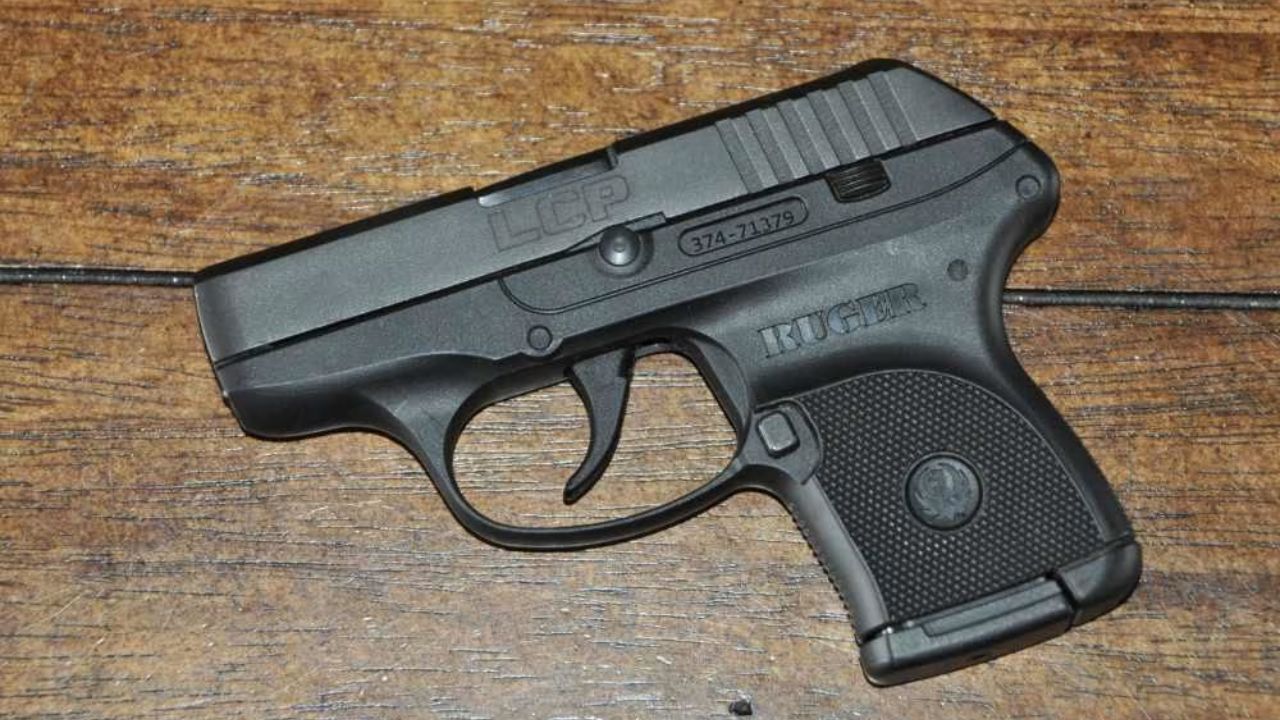
Early Ruger LCP models are known for occasional hollow-point hesitation, especially with wider .380 loads. The small slide mass and quick cycling make bullet geometry critical, and not all defensive ammunition cooperates. FMJ typically runs flawlessly because the profile feeds naturally into the chamber.
Owners who rely on the LCP long-term usually settle on specific hollow points after extensive testing. While the platform has improved in later versions, the original model remains noticeably more reliable with ball ammunition than anything else.
SIG Sauer Mosquito
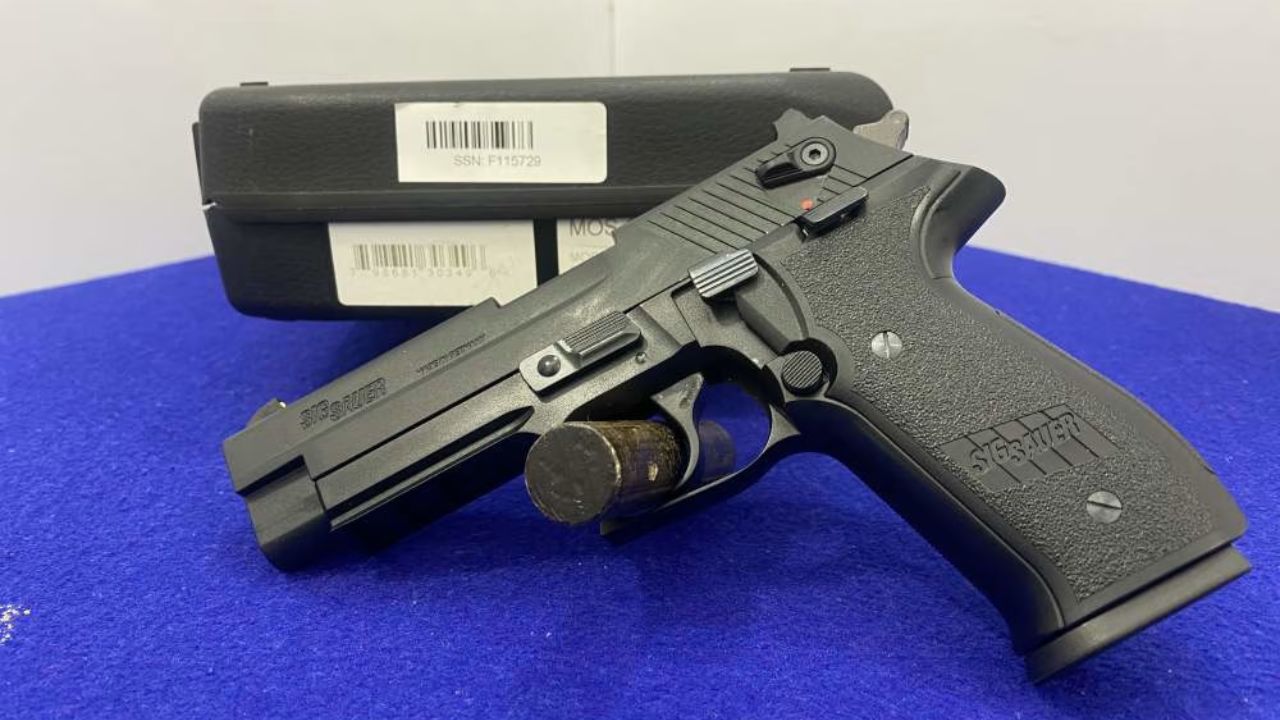
The Mosquito’s feeding issues are well documented. Hollow-point .22 LR ammo often lacks the velocity necessary to cycle the heavy slide, and the truncated bullet shapes tend to snag during feeding. With high-velocity FMJ loads, the pistol becomes significantly more dependable.
Because the Mosquito was built with tighter tolerances than many rimfire semi-autos, it simply doesn’t handle inconsistent rimfire ammunition well. Shooters generally learn to stick with the loads it prefers, which are almost always round-nose FMJs.
Bersa Thunder .380

The Bersa Thunder is comfortable and enjoyable to shoot, but its fixed-barrel blowback design has specific ammo preferences. FMJ tends to run well because of its smooth profile, while certain hollow points can hang up during the feeding cycle, especially under rapid fire.
Its reliability improves with newer, rounded-nose defensive loads, but it’s still not as forgiving as modern locked-breech .380 pistols. Many longtime owners simply choose to carry FMJ to avoid surprises in a stressful moment.
Jimenez JA-380

The JA-380 struggles with hollow points largely due to feed-ramp geometry and inconsistent magazine tension. FMJ rounds mask the problem because of their rounded shape and predictable feeding behavior. Once you switch to defensive ammunition, failures to feed become far more common.
Combined with looser tolerances and weaker recoil springs, the gun just wasn’t engineered to digest everything you put in it. Shooters who use it recreationally rarely notice, but those who try to run premium defensive loads learn quickly how picky it can be.
CZ 52
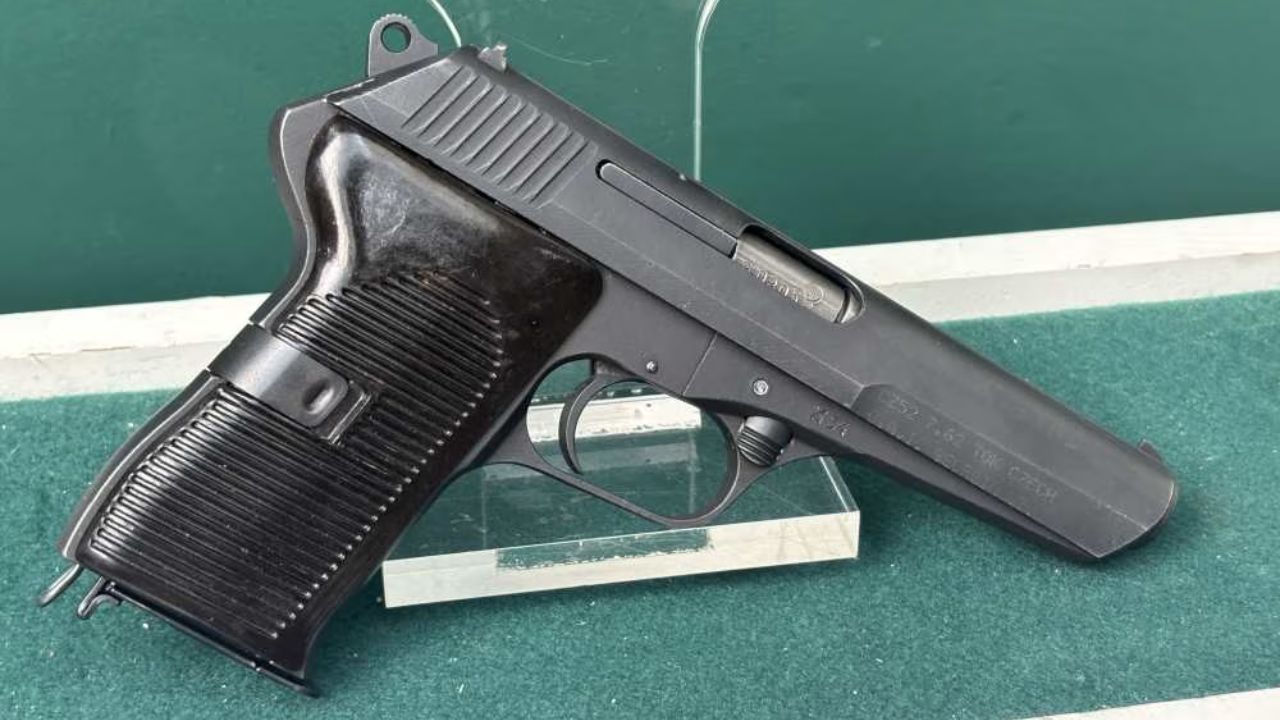
The CZ 52 was built around surplus 7.62×25 ball ammunition, and its roller-locked action feeds FMJ exceptionally well. Problems appear when shooters try modern hollow-point loads, which often feature shapes the gun was never designed to handle.
Because of the steep, narrow feed path, truncated or cavity-tipped bullets catch easily. While handloaders sometimes find workable solutions, the platform’s design simply favors FMJ. The pistol remains reliable—so long as you use it the way it was originally intended.
Makarov PM

The Makarov is a rugged design, but feeding hollow points is a mixed experience. Original Soviet-era magazines and feed ramps were tuned for 9×18 FMJ, not modern defensive bullets. Many hollow points are too wide or too short to feed consistently.
Some modern loadings now cater to the pistol, but even then, you must test them thoroughly. With FMJ, the Makarov feels unstoppable. With hollow points, it becomes noticeably more temperamental.
KelTec PF9

The PF9 is famously slim, which helps concealment but introduces feeding issues when using hollow points. The slide’s light mass and sharp recoil impulse amplify any issue related to bullet shape or overall cartridge length. FMJ usually feeds smoothly, but hollow points can create nose-dives or stovepipes.
Shooters often describe the PF9 as “ammo-selective.” Once you find a defensive load it likes, it becomes serviceable, but that list is shorter than with many modern carry pistols.
Hi-Point C9
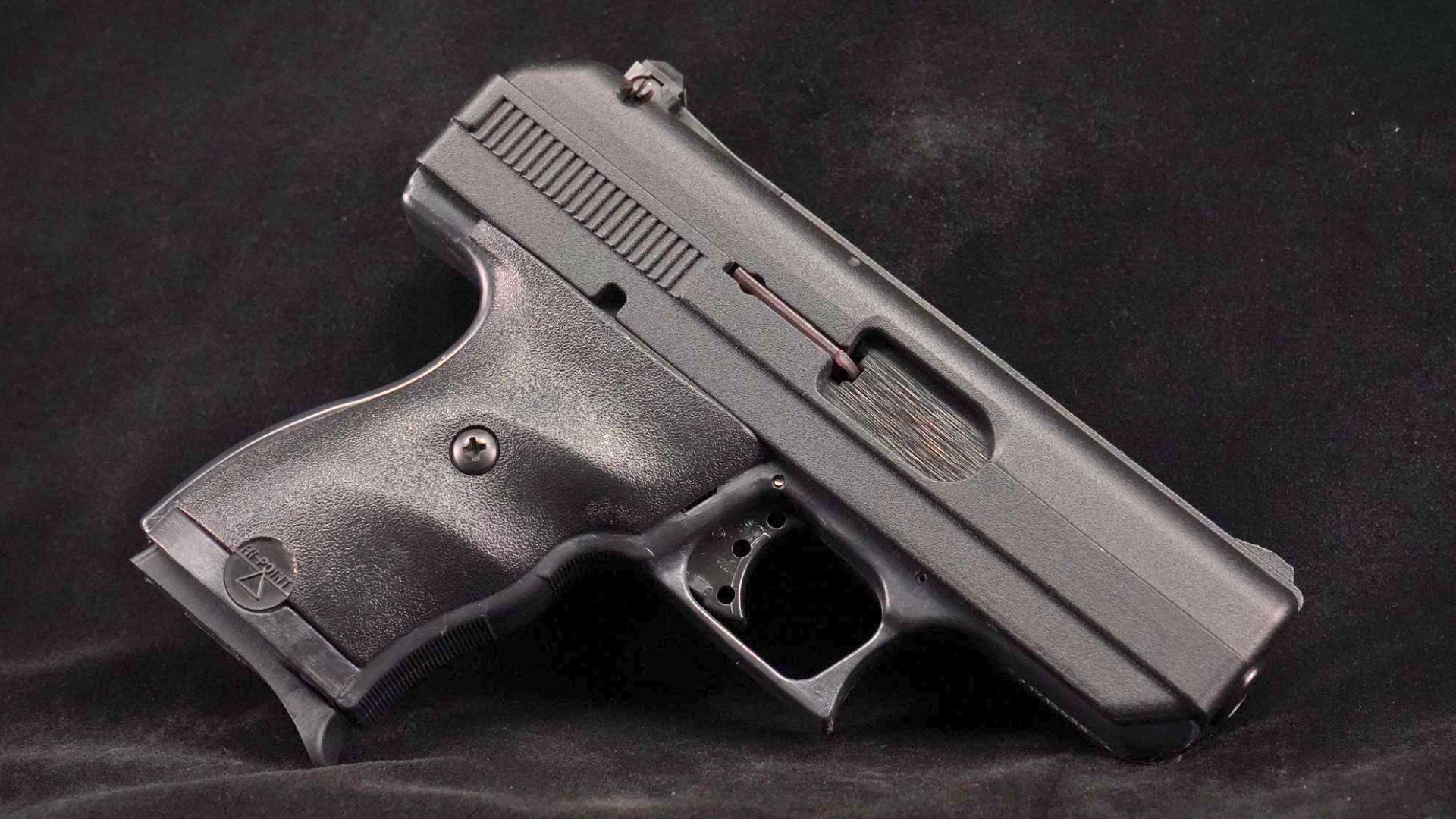
Despite being reliable with FMJ, the C9 often shows hesitation with hollow-point ammunition. Its straight-blowback design and heavy slide prefer smooth-feeding, round-nose bullets. Many hollow points catch on the feed ramp or enter the chamber at inconsistent angles.
Handloaders and tinkerers sometimes tune them to behave better, but the platform simply wasn’t engineered around diverse bullet styles. FMJ remains the safest choice if you want predictable performance.
Beretta Tomcat (.32 ACP)

The Tomcat is a clever tip-up design, but it’s extremely sensitive to hollow points. The small chamber mouth and steep feed path make it unforgiving when you introduce bullets with broad cavities. FMJ loads are far more cooperative and cycle with fewer surprises.
Because the Tomcat already works near its pressure limits, you can’t rely on hotter defensive loads to overcome feeding quirks. The platform behaves best with simple round-nose ammunition.
Taurus PT58 HC
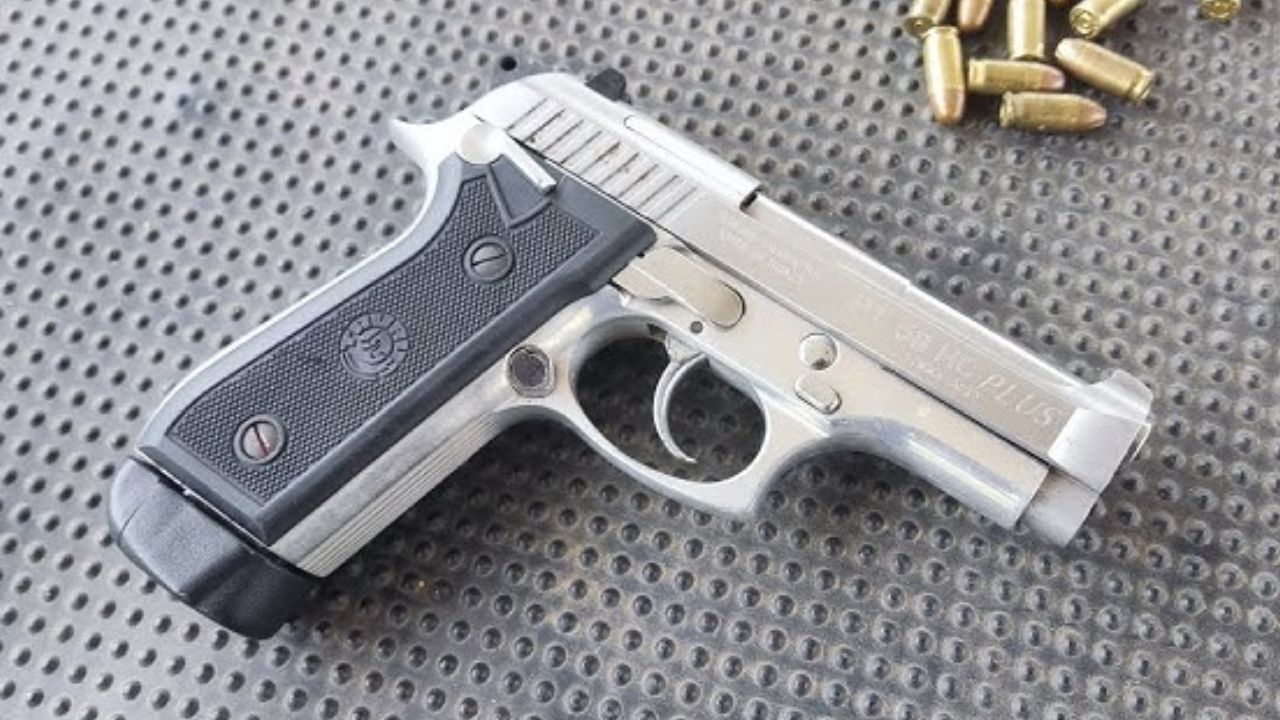
The PT58 HC is a high-capacity .380 built on an older design philosophy. FMJ feeds well, but the transition to hollow points creates inconsistencies due to the magazine’s steep stack angle and the relatively soft recoil springs.
With defensive ammunition, failures to feed appear more frequently than most shooters are comfortable with. The pistol handles ball ammo confidently, but its reliability narrows when you stray from that formula.
Llama Minimax .45

The Llama Minimax looks like a compact 1911, but its feed-ramp geometry doesn’t mirror the tuned reliability of modern versions. FMJ runs smoothly thanks to the round nose, but hollow points often find the ramp edge or stall partway into the chamber.
Some gunsmithing can help, but many shooters find themselves reverting to FMJ simply because the platform isn’t designed to accommodate aggressive bullet shapes. It’s fun to shoot—just not forgiving.
Star BM
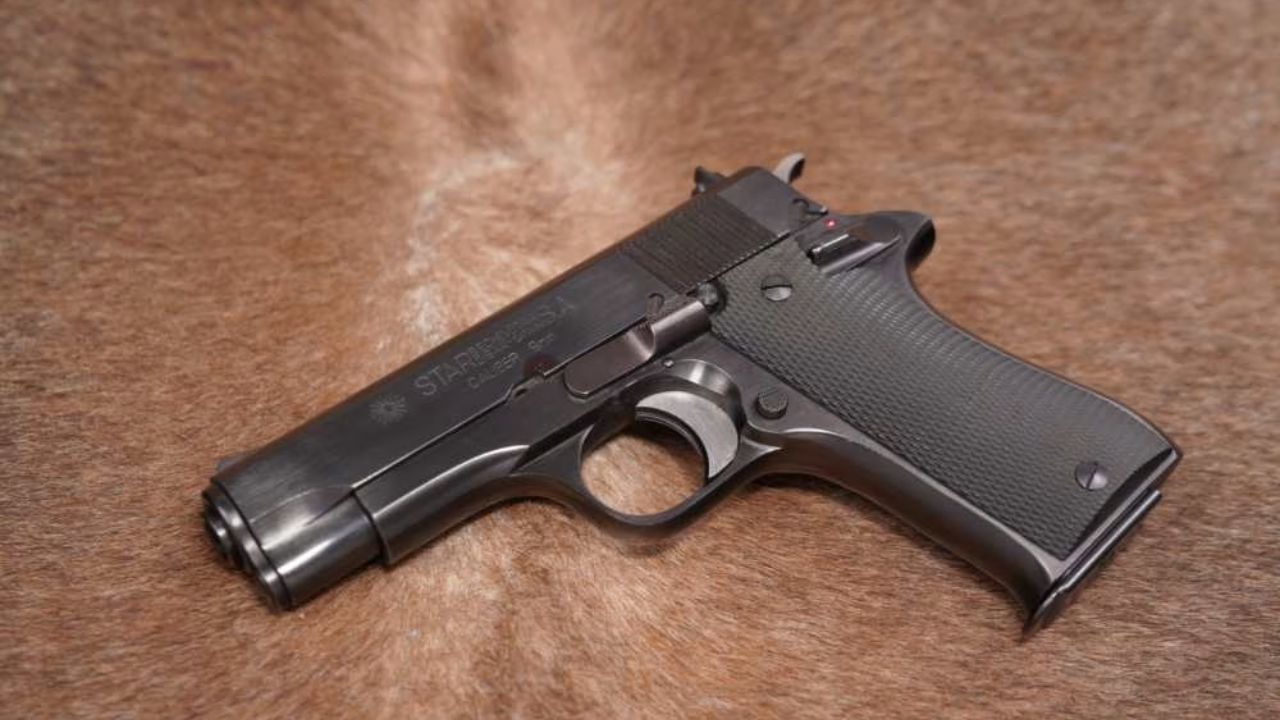
The Star BM is a classic steel handgun known for feeding FMJ extremely well. Once you try hollow points, though, the limitations of its older feed-ramp design become obvious. Bullet profiles that work flawlessly in modern 9mm pistols don’t travel smoothly in the BM.
While some examples run certain loads better than others, the design simply predates the wide variety of defensive bullet shapes we have today. With FMJ, the pistol feels reassuring. With hollow points, reliability becomes more of a gamble.
Like The Avid Outdoorsman’s content? Subscribe to our newsletter so you never miss an article.
Here’s more from us: