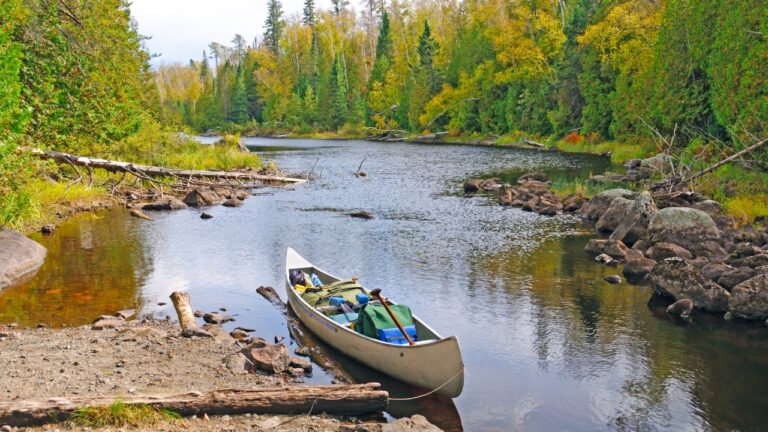
Photo credit: Doidam 10/ Shutterstock.com
Finding a quiet trail during peak season feels harder every year, but there are still routes where you can walk for miles without weaving around crowds. These aren’t the trails on big park brochures or the ones everyone pins on travel boards.
They’re the side paths, alternate approaches, and overlooked ridges locals use when the main routes get overloaded. If you’re willing to move a little farther from the usual access points or climb a bit more than most people want to, you’ll find stretches of country that stay surprisingly peaceful. These routes remind you why hiking feels restorative in the first place.
The North Fork Trail, Colorado
The North Fork Trail sits close enough to Denver to be convenient, yet far enough from the bigger draws that it avoids heavy traffic. Most hikers choose the nearby peaks or better-known loop routes, leaving this trail with steady but quiet use even on weekends.
You get long stretches of shaded walking along the creek, and the grade stays gentle enough for a relaxed pace. Elk and mule deer slip through the timber at dawn, and you often hear them before you see them. If you want mountain terrain without the crowds, this route delivers consistently.
Dickey Ridge, Shenandoah National Park
While Skyline Drive sees steady pressure, Dickey Ridge remains one of the park’s overlooked access points. The trail rolls through hardwood forest with broad views toward the Shenandoah Valley, and the distance thins out traffic quickly.
Most visitors stick close to the road overlooks, so once you’re a mile in, the noise fades fast. The ridge is long enough to customize your day—short morning hikes or longer pushes deeper into the park. Wild turkey and black bear sign is common, and the ridge catches enough breeze to keep the walk comfortable during warm months.
Little Lakes Valley Connector Trails, California
Near Mammoth Lakes, most people flock to the main Little Lakes Valley trail, but the connector paths branching from the drainage stay quiet. These side routes move through the same alpine scenery but see only a fraction of the foot traffic.
You’ll pass clear granite pools, open meadows, and long views toward peaks that dominate the basin. Because these connectors aren’t labeled as “destination” trails, many hikers walk right past them. If you want big-mountain scenery with breathing room, these unofficial-feeling paths give you exactly that.
Lava Lake Approach, Montana
The Lava Lake hike is popular, but the lesser-known approach from the Cascade Creek side keeps a surprising amount of solitude. This path winds through steady timber and avoids the steep congestion points seen on the standard route.
The climb is still real, but the traffic drops to almost nothing once you’re a short distance from the trailhead. When you reach the lake, the water sits in a deep bowl surrounded by rock slabs that feel far quieter than the main access ever does during summer.
Horton Creek Trail, Arizona
While nearby Rim attractions draw crowds, Horton Creek stays quiet thanks to its distance from the typically packed viewpoints. The trail follows clear water through pine forest, offering shade and consistent sound from the creek.
Families tend to stay near the lower pools, but once you continue upstream the crowds thin fast. Trout occasionally dart beneath fallen logs, and the canyon feels surprisingly cool even during warm months. It’s an accessible route that still manages to feel tucked away.
Moose River Plains Side Trails, New York
The Adirondacks see heavy seasonal pressure, but the side trails off Moose River Plains provide quiet walking without the steep climbs found elsewhere. These routes slip through spruce flats, wet meadows, and hardwood benches.
Because the road system spreads out recreation, the foot traffic never bunches. You can walk for an hour hearing nothing but water moving through grass and the occasional jay cutting across the canopy. It’s a pocket of calm inside one of the Northeast’s busiest outdoor regions.
Ptarmigan Ridge Bypass, Washington
The main Ptarmigan Ridge trail near Mount Baker draws hikers, but the alternate bypass sections see minimal use. These narrow routes weave across volcanic rock fields and give you clear looks at surrounding glaciers without crowding.
The terrain feels rugged but manageable, and the open landscape means you can see weather changes early. Most visitors don’t seek these options because they aren’t part of the standard out-and-back. If you want that sweeping alpine exposure with a quieter feel, this is where you find it.
Boulder River Lower Section, Washington
The upper section of Boulder River gets attention for its waterfalls, but the lower stretch stays almost empty. This area follows the river through mossy timber with soft footing and consistent shade.
The absence of major viewpoints keeps crowds away, but the walking is peaceful, and the sound of water carries through the trees. It’s a route built for steady, quiet miles rather than dramatic scenery, and that’s exactly what keeps it calm even on busy weekends.
Lost Lake Ridge, Oregon
Lost Lake draws families and day visitors, but the ridge above the lake stays quiet because the climb turns most people around early. If you’re willing to push up the switchbacks, you get broad views of Mount Hood without the shoreline crowds.
Wildflowers bloom heavily in early summer, and the ridge catches wind that keeps you cool during the final ascent. Once you’re above the lake, the foot traffic drops dramatically, giving you room to move at your own pace.
Silas Canyon, Wyoming
Near Lander, most visitors head toward the more famous Cirque of the Towers area. Silas Canyon, meanwhile, sees light pressure despite offering excellent glacier-carved scenery.
The approach is long but steady, and the lakes in the upper section sit beneath tall cliffs that reflect wind patterns differently throughout the day. You get the sense of being deep in the mountains without the constant flow of backpackers common in the nearby ranges.
Ampersand Mountain Alternate Start, New York
Ampersand Mountain is well-known, but the alternate starting point used by locals keeps you away from the standard bottleneck. This approach adds a bit of mileage but reduces crowding significantly.
The climb is still challenging, yet the forest feels quieter than the main route, with fewer breaks in the canopy and more consistent footing. When you reach the summit, you get clear views over the Saranac Lakes—only with fewer people competing for space.
Hidden Lakes Trail, Idaho
Near the Selkirks, this trail tends to stay quiet because the access road requires careful driving. Once you arrive, the walking is moderate, and the lakes themselves sit between granite benches that feel untouched.
Most visitors pick the more obvious high-country routes, leaving these lakes to anglers and hikers who prefer calm, steady terrain. The water often reflects the ridges cleanly during mornings, and the area’s remoteness keeps the traffic low.
Manzanita Ridge, New Mexico
In the Sandia Mountains, the main crest trails get crowded, but Manzanita Ridge stays quieter thanks to its steeper initial climb. Once you’re on the ridge, the views stretch across the desert, and the breeze stays constant.
Locals use this route when they want elevation without the usual weekend pressure. Mule deer move through the brush at dawn, and the ridge’s long spine gives you open walking without constant stops to navigate around people.
Like The Avid Outdoorsman’s content? Be sure to follow us.
Here’s more from us: