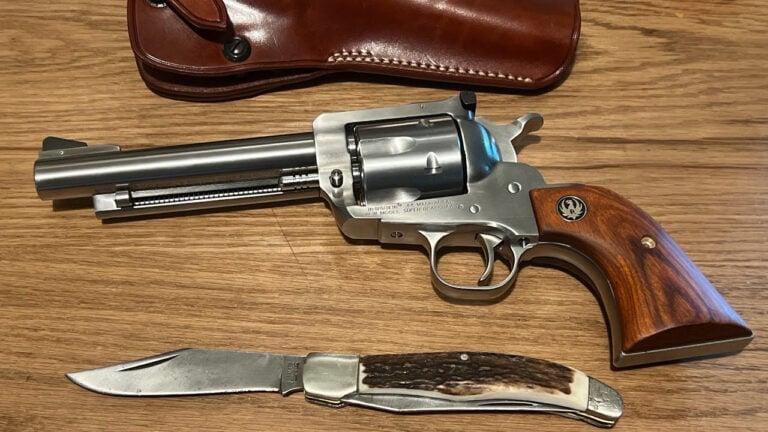
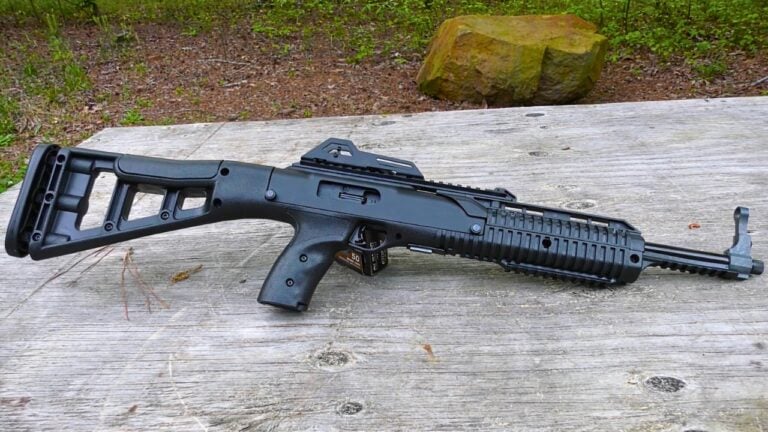
Photo credit: WHO_TEE_WHO/YouTube
When you’ve spent enough time behind rifles, you learn there’s recoil that makes sense—and recoil that doesn’t. Some calibers deliver a clear return for the abuse they hand out. Others feel like they were designed during a dare and stuck around out of stubborn tradition. These cartridges hit your shoulder harder than they ought to, offering little advantage for the punishment they deliver. Whether it’s poor efficiency, outdated ballistics, or performance that can be matched by softer-shooting rounds, these calibers remind you there’s no glory in recoil for recoil’s sake. If you’ve ever stepped off the bench rubbing your collarbone and wondering why you brought that rifle in the first place, you know exactly what this list is about.
.338 Winchester Magnum

The .338 Winchester Magnum has real capability, but many shooters underestimate how sharply it recoils in standard hunting rifles. The round was built for large, tough game, yet plenty of people run it on hunts where a softer-kicking .30-caliber would work just as well. That mismatch leads to bruised shoulders, pulled shots, and rifles that develop flinches faster than anything else in the safe.
Even though it offers good reach and stopping power, the recoil-to-performance ratio can feel lopsided unless you’re actually hunting elk-sized animals or bigger. The sharp impulse of the .338 Win Mag often surprises shooters who expect it to behave like a slightly bigger .30-06. Once you’ve put a box of ammo through one at the bench, you understand why the cartridge’s reputation is built as much on recoil as effectiveness.
.300 Remington Ultra Magnum (RUM)

The .300 RUM is known for being fast, powerful, and extremely efficient at long range—but it’s also known for producing some of the most aggressive recoil you’ll find in a hunting rifle. The cartridge burns a massive amount of powder, and the result is a shoulder punch that feels disproportionate to the real-world advantage you gain over more manageable .30-caliber magnums.
Many shooters buy the RUM expecting significant ballistic improvement over cartridges like the .300 Win Mag, but the actual performance gain is small enough that the recoil starts to feel unnecessary. Unless you’re pushing extreme distances or shooting a heavy rifle, the .300 RUM wears you out quickly. It’s a classic example of a round that gives you bragging rights at the expense of comfort and control.
.45-70 Government +P Loads
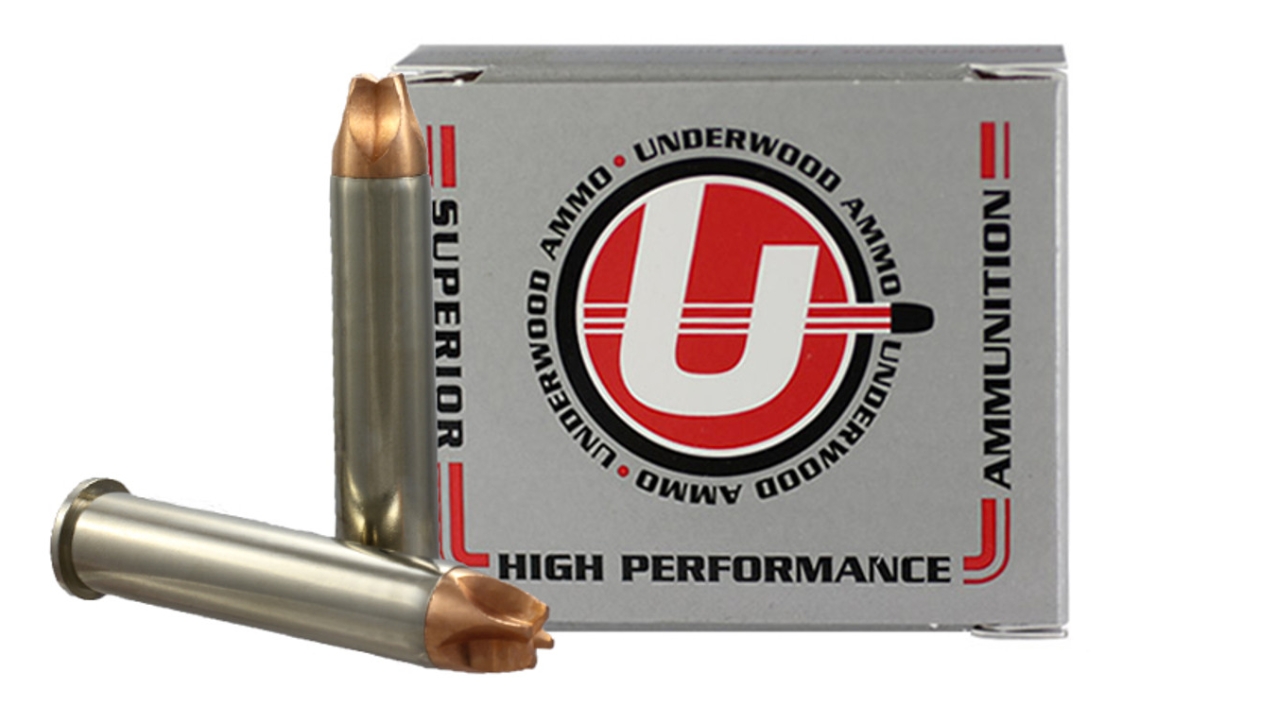
The .45-70 is perfectly manageable in traditional loads, but when you step into modern +P territory designed for strong rifles, the recoil can become fierce. Lever guns chambered for these hotter loads can feel downright punishing, especially when they’re lightweight. While these loads hit hard and penetrate deeply, most hunters don’t actually need that level of power for typical whitetail or black bear hunts.
When you push the .45-70 to its limits, the recoil starts to overshadow the benefits. You’re left wondering whether the energy you put into taming it is worth the small performance edge. Unless you’re hunting truly big animals or need deep penetration in brush country, the shoulder punishment can feel unnecessary.
.375 H&H Magnum
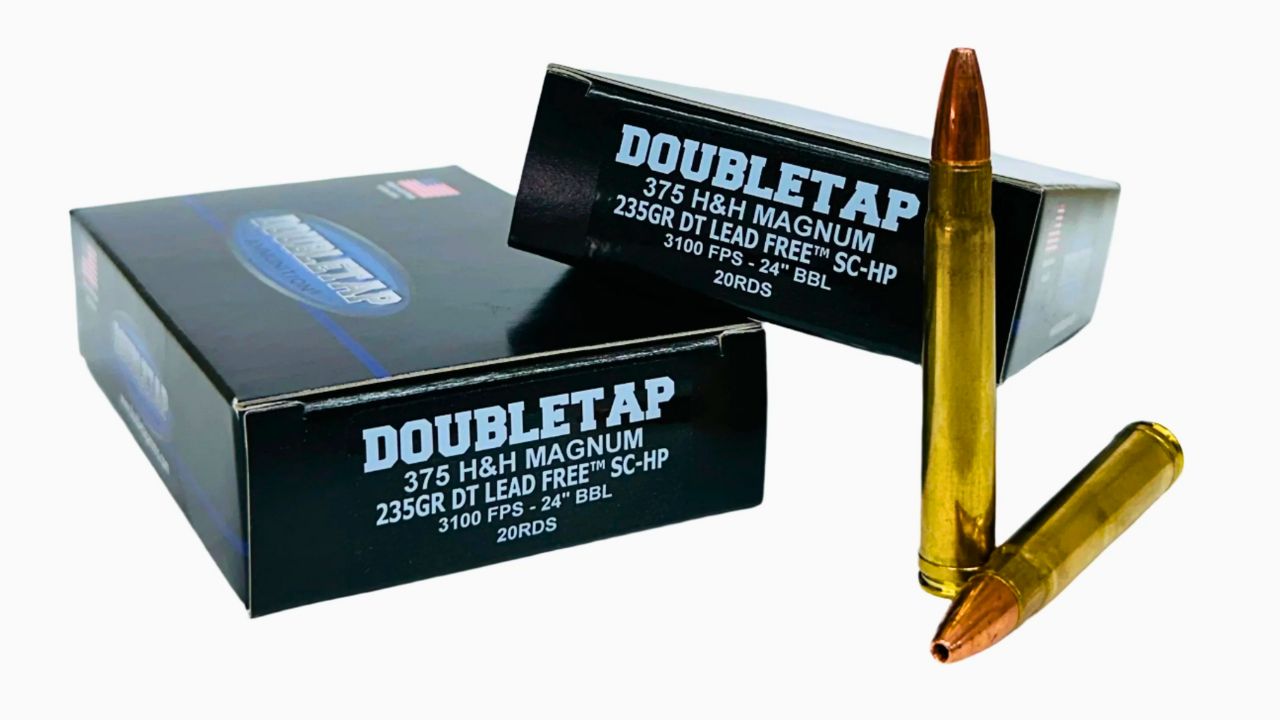
The .375 H&H is a classic dangerous-game cartridge and fully capable of handling its intended roles. But in North America, many shooters buy it for hunts that don’t require that kind of horsepower. In standard-weight rifles, the recoil is heavy enough to sap your focus after a few rounds, making practice sessions shorter and less enjoyable.
Its performance is impressive, but the cartridge simply outclasses the needs of most big-game hunters. The recoil is manageable with proper form, but when you compare the real-world necessity to what it delivers, you end up paying with your shoulder for capability you rarely use.
.300 Weatherby Magnum

The .300 Weatherby Magnum brings serious speed, but it comes with equally serious recoil. The pressure and velocity it generates make it one of the hardest-kicking .30-caliber rounds on the market. While it shoots fast and flat, many shooters find that the recoil difference between it and the .300 Win Mag isn’t worth the extra discomfort at the bench.
Weatherby rifles often have lightweight stocks that amplify the recoil impulse. The result is a cartridge that feels like it’s working against you unless you’re shooting from a supported field position. It performs well, but many people eventually conclude they could do the same work with something that treats their shoulder a little kinder.
.338 Lapua Magnum

The .338 Lapua Magnum has a reputation built on long-range military use, and while its performance is real, the recoil is substantial even in heavy rifles. For civilian shooters who aren’t taking 1,000-yard shots regularly, the punishment quickly outweighs the benefit. The recoil impulse is sharp, loud, and tiring, even if the rifle is well-built.
Unless you’re actually engaging at extreme distances, the round’s power can feel excessive. Many shooters discover that more moderate cartridges deliver nearly identical performance at the ranges they actually hunt or practice, all with far less discomfort.
7mm Remington Ultra Magnum

The 7mm RUM pushes 7mm bullets to impressive speeds, but the cartridge burns so much powder that the recoil starts to creep into .300-magnum territory. While it offers great ballistics on paper, the recoil-to-performance ratio feels off for most hunters. The gains over a standard 7mm Rem Mag are noticeable only at longer distances, and even then, it’s marginal.
This cartridge is also tough on barrels, which adds another layer of cost. Combine that with recoil that drains your focus after a few shots, and many shooters question whether the extra power is worth the shoulder wear.
.450 Marlin

The .450 Marlin delivers a heavy recoil impulse that feels disproportionate to what most hunters need in the field. While it was designed as a modern alternative to hot .45-70 loads, the performance bump is small enough that the added recoil becomes the main feature you notice. Lightweight lever guns chambered in .450 Marlin can be brutal from the bench.
It certainly works for close-range big-game hunts, but the punishment often outweighs the practical benefits. Many shooters eventually return to more manageable cartridges that accomplish the same tasks with far less discomfort.
.458 Winchester Magnum

The .458 Win Mag was designed for dangerous game, but in many shooting circles today, it’s used more for novelty than necessity. The recoil is overwhelmingly heavy in standard rifles, and the blast can rattle even seasoned shooters. While it performs as intended in the right conditions, most hunters will never have a use case that justifies enduring that kind of recoil.
Practice with the .458 Win Mag becomes physically taxing quickly, which means most owners shoot it far less than they expected. When a cartridge prevents you from training effectively, the punishment becomes hard to justify.
.416 Rigby
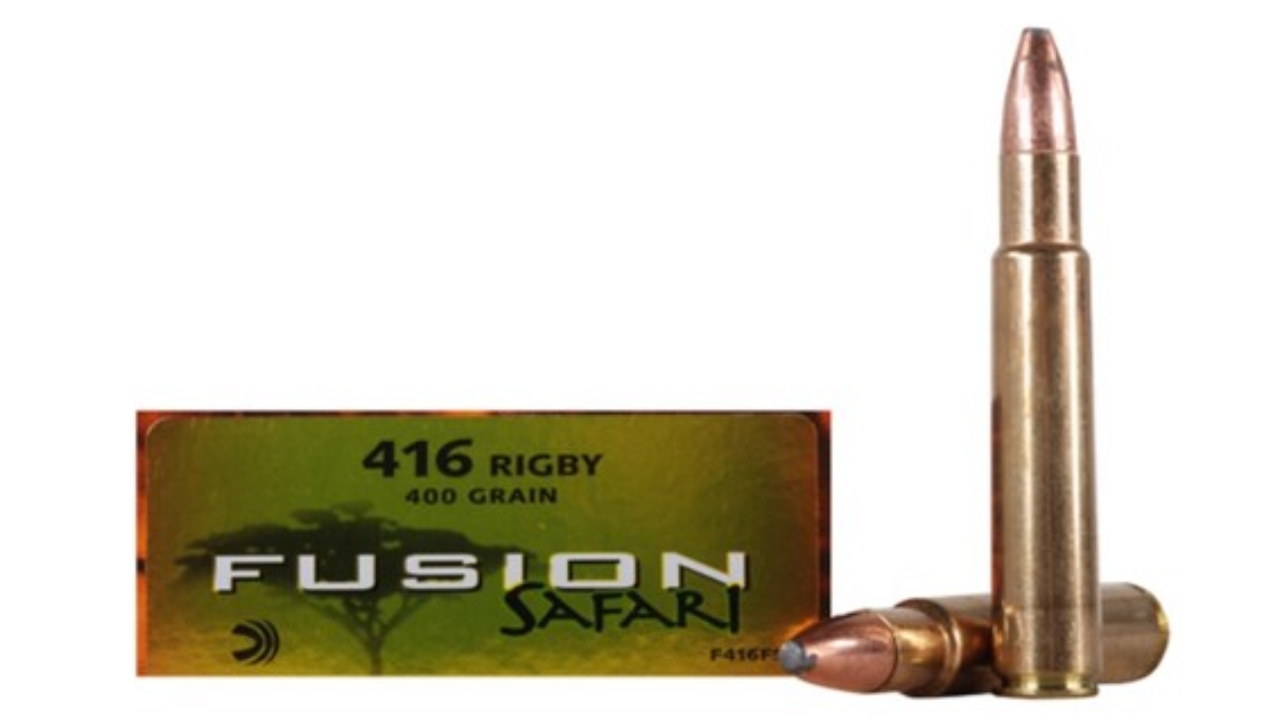
The .416 Rigby is a legendary safari round with a serious recoil profile, and that recoil becomes even more unnecessary when it’s used for anything short of dangerous game. In heavy rifles, it’s manageable, but most production models aren’t built with enough weight to soften the blow. Each shot delivers a recoil impulse that wears you down fast.
It’s an incredible cartridge for its intended purpose, but outside of those specific hunts, you’re taking unnecessary punishment. When a .30-caliber magnum would do the same job more comfortably, the Rigby’s recoil feels like an unnecessary burden.
.375 Ruger
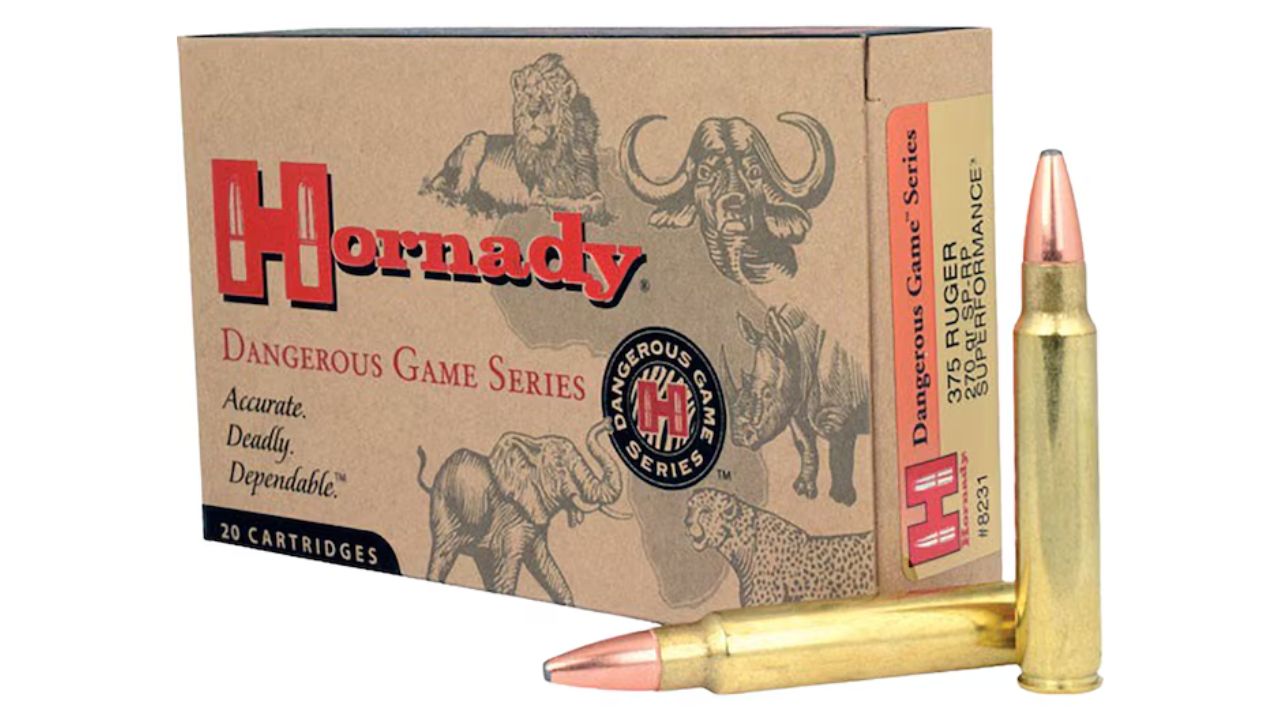
The .375 Ruger is powerful and efficient, but its recoil can be surprisingly sharp in lighter rifles. It offers excellent ballistics, yet many shooters don’t actually need that performance for the game they pursue. When you fire it from the bench, the recoil reminds you quickly that it’s built for serious use.
Compared to the .375 H&H, the recoil difference isn’t massive, but the sharper impulse makes it feel less forgiving. Unless you’re genuinely hunting large, tough animals, the punishment outweighs the benefits.
.416 Remington Magnum
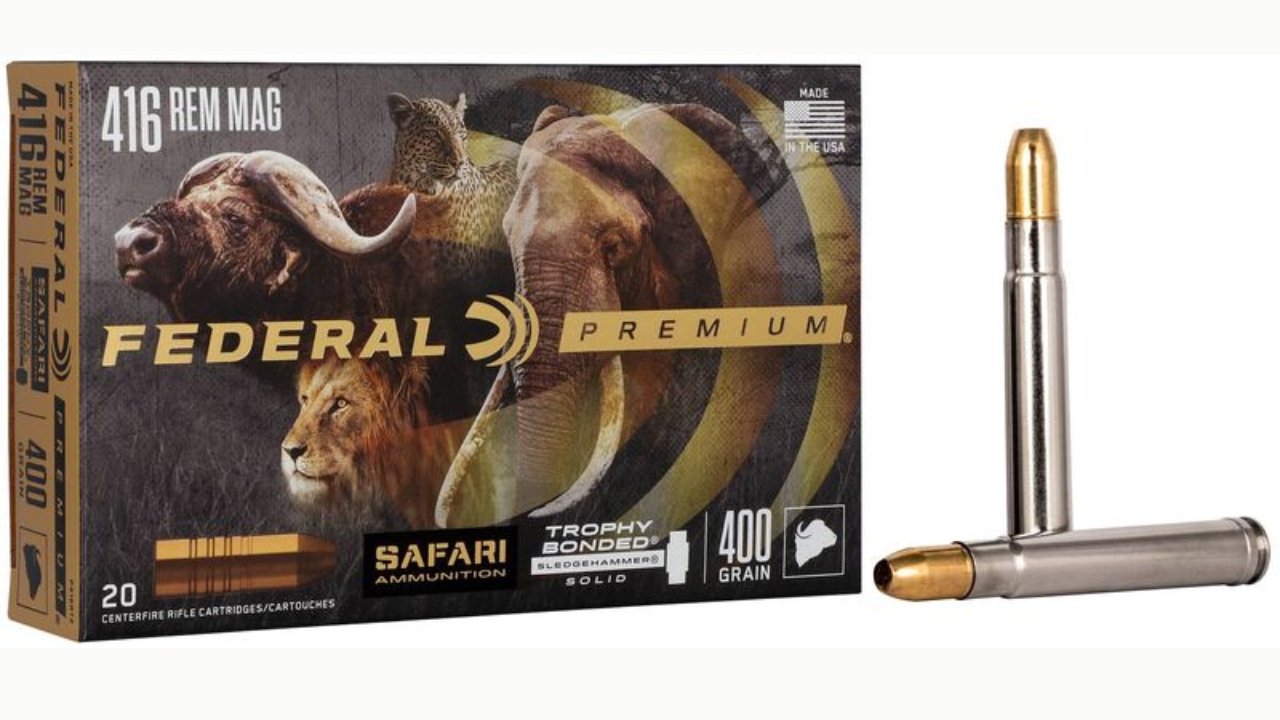
The .416 Rem Mag produces hard recoil even in rifles designed to mitigate it. While it’s capable of taking dangerous game with authority, most shooters will never tap into its full potential. For general big-game hunting, the recoil becomes unnecessary, and it can slow down practice sessions.
Many hunters buy one thinking it will be manageable, only to learn that the recoil drains their accuracy and confidence. Unless you need its power for true heavy game, it’s a round that gives you more kick than return.
.338-378 Weatherby Magnum

This Weatherby cartridge is known for incredible speed, but that comes at the cost of extreme recoil. Even rifles with well-designed stocks struggle to tame the force it delivers. While the long-range performance is outstanding, most shooters find that the recoil becomes a limiting factor long before the cartridge reaches its ballistic potential.
Unless you’re committed to long-range hunting or target work, the recoil is excessive for typical field use. It’s a round that impresses on paper but punishes on the shoulder.
.460 Weatherby Magnum

The .460 Weatherby Magnum is one of the hardest-kicking commercial rifle cartridges ever made. The recoil is staggering, even in rifles specifically built to reduce it. While it has undeniable stopping power, virtually no North American hunt requires that level of force. You pay for every shot with significant discomfort.
It’s a remarkable cartridge, but one that punishes you far more than most shooters can justify. When a cartridge wears you out before you finish a box of ammo, the tradeoff becomes hard to defend.
Like The Avid Outdoorsman’s content? Be sure to follow us.
Here’s more from us:
The worst deer rifles money can buy
Sidearms That Belong in the Safe — Not Your Belt
*This article was developed with AI-powered tools and has been carefully reviewed by our editors.