Photo credit: NRApubs/YouTube
New pistols usually promise progress. Better capacity, optic cuts, lighter frames, modular grips, improved textures, and easier manufacturing all sound like things shooters should want. On paper, a newer pistol should feel like the obvious step forward.
Then you pick one up after shooting an older gun that had better balance, a smoother trigger, cleaner recoil, or more natural controls. That is when the upgrade story gets shaky. These newer pistols are not all bad, but they can leave owners wondering why the modern version feels less satisfying than the older guns people already trusted.
Beretta APX A1

The Beretta APX A1 gave Beretta a more modern striker-fired pistol with cleaner styling, optics capability, and updated ergonomics. It was meant to make the APX line feel more competitive in a market full of Glocks, M&Ps, PDPs, and P320s. As a duty-size polymer pistol, it checks the expected boxes.
The problem is that Beretta already built pistols with real character. Compared to a good 92FS, PX4, or even older metal-frame Berettas, the APX A1 can feel generic. It may be practical, but it does not have the same smooth cycling feel, balance, or personality. Shooters who like Beretta for more than the logo may find the APX A1 feels more modern while somehow feeling less special.
Springfield Armory XD-M Elite Compact
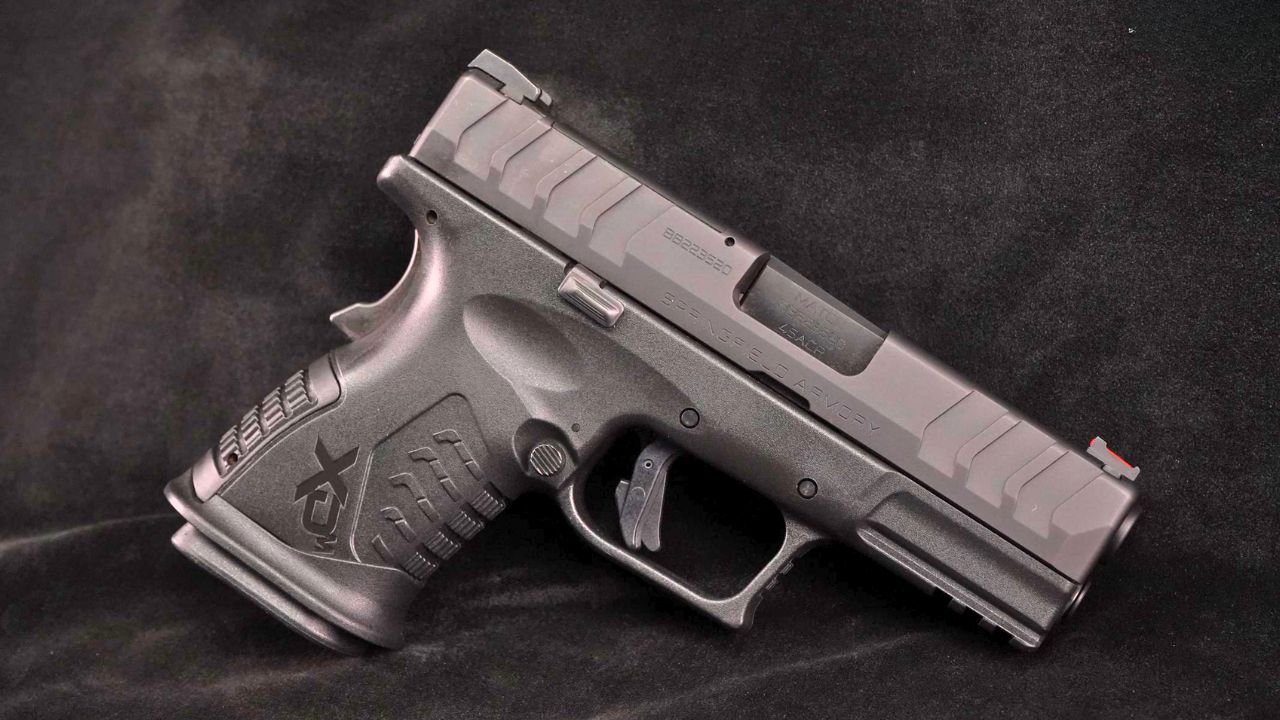
The XD-M Elite Compact looks like a serious upgrade over older XD pistols. It has better capacity, a more aggressive grip texture, improved sights, and modern carry features that make sense on paper. Springfield clearly tried to keep the XD line relevant in a crowded compact pistol market.
But compared to older full-size XD-M pistols or even more settled compact designs, the Elite Compact can feel busy and less natural. The grip texture, short frame, and snappy feel do not always make it pleasant during longer training sessions. It may carry better than larger older pistols, but it does not always shoot better. That is where owners start questioning what the newer design really improved.
SIG Sauer P365 SAS

The SIG P365 SAS was built around a smart-sounding idea: make a carry pistol as smooth and snag-free as possible. The flush sights, softened controls, and slick profile seemed like a clever improvement for deep concealment. It looked like a modern answer to the old problem of a gun catching on clothing.
In actual shooting, many owners found it less satisfying than a regular P365. The sighting system can be slower to pick up, especially under speed, and the reduced controls make manipulations less familiar. Older carry pistols with normal sights and usable levers often feel easier to run well. The SAS may be smoother to carry, but for many shooters, it feels worse once the shooting starts.
Kimber R7 Mako

The Kimber R7 Mako had a lot of modern ideas behind it. The enclosed ejection port, optics-ready setup, and unique styling made it stand apart from the usual micro-compact crowd. It looked like Kimber was trying to build something different instead of another tiny 1911-style pistol.
Different did not automatically mean better. Compared to older Kimber 1911s, compact alloy-frame pistols, or more traditional carry guns, the Mako can feel odd in the hand. Some shooters like it, but others never warm up to the grip shape, slide feel, or overall personality. It may be a modern design, but it does not always give the kind of clean, confident feel people expect when they hear the Kimber name.
FN 503
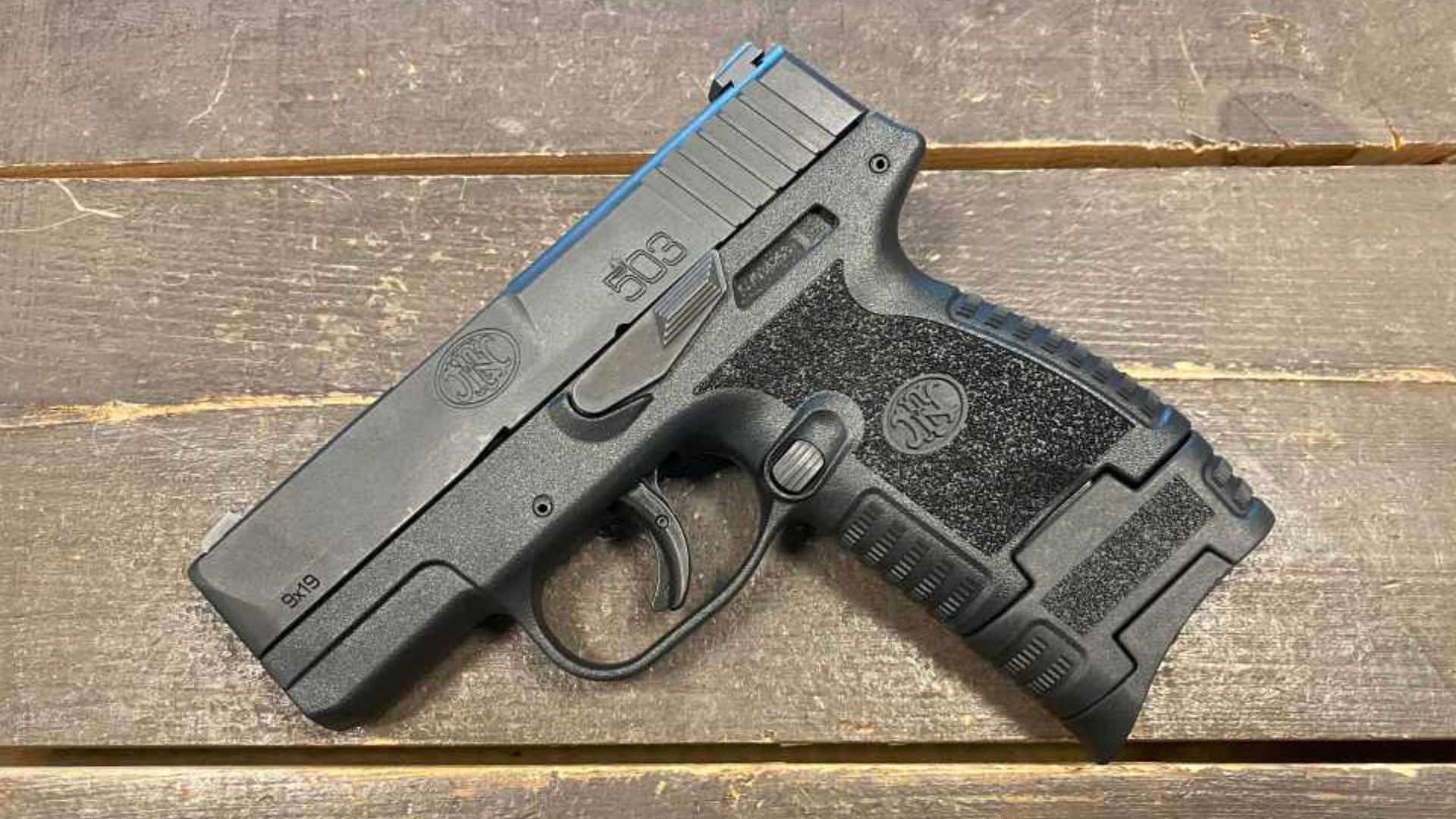
The FN 503 entered the carry market with the right brand name and a slim profile. A single-stack 9mm from FN sounded like a serious little pistol, especially for buyers who trusted FN’s larger handguns. Before higher-capacity micro-compacts took over, it looked like a reasonable modern carry option.
The trouble is that it does not feel as compelling as older FN pistols like the FNS, FNX, or even the later 509 series in larger sizes. The 503 is slim and easy to carry, but it can feel small, sharp, and limited when you actually train with it. Older compact pistols may be bigger, but they often shoot better and inspire more confidence. The 503 feels like a compromise that aged quickly.
Mossberg MC2sc

The Mossberg MC2sc gave Mossberg a much more credible carry pistol than many shooters expected. It offered good capacity, a slim size, optics-ready versions, and practical controls. Compared to earlier Mossberg pistol efforts, it was a serious step forward.
Still, it can feel forgettable compared to older, more established carry guns. A Glock 26, M&P Compact, older Shield, or compact SIG may be less trendy on paper, but many shooters trust how those guns handle, recoil, and run under repetition. The MC2sc works for some owners, but it does not always create that same confidence. It feels modern enough, yet not necessarily better than older pistols people already knew.
Taurus GX4

The Taurus GX4 looked like a major move for Taurus because it finally gave the brand a true modern micro-compact 9mm. It was small, affordable, and offered good capacity for its size. For buyers watching price closely, it seemed like a smart way into the current carry-gun market.
The issue is that small pistols are unforgiving, and trust matters more than feature lists. Compared to older Taurus metal-frame pistols, older Smith & Wesson compacts, or even larger budget 9mms, the GX4 can feel snappy and less settled in the hand. Some owners like it, but others find themselves missing pistols that felt heavier, smoother, and easier to shoot well. Newer and smaller does not always feel better.
Ruger Security-9 Compact
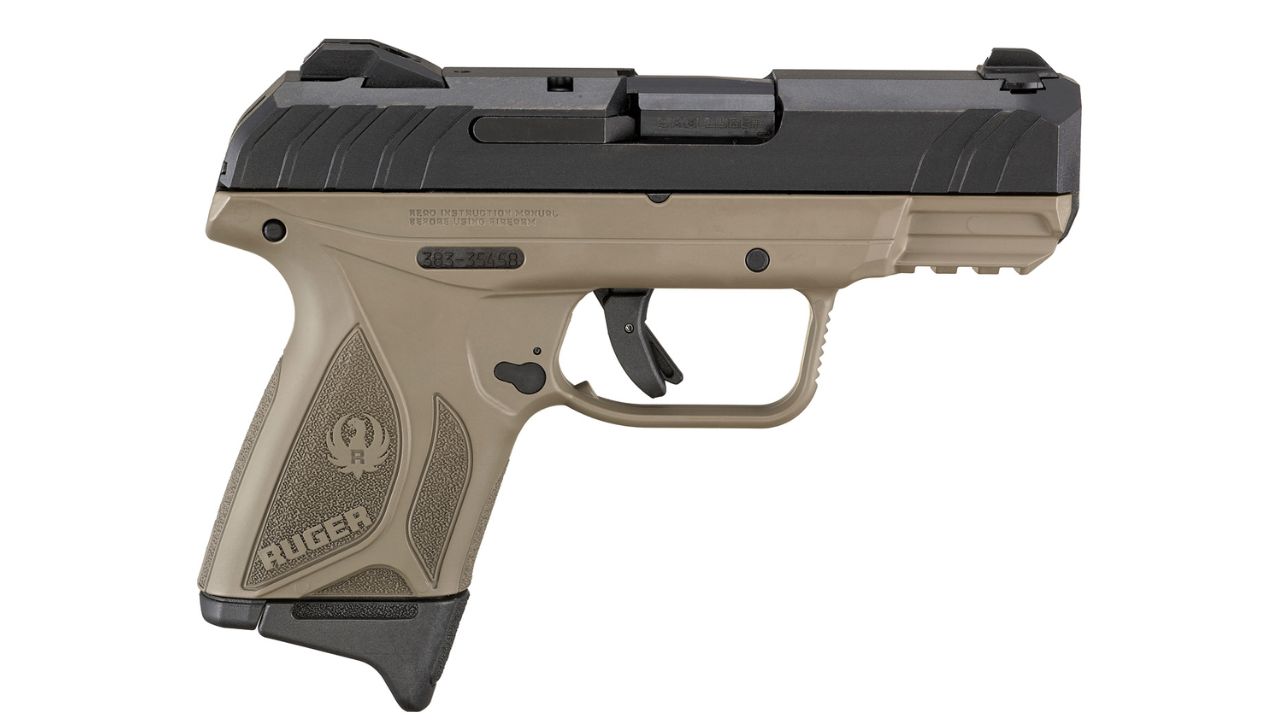
The Ruger Security-9 Compact is practical on paper. It is affordable, light, and easy enough to carry. Ruger’s name helps it feel like a safe buy, especially for someone who wants a simple defensive pistol without spending Glock or SIG money.
But compared to older Ruger P-series pistols or even the SR-series guns, the Security-9 Compact can feel less substantial. It is easier to carry, but it does not have the same tank-like confidence people remember from older Ruger handguns. The trigger and overall feel are serviceable, not memorable. Owners who liked Ruger because their guns felt overbuilt may find this newer compact feels more economical than reassuring.
Springfield Armory Hellcat
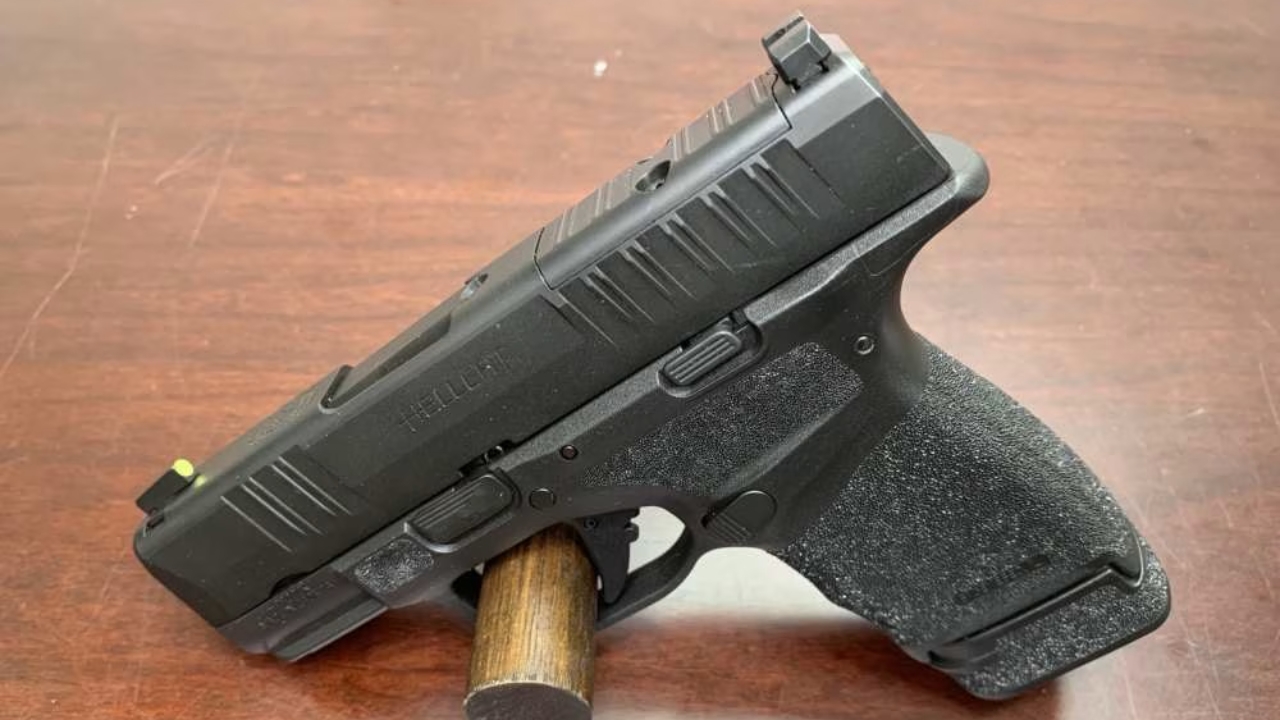
The Springfield Hellcat became popular because it packed serious capacity into a very small 9mm. For concealed carry, that is a big selling point. It is easy to hide, easy to configure with an optic, and backed by a major company. On paper, it solves a lot of carry problems.
The tradeoff is feel. Compared to older compact pistols like the XD Sub-Compact, Glock 26, or M&P Compact, the Hellcat can feel sharper and less forgiving during longer training sessions. It is not unusual for tiny 9mms to behave that way, but it still matters. The older guns may be thicker and heavier, yet many shooters run them better. Capacity in a smaller package does not automatically make the pistol feel better.
Remington RM380
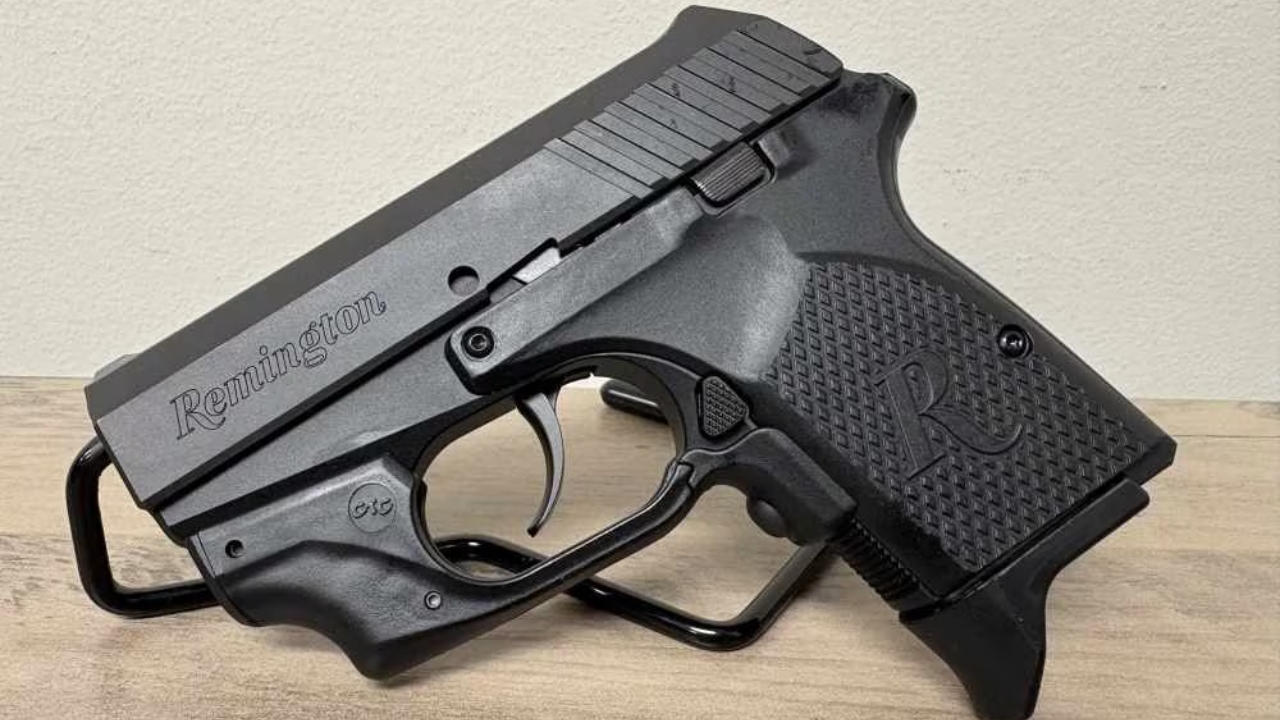
The Remington RM380 came out as a small, metal-framed .380 with a simple defensive role. It looked more solid than some plastic pocket pistols and seemed like an improved version of a familiar pocket-gun idea. For deep concealment, it made sense at first glance.
The problem is that it never felt like the kind of pistol that made people forget older pocket guns. Compared to a Colt Mustang, SIG P238, or even some older Beretta .380s, the RM380 could feel plain and uninspiring. The long trigger and small controls demanded practice without giving much enjoyment back. It was compact and functional, but it rarely had the charm or confidence of older small pistols people still remember.
SCCY DVG-1

The SCCY DVG-1 tried to move SCCY into the striker-fired carry world. That made sense because many shooters disliked the long triggers on the older CPX pistols. A striker-fired SCCY sounded like it might finally give budget buyers a cleaner, more modern option.
Even with that update, it does not always feel better than older budget pistols that already earned some trust. A used Glock, older M&P, Ruger SR9c, or even a well-running older SCCY may feel more familiar and proven. The DVG-1 still has to fight the brand’s budget reputation, limited support, and the realities of a very crowded carry market. It may be newer, but it does not automatically feel more confidence-building.
KelTec P15

The KelTec P15 got attention because it offered a very thin 9mm with surprisingly high capacity. That is exactly the kind of spec sheet that makes people stop and look. KelTec also tends to make unusual guns, so shooters were curious to see if this one could be a serious carry option.
The feel is where the shine can fade. Thin, light pistols with high capacity often bring sharper recoil, tighter grips, and less comfortable training sessions. Compared to older compact 9mms that had more weight and fuller grips, the P15 can feel like a compromise wrapped in clever engineering. It may be impressive for its size, but not every shooter will prefer it once they start running drills.
Rock Island Armory STK100
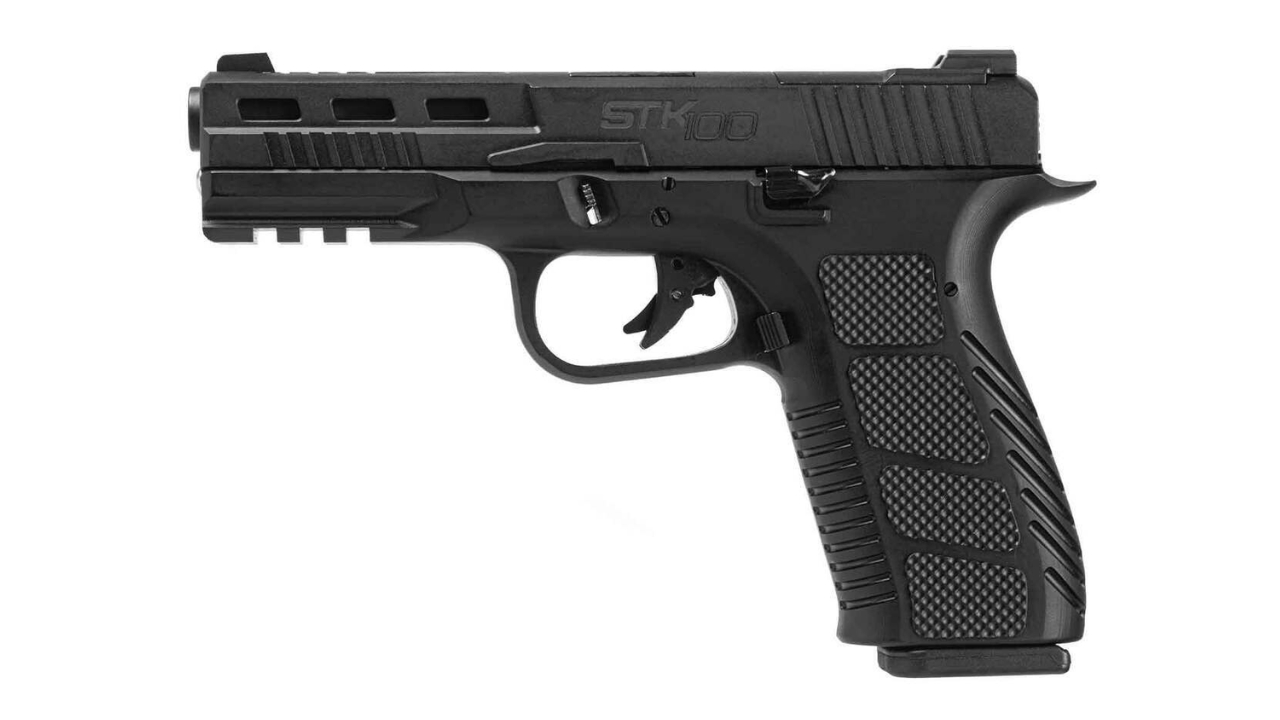
The Rock Island STK100 looked appealing because it offered an aluminum-framed striker-fired pistol with familiar Glock-like ideas. It sounded like a way to get a different feel without jumping into expensive metal-frame performance guns. At first, that made it seem like a clever alternative.
But compared to older service pistols with real refinement, the STK100 can feel caught in the middle. It is not as proven as the Glock-pattern guns it resembles, and it does not have the smoothness or established support of classic metal-frame pistols. The idea is interesting, but the execution does not always make owners feel like they upgraded. Sometimes a modern hybrid just makes you miss the older guns that had stronger identities.
Ruger Max-9

The Ruger Max-9 made sense when micro-compact 9mms were exploding. It gave Ruger fans a small, optics-ready pistol with modern capacity at a reasonable price. For people who already trusted Ruger, it looked like a practical carry choice.
The problem is that it can feel less satisfying than older Ruger handguns. A P95, SR9c, or even larger Security-9 may not conceal as easily, but they can feel softer, steadier, and easier to shoot well. The Max-9 is small and useful, but it does not always deliver the solid Ruger feel some owners expected. It is a modern carry gun built around compromise, and you can feel that when the round count climbs.
Colt King Cobra Carry

The newer Colt King Cobra Carry brought back the idea of a compact Colt revolver for modern defensive use. It had the right name, stainless construction, and enough old Colt flavor to attract revolver fans who wanted something current instead of chasing older Detective Specials.
The hard part is that older Colts set a brutal standard. Compared to vintage Detective Specials, Agents, or older Cobras, the new King Cobra Carry can feel different in ways some shooters do not love. It is stronger and more modern in certain respects, but the trigger feel, finish expectations, and emotional pull are not the same. A new Colt revolver may be useful, but it can still make owners understand why people miss the older ones.
Like The Avid Outdoorsman’s content? Be sure to follow us.
Here’s more from us: