Photo credit: Big Daddy Unlimited/Youtube
Some handguns don’t make a big first impression. They look plain in the case, feel ordinary at the counter, and don’t have the kind of finish or feature list that makes people stop mid-sentence. A lot of shooters pass them by because nothing about them screams special.
Then they shoot one well. That’s when the opinion changes. The grip starts making sense, the sights track cleanly, the recoil settles down, and the trigger does its part without getting in the way. These handguns may not look like much at first, but they start earning respect once the target tells the truth.
Walther P99 AS

The Walther P99 AS doesn’t look wild today, but the design was doing some smart things before the rest of the market fully caught up. The grip shape is excellent, the backstraps help with fit, and the Anti-Stress trigger system gives it a different feel from most striker-fired pistols. Some shooters never gave it enough credit because it wasn’t a Glock, SIG, or Smith & Wesson.
Once you shoot it well, the P99 starts looking a lot more interesting. The trigger takes a little learning, but it gives the pistol a level of personality most striker guns don’t have. It points naturally, recoils smoothly, and fits the hand better than many newer pistols. It may not look special sitting there, but a good range session makes it clear Walther had a strong idea.
Smith & Wesson Model 5906

The Smith & Wesson 5906 looks like a heavy stainless service pistol from another era, which is exactly what it is. On the rack, that can make it seem outdated compared with lighter polymer 9mms. It’s thick, all-metal, and not trying to be slim or modern.
Then you shoot one, and the weight starts working for you. The 5906 is steady, soft-shooting, and built like it was meant to survive decades of duty use. The DA/SA trigger takes practice, but the pistol rewards a shooter who learns it. It won’t win a carry-weight contest, but it can make modern pistols feel a little nervous on the firing line. Sometimes heavy and plain turns into accurate and dependable.
Beretta PX4 Compact Carry
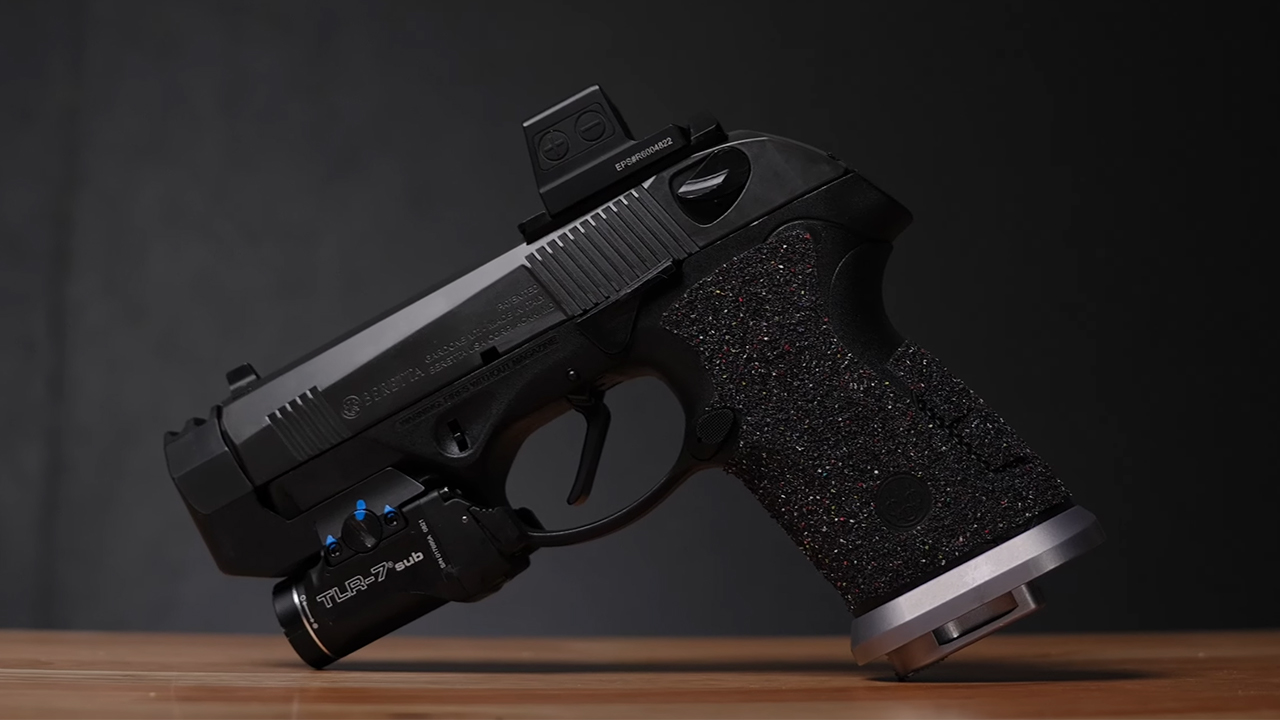
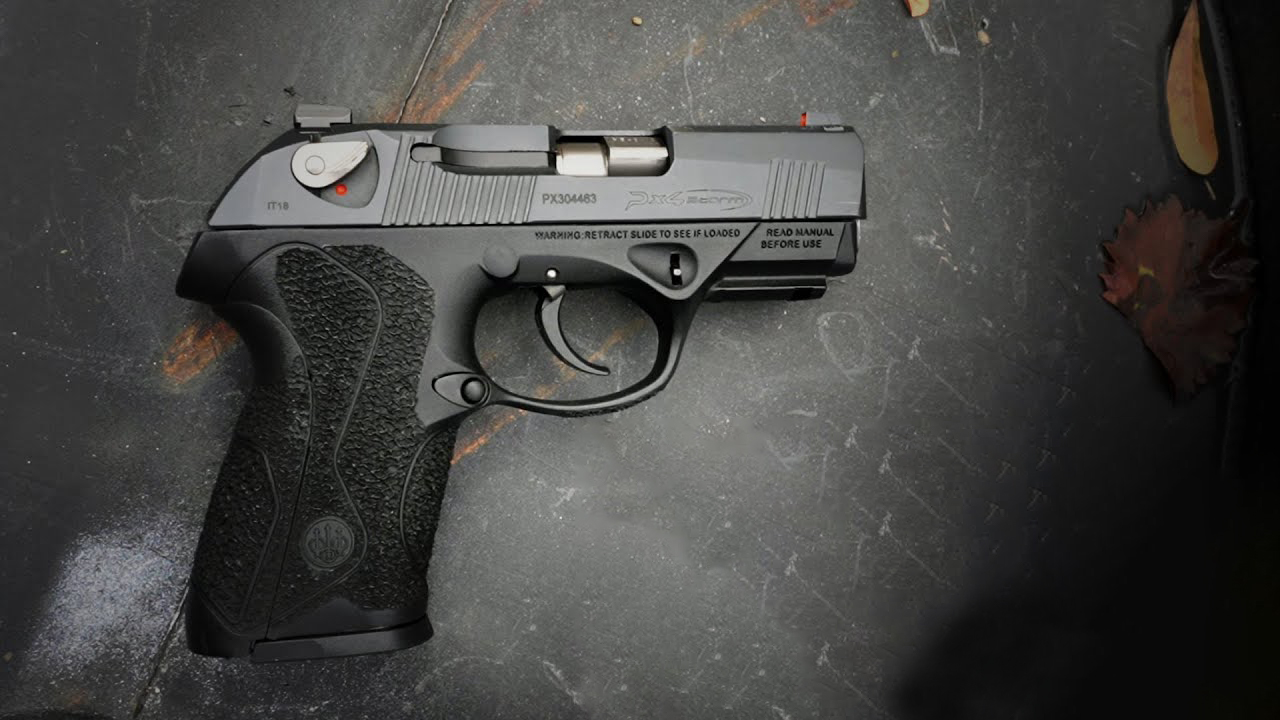
The Beretta PX4 Compact Carry is one of those pistols that doesn’t always photograph well. The rounded slide and polymer frame don’t have the classic appeal of a 92 series pistol, and some shooters dismiss the whole PX4 line because of the styling. That’s their loss.
Shoot it well, and the Compact Carry makes a lot more sense. The rotating barrel system gives it a smooth recoil impulse, and the Langdon-inspired upgrades on the Carry model make the trigger and controls more useful. It’s compact enough to carry but still shoots like a more settled pistol than its size suggests. It doesn’t look special until you realize how easy it is to keep rounds where you want them.
Ruger SR9
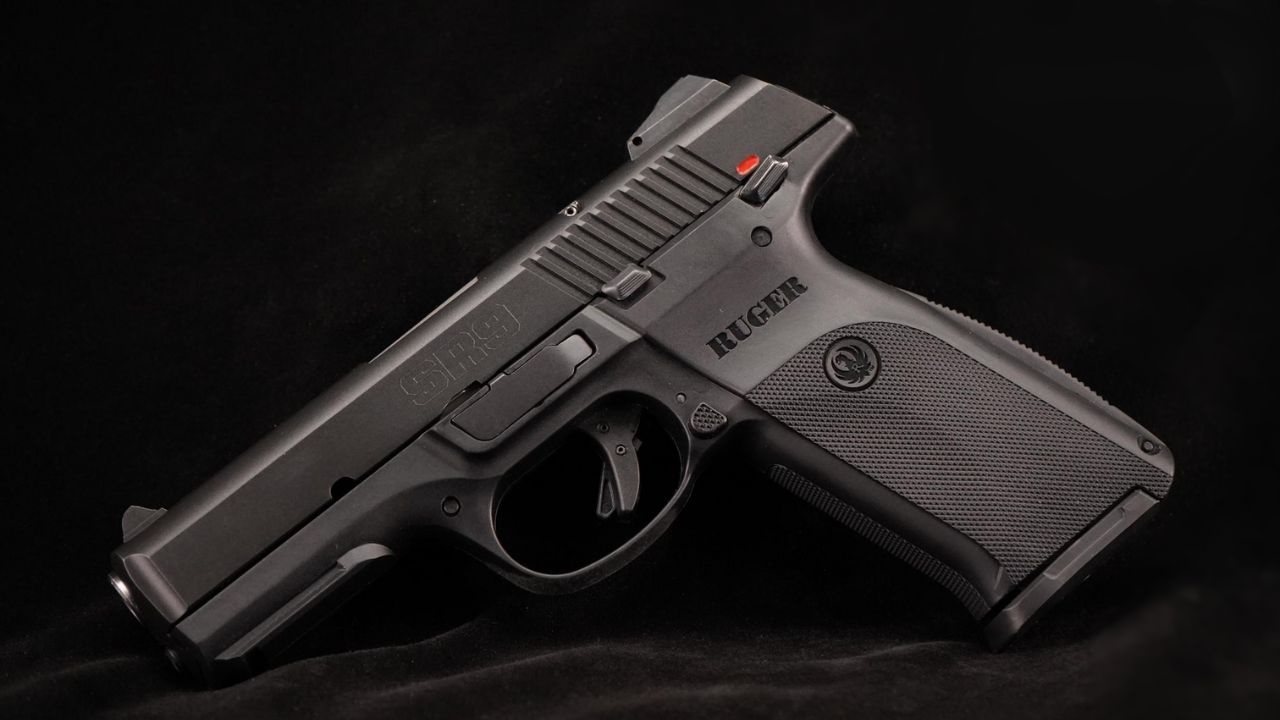
The Ruger SR9 never had the kind of cool factor that sells pistols by reputation alone. It was slim, affordable, and practical, but it landed in a market full of better-known striker-fired options. Plenty of shooters looked right past it because it didn’t feel exciting.
The SR9 earns more respect when you shoot it. The grip is thin for a double-stack pistol, the bore axis feels manageable, and the pistol points naturally for a lot of hands. Later examples improved over early issues, and good ones can be very pleasant range guns. It’s not fancy, and the trigger won’t impress everyone, but it does the practical work well. That’s usually when owners realize they underestimated it.
CZ 75 PCR

The CZ 75 PCR looks like a simple compact metal-frame pistol, and if you don’t know CZs, it may not jump out. It lacks the visual drama of competition pistols and the modern look of today’s optic-ready carry guns. But the PCR is one of those handguns that starts making friends as soon as rounds go downrange.
The alloy frame keeps weight reasonable, while the grip shape and low bore axis help it shoot comfortably. The decocker setup makes sense for carry, and the pistol has a smooth, natural feel that is hard to describe until you run one. It’s not the lightest compact, but it shoots better than many smaller guns. Once you shoot it well, the PCR stops looking plain and starts looking smart.
SIG Sauer P225-A1
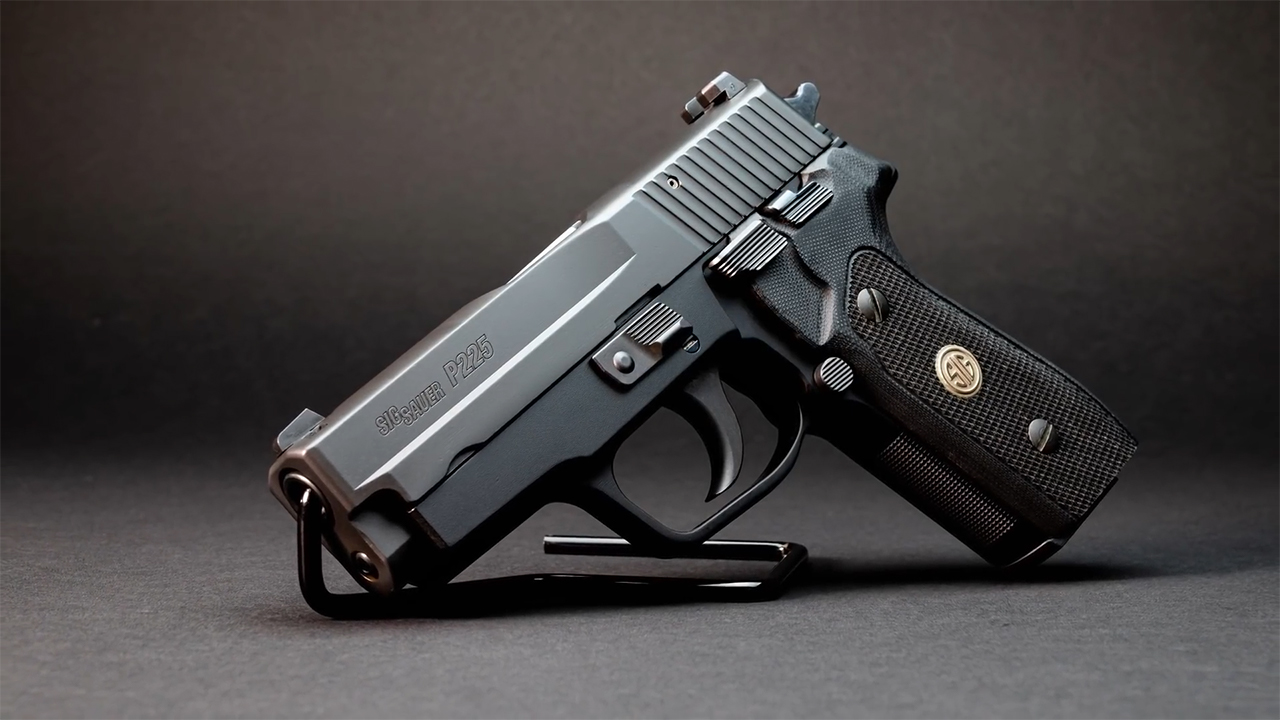
The SIG P225-A1 doesn’t look especially special beside modern compact pistols. It’s a single-stack 9mm with DA/SA operation, modest capacity, and a traditional profile. To a shooter focused only on round count and weight, it may seem like a step backward.
On the range, though, the P225-A1 reminds you why slim metal-frame pistols still have fans. It points naturally, carries flat, and shoots with the kind of controlled feel that small polymer guns often lack. The trigger system takes more work than a striker-fired pistol, but it gives the gun a serious old-school rhythm. It’s not for everyone, but shooters who like classic SIG handling can appreciate it quickly.
Springfield Armory XD-S Mod.2

The Springfield XD-S Mod.2 is easy to overlook because small carry pistols are everywhere. It doesn’t have the newest micro-compact capacity numbers, and the XD grip safety turns some people off before they ever shoot it. On paper, it can look like yesterday’s carry option.
Give it a fair range session, though, and it has more going for it than some critics admit. The grip texture is usable, the size is easy to conceal, and the pistol can shoot better than its small frame suggests. It’s not as soft as a bigger gun, but it’s manageable with practice. The XD-S Mod.2 may not be trendy anymore, but it can still make clean hits and carry comfortably.
Browning Buck Mark Practical URX
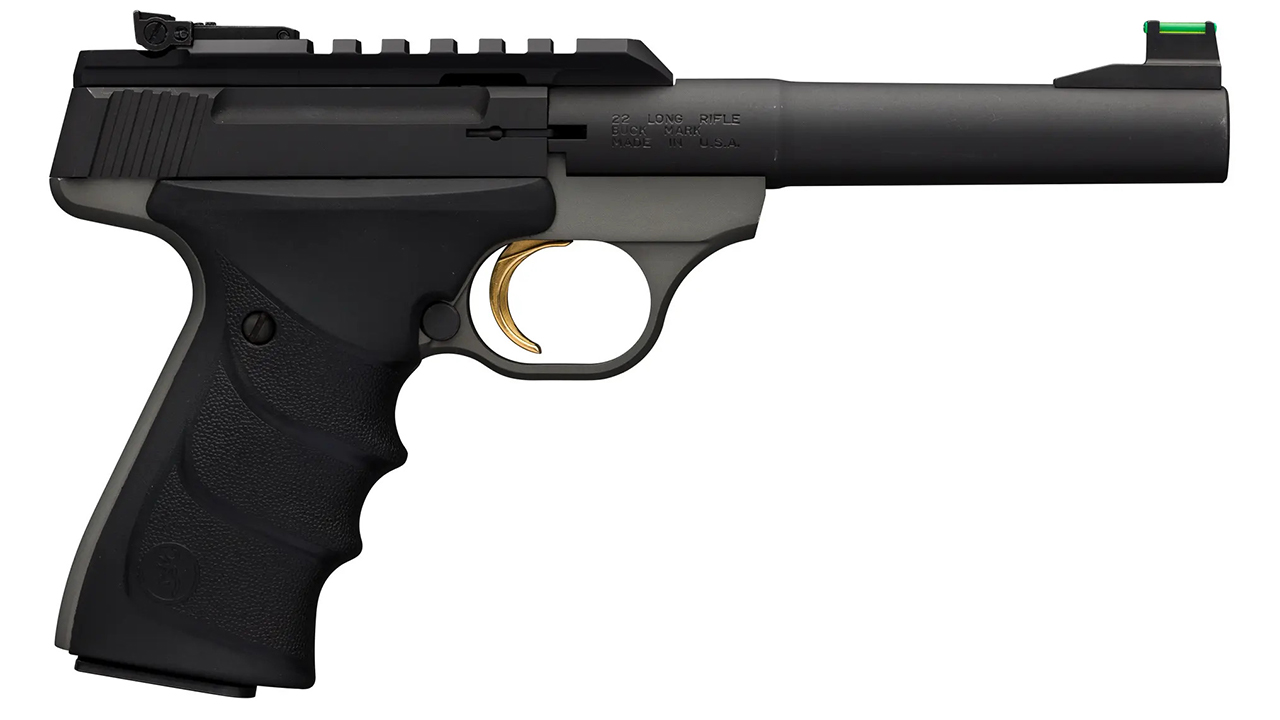
The Browning Buck Mark Practical URX doesn’t look as flashy as some tactical-style rimfire pistols, but that’s part of the charm. It’s just a solid .22 pistol with a comfortable grip, useful sights, and a trigger that lets shooters actually work on fundamentals.
Once you shoot it well, it becomes obvious why the Buck Mark line has stuck around. The pistol is accurate, steady, and enjoyable without needing much. It’s great for new shooters, but it’s not only for beginners. Experienced shooters can use it to clean up trigger control and sight discipline without centerfire cost or recoil. It may look like a basic range pistol, but it earns its keep every time it makes practice feel productive.
Canik TP9SA
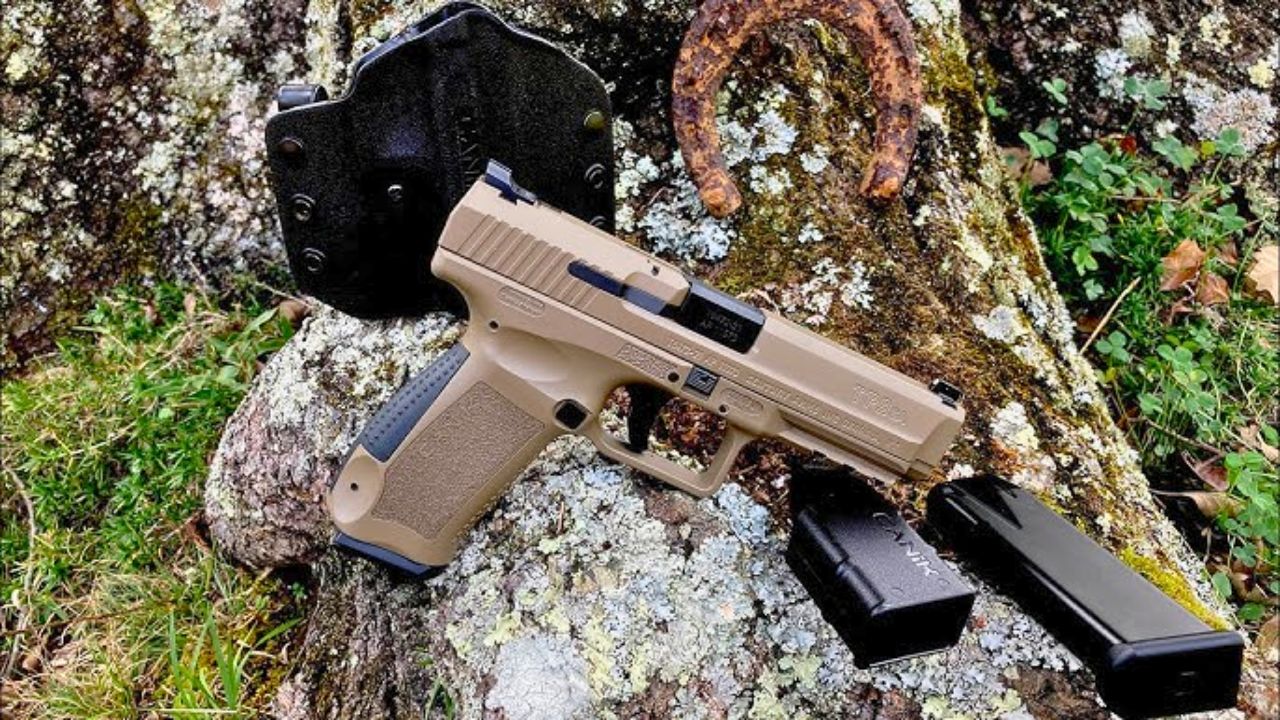
The Canik TP9SA came in during the years when plenty of shooters still treated Canik like a cheap import brand. That meant some people never looked past the price tag. The pistol itself looked like another full-size polymer striker-fired gun in a crowded field.
Then people shot it and started talking about the trigger. The TP9SA gave buyers a surprisingly clean factory trigger, good accuracy, and strong value before Canik became as widely respected as it is now. The decocker on early models confused some shooters, and the design wasn’t perfect for everyone. But on the range, the pistol often performed better than expected. It didn’t look special until it started outshooting its reputation.
Taurus 1911

The Taurus 1911 has always had to fight the Taurus name, especially among 1911 buyers who can be brutally picky. A lot of shooters dismissed it because they assumed an affordable 1911 couldn’t be worth much attention. Some examples are better than others, and inspection matters, but the pistol deserves a fairer look than it often gets.
A good Taurus 1911 can shoot well and offer a lot of features for the money. Beavertail grip safety, usable sights, front strap checkering on some models, and decent triggers made them attractive to buyers who couldn’t stretch into premium 1911 pricing. It won’t replace a Dan Wesson or Colt in everyone’s mind, but plenty of owners learned that the target doesn’t care what the rollmark says when the gun runs and groups.
HK VP9SK

The HK VP9SK doesn’t look drastically different from other subcompact striker-fired pistols at first glance. It’s a chopped-down VP9 with a familiar polymer frame and HK pricing, which makes some shooters wonder what the fuss is about. The answer shows up in the hand and on target.
The grip customization is excellent for a pistol this size, and that matters more than people think. A small gun that fits well is easier to shoot well. The trigger is good, the recoil impulse is manageable, and the pistol feels more refined than many competitors. It’s not the cheapest subcompact, but once you shoot it cleanly, the VP9SK starts feeling less like another small pistol and more like a serious carry gun.
Beretta 84FS Cheetah

The Beretta 84FS Cheetah can seem oversized for a .380 ACP if you judge it only by modern carry standards. It’s wider and heavier than many tiny .380s, and that makes some buyers question the point. But that extra size is exactly why it shoots so nicely.
On the range, the Cheetah feels smooth, controllable, and far more enjoyable than most pocket .380s. The grip fills the hand, the sights are usable, and the pistol has that classic Beretta quality that makes it feel like a real handgun instead of a compromise. It may not be the most efficient carry choice today, but it’s one of the .380s that makes shooters understand the value of shootability.
Kahr CW9

The Kahr CW9 looks about as plain as a slim carry pistol can look. It doesn’t have a wild texture pattern, optic cut, or high-capacity magazine. It’s a simple single-stack 9mm with a long, smooth double-action-style trigger. That trigger alone makes some shooters dismiss it too quickly.
Once learned, though, the CW9 can be very shootable for its size. The trigger is consistent, the pistol carries flat, and the grip is slim without feeling useless. It’s not a pistol for people who want a short, crisp striker trigger. It’s for shooters who appreciate a smooth pull and a clean carry profile. After you shoot one well, it feels less outdated and more deliberately simple.
Colt 1991 Government Model
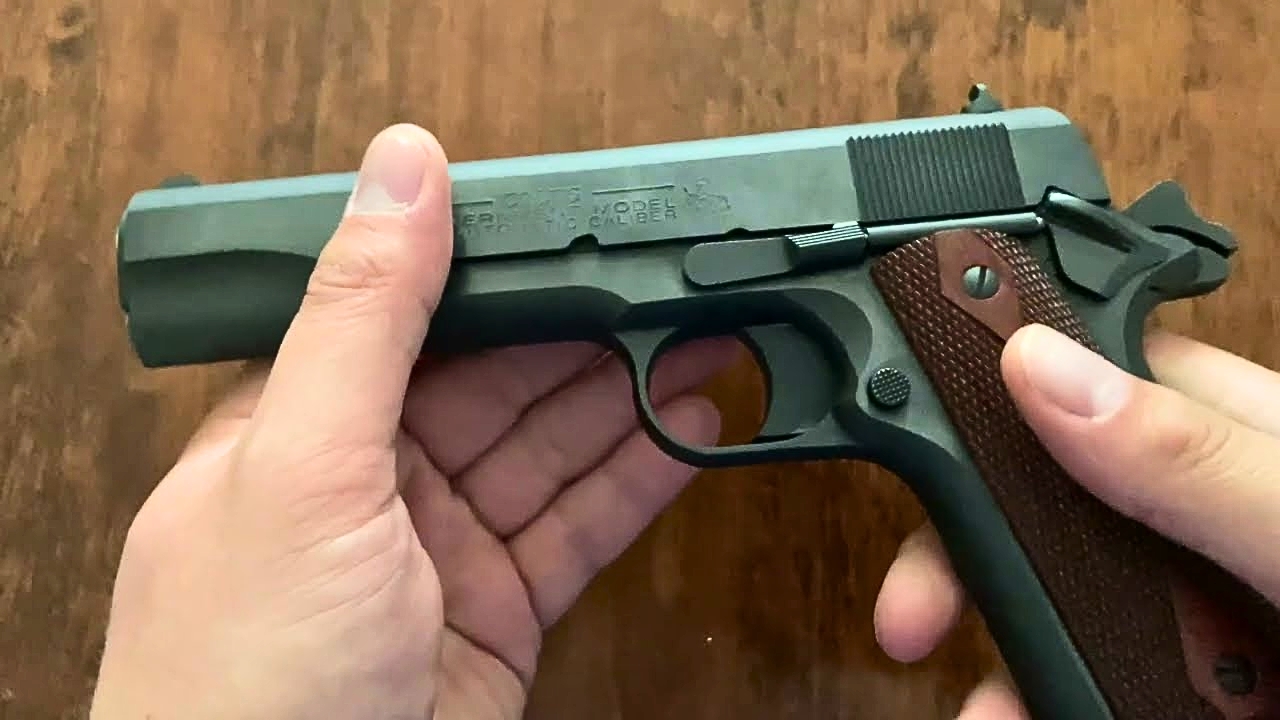
The Colt 1991 Government Model looks plain compared with higher-end 1911s. It doesn’t have all the custom touches, aggressive checkering, or flashy finishes that fill the modern 1911 market. Some buyers see it as basic and move on.
That changes when you shoot a good one well. The plain Government Model still gives you the core 1911 strengths: a clean single-action trigger, natural pointing, and a recoil impulse that makes .45 ACP feel steady. It may need better sights or personal tweaks depending on the owner, but the base pistol has real Colt character. It doesn’t have to look special to remind you why the platform stayed alive this long.
FN 509 LS Edge

The FN 509 LS Edge actually looks more special than some guns here, but it still doesn’t fully make sense until you shoot it well. At a glance, some shooters see a longer 509 with slide cuts and a higher price. That can sound like styling more than substance.
On the range, the LS Edge proves the extra length and weight distribution are doing work. It tracks flatter than smaller 509 models, gives a longer sight radius, and feels built for faster, cleaner shooting. The grip texture is serious, the optics system is useful, and the pistol has a sturdy FN feel. It’s not the cheapest way into a long-slide 9mm, but it starts making sense when the groups tighten and follow-up shots get easier.
Like The Avid Outdoorsman’s content? Subscribe to our newsletter so you never miss an article.
Here’s more from us: