Photo credit: Amy Lutz/Shutterstock.com
When you talk to deer hunters who’ve been at it for decades, the same rifles keep showing up in stories about full freezers and seasons that went right. These aren’t flashy rifles or models built to chase trends. They’re the guns that kept working year after year, handling rough weather, bad shots, long hikes, and everything in between. You’ve probably seen them in old photos, on the tailgate after a cold morning, or leaning against a cabin wall with scratches that tell their own stories. These rifles earned their place through reliability and real results. When a rifle has dropped more deer than you can count, it becomes more than a tool—it becomes part of how you hunt. Here are the rifles that have filled tags for generations and still do it today.
Marlin 336

The Marlin 336 is one of those rifles that shows up in nearly every deer camp sooner or later. Its lever action is smooth, dependable, and simple to maintain, which makes it perfect for hunters who don’t want to fuss with gear during the season. Chambered in .30-30 Winchester, it delivers the kind of performance that has put countless deer on the ground within typical woods distances. You can carry it through thick brush without snagging, and the balance feels natural whether you’re sitting, still-hunting, or posting on a ridge.
What makes the 336 so successful is how easy it is to run well. The gun mounts quickly, the recoil is manageable for nearly any shooter, and the cartridges feed in a predictable, steady rhythm. When you’re in the woods all day, you want something that works every time you cycle it, and the 336 delivers exactly that season after season.
Winchester Model 94

Few rifles are as iconic in deer hunting as the Winchester Model 94. Light, trim, and quick to shoulder, the 94 became the go-to rifle for generations of hunters working timber and rolling hills. Its lever-action design made follow-up shots quicker than many bolt guns of the time, and the .30-30 Winchester cartridge turned out to be nearly perfect for the hunting ranges most people actually encounter. You can carry the rifle all day without feeling worn down, even when the terrain is steep or uneven.
The Model 94 also earned its place by being rugged. Hunters carried this rifle through rain, snow, and tangled undergrowth, and it still performed reliably. Many families have passed down Model 94s that have taken dozens of deer across decades of use. The rifle simply works, and its track record in deer woods across the country speaks for itself.
Remington Model 700

The Remington Model 700 has anchored more deer seasons than almost any bolt gun ever produced. Its accuracy, smooth action, and ability to chamber nearly every major hunting caliber made it a favorite among serious hunters who wanted precision on their side. Whether you’re shooting .30-06, .308, or .270 Winchester, the 700 gives you dependable performance at close and long ranges alike. It’s a rifle you can tune, upgrade, or leave as-is and still expect it to perform.
Hunters trust the Model 700 because it rarely surprises you. The lockup is solid, the triggers—especially older versions—break cleanly, and the rifle holds zero through travel and tough weather. If you’ve hunted long enough, you’ve shared a camp with someone who filled tags year after year using the same 700. It remains one of the most proven deer rifles ever made.
Savage Model 110

The Savage 110 earned its reputation by delivering accuracy that often matched rifles costing far more. It’s a rifle that regular hunters could afford without giving up performance, and over the decades it’s proven itself in every kind of deer country you can imagine. The adjustable AccuTrigger introduced later only strengthened its reputation. With chamberings from .243 to .30-06 and beyond, the 110 makes it easy for any hunter to find a version that fits their needs.
What makes the 110 stand out is how reliably it shoots well even when conditions aren’t perfect. Cold weather, damp environments, and long rides in the truck don’t seem to bother it. For many hunters, the 110 became their first “real” deer rifle, and it stayed with them long enough to take deer season after season without complaint.
Ruger M77

The Ruger M77 found its way into countless deer camps because it paired durability with dependable field accuracy. The Mauser-style controlled-round feed gives you confidence when chambering in bad weather, and the rifle’s rugged design holds up in rough terrain. Chambered in everything from .243 to .30-06, it’s a rifle that adapts well to every style of deer hunting—from long fields to heavy timber.
Hunters often talk about how long their M77 has lasted. Many rifles from the older tang-safety era are still going strong today, having taken dozens of deer across years of use. The action cycles smoothly even after heavy use, and the rifle holds zero well through bumps and weather shifts. The M77 didn’t become a legend through marketing—it earned its keep the hard way.
Remington Model 742 Woodsmaster

The Remington 742 Woodsmaster was one of the most common semi-auto hunting rifles in America for decades. It offered quick follow-up shots, manageable recoil, and enough accuracy for deer-sized targets across the ranges most hunters work. Chambered commonly in .30-06 and .308, the 742 gave everyday hunters confidence that they could take the shot and be ready for another if needed.
Despite its quirks when heavily used or poorly maintained, plenty of 742s have taken enormous numbers of deer. In many families, it was the rifle Dad or Grandpa carried every season without fail. In thick woods or brushy areas, the quick second shot made a real difference, and that’s a big part of why the 742 built such a long track record.
Winchester Model 70

The Winchester Model 70 has filled tags for nearly a century, earning the “Rifleman’s Rifle” nickname through real performance rather than glamour. The controlled-round-feed versions have long been favored for reliability, while push-feed models have their own loyal following. Whether chambered in .270, .30-06, or .308, the Model 70 brings accuracy and handling that help hunters make shots under pressure.
What makes the Model 70 a deer camp staple is how natural it feels to shoulder and shoot. The comb, grip, and weight all work together to make the rifle predictable. For hunters who train or who split their seasons across multiple states, that consistency matters. When a rifle feels like an extension of your arm, filling tags becomes easier.
Marlin 1895

The Marlin 1895 has taken more big-bodied northern deer and brush-country bucks than most people realize. Chambered in .45-70, it packs enough punch to handle anything in the deer woods, and its lever-action design makes it surprisingly quick to run. When you’re hunting thick swamps, cedar tangles, or steep ridges, the 1895’s compact nature and decisive power make it a favorite among seasoned hunters.
The rifle’s simplicity also plays a role. It feeds smoothly, carries well, and handles harsh weather without issue. Hunters who prefer heavier calibers often stick with the 1895 for decades because it never loses its reliability or authority. When you need a hard-hitting rifle that handles close encounters with confidence, the 1895 is tough to beat.
Thompson/Center Encore
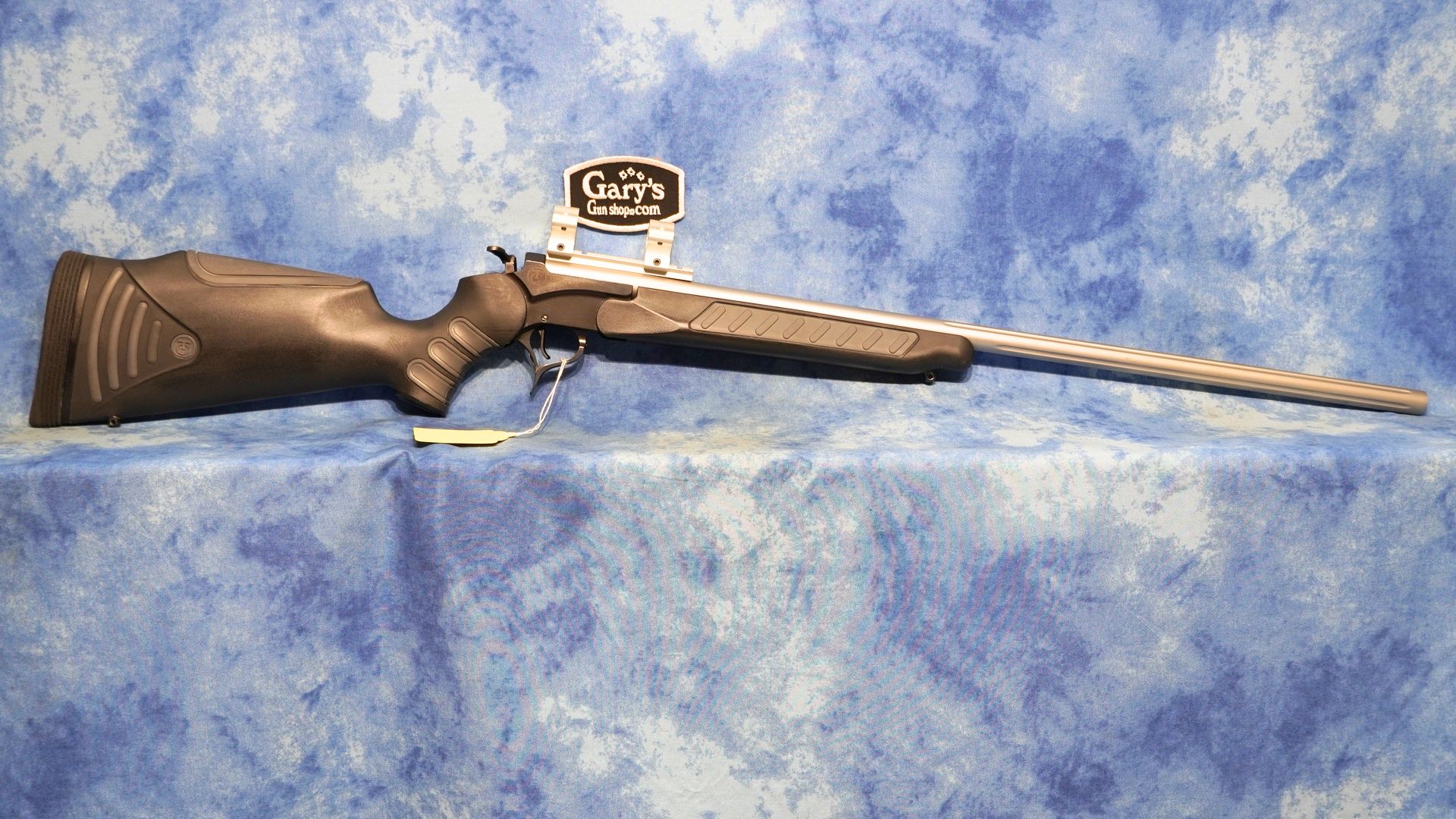
The Thompson/Center Encore gained a following among hunters who wanted accuracy and flexibility. Single-shot rifles may not seem like high-volume deer takers, but the Encore’s reputation in states with straight-wall or single-shot seasons made it a powerhouse. You can configure it for .243, .308, .30-06, .45-70, and many others, which means hunters often use the same platform for years across changing regulations.
What makes the Encore effective is the accuracy. With a good barrel, it’s capable of precision that rivals top-tier bolt guns. When hunters rely on a single shot, they tend to make that shot count—and the Encore’s long history in the field proves exactly that.
Browning BAR
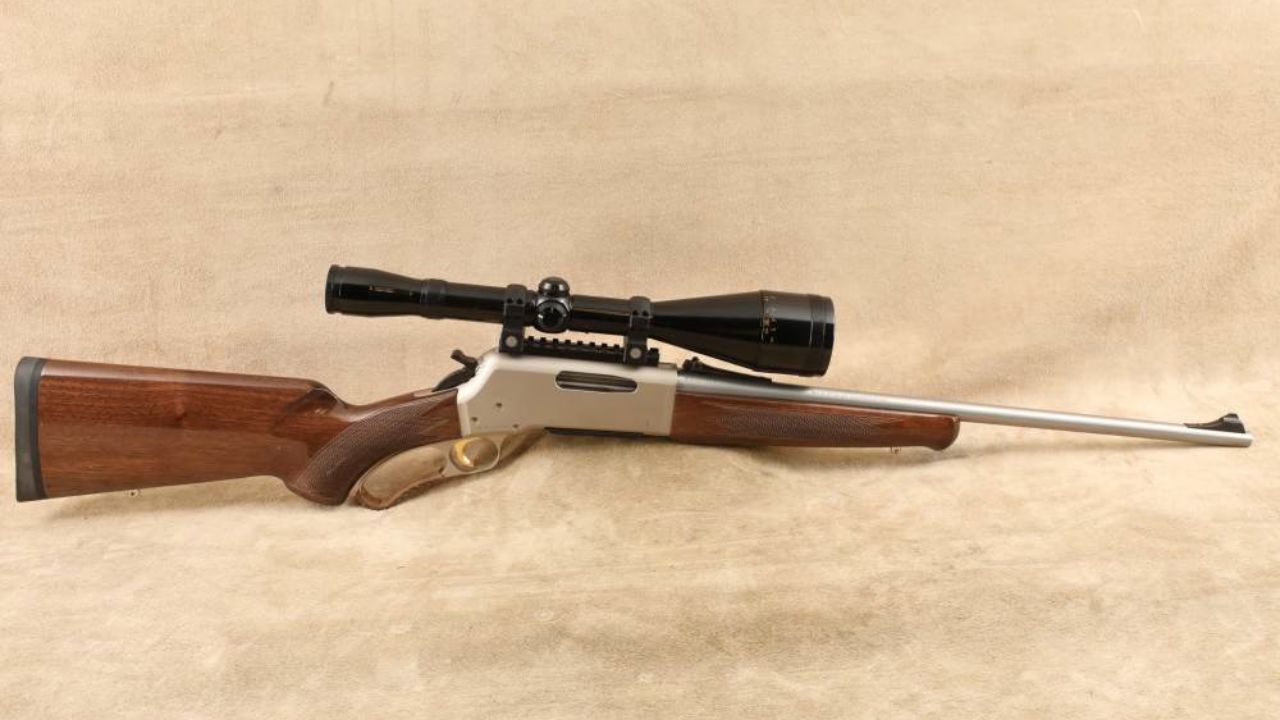
The Browning BAR has been a respected deer rifle for decades because it pairs semi-auto capability with real accuracy. It cycles smoothly, handles recoil well, and delivers dependable hits with common deer calibers. Several generations of hunters relied on it for clean shots in the woods and quick follow-ups when needed. It’s a rifle built to last, and many older BARs are still tagging deer today.
Its reliability in cold-weather hunts earned it a loyal following. BAR owners often describe rifles that ran flawlessly season after season, surviving long hikes, harsh weather, and plenty of bumps without losing zero. The BAR’s steady performance explains why so many hunters trusted it for decades.
Savage Model 99

The Savage 99 may not be seen as often today, but it earned its reputation through decades of steady performance. Chambered in .300 Savage and later .308 and other calibers, it delivered accuracy and energy perfectly suited for deer hunting. The rotary magazine allowed pointed bullets, giving it an edge over many lever actions of its era.
Hunters who carried the 99 remember how well it balanced and how naturally it pointed. It was a rifle you could trust whether you were still-hunting or sitting over a field. Many 99s have taken dozens of deer across multiple generations, and the rifles still holding up today are proof of how well they were made.
Ruger No. 1
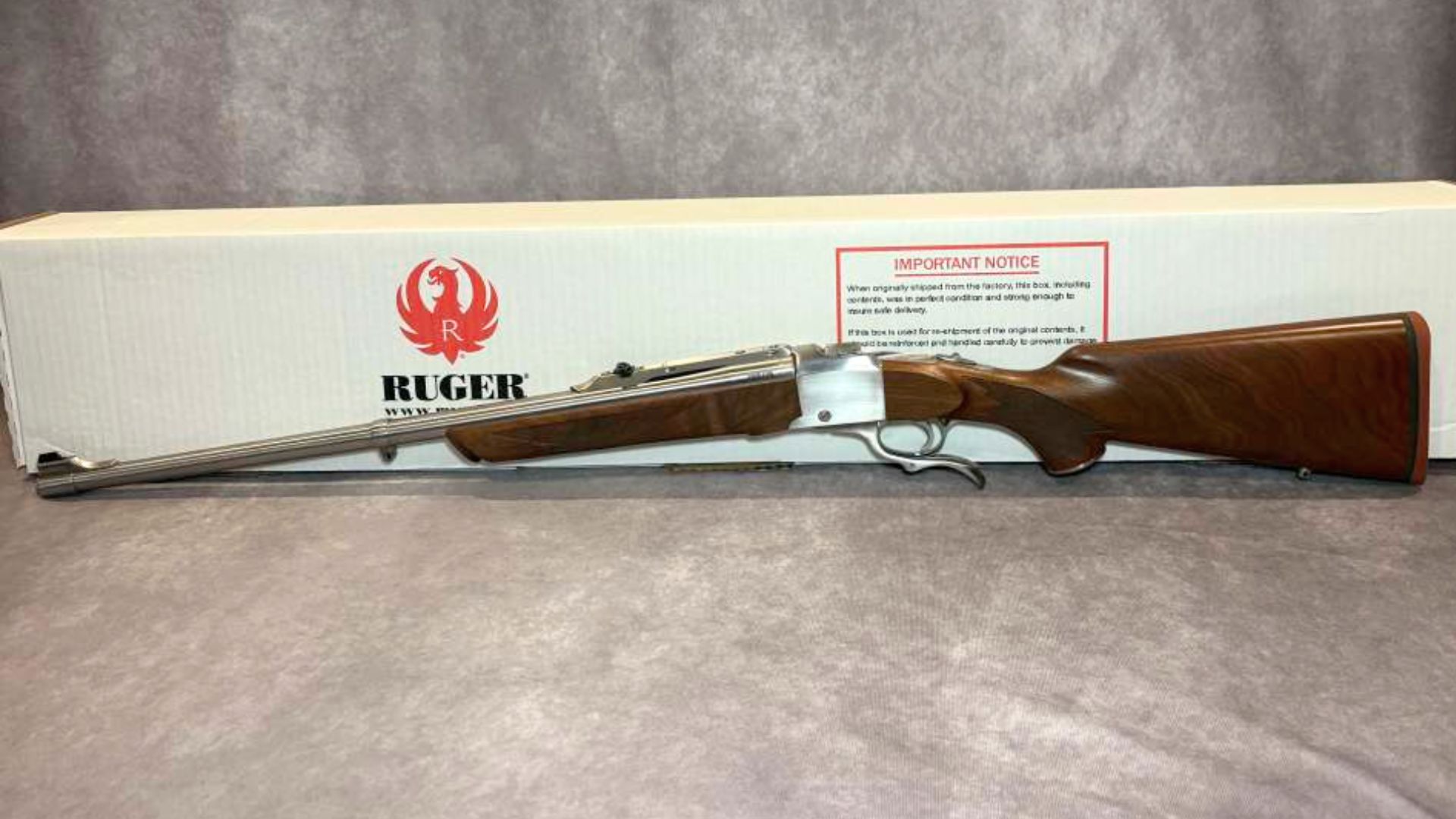
The Ruger No. 1 single-shot rifle holds a special place in deer hunting history. While it doesn’t offer quick follow-up shots, it makes up for it with accuracy and reliability. Chambered in everything from .243 to .45-70, it became a favorite for hunters who wanted a rifle that encouraged patience and marksmanship. Many who carried it became incredibly effective with that one carefully placed shot.
The No. 1’s strong action and excellent barrels make it a consistent performer in the field. Hunters who prefer a deliberate style appreciate how steady and predictable the rifle feels. It’s not the most common deer rifle, but the ones that get used see heavy and successful seasons.
Mossberg 500

The Mossberg 500 isn’t a rifle, but as a slug gun, it earned a massive role in deer seasons across shotgun-only states. Paired with rifled barrels, it became one of the most common deer-takers in the Midwest and East Coast for decades. The pump design gave hunters control and reliability when conditions weren’t great, and the affordability made it accessible to nearly everyone.
Slug-gun seasons filled freezers for generations, and the 500 was at the center of much of that success. It handled recoil well, ran clean in bad weather, and offered the kind of durability that kept hunters returning to the same gun year after year.
Remington 7600

The Remington 7600 pump rifle is a legend in dense deer country, especially in the Northeast. Its pump action allows quick follow-up shots, and the rifle points naturally in thick woods. Chambered commonly in .30-06 and .270, it delivers all the accuracy most hunters need while offering cycling that stays reliable regardless of weather.
What makes the 7600 stand out is how well it handles moving deer. Hunters in big woods and brush country rely on it because it shoulders fast and stays steady. Generations of hunters have used the same rifles for decades, filling tags consistently in places where quick shooting matters.
Winchester Model 70 Featherweight

The Model 70 Featherweight became a favorite among hunters who wanted a rifle they could carry all day without sacrificing accuracy. The lighter build made long hikes more manageable, and the controlled-feed action created reliable chambering even in cold or snowy conditions. Common chamberings like .270 and .308 made it versatile across different deer habitats.
The Featherweight offers the balance and precision hunters appreciate when the shot comes at an unexpected angle or distance. Because it encourages steady shooting, it has been used to take countless deer over the years. Many hunters keep their Featherweight for life because it offers everything they need in a deer rifle.
Like The Avid Outdoorsman’s content? Be sure to follow us.
Here’s more from us:
The worst deer rifles money can buy
Sidearms That Belong in the Safe — Not Your Belt
*This article was developed with AI-powered tools and has been carefully reviewed by our editors.