Photo credit: Browning
You can spend a fortune on a rifle these days and still walk away with something that shoots like it’s wearing a bent scope ring. Price tags don’t guarantee performance. I’ve seen $500 rifles shoot groups half the size of guns costing triple that. And in some cases, you’re flat-out paying for looks, logos, or a brand’s reputation rather than function. These rifles might carry impressive marketing blurbs and plenty of gun-counter praise, but when it comes to consistent accuracy, practical features, and value, they fall short. You don’t need a race gun to kill a deer or hit a steel plate—but if you’re spending premium money, it better shoot like it.
Browning X-Bolt Pro
The X-Bolt Pro is a good-looking rifle with a carbon fiber stock and a barrel finish that resists fingerprints better than most. But once you get past the cosmetics, you’re paying over $2,000 for a gun that doesn’t consistently outshoot rifles at half the cost. I’ve seen more than one Pro turn in 1.5-inch groups with premium ammo—and that’s not what you’d call match-grade performance. The trigger’s decent, and the action cycles clean, but at this price point, you expect something that punches above its weight. It’s not bad. It’s just too expensive for how it performs off a bench or on the mountain.
Christensen Arms Ridgeline
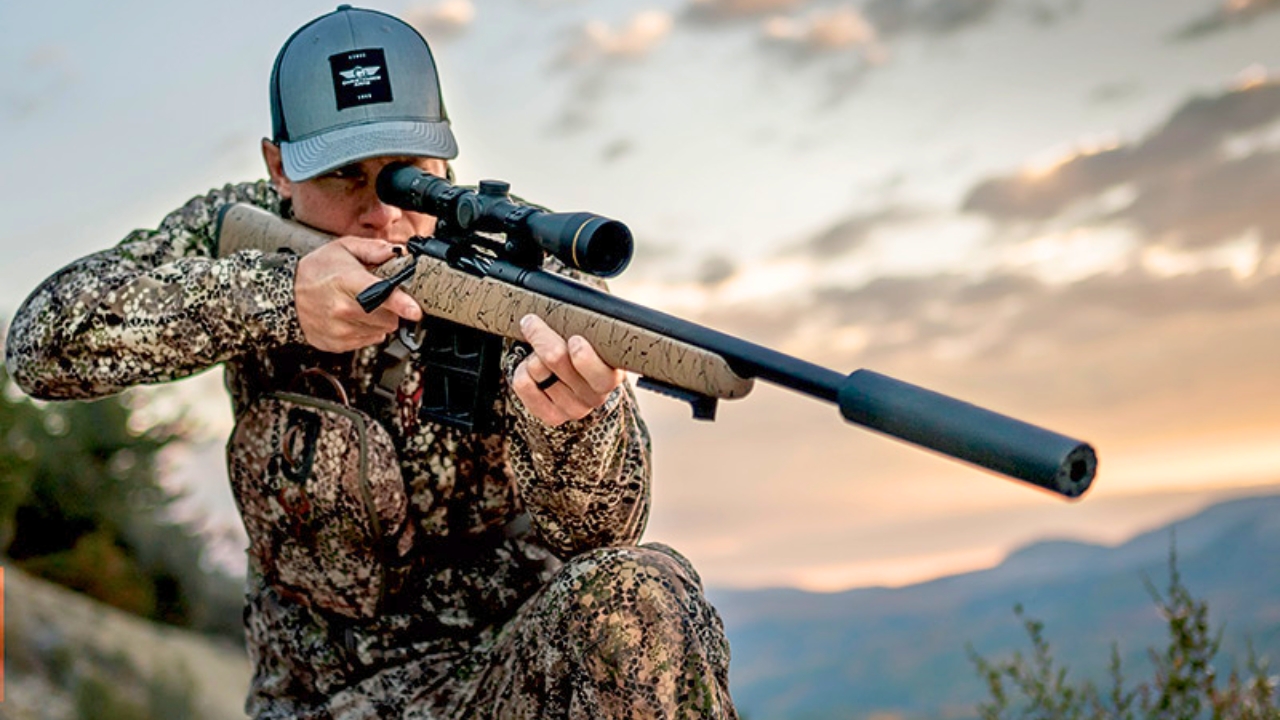
You hear “carbon barrel” and think lightweight precision, but the Ridgeline doesn’t always deliver that kind of consistency. Some shoot lights-out. Others throw flyers with no warning. For $2,400, you shouldn’t have to worry about whether your gun is one of the “good ones.” I’ve watched buddies chase accuracy gremlins with theirs while cheaper rifles nearby held tighter groups all day. The rifle carries well and looks slick, but if you’re spending custom-level money, you deserve better out-of-the-box accuracy and fewer complaints about cold-bore shifts or inconsistent POI. It’s not junk—but it doesn’t earn its price tag in performance.
Kimber Hunter
The Kimber Hunter is supposed to be a lightweight, accurate bolt gun for hunters who care about ounces. What it ends up being is a finicky rifle with a stiff bolt and a reputation for wandering groups. At $1,000 or more, you’d expect sub-MOA results, but plenty of folks—including me—have seen otherwise. The feeding can be rough, and the polymer stock doesn’t inspire much confidence when it comes to bedding or durability. It carries nice, sure, but accuracy is hit or miss, especially once the barrel heats. There are lighter rifles that shoot straighter for less, and that’s hard to ignore.
Nosler M48
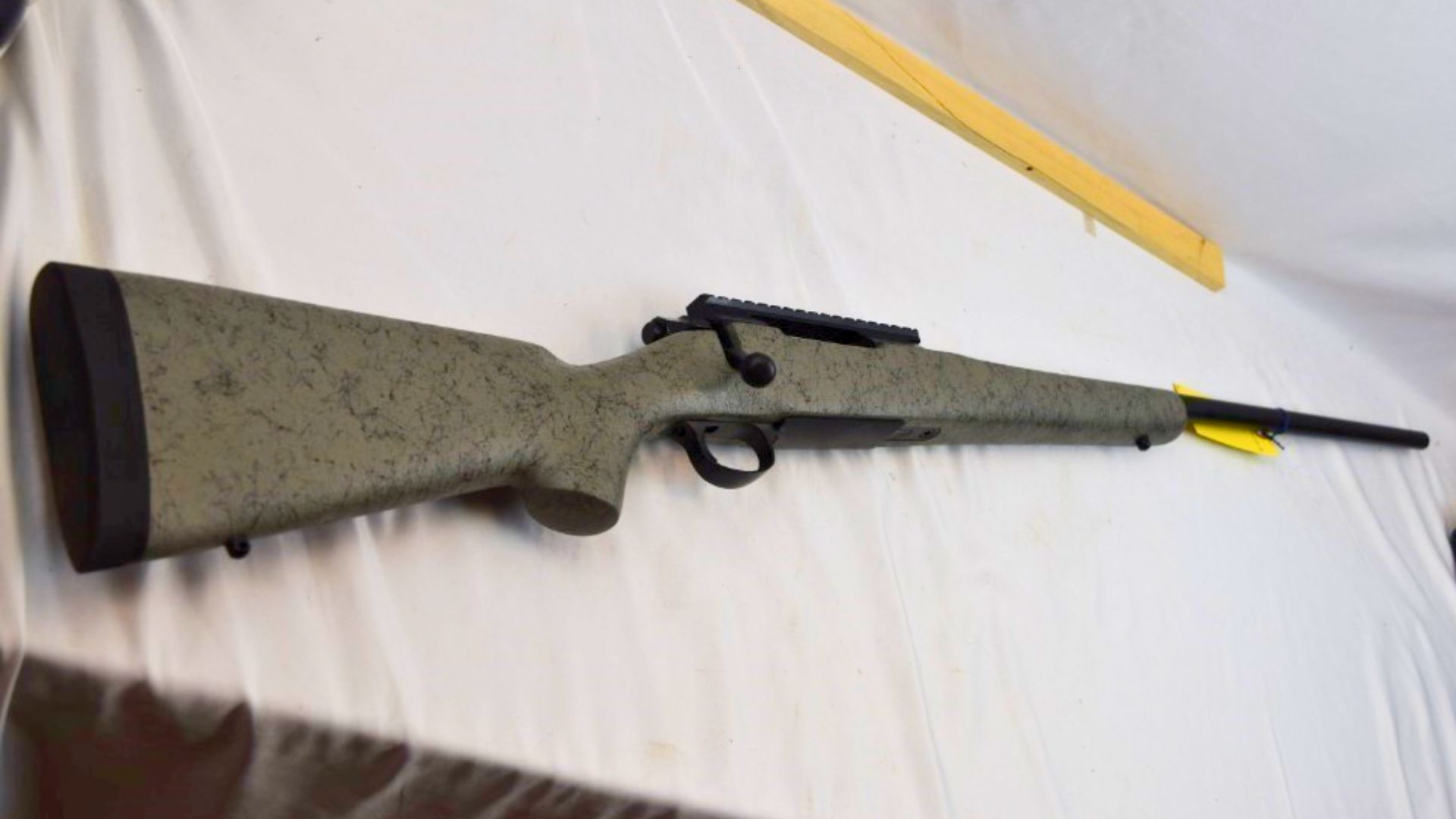
The Nosler M48 looks and feels like a premium rifle, and with a price tag around $2,500, it should be. But performance-wise, it can feel like you’re getting a dressed-up factory gun for a custom gun price. The trigger is crisp, and the finish is nice, but some models shoot no better than your average $700 rifle. When you’re paying that much, you expect ragged holes, not groups hovering around an inch and a quarter. For the money, you could build a custom that does better, or buy two rifles that will outshoot it and still have cash left for a scope.
Tikka T3x Arctic
The Tikka T3x line gets a lot of praise, and most of it’s deserved—except the Arctic. This thing costs well over $2,000, and what you’re really paying for is the military contract lineage and the oversized chassis furniture. The problem is, it shoots about the same as a base T3x Lite. Nothing wrong with that, but you can buy two of those for the price of the Arctic. Weight-wise, it’s no feather either. It’s accurate enough, sure, but if you’re expecting a big jump in performance to match the price tag, you won’t find it. It’s more tactical flair than functional upgrade.
Springfield Waypoint 2020

The Waypoint 2020 launched with a ton of hype, and on paper, it had all the makings of a great precision hunting rifle. But in the field, things didn’t always add up. Some rifles lived up to their billing—others had inconsistent groups and bedding issues. For a rifle that easily crosses the $2,000 line, that’s not what you want to see. You expect premium-level precision, and Springfield didn’t always deliver it. Combine that with some heavier-than-expected configurations and trigger complaints, and it’s a rifle that feels overbuilt and overpriced. There are better shooting guns out there for way less money.
Barrett Fieldcraft
The Fieldcraft was Barrett’s lightweight hunting rifle before it was discontinued, and while it was sleek and easy to carry, its street price was hard to justify. Many rifles shot well, but I saw a few that didn’t group better than 1.5 inches—and when you’re spending upwards of $1,800, that doesn’t cut it. The ultralight contour barrels were part of the issue—they heat fast, and accuracy suffers when they do. It looked like a mountain rifle dream on paper, but in practice, too many folks were left trying different loads and scratching their heads. Beautiful build, but inconsistent return on investment.
Like The Avid Outdoorsman’s content? Be sure to follow us.
Here’s more from us:
The worst deer rifles money can buy
Sidearms That Belong in the Safe — Not Your Belt
*This article was developed with AI-powered tools and has been carefully reviewed by our editors.