Photo credit: Danny Pops/YouTube
Some pistols just make people chase their sights forever. You slow down, you speed up, you change ammo, you “fix your grip,” you even swap sights… and the gun still wants to print low. Sometimes it’s the shooter (anticipation is real). Sometimes it’s the gun’s sight regulation from the factory. Sometimes it’s a long heavy trigger that makes you dip the muzzle right at the break. And sometimes it’s a mix of all of it.
Here are 15 pistols that routinely get the “why is this shooting low?” complaint—often from perfectly capable shooters.
SIG Sauer P238

The P238 is easy to like, but it’s also one of those pistols people shoot low with when they’re not perfectly honest about trigger press. The gun is small, the grip is short, and the sights are decent—but under recoil anticipation, shooters tend to dip the muzzle. Add the fact that many people run these like a tiny “comfort carry” gun and don’t practice with it enough, and you get persistent low hits.
Another issue is sight picture expectations. Some small pistols are regulated in a way that doesn’t match how guys naturally hold on target, especially if they’re used to a different front sight height or a different point-of-aim style. If you’re consistently low with a P238, shoot it from a rest at 7–10 yards and confirm what it’s actually doing. If the gun is true and you’re still low offhand, it’s almost always trigger/anticipation.
SIG Sauer P938

Same story as the P238, but with more recoil in the same small footprint. The P938 can be accurate, but a lot of shooters print low because they’re bracing for recoil and “pushing” the gun down as the shot breaks. Small 9mms magnify that mistake. If you’re used to a bigger pistol and you jump into a P938, your hands often overreact.
You also see this when guys try to shoot it fast without building a consistent grip. The gun shifts, the break surprises them, and they start “helping” it by dipping the muzzle. The fix is boring: dry fire, confirm your sight picture, then shoot slow groups and speed up gradually. If you keep trying to fix it with ammo or new sights before you confirm fundamentals, you’ll stay low forever.
Walther PPK
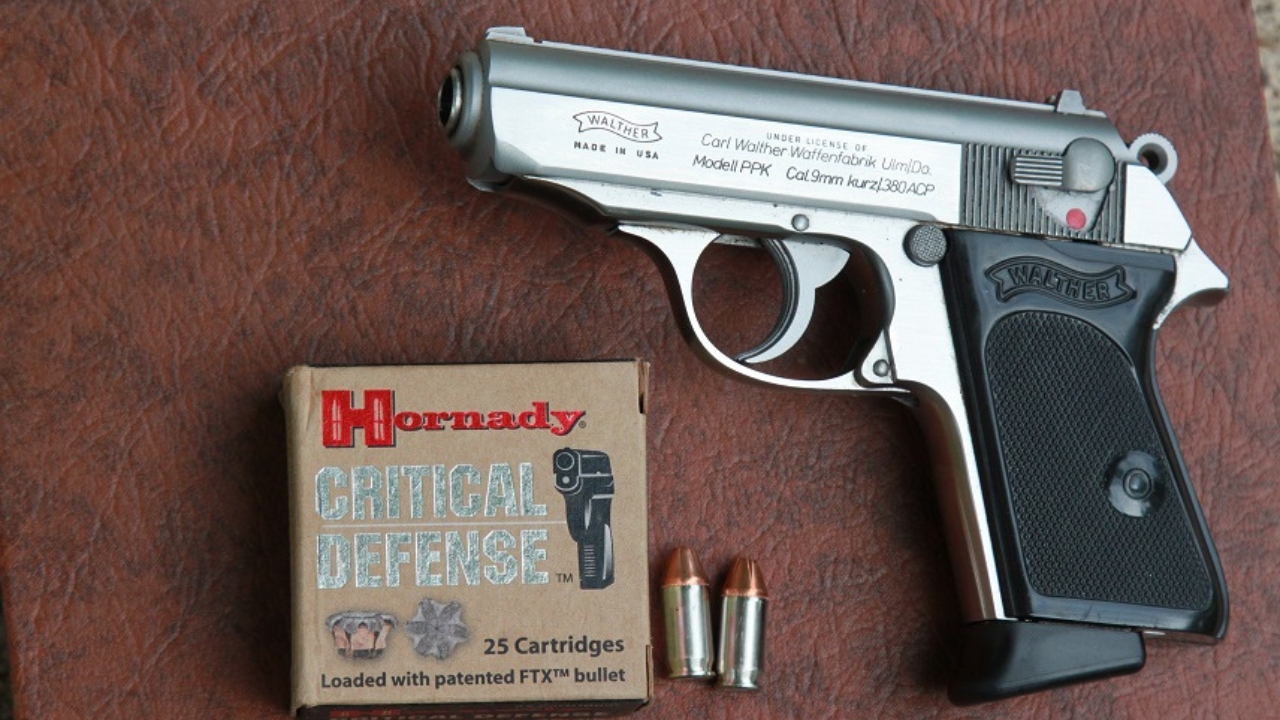
A lot of PPK shooters print low because the recoil impulse and trigger behavior encourage it. Blowback .380 has a sharp impulse, and guys tend to brace for it. Then you add a trigger that some people find heavy or awkward, and it’s easy to dip the muzzle at the break. The gun can be accurate, but it’s not forgiving.
The other factor is sights and expectations. Many people don’t pick up a PPK to shoot tight groups all day—they pick it up because it’s iconic. Then they discover the sights are small and the gun doesn’t track like a modern carry pistol. If you’re consistently low, don’t guess. Bench it, confirm regulation, and be honest about the trigger. A PPK will punish sloppy press with low hits all day.
Ruger LCP II

With tiny .380s, “low hits” is basically the default complaint. The LCP II is small, the grip is short, and the recoil is snappy enough that people flinch without realizing it. Most folks aren’t training with an LCP II the way they train with a compact 9. They shoot a few mags, call it good, and carry it. That’s how you stay low.
It’s also a sighting issue. Small pistols often have minimal sights, and if your front sight focus isn’t solid, your hold will wander. When you’re not confident, you push the gun down at the break. The LCP II can do its job, but if you want it to hit where you’re aiming, you need dry fire and slow, honest range reps—not two mags and a hope.
Ruger LC9

The original LC9 is a common “shoots low” gun for a simple reason: trigger behavior plus shooter anticipation. That long pull can make people dip the muzzle, especially when they’re trying to break the shot “right now.” The gun is also light and slim, which makes it move more under recoil, and the shooter starts bracing for that movement.
A lot of guys don’t realize how much they’re pushing down at the moment of ignition. They’ll swear they’re not flinching. Then you hand them a dummy round in the mag and the muzzle dips like an elevator. The LC9 can be accurate enough, but it exposes bad habits quickly. If yours prints low, spend a session doing slow groups and dummy rounds. You’ll learn more in 50 rounds than in 500.
Taurus G2C

The G2C is one of those pistols where a lot of shooters print low because of the trigger feel. When the break isn’t clean or consistent, people start “dragging” the gun through the press. Dragging usually means the muzzle dips. Add a small-ish grip and light-ish gun, and the shooter starts anticipating recoil too. Low hits show up fast.
It’s not that the G2C can’t shoot. Plenty of them do. But the average buyer isn’t spending time learning that trigger. They’re buying it as a budget carry pistol, shooting a couple boxes, then carrying it. That’s how the “low forever” pattern happens. If you want to know whether it’s the gun or you, bench it. If it groups low from a rest, look at sight height. If it’s true from a rest, it’s your press.
SCCY CPX-2

The CPX-2 gets the “shoots low” reputation from a combo of trigger and shootability. The long, heavy pull encourages people to yank and dip. It’s also a compact pistol that isn’t especially smooth in recoil, so shooters brace for it. When you brace and pull hard at the same time, low hits happen.
This is one of those pistols where you’ll see two extremes: a shooter who has time behind it can keep it on target fine, and a shooter who’s new will print low all day. The gun is basically telling you, “You don’t get to be sloppy.” If you’re trying to make it your carry gun, the honest answer is you need more reps, or you need a pistol with a cleaner trigger that doesn’t punish you as much.
Beretta Nano

The Nano can be accurate, but it’s also a deep concealment-style pistol that makes people work for clean hits. Small grip, minimal forgiveness, and a recoil impulse that makes guys brace. That bracing shows up as low hits, especially when someone tries to shoot it like a duty gun. It’s not a duty gun. It’s a small carry tool.
Another part is that the Nano’s sight picture and “feel” can be different than what people are used to. When you don’t feel confident, you start pushing the gun down right as the shot breaks. The Nano will make that obvious. If yours prints low, slow down and build confidence. If you try to fix it by rushing or changing ammo, you’ll stay frustrated.
Kel-Tec PF-9
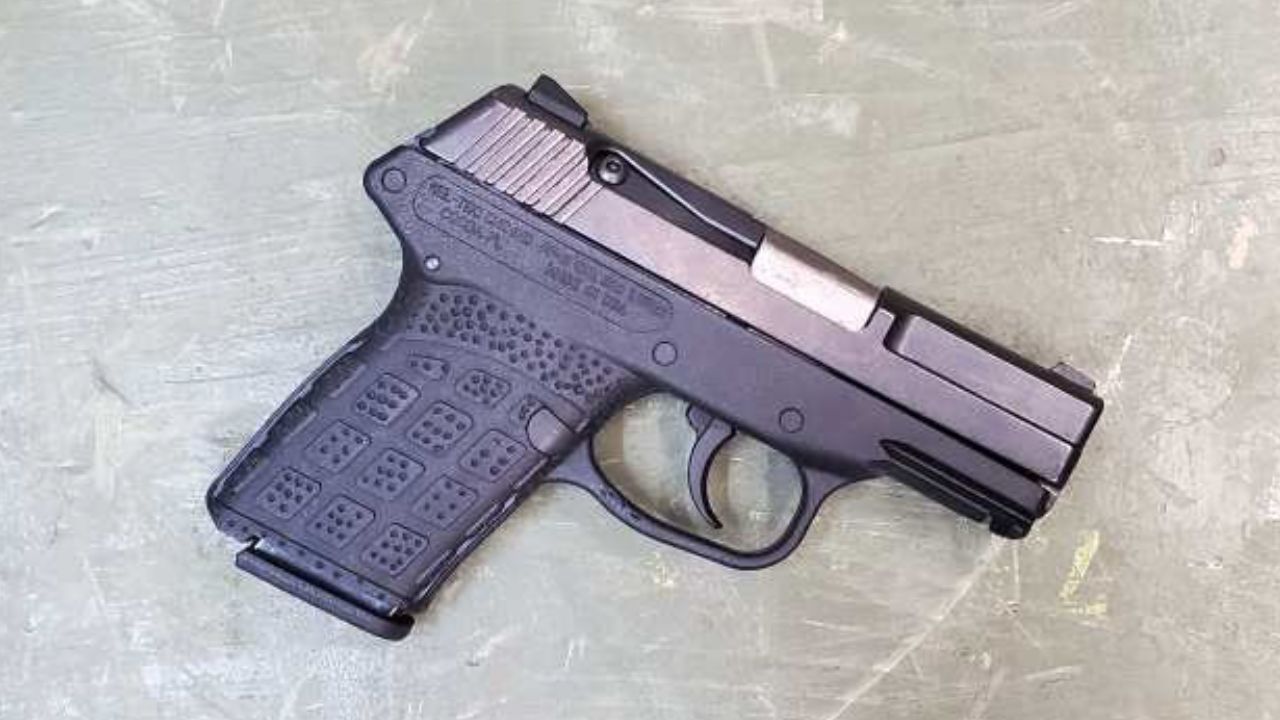
The PF-9 is light and thin, and that’s why it’s a low-printing machine for a lot of shooters. Light gun + small grip + recoil anticipation = low hits. The trigger press on many PF-9s also doesn’t feel like a clean, crisp break, so people tend to drag through it. Dragging through a trigger is basically asking to dip the muzzle.
This pistol is a classic “carry a lot, shoot a little” buy. Guys pick it up because it’s easy to conceal. Then they don’t spend the time learning it. If you want it to hit where you’re aiming, you need to put in actual practice. Bench it, confirm the gun’s regulation, then get serious about dry fire and controlled live fire. Otherwise it’ll always feel like it’s printing low “for no reason.”
Bersa Thunder .380

The Bersa is popular because it’s affordable and it feels solid. But .380 blowback and a less-forgiving trigger can still lead to low impacts. Guys anticipate the snap, then they press through the trigger in a way that pushes the gun down. If you’re used to a modern locked-breech .380 or a soft 9mm, the Thunder can surprise you.
Sights and sight picture expectations matter too. If you’re not confident in what “perfect” sight alignment looks like on that gun, you’ll chase it. If your Thunder is consistently low, don’t start swapping parts. Put it on a rest and see where it really prints. Many times the gun is fine and the shooter is pushing. Once you know which it is, the fix becomes clear.
Ruger SR9c

The SR9c can be accurate, but a lot of shooters print low with it because of trigger timing and how they manage recoil. The break can feel different depending on how you’re pressing, and the gun is compact enough that people tend to brace. When you brace and try to “time” the break, you get low hits.
The SR9c also tends to attract buyers who want a slim-ish carry pistol that still shoots like a compact. If your fundamentals aren’t tight, you’ll see low impacts and think the sights are off. Sometimes they are. But more often, it’s your press. The SR9c is one of those guns where a clean slow group tells the truth. If your slow group is centered but your fast shots go low, it’s not the sights. It’s you pushing.
Springfield XD-S 9mm

Small single-stacks like the XD-S can make shooters print low because the grip is short and the recoil is snappy enough to trigger anticipation. People also tend to “chase” the break when the trigger feel isn’t what they’re used to. Chasing the break leads to a little downward push right at ignition.
What’s sneaky is how consistent it can be. A guy will swear the gun is regulated low because every string lands low. Then you bench it and it’s fine. That’s why I like mixing dummy rounds into your mags. The XD-S will show you your flinch if it’s there. If you’re low and you want to fix it, spend more time dry firing with perfect sight alignment than you spend arguing about ammo.
S&W Bodyguard .380

The Bodyguard’s tiny size makes it easy to carry and easy to shoot low. The sights aren’t generous, the grip is short, and the gun moves. Most people don’t shoot it much, so they never build the confidence needed to stop anticipating recoil. Low hits become the normal, and they stop aiming precisely because “it’s just a pocket gun.”
That mentality is the whole problem. If it’s on you for defense, it’s not “just” anything. If you’re low with a Bodyguard, focus on slow, deliberate groups at 5–7 yards and get consistent. Don’t try to shoot it like a compact. Build the skill that matches the platform, and you’ll fix the low impacts. If you refuse to practice, the gun will keep printing low forever.
FN Five-seveN

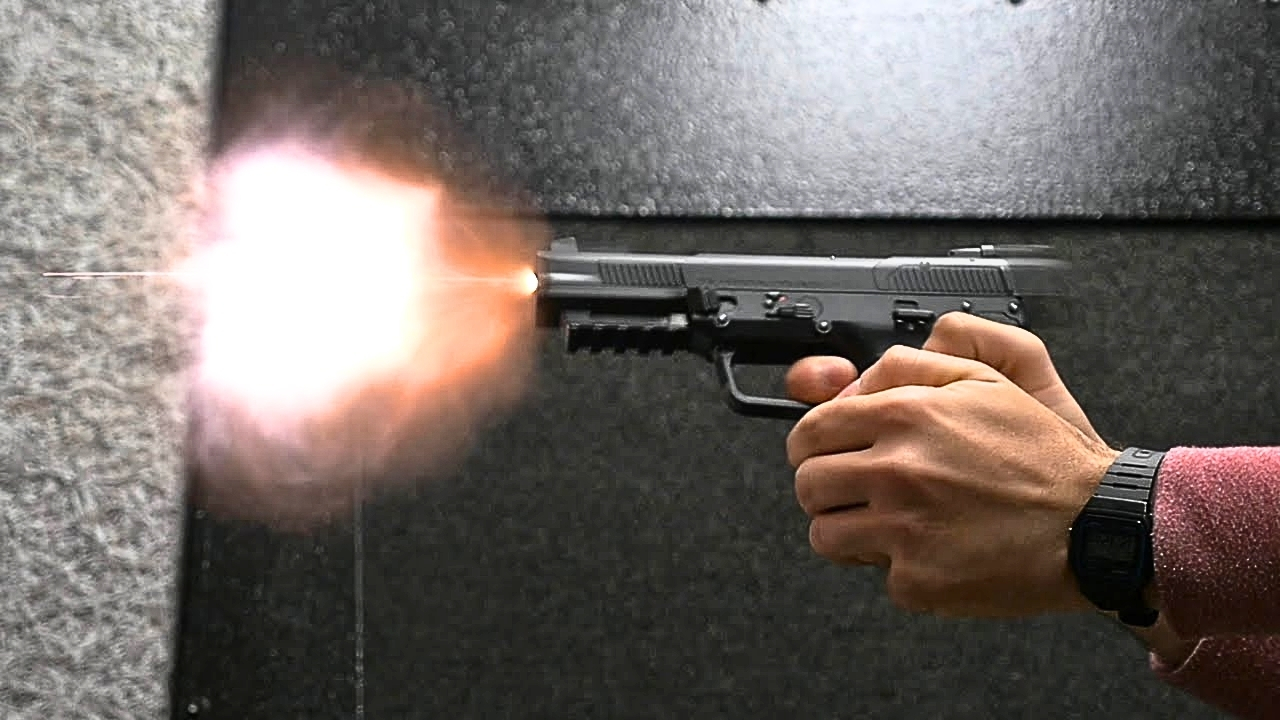
This one surprises people. The Five-seveN isn’t snappy, but it can still print low for shooters because the trigger feel and grip angle can be different than what they’re used to. Guys sometimes “over-control” it because it feels light and different, and they end up pushing it down as they press. It’s also common for people to try it without much familiarity, then judge it off one magazine.
The fix is the same: confirm the gun’s regulation with a supported group. Then shoot slow and build up speed. The Five-seveN is accurate enough to embarrass you if you’re sloppy. If you’re printing low, it’s not always recoil anticipation—it can be sight picture and trigger timing. The gun rewards a clean press and honest follow-through.
CZ 83
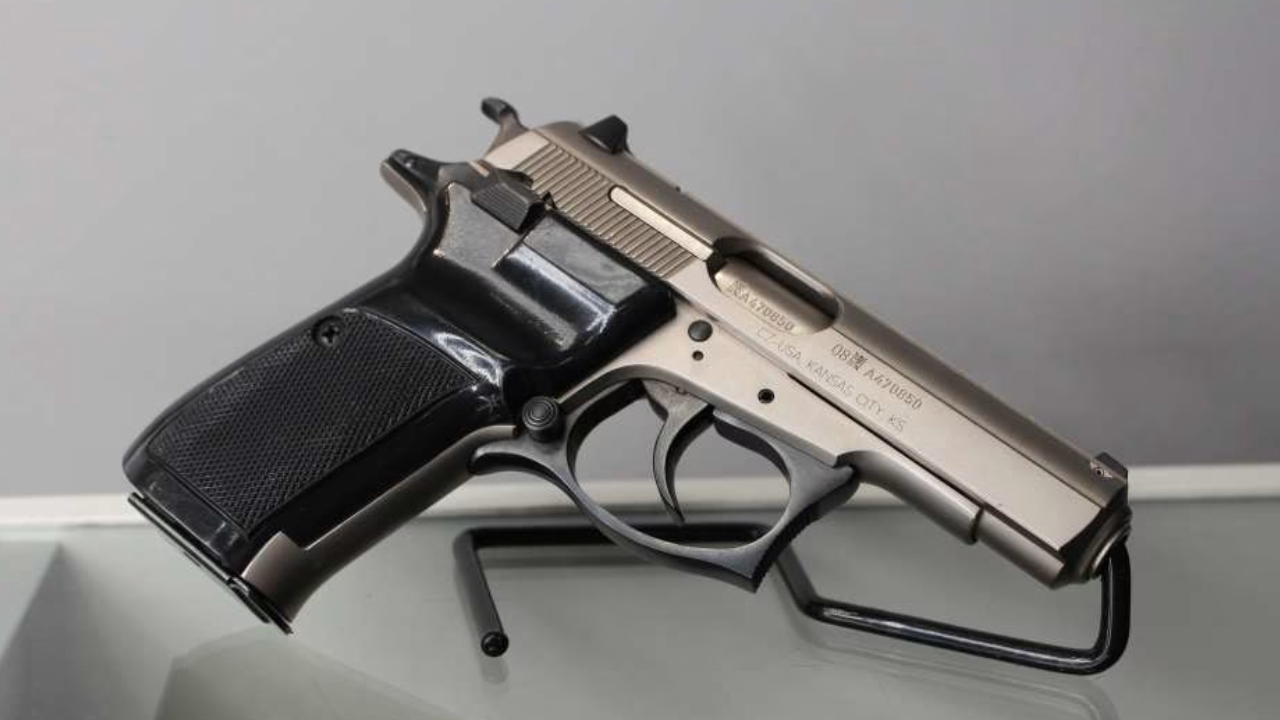
The CZ 83 is another blowback .380 that can lead to low hits because of recoil behavior and trigger press habits. People pick it up because it feels great and it’s built well. Then they shoot it and brace for the snap. Bracing equals pushing down. Combine that with a trigger that might not feel “modern,” and you’ve got a low-printing recipe.
It’s a fun pistol when you treat it like a classic. But if you’re trying to make it shoot like a modern compact, you’ll fight it. The CZ 83 can group well, but you need to be deliberate. If it’s consistently low for you, confirm where it’s actually regulated, then fix your press. If you try to bully it, it’ll keep printing low.
Like The Avid Outdoorsman’s content? Be sure to follow us.
Here’s more from us: