Photo credit: Big Game Hunting Blog/YouTube
When you spend enough years chasing whitetails, you start to see which calibers make clean, short recoveries and which ones leave you walking farther than you ever planned. Penetration, bullet design, velocity, and shot angle matter more than most folks admit, and some cartridges simply don’t deliver the authority you need when the shot isn’t perfect. Deer are tougher than people give them credit for, and a marginal caliber can turn a center-rib hit into a long, slow track with almost no blood on the ground. These are the rounds that consistently struggle when shots aren’t ideal, especially in the big woods or thicker cover where quick recovery is everything.
.243 Winchester

The .243 Winchester has filled more freezers than most calibers, but it has also sent plenty of hunters on long tracking jobs. When the shot is perfect, it performs well. But when the angle is quartering or the shoulder is thicker than expected, the fast, light bullets sometimes fail to punch deep enough. Many shooters love the soft recoil, but that comes at the cost of consistent penetration on tougher deer.
A bad hit with the .243 often produces limited blood because the entrance and exit holes are small. The bullet doesn’t always break bone, and deer often run farther before showing visible sign. It’s not a bad caliber, but it demands careful shot placement every time, and not every hunting scenario gives you that luxury.
.223 Remington
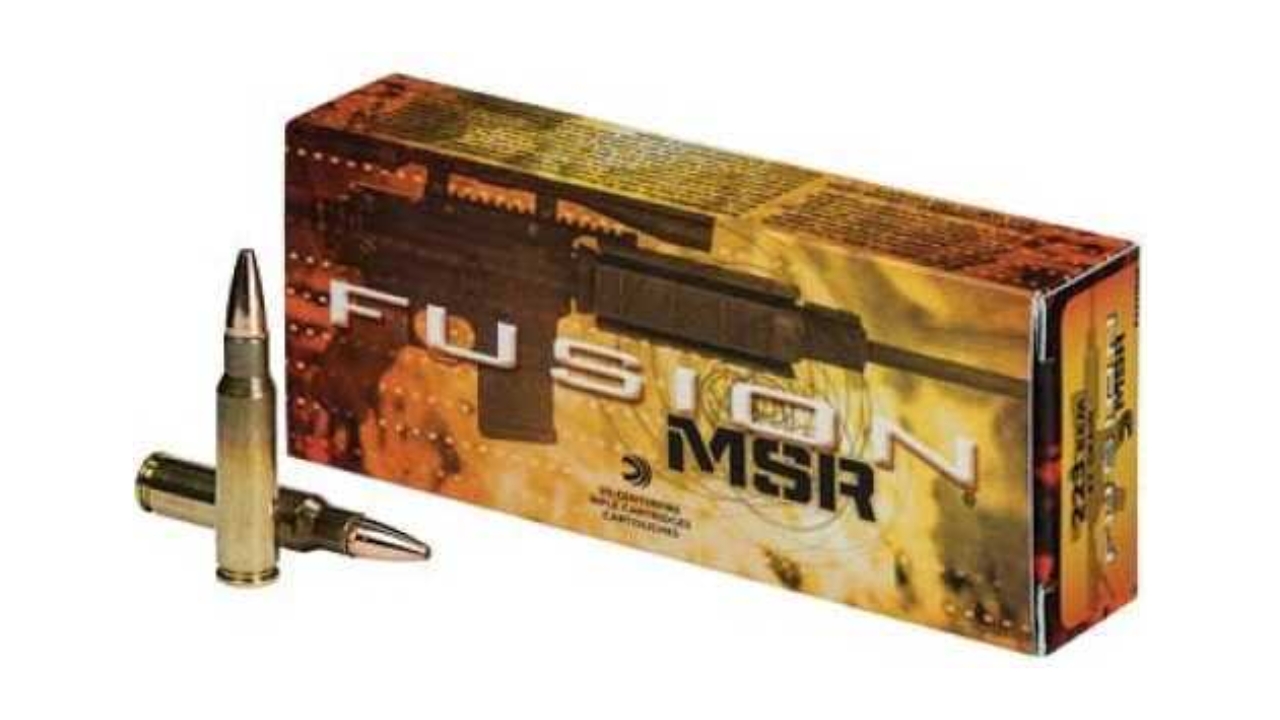
Legal in many states now, the .223 can drop deer cleanly with the right loads, but its margin for error is tiny. Even bonded or monolithic bullets struggle when angles aren’t broadside. A shoulder hit may fail to reach the vitals, and even rib shots sometimes produce narrow wound channels that don’t leave good blood trails.
Deer hit with .223 often run far before bedding, especially if you clip only one lung. Tracking becomes a chore, even for experienced hunters, and the lack of heavy blood makes it easy to lose the trail. The caliber works, but it’s unforgiving, and it’s one of the quickest to turn a decent hit into a long night in the woods.
.25-06 Remington

The .25-06 packs speed, but the light bullet weights limit how much bone-breaking authority you actually get. Hunters love how flat it shoots, but that velocity sometimes causes bullets to fragment early when hitting close-range deer. You may get great internal damage, but not enough penetration to exit, and that kills your blood trail.
A marginal hit with the .25-06 becomes a big problem. Without an exit, sign is thin, and wounded deer may cover hundreds of yards before bedding. It’s accurate and capable, but when the shot isn’t perfect, it often gives you very little to work with.
.30-30 Winchester

The .30-30 has taken countless deer, but its slower velocity and round-nose bullet shapes can limit performance at certain angles. While it works well inside 150 yards, quartering shots often result in shallow penetration or bullets deflecting off heavy bone. A lost blood trail with a .30-30 usually happens when the bullet fails to exit, which is more common than people realize.
Many tracking jobs start because the bullet mushrooms too quickly and doesn’t drive through the animal. Without two holes, blood stays inside the chest cavity. When things go wrong, the .30-30 can make recovery harder than expected, especially in thick woods.
.300 Blackout (Supersonic)
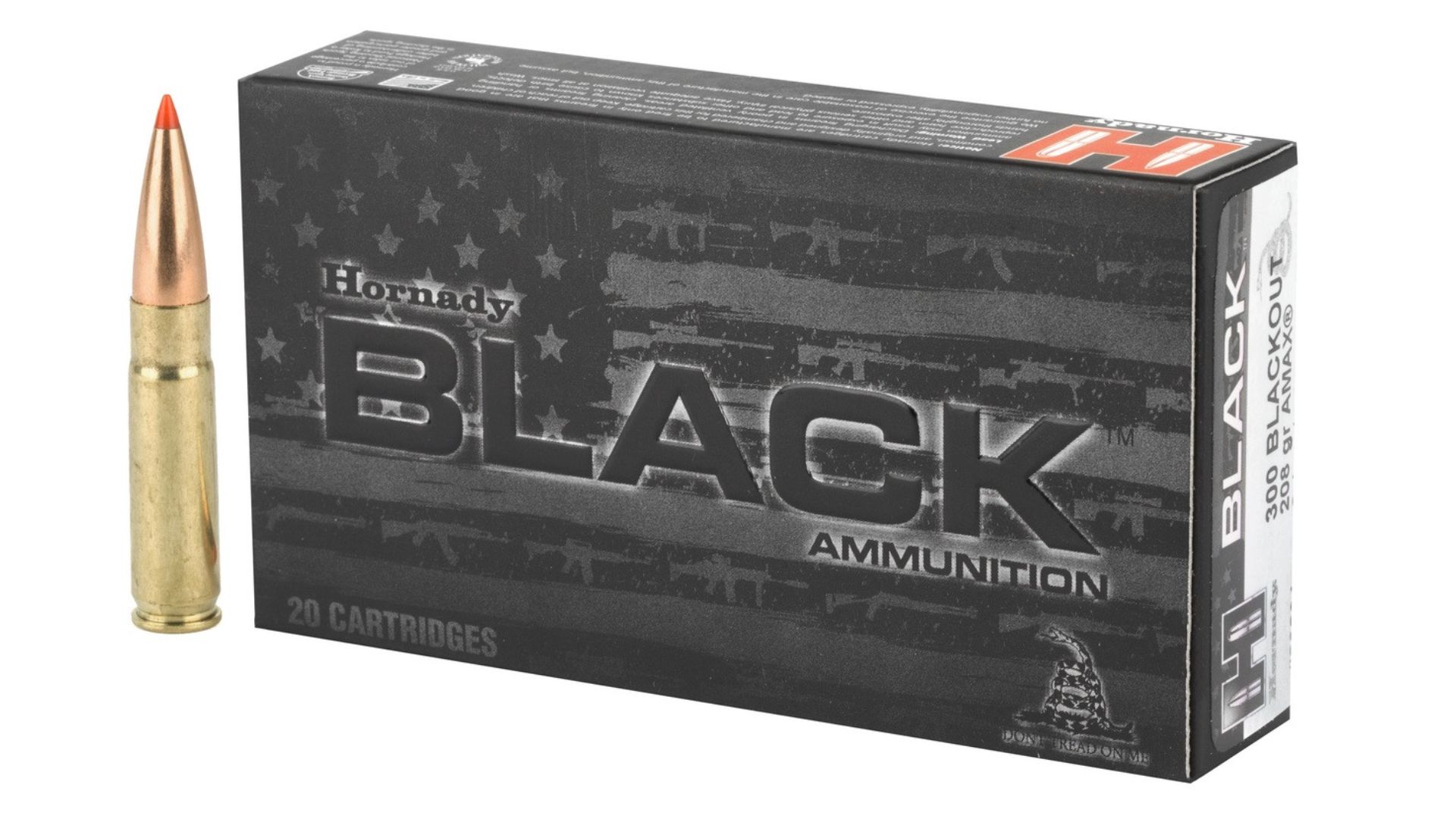
Supersonic .300 Blackout loads hit harder than most pistol rounds, but they still sit at the bottom of the rifle power curve. Expansion can be erratic, and penetration varies noticeably between bullet types. Even with good ammo, the frontal surface area is small, which limits the blood trail.
On shoulder hits, bullets sometimes stop short of making a full pass-through. On rib shots, the wound channel can be narrow enough that you get little external blood. Hunters love it for its low recoil and compact rifles, but when deer run after the shot, you often wish you had more cartridge behind you.
.44 Magnum (from carbines)
The .44 Magnum works well from revolvers at close range, but its performance from carbines can be inconsistent on deer-sized animals. Bullets designed for handgun velocities often over-expand or fragment at higher carbine speeds. That leads to shallow penetration, especially when hitting shoulders or quartering angles.
When the bullet doesn’t exit, blood trails get thin quickly. Deer hit with a .44 Mag carbine sometimes run a surprising distance even when the shooter is confident the impact was solid. It’s a capable caliber with the right load, but mismatched bullets cause far too many long tracking jobs.
.450 Bushmaster
The .450 Bushmaster hits hard, but its slow, heavy bullets often fail to exit on broadside hits. Hunters expect big holes and big blood, but when that exit doesn’t appear, the opposite happens. Deer plug quickly, and all the blood stays internal until the animal goes down.
Because the bullet transfers so much energy early, it sometimes stops before breaking through the far-side hide. A poor angle or slightly high shot often leads to almost no blood on the ground. When things are clean, it works great, but when they’re not, it leaves you with very little trail.
.350 Legend

The .350 Legend drew attention for being mild and straight-wall legal, but it doesn’t always leave reliable blood. Many bullets expand early and stop inside the deer, leaving you without an exit. At moderate distances, penetration becomes inconsistent, especially with softer loads.
If you clip one lung with the .350 Legend, you often end up with a 200-yard track. Deer simply don’t react dramatically to the hit, and the wound channel isn’t always big enough to bleed well. It’s forgiving to shoot, but not nearly as forgiving on marginal placement.
7mm-08 Remington
The 7mm-08 is accurate and manageable, but lighter bullet choices can leave you wishing for more penetration. Hunters who run 120-grain loads sometimes see limited exits on angled shots. Without that exit, blood trails get sparse quickly.
With heavier bullets, the caliber performs better, but many factory loads lean toward speed rather than deep penetration. A good hit drops deer quickly, but a slightly off-center rib shot or a quartering-away angle can turn into a long walk behind faint tracks.
.270 Winchester
The .270 Winchester is a classic, but its high-speed, lighter bullets can struggle on sharp angles. Many .270 bullets open rapidly, dumping most of their energy inside the deer without exiting. Without a second hole, tracking becomes a gamble.
If you hit behind the shoulder, the deer will usually run far before leaving a meaningful trail. The .270 is accurate and proven, but hunters who rely heavily on close-range woods shots sometimes learn the hard way that fast expansion doesn’t always translate into easy recovery.
.45-70 Government (soft loads)

The .45-70 with traditional soft bullets expands nearly instantly, and sometimes too quickly, especially at close ranges. When the bullet mushrooms aggressively, it can fail to penetrate deep enough to exit. Many hunters assume the .45-70 leaves massive blood trails, but that isn’t always the case.
A high lung shot without an exit often produces almost no external blood. The deer absorbs everything and runs farther than expected. With modern controlled-expansion loads, it performs far better, but old-style soft bullets have caused plenty of long tracking jobs over the years.
.300 Winchester Magnum (fragile bullets)
The .300 Win Mag is powerful, but when paired with thin-jacketed bullets, it often fragments early and doesn’t exit. Hunters used to deep penetration are shocked when a .300 fails to leave a trail. The bullet dumps energy so fast that it sometimes stops short of the far-side shoulder.
A marginal hit magnifies the problem. Deer run downhill or into cover with internal bleeding but almost no ground sign. It’s a prime example of how bullet choice matters just as much as caliber.
6.5 Creedmoor (light or match bullets)
The 6.5 Creedmoor performs well with the right hunting bullets, but match loads and lighter projectiles often produce minimal wound channels and poor blood trails. Many new hunters use what shoots best on paper without considering terminal performance.
When match bullets pencil through or fail to expand, the deer can run a long way with almost no external blood. Even expanding bullets sometimes leave small exits. A near-perfect hit works fine, but a marginal one leaves you wishing for a more aggressive projectile.
.280 Remington
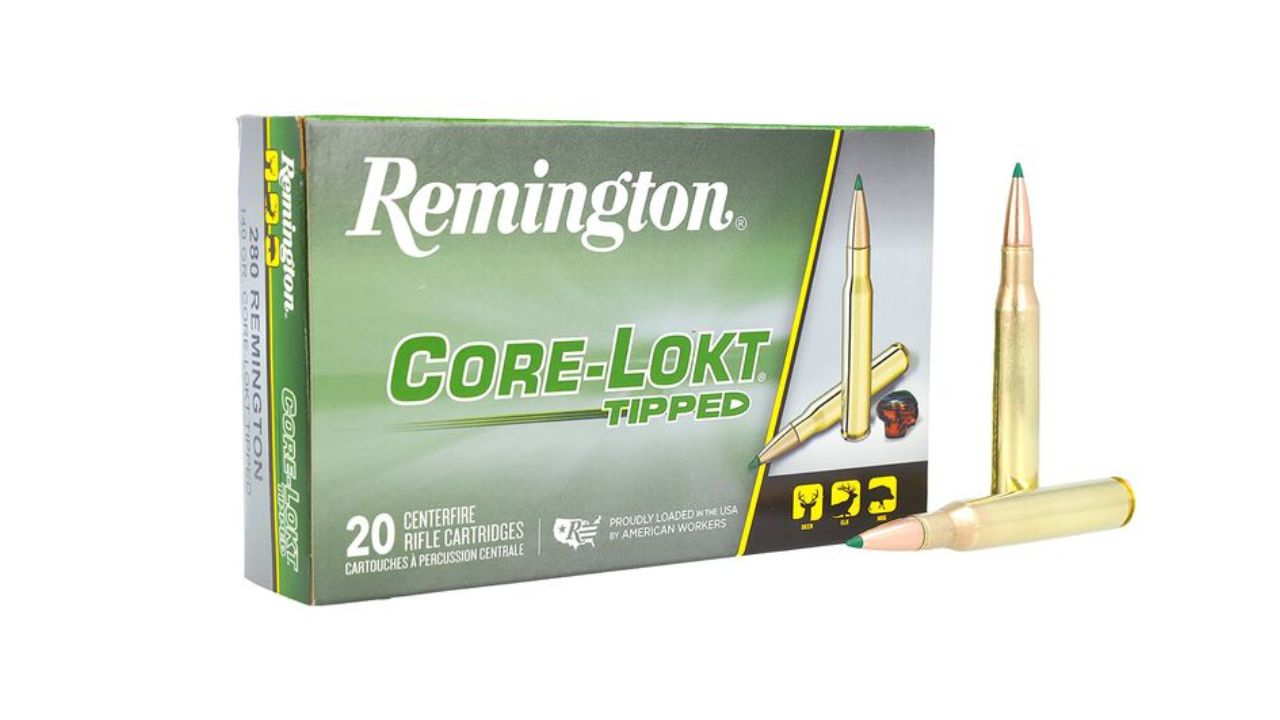
The .280 Remington is effective, but lighter bullet choices can behave like the .270—rapid expansion with inconsistent exits. At close ranges, this results in internal damage but little sign on the ground, which turns tracking into guesswork.
When angles aren’t ideal, the bullet may not reach both lungs or create a pass-through. Hunters who love the .280 often learn to use heavier bullets for this reason. Without them, the caliber can turn a decent hit into a frustrating recovery.
.22-250 Remington
The .22-250 has incredible speed, but deer-sized animals often require more bullet weight for consistent results. The caliber tends to fragment on impact with many loads, creating dramatic internal damage but no exit. Without a pass-through, you get little or no blood trail.
Even bonded bullets sometimes struggle because the frontal area is so small. A deer hit with a .22-250 often reacts like it wasn’t hit at all, running far before bedding. It’s a round best kept for smaller game, and too many long tracking jobs have proven that point.
Like The Avid Outdoorsman’s content? Be sure to follow us.
Here’s more from us:
The worst deer rifles money can buy
Sidearms That Belong in the Safe — Not Your Belt
*This article was developed with AI-powered tools and has been carefully reviewed by our editors.