Photo credit: Belian Studio/Shutterstock.com
When you spend enough time around hunters, you notice certain calibers spark heated debates even though hardly anyone puts them to real use. Some rounds look great on paper, and others have small but enthusiastic followings, yet they never earn a steady place in most deer camps. A lot of that comes down to cost, availability, rifle options, or performance that doesn’t stand out once you leave the shooting bench.
These are the calibers hunters keep talking about at the gun counter but rarely choose when it’s time to head into the woods.
.257 Weatherby Magnum

The .257 Weatherby Magnum earns plenty of praise for its flat trajectory, but that doesn’t mean hunters line up to use it. The recoil surprises many shooters because they expect something gentler from a .25-caliber round. The rifles chambered for it also tend to weigh more, which makes long hikes less enjoyable.
You also deal with high ammunition costs and limited availability compared to more common hunting rounds. Hunters usually decide that a .270 Winchester or 6.5 Creedmoor gives them most of the same advantages with fewer drawbacks. So even though the .257 is impressive, it stays more of a conversation piece than a regular choice.
.264 Winchester Magnum

The .264 Winchester Magnum has a loyal base of supporters who remember its early days, but very few hunters actually carry it today. Its reputation for fast barrel wear has lingered for decades, and even modern barrels haven’t helped it regain momentum. It simply never recovered from the stiff competition created by popular 7mm and .30-caliber magnums.
Ammo availability is another hurdle. Hunters want a cartridge they can buy easily during deer season, not something they need to track down online. While you’ll hear it defended by longtime shooters, you won’t see it nearly as often in the field.
.280 Remington

The .280 Remington offers excellent performance and smooth shooting, yet it remains one of the least-used mid-bore cartridges. Hunters appreciate its balanced recoil and strong ballistics, but it still gets overshadowed by the .270 Winchester and .30-06 Springfield. Those rounds became household names, while the .280 never earned the same status.
Because many hunters stick with what they know, the .280 often becomes the “almost” caliber—almost ideal, almost popular, almost adopted. It certainly works on any deer in North America, but most folks walk past it and pick something more familiar.
.25-06 Remington
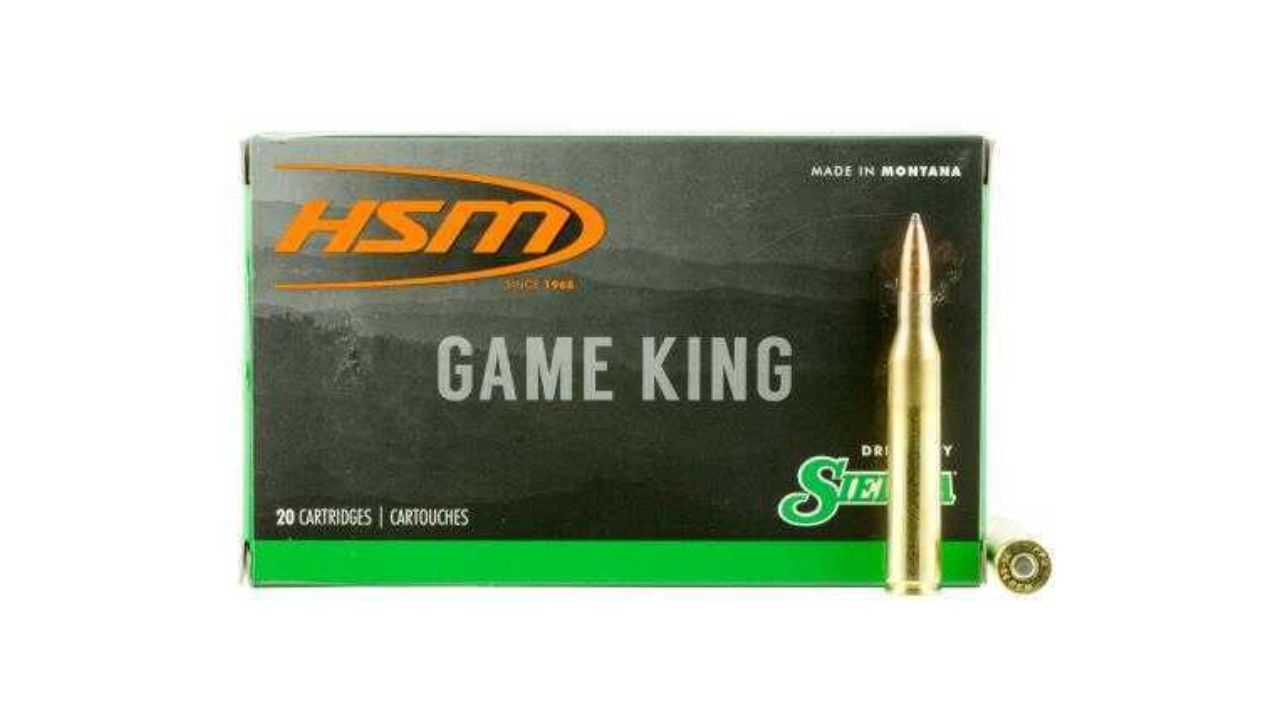
The .25-06 Remington has long been respected for accuracy and reach, but it doesn’t get chosen nearly as often as its supporters claim. Hunters appreciate its speed and flat trajectory, yet it struggles to compete with newer cartridges that offer better bullet options and improved long-range performance.
It also doesn’t generate the same enthusiasm among ammunition makers, which limits factory loads on store shelves. Many hunters like the idea of it but ultimately choose something more versatile. The .25-06 holds its place as a solid round, just not a commonly selected one.
.300 Savage

The .300 Savage played a major role in hunting history, but most modern hunters overlook it entirely. It performs well with manageable recoil, yet it was eclipsed decades ago by the .308 Winchester. Once that happened, rifle manufacturers stopped chambering new models for it, and ammunition availability slowed down.
Hunters who own vintage rifles appreciate what it can do, but new buyers rarely consider it when selecting a deer gun. That leaves the .300 Savage as more of a nostalgic round discussed by enthusiasts instead of a cartridge most hunters rely on.
.35 Remington

The .35 Remington is often praised as the ideal brush-country round, but it’s seldom used today. Because only a handful of rifles are chambered for it—most of them older lever guns—many hunters never have the chance to try it. That lack of rifle availability alone limits its real-world presence.
It also carries noticeably arcing trajectories, which makes longer shots tougher for those used to modern cartridges. Hunters respect the round for close-range work, yet most still choose something that stretches farther and offers more versatility.
.257 Roberts

The .257 Roberts has a well-earned reputation for smooth shooting and mild recoil, but it never gained widespread use. You rarely see new rifles chambered for it, which means most hunters don’t even encounter the option when shopping. Ammunition can also be scarce in smaller stores, making it impractical for many.
Handloaders love what it can do, and longtime hunters often speak highly of it, but widespread adoption never happened. The round remains appreciated but rarely selected, stuck in a niche that keeps it out of mainstream deer camps.
7mm Weatherby Magnum
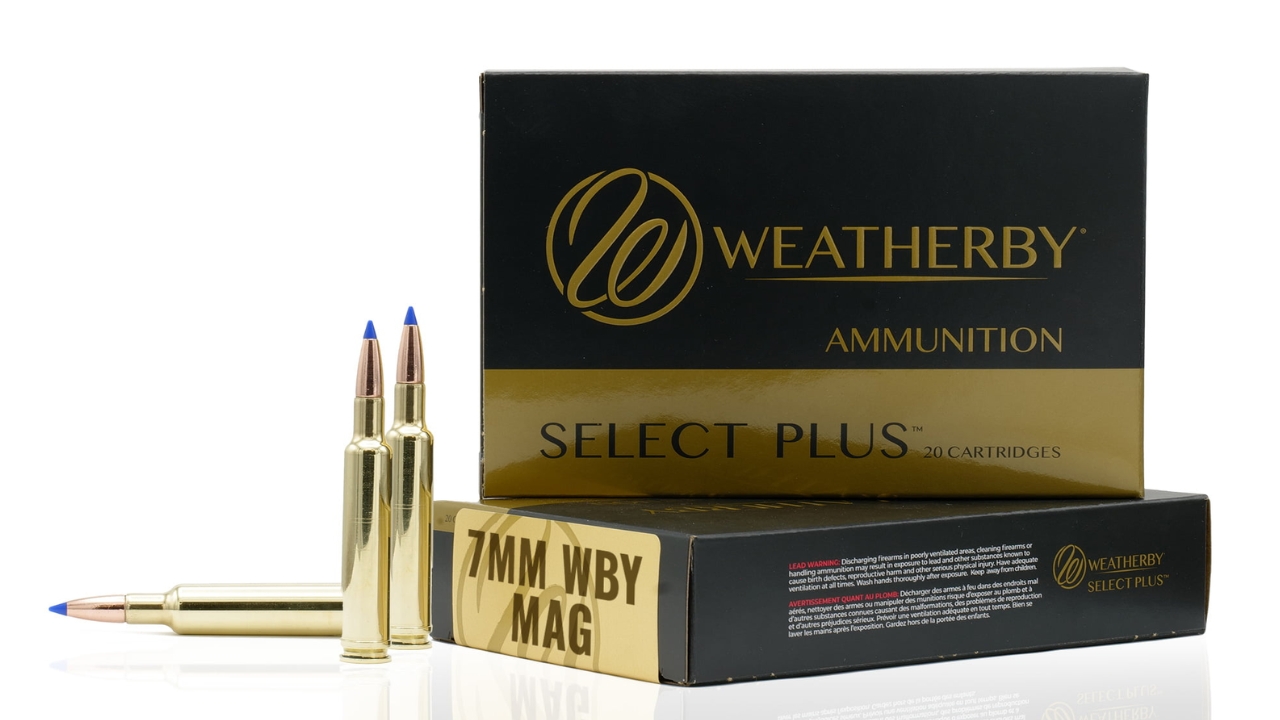
The 7mm Weatherby Magnum offers strong ballistics, yet it constantly gets overshadowed by the far more common 7mm Remington Magnum. Hunters usually want convenience, and the Rem. Mag. wins that contest every time with easier ammunition access and a wider range of rifle options.
The Weatherby version also brings more recoil, and many shooters don’t feel the modest performance difference justifies the trade-offs. Even though it is a capable round, most hunters stick with the versions they know best, leaving this one mostly discussed rather than carried.
.338 Federal

The .338 Federal sounded promising when it arrived, giving hunters larger-bore performance in compact rifles. But the round never gained real traction. The recoil is more than many deer hunters want, yet the energy gains aren’t enough to sway elk hunters away from bigger cartridges.
Limited ammunition availability further hurt its chances. When hunters can’t easily find ammo locally, they tend to avoid the cartridge entirely. The .338 Federal remains something people talk about but rarely use in the woods.
Like The Avid Outdoorsman’s content? Subscribe to our newsletter so you never miss an article.
Here’s more from us: