Photo credit: Bulldog Firearms NM/GunBroker
Every deer hunter eventually learns that accuracy isn’t just about good ammo or a steady rest. Some rifles simply don’t hold zero well, especially when they take a hard knock slipping down a ridge, crossing a fence, or bouncing around in a truck.
It’s not always the shooter’s fault, either—certain rifles have design quirks, stock issues, bedding problems, or lightweight builds that make them more sensitive than they should be. A rifle that can’t hold zero after one bump becomes a constant source of frustration, and you end up wasting time and ammo trying to figure out what went wrong.
If you’ve ever walked into the woods confident in your setup and walked out scratching your head at a blown shot, you know the feeling. These rifles have earned a reputation for being tricky to keep dialed in, especially when the season gets rough.
Remington 710

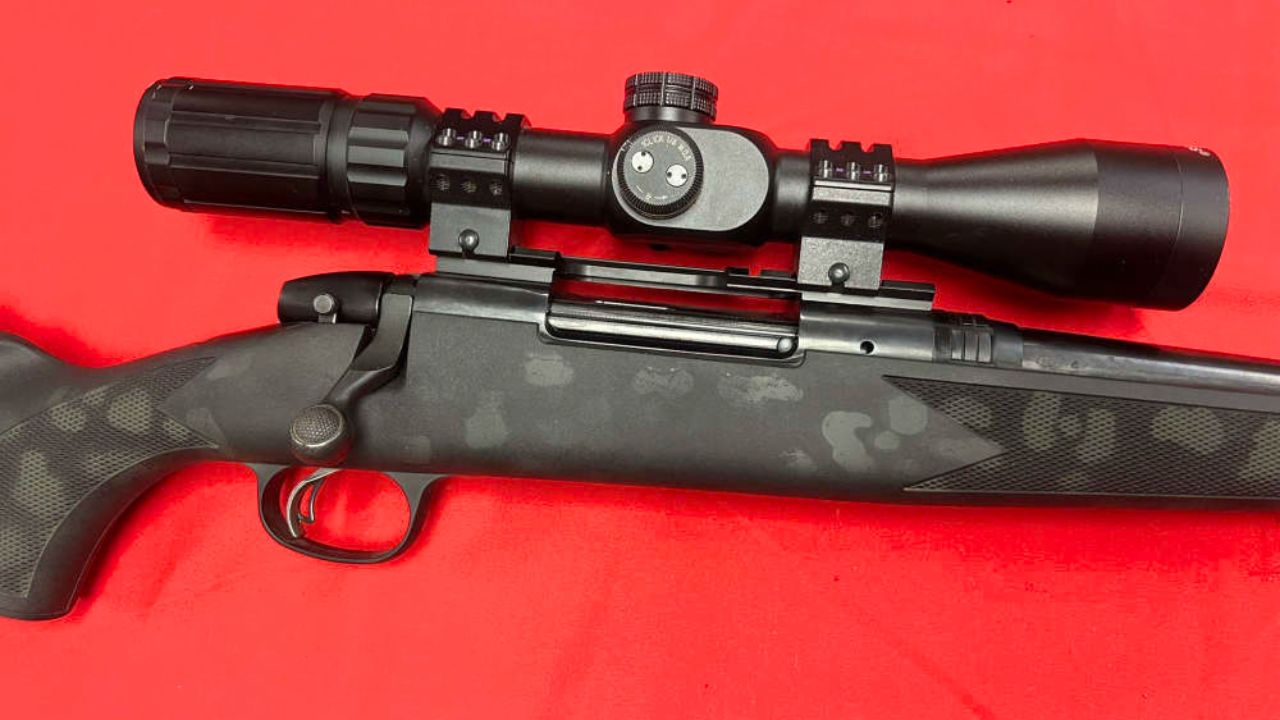
The Remington 710 developed a reputation for losing zero because of its molded-in scope bases and inexpensive factory optics. The bases could shift under recoil or after a bump, and the original scopes often struggled to track consistently. When you mix that with a flexible stock and budget barrel, the rifle simply wasn’t built to hold zero through normal field use. Many hunters found themselves re-sighting several times a season.
If you’ve hunted with one, you know how sensitive they can be to even mild impacts. A slip on wet leaves or a rough ride in the truck was enough to move the point of impact noticeably. While upgrades can help, the rifle’s core design limits how stable the setup stays long term. It’s a classic example of why cutting corners on a deer rifle rarely works out.
Savage Axis (early models)
The early Savage Axis rifles shot well on the bench, but the ultralight stocks were prone to flexing. That stock movement, combined with basic bedding and inexpensive scope mounts, meant the rifle could shift zero after mild bumps. Many hunters noticed their shots drifting an inch or two after carrying the rifle slung over uneven terrain or leaning it against a tree.
Once you understand its limitations, you can work around them—reinforcing the stock, adding better bases, and torquing everything properly. But right out of the box, these rifles didn’t handle rough treatment well. If you hunt thick timber where your rifle gets knocked around, an early Axis could leave you wondering what happened to your once-tight group.
Ruger American (ultralight variants)
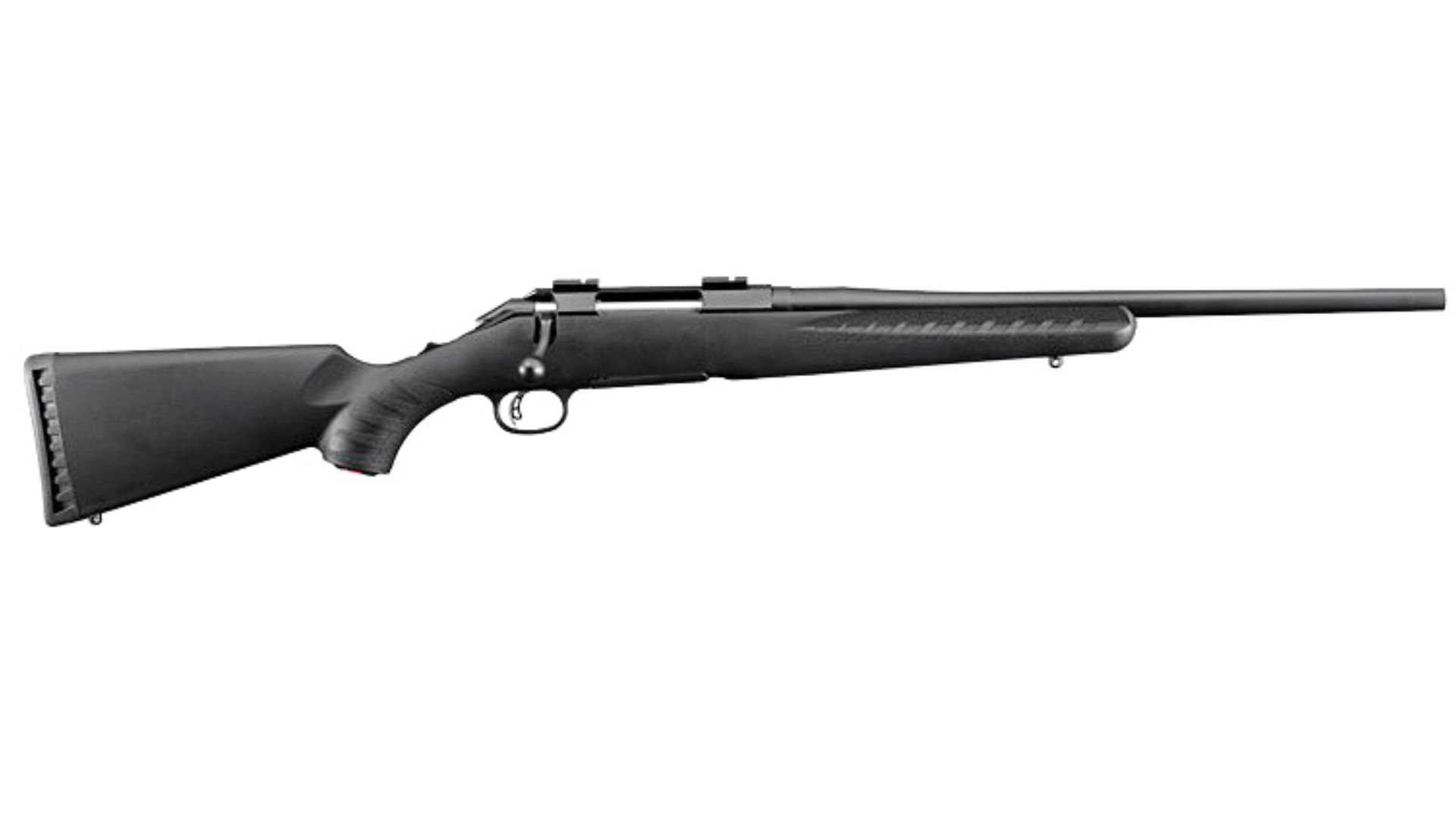
The Ruger American has a well-earned reputation for accuracy, but the ultralight versions can be sensitive to bumps. The thin barrel and extremely light stock can create point-of-impact shifts, especially when the forend flexes against a rest or takes a hard knock. The rifle is built to carry easily—which it does—but that weight savings comes with trade-offs.
If you’ve hunted with one in rough country, you’ve likely seen groups open up after the rifle bounces in the truck or takes a hit against a tree. The action is solid, but the combination of stock flex and barrel whip makes these rifles more prone to movement than heavier models. They’re accurate, but you have to baby them more than most hunters prefer.
Remington 742 Woodsmaster
The Remington 742 is known for cycling issues, but it also has a history of losing zero when bumped because of its mount setup. Many rifles used side mounts or inexpensive bases that didn’t secure well under recoil. Combine that with worn receiver rails and stocks that sometimes loosen over time, and you get a rifle that shifts point of impact more than you’d expect.
If your 742 has been bumped or ridden behind a truck seat, there’s a good chance the zero has wandered. The rifle can still be effective in the deer woods, but it requires constant attention to screws, mounts, and stock fit. Anyone who’s hunted with one knows you can’t assume the sights are still dialed after a rough day.
Winchester Model 70 Featherweight (pre-bedding upgrade era)

Older Featherweight Model 70s are great to carry and point beautifully, but many rifles from certain production years suffered from stock warping or inconsistent bedding. In hot or wet conditions, the stock could shift just enough to move the barrel channel, and a single bump could exaggerate the problem. Plenty of hunters noticed their groups wandering after hiking rough terrain.
The rifle performs well when everything is stable, but those lightweight stocks are sensitive to impacts. A knock against an oak tree or a rough landing stepping off a log can change how the barrel floats, and that moves the zero more than you might expect. With proper bedding, the issue improves—but in factory trim, they can be touchy.
Tikka T3 Lite
The Tikka T3 Lite is an accurate rifle, but the extremely lightweight stock can be prone to flexing. Even a minor bump can alter the way the forend contacts the barrel, and that can shift point of impact. Hunters love how easy it is to carry, yet some notice the rifle is more sensitive to knocks than heavier Tikka models.
If you’ve carried one in steep country, you know the stock can twist when slung tightly over a pack or bumped against brush. That movement translates directly into POI changes. The rifle still shoots well, but it doesn’t shrug off rough handling like heavier rifles do. You have to treat it with more care than most woods hunters prefer.
Marlin X7

The Marlin X7 shot surprisingly well for the price, but the lightweight, flexible stock was a weak point. Bumps or impacts could change how the barrel floated, causing noticeable shifts in point of impact. Many rifles also came with budget mounts that didn’t hold up to rough handling, compounding the problem.
If your X7 has seen a few hard seasons, the zero likely wandered at least once. The action is solid, but the stock doesn’t offer the rigidity that tough hunting conditions demand. With a stiffer aftermarket stock, the rifle shines—but in factory trim, it’s one of the easier rifles to knock out of zero.
Mossberg ATR
The Mossberg ATR was designed to be affordable, and the lightweight stock and basic bedding reflect that. The rifles often shoot well when everything is tight, but they’re easily affected by bumps. Leaning them against a tree or letting them bounce around in a truck can be enough to move the impact point.
Hunters who used the ATR in rough terrain often found themselves re-sighting more frequently than they expected. The rifle simply wasn’t built to resist impacts or stock flex, and that sensitivity shows up as shifting groups. It’s a capable deer rifle in mild conditions, but it’s not one you want to knock around.
Weatherby Vanguard Synthetic (early production)
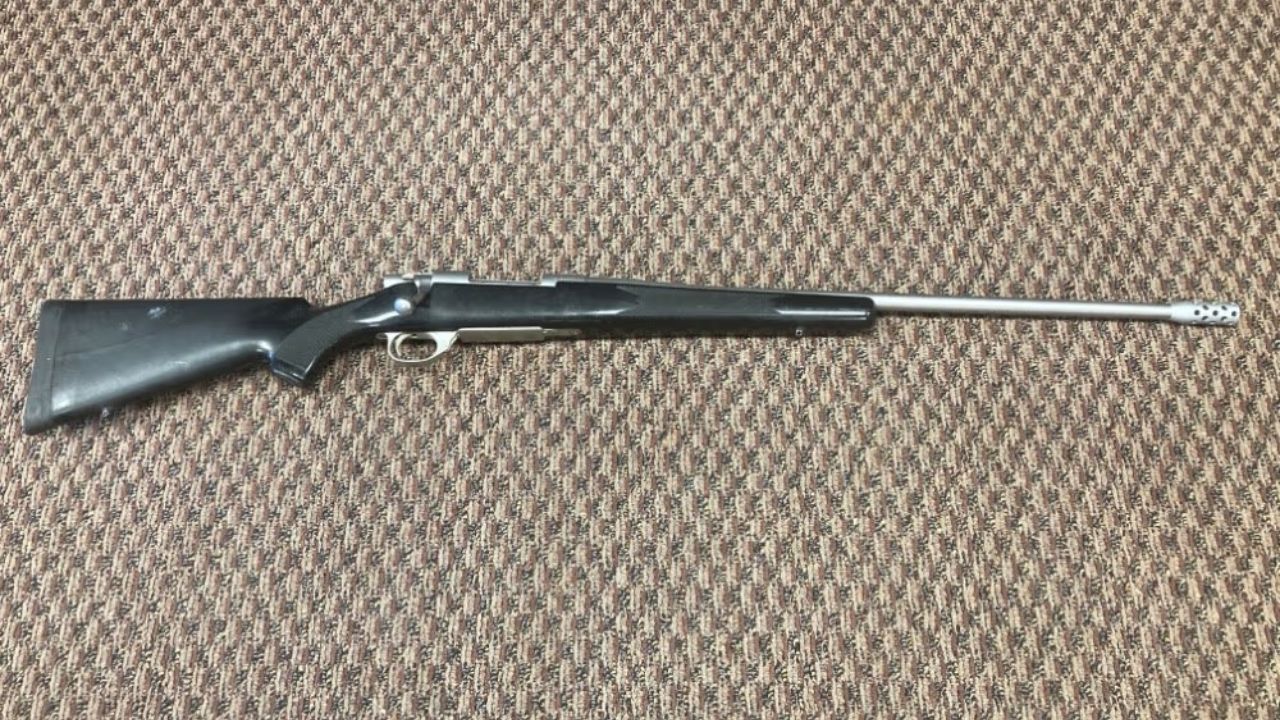
Early synthetic-stock Vanguards had forends that flexed more than ideal, especially under pressure or after a hit. This could cause the barrel to contact the stock differently, resulting in POI changes. Many hunters blamed the rifles when the real issue was the stock shifting under impact or sling pressure.
If you’ve owned one, you might remember seeing groups shift after a mild bump or a tight sling carry. Later stocks improved the issue, but the early models definitely struggled with maintaining zero in rough hunting conditions. With a sturdier stock, the rifles perform well—but the factory trim makes them easy to knock out of alignment.
Browning A-Bolt Synthetic (early ultralight trim)
The A-Bolt is a respected deer rifle, but the lightest synthetic-stock versions were more sensitive than most hunters expected. The thin barrel and lightweight stock combination made the rifles prone to POI shifts after being bumped. The rifles were accurate, but they didn’t tolerate impacts as well as the heavier wood-stocked models.
If you’ve carried one in the woods, you know they handle beautifully—but once the rifle takes a hit against a tree or gets jostled in a truck bed, the zero can wander. Many hunters upgraded the stock or added bedding to address the issue, but in factory configuration, the ultralight A-Bolts are some of the easiest rifles to bump off zero.
Like The Avid Outdoorsman’s content? Be sure to follow us.
Here’s more from us:
The worst deer rifles money can buy
Sidearms That Belong in the Safe — Not Your Belt
*This article was developed with AI-powered tools and has been carefully reviewed by our editors.