
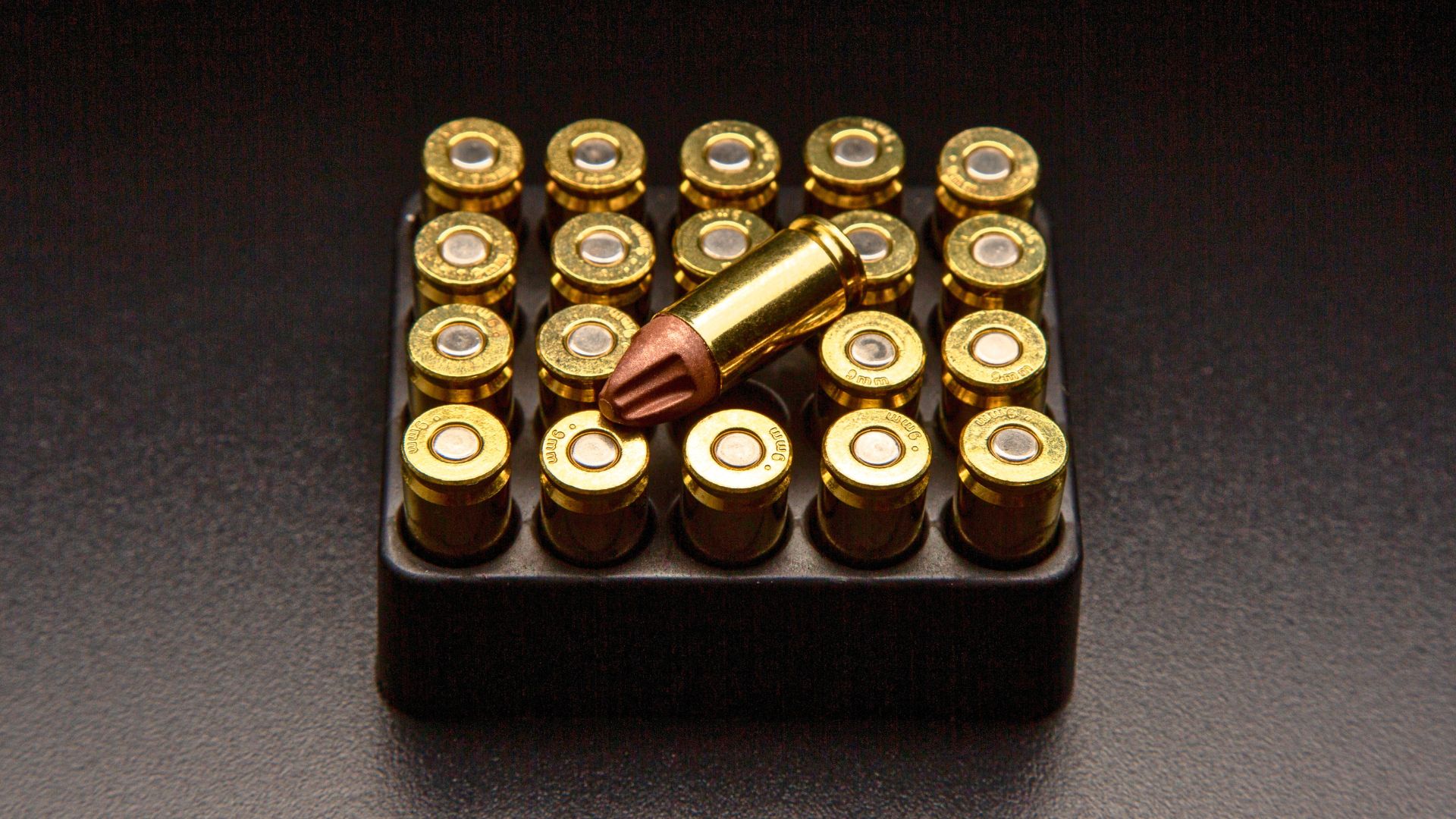
Photo credit: SolidMaks/Shutterstock.com
Every shooter’s been there—standing at the gun counter, convinced they’re the one breaking new ground. You pick the oddball caliber because it looks different, promises more power, or “should” outperform the classics. Then reality sets in. Ammo costs double, availability drops to zero, and that “unique” choice starts feeling like a mistake every time someone next to you easily finds .308 or 9mm at the store. These are the calibers you pick when everyone else picked smart—the ones that make you wonder why you didn’t listen to your gut (or your buddy who tried to talk you out of it).
.327 Federal Magnum

The .327 Federal Magnum promised magnum-level energy with less recoil and more capacity. On paper, it was genius. In practice, ammo scarcity and limited revolver options kept it in the shadows. It’s a fine round—flat-shooting and accurate—but no one carries or stocks it in bulk.
It’s the kind of caliber you fall for when you want to be different. Then, when you realize you’re paying boutique prices for mid-tier performance, the appeal fades. It’s great for reloading nerds, but for the average shooter, it’s a lonely choice on the shelf.
.41 Magnum
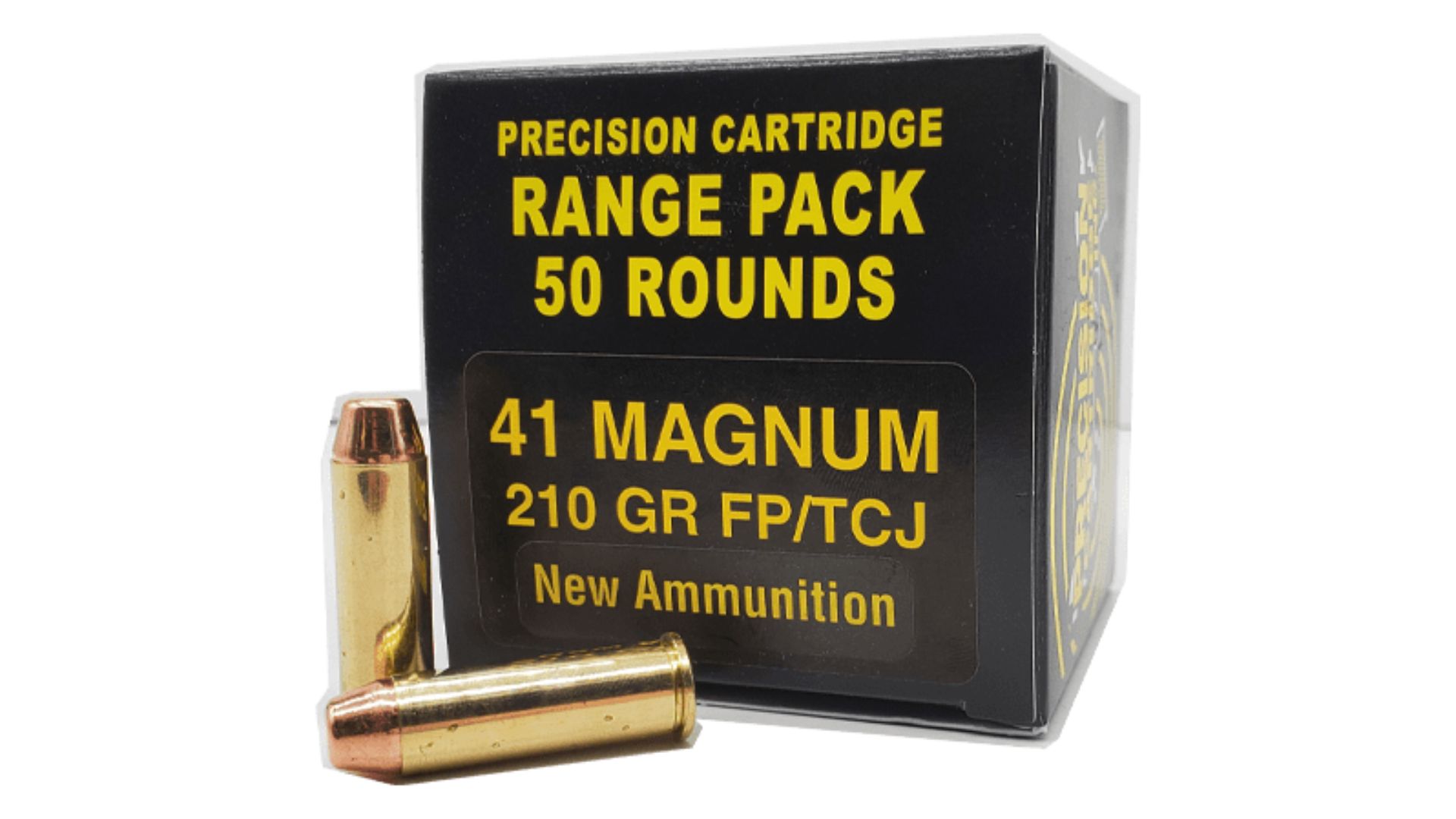
The .41 Magnum sits awkwardly between the .357 and .44 Mag, offering neither the ammo availability of one nor the power of the other. It’s accurate, hits hard, and has a loyal following, but it’s never been practical.
Most hunters stick with the .44, and most defensive shooters grab the .357. The .41 leaves you paying more for a cartridge that does almost the same job as both. You’ll love it at the range and curse it at the register when you realize nobody else thought it was a good idea either.
.45 GAP

The .45 GAP was Glock’s attempt to modernize the classic .45 ACP into a shorter, high-pressure round. It worked technically—but not commercially. Ammo is rare, expensive, and often outdated. Glock loyalists gave it a shot, but everyone else moved on.
It’s accurate and reliable, sure, but when your local shop doesn’t even carry a box of it, that’s a problem. The .45 GAP is what happens when you pick “different” over “smart.” Once you run out of ammo, you’re left with a perfectly fine pistol you can’t afford to shoot.
.300 RUM

The .300 Remington Ultra Magnum was supposed to dethrone the .300 Win Mag. It’s faster, louder, and burns barrels twice as quick. The problem? Nobody needed that extra speed badly enough to deal with the recoil, blast, and ammo cost.
It’s the cartridge equivalent of an over-tuned sports car—fun to brag about, hard to maintain. You’ll impress people at the range, but after 40 rounds, you’ll be flinching and shopping for a .30-06. It’s a lot of power for a very small payoff.
.22 TCM

The .22 TCM sounds wild—a 9mm case necked down to .22 caliber that spits fireballs at 2,000 fps. It’s flashy and fast, but finding ammo or parts is an adventure. Rock Island Armory built some great pistols for it, but the rest of the industry didn’t bother.
It’s accurate and fun, no question, but it’s impractical outside the range. If you want attention, it delivers. If you want reliability, 9mm will do the same job without the fireworks or the ammo hunt.
.25 ACP

The .25 ACP has been around forever, and it’s still as useless as ever. It’s weak, expensive, and barely outperforms a .22 LR. The only thing it’s good for is being small enough to fit in guns that you probably shouldn’t trust anyway.
It carries well, but it won’t stop much. Anyone who’s ever carried one eventually upgrades to something that actually works. You can call it nostalgic or “better than nothing,” but it’s not smart in a world full of micro 9mms.
.17 HMR for Hunting

The .17 HMR is a fantastic varmint round, but too many hunters tried to stretch it beyond its limits. On prairie dogs or small game, it shines. On coyotes or hogs, it fails miserably. People love the flat trajectory and forget that energy drops off fast.
It’s accurate and fun, but it’s no replacement for a .22 Mag or .223. You’ll learn quickly that speed doesn’t fix light bullets. It’s a caliber you pick for bragging rights, not real-world performance past small critters.
.450 Bushmaster

The .450 Bushmaster has its fans, but it’s more of a solution in search of a problem. Designed for straight-wall hunting states, it hits hard but drops fast and kicks more than it needs to. It’s impressive on paper, but it’s tough to shoot consistently well.
In short barrels or AR platforms, it feels like overkill with little gain. The ammo is expensive and limited, and the recoil makes fast follow-ups tough. Most hunters realize a .308 or .350 Legend does the same job with half the fuss.
.224 Valkyrie

When the .224 Valkyrie hit the market, it promised to outshoot the .223 and .22-250 with better long-range performance. It almost did—but not quite. Early rifles had inconsistent barrels, ammo was finicky, and the hype faded fast.
It’s accurate when tuned right, but that’s the problem—it needs tuning. The .224 Valkyrie is a great concept that fell short in execution. Everyone who bought one thinking they’d crush PRS competitions ended up rebarreling to 6.5 Creedmoor like everyone else.
.338 Federal

The .338 Federal offers big-bore punch in a short-action rifle, which sounds great—until you realize it’s neither efficient nor widely available. It sits between .308 and .338 Win Mag and doesn’t really outperform either in the field.
It’s accurate and capable, but the lack of ammo and factory rifles kills its practicality. Most hunters who tried it went right back to .308. It’s one of those ideas that made sense on paper and nowhere else.
.357 SIG

The .357 SIG was designed to mimic .357 Magnum power in an automatic. It succeeded technically, but shooters quickly learned it’s loud, snappy, and expensive. Ammo costs more than 10mm, and there’s little practical advantage for most users.
It feeds well and hits hard, but it’s an ammo hunt every time you visit the store. It’s a favorite for handloaders but a headache for everyone else. You’ll love its velocity and hate your credit card bill.
6.8 SPC

The 6.8 SPC was supposed to bridge the gap between .223 and .308. It never caught on beyond a niche crowd. It’s accurate, but the ammo is rare, expensive, and outperformed by newer options like 6.5 Grendel and .300 Blackout.
It’s a round that performs fine but never excelled. Every rifle chambered in it feels like a dead end for long-term ownership. You pick it once, then spend the rest of your time wishing you’d gone with something easier to find and feed.
.264 Winchester Magnum

The .264 Win Mag promised flat shooting and high velocity but came with short barrel life and nasty recoil. It burns powder like a furnace and eats throats in under a thousand rounds. It’s an old round that was impressive once—but that time passed.
You’ll spend more time cleaning than shooting, and your reward is recoil that rivals larger magnums. The 6.5 Creedmoor and PRC made it obsolete overnight. It’s a caliber that proves faster doesn’t always mean better.
.357 Maximum

The .357 Maximum was a hot idea that burned too bright—literally. It offered serious energy in a revolver but eroded forcing cones and scorched barrels fast. It’s powerful, accurate, and almost extinct for a reason.
Hunters loved its punch, but most revolvers couldn’t handle the abuse. It’s a caliber for reloaders and collectors, not for practical shooters. You can still find a few loyal fans, but most shooters realized it was a headache dressed as a breakthrough.
.32 ACP

The .32 ACP earned its place in early 20th-century pocket pistols, but it’s long past its prime. Modern micro 9mms outperform it in every way—size, power, and reliability. It’s soft-shooting but weak, and defensive ammo is limited.
You pick it for nostalgia or because it came with the gun, not because it’s smart. It’s fine for collectors and light shooters, but everyone else has moved on. The only thing smaller than its recoil is its relevance.
Like The Avid Outdoorsman’s content? Be sure to follow us.
Here’s more from us:
The worst deer rifles money can buy
Sidearms That Belong in the Safe — Not Your Belt
*This article was developed with AI-powered tools and has been carefully reviewed by our editors.


