Photo credit: Happy Lenses/Shutterstock.com
We may earn revenue from products featured on this page through affiliate links.
Almost everybody starts concealed carry thinking the hard part is picking the gun and the holster. After a year of real life—driving, sweating, sitting in restaurants, bending over, carrying kids, dealing with summer clothes and winter jackets—most people realize the hard part is building a routine that’s safe, consistent, and actually sustainable. The first year teaches you what you can tolerate, what you will actually practice, what prints no matter what you do, and what habits quietly create risk. Experienced carriers don’t necessarily become “more tactical.” They become more boring on purpose. Their setup gets simpler, their handling gets calmer, and their training gets more realistic. Here’s what tends to change once someone has carried long enough to stop romanticizing it.
They stop rotating guns and commit to one system
In the first year, a lot of carriers bounce around. They buy a compact, then a micro, then a “winter gun,” then a bigger gun because they got spooked by capacity debates. The result is they’re never fully confident because everything feels slightly different. Experienced carriers usually do the opposite: they pick one gun that fits their life and they stick to it. They learn how it draws, how it recoils, where it prints, and how to manage it in the car. They stop treating carry like a collection and start treating it like a system. This matters because competence is built through repetition, and repetition doesn’t happen when your setup changes weekly. The biggest improvement most carriers make after year one is committing to consistency—same gun, same carry position, same belt, same basic routine—so they’re not re-learning under stress.
They handle the gun less because they learn where accidents really happen
New carriers handle their guns constantly. They adjust, unholster, reholster, take it off at home, put it back on, check it, unload it, reload it, show it, and fidget with it. After a year, most carriers either have a close call or hear enough close-call stories that they realize the truth: negligent discharges and mistakes usually happen during admin handling, not defensive draws. Experienced carriers simplify their life by reducing handling events. They stop unloading and reloading daily. They stop constantly “checking” the gun. They build a routine where the gun stays holstered unless there’s a real reason to move it, and when they do move it, they do it deliberately. The result is less risk, less anxiety, and less wear on both gear and attention.
They upgrade the belt and realize it mattered more than the holster drama
A year in, most carriers finally admit the belt was the problem all along. A soft belt makes the gun sag, tilt, print, and shift, which triggers constant adjusting and constant discomfort. Once someone buys a real carry belt, the whole setup feels different: the gun stays in one place, concealment improves, and the draw becomes consistent. Experienced carriers don’t talk about belts because belts aren’t exciting, but they rely on them like a foundation. This is why people who’ve been carrying a while tend to recommend a proper belt before they recommend a new pistol. If you want a practical retail option that’s built for supporting a holstered gun, the Cabela’s Gun Belt at Bass Pro is designed specifically for that purpose. The main point isn’t the brand. It’s that experienced carriers stop trying to make flimsy belts work because they’ve learned it’s a losing fight.
They slow down reholstering and stop trying to be “fast” when it’s unsafe
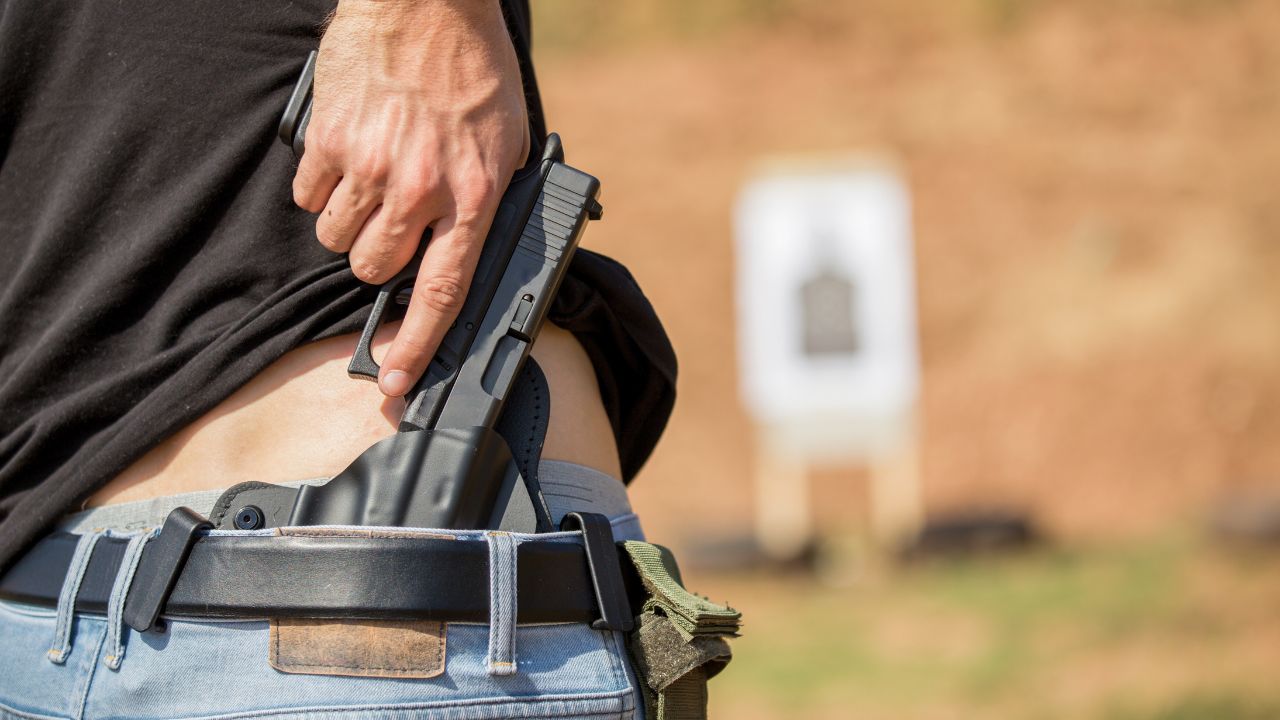
Most carriers get humbled by reholstering. They either experience a scary snag, see someone else have a close call, or realize how easily clothing can get into the holster. After a year, experienced carriers tend to reholster like adults: slow, deliberate, and with full attention. They stop reholstering fast because they realize there’s no reason to. Drawing quickly matters. Reholstering quickly does not. This is one of the habits that separates “new carry guy” from someone who actually carries responsibly. Experienced carriers also get more disciplined about their clothing: drawstrings, loose shirts, and layers that can snag become things they plan around instead of ignoring.
They test their carry ammo and stop trusting assumptions
Early on, many people load a magazine with defensive ammo and never fire it. After a year of real carry, most people either see malfunctions, hear enough stories, or simply get more serious and test their actual carry load through their actual mags. Experienced carriers tend to settle on proven duty-grade ammunition and then verify it runs. They also rotate ammo occasionally if they’re repeatedly chambering the same round, because setback is real. This is also where people start caring about low-flash powders and load behavior out of their barrel length, because they’ve spent enough time shooting their actual carry gun to notice what works and what doesn’t. One quality, widely trusted option that shows up at Bass Pro is Speer Gold Dot in common defensive calibers, and the reason it’s popular is consistency, not marketing drama. Again, the important habit is testing and verification, not brand worship.
They build simple practice habits that match real carry
After a year, most experienced carriers stop pretending that occasional slow-fire range trips are enough. They start doing short dry practice sessions focused on the skills that matter: clearing the garment, getting a real firing grip, presenting cleanly, and pressing the trigger without disturbing the sights. They also start practicing from realistic positions, like seated draws or awkward angles, because life isn’t a square range. The best carriers aren’t doing circus drills. They’re doing boring reps that directly match what carrying demands: one accurate hit quickly from concealment, safely, with repeatability. That’s the carry skill that matters, and year one usually teaches you whether you’re willing to build it or whether you were just collecting gear.
Like The Avid Outdoorsman’s content? Subscribe to our newsletter so you never miss an article.
Here’s more from us: