Photo credit: Dennis W Donohue/Shutterstock.com
Every deer season, someone shows up in camp bragging about using a cartridge that either kicks like a mule or couldn’t punch through a heavy coat at 50 yards. Deer aren’t bulletproof, but they’re tough animals that deserve a clean, ethical shot. Some calibers are either too light, too slow, or too punishing to make sense in the field anymore. Whether you’re dealing with poor accuracy, limited range, or lack of modern ammo choices, a bad caliber can make for a miserable season. If you want to tag deer cleanly without tracking them half a mile or nursing a bruised shoulder for a week, it’s time to retire these options.
.22 Long Rifle
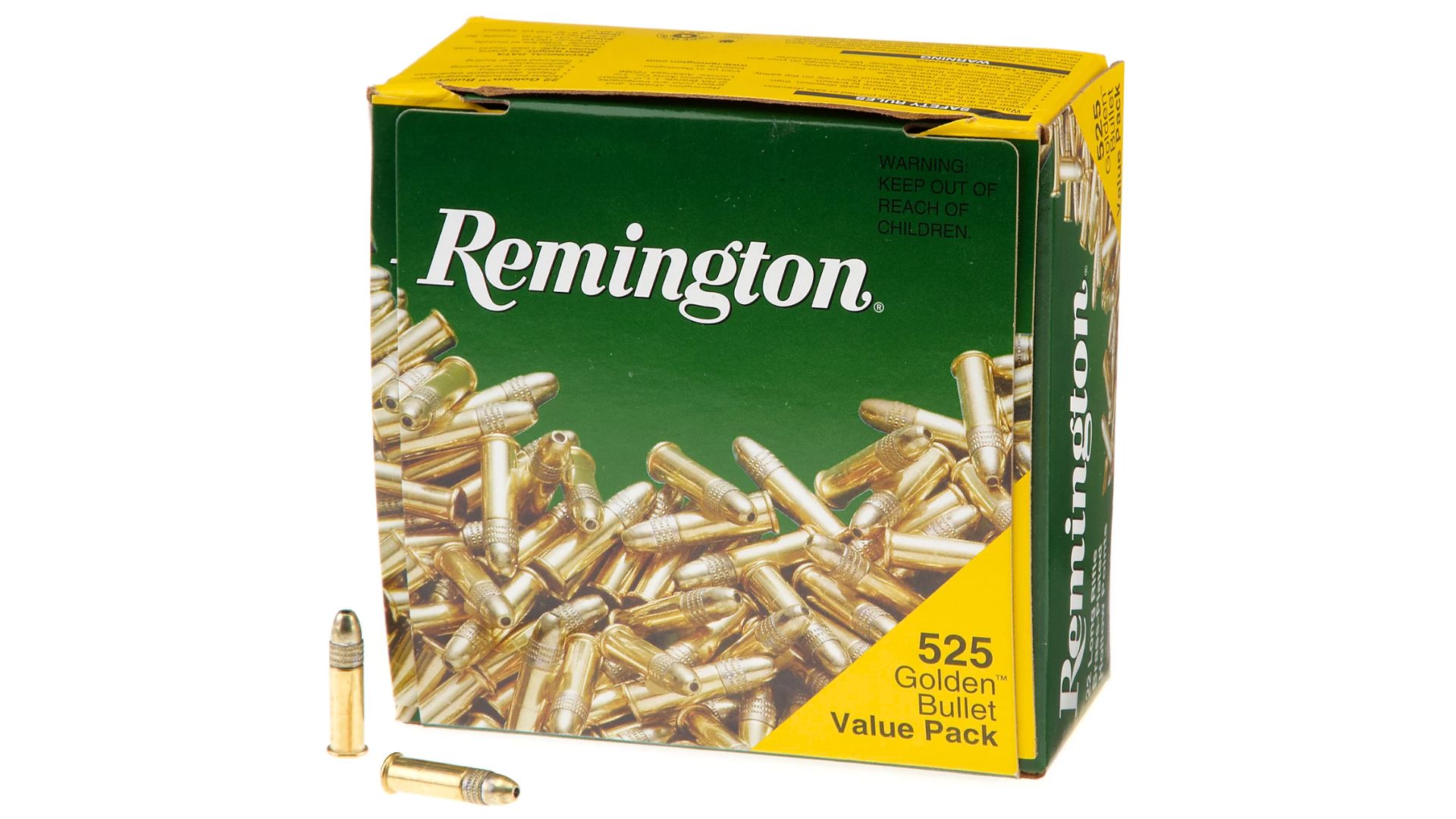
Yes, it can kill a deer, but that doesn’t make it a deer cartridge. The .22 LR lacks the velocity and energy needed for a clean, humane kill beyond small game. Hunters who try it often face poor penetration and unpredictable expansion. It’s illegal for deer in most states for good reason. Even with precise shot placement, it’s not reliable enough for ethical hunting. The .22 LR is a fine plinking or squirrel round, but it belongs nowhere near the deer woods. Stick to rifles that deliver the proper punch for the job.
.17 HMR
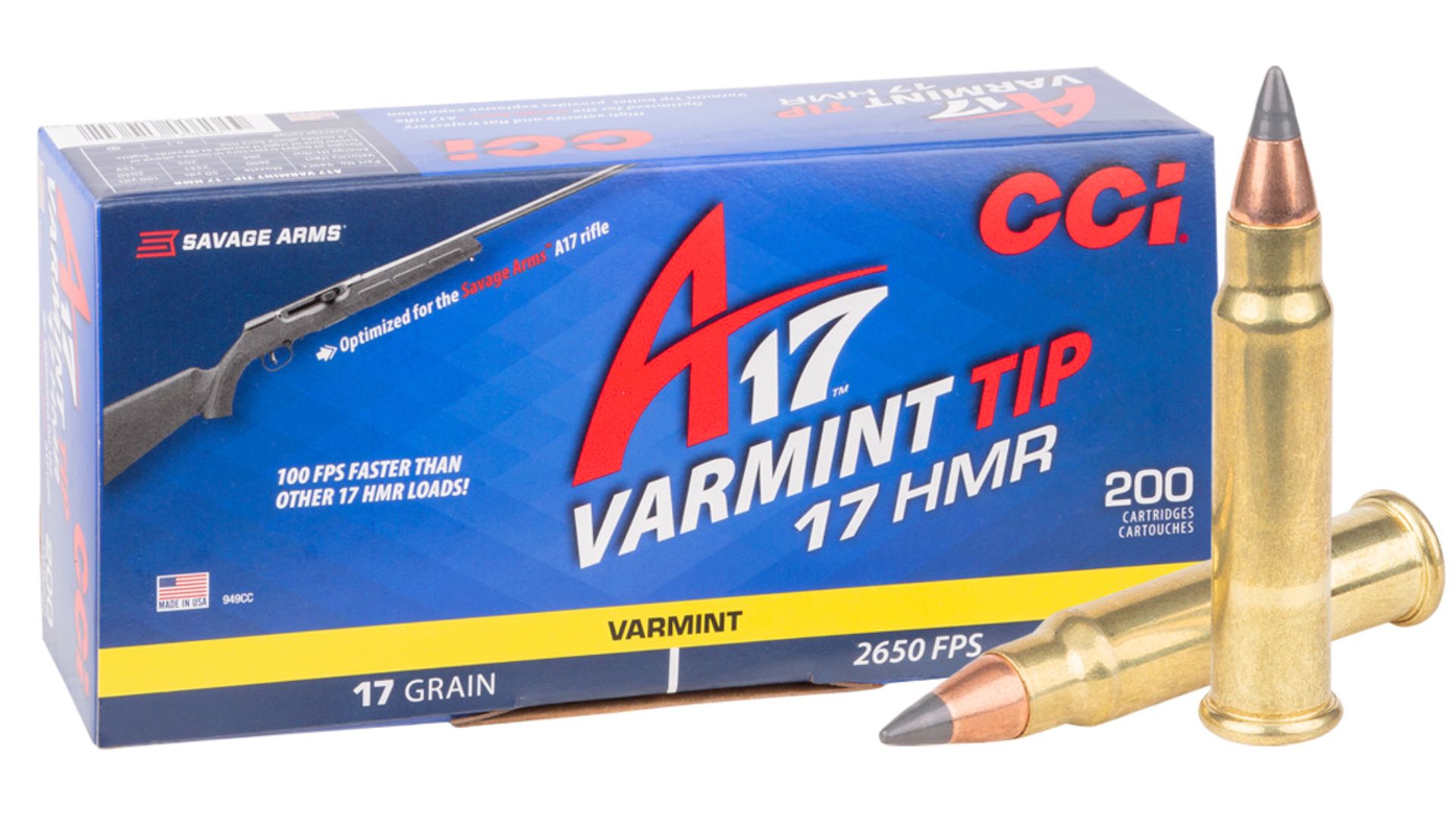
The .17 HMR was designed for varmints, not whitetails. Its tiny, lightweight bullet travels fast but lacks mass to penetrate deep. You might see impressive accuracy on paper, but that doesn’t translate to ethical performance in the field. The cartridge fragments on impact, often failing to reach vital organs. Even a perfect shot can end in a wounded deer and a long, frustrating blood trail. It’s a fun round for prairie dogs or groundhogs, but when deer season rolls around, leave the .17 HMR in the safe.
.22 Hornet
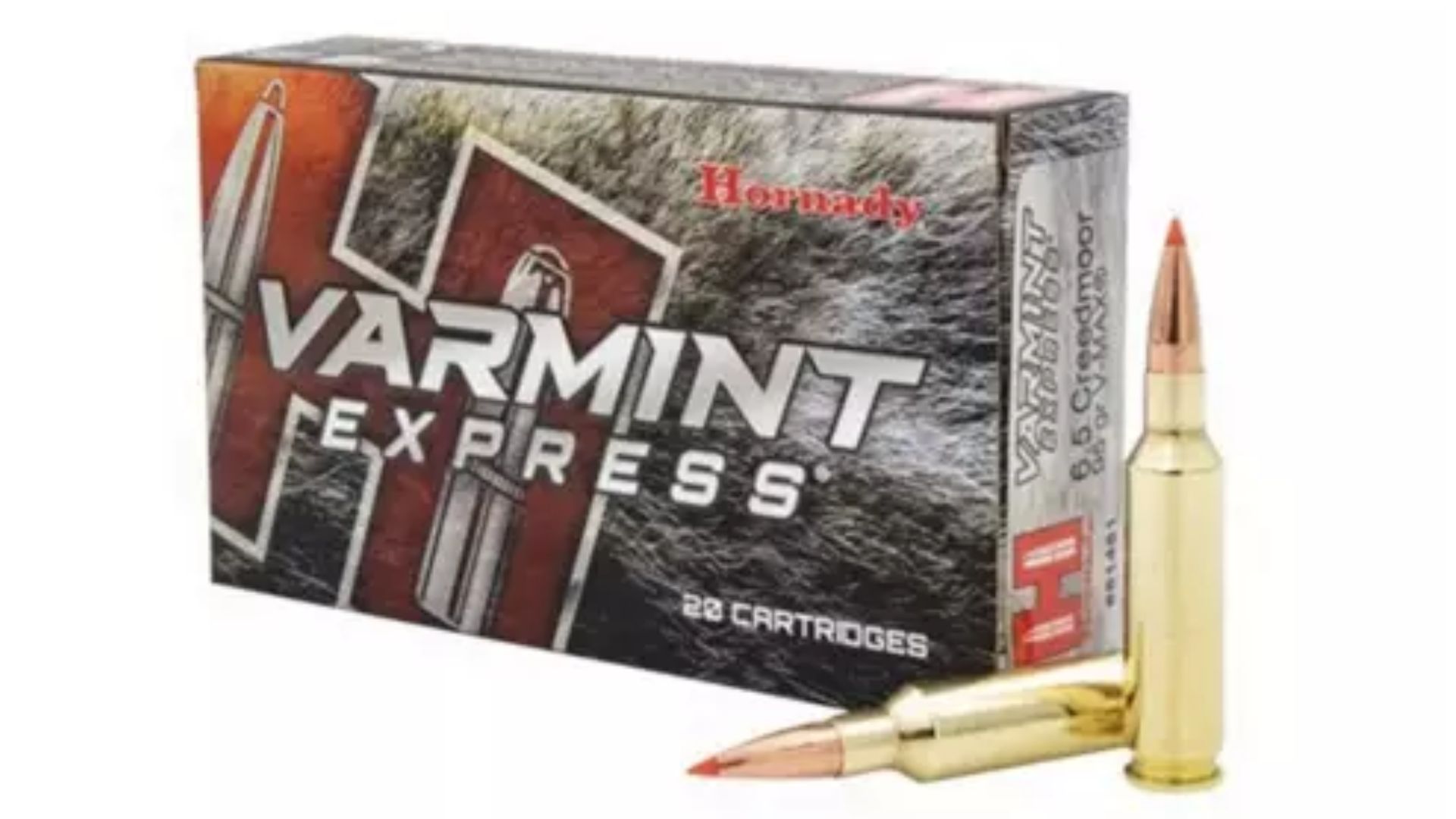
The .22 Hornet has nostalgic charm, but it’s well past its prime for deer hunting. With light bullets and modest velocity, it falls short on consistent penetration, especially through bone or shoulder shots. It was once popular when hunters had limited options, but today’s choices far surpass it. The Hornet shines on small predators, not on 150-pound deer. Even handloaders struggle to get reliable expansion without sacrificing integrity. It’s better suited to the trapline than the tree stand.
.204 Ruger

The .204 Ruger is a tack driver for coyotes, but it’s far too light for deer. Its high velocity gives the illusion of power, but those thin, fast bullets shatter on impact rather than penetrate. Hunters who’ve tried it on deer often end up with surface wounds and poor blood trails. It’s an excellent varmint round, no question, but it’s simply not built for medium-sized game. The energy and bullet construction just aren’t there for ethical deer hunting.
.30 Carbine
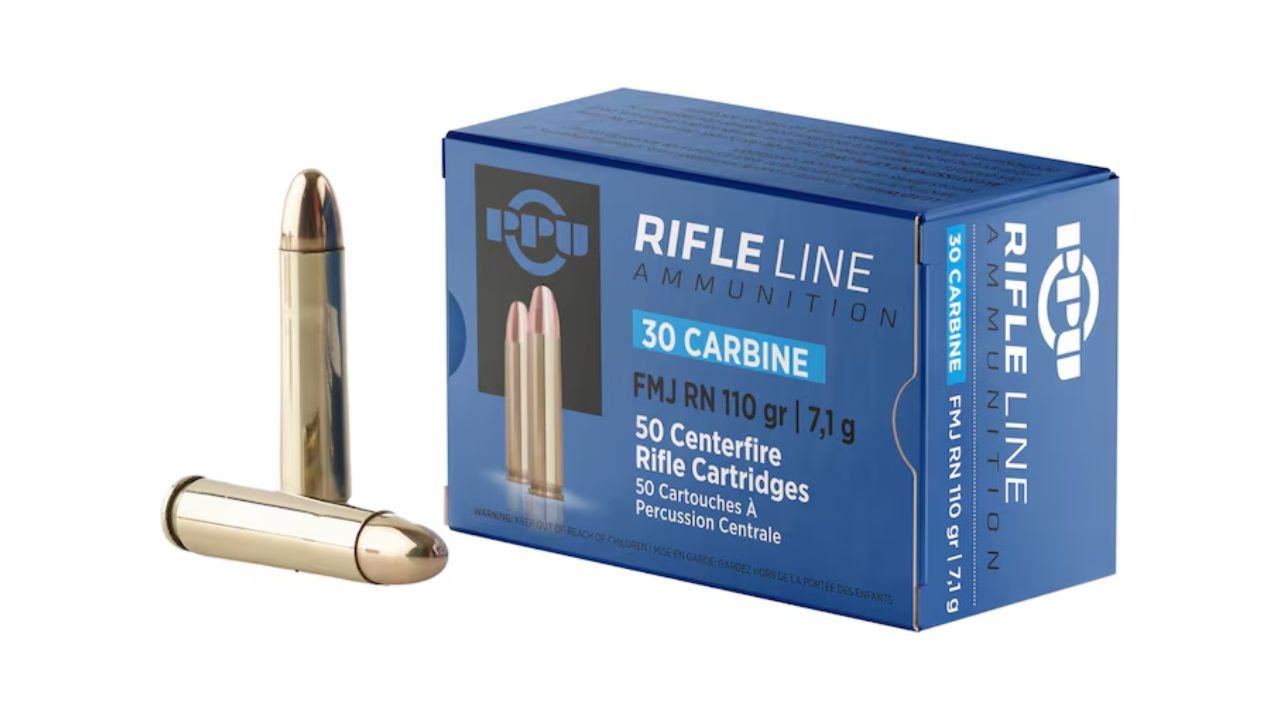
The .30 Carbine was built for close-range military use, not big game hunting. Its energy levels are roughly on par with a hot pistol round, and it loses steam quickly beyond 75 yards. The cartridge can take down smaller deer with precise placement, but it’s unreliable under real hunting conditions. The light bullet doesn’t expand well, and penetration is inconsistent. It’s fun to shoot and has historical value, but there are far better options for deer that don’t leave you guessing about terminal performance.
7.62x39mm
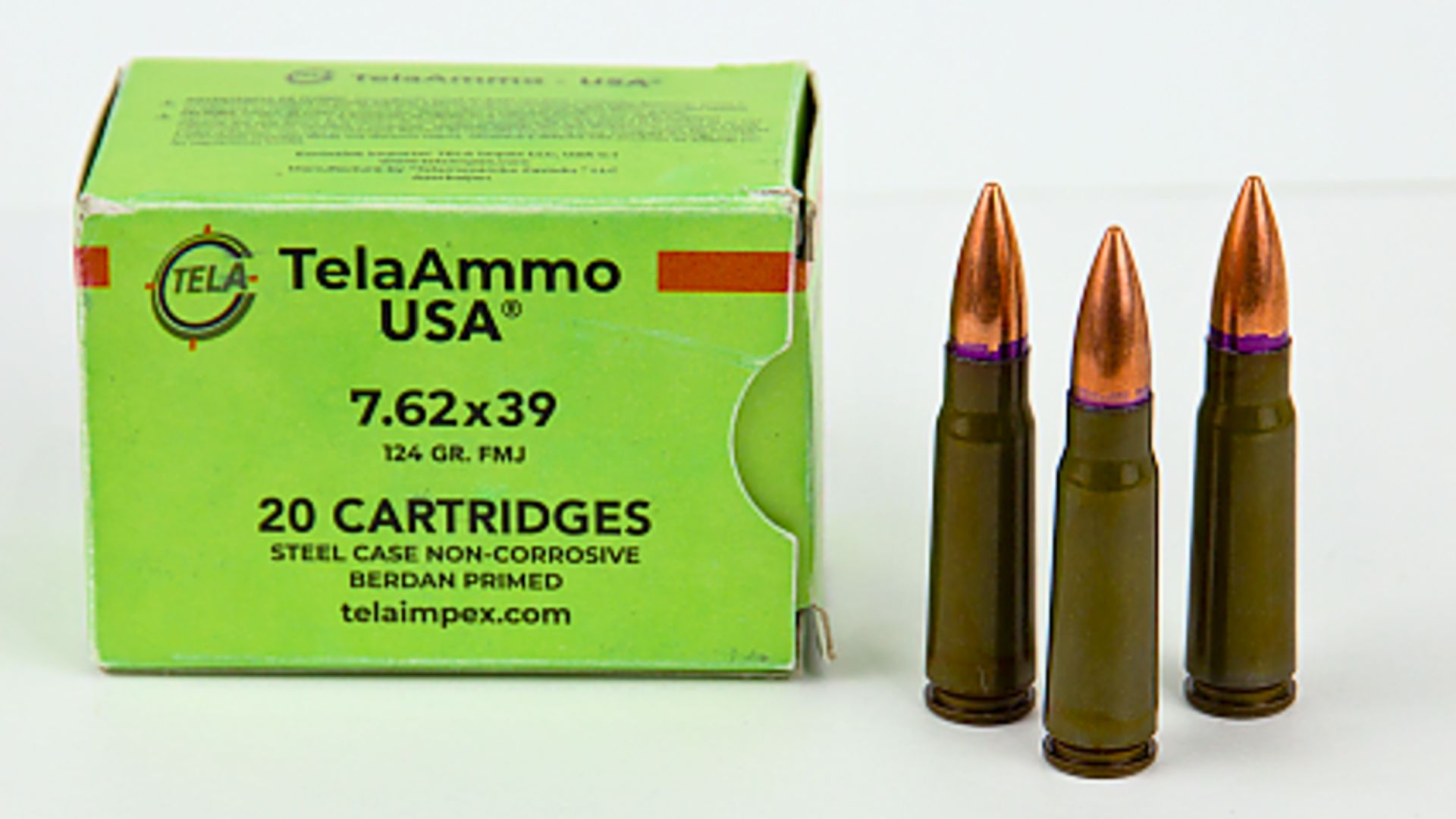
The 7.62x39mm has its place — mainly in self-defense or range fun — but it’s not ideal for deer hunting. While it offers similar ballistics to a .30-30 on paper, the cheap steel-case ammo most hunters use simply doesn’t perform well. Accuracy is spotty, bullet design is poor, and effective range is limited. It can work with premium soft points in a bolt gun, but that’s asking a lot from a round that wasn’t meant for hunting. Most deer deserve better than military-surplus accuracy.
.25-20 Winchester

The .25-20 Winchester was a marvel in its day but doesn’t belong in modern deer hunting. With muzzle energy that barely clears 1,000 foot-pounds, it simply can’t guarantee a clean kill. Its bullets are too light, its range too short, and expansion too inconsistent. Hunters 100 years ago made it work because they didn’t have better choices. You do. Keep the .25-20 for varmints or nostalgia, but don’t expect it to handle deer humanely.
.218 Bee
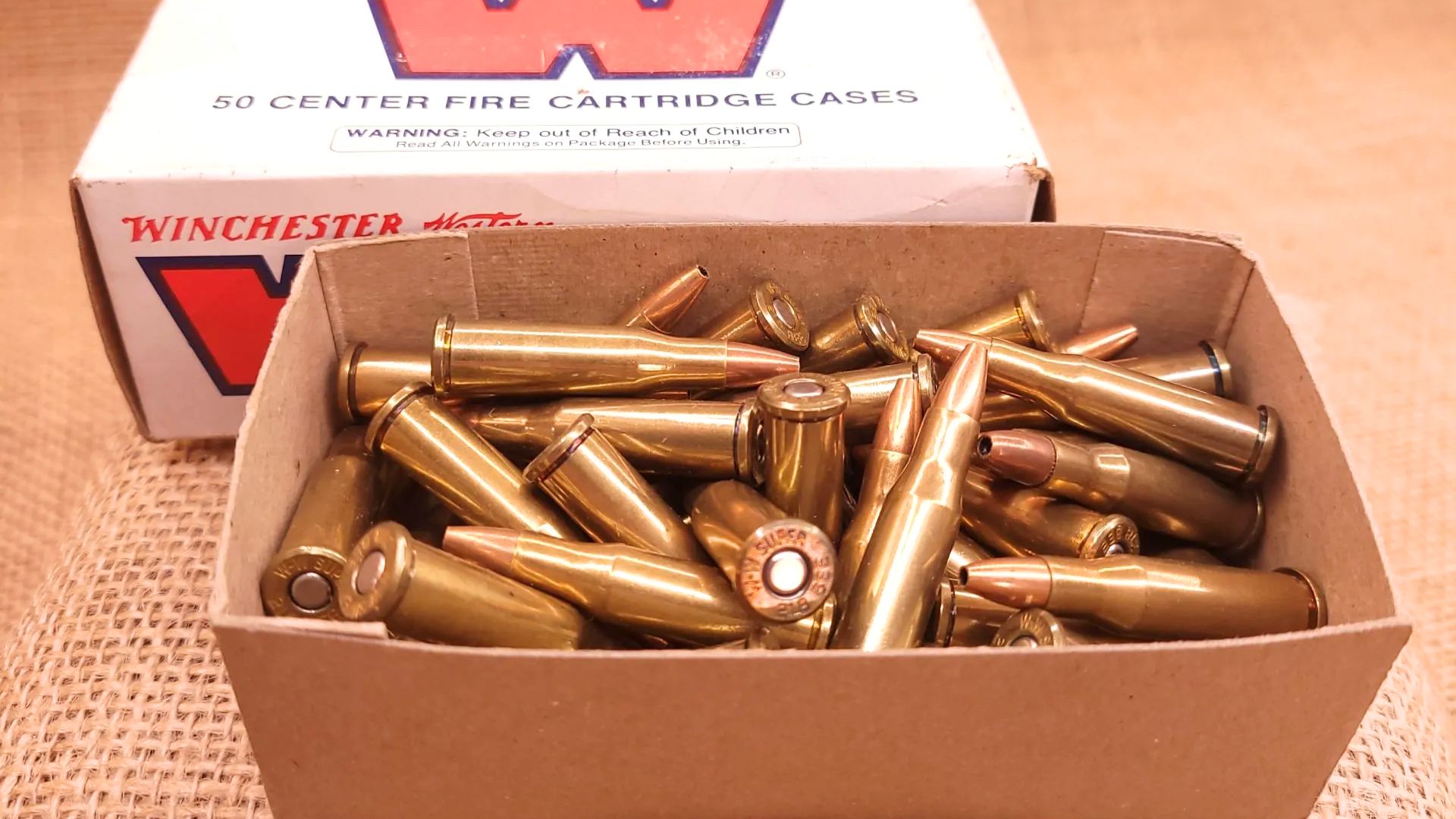
The .218 Bee is another varmint round that gets overmatched in the deer woods. It’s accurate and fun for small game, but the tiny bullet doesn’t carry enough energy or sectional density for whitetails. Even with handloads, penetration is questionable, and expansion is unreliable. It’s a cartridge that makes sense for foxes or coyotes, but not deer. If you want something with a similar trajectory but more power, move up to a .243 or .257 Roberts instead.
.22 Winchester Magnum Rimfire
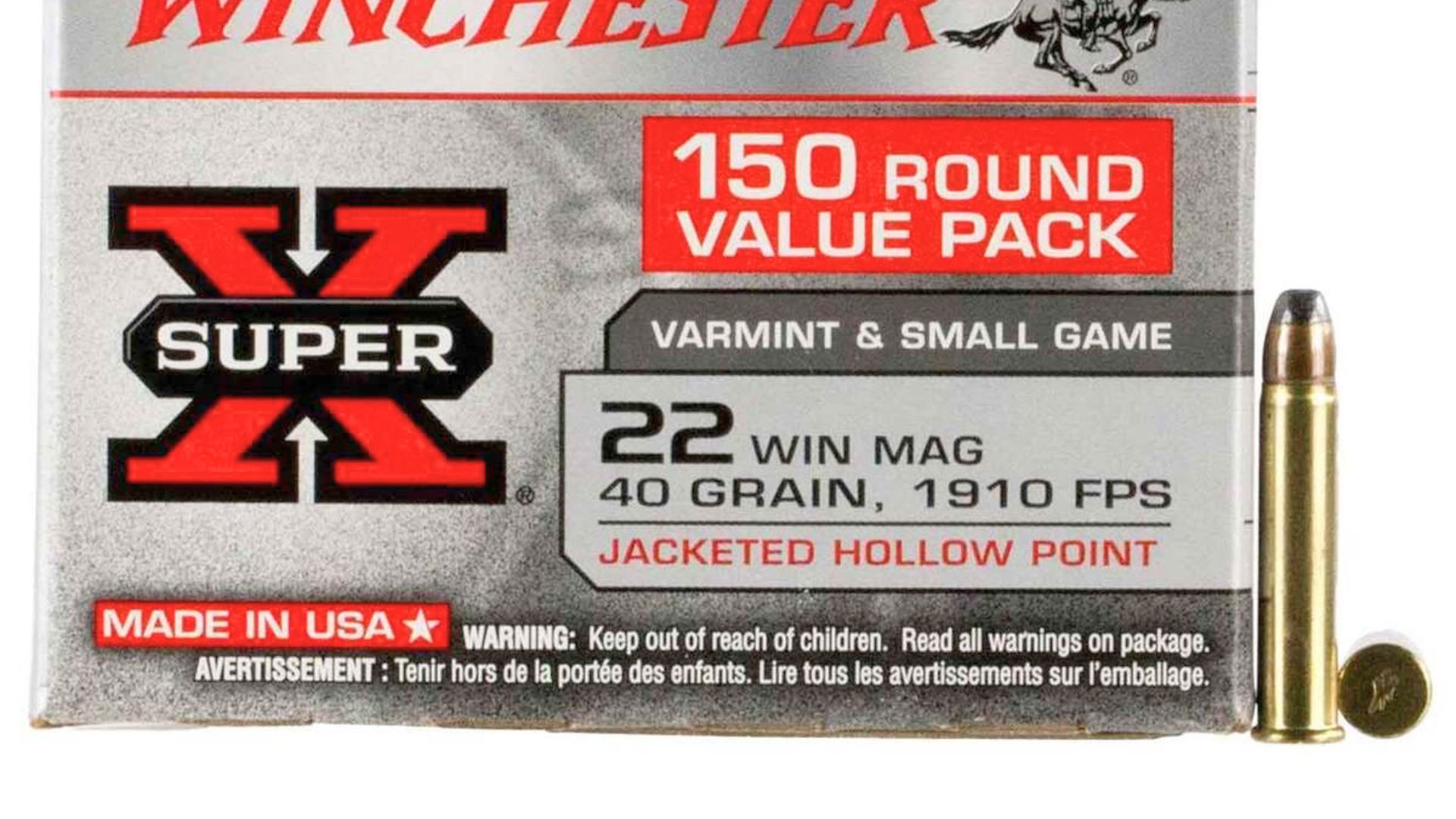
The .22 WMR has fooled a lot of hunters into thinking it’s powerful enough for deer. It’s not. While it hits harder than a .22 LR, it still falls well short of ethical standards for big game. Expansion is erratic, penetration shallow, and accuracy drops quickly at longer distances. Even under 75 yards, results are inconsistent. It’s a fine round for small predators or farm pests, but when it comes to deer, you’re simply undergunned.
.223 Remington

The .223 Remington can kill deer — plenty of people have done it — but that doesn’t mean it’s the right choice for most hunters. Light bullets and marginal energy make it unforgiving of bad shot placement. You need the perfect angle, the perfect bullet, and perfect discipline. Most hunters, especially in brush or unpredictable terrain, won’t have that luxury. Larger calibers leave room for error and guarantee cleaner kills. The .223 belongs with coyotes and hogs, not deer-sized game.
.300 Blackout

The .300 Blackout was designed for suppressed tactical use, not deer hunting. It’s efficient and quiet, but subsonic loads lack energy, and even supersonic versions don’t carry much range or stopping power. Expansion is unpredictable past 100 yards, and the drop in energy happens fast. It can take deer inside tight woodlots with premium ammo, but it’s far from ideal. It’s a specialized cartridge — good for what it was built for, but limited when it comes to ethical deer kills.
.30-40 Krag
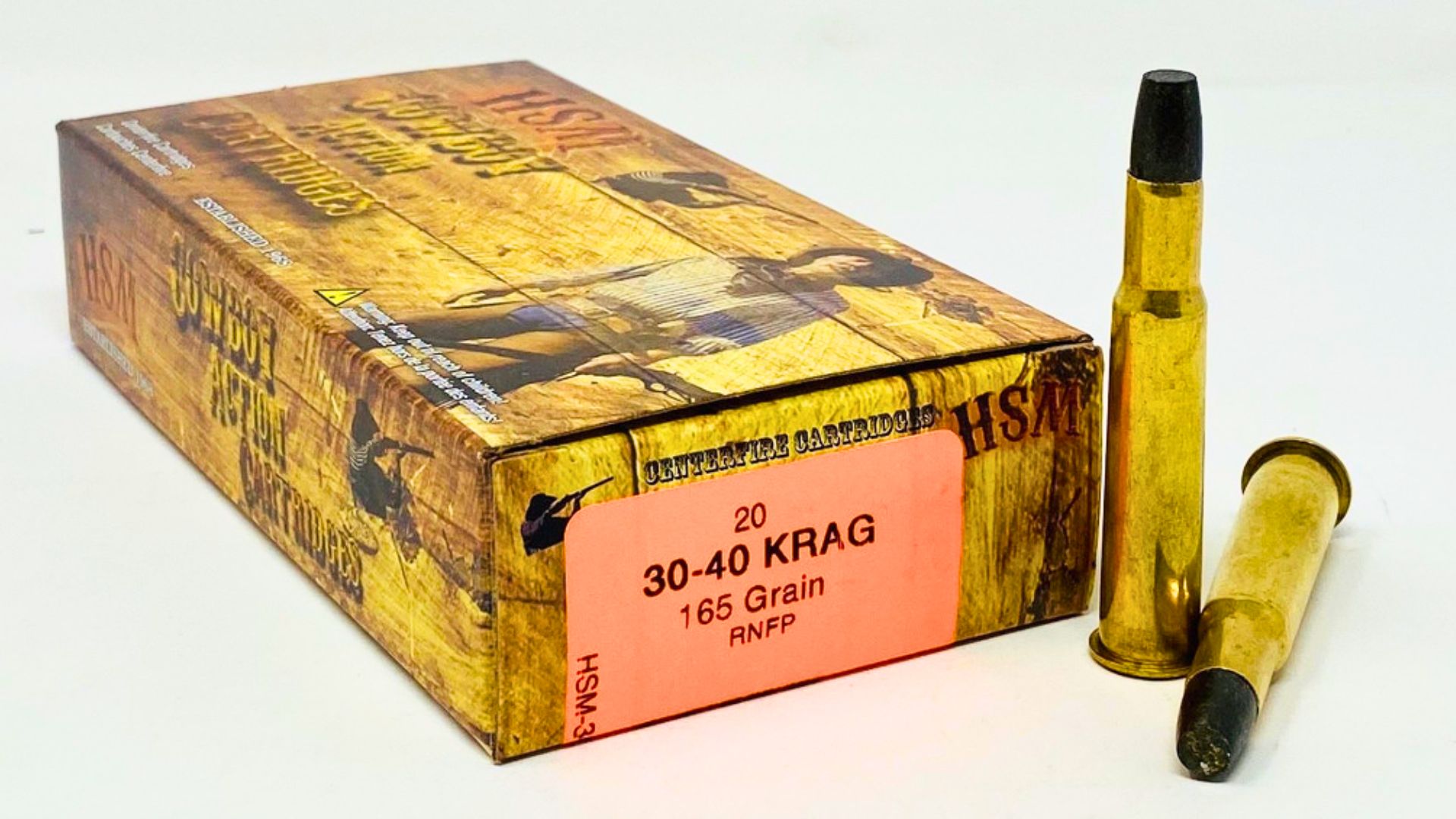
The .30-40 Krag helped put venison on the table for early hunters, but modern options have surpassed it in every way. Its mild pressure limits performance, and most factory loads are weak to protect old rifles. It’s accurate and smooth-shooting, but it drops fast at distance and lacks the energy modern hunters expect. It’s still a joy to shoot for nostalgia, but if you’re serious about filling a tag cleanly, the Krag’s time has passed.
.32 Winchester Special

The .32 Winchester Special is an oddball that never really found its place. It’s not as versatile as the .30-30, and factory ammo has become harder to find. Performance is marginal, especially with older soft-point loads that don’t expand reliably. You can still hunt deer with it, but you’re fighting against outdated ballistics and limited ammo selection. It was never bad, but today it’s outclassed by nearly every modern hunting round in its class.
.45 ACP

While it might be tempting to carry your .45 into the woods, it’s not a deer hunting round. Even with +P loads or carbine conversions, the .45 ACP simply doesn’t have the energy or range for clean kills. It’s designed for defense at close quarters, not hunting medium-sized game. You’ll run into problems with penetration and expansion every time. It’s a great sidearm caliber, but if you want to take deer ethically, reach for a rifle that can reach out further and hit harder.
.35 Remington (With Old Factory Loads)

The .35 Remington used to be a respected deer round, but outdated factory loads have made it underwhelming. Many of the bullets designed decades ago don’t expand well and drop energy too quickly at distance. Handloaders can bring it back to life, but off-the-shelf ammo often feels underpowered. It’s still viable in modern rifles with updated bullets, but if you’re relying on old stock, you’re better off switching to something more consistent. The cartridge deserves respect, but it needs modern ammo to earn it.
Like The Avid Outdoorsman’s content? Be sure to follow us.
Here’s more from us:
The worst deer rifles money can buy
Sidearms That Belong in the Safe — Not Your Belt
*This article was developed with AI-powered tools and has been carefully reviewed by our editors.