Photo credit: BankingBum – CC BY-SA 3.0/Wiki Commons
A lot of gun models don’t “fall off” because they were bad. Most of them fade because the market moves on, the next thing gets pushed harder, and attention shifts to whatever is newest, lightest, or most modular. Meanwhile, plenty of older standbys keep doing exactly what they always did—running well, shooting straight, and fitting real hands better than some of today’s trendy options.
If you’ve been around gun shops long enough, you’ve seen it happen. A pistol that used to get recommended to everyone starts collecting dust in the used case. A rifle that was once a default deer gun gets replaced by something flashier. None of it means those guns stopped working. It usually means the conversation changed. These are the models that used to be loved, and now barely get mentioned—until you shoot one again and remember why they caught on in the first place.
Ruger P95

The Ruger P95 used to be the “buy it once and forget it” 9mm for people who didn’t care about trends. It wasn’t sleek, it wasn’t light, and it didn’t win any beauty contests. What it did do was run, even when it was dirty, dry, and fed whatever cheap ammo you could find.
Now it’s almost invisible because the market shifted toward thinner polymer guns with nicer triggers and better sights. But the P95 still has that brick-simple durability and a shape that soaks up recoil better than you’d expect. If you want a no-drama range gun that can also live in a nightstand, it’s still hard to argue with one—especially when you see what they cost used.
Smith & Wesson 5906
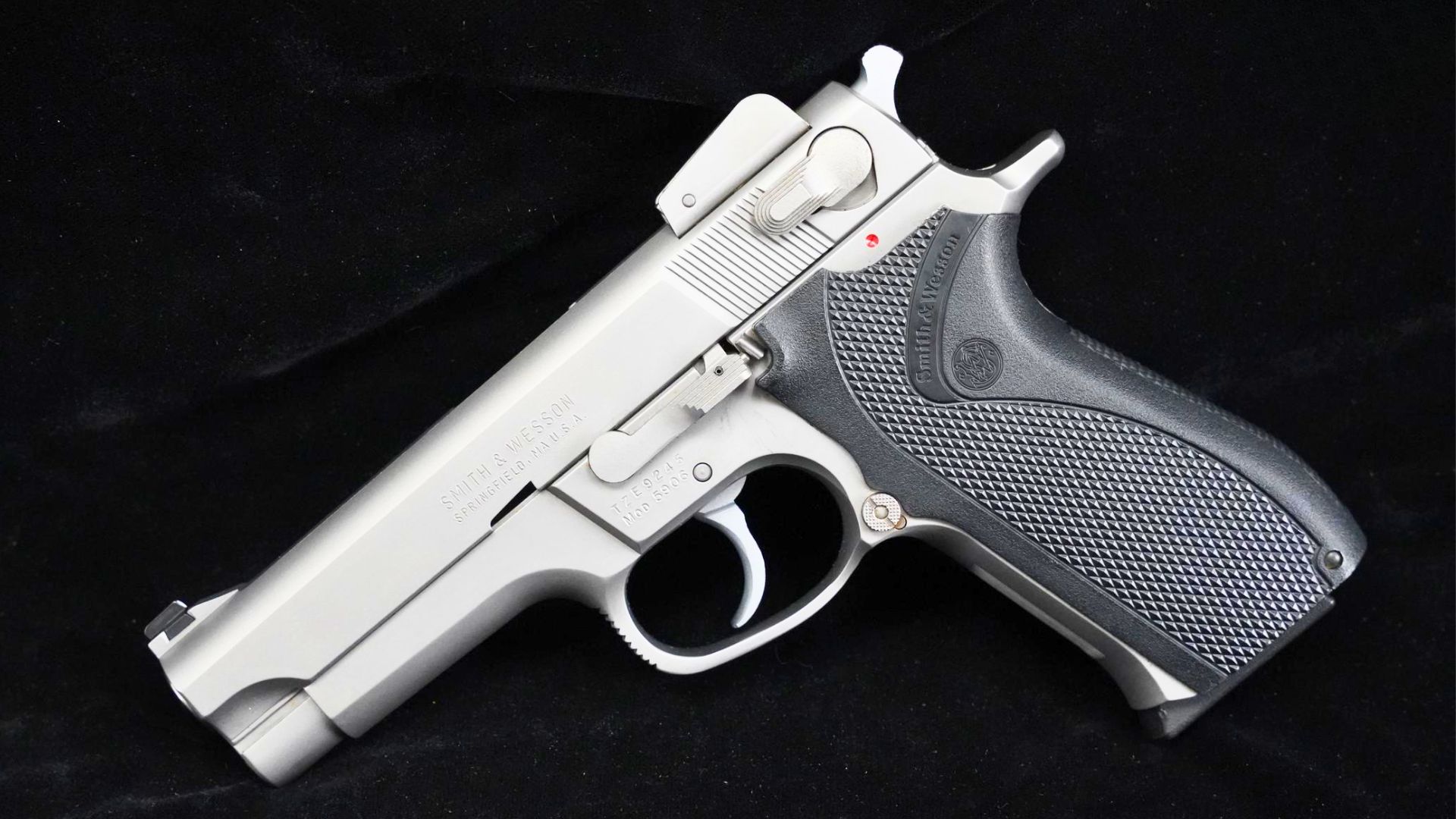
There was a time when the 5906 felt like the future: stainless, high-capacity, and built like it was meant to survive a career. Plenty of agencies trusted them, and for good reason. They feed well, they last, and they handle recoil in a way that makes rapid strings feel easy.
These days, most shooters walk past them because they’re heavy and they don’t fit the modern “optics-ready, striker-fired” mold. That’s exactly why they’re worth remembering. The 5906 is a pistol you can shoot hard without it feeling disposable. When you pick one up, you feel the weight and the stability right away. It’s an old service gun that still acts like one.
Beretta PX4 Storm
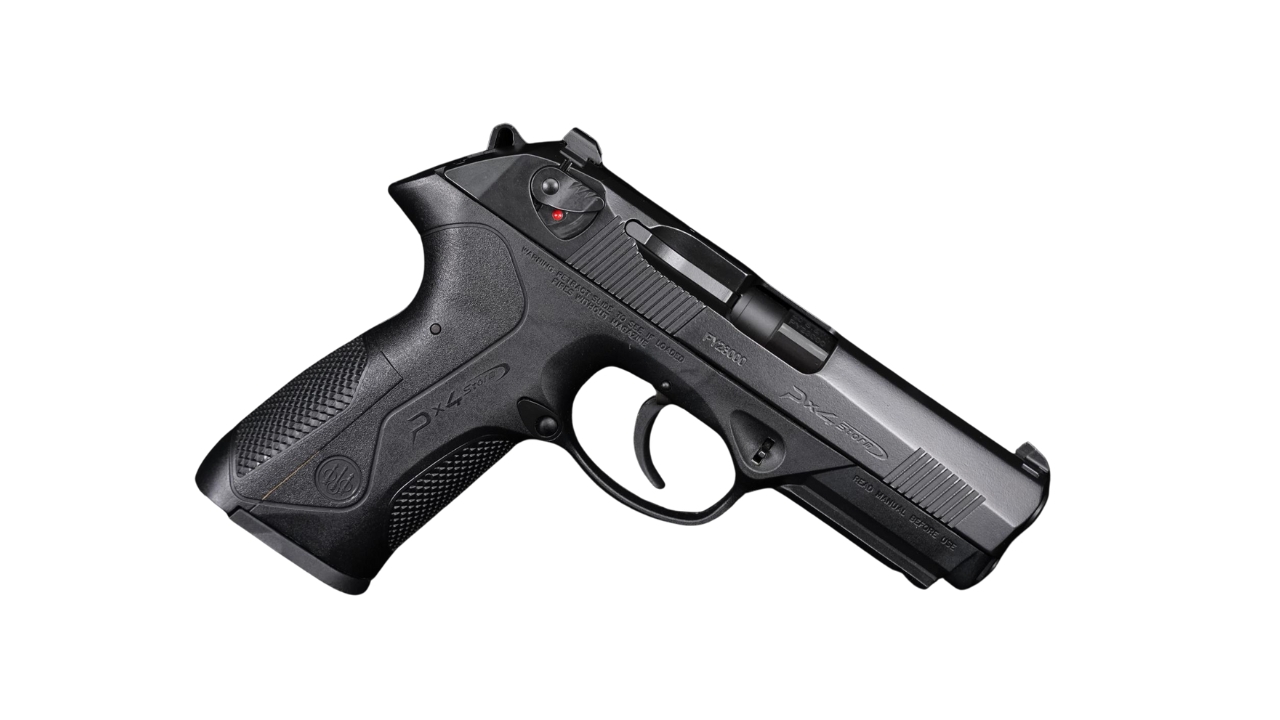
The Beretta PX4 Storm had a real moment, and then it quietly slid out of the conversation. That’s a shame, because the rotating barrel system actually does what it’s supposed to do—take some snap out of recoil and make the gun feel flatter than a lot of comparable 9mms and .40s.
What pushed it aside was mainly timing. Striker-fired pistols took over, and the PX4’s looks never helped it win popularity contests. But as a shooter, it’s better than most people remember. The grip fits a lot of hands, the gun tracks smoothly, and it stays controllable when you’re moving fast. If you care more about shooting performance than internet popularity, the PX4 still deserves respect.
SIG Sauer P239

The SIG P239 used to be a very common answer when someone wanted a slim, serious carry gun that didn’t feel like a compromise. It carried easily, it shot like a real pistol, and it had that older SIG feel—solid, smooth, and built with intention.
Then the market exploded with micro-compacts, and the P239 got treated like a relic. The funny part is that it still solves a real problem. It’s thin, stable, and easy to shoot well under pressure, which matters more than having the newest magazine geometry. The P239 isn’t trendy, but it’s honest. If you’ve ever carried all day and actually practiced with what you carry, you understand why this one used to have a following.
Springfield Armory XD (original XD-9)

Before “Glock clones” became a whole category, the original Springfield XD-9 was a big deal. It gave people a striker-fired 9mm that felt good in the hand, pointed naturally, and ran well without needing a bunch of upgrades. Plenty of shooters bought them, trusted them, and shot them hard.
Now the XD line gets overshadowed by newer guns with better triggers and easier optics mounting. That doesn’t erase what the original XD did right. The grip safety bothers some folks, but it also gave others peace of mind during reholstering. The gun is still a straightforward shooter that works. If you find one in good shape, you’re looking at a pistol that used to be everywhere for a reason.
Remington 742 Woodsmaster

The Remington 742 Woodsmaster was once a very normal deer rifle in a lot of camps. Semi-auto .30-06 power, quick follow-ups, and a familiar feel made it popular with hunters who wanted speed without running a bolt.
The reason nobody talks about them now is also real: many of them got shot a lot, run dry, and never cleaned properly, and that can lead to issues—especially with worn rails and extraction. But a well-kept 742 that hasn’t been abused can still do the job inside normal whitetail distances. The point is that it was loved because it filled a need. It faded because people stopped maintaining them like they mattered.
Winchester Model 100

The Winchester Model 100 is one of those rifles you used to see in the woods regularly, especially in .308 Win. It handled well, carried easy, and gave hunters a semi-auto option with classic Winchester looks.
Today, it’s mostly a “oh yeah, those” gun, and that’s partly because semi-auto hunting rifles fell out of favor and partly because of age and parts availability. But the Model 100 still has a charm that modern rifles don’t. It shoulders naturally and feels like a hunting rifle, not a tactical project. If you find one that’s been cared for and runs right, it’s a reminder that Winchester once made semi-autos that hunters actually wanted.
Ruger M77 Mark II

The Ruger M77 Mark II used to be one of the most trusted “buy it and hunt” bolt guns out there. Controlled-round feed, real-world durability, and Ruger’s reputation for building rifles that could take abuse made it a steady choice for hunters who didn’t want to baby their gear.
Now it gets less talk because the market is flooded with cheaper rifles that shoot well out of the box, and because everyone’s chasing lighter stocks and detachable mags. The M77 Mark II didn’t disappear because it failed. It disappeared because it didn’t need a marketing refresh to do its job. It’s still a rifle you can drag through brush, bang around in a truck, and depend on when the shot finally shows up.
Browning A-Bolt

The Browning A-Bolt had a stretch where it felt like every serious deer hunter either owned one or wanted one. They were smooth, accurate, and easy to carry, and they came with that Browning polish that made you feel like you bought something better than average.
Then the X-Bolt took the spotlight, and the A-Bolt became yesterday’s news. That’s how it goes. But the A-Bolt still has a slick bolt throw and a refined feel that holds up. A good A-Bolt in a practical cartridge is the kind of rifle that stays in families because it never gives a reason to sell it. People stop talking about them because they’re already sitting in the rack, doing the same job every season.
Marlin 336 (pre-Remington)

The Marlin 336 used to be a default lever gun—especially in .30-30—before lever guns became a full-blown trend again. They were common, affordable, and trusted. You’d see them in pickup racks, behind doors, and in deer camps where shots were close and fast.
Now, everybody talks about lever guns, but the conversation often focuses on the newest tactical versions or the most expensive limited runs. That leaves the older 336s oddly under-discussed considering how many deer they’ve put down. A good pre-Remington 336 still cycles smoothly and carries like it belongs in the woods. It’s the kind of rifle that didn’t get worse. It just got quieter while people chased shinier things.
Colt 1991A1

The Colt 1991A1 was once a very popular way to get into a real Colt 1911 without paying for a fancy rollmark or custom work. It was plain, it was serviceable, and it delivered the Colt name with a straightforward feel that a lot of shooters appreciated.
Now, the 1911 world is crowded with options, and the 1991A1 doesn’t get much attention unless you’re already a Colt guy. That’s exactly why it fits here. It’s a legit, practical Colt that still shoots like a 1911 should. If you’ve handled enough “budget” 1911s that feel rough or inconsistent, the 1991A1 stands out as a gun that was built to be used, not just posted online.
Smith & Wesson Model 4013

Back in the .40 S&W era, the Smith & Wesson 4013 was a common service-style pistol that people trusted. It wasn’t glamorous, but it was reliable, easy to run, and built with that older S&W confidence.
Then .40 fell out of fashion, and a lot of its best pistols got tossed into the used case and ignored. The 4013 is one of those. If you shoot it with decent ammo and pay attention to your grip, it’s still a capable handgun with a very straightforward manual of arms. The reason it’s not talked about now is mostly cultural, not mechanical. People moved on. The gun didn’t suddenly stop working.
Ruger Redhawk (5.5-inch .44 Magnum)

The Ruger Redhawk used to be a very common “serious revolver” choice—especially in .44 Magnum—because it was tough, simple, and strong enough for heavy loads. It wasn’t the lightest, and it wasn’t refined like some other wheelguns, but it earned trust by surviving hard use.
Now, revolver talk tends to swing toward trendy carry snubs or high-end collector pieces, and the Redhawk gets left out of the conversation. That’s funny, because it still makes a lot of sense as a backcountry revolver if you actually shoot what you carry. The Redhawk’s weight helps, the durability is real, and it’s the kind of gun you can live with for decades without worrying about it.
Browning Hi-Power Mk III

The Browning Hi-Power Mk III used to be a “cool guy” pistol that also happened to shoot extremely well. It had the lines, the history, and the feel—especially the way it points and settles in your hand. It was a classic that didn’t feel like a museum piece.
Then the modern pistol world shifted hard toward polymer, optics, and lighter triggers, and the Hi-Power became something people admired more than they bought. That’s the difference. But the Mk III is still a shooter’s gun. If you’ve ever run one side-by-side with newer pistols, you notice how natural it is to present and track. It got quiet because it isn’t modern. It never got quiet because it can’t perform.
Remington Model 7

The Remington Model 7 was a favorite among hunters who wanted a compact bolt gun that carried well in thick cover. It was light without feeling flimsy, and it handled like it was made to be carried all day rather than shot off a bench.
Now, the market is jammed with compact rifles, and the Model 7 gets overlooked unless someone already knows what it is. That’s exactly why it belongs here. The Model 7 is a practical hunting rifle with a real track record, and it still makes sense in cartridges like .243 Win, 7mm-08, or .308 Win. If you hunt hard and walk a lot, you appreciate a rifle that doesn’t fight you. The Model 7 never did. People just stopped mentioning it.
Like The Avid Outdoorsman’s content? Subscribe to our newsletter so you never miss an article.
Here’s more from us: