Photo credit: Erik Mandre/Shutterstock.com
When you’re deep in bear country, carrying the right sidearm caliber can mean the difference between getting home safe and not getting home at all. Rifles are great when you’ve got both hands free, but a handgun is the last line of defense when a bear charges from the brush. The key is stopping power — you need a caliber that penetrates thick hide, dense muscle, and bone. Recoil, capacity, and controllability all play a role, but power matters most. Here are the handgun calibers that give you a real chance if things ever get too close for comfort.
.44 Magnum

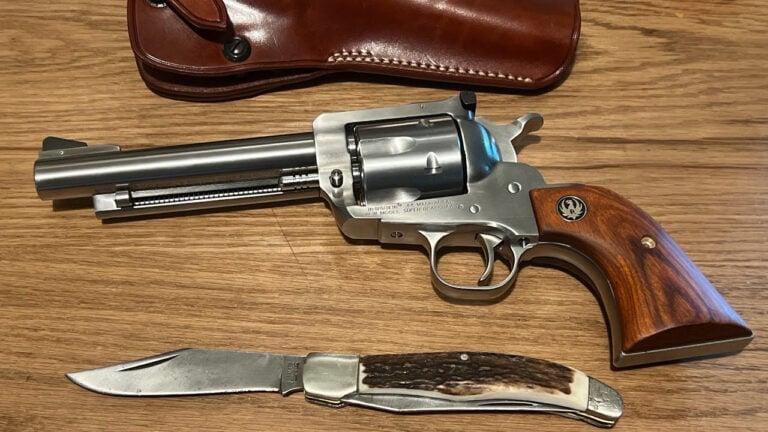
The .44 Magnum is the go-to bear defense caliber for a reason. It delivers tremendous stopping power and deep penetration, even through heavy bone and fat. Loaded with hard-cast bullets, it can reach vital organs on the biggest bears. Revolvers like the Ruger Super Redhawk or Smith & Wesson Model 629 handle the pressure and recoil well, especially with longer barrels. It’s not for everyone — the recoil is stout, and follow-up shots are slower — but few calibers have proven themselves in the field as consistently.
10mm Auto

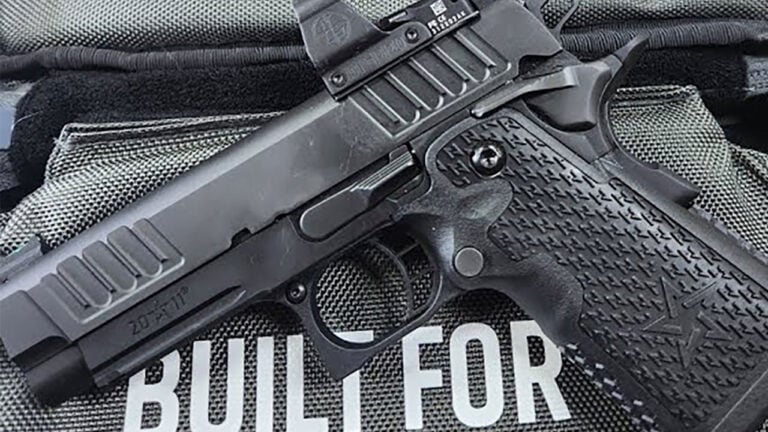
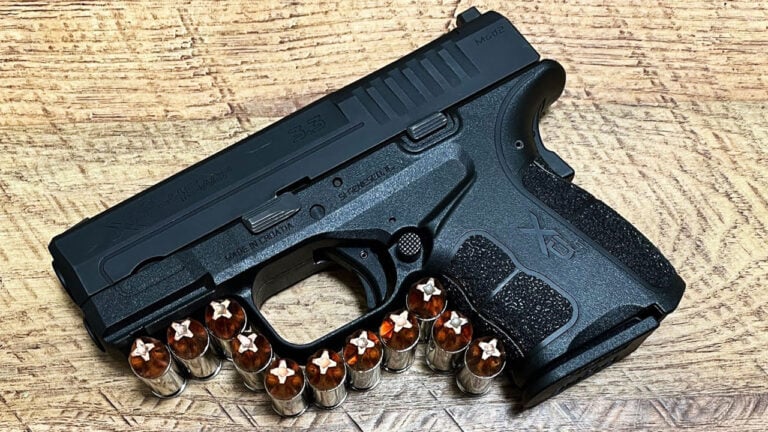
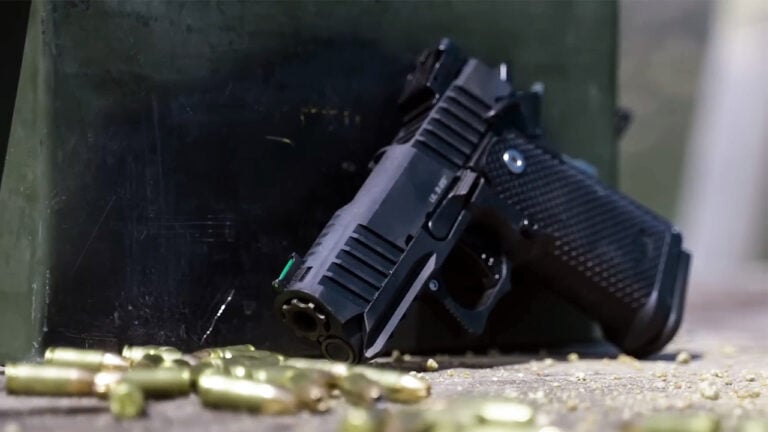
The 10mm Auto has earned its reputation as a powerful semi-auto option for bear country. It delivers high velocity and excellent penetration, especially with hard-cast or solid copper loads. Pistols like the Glock 20 and Springfield XD-M 10mm offer higher capacity and faster follow-ups compared to big revolvers. It’s manageable with practice, and modern ammunition has made the 10mm more capable than ever. It strikes a balance between power and control that makes it one of the most practical bear defense choices.
.454 Casull
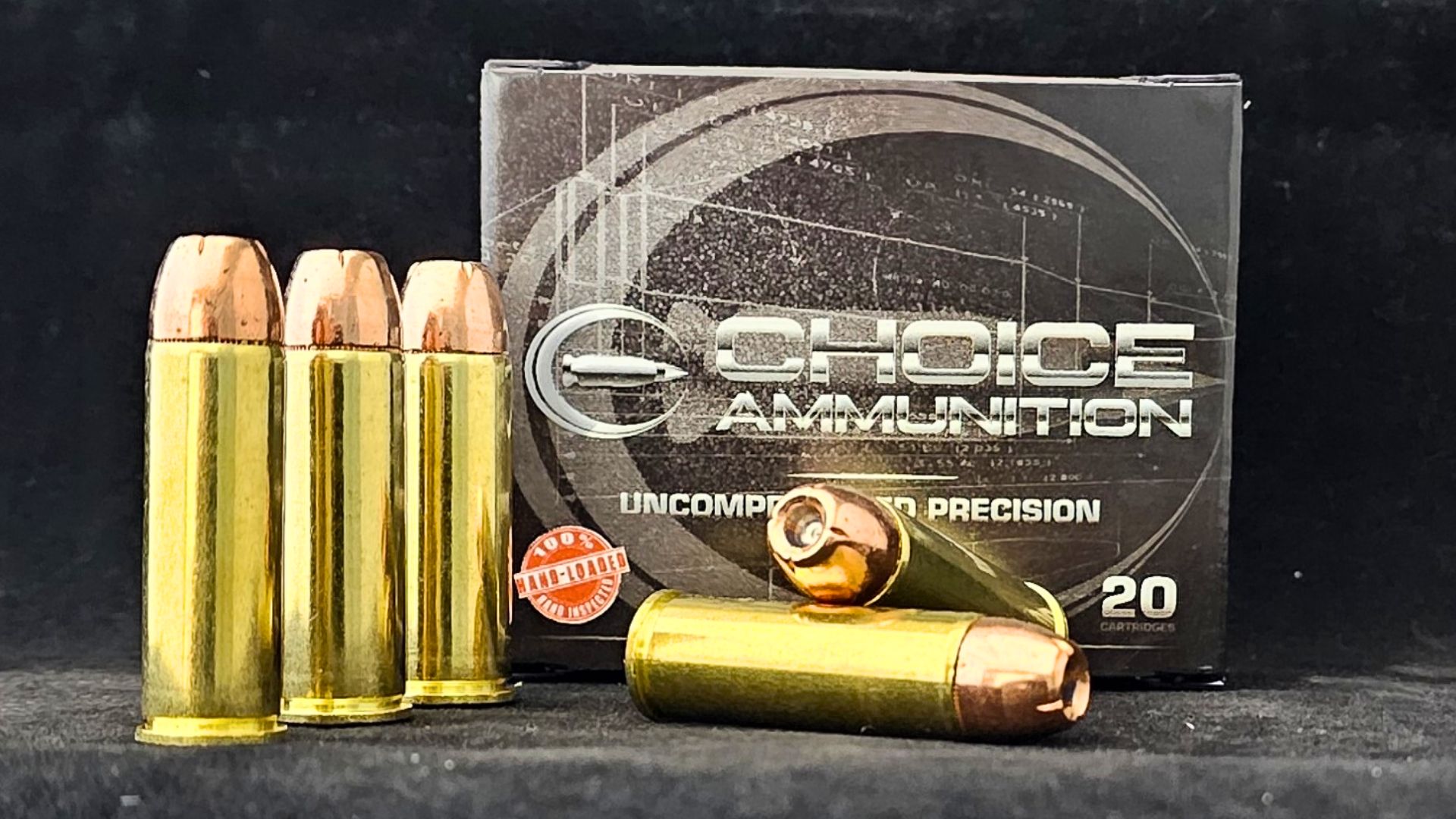
When you’re dealing with big coastal brown bears or interior grizzlies, the .454 Casull is a caliber that commands respect. It’s brutally powerful — launching heavy bullets at high velocity with deep, straight-line penetration. The recoil is intense, but in a revolver like the Ruger Super Redhawk Alaskan, it’s still controllable for experienced shooters. The .454 has more energy than a .44 Magnum and can handle the largest bears on the continent. It’s not fun to shoot, but it’s built for moments when fun isn’t the point.
.357 Magnum

While some call it light for bear defense, the .357 Magnum still earns a spot on the list for hunters who can shoot it well. With heavy, hard-cast bullets, it penetrates deeply and can stop a smaller black bear with well-placed shots. It’s also easier to control and quicker to get back on target than the larger magnums. A six-inch revolver like the Ruger GP100 or S&W 686 can deliver serious punch in skilled hands. It’s not ideal for grizzlies, but it’s reliable and accurate for those who carry what they can shoot best.
.500 S&W Magnum
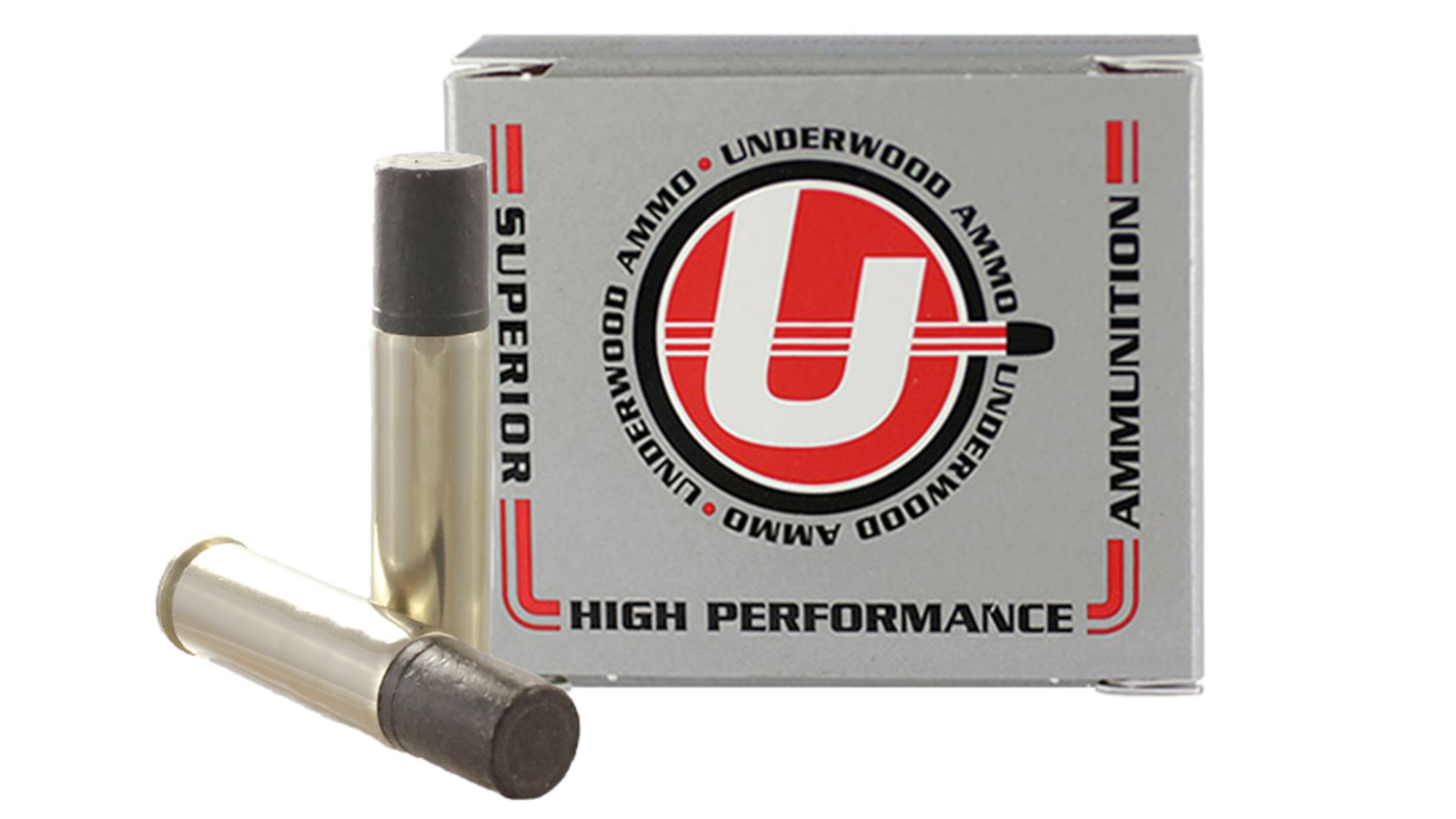
If you’re looking for the most power you can pack into a revolver, the .500 S&W Magnum sits at the top. It’s an absolute powerhouse designed for maximum penetration and shock. It’s heavy, it kicks like a mule, and it’s not practical for everyone — but it will stop anything that walks North America. Revolvers like the Smith & Wesson Model 500 are built to handle the recoil, though they’re not easy to carry all day. It’s overkill for most black bears but the right kind of overkill when grizzlies are around.
.41 Magnum

The .41 Magnum sits neatly between the .357 and .44 in power, offering a strong balance of penetration and manageable recoil. It’s accurate, hard-hitting, and flat-shooting — traits that make it an underrated choice for those who like revolvers but don’t want punishing recoil. With modern ammunition, it’s fully capable of stopping a charging bear at close range. Guns like the Ruger Blackhawk or Smith & Wesson Model 57 make it a pleasure to shoot while still offering real defensive strength in the field.
.45 Colt (Loaded Hot)

In its standard form, the .45 Colt isn’t a bear stopper. But when loaded to higher pressures in strong revolvers like the Ruger Blackhawk, it becomes a serious defensive round. Heavy hard-cast bullets can match or even exceed .44 Magnum energy levels with less recoil snap. The big, slow bullet creates deep wound channels and consistent penetration. It’s old-school power that still works, provided you’re using the right handloads or +P factory ammo designed for strong modern guns.
.460 S&W Magnum
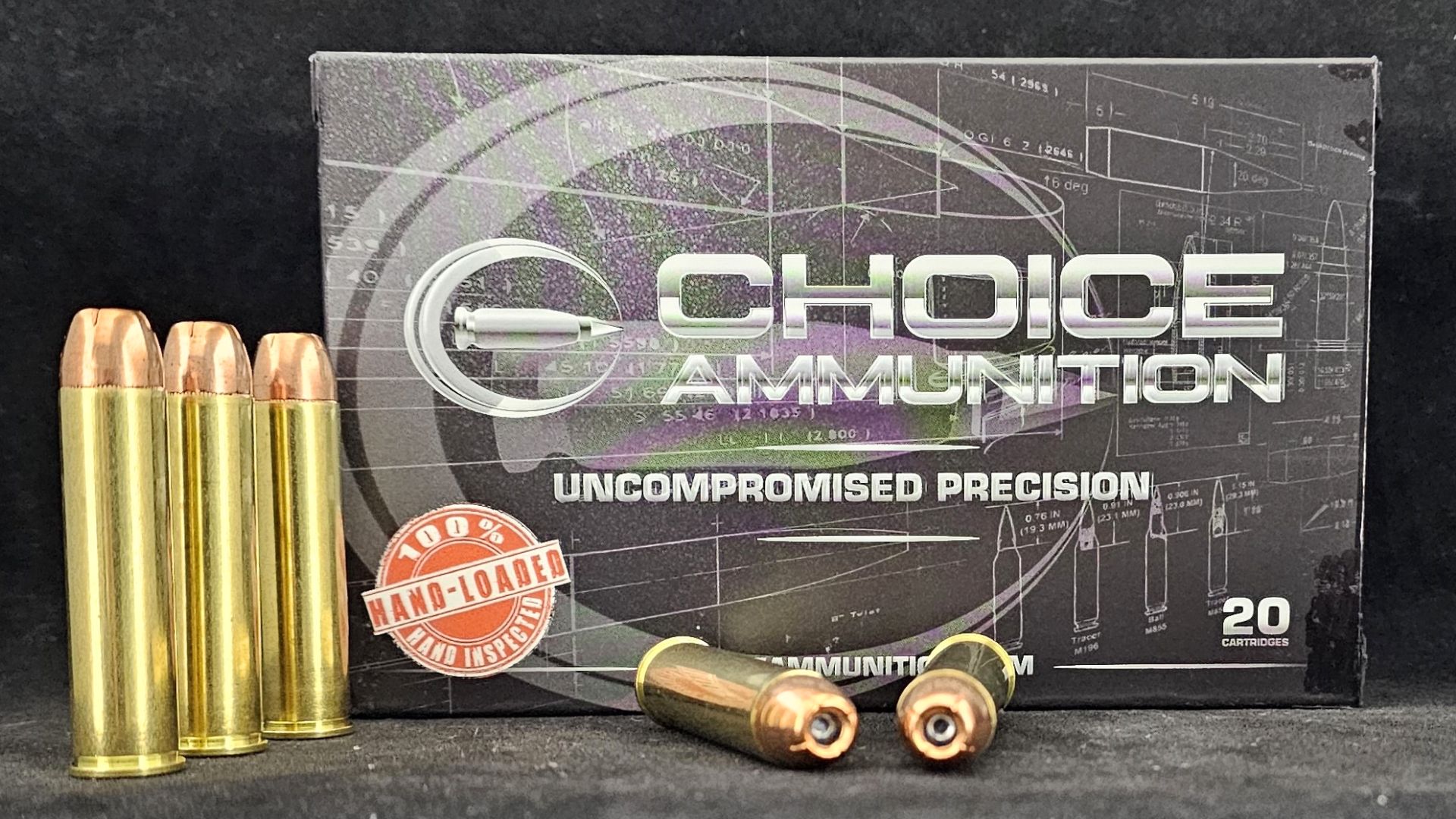
The .460 S&W Magnum is a monster round capable of pushing 300-grain bullets past 2,000 feet per second. It’s flat-shooting, hits with tremendous authority, and can take down any bear that walks. The revolvers chambered for it — like the Smith & Wesson XVR — are large, but surprisingly controllable for their power. The best part is versatility; you can also shoot .454 Casull and .45 Colt in the same gun for practice or lighter carry days. It’s the ultimate do-it-all revolver caliber for serious hunters.
.44 Special (in Magnum Revolvers)
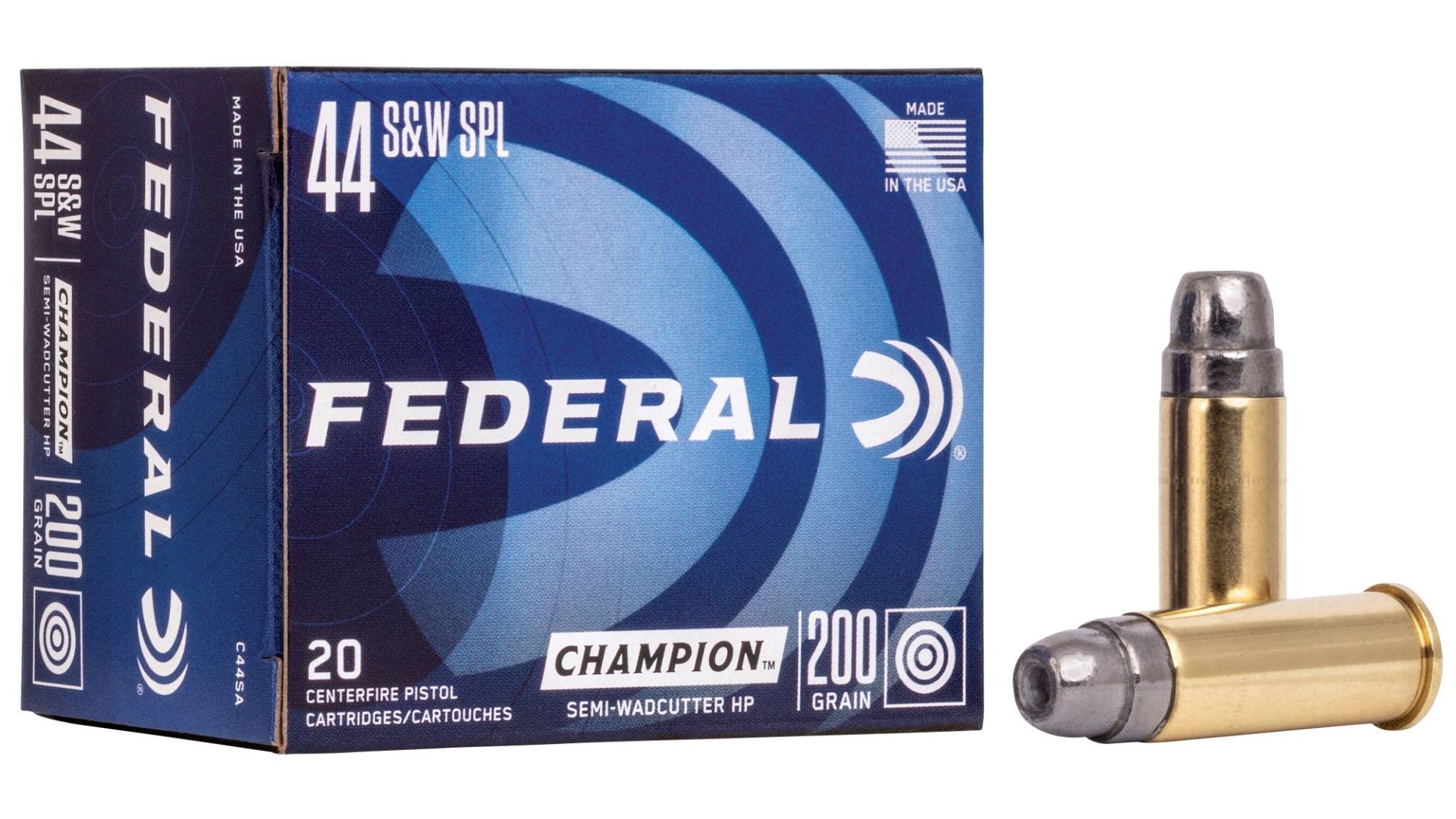
The .44 Special isn’t a dedicated bear defense round, but it earns a mention for training and backup use. When fired from a .44 Magnum revolver, it’s far easier to control while still offering decent penetration and energy. It’s ideal for practice or as a secondary load when recoil management is a concern. In an emergency, it’s not ideal for large bears, but with solid bullets and good shot placement, it can still save your hide. Think of it as a controllable companion, not the main event.
.480 Ruger

The .480 Ruger was designed as a big-bore revolver round with power close to the .475 Linebaugh but with slightly less recoil. It launches heavy bullets at moderate speeds, delivering deep, bone-breaking penetration without punishing the shooter as much as a .500 S&W. The Ruger Super Redhawk chambered for it is a favorite among experienced hunters who want serious stopping power that’s still shootable. It’s not as common as other calibers, but it’s every bit as effective for stopping bears up close.
.45 ACP +P (in Heavy Pistols)
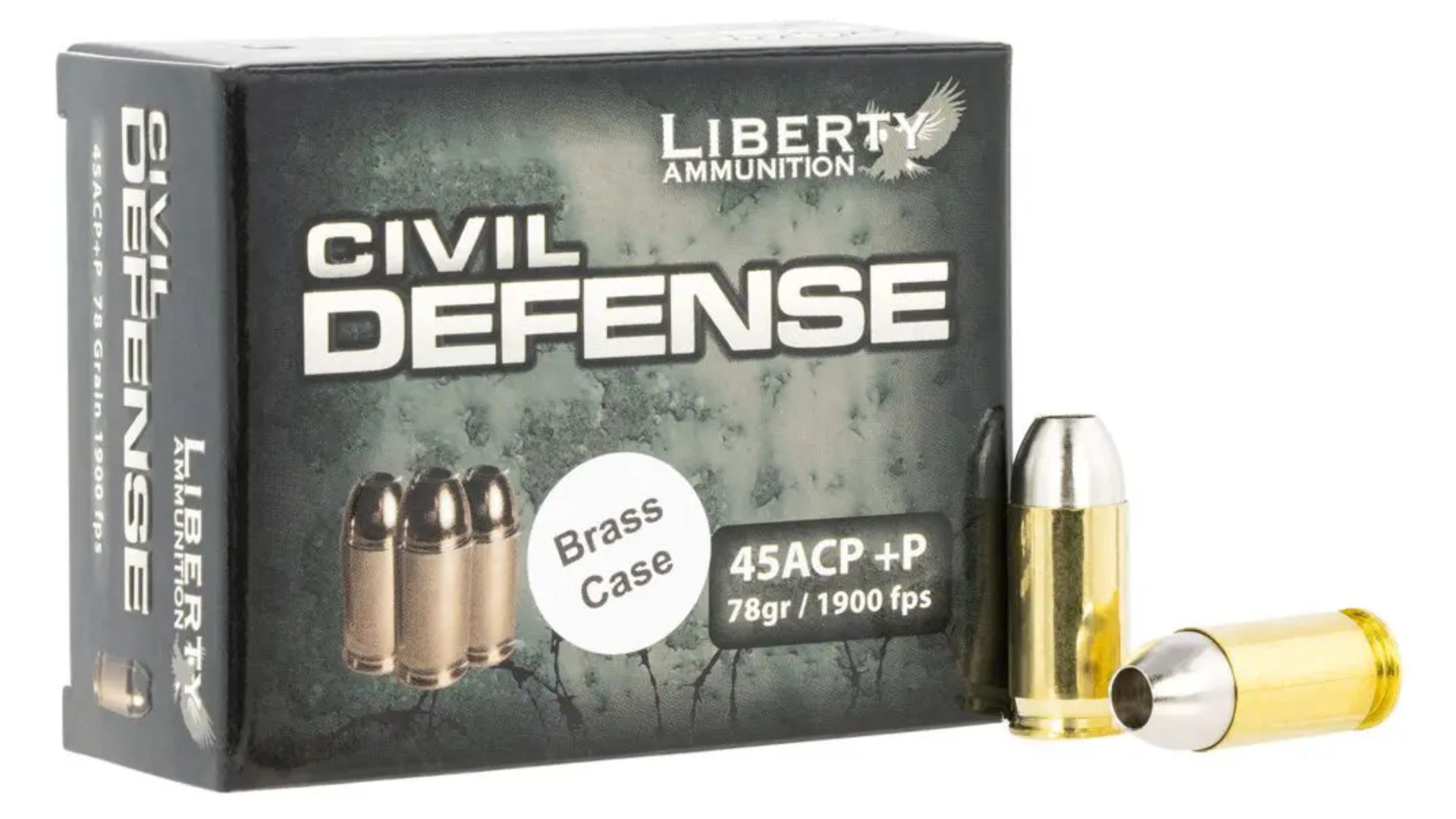
The .45 ACP isn’t a bear gun by nature, but when loaded hot with +P ammo and fired from a strong platform like the FNX-45 Tactical, it can offer decent short-range defense. It’s not ideal for large bears but can stop smaller black bears if you’re accurate and close. The limited penetration makes it a last-resort choice, but some hunters who already carry a .45 prefer it over nothing. If it’s your only option, use hard, non-expanding bullets and focus on precision.
.44 Auto Mag
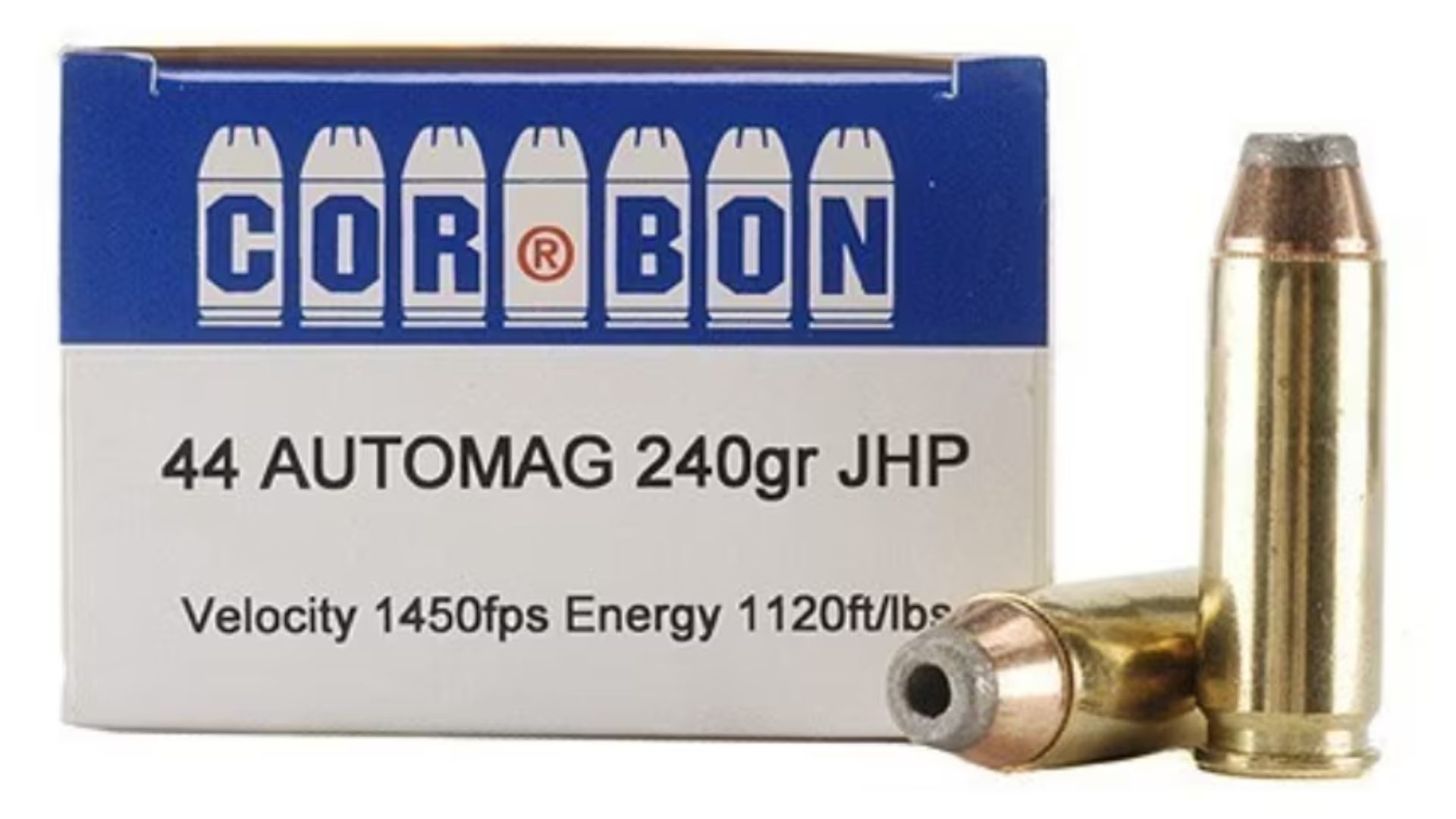
The .44 Auto Mag is rare but deserves a mention for its power and semi-auto design. It fires bullets comparable in energy to the .44 Magnum but with faster follow-ups. It’s hard to find and not for casual shooters, but it’s a capable bear defense round in the right hands. The pistol itself is heavy and expensive, but it delivers serious power from a semi-auto platform — something most hunters will never need, but those who own one know exactly what it’s for.
.357 SIG (With Proper Ammo)

The .357 SIG is fast and penetrates well, but it’s on the lighter end of bear defense calibers. It can work with hard-cast or monolithic bullets in an emergency, especially for black bears. Pistols like the Glock 31 or SIG P320 chambered in .357 SIG offer speed and control, but shot placement becomes critical. It’s better than nothing, but not ideal when you’re sharing the woods with big grizzlies. Still, its velocity and flat trajectory make it surprisingly capable in the right conditions.
.475 Linebaugh
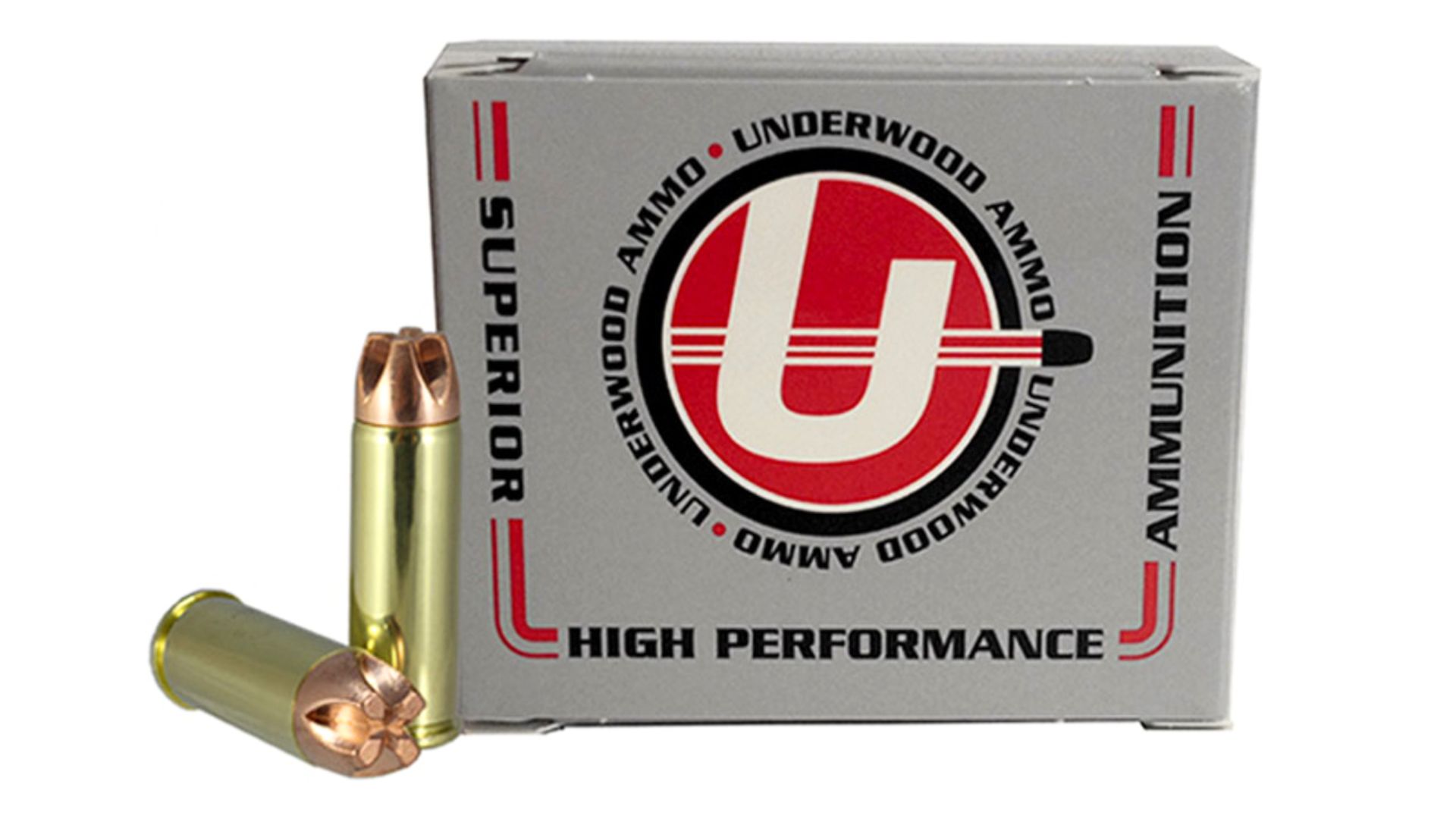
The .475 Linebaugh is one of the heaviest-hitting revolver cartridges ever designed. It’s built for dangerous game, capable of driving massive bullets through bone and dense tissue. It’s not a cartridge for the faint of heart — recoil is fierce — but it’s effective. Custom revolvers from Freedom Arms or Magnum Research handle the round best. For hunters who spend serious time in big bear country and want maximum power in a compact package, the .475 Linebaugh delivers the kind of authority that ends fights fast.
9mm +P (as a last resort)

The 9mm isn’t ideal for bear defense, but it’s better than empty hands. With +P hard-cast loads, it can penetrate reasonably well on smaller bears. Modern handguns like the Glock 17 or SIG P226 offer high capacity and fast follow-up shots, which helps if shot placement is perfect. That said, the 9mm lacks the energy and momentum needed to stop a large grizzly. It’s a caliber of convenience — better than nothing when you already carry it, but not something you’d pick if you had a choice.
Like The Avid Outdoorsman’s content? Be sure to follow us.
Here’s more from us:
The worst deer rifles money can buy
Sidearms That Belong in the Safe — Not Your Belt
*This article was developed with AI-powered tools and has been carefully reviewed by our editors.