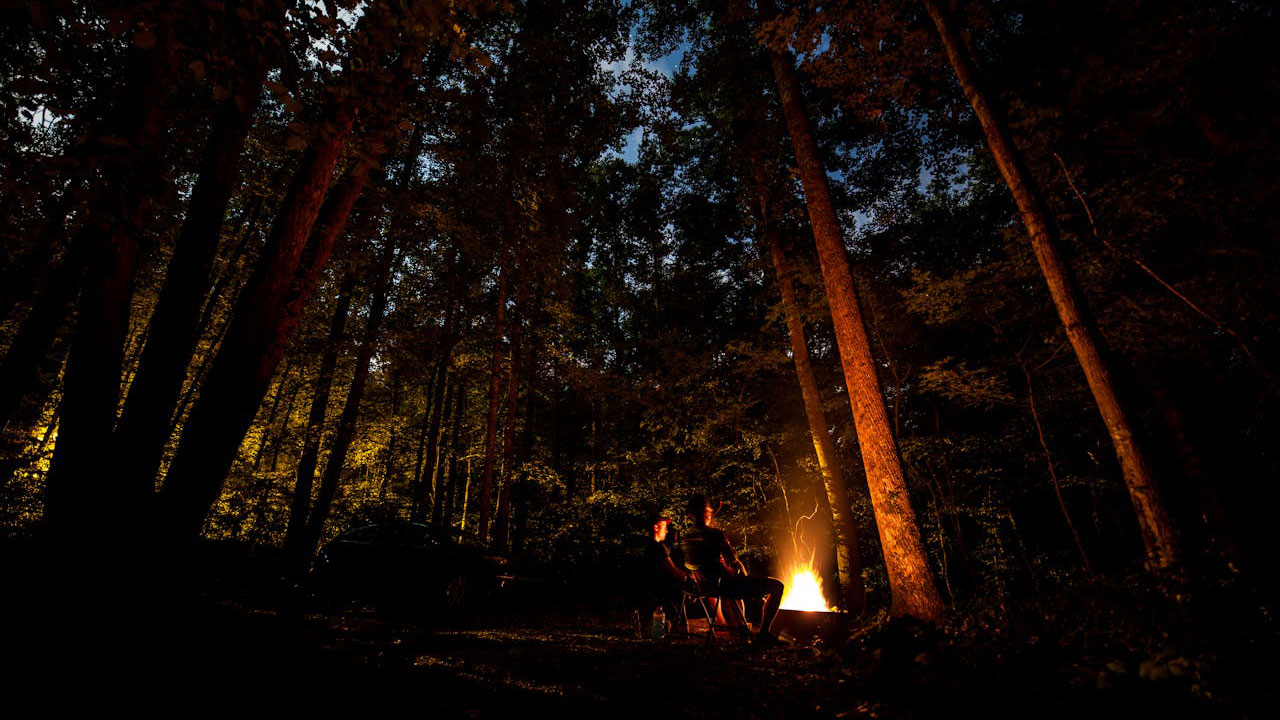
Photo credit: Kelly/Pexels.com
You can learn a lot about a man in the first hour at camp. Not from what he says, either. Most guys can talk a good game while the truck’s still warm and everybody’s unloading gear. The real tells show up in the little habits. How he packs, how he moves, whether he notices what needs doing, whether he creates work or handles it. By the time supper’s on or first light plans are being made, you usually already know who’s going to be solid and who’s going to be a drag on the whole trip.
I’m not talking about the new guy who’s trying hard and learning as he goes. Most of us have been that guy at some point, and there’s no issue with that. I’m talking about the man who shows up acting capable, then starts stacking little mistakes that wear him out, slow everybody down, and leave him half-useless by the time the day is still asking for more. These are the camp habits that make me think you’re going to be cooked before dark.
He Unpacks Like He’s Moving In for a Month
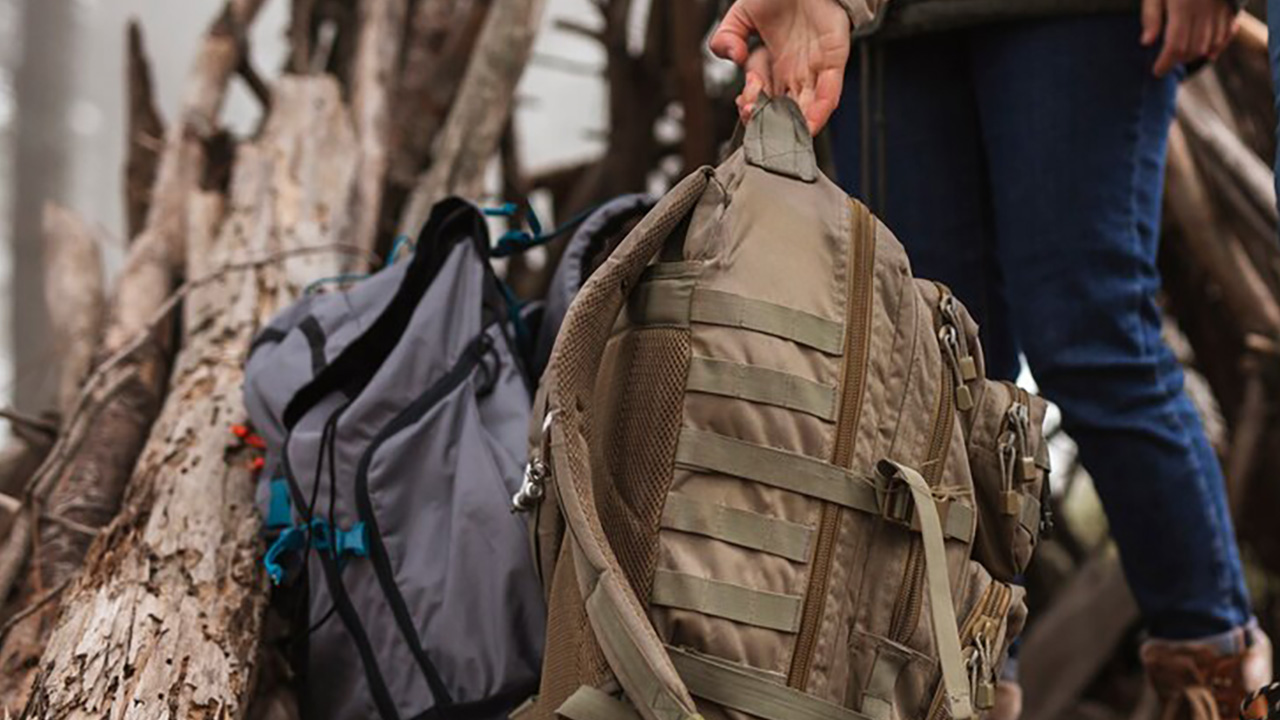
One of the first bad signs is a guy who needs seventeen separate bags, loose items rolling around the truck bed, and half the tailgate just to get settled for a weekend. He’s digging through tote after tote, asking where things are, repacking stuff he should’ve already sorted, and somehow turning a simple unload into a full production. It doesn’t just look sloppy. It burns energy, wastes time, and starts the trip with confusion instead of momentum.
Guys who hold up well through a long camp day usually have a system, even if it’s not fancy. One bag for clothes. One for gear. One place for tools. The point isn’t being obsessive. It’s not making every basic task harder than it needs to be. A man who can’t even get set up without looking whipped usually isn’t going to magically become more useful once wood needs splitting, meals need handling, and dark starts closing in.
He Sits Down Every Time There’s Work To Do

You’ll notice this one quick. The second camp needs a little effort, he finds a chair like it’s calling his name. Somebody’s unloading the cooler, somebody’s gathering wood, somebody’s setting up tents, and there he is with a drink in his hand acting like moral support counts as labor. He’s always “about to help,” but somehow the work keeps getting done without him. By the time he finally stands up, the useful part is already over.
That habit tells me a lot. Camp runs on momentum, and the guys who stay useful are the ones who keep moving through the setup phase instead of waiting to be assigned every little job. A man who plants himself every time effort shows up is usually saving his energy for nothing. Then later, when there’s actually something important to do, he’s stiff, tired, behind, and acting like camp has asked too much of him.
He Never Brings What He Said He’d Bring
Every camp has one guy who says, “Yeah, I got that,” and then shows up without it. Maybe it’s the ice, the coffee, the fuel, the lantern, the paper towels, the tarp, the cast-iron, or some little item that suddenly turns out not to be little at all. Now everybody’s either doing without or patching around the hole he left. That kind of habit gets old fast, especially when the same man always has a good excuse and never seems embarrassed enough to fix it.
Reliable camp guys don’t just remember the big stuff. They understand that one forgotten item can make five other things harder. That’s why they check before leaving, not after arriving. A man who shows up empty-handed on the one thing he was supposed to handle is usually the same man who’ll be low on energy, short on patience, and mostly decorative by evening. Forgetfulness is one thing. Repeated carelessness is another.
He Burns Through Food and Water Like the Trip Ends at Noon

Some guys eat and drink like there’s a convenience store at the next tree line. He crushes half the snacks before camp is fully set, drinks cold water like it’s unlimited, and somehow gets into the good stuff meant for later while everybody else is still getting organized. Then by afternoon he’s hungry, dragging, and hovering around other people’s coolers like a raccoon with pockets. That’s always a warning sign.
A guy who knows camp life understands the whole day matters. You pace your food. You stay ahead on water without acting like a teenager at a gas station fountain. You don’t attack the supplies like the first hour is the only hour. Once a man burns through his own fuel too early, he becomes everybody else’s problem. That’s usually when the whining starts, the poor decisions stack up, and the phrase “I’m running on empty” becomes somebody else’s burden to solve.
He Can’t Do Anything Without Losing Something

There are men who can set up camp with half a dozen moving parts and never misplace a thing. Then there’s the guy who loses his gloves, his flashlight, his lighter, his pocketknife, his truck keys, and his hat before lunch. Every job turns into a side quest because he’s always looking for the thing he had in his hand ten minutes ago. It’s not bad luck. It’s a sloppy way of moving through camp that drains time and patience out of everybody nearby.
That kind of man ends up exhausted from his own disorder. He’s not tired because camp is hard. He’s tired because he keeps making every little chore take three times longer than it should. By dark, he’s mentally smoked, physically behind, and usually asking to borrow gear he already owns somewhere under a pile of his own mess. A man who can’t keep track of the basics in broad daylight usually doesn’t become sharper once the light is gone.
He Complains About Every Part of Being Outside

Heat’s a problem. Bugs are a problem. Cold’s a problem. Smoke’s a problem. Walking’s a problem. The ground’s uneven. The chair’s uncomfortable. The food’s too hot, too cold, too salty, too late, too something. If a guy starts filing complaints the minute he gets to camp, I already know how the rest of the day is going to go. He’s going to burn himself out emotionally before the actual work even begins.
Outdoor guys who last all day understand that some discomfort is just the cover charge. You deal with it and keep moving. The constant complainer, on the other hand, spends half his energy narrating how bothered he is. By the time evening rolls around, he’s already acted like he’s been through a war because the fire smoked him once and the mosquitoes found his ankles. That kind of mindset doesn’t hold up well once camp actually starts asking something back.
He Tries to Do Everything the Hard Way to Look Tough

This is the guy who refuses the simple fix because he thinks suffering is the same thing as competence. He won’t make two trips when two trips would make sense. He won’t use the right tool if brute force gives him a chance to perform. He carries too much, strains too hard, and turns basic camp chores into demonstrations nobody asked for. At first it looks like hustle. By midafternoon it starts looking like bad judgment.
The tough-guy routine wears thin because camp isn’t impressed by theater. Camp rewards guys who stay steady, efficient, and useful all day, not guys who blow a gasket showing everybody how hard they can make simple work. Men who know what they’re doing don’t waste energy to prove a point. They save it for when the day actually gets hard. The guy who burns himself up trying to look like a mule is usually the same guy looking whipped by supper.
He Has No Feel for What Needs To Happen Next

Some people always seem to be one step ahead at camp. They’re grabbing water before it’s needed, getting lights ready before dark, stacking wood before the fire gets low, and handling little chores before they become big interruptions. Then there’s the guy who never sees anything coming. He lives from one surprise to the next, like camp is just happening to him. Every need catches him flat-footed because he never thinks past the exact moment he’s in.
That habit kills usefulness faster than people realize. If a man can’t anticipate anything, he’s always late, always scrambling, and always leaning on somebody else’s planning to keep the trip moving. That doesn’t just make him less helpful. It makes him tiring to be around. By dark, the guys who’ve been thinking ahead still have something left in the tank. The guy who’s been reacting all day is already mentally checked out and wondering why camp feels so “chaotic.”
He Takes Forever To Do Small Jobs
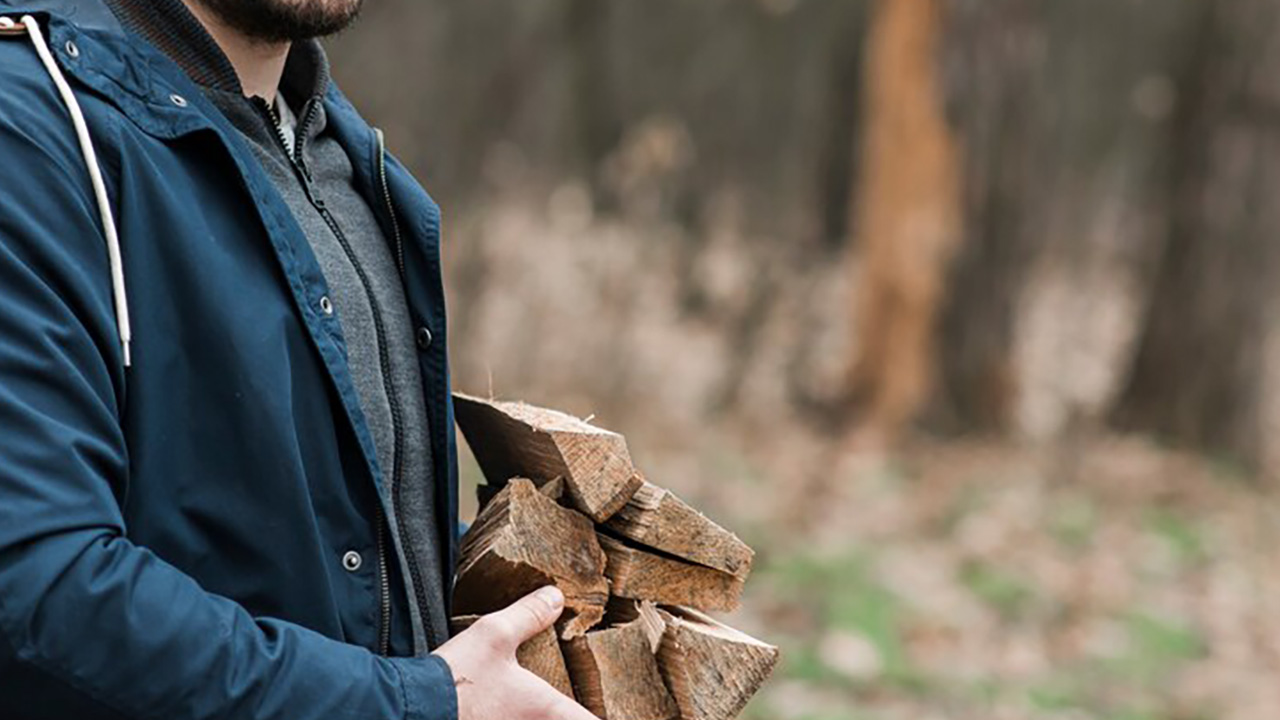
You ask him to gather wood, and he disappears like he’s been sent on a cattle drive. Ask him to fill water, and somehow twenty minutes go by. Tell him to grab something from the truck, and now the whole camp is waiting on a simple errand that should’ve taken two minutes and a little common sense. It’s not that he’s doing difficult work. He just has a way of stretching every small task into a timeline nobody asked for.
The men who hold up at camp are usually efficient without being frantic. They move with purpose, finish simple jobs cleanly, and come back ready for the next thing. The slow-drifting guy, though, burns daylight and patience with equal talent. By the time evening comes, he’s acted busy all day without actually lightening the load much. That’s a real skill in its own sad way. A man who takes forever on the easy stuff rarely has much left for the hard stuff.
He Makes a Mess Everywhere He Stops
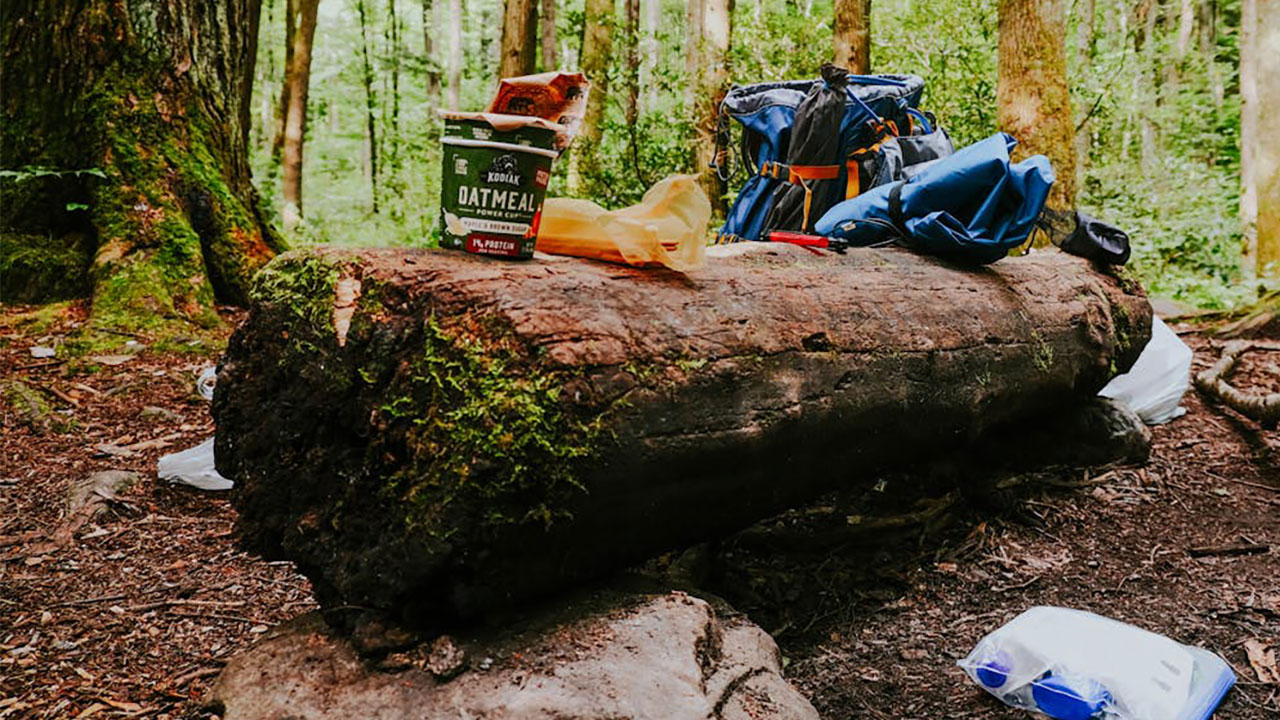
Some guys can touch camp gear without turning the place into a yard sale. Others leave a trail of wrappers, wet towels, half-zipped bags, loose tools, dirty dishes, and mystery clutter everywhere they go. His sleeping area looks like a rummage sale. The tailgate looks like a tornado walked through it. The cooking setup somehow ends up sticky, greasy, and blocked off by his junk before anybody’s even finished eating. That’s not just annoying. It makes camp harder to function in.
Chaos wears a man out. He spends half his day stepping over his own mess, looking for gear he buried under other gear, and fixing problems he created by refusing to stay halfway organized. Meanwhile, everybody around him has to work around the clutter he calls “my stuff.” By dark, that kind of man is always more tired than he should be because disorganization taxes everything. He’s not losing steam from hard camp work. He’s losing it fighting the environment he created himself.
He Waits To Be Told Every Little Thing
There’s a difference between learning and needing to be managed like a child on a field trip. The guy I’m talking about can’t make a single useful move without somebody telling him exactly what to do next. Where should I put this? Want me to help with anything? What now? Need me to do something? It sounds polite the first few times. After a while, it starts sounding like he’s outsourcing all responsibility for using his own eyes.
Good camp guys don’t need a full briefing every ten minutes. They notice the low wood pile. They see the empty water jug. They spot the cooler left open or the tarp corner flapping loose. They handle what’s obvious and ask when it actually matters. A man who needs to be directed through every basic task is exhausting before dark even gets close. He might mean well, but he’s still making one capable person spend the entire day managing two jobs instead of one.
He Tries To Turn Everything Into a Debate

Every camp has had that guy. Nothing can just get done. Every simple choice becomes a conversation. Where should the tent go? What time should supper happen? Which way should the truck be parked? Does the fire really need more wood right now? Should we have brought the other cooler? He acts like every decision needs a committee and a ten-minute breakdown, even when everybody else already knows the obvious answer and would like to keep moving.
That habit drains a camp faster than hard labor does. Decisions take energy, and if one man keeps forcing extra discussion around basic stuff, he turns normal camp flow into stop-and-go traffic. By evening, the guys who’ve been actually working are tired in a fair way. The guy who’s been arguing over every little thing is tired in a self-inflicted way. Worse than that, he’s made everybody else more worn out too. Nothing kills usefulness faster than making simple things feel complicated.
He Treats Camp Like It Exists To Serve Him

You can tell when a man shows up thinking camp is a service instead of a shared job. He expects coffee to appear, food to get handled, firewood to stack itself, lights to be ready, and cleanup to somehow happen around him while he just enjoys the atmosphere. He’s quick to enjoy the results and real slow to help create them. Guys like that always have energy for eating, sitting, and storytelling, but not much for setup, chores, or cleanup.
The problem is that attitude catches up with a man by dark. Once the easy comforts depend on actual effort, he suddenly looks overwhelmed because he never planned to pull his own weight. Men who stay useful at camp understand that comfort is built, not provided. Somebody has to haul, chop, cook, clean, fix, and think ahead. If a guy treats all that as somebody else’s department, it’s only a matter of time before he becomes the least valuable body around the fire.
He Starts Drinking or Relaxing Too Early

I’m not saying a man can’t enjoy camp. That’s part of the point. But there’s a difference between unwinding after things are handled and clocking out while camp is still trying to get its feet under it. The guy who starts leaning back too early, getting loose too early, or acting like the work part is beneath him is usually the same one who disappears right when there’s wood to cut, food to cook, or a problem to solve.
Early relaxation has a way of snowballing. He gets slower, less focused, and less useful while the rest of camp is still building toward a smooth evening. Then later, when something needs attention, he’s half-engaged and acting like everybody else is uptight for still caring. That’s a bad camp habit because timing matters. The guys who last until dark know there’s a season for work and a season for sitting. If you get those out of order, camp starts carrying you instead of the other way around.
He Runs Hot Early and Fades Hard Later

Some men come out of the gate like they’re trying to win camp in the first ninety minutes. They unload everything, stomp around doing ten things at once, sweat through their clothes, volunteer loudly, and act like pure motion equals usefulness. Then a few hours later they’re dragging. Now they’re slow, irritable, dehydrated, and acting like camp somehow took more out of them than it did out of everybody else. That early burst wasn’t strength. It was poor pacing.
Good camp guys know how to settle into the day so they’re still worth something when evening rolls in and the real comfort work starts. Fire, food, cleanup, tomorrow’s prep, and all the little chores don’t care that you blew all your energy trying to look like the hardest worker alive before lunch. The man who fades hard by dark usually didn’t get outworked. He outdumbed himself. Pacing doesn’t look exciting, but it’s the reason some men stay solid while others turn into furniture.
He Always Has an Excuse Ready

This may be the biggest tell of all. Every time something doesn’t get done, every time he drops the ball, every time he’s too slow, too tired, too scattered, or too checked out, he’s already got the explanation loaded up. Didn’t sleep well. Forgot to eat. Thought somebody else had it. Didn’t know the plan. Was just about to do it. Meant to grab that. He’s never fully at fault in his own version of the trip, and that gets old in a hurry.
Men who are useful at camp don’t need a speech every time something goes sideways. They adjust, own it, and get back to work. The excuse guy uses more energy defending his weak spots than fixing them. By dark, you can usually count on him to be tired, annoyed, and somehow still convinced the day happened unfairly to him. That’s how you know he was never going to be much help once the easy part wore off.
Like The Avid Outdoorsman’s content? Subscribe to our newsletter so you never miss an article.
Here’s more from us: