Photo credit: Thirdman/Pexels.com
You can put together a good crew, have solid gear, start early, and still watch the whole morning get dragged sideways by one guy who didn’t think past his own boots. That’s the frustrating part. Most rough mornings in the field, at camp, on the water, or around a property don’t come from some huge disaster. They come from one man showing up unprepared, behind schedule, or half-aware, then expecting everybody else to absorb the cost of it without saying much.
That kind of bad planning spreads fast. It slows the pace, breaks the rhythm, and turns simple work into a group problem. Instead of each man carrying his own weight, everybody starts working around one avoidable weak spot. If you’ve spent enough time outdoors with different kinds of people, you know exactly how this goes. The problem usually starts small, but by the time the morning’s half over, the whole group has paid for it.
He shows up like the day is just now occurring to him

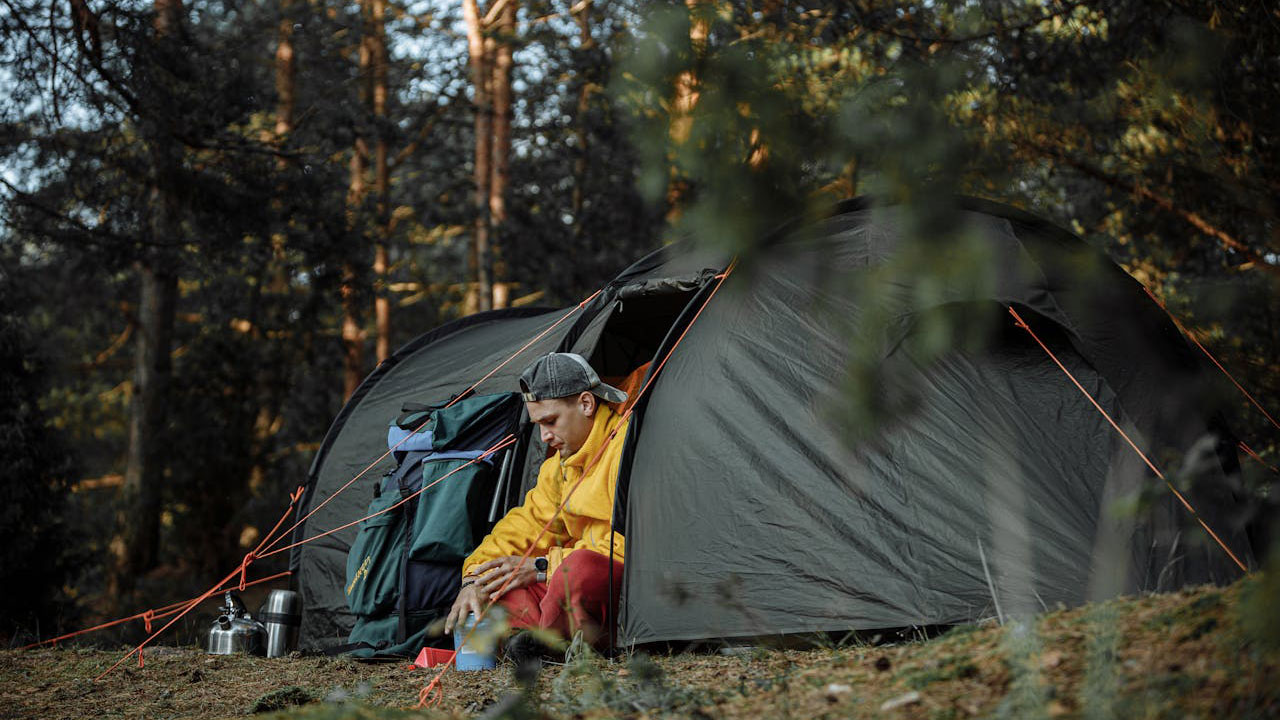
You can always tell when a man treated the morning like something that would sort itself out on the drive over. He rolls in late, not fully dressed for the conditions, still looking for gloves, coffee, ammo, bait, breakfast, or some other thing he should’ve handled before anybody else ever saw him. Everybody else is ready to move, and he’s acting like the day just started five minutes ago because he finally got there.
That’s how one man turns a clean start into a delayed one. Now the truck idles longer, the gate opens later, the launch drags out, or the first useful hour gets chewed up waiting on somebody who confused waking up with being ready. Men who respect a morning come prepared before the group gathers. Men who don’t end up borrowing time from everybody else before the work even begins.
He forgets basic gear and acts like the group is his backup plan

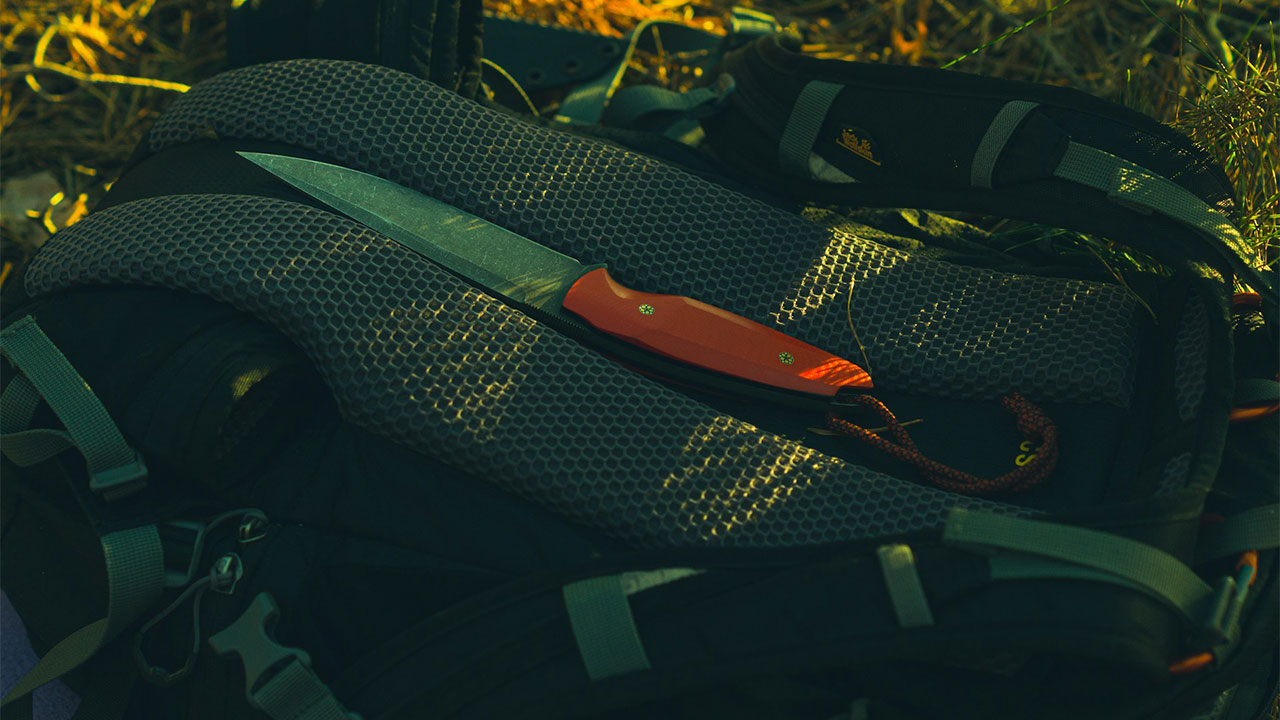
There’s a big difference between asking for help once in a while and showing up like the rest of the crew exists to complete your packing list. The man who forgot his knife, headlamp, extra shells, water, rain layer, pliers, or whatever else he absolutely knew he’d need isn’t just underprepared—he’s quietly decided that somebody else’s readiness will cover his lack of it. That gets old fast.
Bad planning stops being private the minute it starts reaching into other people’s gear. Now somebody has to loan out essentials, dig through their own bag, or go without something because one man didn’t handle his end before leaving the house. A dependable group works because each person comes carrying what he needs. The guy who treats the crew like a traveling lost-and-found turns every morning into shared consequences for his own laziness.
He never checks anything the night before

A lot of miserable mornings were built the night before by a man who couldn’t be bothered to check one thing that mattered. Dead batteries. Empty fuel cans. Missing straps. Wet clothes. Bad tires. Half-packed bags. An unloaded cooler. Those aren’t surprise problems most of the time. They’re problems waiting quietly for daylight so they can embarrass the man who assumed hope counted as preparation.
That’s what makes this habit so frustrating. It would’ve taken ten quiet minutes to prevent an hour of group delay. Men who know better do their checking while there’s still time to fix what’s wrong. Men who don’t become the morning problem everyone else has to stand around and tolerate. Once the sun is up and the group is gathered, “I thought it was in there” is not a plan. It’s just late-stage proof that you didn’t do the easy part when it was easy.
He turns simple loading into a scavenger hunt

There’s no reason loading up should feel like helping somebody move out of a storage unit he forgot he rented. But that’s exactly what happens with the guy who has no system. Nothing is grouped, nothing is staged, nothing is easy to reach, and every item needed first is somehow buried under six things that matter less. Now the whole crew is standing there shifting bags, opening compartments, and moving equipment around because one man packed in a way that made sense only to panic.
Bad loading burns the cool part of the morning first. It takes a moment that should feel sharp and organized and makes it feel cluttered before anybody has even left. That’s the real cost of poor planning—it creates friction before the day has had a chance to settle into itself. A good morning needs momentum. The man whose truck bed looks like he packed it during an earthquake kills that momentum before the first mile.
He asks questions he should’ve answered for himself already

There’s a certain kind of man who doesn’t use the morning to confirm details—he uses it to begin thinking. What time are we leaving? Which gate are we using? Did anyone bring water? Are we taking one truck or two? Does anybody have an extra charger, lighter, or map? Those questions aren’t always bad on their own. The problem is when he’s asking all of them at the exact moment everyone else is trying to get moving.
That habit turns the group into his planning department. Instead of stepping into the morning with a basic understanding of what’s happening, he arrives empty and expects the group to fill in the blanks for him. Men who carry their weight think ahead far enough that the early hours are for doing, not for outsourcing basic thought. The guy who starts every day with a string of preventable questions is telling you he planned to rely on everyone else from the start.
He can’t keep his own stuff together for more than ten minutes

Some men are organized enough to stay useful once the morning gets moving. Others lose the plot almost immediately. Gloves disappear. Keys vanish. Phone gets set down somewhere stupid. The knife he borrowed is now missing. He can’t remember which pocket he used, which bag it went in, or where he put the thing he literally just had in his hand. Now the group isn’t just moving forward—it’s stopping in little bursts to help him recover from himself.
That kind of chaos turns a smooth morning into a series of interruptions. Every lost item steals time, focus, and patience. It may sound small, but enough small interruptions will break the pace of any outing. Outdoors mornings go best when people can stay settled and carry their own little systems without leaking disorder into everyone else’s routine. The man who can’t manage his own few essentials without scattering them through the morning is always going to cost the group more time than he realizes.
He waits until go-time to start handling his comfort

A lot of men don’t think about food, water, layers, boots, or weather until the discomfort hits them directly. Then suddenly everybody has to pause while they eat, dig for a jacket, change socks, refill a bottle, tighten straps, or make some other adjustment they could’ve handled before the group ever started moving. That’s not just poor timing—it’s poor planning disguised as a need that feels urgent only because he delayed it.
The outdoors punish men who treat comfort like an afterthought. If you don’t take care of it early, it shows up later right when nobody has time for it. The experienced guys understand that. They eat before they’re desperate, layer before they’re cold, drink before they’re dry, and adjust before they’re miserable. The man who always waits until the conditions are already chewing on him turns his own lack of foresight into everybody else’s stoppage.
He makes every transition take twice as long

Good mornings depend on clean transitions. Out of the truck. Through the gate. Into the boat. Off the trailhead. Over the fence. Whatever the setting is, each shift should be simple if everybody is awake, ready, and carrying their weight. But there’s always one guy who slows every transition down by acting like each one is a brand-new challenge. He’s never in position, never packed at the right time, and never moving with the group’s rhythm.
That’s how one man can make an otherwise capable crew feel slow. He adds lag to every movement because he’s always half a step behind where the rest of the group already is. By the third or fourth transition, the pattern becomes obvious. The delay isn’t random—it’s attached to the same person every time. Once that happens, the whole morning starts orbiting his pace instead of the pace the job or outing actually needs.
He confuses optimism with preparation
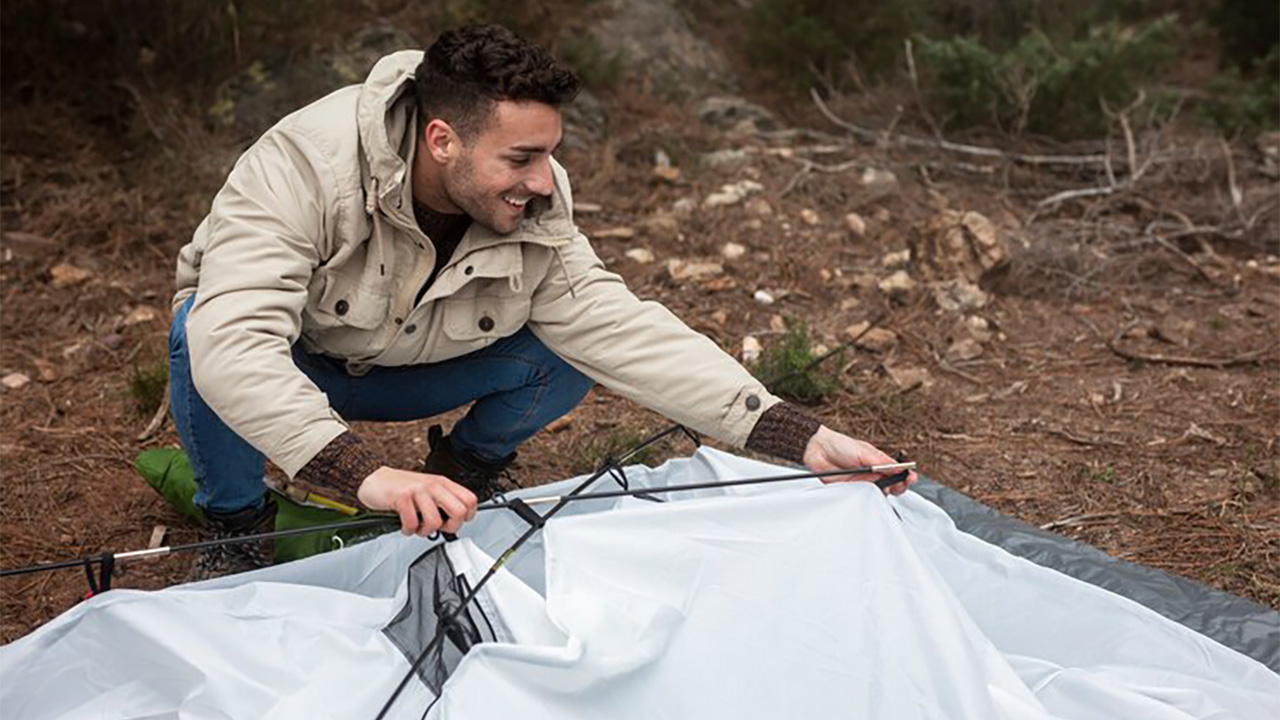
This one catches a lot of people. They think a good attitude can cover for what they failed to prepare. So they show up smiling, acting relaxed, and saying things like “we’ll figure it out” or “it’ll be fine” while carrying half the gear they need and none of the margin. Optimism has its place, but it is not a replacement for readiness. A calm man with no plan is still a problem once the morning starts asking for specifics.
That habit is especially frustrating because it can look harmless at first. The guy doesn’t seem negative. He seems easygoing. But then the first hitch shows up, and suddenly his whole contribution is positive words while other men solve the real issues. Outdoors mornings go smoother when confidence is attached to actual preparation. When confidence stands in for preparation, it usually becomes somebody else’s workload by sunrise.
He needs reminding about things a grown man should already track

Nobody expects perfection, but there are certain things a man ought to keep up with on his own. What time it is. Where his gear is. What step comes next. Whether the gate got latched, the trailer plug got connected, the fuel got loaded, or the dog got watered. The guy who needs constant reminders about the basics isn’t just forgetful—he’s placing the mental load of his morning onto everyone around him.
That wears people down because it’s not visible labor, but it’s still labor. Somebody has to be the extra brain for him, and that’s tiring fast when there’s already enough to think about. Strong groups work because every person is tracking the obvious without being babysat. The guy who needs nudging through every normal part of the process may not look dramatic, but he quietly drains more out of the morning than the loud complainer ever will.
He doesn’t understand that early mistakes cost the whole day

Morning problems hit harder because they steal from the best hours first. You lose twenty minutes at midday and maybe you adjust. Lose twenty minutes at daylight, launch, setup, or first movement, and now the whole day is offset. The man who doesn’t understand that tends to treat early delays like no big deal. He doesn’t grasp that his slow start, forgotten gear, or poor prep just pushed everyone off the part of the day they can’t get back.
That lack of urgency tells me he hasn’t done enough of this for the right reasons. Men who value mornings know they’re where a lot of good work gets done and a lot of good opportunities happen. They treat that time with more respect. The man who burns the early window over things he should’ve had handled is showing that he doesn’t yet understand how expensive those first mistakes really are.
He borrows labor the same way he borrows gear
Some guys don’t just show up missing equipment. They show up missing effort. They need help loading because they didn’t organize. Need help tying down because they didn’t learn. Need help carrying because they packed poorly. Need help cleaning because they made a mess. Need help finishing because they started late. It becomes obvious quick that the morning isn’t being shared evenly. One man planned to use the group’s labor as part of his strategy.
That’s one of the quickest ways to poison a good crew. People will help when help is needed, but nobody likes feeling drafted into work that could have been avoided with a little foresight. Dependable men try hard not to make their preventable shortcomings become someone else’s burden. The man who keeps borrowing effort from the group is really just asking everyone else to subsidize his lack of discipline.
He creates urgency that didn’t need to exist

A lot of bad planners spend most of the morning inside emergencies they built themselves. Now the fuel has to be found fast, the missing item suddenly matters right now, the dog needs handled immediately, the gate chain can’t be located, or the key situation got weird at the worst possible time. From the outside it looks like a stressful morning. From up close, it usually looks like one man took several non-urgent details and delayed them until they became urgent.
That’s what makes him such a drag on the group. He manufactures pressure where there should’ve been none. Instead of steady movement, the whole morning gets broken into little bursts of scramble and recovery. Men who plan well reduce urgency. Men who don’t keep creating it and then acting like everyone should treat it as unavoidable. Usually it was avoidable. That’s the most annoying part.
He makes people repeat themselves because he never really locked in

There’s a certain kind of inattentive planning that creates the same friction as open incompetence. The guy heard the time, the gate, the meeting spot, the sequence, the route, and the plan—he just never really absorbed any of it. So now halfway through the morning, he needs it all repeated while everyone else is already operating from the information they paid attention to the first time.
That’s a small thing until it’s not. Repetition slows the pace, especially when it happens over and over. A grown man shouldn’t need the same basic morning instructions reissued every twenty minutes because he was mentally somewhere else the first time around. Outdoors mornings reward attention. The man who can’t focus long enough to retain what the group already covered turns communication into recurring maintenance, and that gets old in a hurry.
He ends up surprised by the exact problems everyone else saw coming

Maybe this is the biggest tell of all. The man with bad planning is always amazed by things that should have been obvious. Of course it was colder before sunrise. Of course the ground was soft after that rain. Of course the batteries needed charging. Of course the fish moved after the weather changed. Of course the trailer light needed checking before dark. He keeps meeting predictable problems like they came out of nowhere, and everybody around him keeps quietly paying for that surprise.
Men with field sense are rarely shocked by the usual stuff. They may still get inconvenienced by it, but they saw it as a possibility long before it arrived. That’s what planning really is—respecting the likely problems before they become real ones. The guy who keeps acting blindsided by the exact things everyone else expected is telling you he doesn’t think ahead far enough to be trusted with a clean morning. And once enough of those surprises pile up, the day belongs to his bad planning more than it belongs to the group.
Like The Avid Outdoorsman’s content? Be sure to follow us.
Here’s more from us: