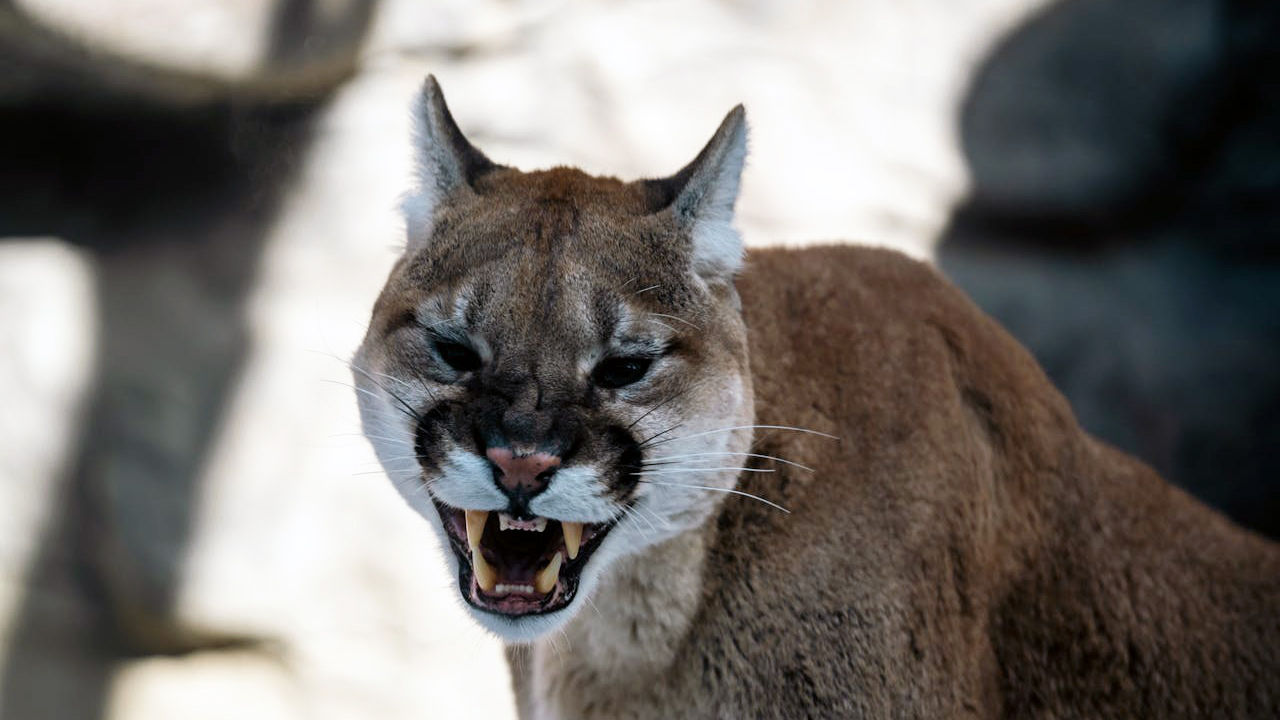
Photo credit: Caleb Falkenhagen/Pexels.com
The camper knew something was out there before he ever saw it.
That is the worst kind of animal encounter at night. During the day, your eyes do most of the work. You can look around, read the ground, check the brush, and decide if what you heard was worth worrying about. At night, everything starts with sound. And some sounds hit your nervous system before your brain has time to be reasonable.
A mountain lion scream is one of them.
In a Reddit post, the camper described a strange encounter where a mountain lion screamed about 150 feet from the tent. That is close enough to stop every normal thought in your head. You can know mountain lions live in the area. You can know attacks are rare. You can know all the calm facts. But when one screams that close to where you are trying to sleep, none of that feels very comforting.
The camper said the animal kept hanging around.
That is what made the situation feel worse than a passing scare. If you hear a mountain lion once and then everything goes quiet for the rest of the night, you can tell yourself it moved on. You may not sleep much, but you can at least hope the encounter is over. This one did not feel over.
The cat was still nearby, and the camper could not get it to leave.
That is when a person starts running through every possibility. Is it curious? Is it stalking something else? Is there food around camp? Is there a deer nearby? Is it young and bold? Is it sick? Is it used to people? Did it just happen to pass close, or is it hanging around because the campsite caught its attention?
Those questions matter, but they are hard to answer from inside a tent in the dark.
A tent is a funny thing in moments like that. Ten minutes earlier, it feels like shelter. Once you hear a predator close by, it starts feeling like fabric and zippers. You become very aware that the thing separating you from the woods is thin enough to rip with a pocketknife. It keeps out bugs and weather. It does not make you feel sealed off from a mountain lion.
The camper eventually fired a warning shot.
That detail brought the story into a whole different kind of discussion because people have strong opinions about warning shots. In the camper’s mind, it was clearly meant to scare the animal off. He wanted the cat gone. He did not want to wait and see if it got bolder. He did not want it close to the tent.
But even after the warning shot, the mountain lion apparently refused to leave.
That is the part that makes the encounter feel especially unnerving. A loud shot should send most wildlife running. Plenty of animals do not want anything to do with that kind of noise. If a mountain lion stays near camp even after a gunshot, you start wondering what it would take to convince it to move on.
And once that thought enters your head, sleeping is pretty much over.
The camper’s post had the feel of someone trying to figure out what exactly had happened. Was the animal acting strange? Was it normal mountain lion behavior? Did the shot make things worse? Should he have packed up? Should he have stayed put? That is the hard part about wildlife encounters after dark. You may make the safest decision you can in the moment and still spend the next day second-guessing every move.
From the outside, people can analyze it cleanly. Stay calm. Make yourself big. Don’t run. Keep eyes on the animal. Use bear spray if needed. Store food properly. Call wildlife officials. Those are useful rules. But when you are tired, scared, and hearing a cat scream close to camp, the whole thing feels less like a checklist and more like a problem you need to survive until daylight.
Mountain lions are not usually out looking for fights with people. Most campers will never see one. Plenty of mountain lion encounters end with the animal slipping away before the person even knows it was there. But that general truth does not erase the specific fear of one hanging around your tent at night.
That is what happened here. The camper was not dealing with a statistic. He was dealing with a real animal close enough to hear, close enough to worry about, and apparently bold enough not to leave when he tried to scare it off.
A campsite is supposed to feel like the place you come back to after the day’s adventure. In this story, the campsite became the problem. Every sound outside the tent mattered. Every stretch of silence probably felt just as suspicious. And once the warning shot failed to clear the animal out, the camper had to sit with the worst question of the night: what now?
Commenters had plenty to say, especially about the warning shot.
Some people said they understood why the camper was scared. A mountain lion screaming close to camp is not a normal little rustle in the leaves. Even if attacks are rare, most people are not going to lie calmly in a tent while a big cat hangs around nearby.
Others were more critical of firing a warning shot. Several commenters argued that warning shots can be dangerous and are not always legal or smart, depending on where someone is camping. A bullet has to go somewhere, and in the dark, around campsites or public land, that creates its own risk. Some said bear spray, an air horn, bright lights, or yelling would have been better first options.
A few people focused on food and camp setup. They asked whether food, trash, scented items, or anything else might have drawn the animal into the area. Even though mountain lions are not usually after human food the way bears or raccoons are, messy camps can bring in smaller animals, and smaller animals can draw predators.
Several commenters told the camper that if a mountain lion refuses to leave, especially after loud noise, it is worth reporting to wildlife officials or park staff. A cat that is too comfortable around campsites can become a bigger problem, and officials need to know if one is repeatedly hanging around people.
There was also a lot of practical advice: do not run, do not crouch, keep yourself upright, make noise, keep a light on the animal if you can see it, and move toward a safer place if one is available. The advice was not fancy, but in that situation, simple matters.
The big split in the comments came down to this: some people thought the camper overreacted with the shot, while others thought a screaming mountain lion that close to a tent would rattle almost anyone. What most agreed on was that once the animal stayed nearby, the night stopped being normal camping and turned into a safety problem.