Photo credit: 1957Shep/YouTube
Some guns never looked like future classics while they were sitting in racks. They were working guns, truck guns, hunting rifles, carry pistols, or old revolvers people bought because they made sense at the time. Nobody treated them like rare pieces. Nobody thought twice about trading one off.
Then the years passed, production changed, prices climbed, and the replacements did not feel quite the same. Suddenly, the gun that once seemed ordinary became the one people wish they had kept. These are the firearms that quietly became harder to replace than anyone expected.
Marlin 336 JM-Stamped
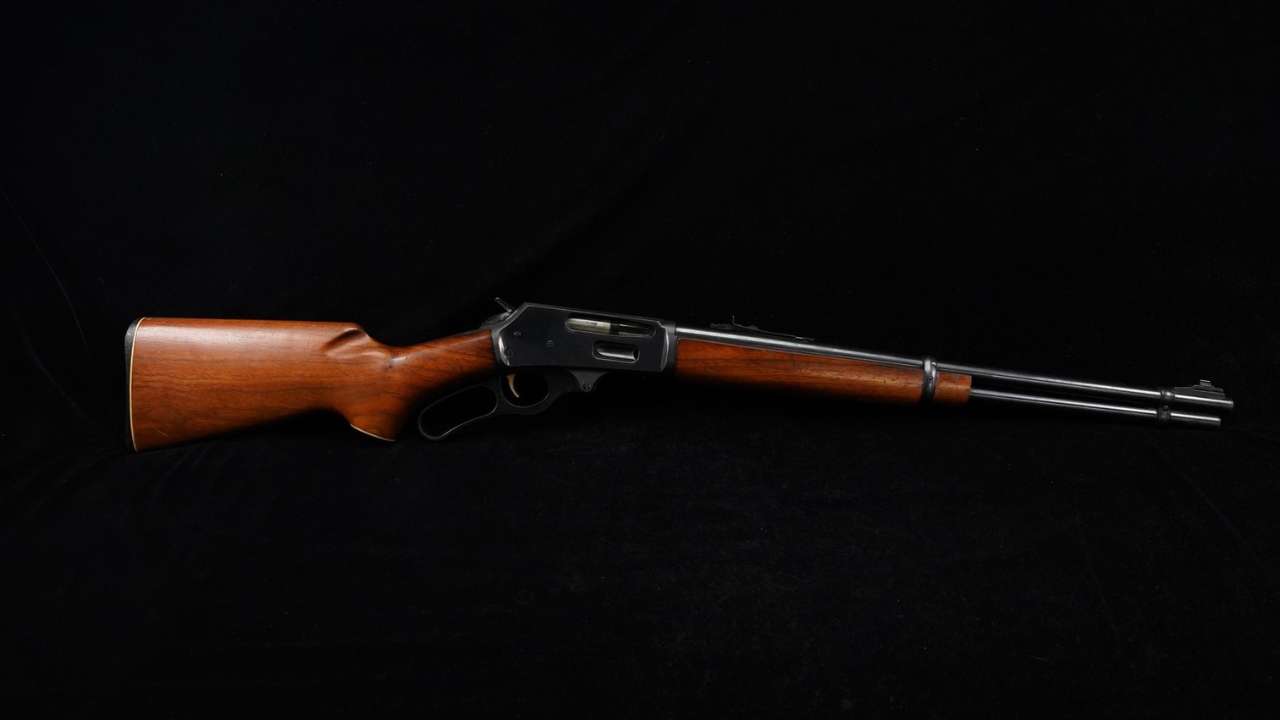
The old JM-stamped Marlin 336 was a regular deer rifle for decades. You saw them in pawn shops, camps, closets, and truck racks, usually treated like practical tools instead of special rifles.
That changed once older Marlins started getting compared to later production guns. Clean examples with good wood, smooth actions, and honest field wear became harder to ignore. The .30-30 still works, the rifle carries beautifully, and the old Marlin feel is not as easy to duplicate as people assumed. A lot of owners sold them cheap and learned later that replacing one was not cheap at all.
Ruger Security-Six
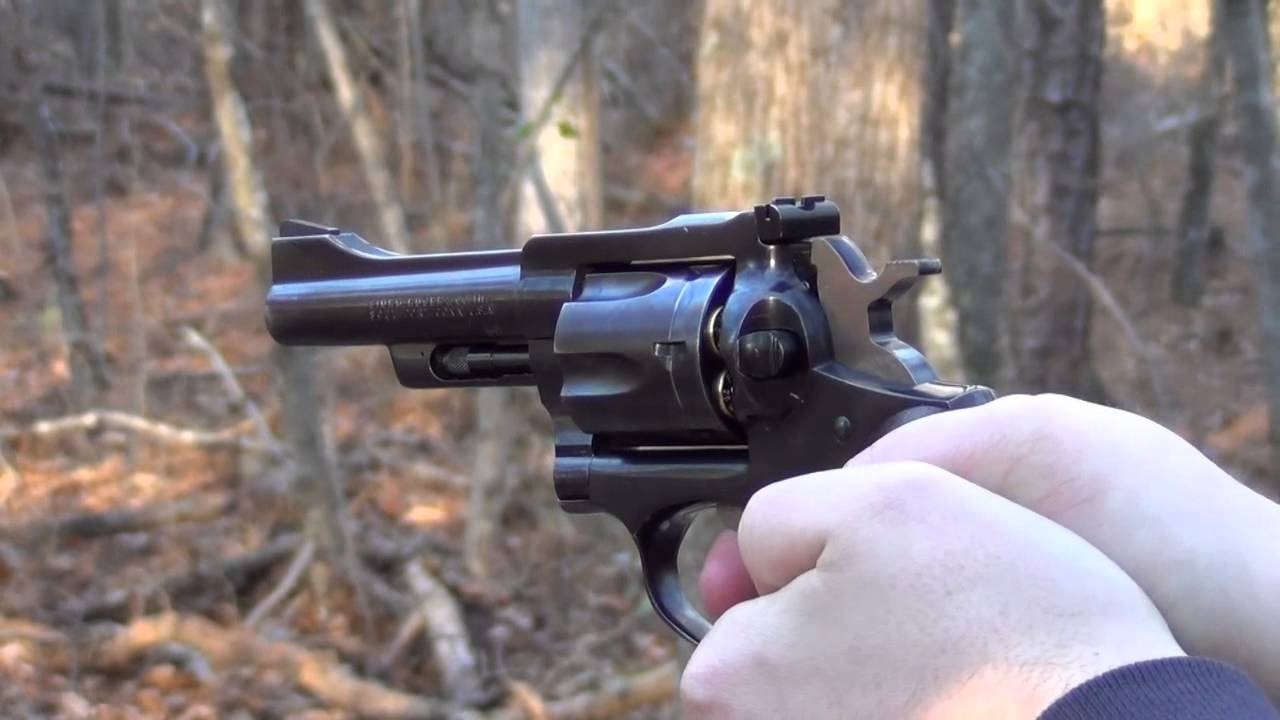
The Ruger Security-Six was never as glamorous as a Colt Python or as iconic as a Smith & Wesson Model 19. It was a tough .357 revolver that people bought to carry, shoot, and keep around.
That is exactly why it became harder to replace. Ruger eventually moved on to the GP100, and while the GP100 is stronger, the Security-Six has a slimmer feel many shooters still prefer. It balances well, carries easier than bigger revolvers, and has that old Ruger toughness without feeling oversized. Clean ones no longer sit around unnoticed for long.
Winchester 9422
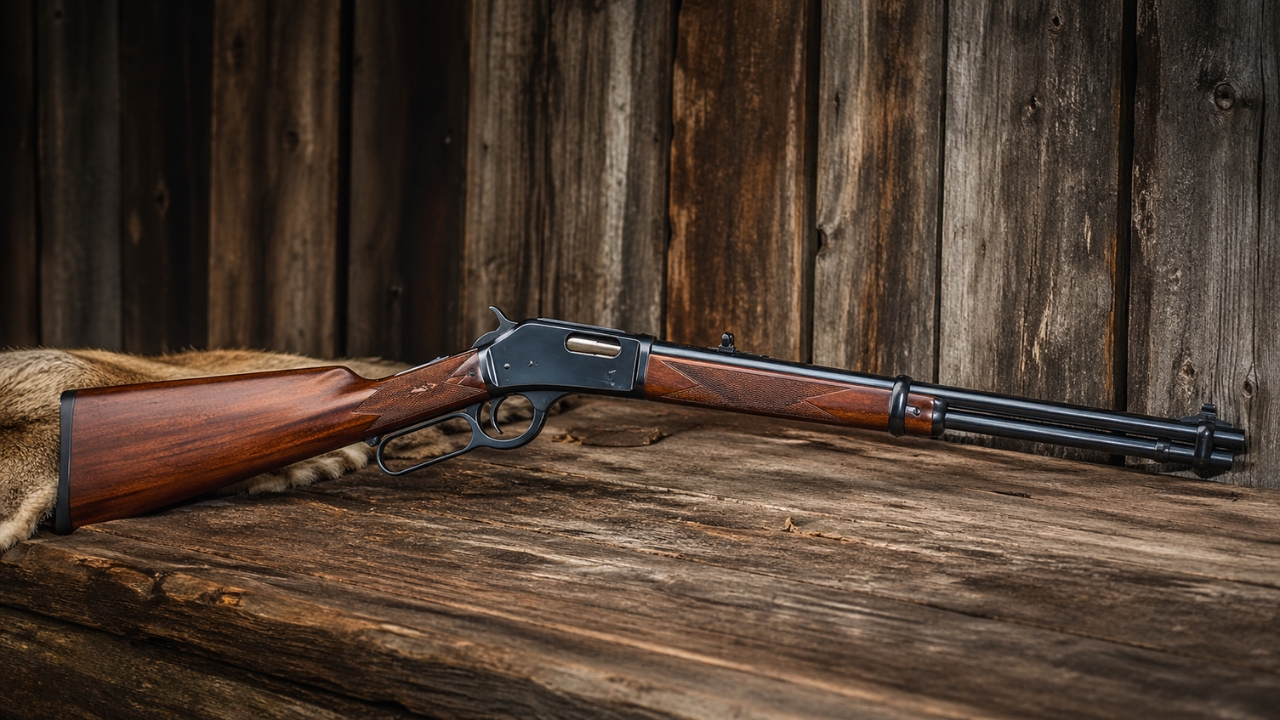
The Winchester 9422 used to feel like a nice .22 lever gun, not some impossible-to-replace heirloom. It was handy, smooth, accurate enough, and built with the kind of fit people did not fully appreciate until it disappeared.
Now it is a different story. Modern .22 lever guns exist, but the 9422 has a feel that is hard to match. The action is slick, the proportions are right, and the rifle feels like a real Winchester instead of a budget rimfire. Anyone who sold one years ago usually finds out fast that buying it back is painful.
Smith & Wesson Model 3913

The Smith & Wesson 3913 was once a practical carry pistol for people who wanted a slim, reliable 9mm with real metal-frame character. It did not have the capacity of modern micro-compacts, so plenty of shooters moved on.
The problem is that nothing today feels exactly like it. The 3913 is flat, controllable, reliable, and easy to carry without feeling toy-like. It has a DA/SA system that some shooters still trust, and its stainless construction gives it a confidence modern polymer guns do not always provide. It became the kind of pistol people miss only after it is gone.
Remington 870 Wingmaster

The Remington 870 Wingmaster was so common that people almost stopped seeing it. It was a field shotgun, duck gun, deer gun, home gun, and clay gun, depending on who owned it and what barrel was on it.
Older Wingmasters have become harder to replace because they feel better than many newer pump guns. The action slicks up beautifully, the bluing and walnut have real character, and the gun carries a sense of quality that basic modern pumps often lack. People who traded one toward something flashier often regret it once they handle another clean old example.
Browning Auto-5
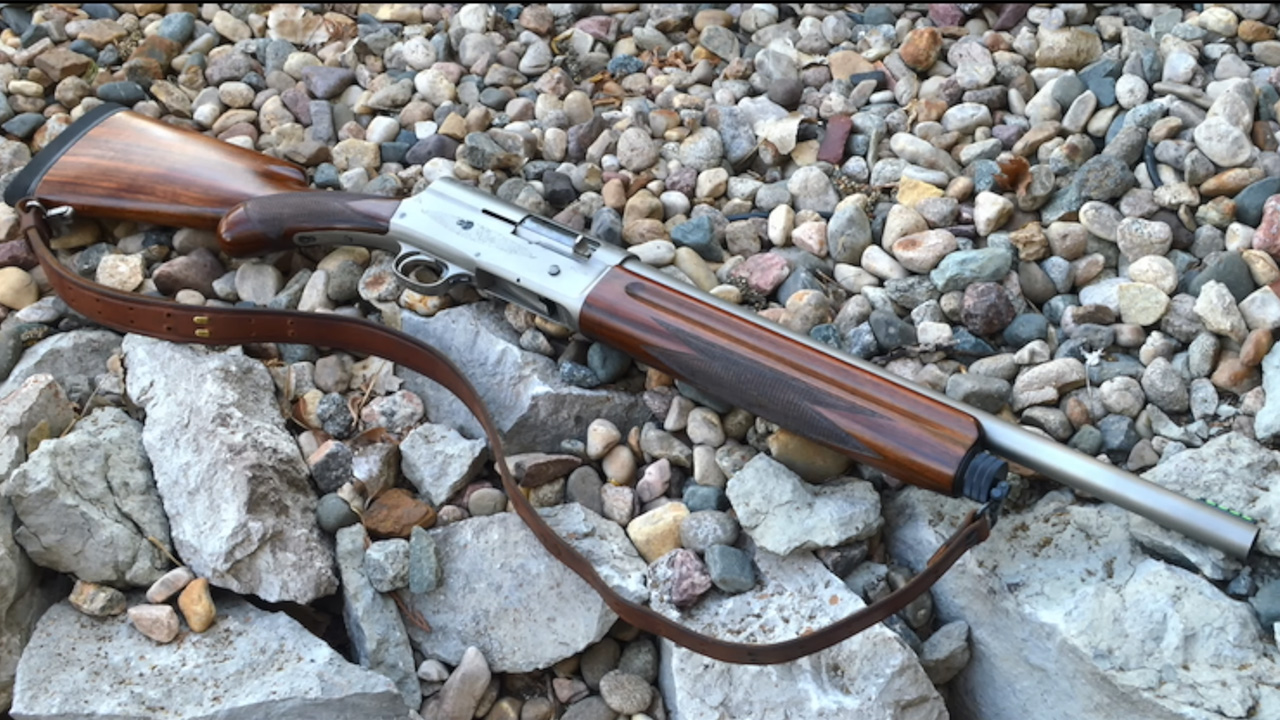
The Browning Auto-5 looked old-fashioned for a long time. That humpback receiver made it seem dated next to sleek gas guns and lighter inertia shotguns, so plenty of hunters let them go without much thought.
Now the good ones have a pull that newer shotguns do not always match. The Auto-5 has history, personality, and a mechanical feel that makes it more than another semi-auto. It is not the softest or lightest shotgun, but it has a staying power people underestimated. Finding a clean Belgian or desirable Japanese model is not the casual bargain it once was.
Ruger No. 1
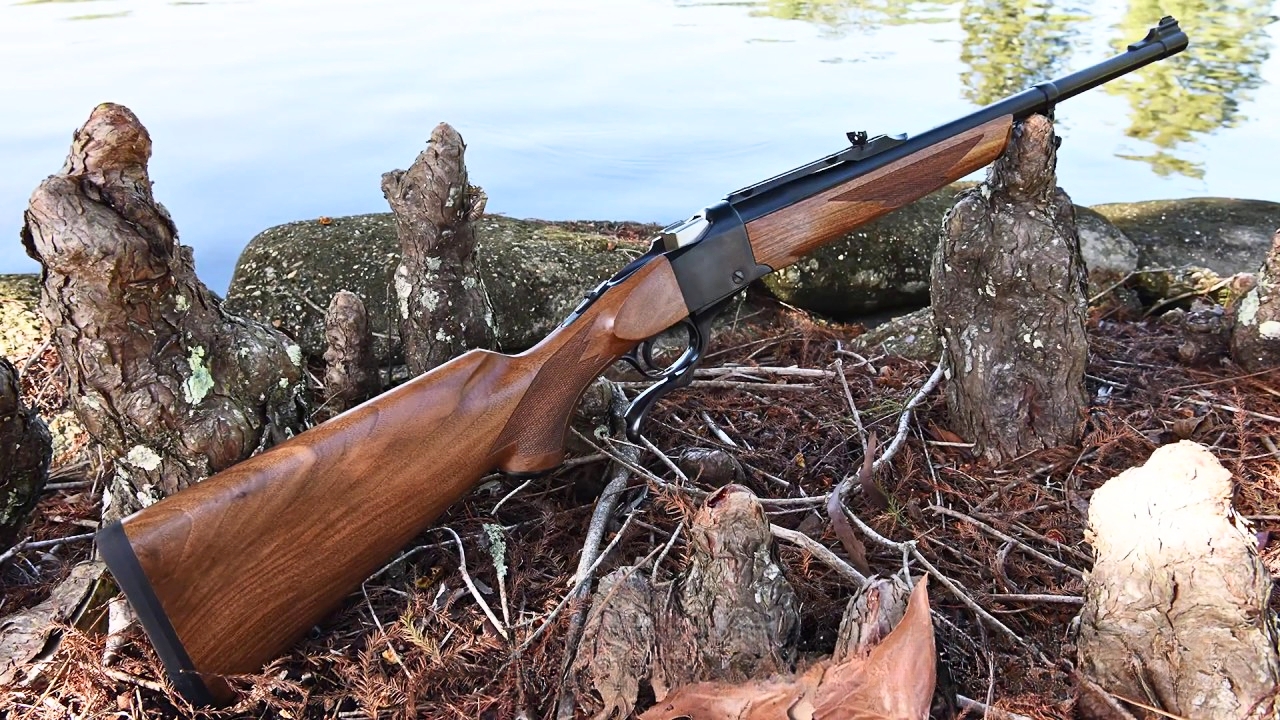
The Ruger No. 1 was always a little different. A single-shot hunting rifle does not sound practical to everyone, especially when bolt guns are faster, lighter, and usually cheaper.
That is why people underestimated how hard it would be to replace. The No. 1 has falling-block strength, classic lines, and chamberings that make collectors pay attention. It feels like a rifle built for someone who enjoys the shot more than the follow-up. As availability tightened and certain chamberings got scarce, owners realized it was not just another rifle you could buy again anytime.
Smith & Wesson Model 5906
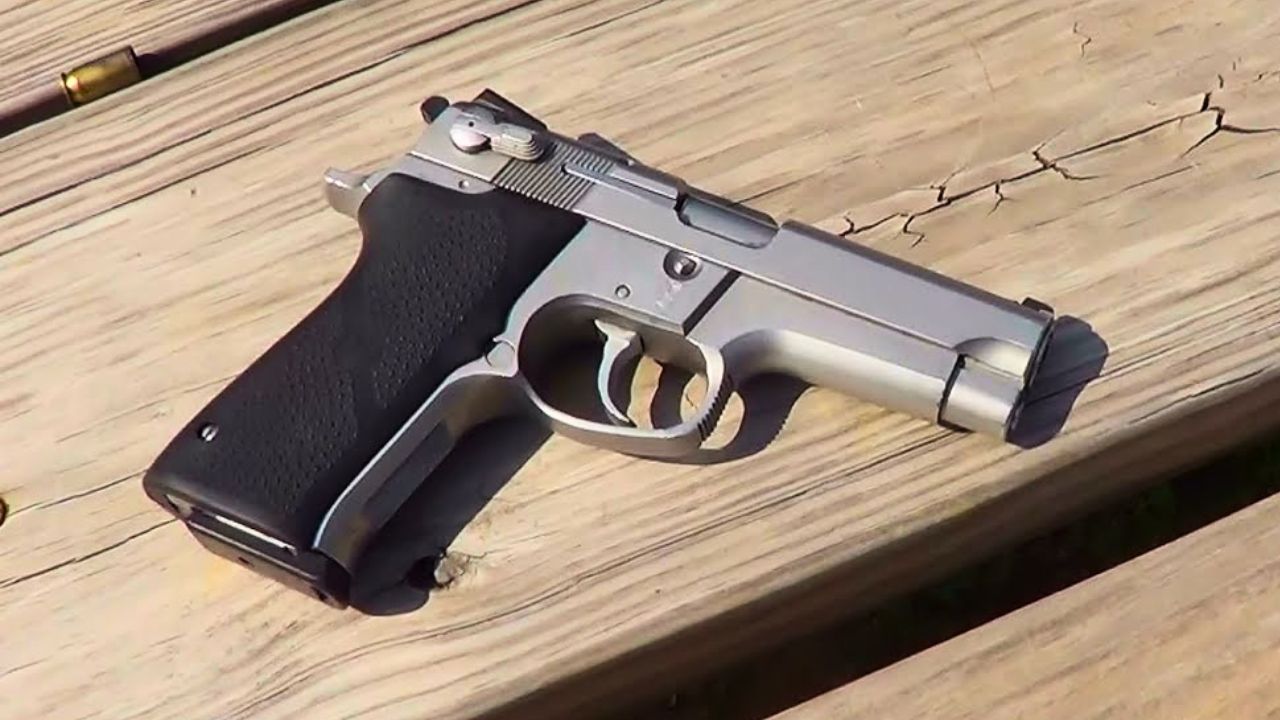
The Smith & Wesson 5906 was once viewed as a heavy police trade-in pistol. For years, you could find them at reasonable prices, and many shooters ignored them because polymer 9mms were lighter and held similar capacity.
Now the 5906 makes more sense to people who miss solid steel duty pistols. It is heavy, but that weight tames recoil and gives the gun a planted feel. The stainless build, reliability, and old-school DA/SA controls have gained respect again. What used to look outdated now feels like something manufacturers rarely build anymore.
Winchester Model 70 Classic

The Winchester Model 70 Classic had the controlled-round-feed action that many hunters wanted, but it still spent years feeling like a normal high-quality hunting rifle rather than something people needed to hoard.
That changed as production shifts and model changes made certain versions more desirable. A good Model 70 Classic has a feel that matters in the field: smooth feeding, strong extraction, and classic handling. Modern rifles may shoot well, but not all of them carry that same trust. Clean examples in good chamberings have become much harder to replace than casual sellers expected.
Colt Detective Special
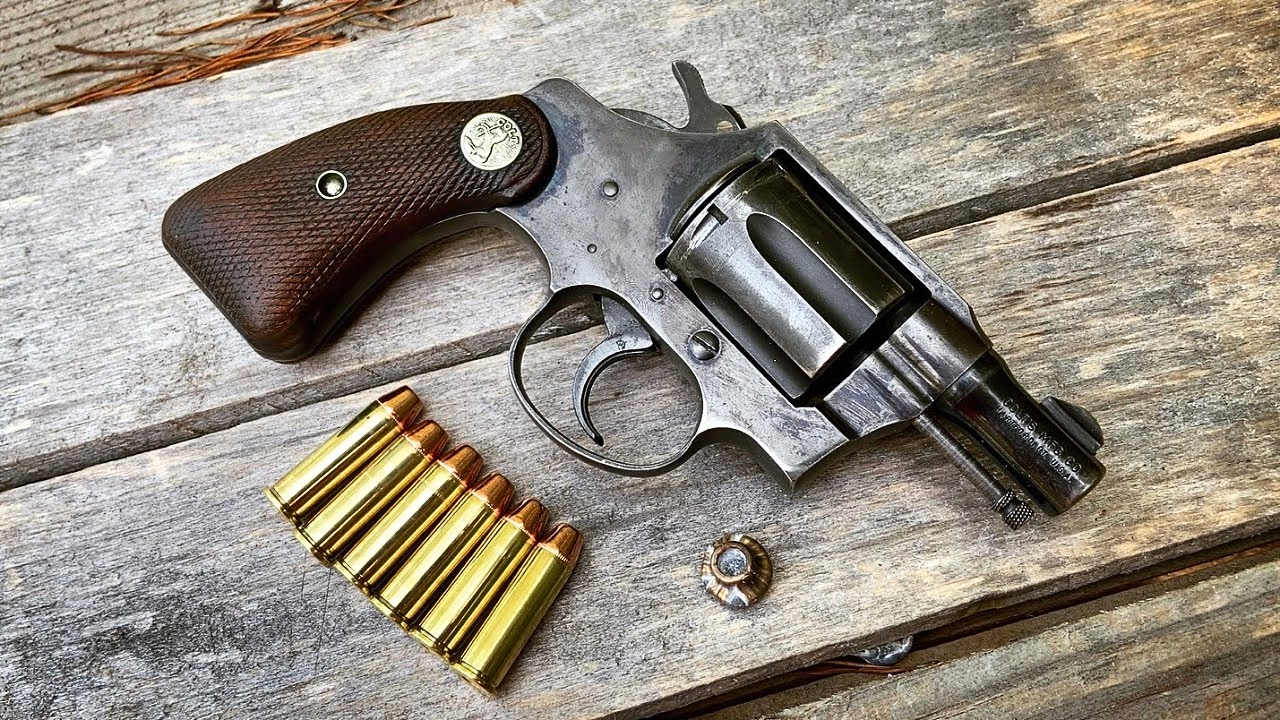
The Colt Detective Special used to be a common snub-nose revolver with a respected name. It was a carry gun, nightstand gun, or retired officer’s revolver, often seen as useful but not untouchable.
Now it sits in a different category. Six shots in a compact frame, old Colt lockwork, and classic styling make it stand apart from many modern snubs. It is not as cheap to service, and you probably would not beat one up like people once did. That is the point. It went from everyday carry piece to a revolver people hesitate to replace because the market changed around it.
Browning BLR

The Browning BLR never got the same campfire romance as a Winchester 94 or Marlin 336, but it solved a real problem. It gave lever-action fans access to pointed-bullet cartridges and stronger modern hunting performance.
That usefulness made it quietly valuable. A BLR in the right chambering can cover thick woods and open fields better than people expect. It also does not have many true competitors. Once you sell one, replacing the same configuration can take time and money. The rifle is unusual enough to matter, but practical enough that owners miss it when it is gone.
Ruger M77 Mark II

The Ruger M77 Mark II was not always treated like a premium rifle. It was a sturdy working bolt gun with controlled-round feed, strong rings, and a reputation for taking hard use.
Now hunters are more aware of what they had. The M77 Mark II feels more rugged than many current price-point rifles, and its stainless synthetic versions especially make sense as bad-weather hunting guns. It may not always have the lightest trigger or flashiest stock, but it feels dependable. Replacing that old-school Ruger confidence is harder than people expected.
Beretta 92 Compact
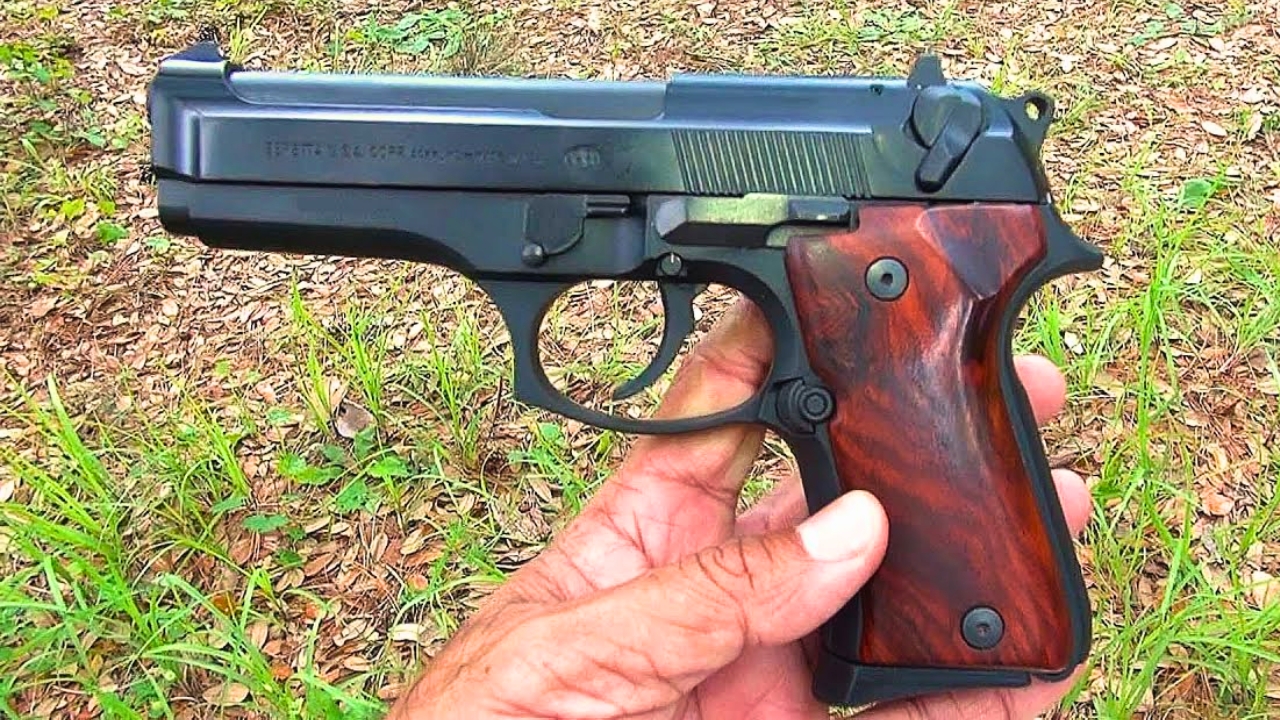
The Beretta 92 Compact was easy to overlook because the full-size 92 got most of the attention. For carry, many people moved toward smaller polymer pistols, leaving the Compact in an odd middle ground.
That middle ground looks better now. It gives you the familiar Beretta feel in a smaller pistol without losing the smooth shooting personality that makes the 92 series easy to like. It is not tiny, but it shoots better than many small guns. As availability comes and goes, people who own one tend to realize it is not easily replaced by the latest carry pistol.
Remington Model Seven

The Remington Model Seven was a handy little hunting rifle that made sense for woods hunters, smaller-framed shooters, and anyone who wanted a lighter rifle without going into full mountain-gun territory.
It became harder to replace because few rifles hit the same balance. The Model Seven carries easily, points naturally, and still feels like a real hunting rifle instead of a cut-down budget gun. Certain chamberings and older examples have become especially desirable. A lot of hunters who moved one along later found that similar-looking replacements did not feel quite as right.
Ithaca Model 37
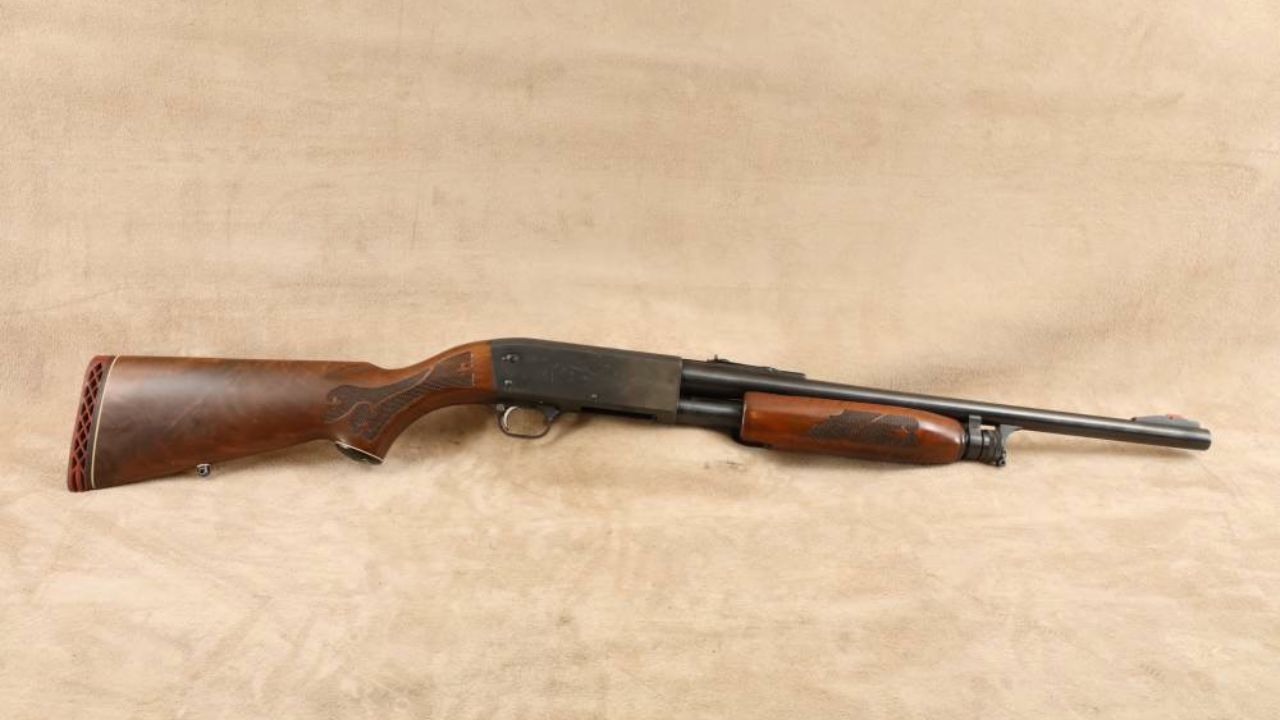
The Ithaca Model 37 was once a working pump shotgun that did not need much explanation. Bottom ejection, light handling, and smooth cycling made it a favorite for upland hunters, left-handed shooters, and people who simply liked how it carried.
It is harder to replace now because the design has a feel most modern pumps do not copy. A good Model 37 is light, quick, and slick in a way that makes it easy to understand after one hunt. Many were used hard, so clean examples have become more meaningful. It is the kind of shotgun people miss because nothing else feels exactly the same.
Like The Avid Outdoorsman’s content? Subscribe to our newsletter so you never miss an article.
Here’s more from us: