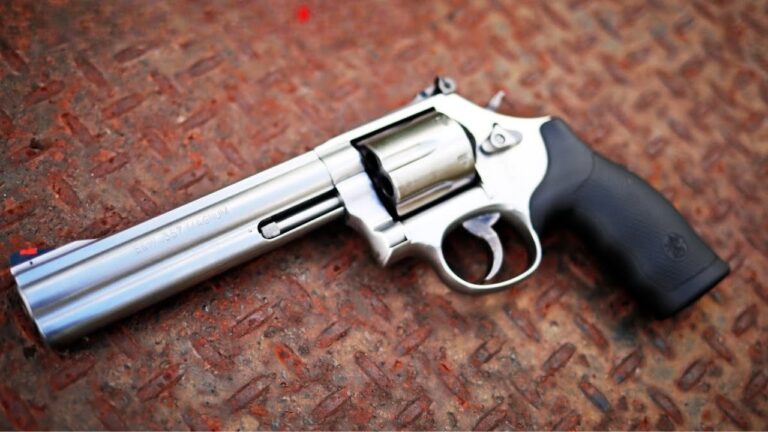
Photo credit: Faktor Tacticool/YouTube
Some handguns do not lose trust because of one dramatic failure. They lose it slowly. A bad magazine here, a light strike there, one weird feed issue after cleaning, or a range trip where the gun just never feels settled can be enough to change how you look at it.
That is especially true with defensive pistols. Once a handgun makes you start wondering instead of trusting, the relationship changes fast. These are the pistols that can lose owners quickly when the real-world experience does not match the promise.
Diamondback DB380

The Diamondback DB380 pulls people in because it is thin, light, and easy to hide. For deep concealment, that sounds great. It looks like the kind of pistol you can carry when almost nothing else works.
The problem is that tiny .380s do not give you much room for forgiveness. Grip pressure, ammunition choice, and cleanliness can matter more than owners expect. If a pistol is hard to shoot well and also makes you wonder about reliability, trust fades quickly. A carry gun can be small, but it still has to feel dependable.
Kahr CM9

The Kahr CM9 has good points, especially for people who like a slim single-stack 9mm with a smooth double-action-style trigger. It carries easily and feels more refined than some budget pocket pistols at first.
But the long trigger, break-in expectations, and sensitivity some owners report can wear down confidence. When a defensive pistol asks you to put in extra rounds before you even know if you trust it, some buyers start second-guessing the purchase. The CM9 can work well, but it is not the kind of gun that wins everyone over fast.
Remington RP9

The Remington RP9 looked like a straightforward full-size 9mm that should have been easy to recommend. Big pistol, decent capacity, familiar striker-fired layout, and a major American name behind it should have added up to confidence.
Instead, it felt undercooked. The trigger, bulk, grip shape, and overall reputation never gave shooters much reason to choose it over stronger full-size pistols. A gun does not have to be tiny or exotic to lose trust. Sometimes it just feels like the company missed the mark, and the owner knows it by the second range trip.
Arsenal Strike One
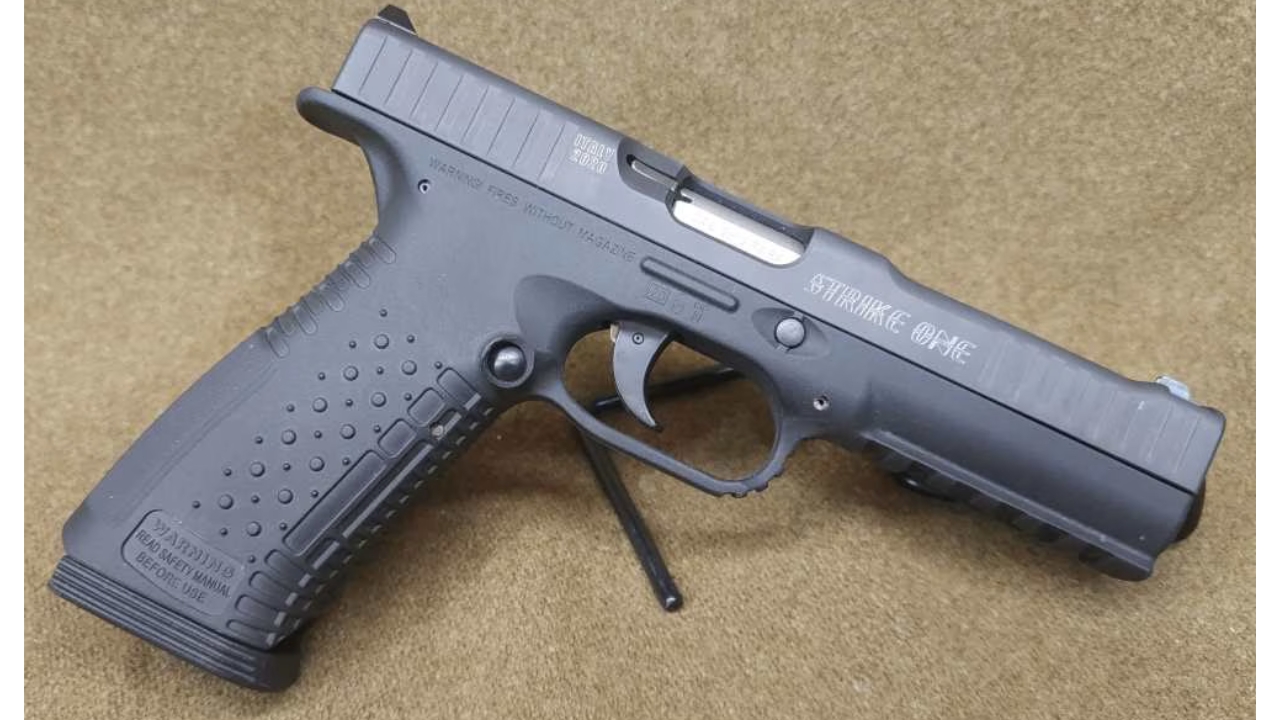
The Arsenal Strike One had a slick idea behind it. The low bore axis and unusual locking system made it sound like a flat-shooting performance pistol that could challenge more familiar designs. It had enough technical appeal to get people curious.
Real ownership was less simple. Support, availability, parts, magazines, and mixed impressions kept it from becoming a pistol people trusted broadly. A gun can feel interesting and still lose confidence if the owner worries about keeping it running. For most shooters, proven support matters just as much as a clever design.
Caracal C

The Caracal C showed real promise when it first appeared. It had a low bore axis, a clean profile, and a reputation for being soft-shooting and easy to run. Early interest was strong because it seemed like a serious new striker-fired contender.
Then recall history and market uncertainty damaged confidence. Once a pistol’s safety or support story becomes complicated, trust becomes hard to rebuild. Even if the design had merit, many shooters moved on because defensive pistols need stability behind them. A handgun can shoot well and still lose owners when the platform feels uncertain.
Steyr S9-A1
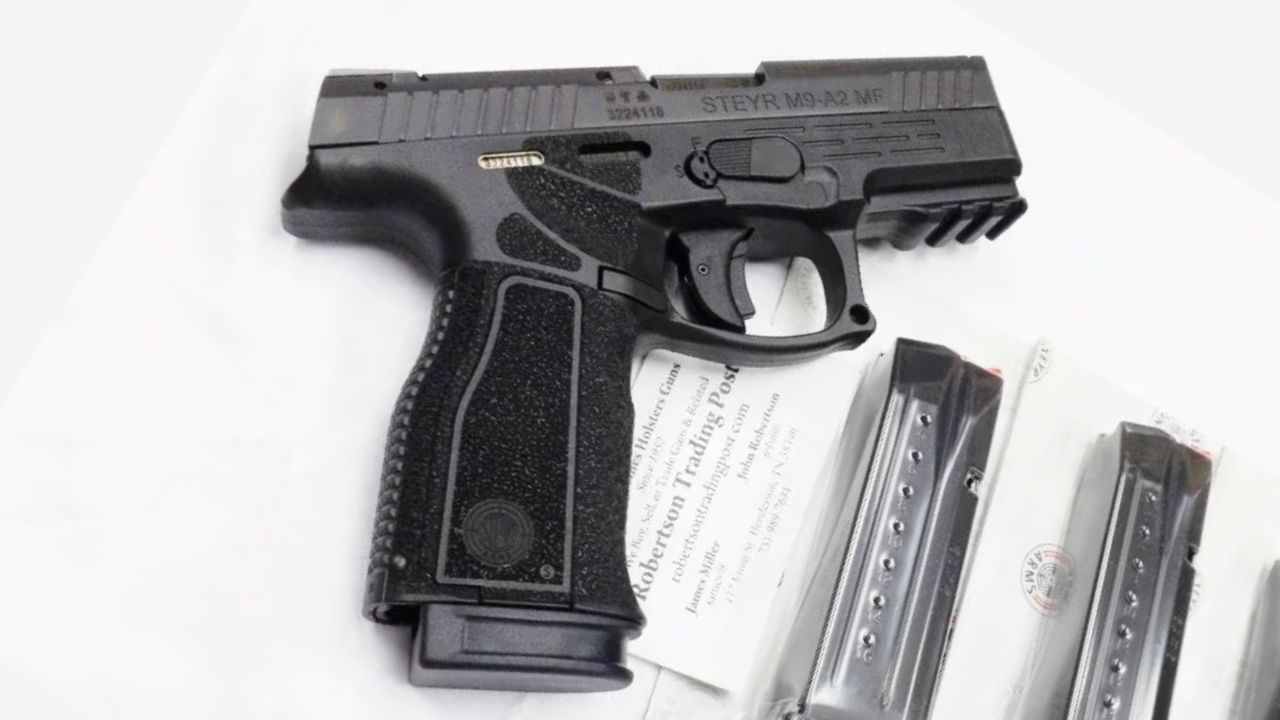
The Steyr S9-A1 is one of those pistols some shooters genuinely like once they understand it. It has a low bore axis, a comfortable grip, and a different sighting system that sets it apart from the usual compact 9mm crowd.
But different can also cost trust. The trapezoid sights do not work for everyone, holster and parts support are thinner than mainstream options, and the pistol never became common enough to feel easy to own. If a gun makes every accessory, magazine, or replacement part feel like a search, owners can lose confidence even if the pistol itself shoots well.
Walther CCP M2
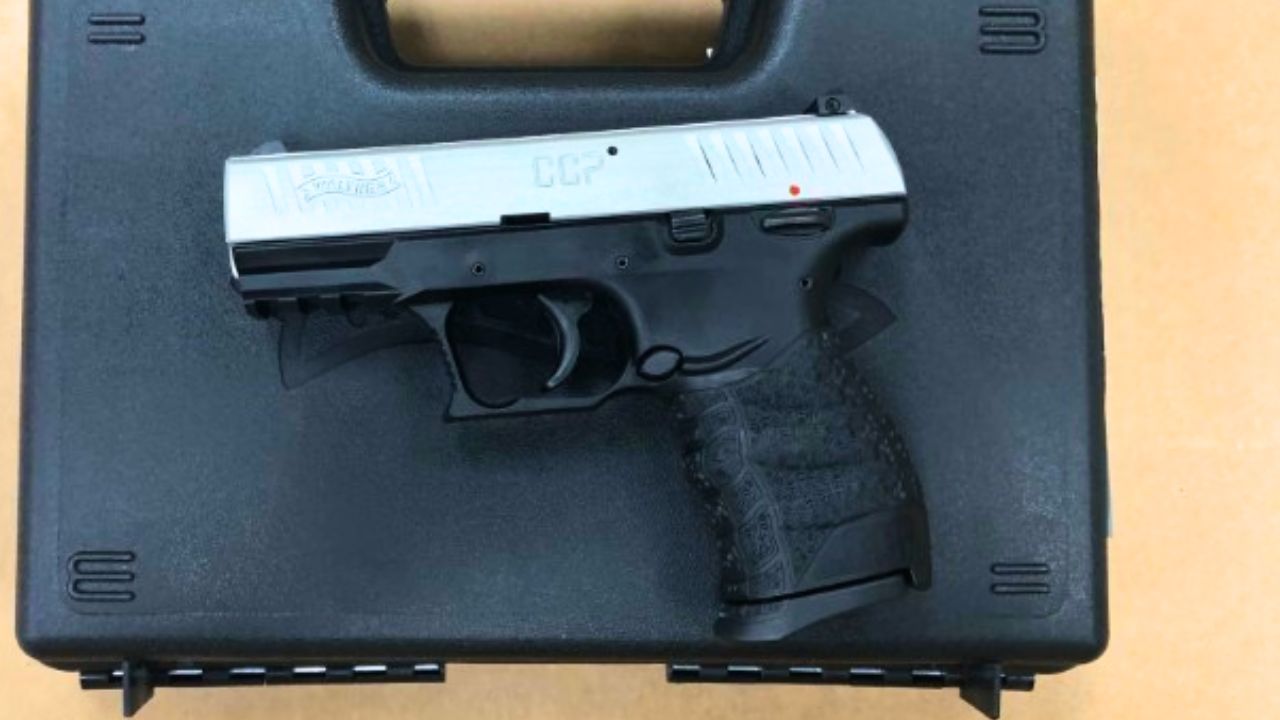
The Walther CCP M2 improved the takedown problem that hurt the earlier CCP, but it still carries some of the same confidence issues. It feels good in the hand, and the soft-recoil pitch makes sense for newer shooters or people who dislike snappy carry guns.
The trouble is that comfort alone does not hold trust. Heat buildup, gas-system fouling concerns, and mixed long-term impressions can make owners wonder if simpler pistols are smarter. When the competition is full of reliable, easy-to-maintain carry guns, the CCP M2 has to do more than feel nice at the counter.
Colt Mustang Pocketlite

The Colt Mustang Pocketlite has plenty of charm. It is small, light, and has that miniature 1911-style appeal that makes it more interesting than many plain pocket pistols. For collectors and fans of tiny single-action autos, it makes sense.
For steady defensive use, though, it can lose trust fast. Small controls, low capacity, .380 ACP chambering, and the need to be very comfortable with cocked-and-locked carry in a pocket-size pistol all narrow its appeal. Some owners buy the idea, then realize they would rather carry something simpler, tougher, and easier to train with.
AMT Hardballer
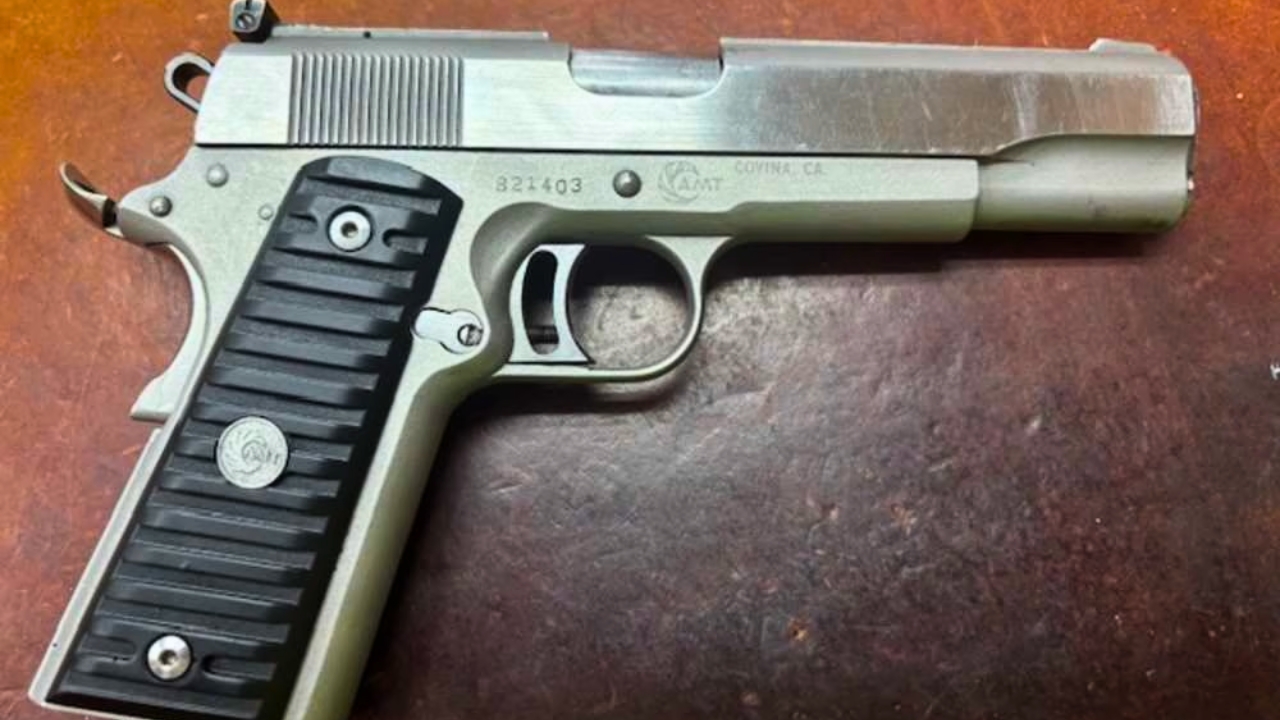
The AMT Hardballer had a cool name, stainless construction, and 1911 familiarity, which gave it plenty of surface appeal. It looked like a serious pistol, especially to shooters who wanted something different from a standard blued Government Model.
But AMT’s reputation for inconsistent quality hurt trust. Some examples run well, while others can be frustrating projects. That inconsistency is the problem. A 1911 already depends on proper fitting, magazines, and maintenance. If the base gun makes you question whether you got a good one, confidence can disappear quickly.
Para-Ordnance LDA Carry

The Para-Ordnance LDA Carry was built around an interesting trigger concept. A light double-action system in a 1911-style pistol sounded like a good answer for people who wanted familiar ergonomics without a traditional single-action carry setup.
In real ownership, the idea could become the issue. The LDA system was more complicated than a standard 1911 trigger, and parts or service confidence is not what it once was. When a carry pistol depends on a specialized system from a brand that no longer has the same footprint, owners can start wondering what happens when something breaks.
EAA Witness Compact
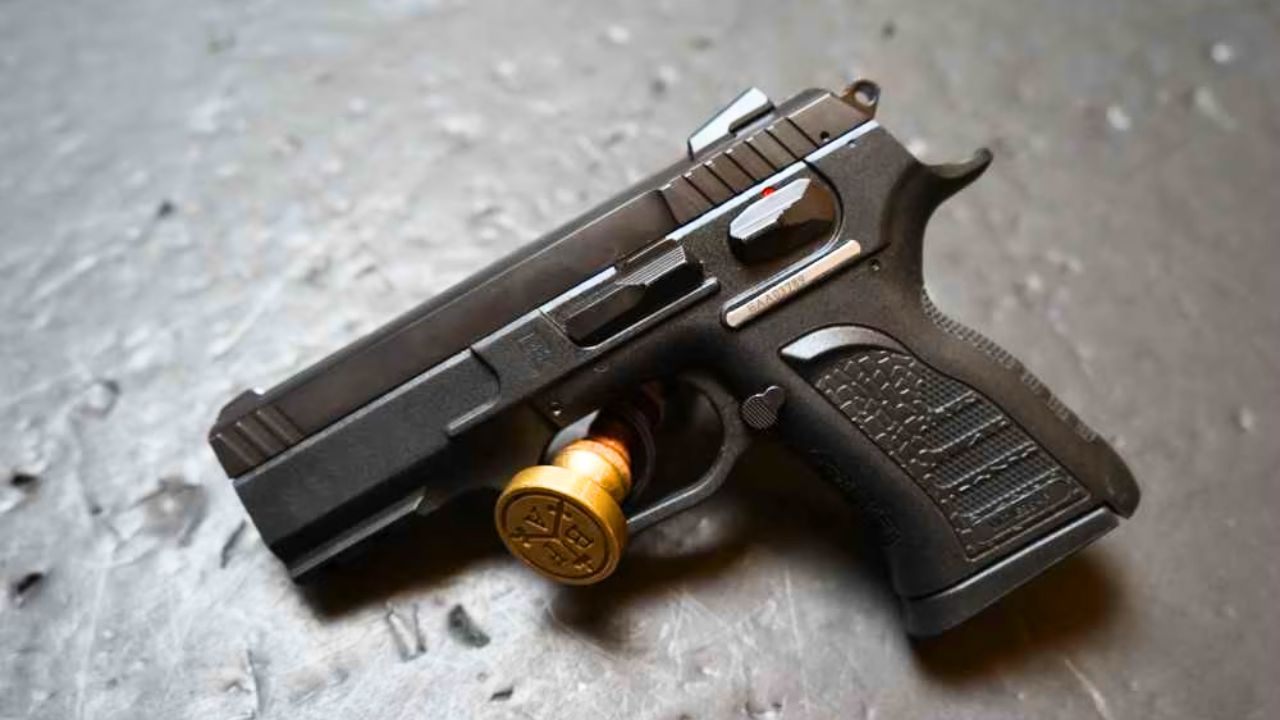
The EAA Witness Compact gives buyers the appeal of a CZ-style pistol at a price that once looked attractive. Metal frame, familiar shape, and useful chambering options made it easy to understand why people gave it a chance.
Trust can fade when fit, magazines, parts support, and caliber-specific durability questions enter the picture. Some Witness pistols are good shooters, but the line has enough mixed reputation that owners may start questioning hard use. A pistol that feels great on a good day still has to convince you it will stay that way.
Magnum Research Micro Eagle

The Magnum Research Micro Eagle was memorable because of its unusual look and compact size. It was a tiny .380 built for deep concealment, and its gas-assisted blowback system made it stand apart from ordinary pocket pistols.
But real trust takes more than being different. The heavy trigger, tiny grip, low capacity, and limited support can wear on owners fast. It is interesting mechanically, but not especially comforting as a steady carry gun. When a pistol is hard to shoot well and hard to replace parts for, confidence has a short shelf life.
Rohrbaugh R9

The Rohrbaugh R9 was impressive for its time because it put 9mm power into an extremely small package before that was common. It was beautifully made and expensive, which gave it a serious reputation among deep-concealment buyers.
But it was also demanding. The pistol was not meant for high round counts, recoil spring maintenance mattered, and it was not a casual range gun. That creates a trust problem for some owners. A defensive pistol you are discouraged from practicing with heavily can make you wonder whether clever miniaturization went too far.
Beretta Nano

The Beretta Nano was an early entrant in the slim 9mm carry wave, and it had some good ideas. It was snag-free, modular in concept, and simple-looking in a way that appealed to concealed carriers.
Over time, it struggled to keep trust. The trigger was not loved, the grip felt odd to many shooters, and early reports of ammunition sensitivity with lighter loads did not help. Once better slim 9mms and micro-compacts arrived, the Nano started feeling like a pistol that got passed by before it fully proved itself.
Grand Power P1
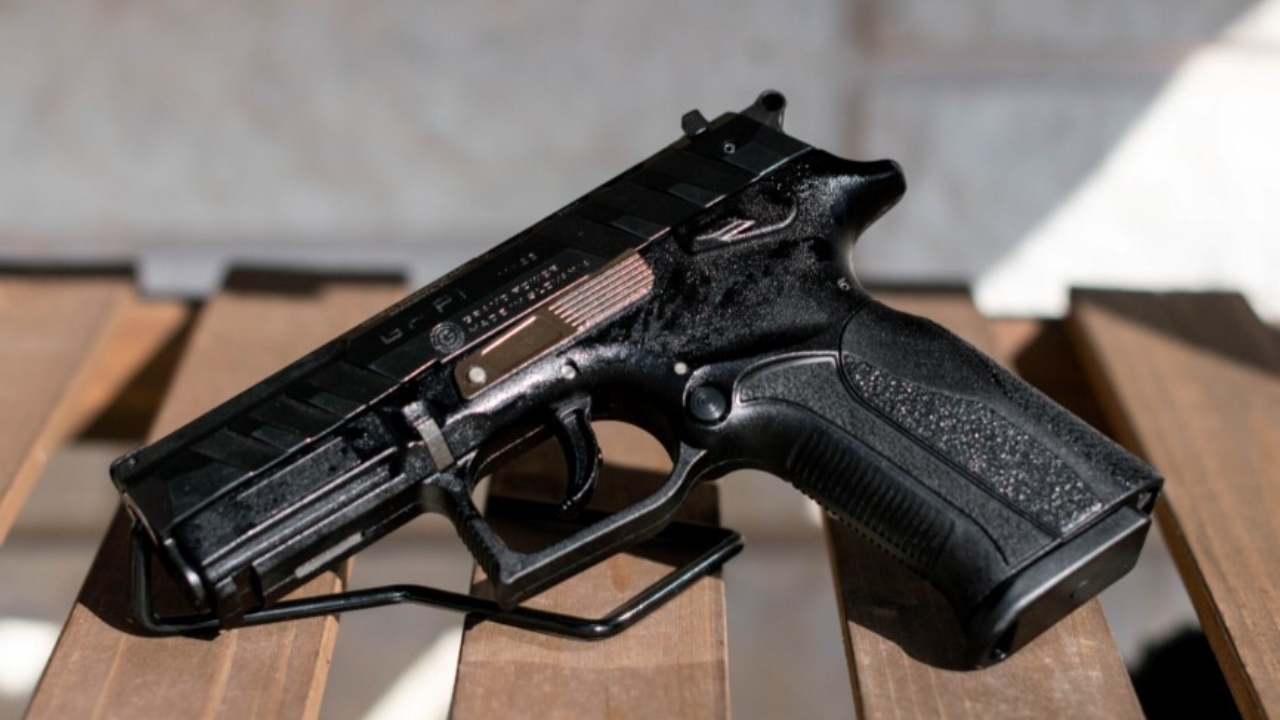
The Grand Power P1 is not a bad pistol, and that is what makes it tricky. It has a rotating barrel system, good ergonomics, and a reputation among some shooters for being accurate and soft-shooting. On the range, it can make a strong first impression.
Trust can still fade because the ownership ecosystem is thin compared with mainstream guns. Magazines, parts, holsters, and service are not as easy as Glock, Smith, SIG, or CZ. A defensive handgun has to be more than mechanically interesting. If long-term support feels uncertain, owners may not trust it as much as they enjoy it.
Like The Avid Outdoorsman’s content? Subscribe to our newsletter so you never miss an article.
Here’s more from us: