Photo credit: Survival Gear/YouTube
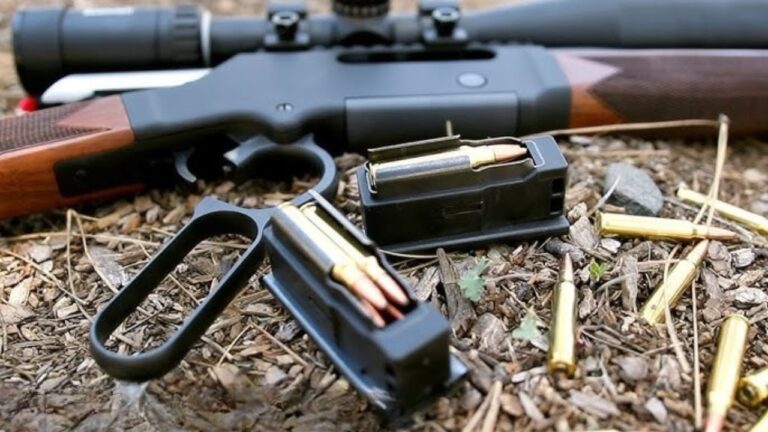
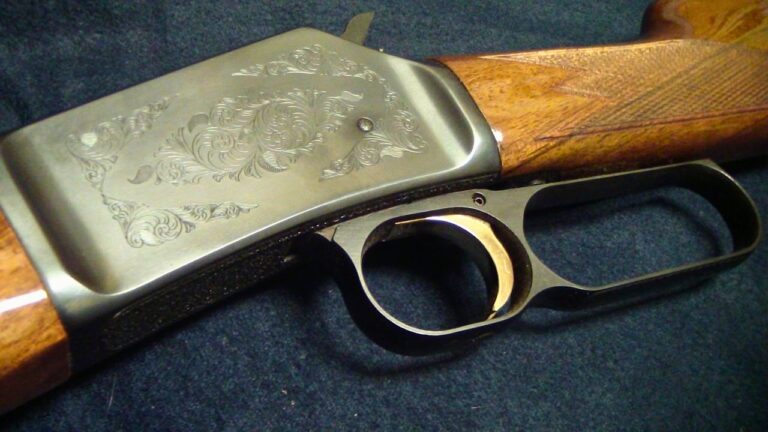
Let’s be honest—lever-actions don’t have the same cool-factor as ARs in today’s tactical world. But for some shooters, especially those who care more about practical use than appearances, the lever gun is making a quiet comeback. Whether it’s for home defense, ranch work, or hunting, there are real reasons to consider one.
No, a lever-action won’t do everything an AR does. But depending on how you use your rifle, it might do everything you need it to do—and do it simpler, quieter, and with fewer headaches.
They’re Legal in More Places

If you live somewhere with strict gun laws, lever-actions often fly under the radar. They don’t carry the same political baggage ARs do, and that makes them easier to own in certain states.
While AR owners are juggling compliance parts and bullet buttons, you can walk into a shop and grab a lever gun that’s ready to go. No feature bans, no magazine limits, just a straightforward rifle that works.
They’re Fast Enough for Real-World Use

Sure, a lever gun doesn’t shoot as fast as an AR in full swing—but you might be surprised how quick they actually are. With a little practice, cycling rounds is smooth and natural.
You’re not clearing buildings or storming bunkers. For real-life home defense or handling varmints on the property, five quick and accurate shots are usually more than enough. Lever-actions can deliver that without missing a beat.
Caliber Options Pack More Punch
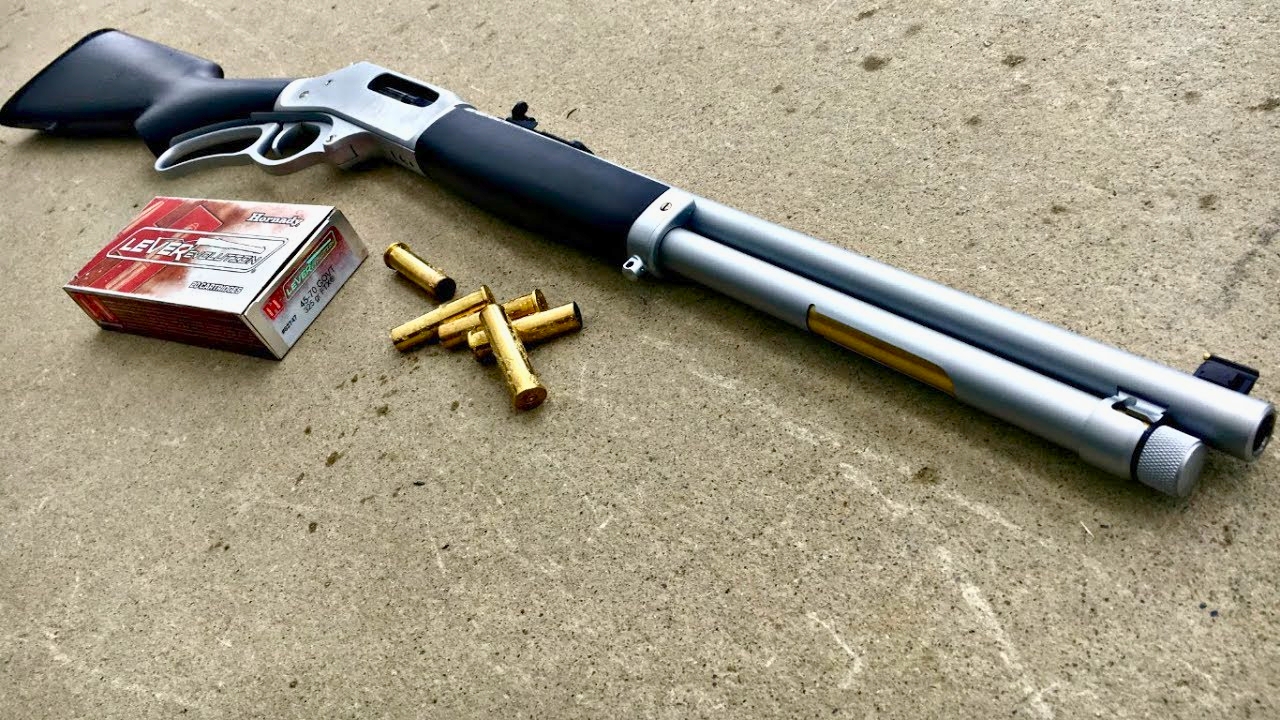
Most lever-actions aren’t running .223—they’re chambered in heavier-hitting rounds like .30-30, .357 Magnum, or even .45-70. These calibers hit harder and are better suited for hunting or stopping bigger threats.
That added power makes them versatile. You’re not stuck with a varmint round when you need something that can actually anchor a hog or stop a threat behind cover.
Simpler Maintenance and Fewer Parts

Lever guns don’t come with rails, gas systems, buffers, and all the fiddly parts you’ll find in an AR. There’s beauty in the simplicity—you don’t need a bench full of tools just to clean or upgrade it.
If you’re not into constant tweaking or troubleshooting, a lever-action can save you a lot of time and frustration. It’s just fewer things to break.
Ammo Isn’t as Finicky

While some ARs can be picky about what you feed them, lever-actions are usually more forgiving. They’ll run soft points, flat-nosed bullets, and even handloads without complaint.
That flexibility is especially helpful when ammo shelves are bare. You can shoot what’s available, not just what your gun likes. It’s one less thing to stress about when stocking up.
They’re Quiet with a Suppressor
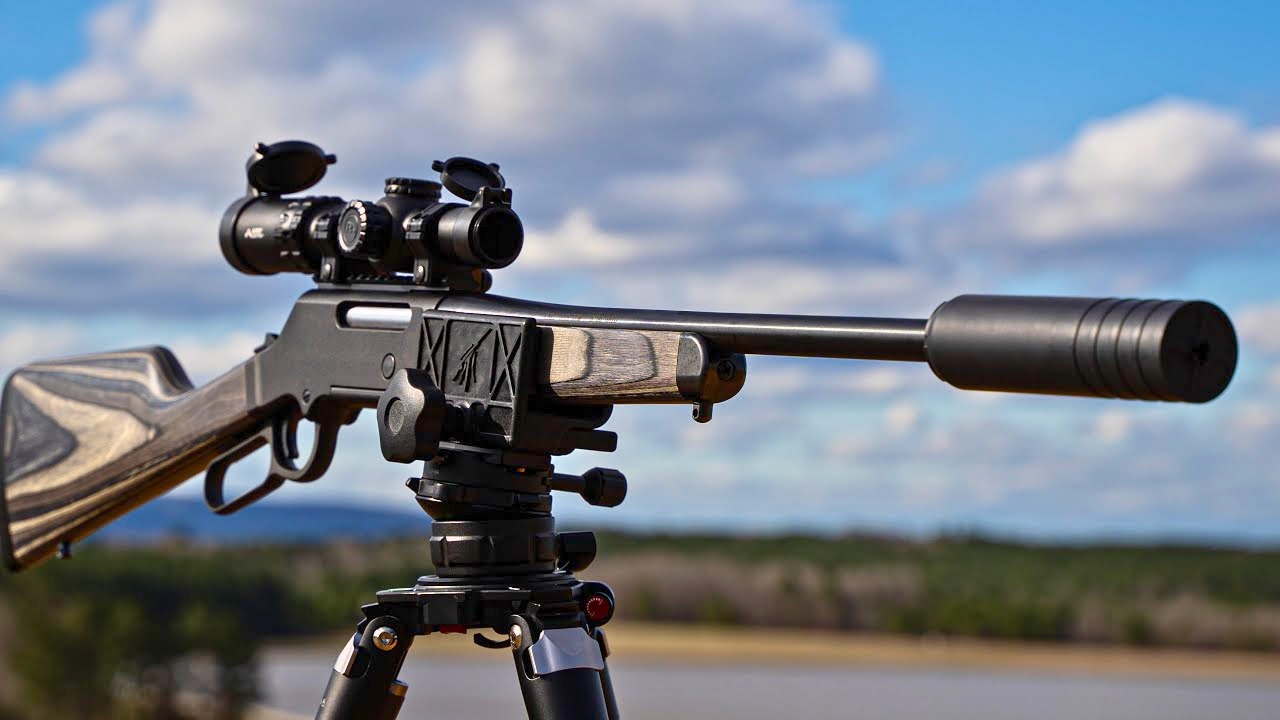
Lever guns—especially those chambered in pistol calibers—run really well suppressed. No gas ports or cycling issues to worry about, and they stay nice and quiet.
That makes them great for backyard shooting, pest control, or staying discreet. A .357 lever gun with subs and a can is way more pleasant to shoot than a gassy AR.
Capacity Is Better Than You Think

People assume lever-actions are low capacity, but that’s not always the case. Some models hold 10 rounds or more, and pistol-caliber versions can stretch that even further.
You’re not as outgunned as some folks think. And with a little practice, topping off a tubular mag becomes second nature. You’re never truly “empty” if you keep feeding it.
They Draw Less Attention

Let’s face it—ARs turn heads, especially from folks who don’t know guns. A lever-action looks like something grandpa hunted deer with, not a “scary” weapon.
Whether you’re carrying it on a ranch, transporting it in a case, or pulling it out during a crisis, it just looks more “normal.” That can matter a lot when you don’t want extra attention.
Great for Brush and Close-Range Work
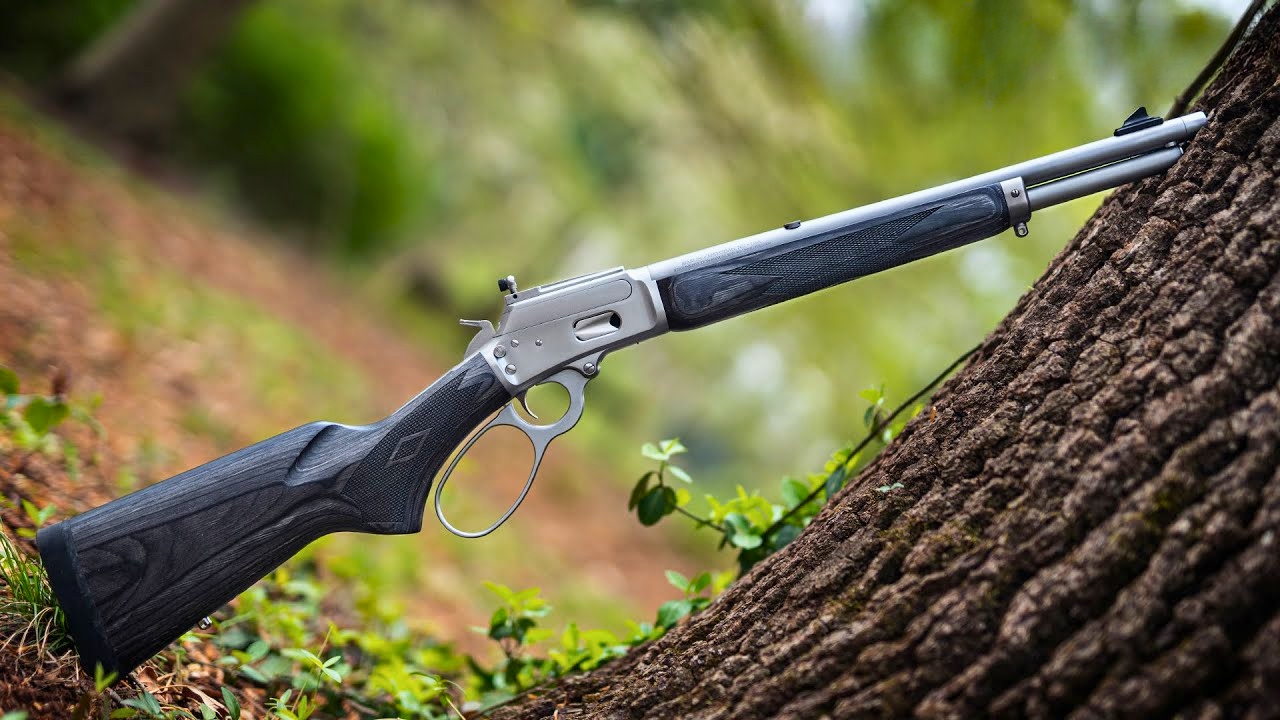
In thick woods or tight spaces, a short lever gun is quick to shoulder and easy to maneuver. That’s something even a decked-out AR can struggle with when it gets too long or front-heavy.
Whether you’re hunting, checking fence lines, or clearing around the homestead, a lever gun’s balance and size make it easy to handle. They’re built for real-world work, not just range days.
There’s Less to Go Wrong

No optics? No problem. No batteries, gas blocks, or free-floating rails to come loose. Lever-actions are mechanical tools—and they tend to keep working even when conditions aren’t great.
If you’re after reliability over tacticool upgrades, this might be your lane. Lever guns can sit in a truck for a year, get banged up, and still fire when you need them.
*This article was developed with AI-powered tools and has been carefully reviewed by our editors.