Photo credit: Hornady Manufacturing/YouTube
A caliber can feel like the smartest thing in the world until you’re standing in the ammo aisle doing mental math. The shooting world loves a new “better” round—flatter, faster, softer recoil, more energy, longer range. And a lot of those claims are real. The part that doesn’t get talked about enough is what happens after you buy the rifle or pistol. If the ammo is pricey, scarce, or only offered in premium loads, your practice budget gets cut in half overnight.
That’s when trendy turns into frustrating. You start saving the good stuff for hunting season, shooting less, and losing the familiarity you wanted in the first place. Some calibers are expensive because they’re new. Some are expensive because they’re niche. Some are expensive because the only people feeding them are buying top-shelf ammo anyway. If you don’t reload, these are the rounds that can make you wish you’d stuck with something boring.
6.5 PRC
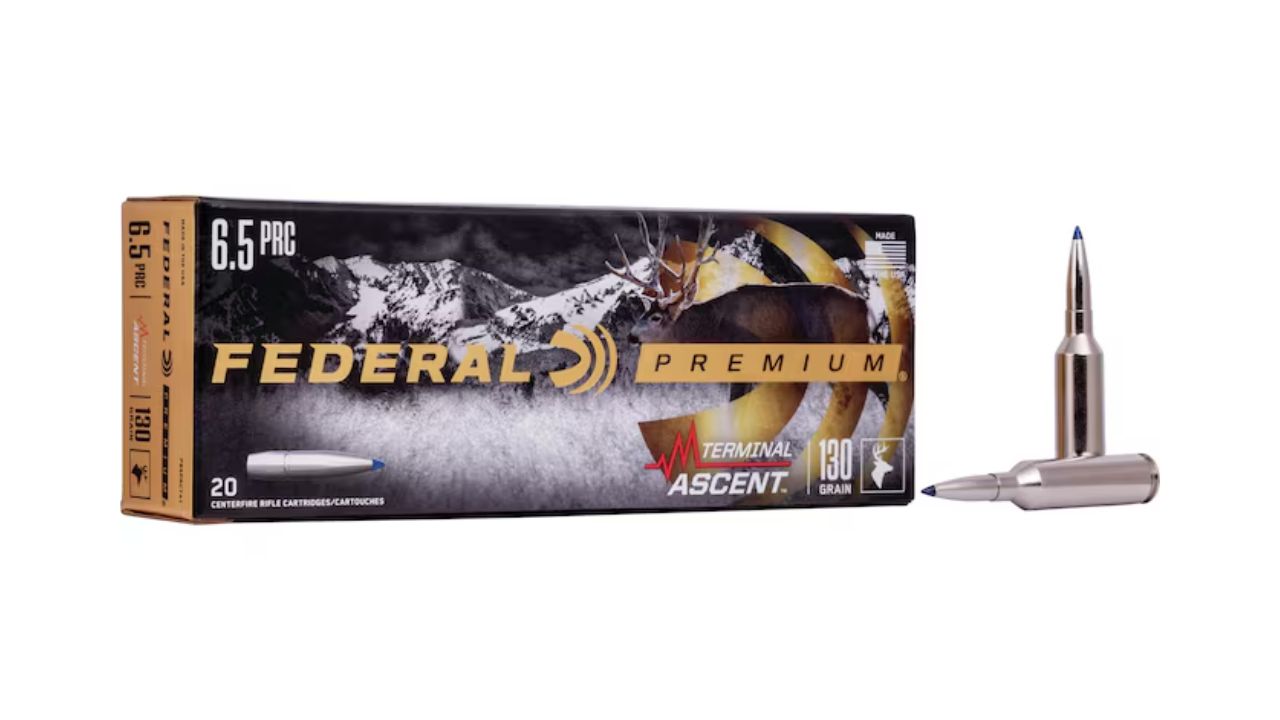
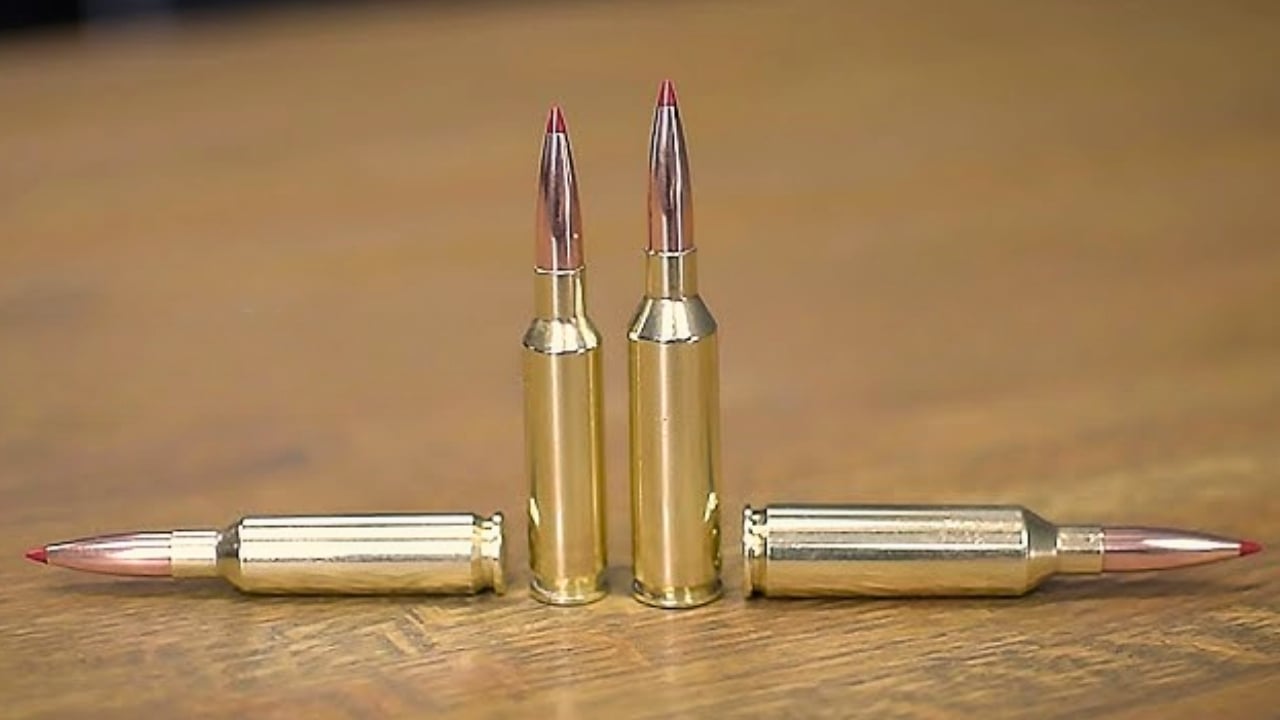
The 6.5 PRC is easy to get excited about. It gives you more speed and energy than 6.5 Creedmoor, and it stays flat enough to make longer shots feel less complicated. It’s a legitimate hunting cartridge, especially if you like open country and want a little more reach without stepping into full magnum recoil.
Then you buy ammo. Most 6.5 PRC loads are priced like premium hunting ammo, because that’s exactly how it’s marketed. You rarely see cheap practice options, and you don’t see big-box store stacks the way you do with Creedmoor. So you end up practicing less, which is the opposite of what a “better” cartridge should do for you. It’s a great round, but it can turn into a once-a-year shooter if you don’t plan ahead or buy in bulk.
7mm PRC

The 7mm PRC feels like the modern answer to a lot of hunting needs. It’s capable, it’s efficient for what it is, and it makes sense if you like the idea of a 7mm that’s built around modern bullet shapes. On paper, it looks like the sweet spot for a serious western hunting rifle.
The pain shows up when you price ammo. Early on, most of what you find is premium, and premium means you’re paying hunting prices even when you’re doing range work. Some stores don’t stock it consistently yet, which pushes you toward online orders and bulk buys. It may get cheaper and more common over time, but right now the 7mm PRC is the kind of round that makes you ration practice. That’s a rough way to build confidence with a new rifle.
300 PRC

The 300 PRC has the “serious” vibe people love—modern design, strong performance, and a reputation for doing big work at distance. It’s easy to understand why it caught on with hunters and shooters who want a .30-caliber that’s built around heavy bullets and stable flight.
But ammo costs can be sobering. You’re usually buying premium loads, often with heavy-for-caliber bullets, and that price adds up fast. It’s not the kind of cartridge you casually burn through on a normal range day. And because it’s not a mainstream shelf staple everywhere, availability can be uneven depending on where you live. If you don’t reload, you’ll feel the cost every time you try to practice enough to actually master the rifle. It’s an impressive cartridge that can punish your wallet harder than your shoulder.
28 Nosler

The 28 Nosler is the kind of round that makes people talk big. It’s fast, flat, and hits hard. It’s also the type of cartridge that makes you feel like your rifle suddenly has “reach” in a way your old standby never did. If you hunt big country and you like speed, it’s easy to fall for.
Then you buy ammo and realize this is a specialty round living in premium territory. Most factory loads are expensive, and you’re not going to find bargain practice ammo. Barrel life and recoil also factor in, which means your “trendy” purchase becomes even more costly over time. A lot of owners end up shooting it just enough to confirm zero and stay sharp, then saving the rest for hunting. That can work, but it’s not the training-friendly lifestyle most shooters imagine when they buy a new hot cartridge.
26 Nosler

The 26 Nosler is another speed-driven cartridge that looks amazing on paper. Flat trajectory, plenty of energy, and a whole lot of marketing that makes it feel like you’re getting magnum performance without compromise. The performance is real. The compromise shows up when you try to feed it regularly.
Ammo is typically expensive and not always sitting on shelves. When you do find it, it’s usually premium hunting ammo with a premium price tag. That means range days get shorter and less frequent. You may also find fewer load options than you’d expect, which makes it harder to “shop” for what your rifle shoots best. The 26 Nosler can be a fantastic hunting tool, but it often ends up as a low-volume rifle because the cost of staying proficient is high.
6.8 Western
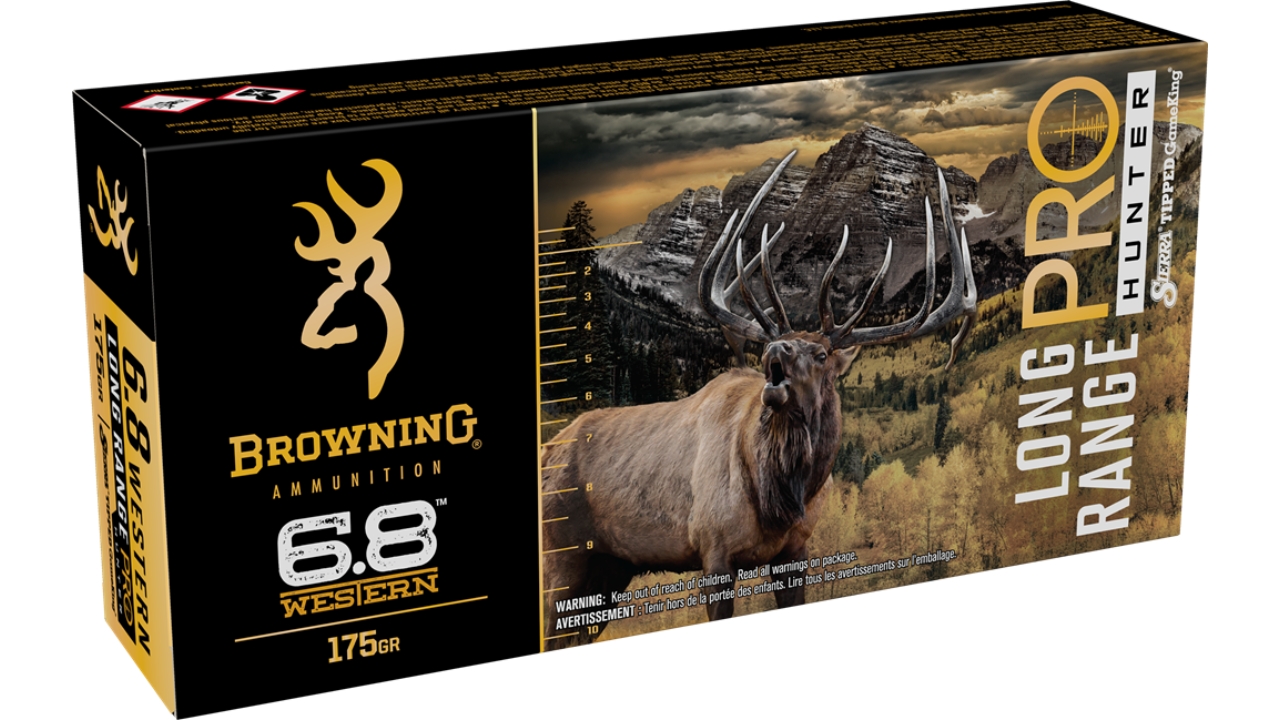
The 6.8 Western had a real moment. It promised heavier bullets, strong energy, and modern performance for hunters who wanted something different than the usual 6.5 and 7mm crowd. It’s a legitimate concept, and in the right rifle, it can deliver.
The issue is what happens at the cash register. Ammo prices tend to stay high, and the caliber isn’t stocked as widely as the mainstream options. That means you can’t always count on walking into a store and grabbing a couple boxes. You’re often buying online, buying in bulk, and paying premium pricing for every round you shoot. When a cartridge isn’t cheap or common, it quietly discourages practice. That’s how a trendy caliber becomes a “cool idea” rifle that doesn’t get shot as much as it should.
6.5 Creedmoor (premium hunting loads)

6.5 Creedmoor isn’t rare anymore, and you can absolutely find affordable range ammo. The problem is that once you start buying the better hunting loads—the stuff people actually brag about—the price can jump fast. It’s trendy enough that many brands offer premium options, and premium adds up.
If you’re the type who wants to practice with the same style of load you hunt with, you can burn money quickly. You’ll also notice that not every store carries the same variety, so you might find cheap FMJ everywhere but struggle to find your preferred hunting load consistently. Creedmoor is still easier on the wallet than many “new hot” cartridges, but it can still surprise you if you get hooked on top-tier ammo. The caliber is friendly. The good stuff isn’t always.
5.7x28mm

The 5.7 is trendy because it feels modern and different. Light recoil, flat shooting, high capacity, and a cool-factor that sells itself. It’s easy to enjoy on the range, and it’s easy to convince yourself it’s the future of something.
Then you start buying ammo like you would for 9mm and reality hits. 5.7 is usually priced well above common handgun calibers, and you don’t always have the same selection depending on where you shop. Even when availability is decent, it’s rarely cheap enough to shoot casually the way most people do with 9mm. So you end up “saving” it, which is funny because it’s a cartridge built around volume and fun. The 5.7 can be a blast, but the ammo cost turns it into an occasional treat for a lot of shooters.
10mm Auto (full-power loads)

10mm is trendy because it’s capable. People like the idea of a semi-auto that can handle tougher work, run hard-cast loads, and still carry like a duty pistol. It’s also a cartridge that sounds like it should be easy to feed, since it’s popular again.
The catch is that the loads you actually want—the full-power stuff—often costs more than people expect. You can find cheaper 10mm, but it may not deliver the performance that made you buy the gun in the first place. The good loads get pricey fast, and you can’t always find them locally. That pushes you into bulk buys or online orders. If you practice with full-power ammo, you’ll feel the cost. If you don’t, you might not be training with what you carry. That’s the 10mm dilemma.
.350 Legend (when demand spikes)

The .350 Legend became trendy because it solved a real problem in straight-wall states and made sense for hunters who wanted light recoil and good deer performance. It’s a practical cartridge, and it’s easy to like when you see how well it can work inside typical whitetail distances.
The ammo story depends heavily on demand. When everyone’s gearing up for deer season, prices climb and shelves thin out in a hurry. Outside of that window, you may find better availability, but it still isn’t as universally stocked as older classics. And because many loads are hunting-oriented, you’re often paying hunting prices rather than practice prices. If you’re a hunter who shoots a box or two a year, it’s manageable. If you’re trying to practice a lot, you’ll notice the wallet impact faster than you expected.
.300 Blackout

.300 Blackout is trendy because it’s versatile and fits into the AR world without drama. You can run it short, suppress it, and tailor it for different uses. It’s a cool cartridge with real advantages in the right setup, and that’s why it stays popular.
Ammo cost is the constant complaint. It’s typically more expensive than 5.56, and the price gap adds up quickly if you shoot a lot. You also have two different worlds—supersonic and subsonic—and the subsonic stuff is almost always priced high. That turns a fun, flexible caliber into a more expensive hobby. Plenty of people buy a .300 Blackout and then shoot it less than they planned because it’s hard to justify the cost for routine training. It’s a great cartridge that can quietly punish volume shooters.
.224 Valkyrie

The .224 Valkyrie had a big wave of interest because it promised long-range performance from an AR platform with less recoil. On paper, it looked like a smart way to stretch the legs of a gas gun without moving to heavier calibers. It made people curious, and curiosity sells rifles.
The ammo reality is that it’s not cheap and it’s not always easy to find locally. You may see a couple load options and none of the budget practice ammo that keeps a caliber healthy. When a round doesn’t become a true shelf staple, it stays expensive and inconsistent in availability. That makes practice harder, and practice is what would actually help the caliber succeed. The Valkyrie can shoot, but the ammo situation often turns it into a “cool idea” rifle that doesn’t get used as much as it should.
6mm ARC

6mm ARC is trendy with shooters who want more performance out of an AR-15, especially for hunting and precision-style shooting. It’s a smart concept: better ballistics than 5.56, more punch on game, and a cartridge that can shoot very well when it’s set up right.
Ammo cost is where the excitement cools. You’re often buying higher-end loads, and you’re not finding piles of cheap plinking ammo. Availability can be uneven too, which pushes you toward online shopping and planning ahead. If you shoot a lot, you’ll feel the cost quickly. If you don’t shoot a lot, you may still get frustrated when you can’t find the same load again. The ARC is a capable cartridge, but it’s not a cheap one, and that shapes how much you actually practice with it.
6.5 Grendel

The 6.5 Grendel has a loyal following because it works—good ballistics, solid hunting performance, and it runs in the AR-15 world. It’s trendy in the sense that people “discover” it and wonder why it isn’t more common. Once you shoot it, you get the appeal.
Ammo costs can still surprise you. It’s usually more expensive than mainstream calibers, and the selection varies a lot by store. Some places stock it consistently, others never have it. That means you can’t always count on grabbing ammo on a whim. If you want to shoot it often, you usually buy online or stock up when you see a deal. The Grendel isn’t the worst offender on this list, but it’s a great example of a cartridge that makes perfect sense—until you realize it doesn’t get mainstream ammo pricing.
450 Bushmaster

The 450 Bushmaster is trendy in straight-wall and big-bore circles because it hits hard and it works on deer and hogs with authority. It’s also the kind of cartridge that looks like a blast to shoot if you like thumpers in compact rifles.
Then you see ammo prices and start shooting less. Most factory loads are hunting loads with hunting prices, and you’re not going to find cheap range ammo. Availability also swings by season and location. In some areas it’s common, in others it’s a special order item. That means you’re often paying premium prices and planning your purchases. The 450 can do real work in the field. It’s just not a cartridge most people shoot casually week after week unless they reload.
6.5-300 Weatherby Magnum

This is the kind of caliber that looks like pure performance—and it is. The 6.5-300 Weatherby is fast, flat, and impressive, and it scratches that itch for maximum speed in a hunting cartridge. If you like ballistic numbers, it’s hard not to stare at it.
The ammo cost will snap you back to earth. Weatherby ammo is often priced at the top end, and this cartridge isn’t an exception. You’re paying premium prices every time, and you’re not finding it in every shop. That turns ownership into a low-volume affair unless you have a serious budget or you reload. It’s a great example of a caliber that’s trendy in conversations and ballistics charts, but the cost keeps it from being a practical everyday shooter for most people.
Like The Avid Outdoorsman’s content? Subscribe to our newsletter so you never miss an article.
Here’s more from us: