Photo credit: The Avid Outdoorsman
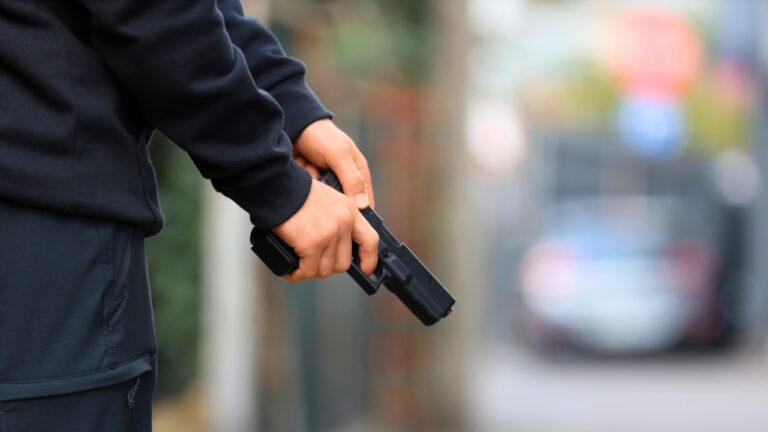
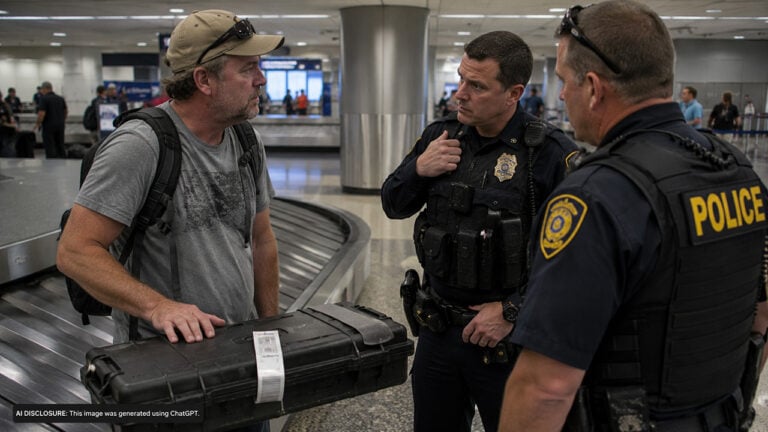
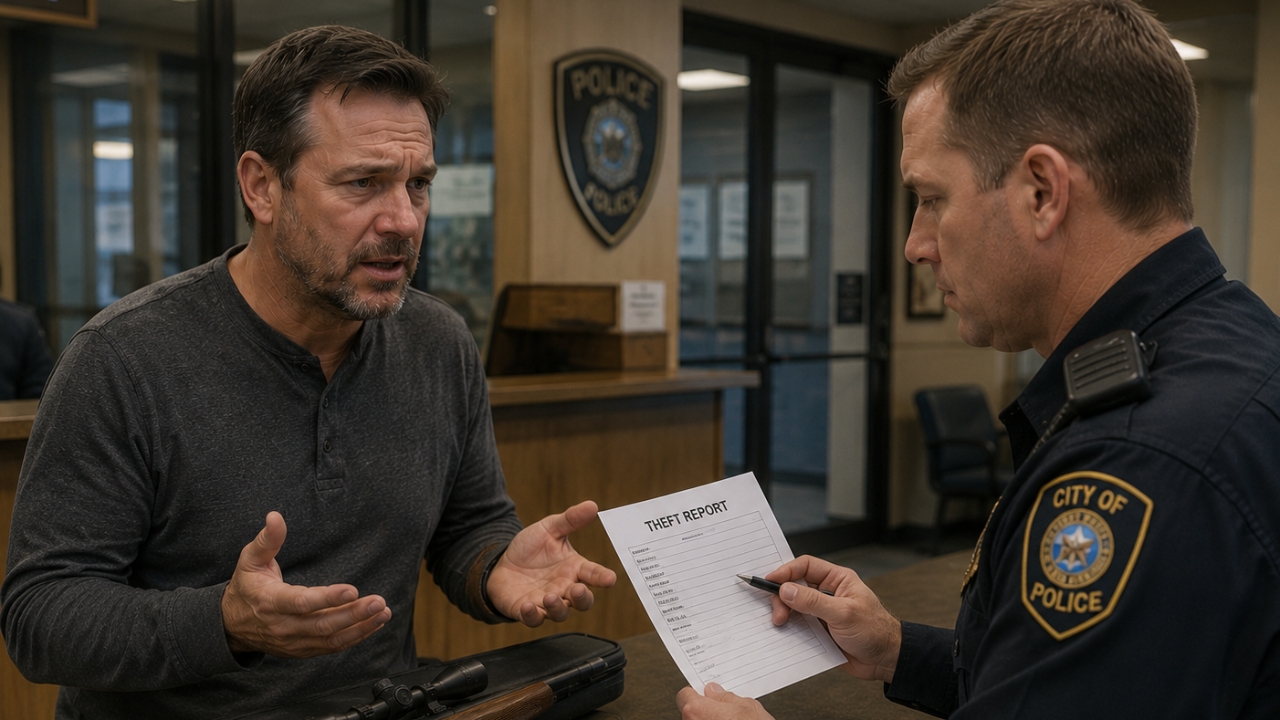
The gun owner said the firearm had been stolen, but one important piece of information was missing: the serial number. According to the Reddit post, they needed advice after a gun theft and were trying to figure out how to make a proper report without having the exact number officers usually need most.
The original Reddit post can be found here: https://www.reddit.com/r/legaladvice/comments/137b7kz/need_advice_on_gun_theft/
That is a stressful place to be. Reporting a stolen firearm is already serious, but the serial number is what helps police identify the gun if it turns up later. Without it, a stolen-gun report can still be made, but it may be harder to prove the firearm is the same one if it is recovered during a traffic stop, pawn shop check, arrest, or later sale.
The owner’s problem was not rare. Plenty of people buy a gun, put the receipt somewhere, move paperwork around, lose the box, or never write the serial number down anywhere separate. Then, when the firearm is stolen, they realize the one detail that matters most is the one they cannot immediately find.
That does not mean the report should wait. A stolen firearm needs to be reported as soon as possible, even if some information has to be added later. The report can include the make, model, caliber, finish, any accessories, unique markings, purchase location, approximate purchase date, and the circumstances of the theft. If the serial number is found afterward, the owner can usually update the report.
The post also shows why firearm records matter long before anything goes wrong. A simple photo of the serial number, a saved receipt, a copy of the transfer paperwork, or a written inventory in a safe place can make a major difference after a theft. Nobody wants to think they will need it, but once the gun is gone, the paperwork becomes part of the recovery effort.
The owner also had to think about protecting themselves. If the firearm is used in a crime later, the owner needs a record showing when it was stolen and when they reported it. Even without the serial number, making the report creates a timeline and shows they did not simply let the gun disappear without notifying anyone.
Commenters told the owner to file the police report anyway and provide as much detail as possible. Several said the serial number could be added later if it was found in receipts, photos, emails, gun shop records, manufacturer paperwork, or insurance documents.
Others suggested contacting the store or FFL where the firearm was purchased. If the gun was bought through a dealer, the dealer may have records showing the serial number tied to the transaction. That could help fill the biggest gap in the report.
Some commenters also recommended checking old photos. Many gun owners take pictures of firearms, boxes, receipts, range setups, or safe contents without thinking about it. A serial number may show up in a photo that was never intended as documentation.
A few people pointed out that insurance records could help too. If the firearm was listed on a homeowners, renters, or separate firearms policy, the serial number may already be stored there.
The post ended with a hard lesson for any gun owner. The time to record a serial number is before a theft, not after it. But even without that number in hand, the responsible move is still to report the firearm stolen, document everything available, and keep digging until the missing serial number can be added.
Like The Avid Outdoorsman’s content? Subscribe to our newsletter so you never miss an article.
Here’s more from us: