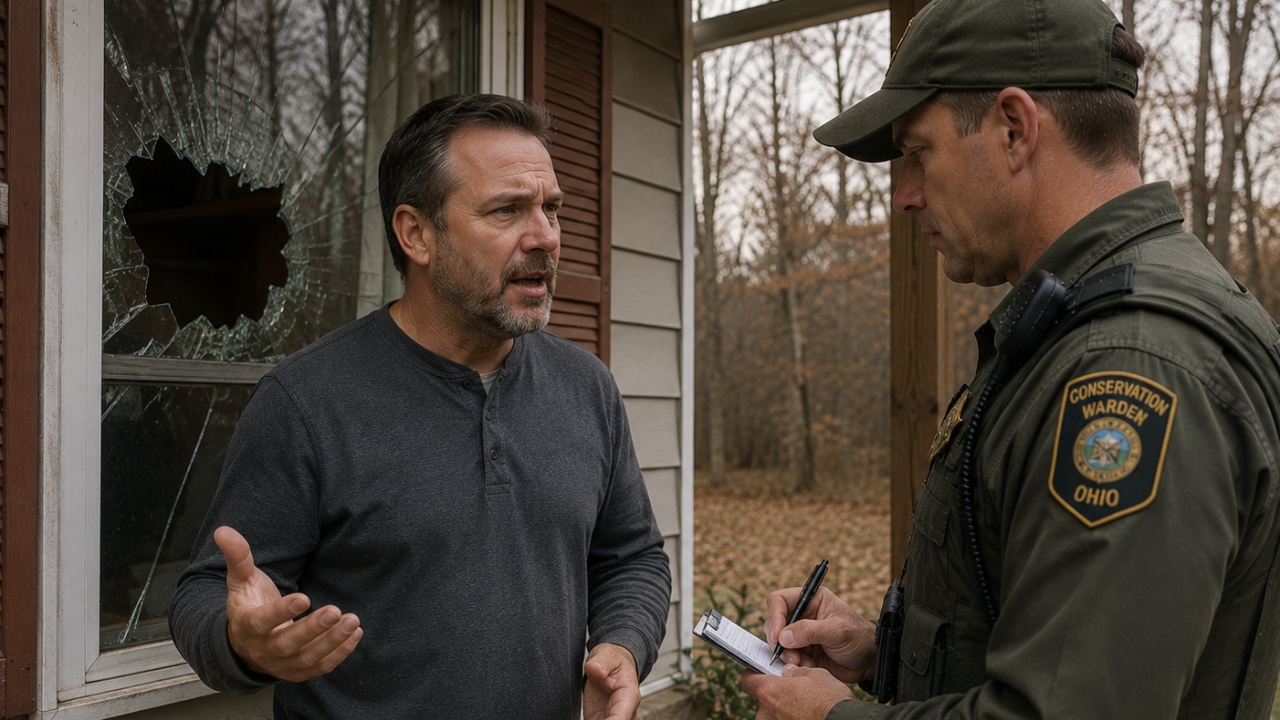
Photo credit: The Avid Outdoorsman
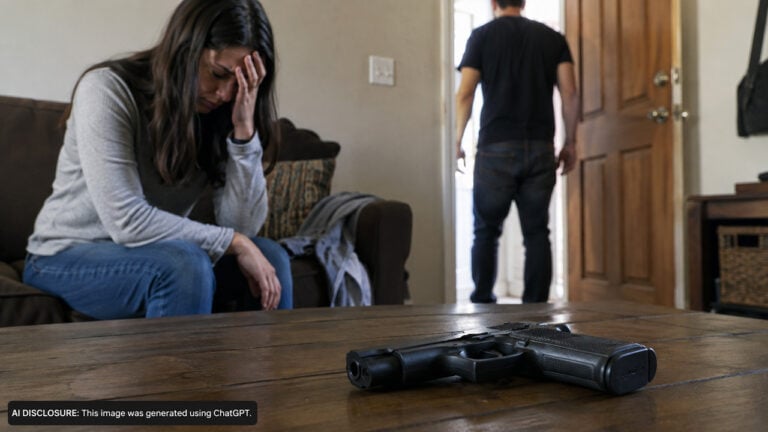
The homeowner said this was not the first time hunters had hit the house. According to the Reddit post, hunters had shot toward the property before, but this time the damage was harder to ignore because a window was broken.
The original Reddit post can be found here: https://www.reddit.com/r/legaladvice/comments/9xneya/hunters_shot_house_again_broke_window/
That one word — “again” — changed the whole situation. A single stray pellet or shot hitting a home is already serious. When it happens more than once, it starts to feel like a pattern. The homeowner was no longer dealing with an isolated accident. They were dealing with hunters nearby who, at least from the homeowner’s perspective, were not shooting safely enough to keep rounds or pellets away from an occupied house.
A broken window makes the danger real in a way that noise alone does not. People can argue about whether nearby hunting is annoying or whether someone is overreacting to distant gunfire. But broken glass is physical proof that something reached the home. If a projectile can break a window, the people inside have every reason to worry about what could happen if someone was sitting nearby.
The homeowner’s concern was not just property damage. It was safety. They had to wonder where the hunters were positioned, what direction they were shooting, what kind of firearm or shotgun load was involved, and whether there was any safe backstop or awareness of the homes nearby.
This is the kind of conflict that often happens where hunting land and residential property sit too close together. Hunters may be on land where they have permission to hunt. The homeowner may be in a house that has every right to be there. But if shots are reaching the home, the legal right to hunt does not erase the responsibility to shoot safely.
The homeowner wanted to know what to do next. That likely meant documenting the damage, contacting the sheriff or local police, and bringing in a game warden or conservation officer if the shots were tied to active hunting. Wildlife officers understand hunting seasons, shooting distances, legal methods, and how to handle unsafe hunters without turning it into a random neighbor argument.
There was also the issue of proof. A broken window shows damage, but the homeowner still needed to connect that damage to the hunters. Photos, dates, times, recovered pellets or projectiles, witness statements, and reports from prior incidents could all help. If this had happened before, the previous reports mattered too.
Commenters told the homeowner to document everything before making repairs. Photos of the broken window, the angle of impact, any recovered pellets or fragments, and the surrounding property could all matter if authorities needed to investigate.
Several people suggested calling law enforcement while the hunters were still active, if possible. If officers or a game warden could respond while the shooters were still nearby, it would be easier to identify who was hunting and where they were positioned.
Others said the homeowner should contact a game warden or conservation officer because the issue involved hunters and unsafe shooting. Even if the hunters had permission to be on nearby land, sending shot into a house could still create serious consequences.
Some commenters also recommended talking to neighbors. If other homes had been hit, or if other people had heard the shots and seen where the hunters were, a group of reports would carry more weight than one homeowner trying to prove a pattern alone.
A few people warned against confronting armed hunters directly. The homeowner had every right to be angry, but walking into the field during or after a shooting incident could escalate the situation. The safer move was to gather evidence and let the proper authorities handle the contact.
The post ended with the homeowner dealing with more than a broken window. The house had allegedly been hit before, and this time there was visible damage. Once hunting shots start reaching occupied homes, the question is not whether the hunters meant to do it. The question is how quickly it can be stopped before broken glass becomes something worse.
Like The Avid Outdoorsman’s content? Subscribe to our newsletter so you never miss an article.
Here’s more from us: