Photo credit: The Avid Outdoorsman
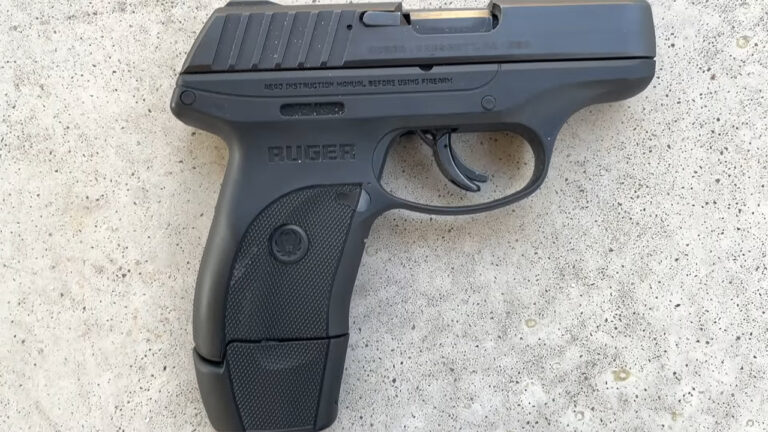
The man said the pistol came to him as a gift, but he quickly realized that receiving a handgun is not as simple as accepting an old tool or a piece of furniture. According to the Reddit post, he received a pistol in Maryland and wanted to know how to make the transfer legal.
The original Reddit post can be found here: https://www.reddit.com/r/legaladvice/comments/1lo6cwf/received_a_pistol_in_maryland_as_a_gift_how_do_i/
That was the right question to ask. Handguns can carry more transfer requirements than many people expect, especially in states with stricter rules. A gift may feel informal between family members or friends, but the law may still require paperwork, background checks, waiting periods, registration steps, or involvement from a licensed dealer.
The man’s concern seemed to be that he already had the pistol but wanted to fix the legal side properly. That is an important distinction. If someone gives you a firearm without following the required process, the fact that it was a gift does not automatically make the transfer lawful. The intent may be innocent, but the paperwork still matters.
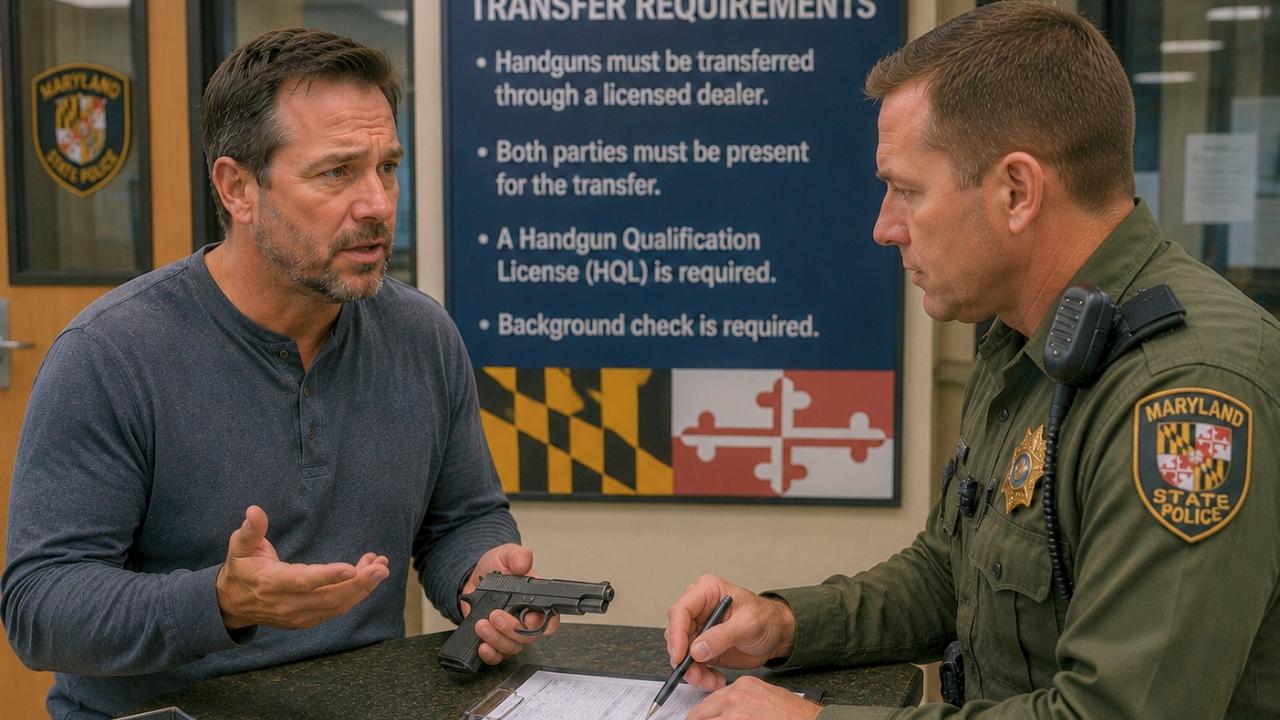
Maryland is not a state where a person should guess about handgun transfers. Depending on the circumstances, there may be state police paperwork, a regulated firearms process, safety training requirements, or dealer involvement. The relationship between the giver and receiver can matter too. Some transfers between close family members may be treated differently than gifts between unrelated people, but that does not mean there are no rules.
The post showed a common problem with firearm gifts. The giver may think they are doing something generous. The receiver may assume it is fine because no money changed hands. Then someone realizes after the fact that a handgun is not just property. It is regulated property, and the transfer itself may need to be documented.
The safest move in a situation like that is usually to stop treating it casually and contact the right authority or a licensed dealer. A local FFL familiar with Maryland handgun transfers can often explain what process is required. The state police or official firearms licensing resources may also have the correct steps.
The key is not to wait until the pistol becomes part of a traffic stop, background check issue, estate dispute, or later sale. If the transfer was incomplete, the cleanest time to fix it is immediately.
Commenters told him to check Maryland’s specific handgun transfer rules rather than relying on general gun advice. Several said Maryland has regulated-firearm requirements that can apply even when the gun is a gift.
Others suggested contacting a licensed Maryland firearms dealer and asking how to complete the transfer properly. An FFL would know whether the pistol needed to go through a dealer process, state paperwork, or another approved route.
Some commenters warned him not to assume that a family or friend gift automatically bypasses the rules. Relationship exceptions, if any apply, are narrow and state-specific. The receiver still needed to make sure the transfer was lawful.
A few people also said he should avoid carrying, selling, or transferring the pistol again until the ownership paperwork was clean. If the gun’s legal status was uncertain, using it like everything was fine could create bigger problems later.
The post ended with a simple but important lesson. A gifted pistol can still require a legal transfer. The gift may be generous, but the paperwork is what keeps the receiver from turning a well-meaning present into a firearms-law headache.
Like The Avid Outdoorsman’s content? Subscribe to our newsletter so you never miss an article.
Here’s more from us: