Photo credit: CGA Defense/YouTube
Some carry guns look good in the store. They are small, affordable, optic-ready, high-capacity for their size, or backed by a name people recognize. That is enough to get them sold, especially when buyers are trying to solve the comfort problem more than the shooting problem.
But when confidence matters, people tend to get pickier. They want a pistol that has proven reliability, controllable recoil, good support, solid magazines, and no weird doubts in the back of their mind. These are the modern carry guns plenty of people notice, buy, or consider, but do not always reach for when things feel serious.
Taurus GX4

The Taurus GX4 got attention because it gave buyers a tiny 9mm with modern capacity at a budget-friendly price. On paper, that is exactly what a lot of concealed carriers want. Small size, decent capacity, and low cost are an easy sales pitch.
The problem is trust. Taurus has improved a lot, but the name still carries baggage, and the GX4 has had enough safety and reliability discussion around it that many shooters want more proof before betting everything on it. Some owners trust theirs completely. Others would rather grab a Shield Plus, Glock 43X, or P365 when things get real.
Canik Mete MC9
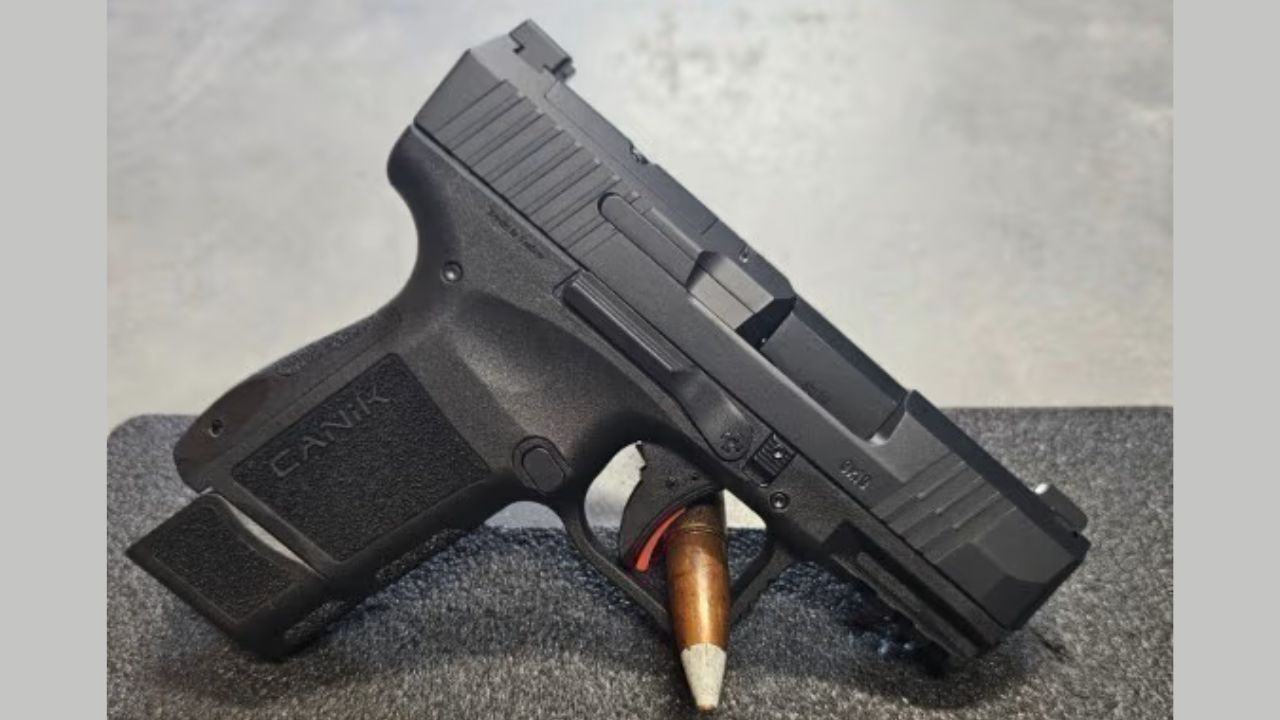
The Canik Mete MC9 looked like it should have been an easy win. Canik triggers are usually strong, the price is attractive, and the gun offered the size and feature set people wanted in a modern micro-compact.
The hesitation comes from the fact that early owner chatter was not all smooth. With a carry gun, buyers do not want to wonder about feeding, springs, magazines, or break-in periods. The MC9 may work well for plenty of people, but many shooters still trust Canik more in larger pistols than in its smallest carry model.
Kimber R7 Mako

The Kimber R7 Mako was supposed to show that Kimber could build a serious modern carry pistol instead of another tiny 1911-style gun. It had a different look, good features, and a more current design than many expected from Kimber.
But it never really became the pistol people ran toward. Kimber still fights old trust issues from picky compact pistols, and the R7 Mako entered a brutal market full of proven names. Even shooters who liked the idea often ended up reaching for something with deeper support and a stronger long-term reputation.
Beretta APX A1 Carry
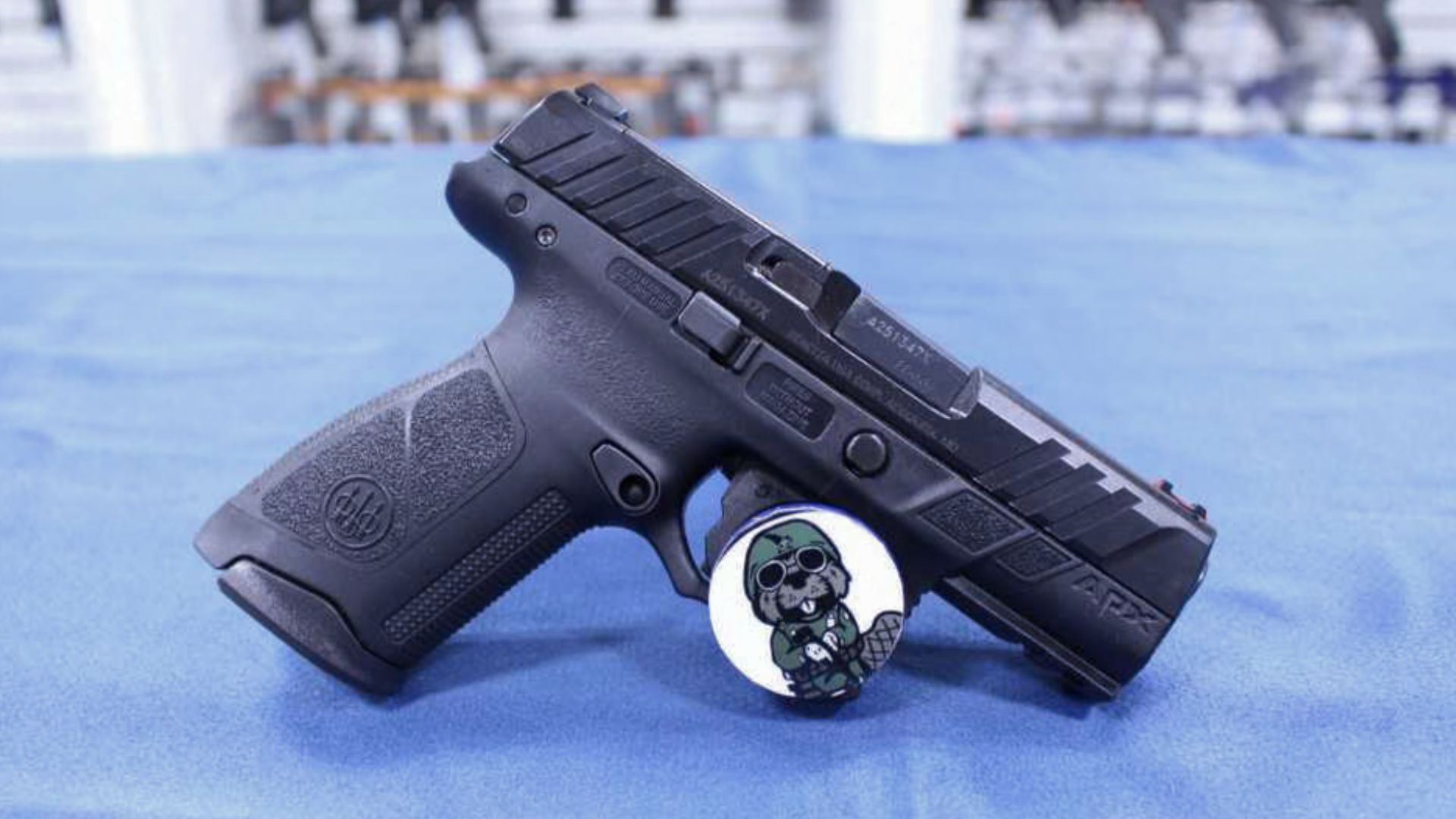
The Beretta APX A1 Carry has the Beretta name, and that should have helped more than it did. It is small, affordable, and modern enough on paper to fit the single-stack carry market.
The issue is that it feels outgunned by newer carry pistols. Capacity, trigger feel, aftermarket support, and overall shootability are all areas where competitors often feel stronger. Beretta makes excellent pistols, but this is not the model most people trust when they want their best carry option.
Ruger Max-9

The Ruger Max-9 is not a bad pistol, and that is part of what makes it tricky. It is affordable, American-made, optic-ready in many versions, and small enough for easy carry. It checks plenty of boxes.
But it does not inspire the same confidence or excitement as the best guns in its class. The trigger, finish, and overall feel can come across more budget than premium. Many buyers look at it, understand the value, then still reach for a P365, Hellcat Pro, Shield Plus, or Glock 43X when they want more confidence.
Mossberg MC2sc

The Mossberg MC2sc is a modern compact carry pistol that probably deserves more attention than it gets. The problem is that Mossberg is still mostly a shotgun name in many people’s minds. That matters when buyers are choosing a defensive handgun.
A pistol has to build trust over time, and the MC2sc entered a market crowded with proven carry options. Even if the gun works well, many shooters hesitate because the platform does not have the same track record, holster depth, magazine availability, or brand identity as the leaders.
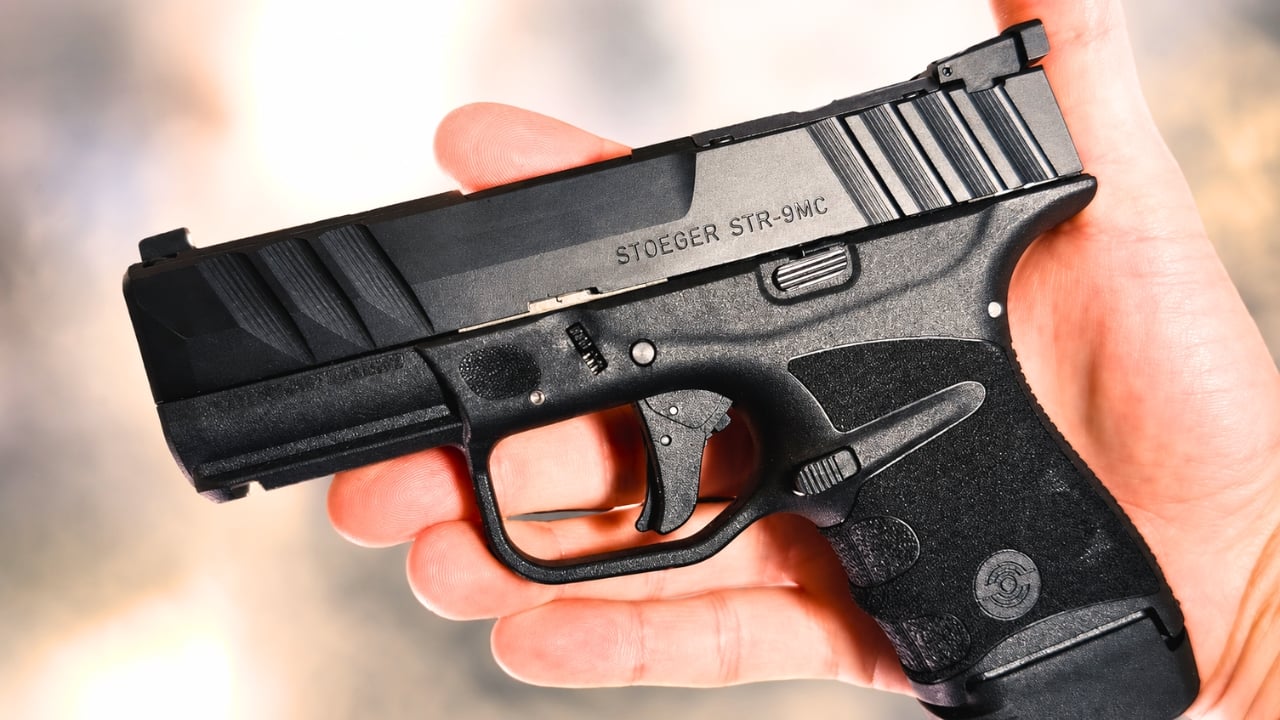
Stoeger STR-9MC
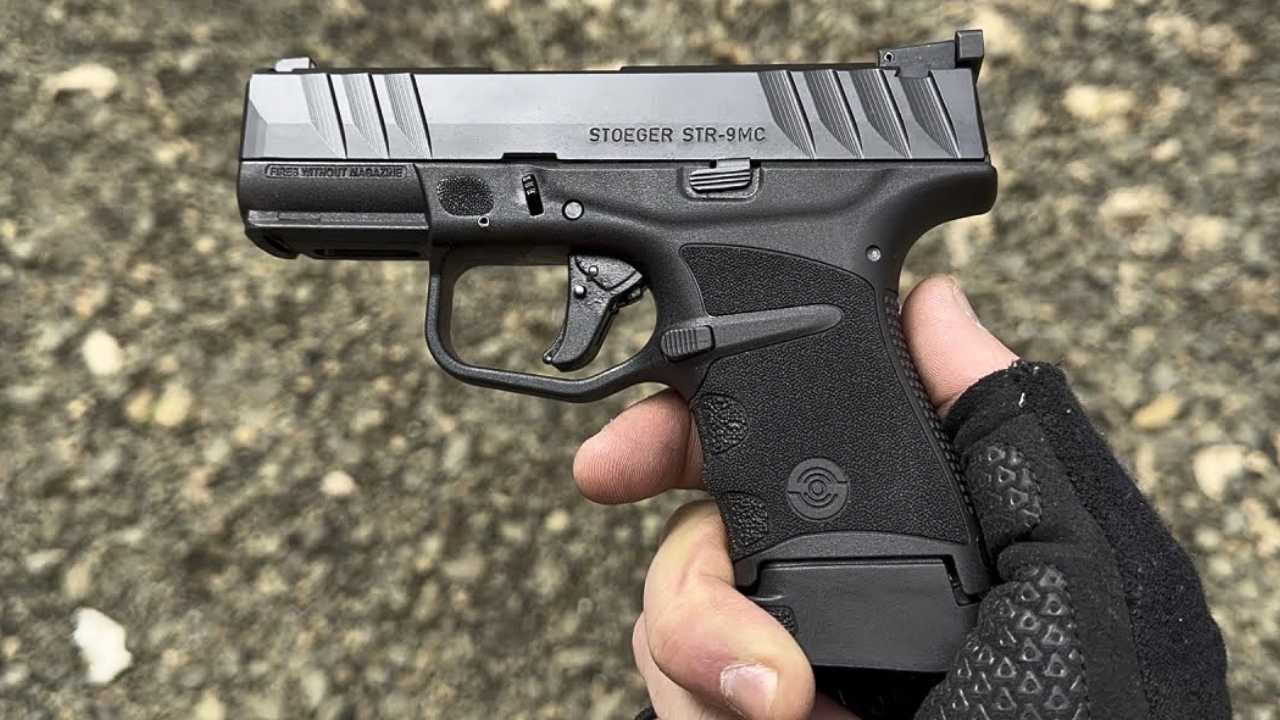
The Stoeger STR-9MC gives buyers a small 9mm carry option at a price that gets attention. It looks like a practical budget answer for someone who wants modern striker-fired controls without paying premium money.
But carry guns are not where people like uncertainty. Stoeger does not have the same defensive-pistol reputation as Glock, SIG, Smith & Wesson, or Springfield. The STR-9MC may be a fair value, but when someone wants the gun they trust most, they usually reach for a platform with more real-world carry history behind it.
SAR9 Subcompact

The SAR9 Subcompact looks like a serious little carry gun, and SAR has made some pistols that feel tougher than their price suggests. The problem is not that it cannot work. The problem is whether buyers trust it enough over better-known choices.
Support matters with carry guns. Holsters, magazines, sights, spare parts, and long-term availability all shape confidence. The SAR9 Subcompact may appeal to value-minded buyers, but it is not usually the pistol people name first when things get serious.
PSA Dagger Micro

The PSA Dagger Micro gets attention because it promises a lot for the money. A slim carry pistol with familiar Glock-style appeal and aggressive pricing is exactly the kind of thing buyers want to like.
But a budget carry pistol has to earn trust the hard way. PSA has a strong following, but the Dagger Micro still lives in the “prove it” category for many defensive carriers. It may become a stronger choice over time, but right now plenty of shooters still reach for the factory Glock, SIG, or Smith instead.
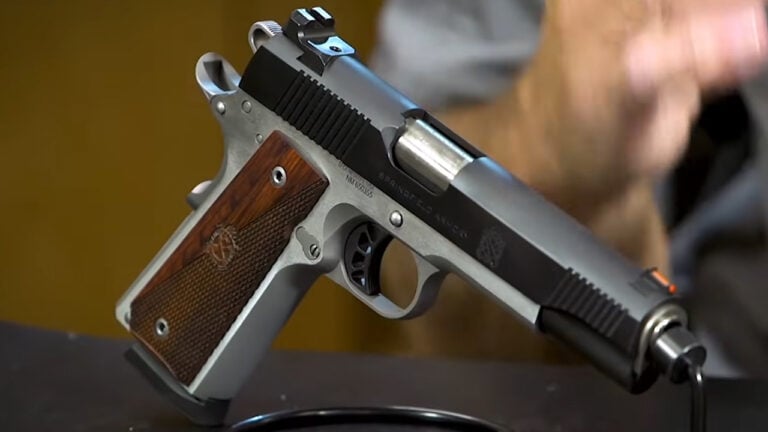
Springfield XD-S Mod.2 OSP
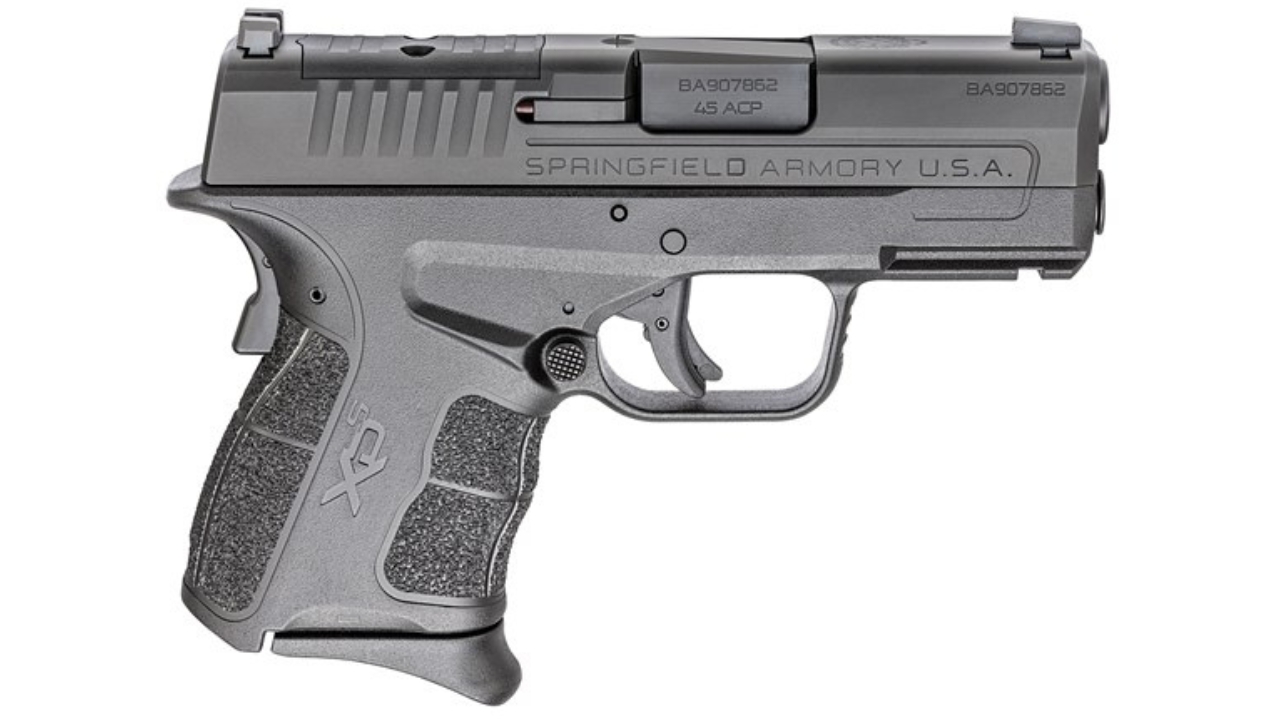
The Springfield XD-S Mod.2 OSP is still relevant because plenty of shooters own them, carry them, or see them at good prices. It is slim, available in serious defensive chamberings, and has the Springfield name behind it.
But the carry market has moved hard. Higher-capacity micro-compacts made single-stack pistols feel dated fast. The XD-S can still work, but it does not give many shooters the same confidence, capacity, or shootability as newer options. When things get real, owners often reach for something with more rounds and a better grip.
Springfield Hellcat

The original Springfield Hellcat made a huge first impression because it packed strong capacity into a tiny 9mm. It helped push the micro-compact race forward and gave Springfield a real answer to the P365.
The issue is shootability. The original Hellcat is small, snappy, and less forgiving than the larger Hellcat Pro. Plenty of people carry it, but many shoot the Pro, Shield Plus, Glock 43X, or P365 XMacro better. When comfort is not the priority, a lot of shooters prefer the bigger gun.
Glock 43

The Glock 43 is still relevant because people trust Glock. It is slim, simple, and easy to carry. That is why it sold so well and why plenty of people still keep one around.
But the market passed it in several ways. Capacity is limited, the grip is short, and newer slim carry guns offer more rounds without much more size. The G43 is not bad. It just feels like the gun people carry when they want small, not the gun they grab when they want the strongest modern option.
SIG Sauer P365 SAS

The P365 SAS sounded smart when it launched. A snag-free P365 with a slick profile and a built-in low-profile sighting system seemed like a clever deep-carry upgrade.
In real use, the concept is not for everyone. Many shooters prefer normal sights, normal controls, and a more traditional setup they can run faster under stress. The SAS is interesting, but interesting is not the same as confidence. Most people who want a serious P365 setup end up with an XL, XMacro, or standard optic-ready model instead.
Smith & Wesson CSX

The Smith & Wesson CSX had the ingredients to get attention. Aluminum frame, compact size, strong capacity, and a different feel from the sea of polymer striker-fired pistols. It looked like Smith & Wesson was trying something fresh.
But the CSX never became the obvious carry choice. The trigger feel and manual-safety setup turned off some buyers, and it landed in a market already dominated by easier-to-run micro-compacts. It is not useless, but it is not the gun most people reach for when they want zero hesitation.
Ruger Security-9 Compact

The Ruger Security-9 Compact is affordable, practical, and backed by a company people generally trust. It is the kind of pistol that makes sense for a budget buyer who wants a basic carry or home-defense gun.
The problem is that it feels like a budget answer in a world full of better carry pistols. The trigger, size, and overall refinement do not put it at the front of the pack. It may be useful, but when someone owns higher-end options, the Security-9 Compact is rarely the first one they grab.
Taurus G3C
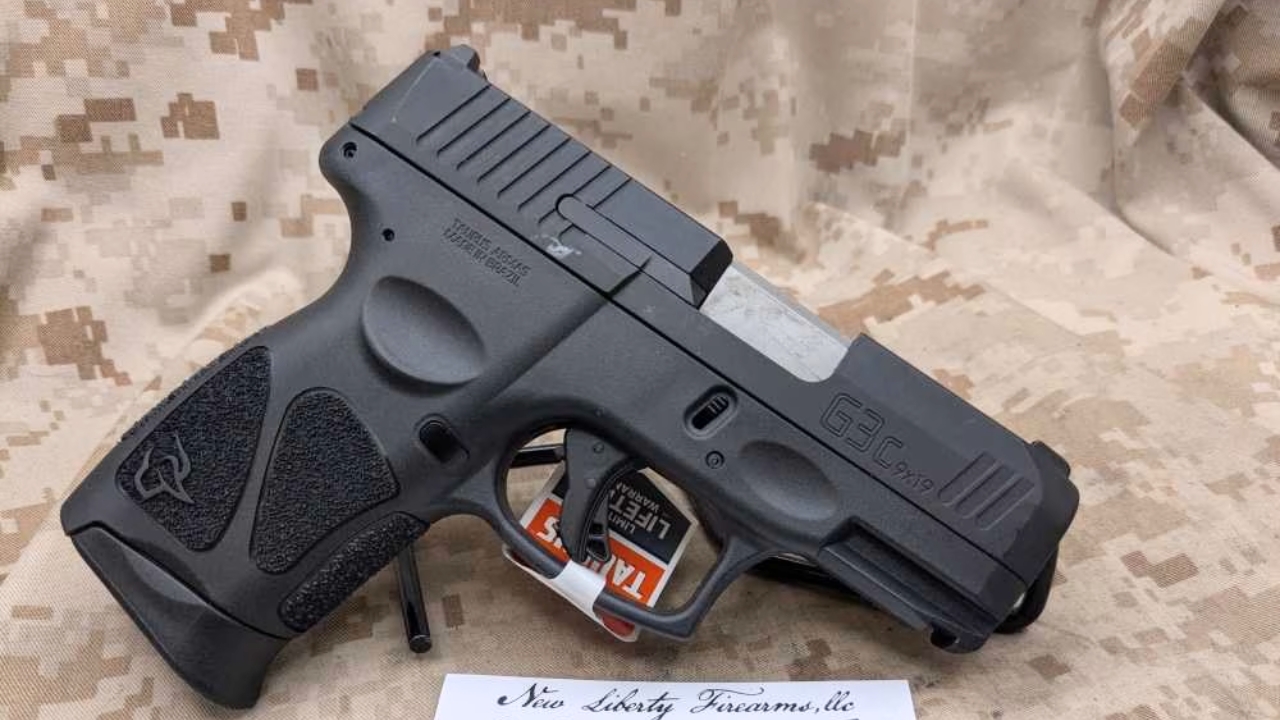
The Taurus G3C is one of the most common budget carry pistols for a reason. It is affordable, compact, and gives buyers decent capacity without a painful price tag. For someone on a tight budget, it can look like the obvious move.
But the G3C is still a budget defensive pistol, and that matters. Some owners have good experiences. Others never fully shake the doubt that comes with cheaper triggers, rougher finishes, or Taurus’s older reputation. If a shooter has access to a proven Glock, M&P, SIG, or Springfield, the G3C often becomes the backup instead of the first choice.
IWI Masada Slim

The IWI Masada Slim is a decent modern carry pistol that does not get talked about enough. It is slim, optic-ready, and comes from a company with serious firearms credibility. On paper, it belongs in the conversation.
The issue is market presence. A good carry gun still needs holsters, magazines, support, and confidence from a large user base. The Masada Slim may be better than its popularity suggests, but it has not become the pistol most people instinctively grab when they want their safest bet.
FN Reflex
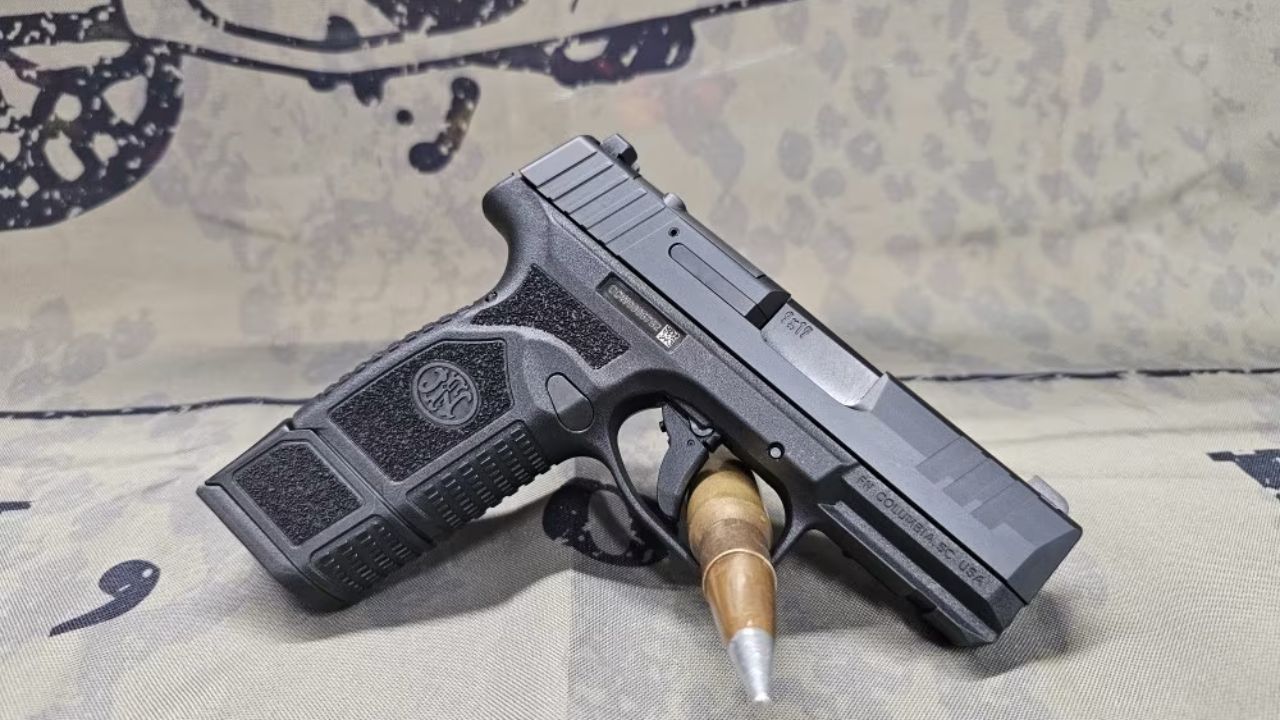
The FN Reflex is relevant because FN has real credibility, and the Reflex brought that name into the micro-compact carry fight. It is small, modern, and different enough from the usual striker-fired options to get attention.
But the Reflex also asks buyers to trust a newer platform in a crowded category. FN pistols can be excellent, but support and familiarity matter. Some shooters like it. Others still reach for the carry guns with longer track records and bigger ecosystems. In a serious moment, familiarity often wins.
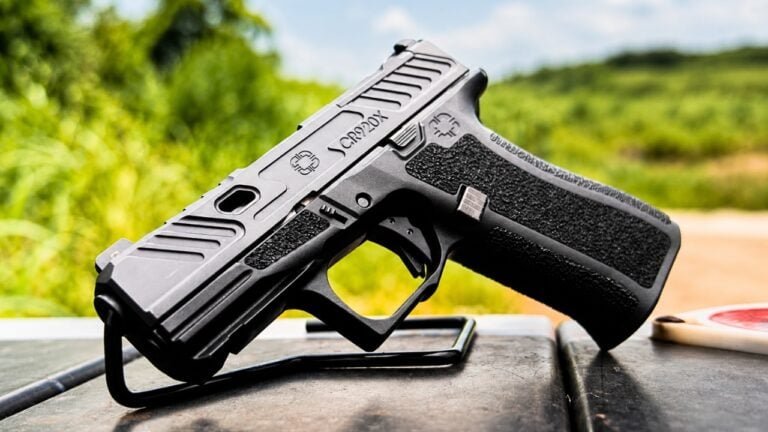
Shadow Systems CR920
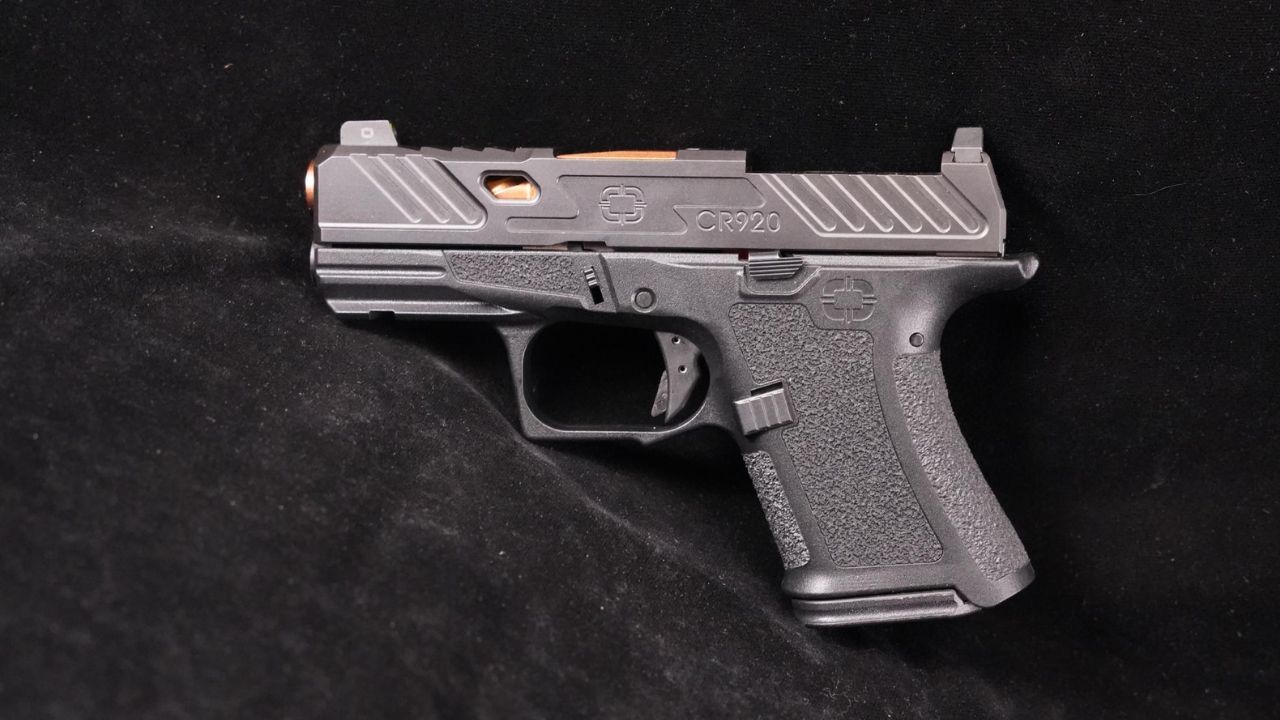
The Shadow Systems CR920 gives buyers a Glock-like carry pistol with upgrades already included. Better texture, sights, and optics-ready features make it tempting for people who would modify a Glock anyway.
But defensive buyers can be conservative. Some trust a stock Glock more than a more customized-feeling Glock-pattern pistol. The CR920 can be a strong option, but if someone wants the simplest, most proven path, they may still reach past it for the original platform it was inspired by.
Kimber Micro 9

The Kimber Micro 9 is still current enough to show up in carry conversations, and it has the kind of looks that sell guns. It is small, metal-framed, and has mini-1911 appeal for people who dislike polymer pistols.
But it is not usually the gun people grab when confidence is the only priority. It is small, snappy, and more demanding than larger 9mms. Kimber’s small-pistol reputation is also uneven enough that many shooters hesitate. It looks good. That is not always the same as feeling ready for serious use.
Like The Avid Outdoorsman’s content? Subscribe to our newsletter so you never miss an article.
Here’s more from us: