Photo credit: The Turkey's Opinion/YouTube
Bear-country sidearms are where cartridge debates get ugly fast. Everybody wants enough gun, but nobody wants to carry a boat anchor. That is how a lot of questionable choices sneak into the conversation. A round works for people defense, hogs, deer, or trail carry, so somebody stretches it into bear country and acts like the job is the same.
It is not the same. A bear-defense sidearm needs deep penetration, tough bullets, controllability, and enough power to matter when the angle is bad and the distance is close. Some cartridges are useful in other roles but still come up short when the animal is large, heavy, and moving fast.
.380 ACP
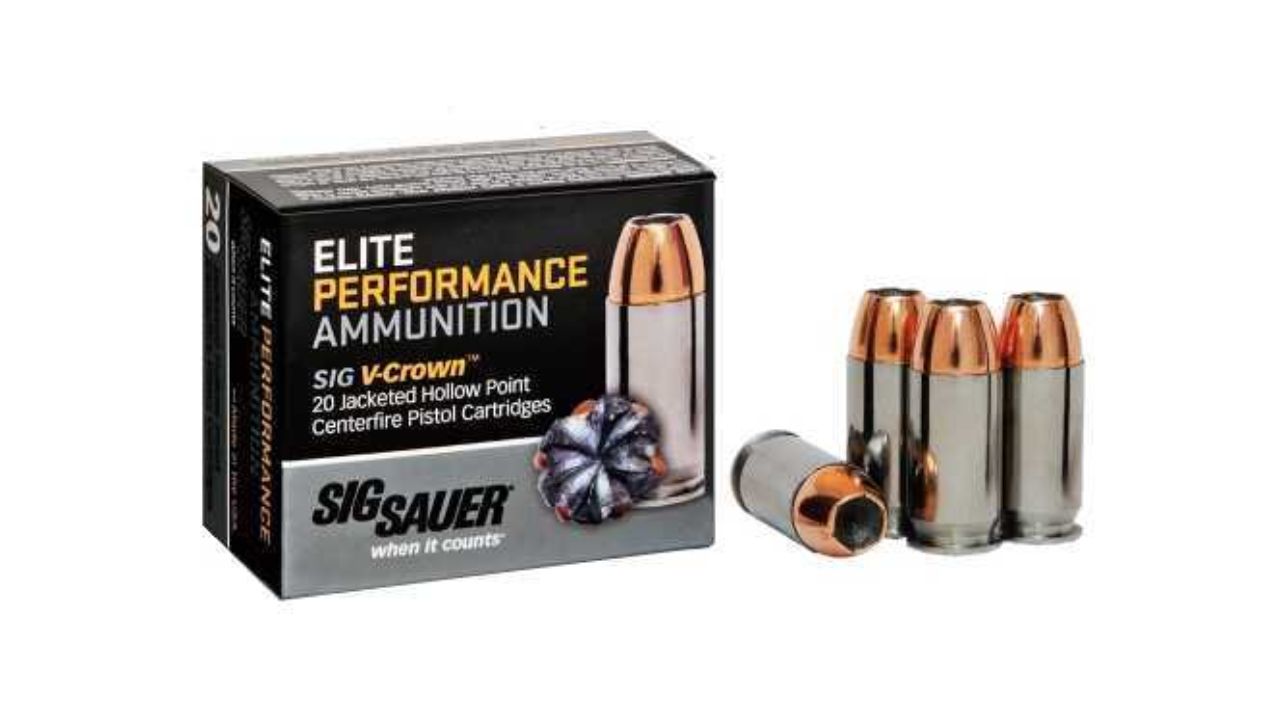
The .380 ACP has gotten better, and the pistols chambered for it are easier to carry than ever. That makes it tempting for hikers who want something light on the belt or in a pocket. In town, it can make sense with good defensive ammo and realistic expectations.
Bear country is a different job. Most .380 pistols are built around concealment, not penetration on large animals. The round is light, the guns are small, and the loads are usually designed around people defense. Convenience is not enough when the sidearm may need to punch through heavy muscle and bone.
.38 Special +P
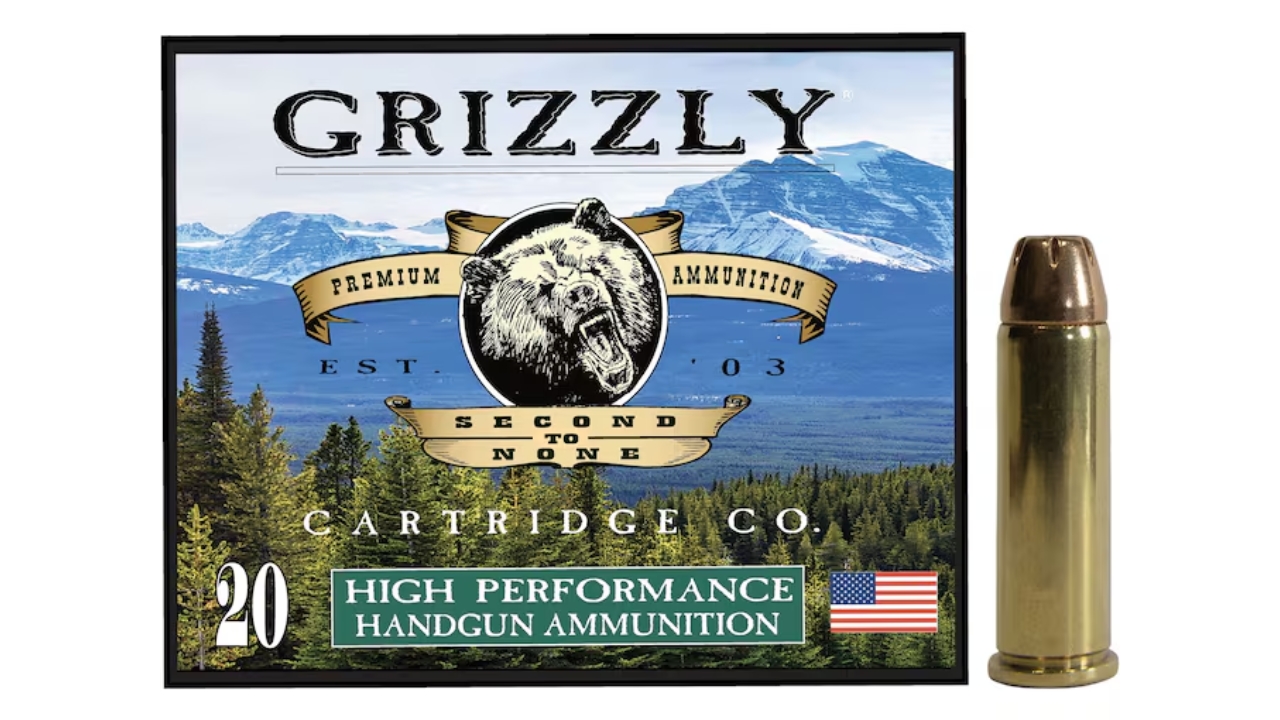
The .38 Special +P gets carried in the woods because small revolvers are easy to live with. A lightweight snub or compact steel revolver feels comforting, and +P loads sound like a meaningful step up from standard .38.
The problem is that most .38 +P loads are still defensive loads built for people. They are not built around hard, straight-line penetration on a large animal. A .38 +P revolver is better than nothing, but it is still too light to be the first choice in serious bear country.
.327 Federal Magnum
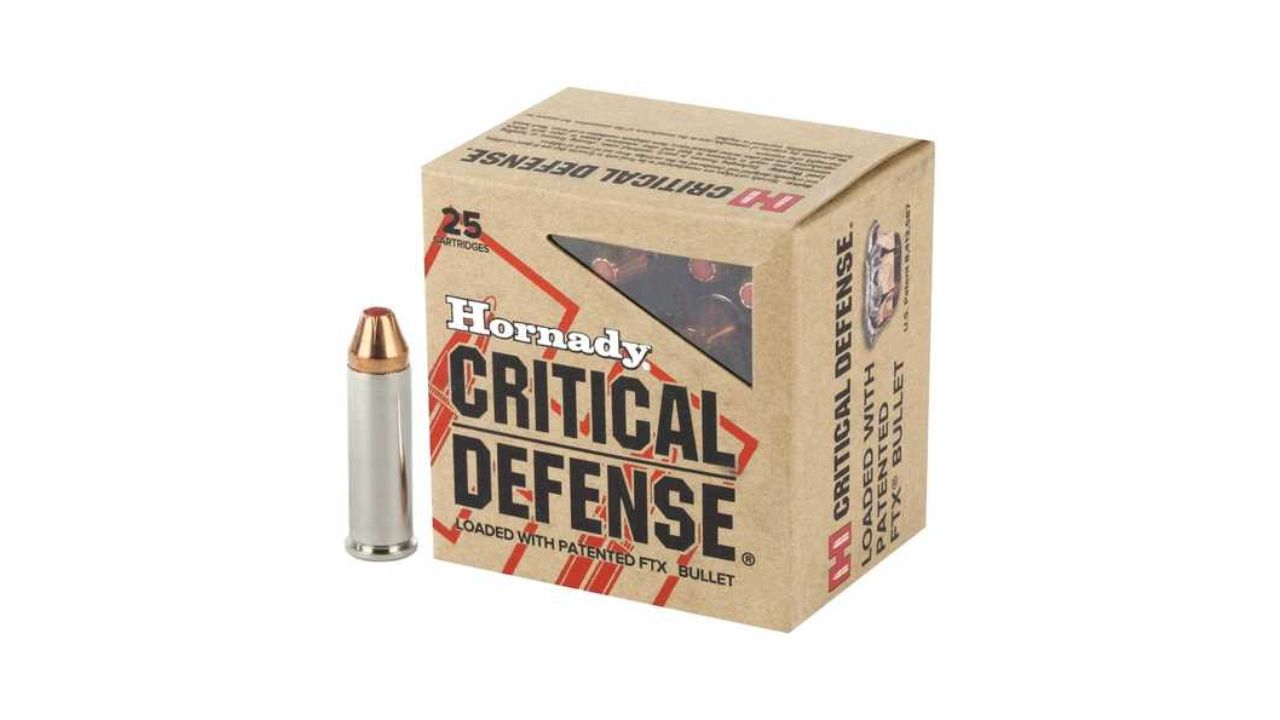
The .327 Federal Magnum is one of the more defensible questionable choices. It is fast, shoots flatter than people expect, and gives some revolvers extra capacity. For small game, pests, and personal defense, it has a lot going for it.
But as a bear-country sidearm, it is still thin on bullet weight and frontal diameter. The cartridge is clever, not magical. It may make sense for trail carry where bears are a remote possibility, but when bear defense is the reason for the gun, .327 Federal is still not enough cartridge.
.30 Super Carry

The .30 Super Carry looks smart on paper because it gives more capacity than 9mm in certain platforms. It was built for defensive carry, and the numbers are good enough to start arguments with people who only read charts.
That does not make it a woods round. The whole idea is built around people defense in slim carry pistols, not hard-cast penetration or large-animal backup. More rounds of a smaller cartridge do not solve the bear-country problem if each round lacks the weight and construction needed for the job.
5.7x28mm

The 5.7x28mm has low recoil, high capacity, and enough velocity to make it sound more capable than ordinary pistol rounds. That is why some people want to make it a trail gun. They like the idea of fast follow-ups and a light-shooting pistol.
The issue is what happens on the animal. Bear defense favors deep-driving bullets that hold together and keep moving. Light, fast bullets are not the same thing. The 5.7 is interesting, but bear country is not a place to choose a cartridge because it is easy to shoot on paper.
9mm Luger with standard hollow points

The 9mm Luger is a good defensive caliber, and nobody honest should pretend otherwise. It is controllable, common, affordable, and effective with modern loads for everyday carry. That is exactly why people try to carry it everywhere, including bear country.
The problem is load choice. Standard hollow points are built to expand in people, not drive deeply through a bear from a bad angle. A 9mm with hard-cast or deep-penetrating loads is a different conversation. A 9mm loaded with normal carry ammo does not belong in the serious bear-defense role.
9mm Luger from micro-compacts

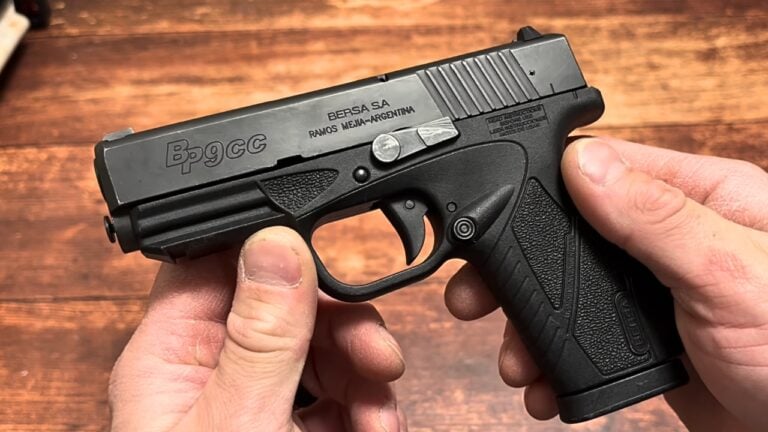
Even when the caliber is acceptable with the right load, the gun can still be wrong. A tiny 9mm like the smallest pocket-style carry pistols may ride easily on a trail, but that does not mean it is easy to shoot under stress.
Bear-country sidearms need control. Short grips, short sight radius, sharp recoil, and tiny controls all work against the shooter when speed matters. A full-size or compact 9mm with the right load is one thing. A micro 9mm carried because it is comfortable is another.
.38 Super
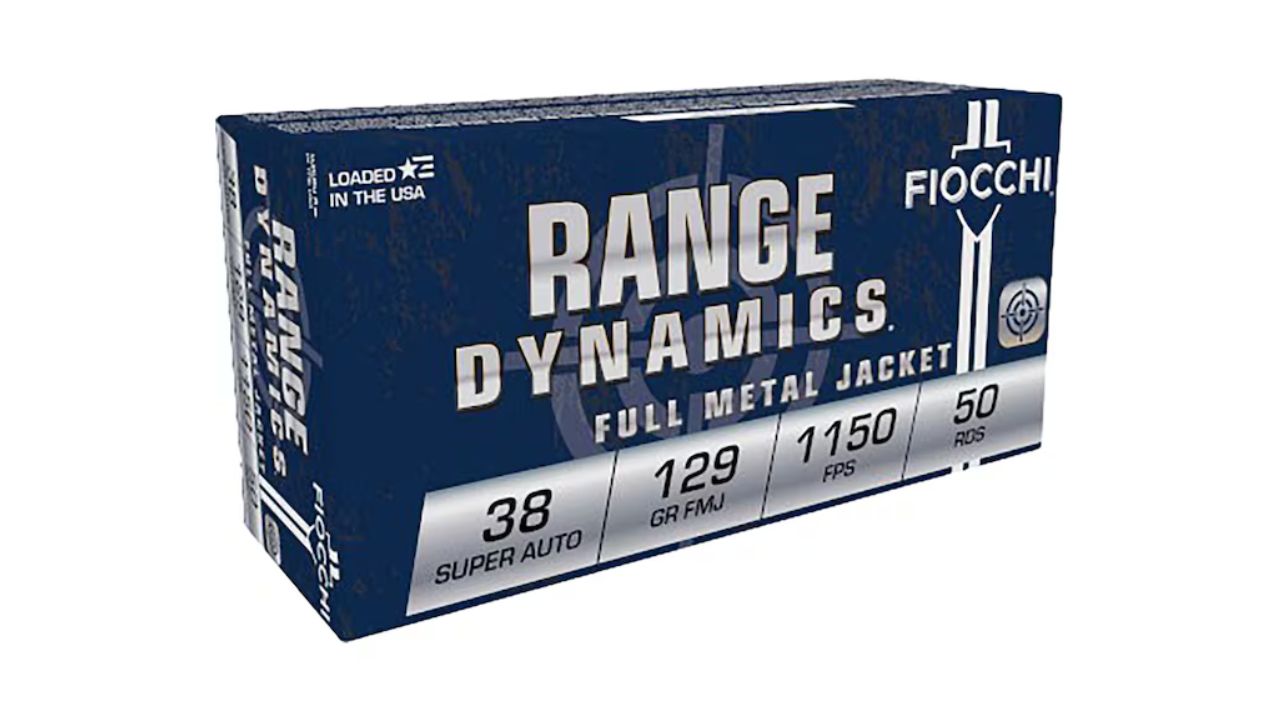
The .38 Super has speed, history, and better performance than many people realize. In the right pistol, it can be accurate and flat-shooting. That makes it tempting for shooters who want something hotter than 9mm without jumping to magnum revolvers.
For bear country, it still lacks the heavy-bullet support and woods-load ecosystem that matter most. It is a good cartridge in its lane, but its lane is not big-animal emergency use. Speed helps, but penetration and bullet construction matter more.
.357 SIG

The .357 SIG is one of those rounds people love to defend because it is fast and has a serious law-enforcement history. It can drive bullets hard and gives better barrier performance than many standard pistol rounds.
But bear country is not a windshield test. Most .357 SIG loads use lighter bullets and are built around defensive expansion, not deep straight-line penetration. It is louder, sharper, and harder to feed than 9mm without giving the kind of heavy-bullet performance that would make it a true woods choice.
.40 S&W with standard defensive loads

The .40 S&W hits harder than 9mm in some loadings and still has plenty of loyal defenders. It can make sense as a people-defense round, especially in guns that handle it well.
For bear country, the common hollow-point loads are the weak point. Like 9mm, the cartridge needs the right bullet construction to be taken seriously in the woods. Standard defensive .40 loads are not built for large animals, and the recoil penalty often does not buy enough extra penetration to make the trade worth it.
.45 ACP hardball
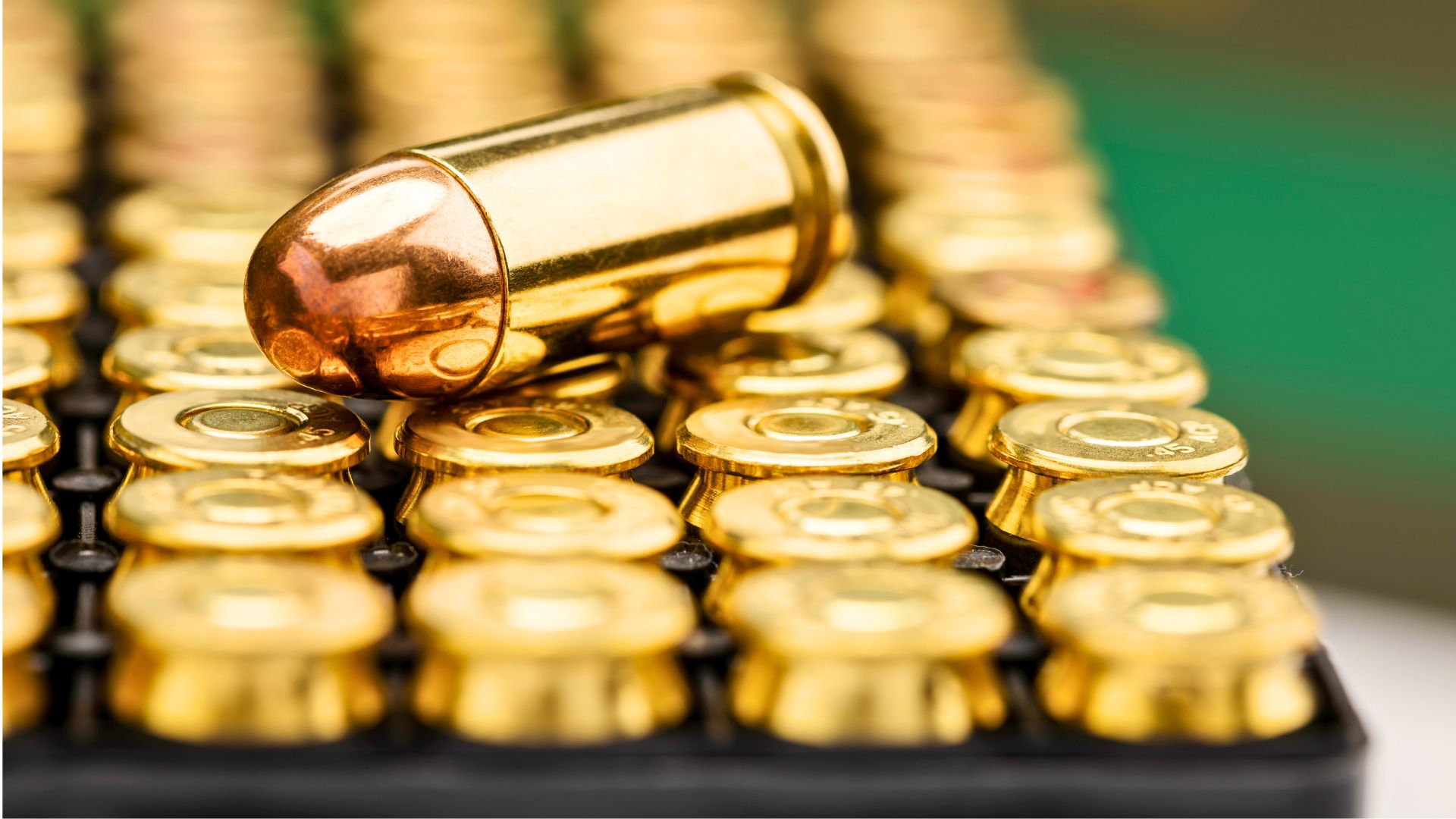
The .45 ACP hardball argument never fully dies. Big bullet, military history, and full-metal-jacket penetration make it sound like a rugged woods option to some shooters. It also tends to run in familiar pistols people already own.
But .45 ACP hardball is not a bear solution. It is slow, relatively low-pressure, and does not bring the penetration margin people assume from bullet diameter alone. A big round nose does not equal deep, controlled, straight-line performance on heavy animals.
.45 ACP hollow points

The .45 ACP with hollow points is a proven people-defense setup, especially from quality pistols. It gives a big bullet, manageable recoil, and a platform many shooters trust. That is why people want to stretch it into the woods.
The problem is that expansion works against the goal when the target is a bear. A hollow point that opens wide may not drive deep enough from a bad angle. For normal defense, that can be good. For bear country, it is not what most people should prioritize.
.45 Super

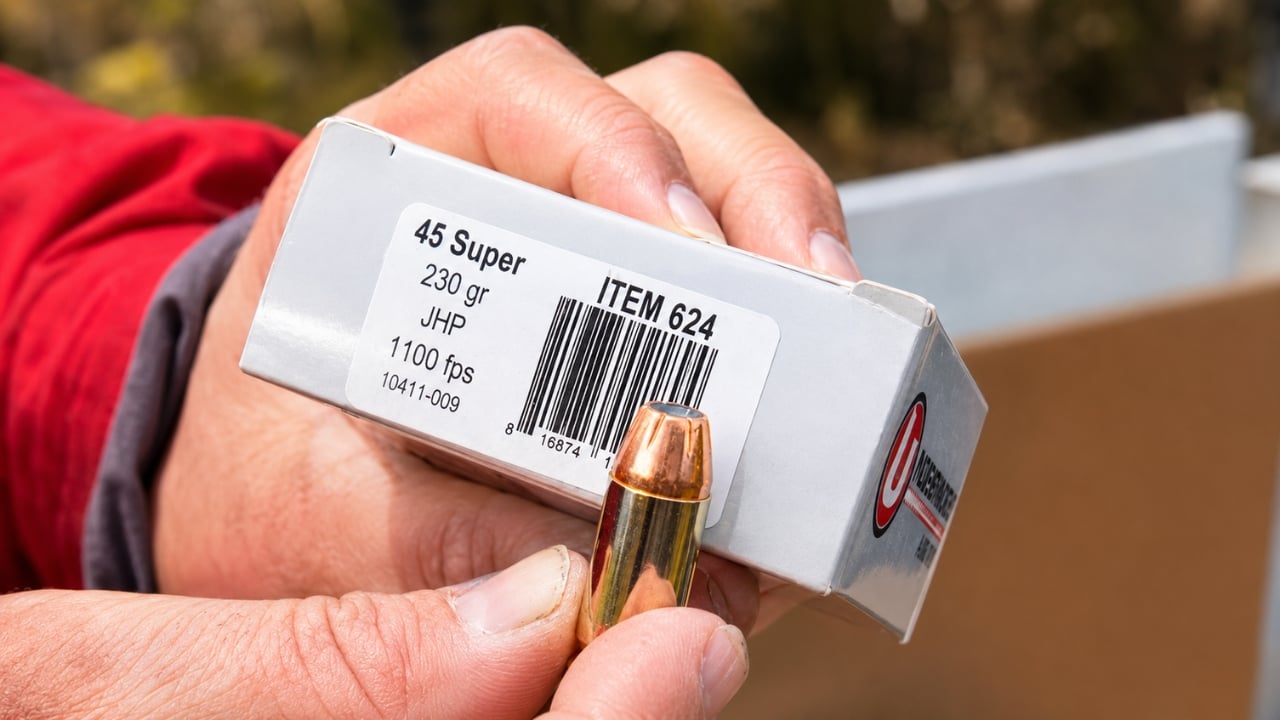
The .45 Super is where the argument starts to sound more convincing. It pushes the .45 ACP platform harder and gives shooters more velocity and power without moving to a revolver. Some properly set up pistols can handle it well.
Still, it is a narrow, equipment-sensitive answer. The gun has to be set up correctly, ammo is not common, and the shooter needs to know exactly what they are doing. It can be useful in the right hands, but it is not a broadly smart bear-country recommendation.
.460 Rowland

The .460 Rowland has real power, and that is why people bring it up. It can turn a 1911 or other supported platform into something much more serious than a standard .45 ACP pistol. On paper, it looks like a semi-auto answer to magnum revolvers.
The problem is complexity. Conversions, comps, springs, ammo availability, and reliability testing all matter. Bear country is not where most people should rely on a specialized setup they barely shoot. It can work, but it is too niche and too dependent on proper setup for most hunters and hikers.
.357 Magnum from lightweight snubnose revolvers

The .357 Magnum is a legitimate woods cartridge in the right revolver with the right load. The problem is the tiny, lightweight revolvers people sometimes choose because they are easy to carry.
A short-barreled featherweight .357 gives brutal blast, sharp recoil, and less velocity than people expect. If the shooter cannot control it, the cartridge advantage disappears. A service-size .357 with hard-cast loads is one conversation. A 12-ounce snub with magnums is another.
.357 Magnum with light defensive hollow points

Even in a good revolver, not every .357 Magnum load belongs in bear country. Light 125-grain defensive hollow points have a strong reputation for people defense, but that does not make them ideal for large animals.
Bear defense calls for penetration first. Light, fast hollow points may expand too aggressively and fail to drive as deeply as needed. The .357 Magnum can be a reasonable lower-end woods choice, but only with the right loads. The wrong load turns it into a bad idea with a famous name.
.44 Special

The .44 Special sounds better than it often is for bear country because the bullet is large and the recoil is manageable. Revolver fans like it for good reason. In the right defensive role, it can be pleasant and effective.
But it is not a magnum. The cartridge usually runs at modest pressure and does not offer the same penetration or velocity as serious woods rounds. It may feel comforting because it starts with “.44,” but that does not make it a bear-defense cartridge.
.45 Colt cowboy loads

The .45 Colt is tricky because the cartridge can be serious in strong revolvers with proper heavy loads. But standard cowboy-style loads are a completely different animal. They are mild, slow, and built for easy shooting, not emergency animal defense.
This is where people get fooled by bullet diameter. A big, slow, soft load meant for targets or light recoil is not the same as a hard-cast heavy .45 Colt woods load. The cartridge can belong in bear country. The wrong .45 Colt load absolutely does not.
.410 revolver loads

The .410 revolver idea still gets pushed as a woods solution because it sounds versatile. A handgun that fires shotshells and big revolver cartridges looks useful to someone who wants one gun for snakes, pests, and emergencies.
For bear defense, the .410 side of the equation is weak. A short handgun barrel does not turn it into a shotgun, and patterns can be inconsistent. Buckshot or defensive .410 loads from a revolver may look nasty up close, but they are not the same as a deep-penetrating handgun round.
10mm Auto with light hollow points

The 10mm Auto can absolutely belong in bear country with the right pistol and proper hard-cast or deep-penetrating loads. That is why it has become so popular as a woods sidearm.
The mistake is loading it like a normal defensive pistol. Light hollow points that are built for people defense do not take advantage of what makes 10mm useful in the woods. A 10mm with the wrong ammo is not automatically a bear gun. The cartridge has potential, but the load decides whether it belongs.
Like The Avid Outdoorsman’s content? Subscribe to our newsletter so you never miss an article.
Here’s more from us: