Photo credit: manningronld/GunBroker
The Winchester Model 70 is one of those rifles that carries more weight than its spec sheet. It is not only a bolt-action hunting rifle. It is the rifle that generations of hunters measured other bolt guns against, the one that earned the “Rifleman’s Rifle” nickname, and the one that still makes people pause when they see a clean older example on a gun rack.
The Model 70 was introduced in the 1930s and became known for controlled-round feed, strong hunting accuracy, solid handling, and a level of refinement that made it feel like more than a basic deer rifle. Today’s Model 70 still leans on that heritage with Pre-’64 style controlled round feeding, a claw extractor, three-position safety, and Winchester’s M.O.A. Trigger System. Winchester says the current Model 70 combines those classic features with improved fit, finish, and accuracy.
1. It Earned the “Rifleman’s Rifle” Name Honestly

The Model 70 did not get its reputation from one good season or one clever ad campaign. It became respected because serious riflemen, hunters, and gun writers kept coming back to it. It felt like a refined hunting rifle at a time when American bolt guns were still figuring out what they wanted to be.
That nickname matters because it speaks to the kind of buyer the rifle attracted. The Model 70 was for people who cared about controlled feeding, trigger quality, stock shape, balance, and field reliability. It was not only about having a rifle that fired a cartridge. It was about having a rifle that felt trustworthy when the shot mattered.
2. Controlled-Round Feed Still Matters to a Lot of Hunters
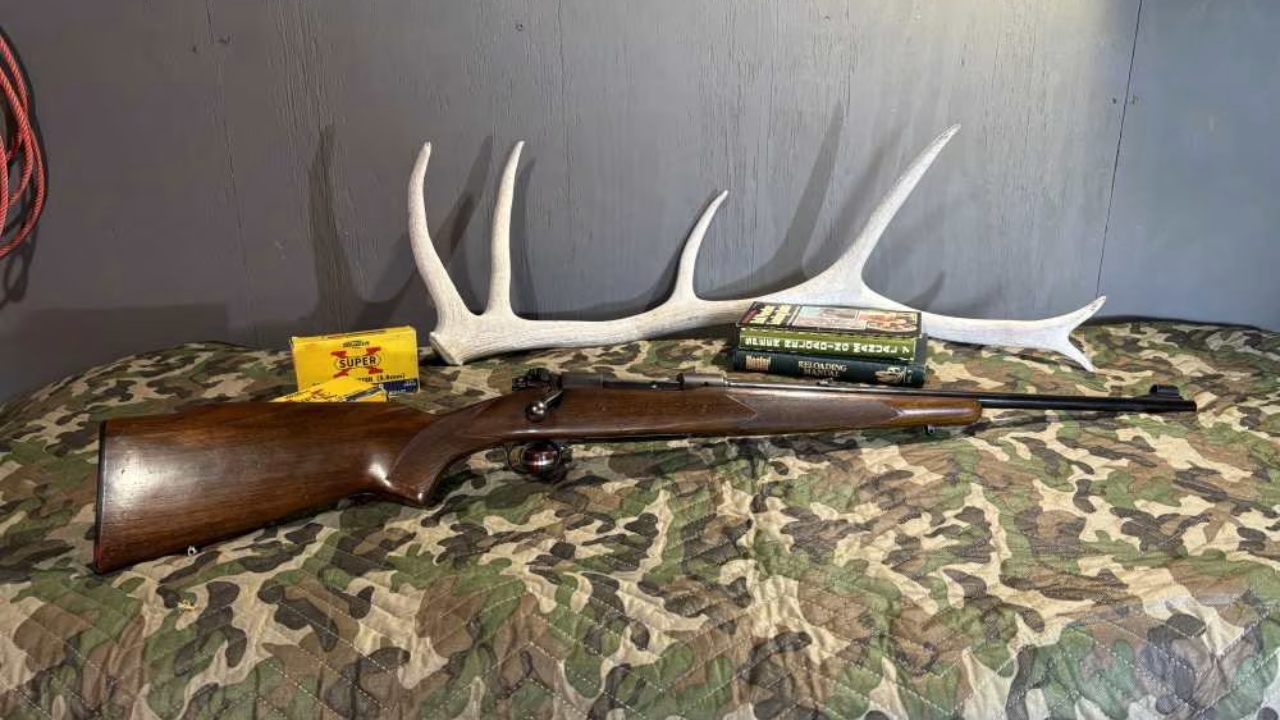
One of the Model 70’s defining features is controlled-round feed. The cartridge is captured by the claw extractor as it comes out of the magazine and guided into the chamber under control. Current Model 70 rifles use Pre-’64 style controlled round feeding with a claw extractor, which is one of the biggest reasons hunters still respect the design.
That matters most to hunters who care about reliability in rough positions. If you are cycling the bolt from a steep angle, in bad weather, under stress, or while following up on game, controlled feed gives some shooters extra confidence. Push-feed rifles can work extremely well, but the Model 70’s controlled-feed system is part of why people keep trusting it.
3. The Three-Position Safety Is Still One of the Best
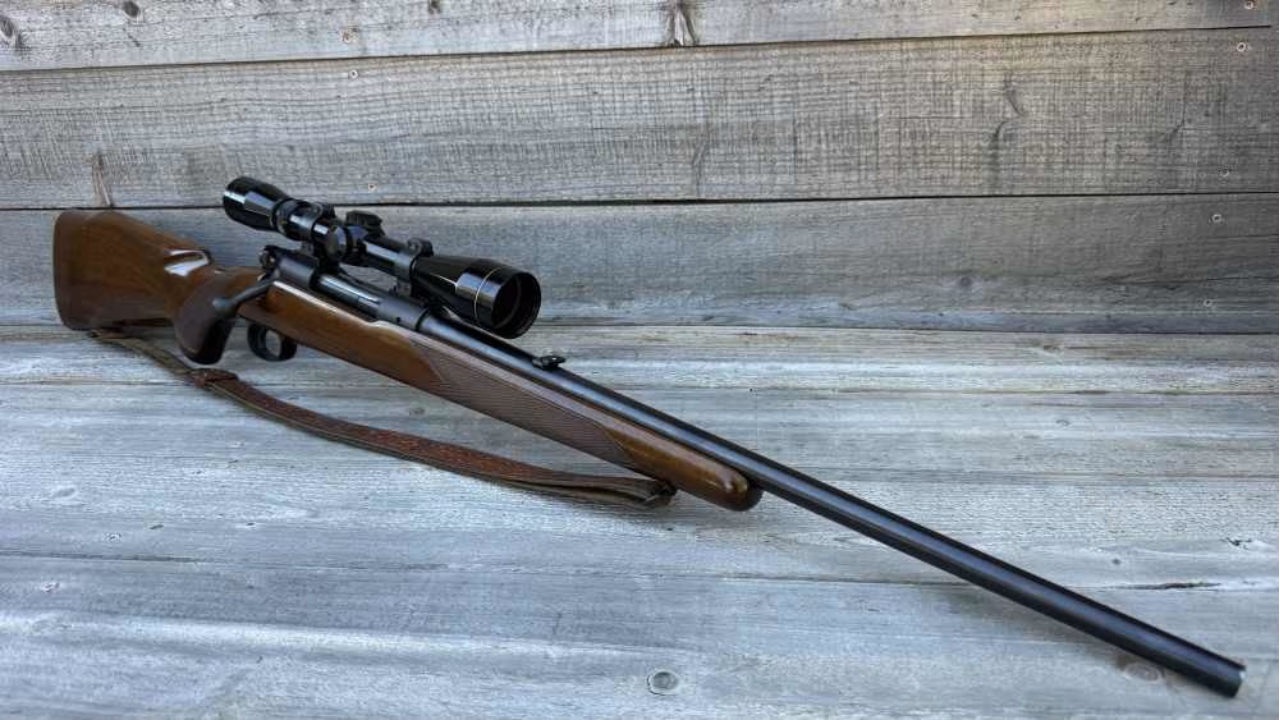
The Model 70’s three-position safety is one of those features that sounds boring until you use it. It allows the shooter to lock the firing mechanism while still giving options for cycling the bolt safely depending on the position. Winchester still lists the three-position safety as part of the current Model 70 setup.
That is a practical hunting feature. Loading, unloading, climbing into stands, moving through brush, and handling a rifle around camp all require safe habits. A good safety does not replace common sense, but a smart safety design helps. The Model 70’s safety has remained respected because it gives hunters useful control without feeling awkward.
4. The Pre-64 Reputation Still Has Pull

The pre-1964 Model 70 has a reputation that still shapes how people talk about the rifle today. Collectors and hunters often prefer those earlier rifles because of their controlled-round feed, fit, finish, machining, and old-school feel. The 1964 redesign dropped controlled-round feed and made other changes that many rifle buyers disliked.
That history matters because it created a dividing line in Model 70 culture. Pre-64 rifles became the standard, and later versions were judged against them. Modern Model 70s brought back Pre-’64 style controlled round feeding, which shows how powerful that original reputation remained. Winchester knew buyers still cared.
5. It Improved on the Model 54 in the Right Ways
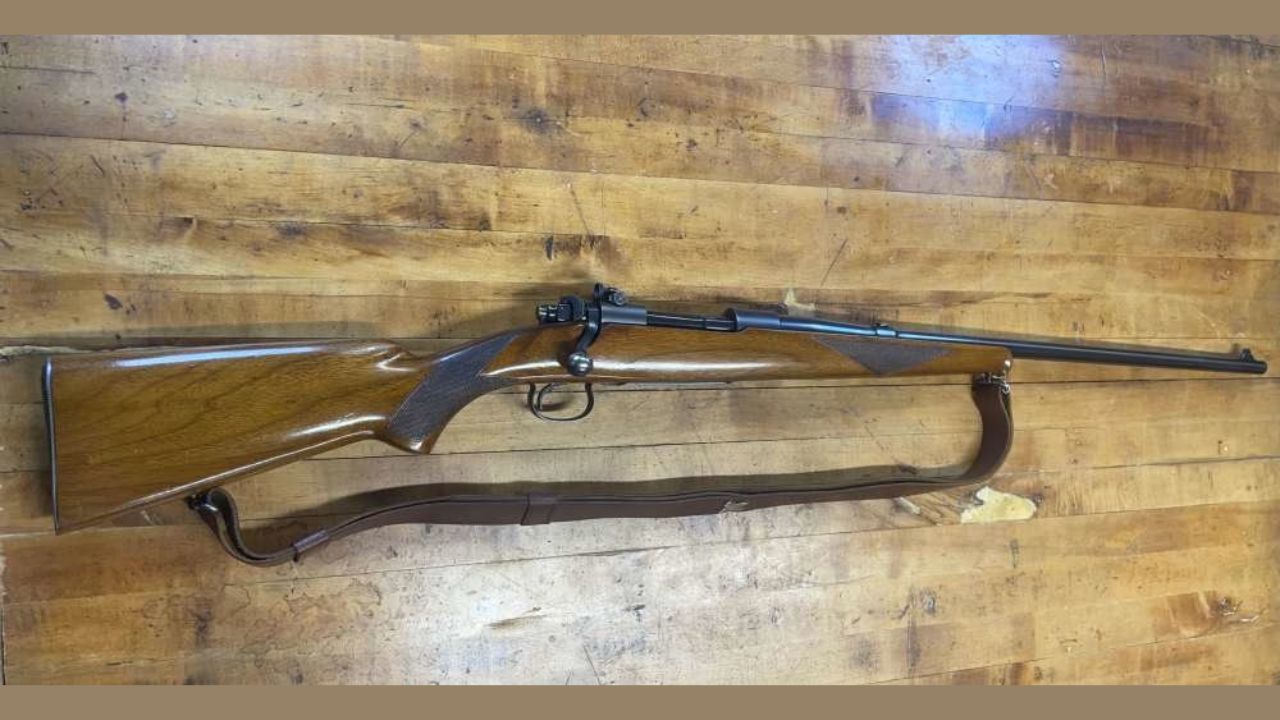
The Model 70 grew out of Winchester’s earlier Model 54, but it fixed several things hunters wanted improved. American Rifleman notes that the Model 70 added changes like a better safety that made scope mounting more practical, an improved trigger system, a separate receiver-mounted bolt stop, and other refinements that helped turn Winchester’s bolt action into a much stronger competitor.
That is part of why the Model 70 became so important. It was not just a random new rifle. It was Winchester learning from the Model 54 and building something more polished. Better trigger, better safety, better handling, and better scope compatibility all helped the Model 70 become the rifle people remembered.
6. It Handles Like a Hunting Rifle Should

A good hunting rifle needs to do more than group well from a bench. It needs to shoulder naturally, carry without feeling clumsy, and come up cleanly when a deer or elk steps out. The Model 70 built its reputation partly on that field feel.
That is why the Featherweight version became so loved. Winchester describes the Model 70 Featherweight as famous among hunters for its handling and quickness, while still using the Model 70’s controlled-round feed action, claw extractor, three-position safety, and M.O.A. Trigger System. A rifle that carries right gets used more, and the Model 70 has always understood that.
7. The M.O.A. Trigger Keeps the Modern Rifle Competitive

Modern buyers expect better factory triggers than hunters accepted decades ago. Winchester’s current Model 70 uses the M.O.A. Trigger System, which Winchester describes as having zero take-up, zero creep, and zero overtravel. The company also connects that trigger system to the Model 70’s accuracy expectations.
That matters because even a classic rifle has to compete in today’s market. Savage, Tikka, Ruger, Bergara, and others have pushed factory trigger expectations higher. The M.O.A. Trigger helps the Model 70 stay relevant instead of relying only on nostalgia. A good trigger makes the rifle easier to shoot well, and hunters notice that.
8. It Has Real Accuracy Credibility

The Model 70 has always had a reputation for being accurate enough for serious hunting and plenty of target work. Current Winchester marketing says the M.O.A. Trigger helps the Model 70 deliver a 1-inch group at 100 yards benchmark. That is exactly the kind of accuracy most hunters need.
Of course, accuracy depends on the individual rifle, ammunition, shooter, scope, and conditions. But the Model 70 has never been thought of as a sloppy rifle. It became respected because it combined field handling with real precision. That mix is why hunters were willing to spend more for one and why many still are.
9. It Comes in Versions That Still Feel Special
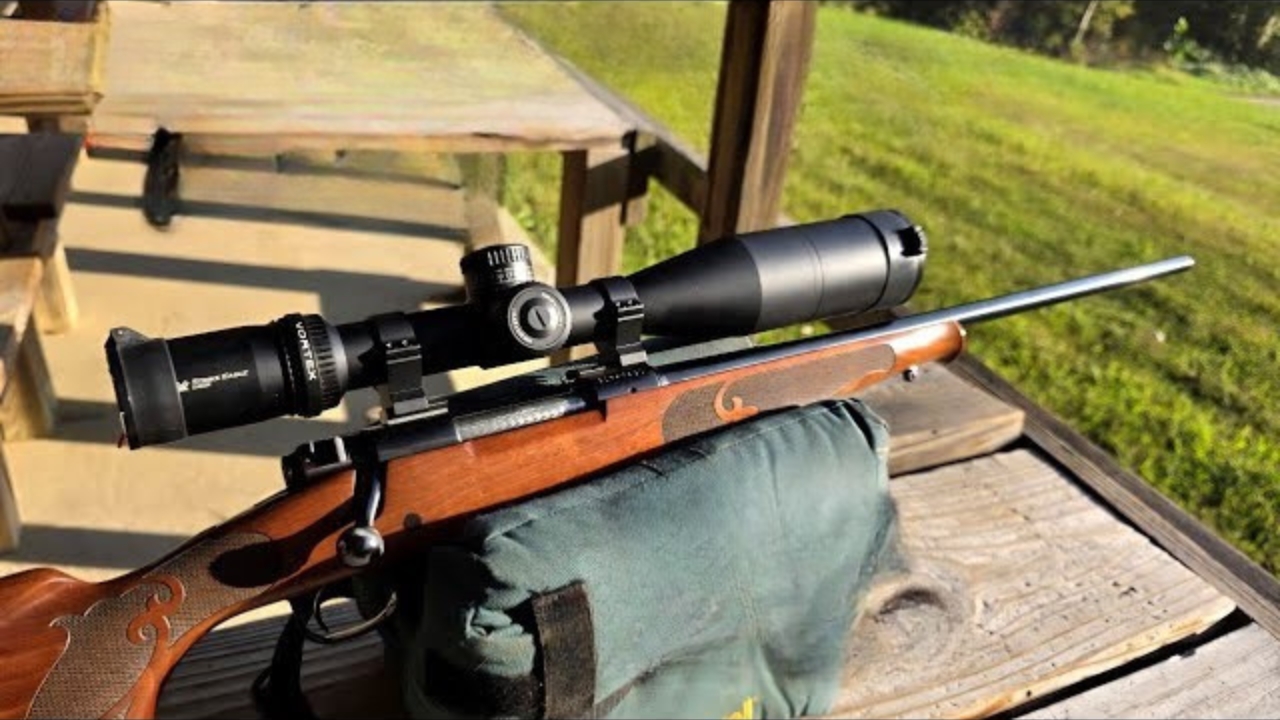
The Model 70 line has always had different personalities, and that helps the rifle stay interesting. A Super Grade is not trying to be the same rifle as an Extreme Weather model or a Featherweight. Winchester’s Super Grade, for example, uses Grade V/VI walnut, an ebony forearm tip, polished blue finish, jeweled bolt body, and other classic touches.
That matters for a rifle people want to pass down. A plain synthetic rifle may be practical, but a Super Grade feels like something with a little ceremony to it. The Model 70 can be a working rifle, but it can also be a rifle that looks and feels like it belongs in the family long term.
10. It Still Offers Serious Weather-Ready Options
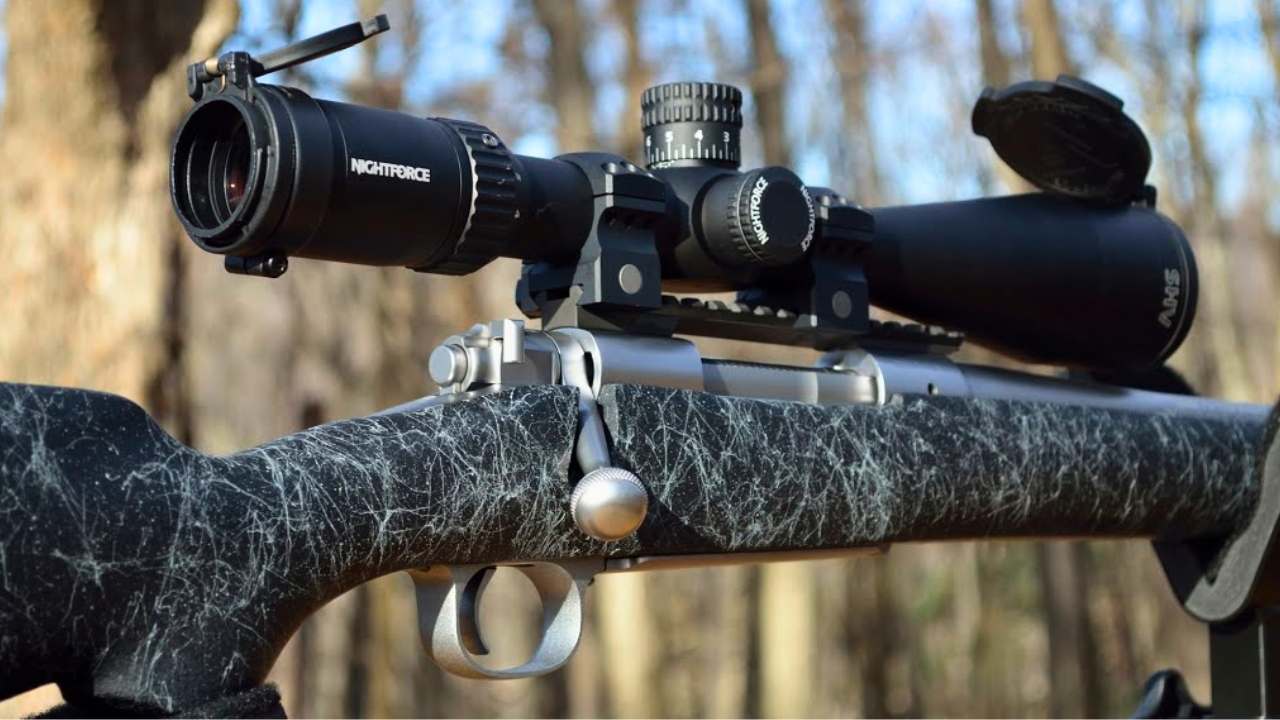
Not every Model 70 is a walnut-and-blue heirloom. The line also includes weather-resistant hunting rifles for people who actually drag guns through rain, snow, brush, and mountains. The Extreme Weather-style rifles give buyers a Model 70 action in a more modern, rough-weather package.
That is important because a rifle worth passing down still needs to be useful now. Some hunters want classic walnut. Others need stainless or tough synthetic setups that can handle hard seasons. The Model 70 has survived because it can serve both types of buyers without losing its core identity.
11. It Works Across Real Hunting Chamberings
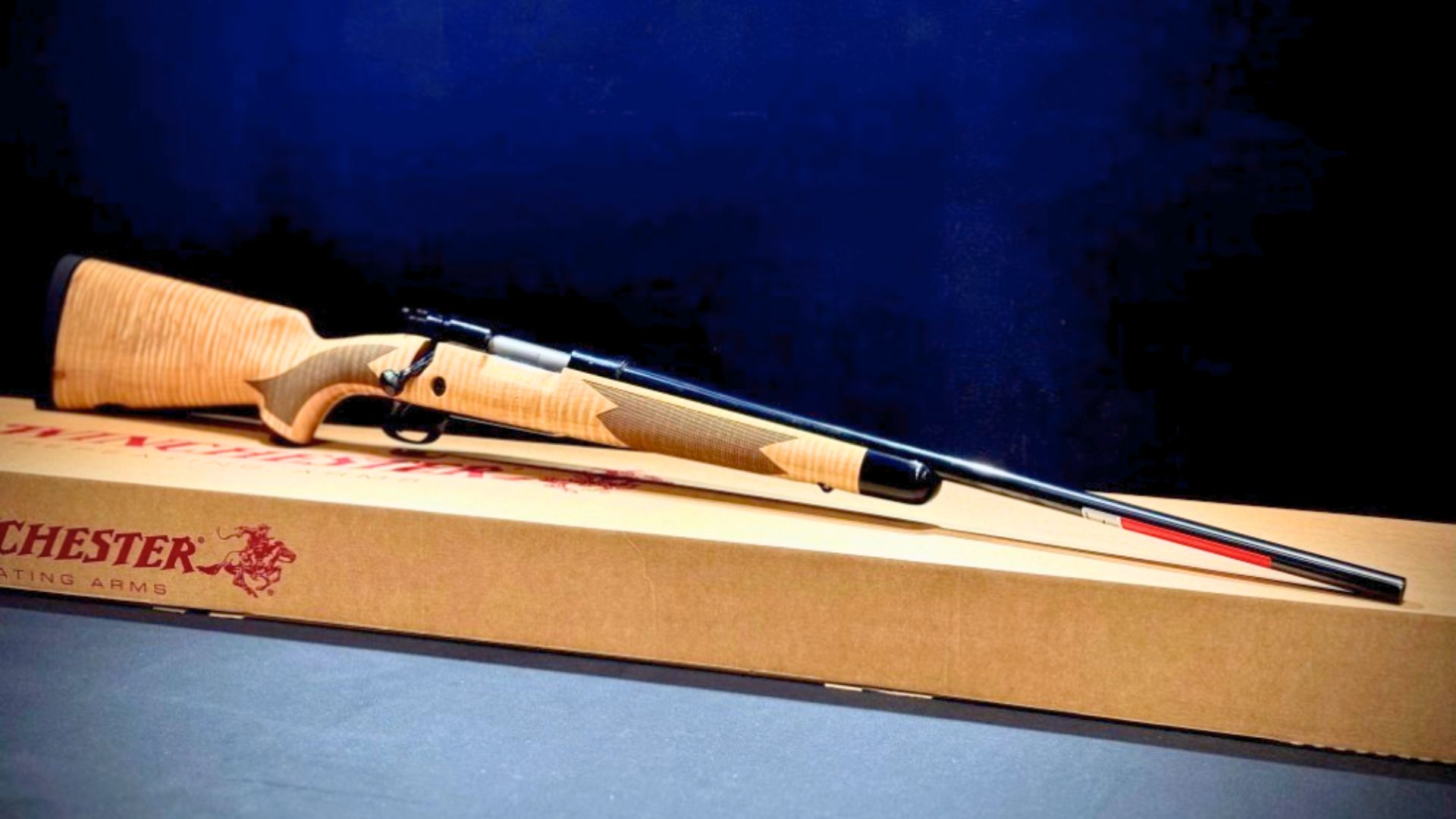
The Model 70 has been chambered in a wide spread of hunting cartridges over the years, from mild deer rounds to serious magnums. Current Model 70 listings cover several use types and calibers across the line, giving buyers options for whitetail, mule deer, elk, sheep, predators, and bigger game depending on model and chambering.
That cartridge variety matters. A rifle platform stays relevant when it can follow hunters into different country and game. A .243 or 7mm-08 Model 70 fills a different role than a .30-06, .300 Win. Mag., or 7mm PRC version. The platform’s broad chambering history is part of why it never became a one-lane rifle.
12. It Still Has Collector Gravity

The Model 70 is one of those rifles where condition, year, chambering, stock style, and production era matter. Pre-war, transition, and early post-war rifles all draw collector attention, and pre-64 rifles are commonly grouped by production periods.
That collector interest adds to the rifle’s pass-down appeal. A Model 70 can be a working hunting rifle, but it can also be a piece of Winchester history. Not every example is rare or valuable, but the platform has enough collector depth that owners tend to think twice before selling one. That is how rifles stay in families.
13. It Has a Better Story Than Most Modern Bolt Guns
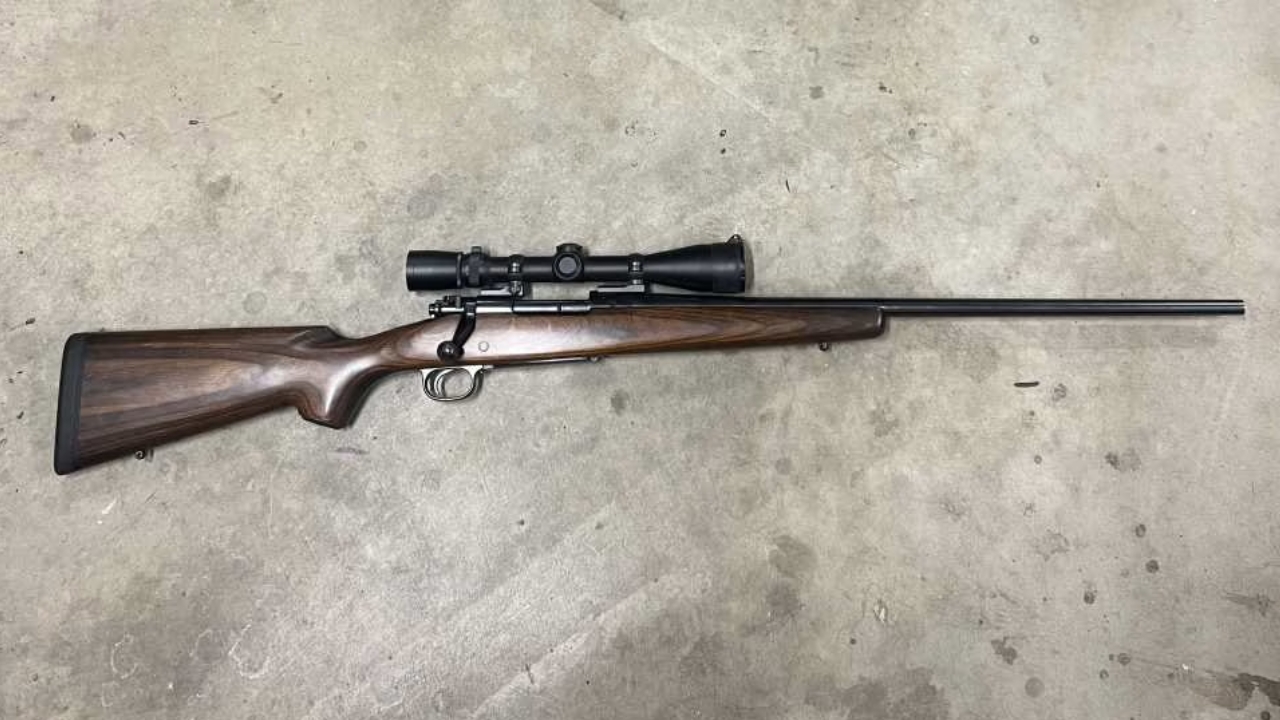
A lot of modern bolt guns are excellent, but they do not all have much story behind them yet. The Model 70 has nearly a century of hunting, collecting, gun writing, and American rifle culture tied to it. That matters when people talk about passing something down.
A rifle with history feels different in the safe. You can buy a lighter rifle, a cheaper rifle, or a rifle with more modern features, and all of those may be smart choices. But the Model 70 carries a name that means something. It is one of the few bolt actions where the reputation itself is part of the ownership experience.
14. It Still Competes With Newer Rifles Better Than People Think

The Model 70 is not coasting only on the past. Modern versions still bring controlled-round feed, good triggers, three-position safeties, improved fit and finish, and accuracy that keeps them in the conversation. Winchester’s current overview specifically leans on improved fit, finish, accuracy, M.O.A. trigger, and Pre-’64 controlled round feeding.
That matters because the bolt-action rifle market is crowded. Tikka, Bergara, Ruger, Savage, Weatherby, Browning, and others all have strong rifles. The Model 70 may not be the cheapest or lightest choice, but it still has enough performance and heritage to compete with rifles that look better on paper.
15. It Feels Like the Kind of Rifle You Keep

The Winchester Model 70 is still worth passing down because it feels like a rifle with roots. It has controlled-round feed, a smart safety, strong hunting accuracy, real model variety, and a name that hunters have respected for generations. It is not only a tool, even though it works as one.
That is the difference. Some rifles get bought for one season and traded when something newer shows up. A Model 70 is the kind of rifle people remember carrying, remember sighting in, remember taking game with, and eventually hand to someone else. That kind of staying power is not built overnight. It is earned one hunt at a time.
Like The Avid Outdoorsman’s content? Be sure to follow us.
Here’s more from us: