Photo credit: rafa jodar/Shutterstock.com
Nothing will make you doubt your own shooting like a rifle that should be hitting…and just isn’t. You break a clean trigger, your hold feels solid, your dope is right, and the impact is nowhere near where it should be. Sometimes it’s the shooter. But there are rifles and setups that make this way more common—cheap optics packages, inconsistent bedding, heat shift, loose hardware, rough triggers, and platforms that are just more sensitive to small mistakes.
These are rifles that routinely create “mystery miss” stories because they’re prone to shifting zero, changing point of impact, or being inconsistent unless you baby them and keep them tight.
Remington 770
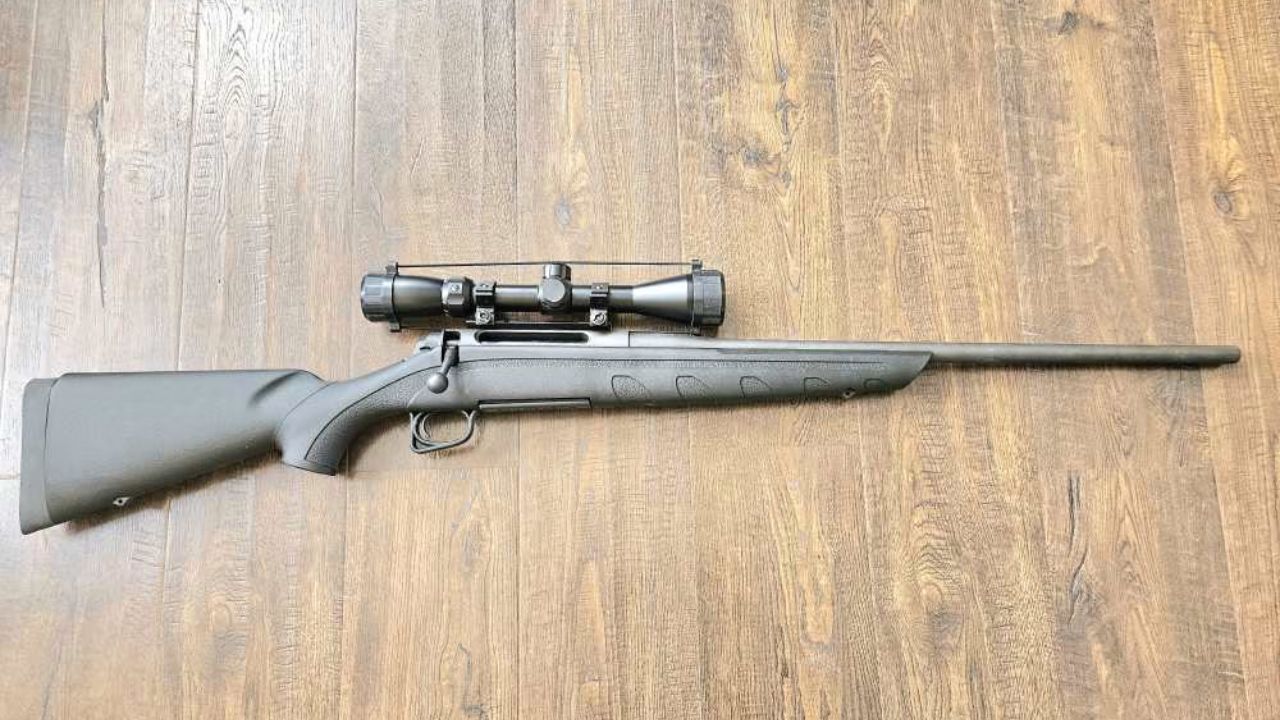
The 770 is infamous for feeling like a budget rifle that was built to hit a price point, not a standard. Between the rough action, inconsistent feel, and the common “package scope” setups it’s sold with, it’s a recipe for zero shift and confidence loss. Many guys sight one in, think they’re good, and then get to the field and start seeing weird impacts.
A lot of 770 problems aren’t solved by ammo changes. It’s the whole system: cheap rings, cheap glass, inconsistent bedding, and a rifle that doesn’t inspire consistent shooting. When you can’t trust that the rifle is doing the same thing twice, every miss feels like a mystery.
Remington 710

The 710 has a long track record of frustrating hunters with extraction issues, rough cycling, and “it’s not grouping like it should” complaints. Many owners try to fight through it because they already own it, but the rifle tends to feel inconsistent compared to even modest modern budget rifles.
The mystery miss factor often comes from inconsistent lockup feel, rough operation, and the same package-scope trap. If you’re shooting a rifle you don’t enjoy operating, your fundamentals get sloppy, and the rifle doesn’t do you any favors. The misses start stacking up, and nobody knows what to blame.
Savage Axis (early models / basic package builds)

The Axis can be a decent budget rifle, but when it’s in a bare-bones “cheap scope included” package, it’s a common culprit in the mystery miss world. The rifle itself may shoot fine, but loose rings, low-end optics, and inconsistent mounting can cause a zero that drifts or a reticle that doesn’t track.
Add in a rough trigger (depending on generation) and you get a rifle that’s harder to shoot cleanly under stress. A lot of hunters don’t notice their trigger press getting ugly until the rifle misses. Then they start changing ammo instead of fixing the actual root issue.
Ruger American (with bargain optics packages)

The Ruger American action and barrel can shoot very well for the money. The problem is how often these rifles get paired with budget scopes and budget mounts, then carried around and bumped for a season without anyone re-checking hardware. When the optic and mounts are the weak link, the rifle takes the blame.
This is where “I swear it was on last week” comes from. The rifle may not be the real problem, but it’s a common system that creates mysterious point-of-impact shifts. If you don’t torque everything properly and use decent glass, you can’t be shocked when results feel random.
Mossberg Patriot (with factory package setups)

The Patriot can shoot, but it’s another rifle that often shows up in the “cheap package” category. Poor optic setups and inconsistent results between individual rifles create a lot of “it won’t hold zero” complaints. Some Patriots are fine. Enough aren’t that it keeps the reputation alive.
The miss mystery usually shows up after a few outings. The hunter thinks he’s set, then a cold morning or a bump in the truck changes everything. When you don’t trust the mount system and you don’t verify torque, every miss becomes a detective story.
Thompson/Center Compass

The Compass is a budget rifle that can shoot okay, but it’s more sensitive to setup than many owners realize. Stock flex, inconsistent bedding pressure, and cheap optics pairings make it a common “my groups changed” rifle. Hunters often assume the rifle will behave like a higher-tier gun without any attention.
A mystery miss can be as simple as a stock that shifts pressure against the barrel depending on how the rifle is rested. If you shoot off a sandbag one day and a hard rest the next, the point of impact can move. That’s not a fun lesson to learn on a live animal.
CVA Cascade (when hardware isn’t checked)

The Cascade can be a solid shooter, but it’s a rifle that many people buy, mount quickly, and never re-check. If the rings, base screws, and action screws aren’t torqued properly—and kept that way—you’ll get inconsistent results. That’s not unique to CVA, but it shows up a lot with newer budget owners.
A rifle can be accurate and still miss mysteriously if the system isn’t stable. Many “mystery misses” are really “loose screw misses.” The problem is that most hunters don’t check those screws until after the damage is done.
Winchester XPR (with cheap mounts)

The XPR can be accurate, but it often gets paired with bargain mounts and scopes because the rifle was bought to save money. That creates a weak chain. When the optic setup fails, the rifle gets blamed, and the shooter loses confidence even if the barrel could group just fine.
The other issue is that a lot of XPR owners don’t shoot enough to notice a drifting zero until hunting day. If you’re only confirming zero once per season, you’re trusting luck. And luck doesn’t last long when rifles ride in trucks and get leaned on in blind corners.
Marlin XL7 / XS7 (older budget bolt guns)
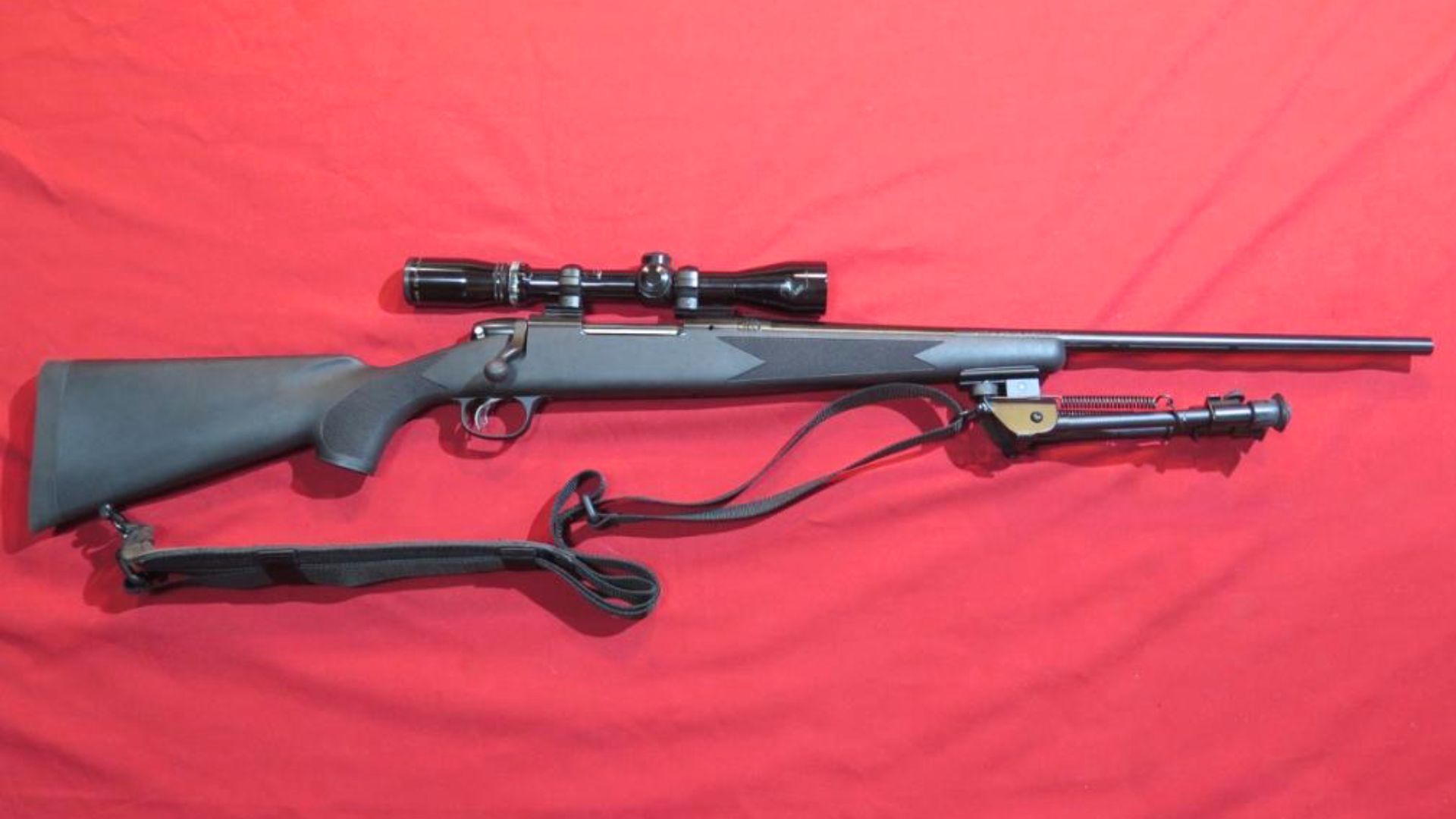
These older Marlin budget bolt guns have fans, but they also show up in “why won’t it repeat” stories, especially when they’ve been carried for years with mixed-quality optics and unknown screw torque. A rifle that has lived through multiple owners and multiple optic changes is a perfect candidate for mystery impacts.
It’s not always the gun’s fault—it’s the unknowns. When the bedding, action screws, and optic mounts are a question mark, you get a rifle that can shoot one day and frustrate you the next. That’s how mystery misses become “normal.”
Ruger Mini-14 (older thin-barrel models)

Older Mini-14s are famous for heat shift. The barrel warms up, and point of impact moves. That can turn a rifle that seems “fine” on the first few shots into a rifle that starts wandering once you shoot a little faster or you’re in a situation where you take multiple shots.
In the field, a quick follow-up shot is common. If your rifle changes as it warms, your second shot can feel like the rifle betrayed you. Hunters remember that. That’s why older Minis get called inconsistent even if they’re reliable mechanically.
SKS (mixed surplus ammo reality)

SKS rifles can be dependable, but the ammo world around them is inconsistent. Mix surplus steel-case ammo from different lots and you can absolutely see point-of-impact differences. That’s not “mystery” if you understand it, but many casual owners don’t.
Add in optics mounts that aren’t truly rigid, and you’ve got a rifle that can create confusion fast. People will blame the rifle when the real issue is inconsistent ammunition and a mount that shifts under recoil or handling.
PSA AR-15 (budget builds with variable QC)

Budget ARs can be great, but they can also be inconsistent depending on assembly, gas tuning, and component quality. A rifle that’s undergassed, overgassed, or assembled with sloppy torque can run “fine” and still throw you strange issues—especially if your optic mount or rail isn’t stable.
The other factor is that ARs are sensitive to shooter technique. Sling tension, grip pressure, and how you rest the rifle can change impact more than many hunters realize. With a budget AR that isn’t perfectly set up, those variables can cause “I don’t know what happened” misses.
Bear Creek Arsenal AR-15 (and similar ultra-budget ARs)
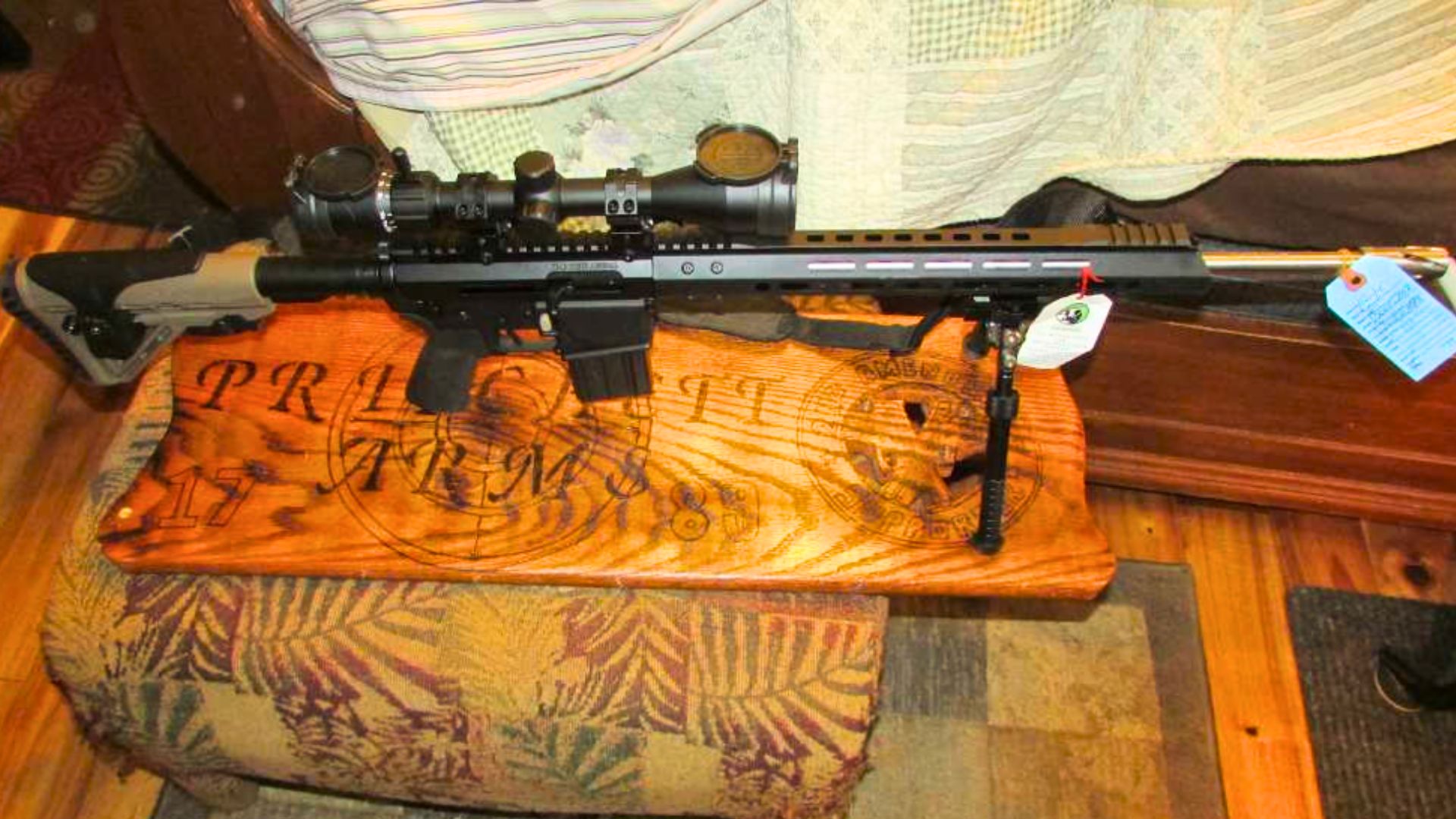
Ultra-budget ARs can work, but they often bring inconsistent accuracy and inconsistent parts quality into the mix. When barrel quality and assembly consistency vary, you can get rifles that group okay one day and frustrate you the next—especially when you add heat and faster shooting cadence.
If you’re trying to use an ultra-budget AR for serious hunting, you’re increasing your chance of getting weird behavior. Some examples are fine. But enough aren’t that the reputation exists for a reason. A hunting rifle shouldn’t feel like a roll of the dice.
Ruger 10/22 (when using cheap bulk ammo and loose optics)
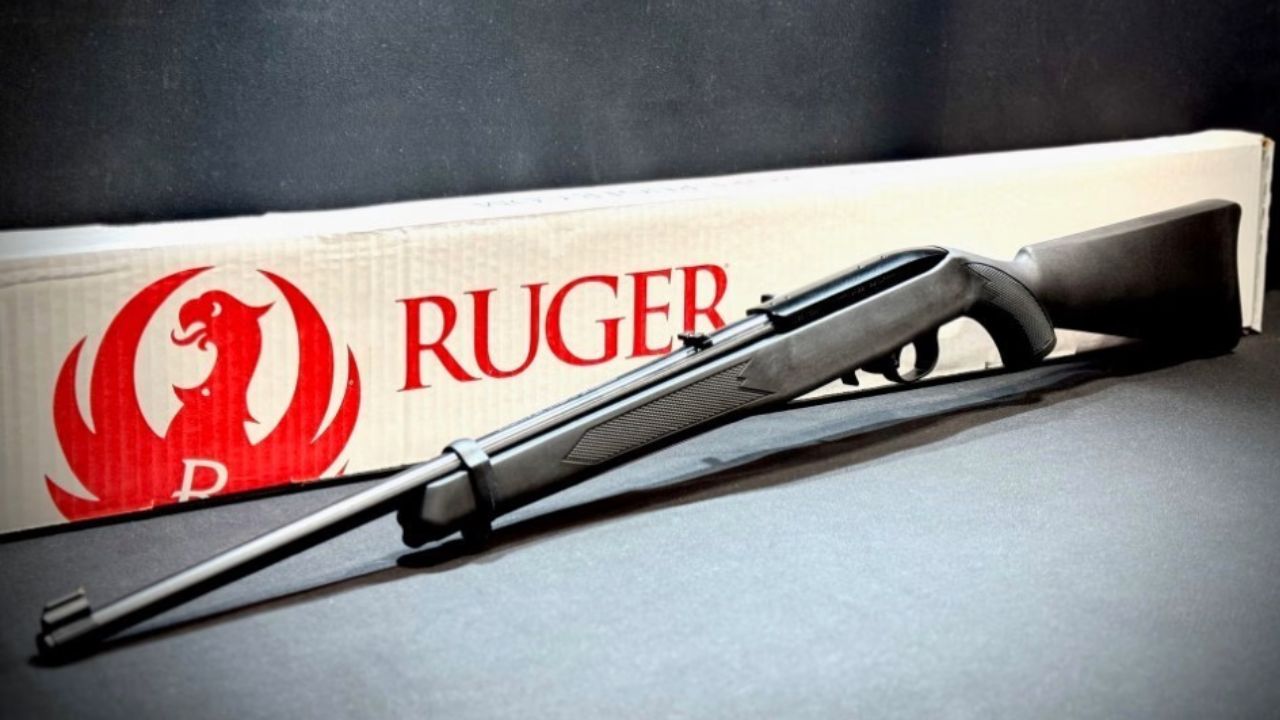
The 10/22 is a great rifle, but it’s also one of the most common “mystery miss” platforms because people run cheap bulk ammo and a budget scope mount and then expect repeatable precision. Rimfire ammo varies a lot, and bulk packs can shift point of impact noticeably.
Add in a scope base that isn’t torqued properly, and you get a rifle that makes people question their fundamentals. The rifle isn’t bad—your setup might be. But the end result feels the same: clean shots that don’t land where you thought they would.
Henry Golden Boy .22 (rimfire reality again)
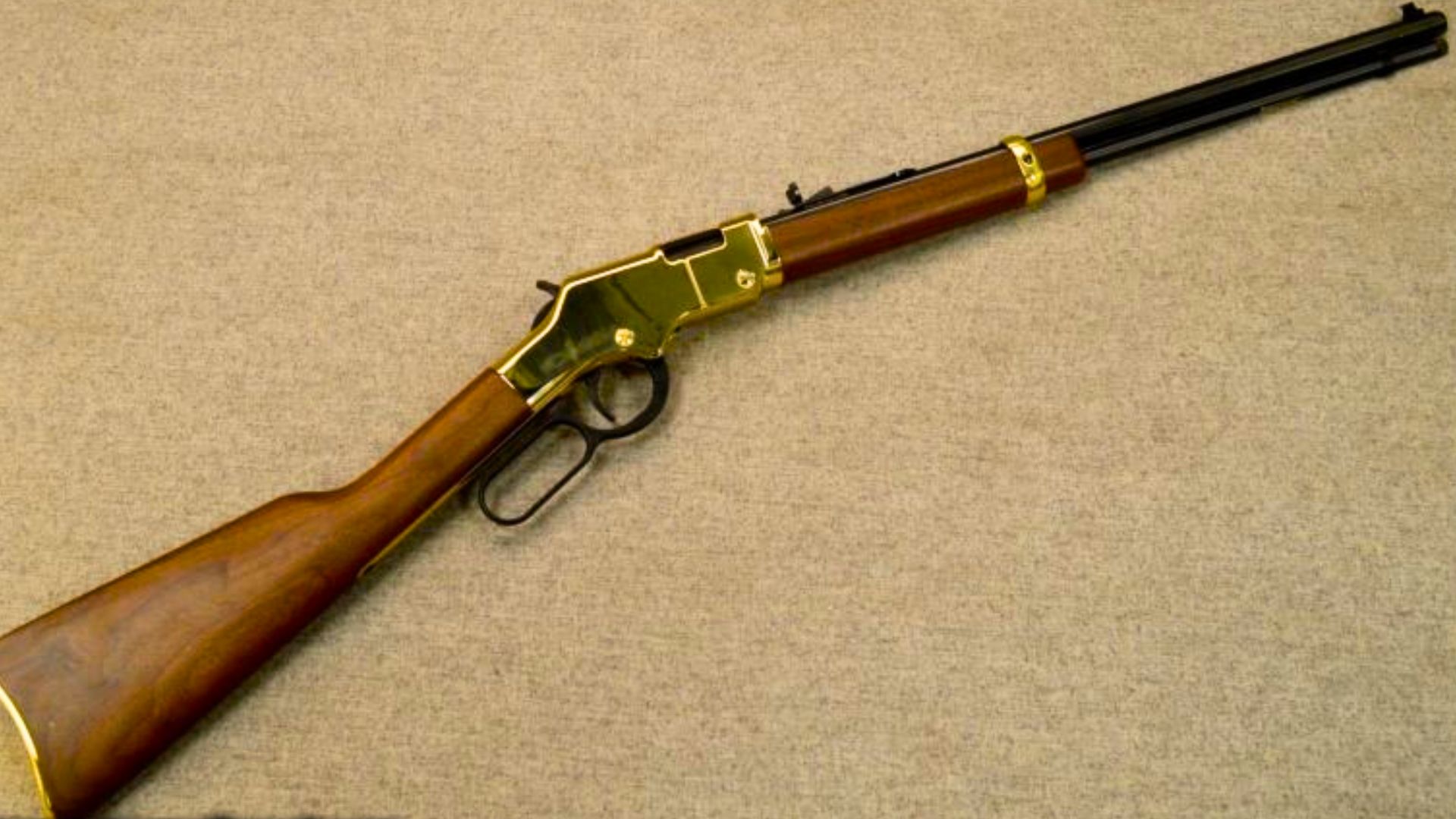
Henry .22s can be accurate, but the mystery miss factor comes from rimfire ammo variability and how people use these rifles. Many owners don’t confirm zero regularly because it’s “just a .22.” Then they try to hit small targets at distance and are shocked when impacts don’t match their expectations.
Rimfire is a system game: consistent ammo, consistent hold, consistent support. If you don’t control those variables, you get “why did it miss?” over and over. That’s not Henry’s fault, but it’s why rimfires create mystery misses more than people admit.
Like The Avid Outdoorsman’s content? Subscribe to our newsletter so you never miss an article.
Here’s more from us: