Photo credit: ILOVESHOOTINGSHIT/YouTube
Some guns run fine straight from the box. Others… not so much. Whether it’s a design flaw, sloppy quality control, or wear-and-tear that’s been ignored too long, certain firearms just scream for a gunsmith’s attention. These aren’t guns you want to gamble with on the range or in the field. Sometimes it’s about safety, sometimes it’s about fixing function, and sometimes it’s both. Here are 15 firearms that, more often than not, are better off in the hands of a professional before they hit the firing line.
Century Arms C39V2

The C39V2 looks like a solid AK-style rifle, but its all-American build doesn’t always hold up. Reports of cracked trunnions and premature wear pop up more often than you’d like. Some run fine, others fall apart fast. If you’ve got one, it’s smart to have a gunsmith check the headspace and inspect for stress cracks. It’s not something you want to find out the hard way when the bolt slams home under pressure.
Remington 597

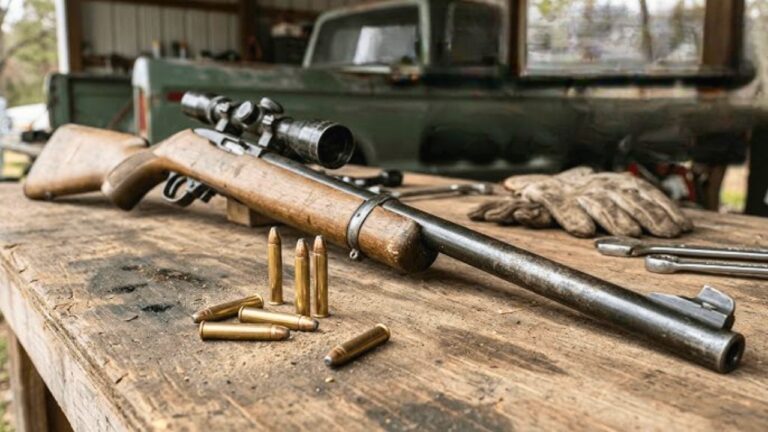
The Remington 597 has a decent design, but its execution has always been hit or miss. Feeding issues, inconsistent triggers, and poor extractor fit are common complaints. Some can be tuned to run well, but most need a little love right away. A good gunsmith can smooth out the internals, upgrade the extractor, and help the rifle cycle reliably—especially if you’re using bulk .22 ammo.
Taurus PT111 G2 (Early Models)

Later versions of the G2C are decent, but the earlier PT111s had their share of trouble. Light strikes, trigger resets, and inconsistent accuracy were common. The design was there, but execution lacked polish. If you’re holding an early model, it’s worth having someone go through it. Even something simple like fitting a better trigger bar or tuning the striker can make a big difference.
Cobray M11/9
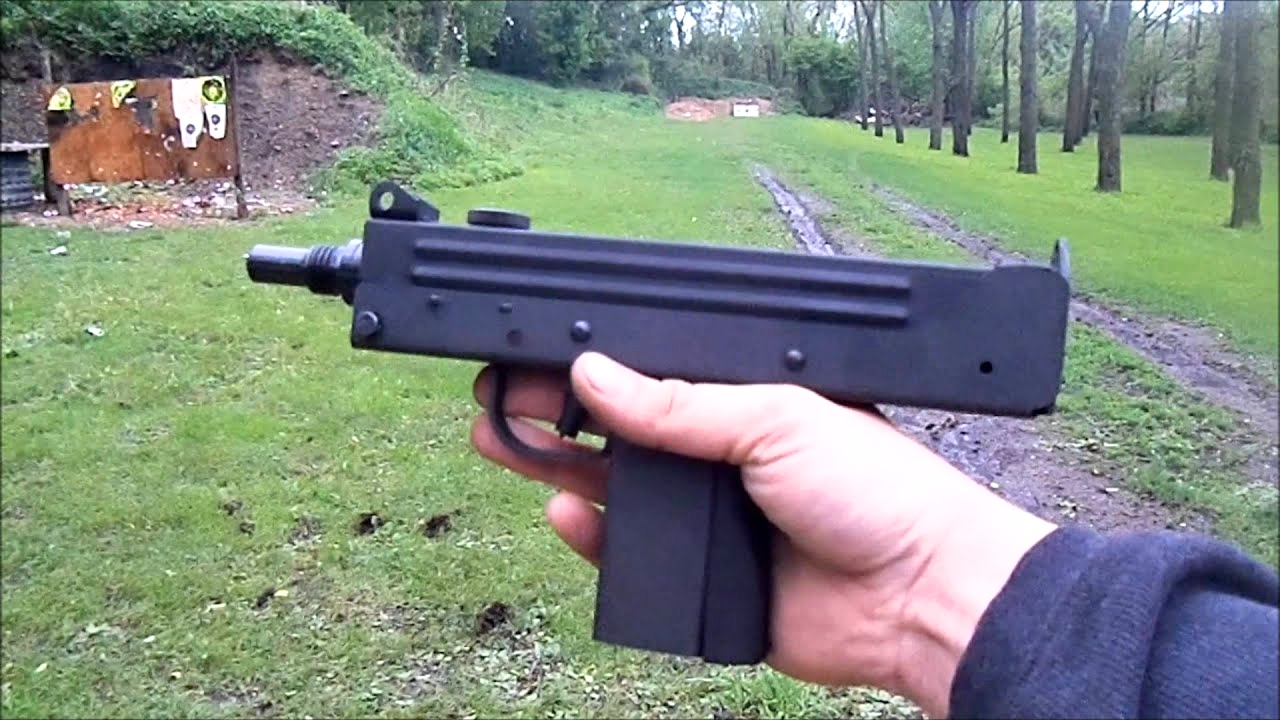
This MAC-style pistol is more of a curiosity than a workhorse. Right out of the box, it’s rough—bad triggers, stiff magazines, and a tendency to run wild with poor control. Some folks enjoy them for what they are, but if you actually plan on shooting one regularly, a gunsmith can help tame it. Smoothing out the feed ramp and adjusting the bolt weight are common starting points.
Rossi Circuit Judge
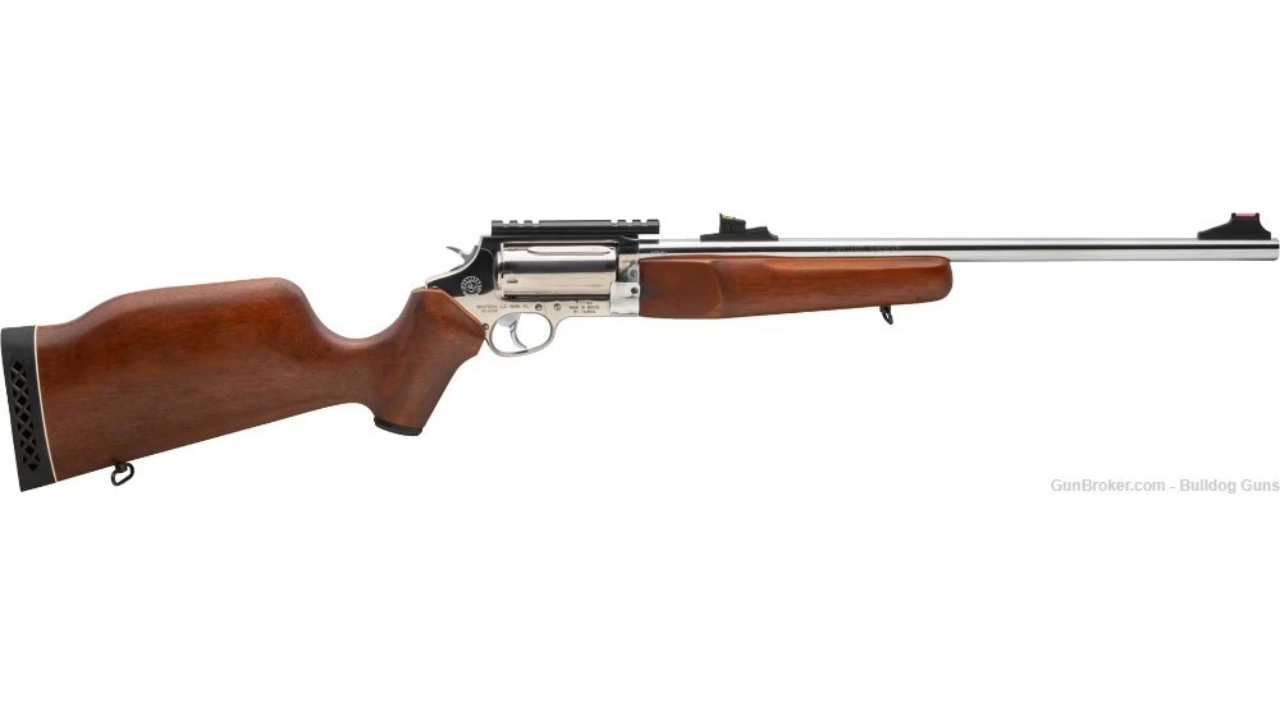
The concept—a revolver-style rifle that fires both .410 and .45 Colt—sounds fun. But in practice, the Circuit Judge often suffers from poor cylinder alignment and inconsistent patterns. If yours isn’t shooting straight or seems off in timing, don’t mess around. Cylinder gap issues or misalignment can get dangerous fast. A competent gunsmith can assess whether it’s usable—or if it should be a wall-hanger.
KelTec Sub2000 (Gen 1)

The Gen 2 version fixed a lot of things, but Gen 1 Sub2000s can be a mess. Sights that won’t hold zero, triggers that feel like rubber bands, and loose tolerances that impact feeding aren’t uncommon. It’s a cool folding rifle, but getting it to run consistently may take more than just range time. A gunsmith can help tighten things up and check for safe lockup.
I.O. Inc AKs

Inter Ordnance AKs are infamous for poor quality control. Misaligned sights, soft metal components, and headspace issues are not rare. Many buyers think they’re getting a deal—until the bolt starts sticking or the trunnion looks like it was chewed up. If you’ve got one, get it looked at before you trust it with live ammo. Some can be salvaged, but a gunsmith’s verdict will save you a lot of headaches.
Chiappa Rhino (Early Runs)

The idea behind the Rhino—a revolver that fires from the bottom cylinder—is clever. But early models had real issues with timing, trigger feel, and even firing pin strikes. Later versions got better, but if you’ve got one of the originals, get it checked. Cylinder lock-up and transfer bar function should be inspected carefully. It’s a cool concept, but safety and function come first.
Remington 770

The 770 was supposed to be a budget bolt-action rifle, but it turned out to be one of Remington’s most disappointing releases. Rough bolt travel, questionable feeding, and inconsistent accuracy were common. If you’re stuck with one, a good gunsmith can at least try to smooth out the action and bed the stock. It won’t turn into a high-end rifle—but it might become usable.
Springfield XD-E

The XD-E was marketed as a slim DA/SA option, but the trigger feel and decocker setup aren’t for everyone. Some units had gritty triggers and slide issues that made consistent shooting a pain. A gunsmith can polish internals and improve that first trigger pull, but this is one of those guns where function doesn’t always match the pitch. If yours isn’t running smoothly, have it looked at before relying on it.
Zastava M70 N-PAP (Early Imports)
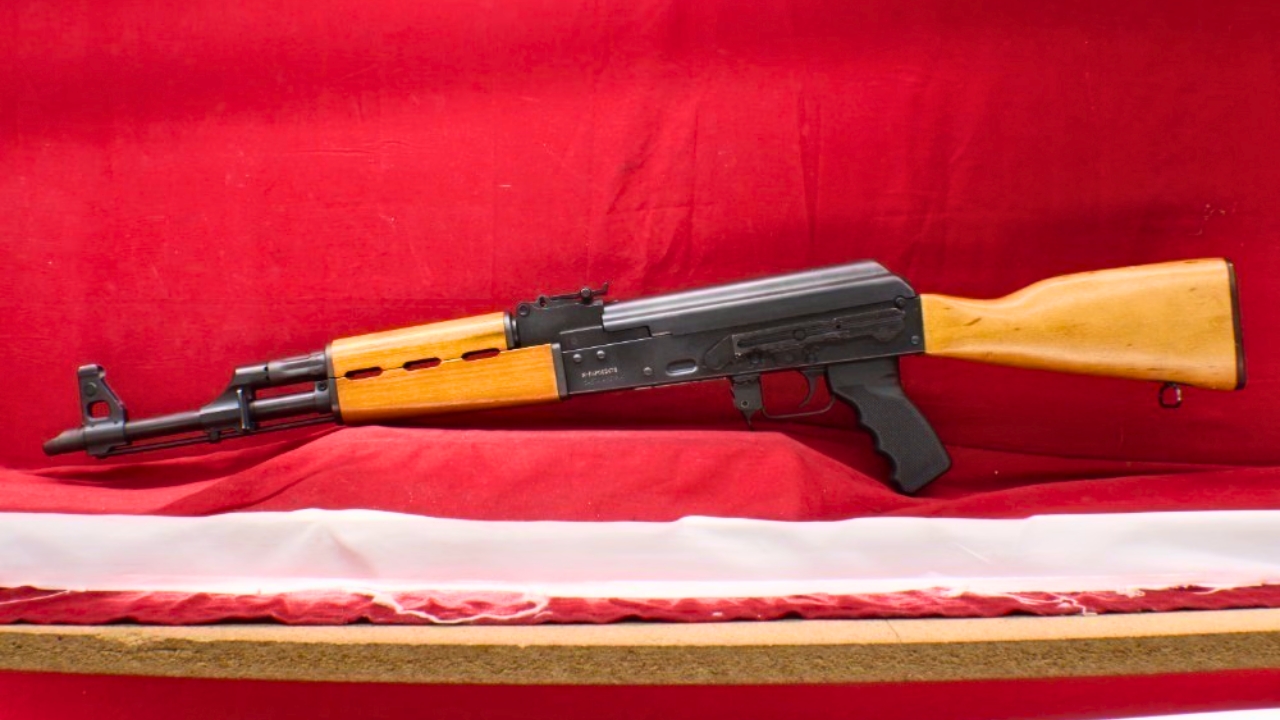
Zastava makes solid AKs, but early N-PAP imports had some fitting issues, particularly in the receiver and bolt carrier interface. Some also had underpowered recoil springs, causing cycling problems. If you’ve got one that’s acting up, a gunsmith can diagnose whether it’s an easy fix or a deeper issue. The newer ZPAPs are much better, but those early batches were a bit hit or miss.
Jennings/Bryco Pistols

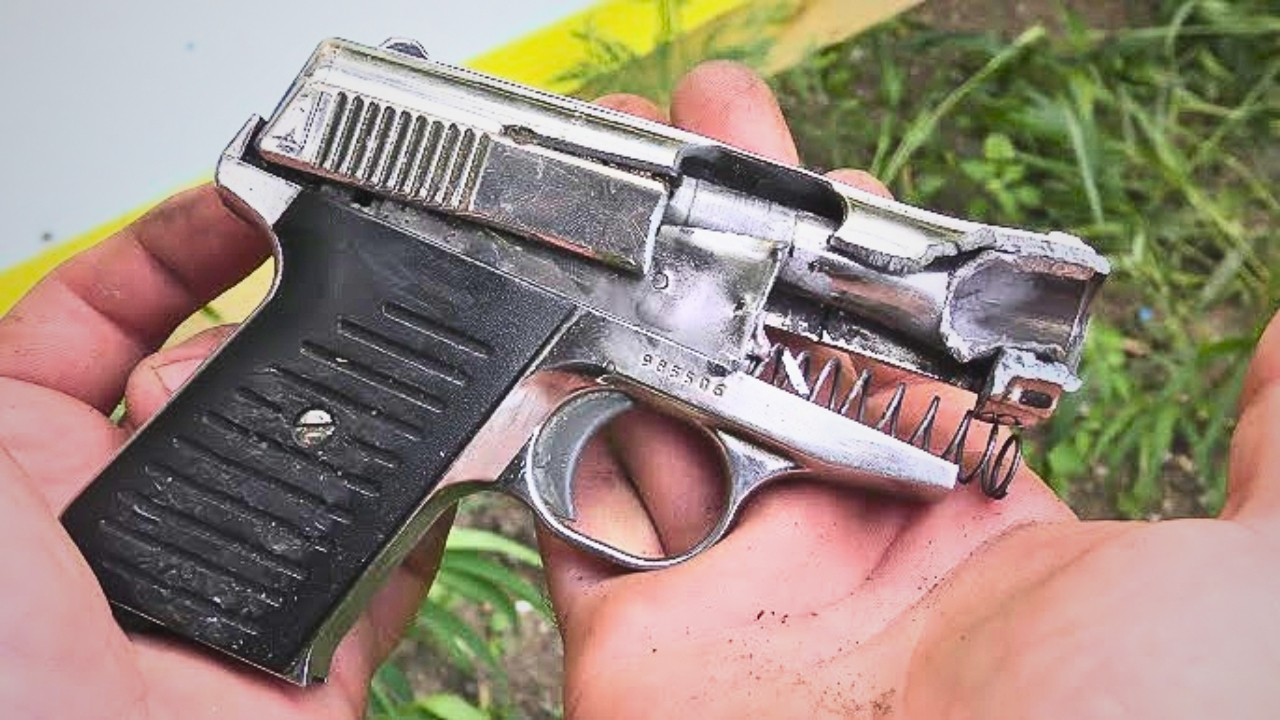
There’s no polite way to say it—these guns were cheap for a reason. Poor metal quality, unreliable feeding, and questionable safety mechanisms are all common. If you’re determined to make one run (or already own one), it’s worth having a gunsmith check it over just to make sure it’s not dangerous. Sometimes the fix isn’t worth it—but at the very least, you’ll know what you’re dealing with.
PSA ARs
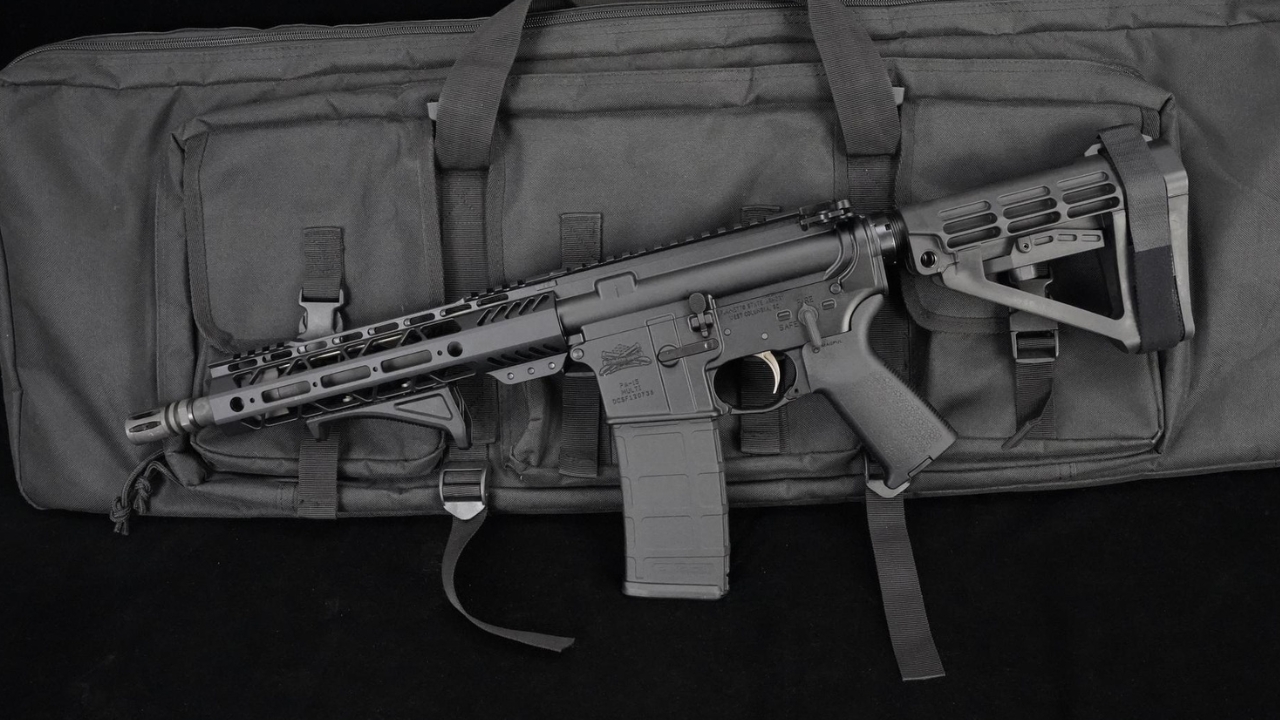
Palmetto State Armory has stepped up its game in recent years, but those early Gen 1 ARs had some issues. Barrel nuts, triggers, and gas blocks were all places where tolerances were a bit loose. If you’re seeing short stroking or bad accuracy, have someone check the gas system and alignment. A few small tweaks can turn a finicky rifle into a solid shooter.
Beretta Tomcat (.32 ACP)

The Tomcat is neat with its tip-up barrel, but it’s not built for high round counts. Cracks in the frame—especially near the barrel hinge—are a known issue. It’s not a range gun, and even Beretta admits it. If you’ve got one showing wear or running hot loads, stop shooting and have it inspected. A gunsmith can help you figure out if it’s safe or done.
AR Pistols with DIY Builds

AR pistols can run great—but when they’re slapped together with mixed parts and no real plan, things go wrong fast. Cycling problems, over-gassing, and loose tolerances show up a lot in DIY builds. If you’re troubleshooting one that just won’t run right, skip the guessing game. A gunsmith can check the gas port size, buffer system, and headspace to make sure it’s not a ticking time bomb.
*This article was developed with AI-powered tools and has been carefully reviewed by our editors.