Photo credit: GoldenWebb/YouTube
Experienced shooters don’t all carry the same gun, but they do tend to agree on a few things: the pistol has to be easy to shoot fast, easy to keep running, and easy to support with mags/holsters/parts. Comfort matters too, because the “illustration” gun you carry twice a month is not the same as the gun you actually live with every day.
Here are 15 carry pistols that keep coming up in serious circles for a reason.
Glock 19

The Glock 19 is still the baseline carry pistol for a lot of experienced shooters because it sits right in the middle of the real world. It’s big enough to shoot well, small enough to conceal for most people, and it’s supported everywhere. The recoil is manageable, the grip gives you enough leverage, and the controls are simple. When you’re training, doing reloads, running one-handed work, or shooting on the move, the G19 doesn’t get in your way.
It’s also a “known quantity.” If something goes wrong, it’s usually easy to diagnose. If you need mags, holsters, sights, or spare parts, you’re not hunting for rare stuff. It isn’t flashy, and that’s the point. People recommend it because it’s boring in the ways that matter.
Glock 45

A lot of experienced carriers end up on the Glock 45 because it gives them a full-size grip with a slightly shorter slide. The full grip makes recoil control and reloads feel easier, especially under stress or when your hands are cold and clumsy. The shorter slide can feel a little quicker in transitions and can be more comfortable for some body types in certain carry positions.
The real advantage is consistency. If you already shoot a Glock well, the 45 feels familiar but gives you more purchase for the support hand. It’s also easy to set up: good light options, good holster options, common magazines, and common spare parts. It’s one of those pistols that experienced shooters land on after trying smaller guns and realizing they shoot better with more grip.
Glock 43X
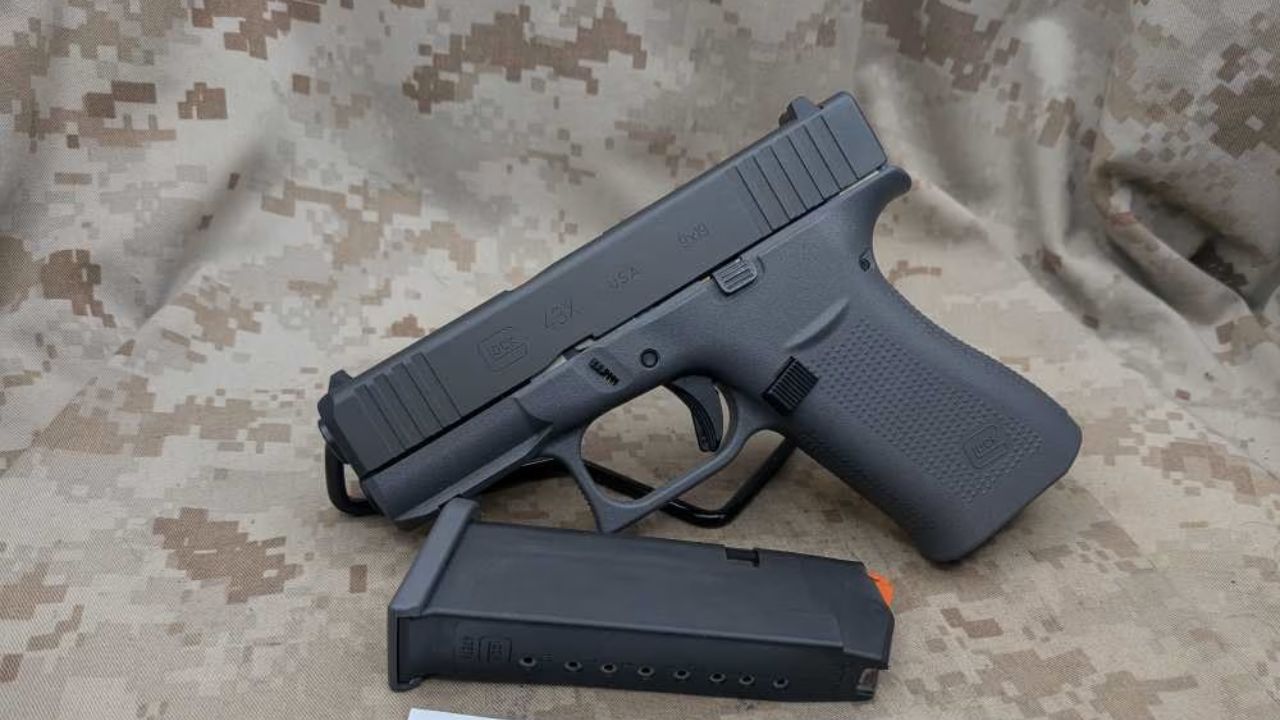
The 43X gets recommended a lot because it’s one of the best “carry all day” compromises. It’s slim, so it conceals easily, but the grip is tall enough that most people can actually control it. That’s the problem with many micros: they hide well but shoot poorly for the average shooter. The 43X gives you a grip you can work with without jumping all the way to a compact thickness.
Experienced shooters recommend it to people who want a lighter, slimmer gun but refuse to carry something miserable to practice with. It’s also simple and supported. If you’re realistic about it being a slim carry pistol—not a duty gun—it’s one of the easiest slim guns to live with.
Glock 48

The Glock 48 is basically “43X handling with a little more slide,” and that small change helps a lot of people. The longer slide and sight radius can make it feel calmer in recoil and a bit easier to shoot accurately at distance. Many shooters find it tracks better and returns to target more predictably than shorter micros, especially during faster strings.
Experienced shooters recommend it to people who want a slim gun but don’t want the snappy feel that comes with the shortest options. It’s also a great carry choice for folks who want a flatter gun for concealment but still want something they can run in classes without hating life. It’s not magic, it’s just a smart balance.
S&W M&P Shield Plus

The Shield Plus gets recommended because it’s one of the rare slim carry pistols that a lot of people can shoot well without a long adjustment period. The grip shape works for many hands, it carries comfortably, and the gun tends to feel stable for its size. A good carry gun has to be something you can hit with quickly and consistently, not just something you can hide.
Experienced shooters also like that it’s straightforward to support: holsters are everywhere, magazines are easy to get, and the platform has a long track record. It’s the kind of pistol that doesn’t require you to “be a gun guy” to keep it running, but it still rewards serious practice.
S&W M&P 2.0 Compact (4″)
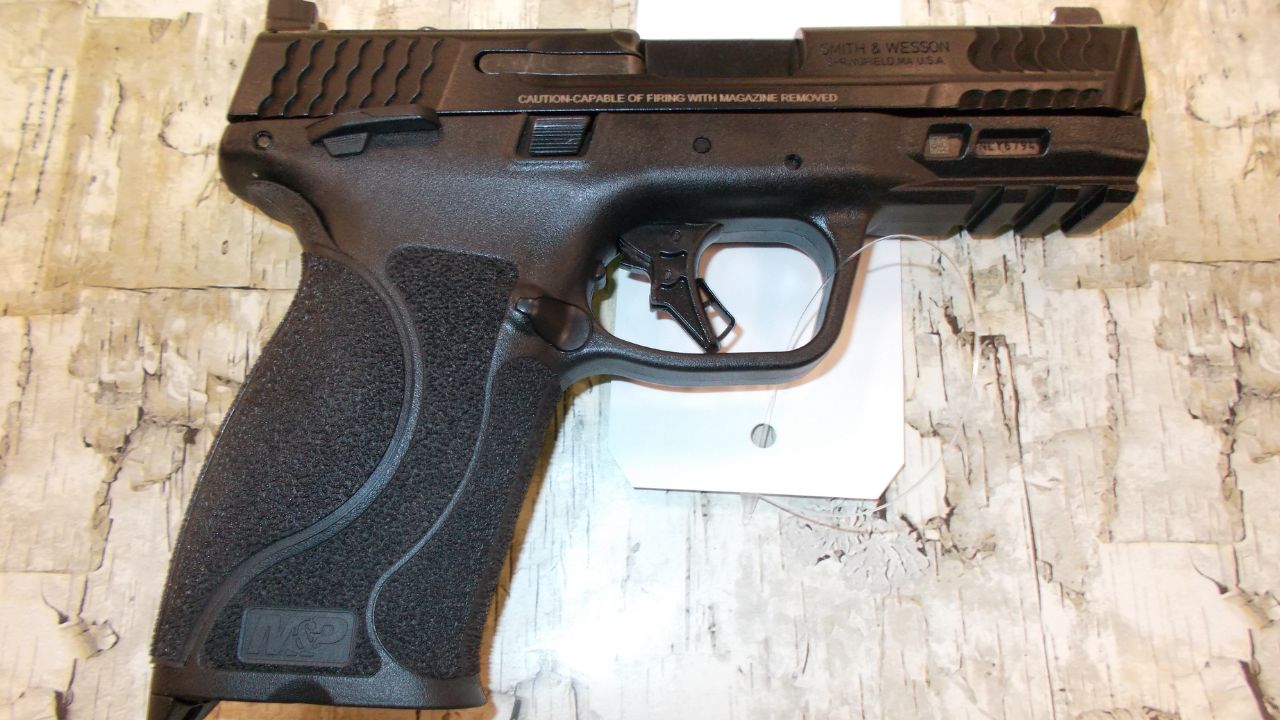
The M&P 2.0 Compact is a favorite recommendation when someone wants “carryable” without giving up shootability. It’s big enough to behave like a real compact pistol under speed, but it’s not so big that concealment becomes a constant fight. The 2.0 grip texture also helps a lot in the real world, especially when hands are sweaty or cold.
Experienced shooters like that it’s easy to run fast and easy to keep control over during longer practice sessions. It’s also a pistol that tends to fit a wide range of hand sizes. When someone struggles with a Glock grip angle, the M&P is often the next thing they shoot better immediately, and that matters more than brand loyalty.
SIG Sauer P365 XL
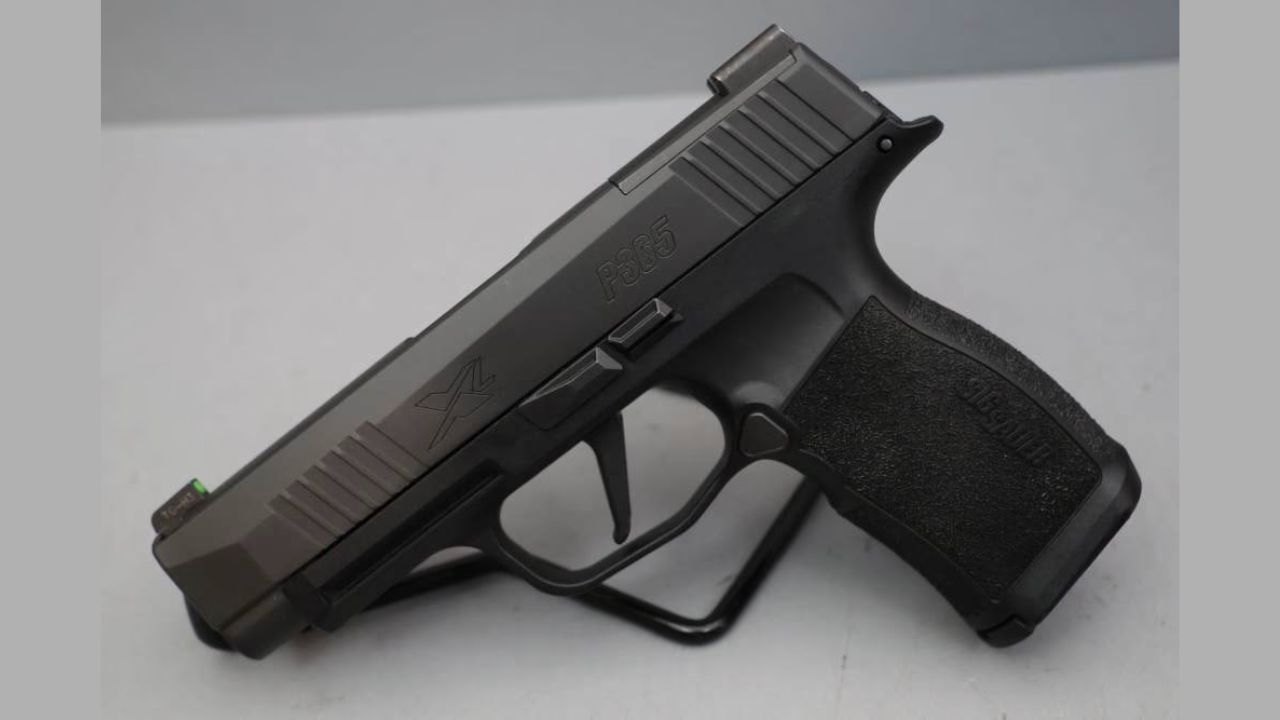
The P365 XL shows up in a lot of experienced carry rotations because it’s the “shootable” version of a micro-style system. The slightly longer grip and slide take the edge off, and most shooters can run it faster and more consistently than the tiny base model. For daily carry, that extra control is worth it because it increases confidence and keeps practice enjoyable.
The XL also tends to carry comfortably while still giving you enough gun to do real training. It’s a strong recommendation for people who want a slim carry pistol but still want something that feels like a legitimate primary gun, not a backup. It’s not a duty-sized pistol, but it’s close enough for a lot of people.
SIG Sauer P365 XMacro

The XMacro is one of the most common “upgrade paths” for experienced shooters who started with smaller guns. It gives you a longer grip, more control, and a feel that’s closer to a compact while staying fairly slim. The gun is easier to shoot fast than most micro-style pistols, and it’s easier to manage in recoil without having to clamp down like crazy.
People recommend it because it keeps the carry footprint reasonable but gives you the confidence of a more controllable platform. For a lot of shooters, it hits the sweet spot: you can carry it daily, you can shoot it hard in practice, and you don’t feel like you’re constantly compromising performance just to conceal.
CZ P-10 C

The CZ P-10 C gets recommended by shooters who care about practical performance and don’t want drama. It’s generally easy to shoot well, it tends to track predictably, and it has a “work gun” feel that a lot of people appreciate. The grip shape and recoil impulse work well for many shooters, and that shows up when you start pushing speed.
Experienced shooters also like that it’s a simple striker system with solid capacity and a size that carries well. It’s not as universally supported as Glock in every store, but it’s supported enough that real shooters can set it up and keep it going without headaches. If someone wants a compact that shoots like it’s bigger, this one comes up a lot.
HK P30 (and P30SK)

The HK P30 line gets recommended by experienced shooters who like DA/SA and want a pistol that feels built for long-term hard use. The ergonomics are a big reason—if the grip fits you, it locks in and stays consistent. Under stress, consistent grip and consistent indexing matter. DA/SA takes practice, but people who put in that practice often carry these pistols with a lot of confidence.
The P30SK also shows up as a serious carry choice because it’s compact but still controllable. It’s not a “cheap and cheerful” gun. It’s a “buy once, cry once” type of carry tool. Experienced shooters recommend it when someone actually wants to train and wants a platform that holds up.
HK VP9SK

The VP9SK is a common recommendation for shooters who want HK ergonomics in a smaller carry format without going DA/SA. It’s easy to shoot well for many people, the grip is friendly, and the gun tends to be predictable in recoil. If someone struggles with tiny micro guns but doesn’t want a thicker full compact, the VP9SK often lands in that conversation.
It also carries well for a lot of body types because it’s short enough in the grip to conceal, but still substantial enough to control. Experienced shooters like pistols that don’t punish you for being human on a bad day. The VP9SK is one of those guns that stays manageable when your grip isn’t perfect.
Walther PDP Compact

The PDP Compact gets recommended to shooters who want a fast, modern carry gun that can still perform like a bigger pistol. It has a solid grip, a trigger that helps people shoot clean, and a feel that encourages aggressive shooting. For experienced shooters, the PDP often feels like it keeps up with their pace instead of lagging behind it.
The main reason it gets recommended is that it’s easy to shoot well once you lock in the grip. Some pistols feel “nice” but don’t reward speed. The PDP does. If you’re already a competent shooter and you want a carry gun that still feels like a performance tool, it’s a strong pick.
Beretta PX4 Compact
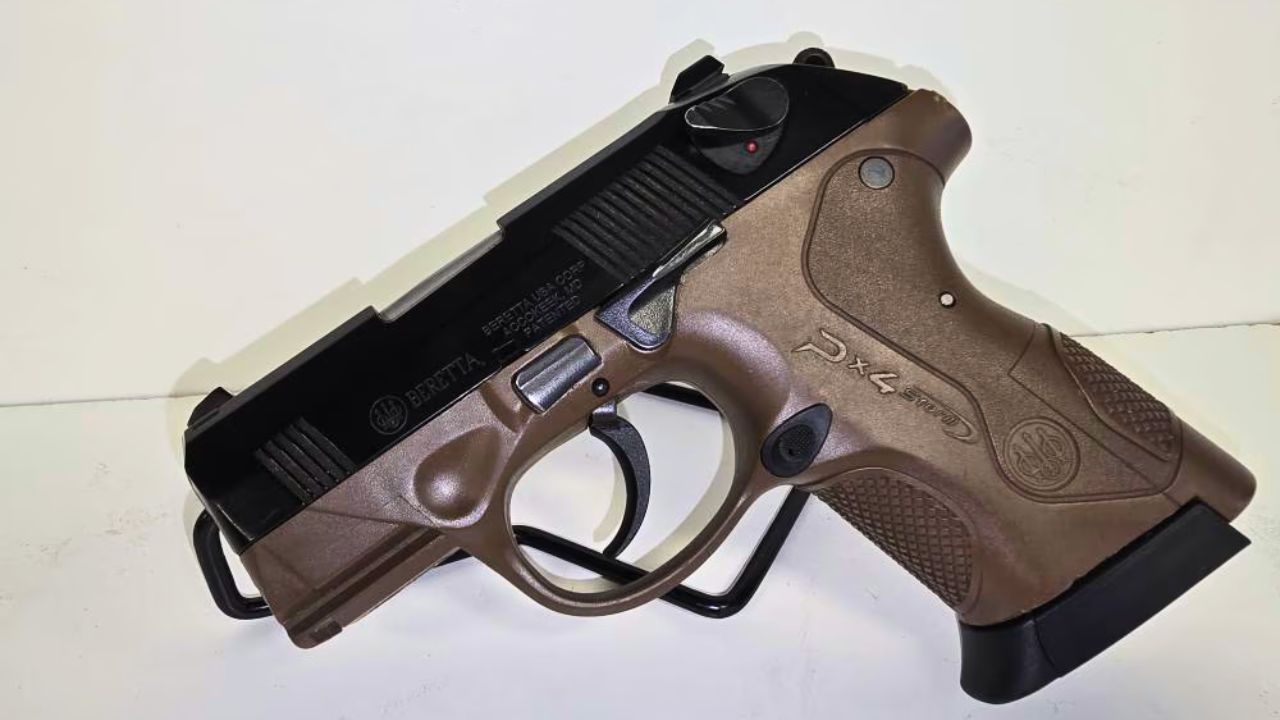
The PX4 Compact is a sleeper recommendation among experienced shooters who prioritize controllability and comfort. The rotating barrel system has a different recoil feel that many people find smooth and easy to manage during fast strings. It’s also a gun that can run hard if you keep it maintained, and many shooters like how it handles compared to snappier compacts.
It’s not the most fashionable option, but experienced shooters don’t care about fashion. They care about what they can hit with and what they can carry without annoyance. The PX4 Compact often ends up being one of those “try it and you’ll get it” pistols that people keep recommending after they actually run it.
SIG Sauer P229

The P229 gets recommended because it’s a serious carry pistol that shoots like a bigger gun. The weight helps with recoil control and stability, and the platform has a long history of real use. It’s not light, but experienced shooters often accept extra weight if it buys them more control and confidence—especially if they’re carrying in a quality belt/holster setup.
The DA/SA system is also a feature, not a bug, for the shooters who train with it. They like the deliberate first press and the consistency they can build around it. The P229 isn’t trendy, but it’s trusted, and trust is what keeps a gun on someone’s belt year after year.
Ruger LCR (for the revolver crowd)
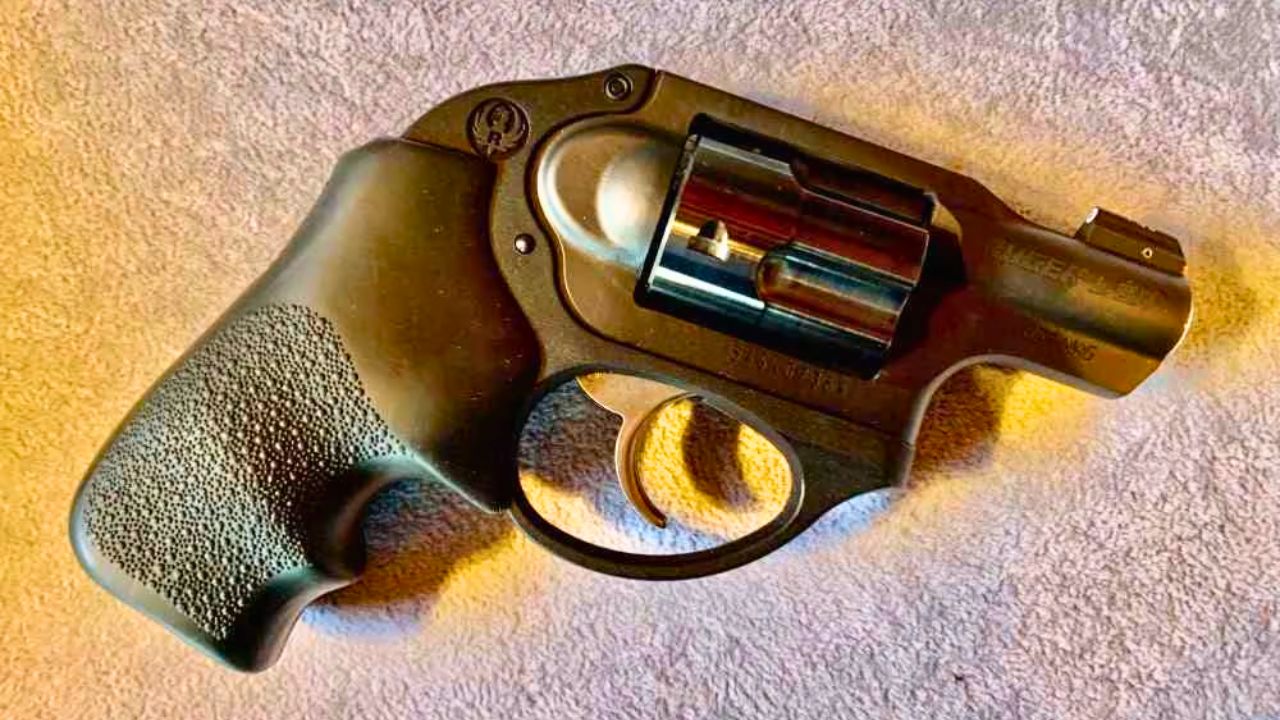
Not every experienced shooter carries a semi-auto all the time. The Ruger LCR gets recommended for deep concealment and backup roles because it’s light, practical, and simple to carry. Revolvers don’t require magazine tuning, and the LCR’s trigger feel is one reason it gets picked over other small revolvers by people who actually shoot them.
It’s still a small revolver, so it demands practice. The experienced shooters who recommend it are usually the ones who have put in that work and know exactly what it’s good for. As a “grab it and go” pocket or backup gun, the LCR is a legitimate tool for people who want the simplest manual of arms possible.
Like The Avid Outdoorsman’s content? Be sure to follow us.
Here’s more from us: