Photo credit: Build Hunt Xplore/YouTube
Some rifles sound great when they are still sitting clean in the box or getting praised by someone who has not really pushed them past a few casual groups at the range. That is easy. Real use is where things start getting honest. Carry a rifle through rough weather, heat it up on a long day, drag it through the woods, trust it when a shot actually matters, and the weak spots come out fast. That is when hype starts losing ground.
A lot of these rifles are not total junk. That is what makes them frustrating. They usually have one thing going for them that keeps people talking them up long after the flaws should have killed the romance. Maybe it is the name. Maybe it is the price. Maybe it is the internet crowd that keeps repeating the same praise. Either way, here are 15 rifles people swear by until real use starts exposing what they really are.
Remington 770

The Remington 770 fooled a lot of people because it wore a familiar name and looked like a ready-to-go hunting package for not much money. At the counter, that seemed good enough. A lot of buyers convinced themselves they were getting a practical field rifle without spending more than they had to, and plenty of them defended that decision hard.
Then real use usually stepped in and changed the tone. Rough bolt travel, cheap-feeling construction, and a general lack of refinement made it obvious pretty quickly why the rifle never earned real long-term respect from experienced hunters. It was the sort of gun people tried to justify after buying, but the more time they actually spent with it, the harder that became.
Mossberg Patriot

The Patriot gets praised because it is affordable, available, and often looks better in the rack than its price suggests. On the surface, that is enough to build a following. Buyers see fluted barrels, scoped package options, and a familiar brand, then assume they found a smart budget hunting rifle that does not ask for many compromises.
Real use can expose those compromises in a hurry. A lot of shooters come away feeling like the rifle never quite lives up to the confidence it inspires at first glance. The action, stock feel, and overall consistency can leave it feeling more like a rifle built to sell than one built to become a trusted favorite. It may get the job done sometimes, but it tends to lose a lot of fans once the honeymoon wears off.
Savage Axis

The Savage Axis has a huge fan base because it is one of the first rifles people land on when they want cheap accuracy. That is a strong selling point, and to be fair, some of them do shoot well. That is exactly why people swear by them so loudly. They feel like proof that spending less automatically means spending smarter.
Then owners start living with the rest of the rifle. The stock often feels flimsy, the overall finish can leave a lot to be desired, and the rifle’s bargain-bin personality becomes harder to ignore over time. A paper target may flatter it early, but real carry, real handling, and real hunting use often make buyers realize accuracy was not the only thing that mattered.
Ruger American original models
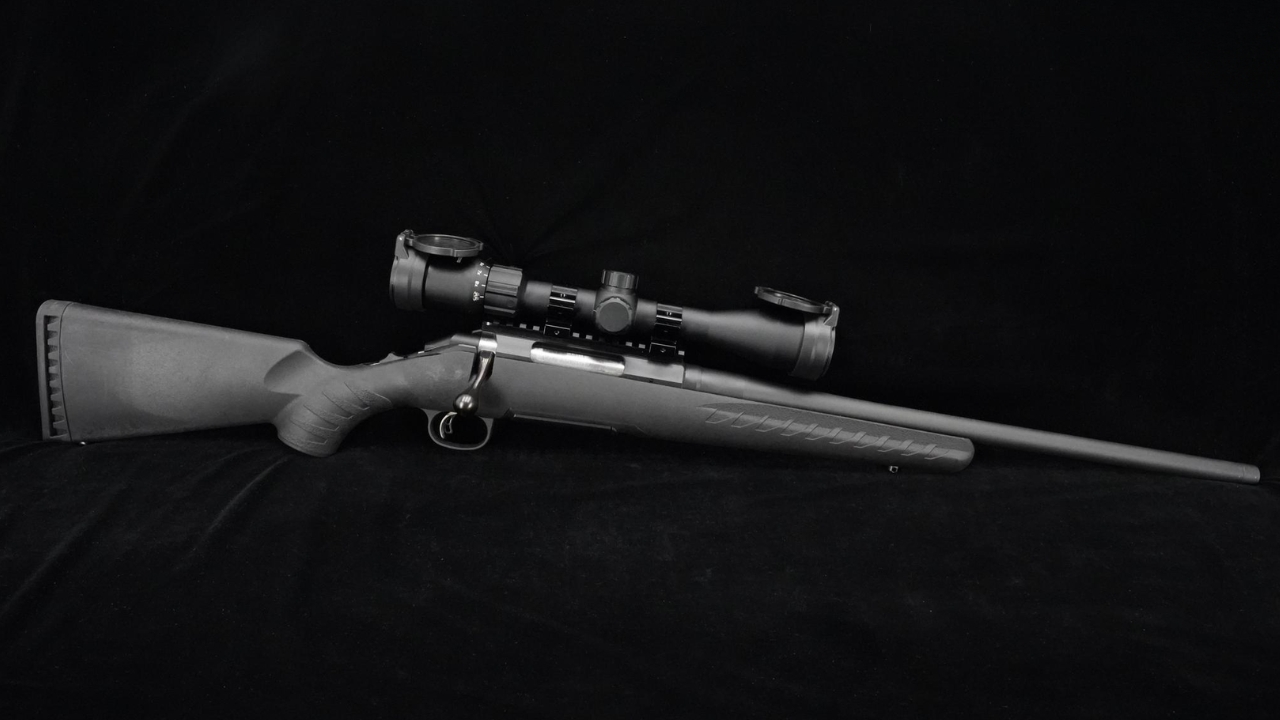
The Ruger American earned a lot of praise because it gave buyers useful accuracy at a price regular people could stomach. That part is real. The issue is that some owners and internet fans started acting like that alone made it equal to rifles that were plainly more refined, better handling, and more confidence-inspiring in long-term use.
Once the rifle gets carried, shot hard, and compared honestly, the shortcuts become easier to notice. The action is serviceable more than slick, and the overall feel can remind you pretty quickly where Ruger saved money. It is not a disaster, but it is one of those rifles that gets talked about like a giant killer until people spend enough time with better rifles and start noticing what they gave up.
Remington 783

The 783 was sold as a serious budget bolt gun with enough performance to make buyers feel like they had found a practical alternative to spending real money on a hunting rifle. A lot of people bought that pitch. It had the right general shape, a decent trigger story, and the Remington name still carried enough weight to help push it along.
Then the rifle had to prove itself in actual use, and that is where things often got less flattering. The overall feel, the finish, and the simple reality of handling one next to stronger rifles made it clear that this was more “acceptable at the price” than “worth swearing by.” A lot of buyers defended it because they wanted the value story to be true. Real use made the rifle feel a lot more ordinary.
Springfield M1A
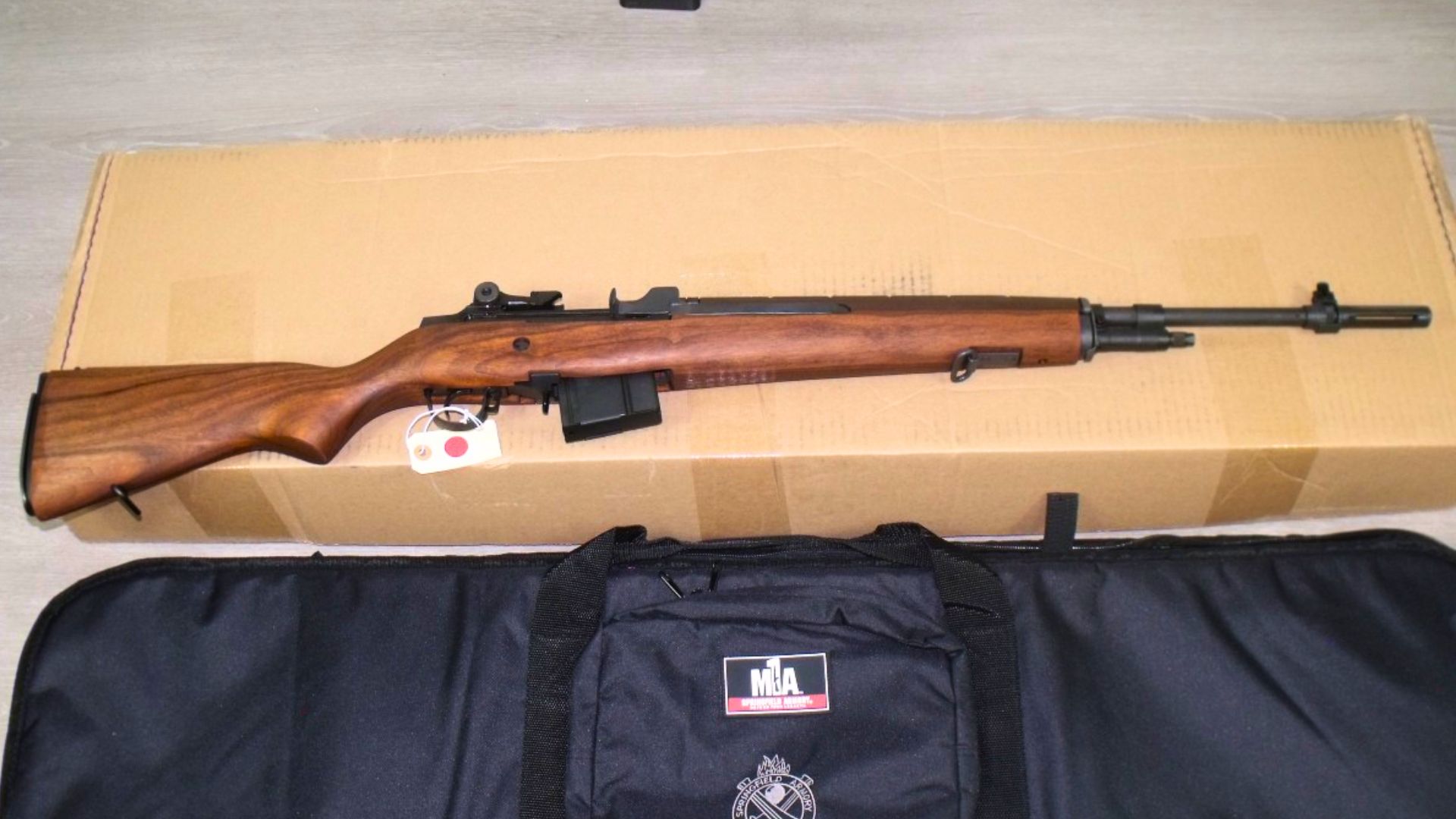
The M1A still gets praised with almost religious enthusiasm in some circles, usually by people who love the image, the history, and the idea of owning a .308 semiauto with old-school swagger. On paper, that makes sense. It looks serious and carries a kind of built-in respect that many modern rifles would kill for.
Then real use starts bringing up the awkward side of the relationship. Weight, optics mounting headaches, cost, and the gap between nostalgia and practicality can cool people off fast. There are shooters who genuinely love theirs, but there are also plenty who swear by the M1A until they start trying to use it like a real modern rifle and realize how much work they are doing just to protect the old romance.
KelTec SU-16
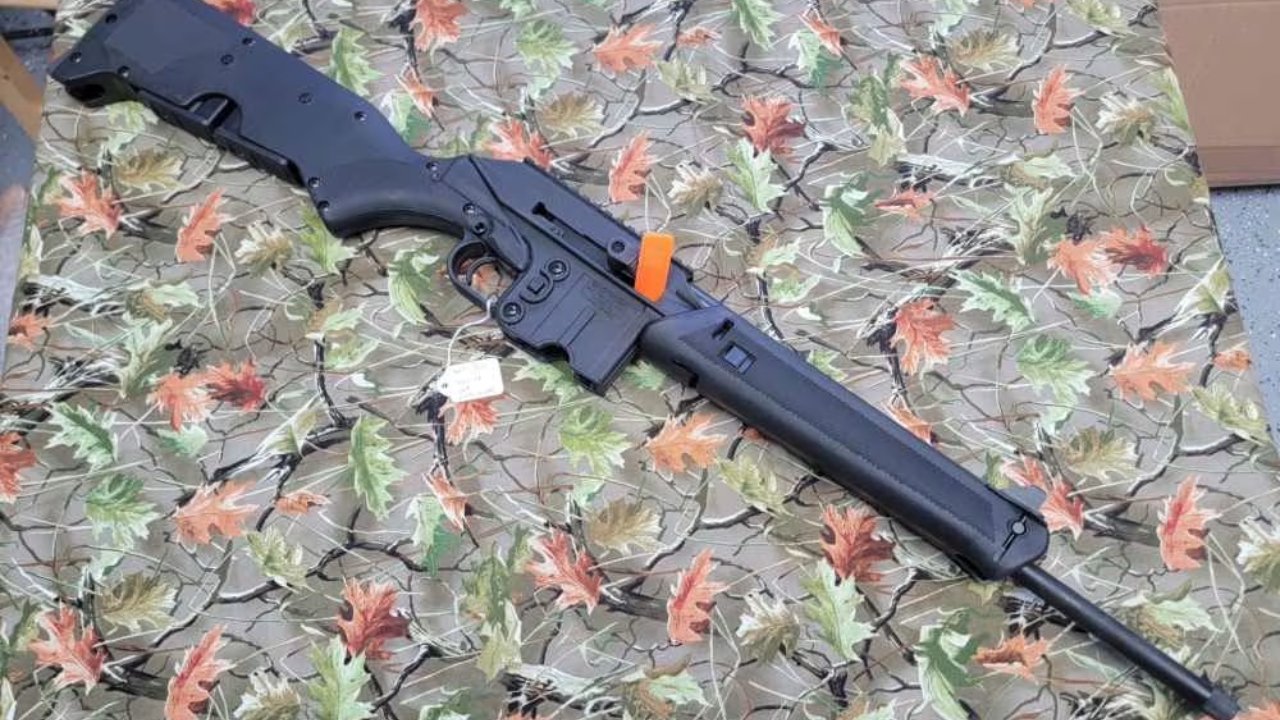
The SU-16 gets defended because it sounds smart. Lightweight, folding, magazine-compatible, and budget-friendly all hit buyers right where they are most vulnerable. The rifle seems like the kind of practical choice a clever person would appreciate, and that is exactly why some owners praise it so hard early on.
Then they start actually using it. The light weight that sounded so attractive can start feeling cheap, the overall feel lacks confidence, and the rifle tends to remind you that “clever concept” and “great rifle” are not the same thing. It is one of those guns people love defending in theory, but once range sessions pile up, the excuses usually start arriving right alongside the compliments.
Century CETME / bargain G3 clones
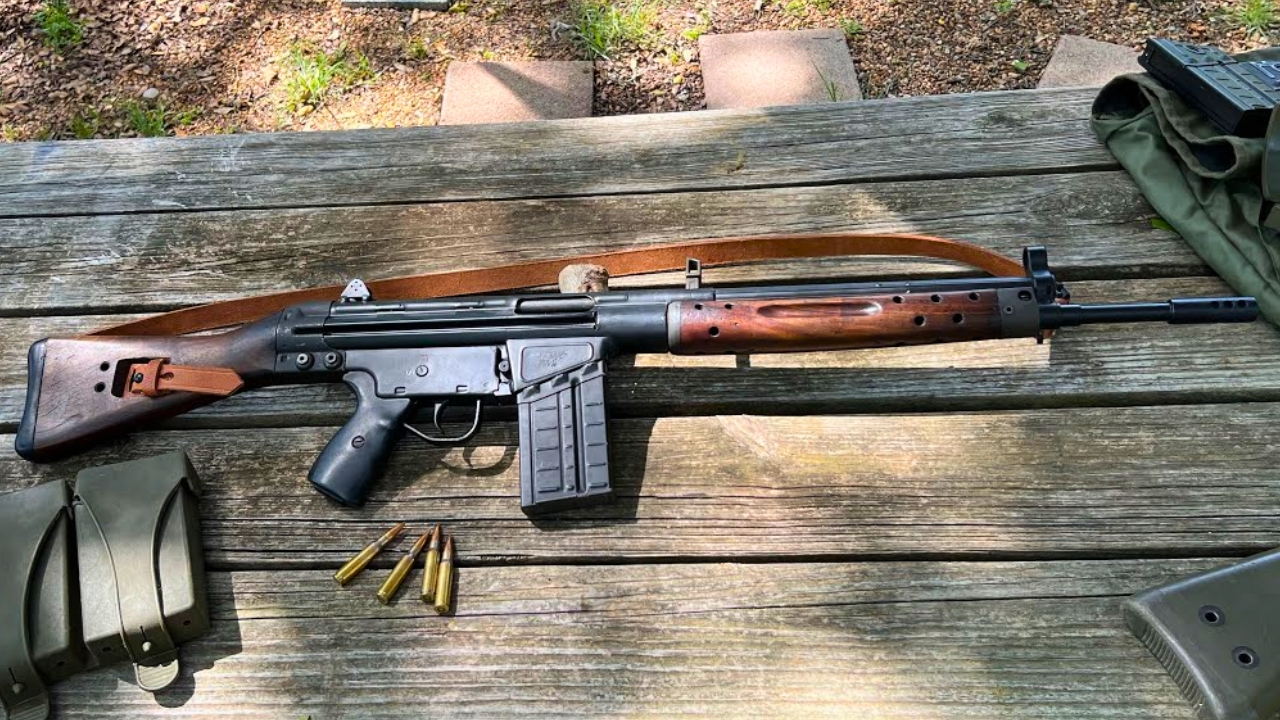
Cheap CETME and G3-style rifles always attract a certain buyer because they promise battle-rifle energy at a price that sounds too good to pass up. That is a powerful combination. A lot of owners swear by them early because they want to believe they found a rugged old-school .308 that gives them all the cool without the full premium.
Real use tends to expose the corners that got cut. Rough finish, inconsistent quality, clunky handling, and the simple reality that not all clones are created equal start showing up fast when the rifle gets more than casual attention. A lot of these guns survive on the romance of the pattern far more than on the actual performance of the rifle in front of the buyer.
Mini-14 Ranch Rifle

The Mini-14 gets swore by because people love the idea of it. It is not an AR, it looks more traditional, and it has a kind of ranch-rifle charm that makes buyers feel like they are choosing something more refined than the black-rifle crowd. That emotional appeal has carried a lot of praise over the years.
The problem is that real use has a habit of exposing the gap between the concept and the performance. Depending on the era and expectations, shooters often find themselves dealing with a rifle that is less impressive in practical accuracy and harder to optimize than the loyalty around it suggests. It has personality, no doubt. But personality and honest long-term performance are not always the same thing.
Mossberg MVP

The MVP got attention because it checked some attractive boxes. Bolt action that takes AR magazines, practical styling, and enough novelty to make buyers feel like they were getting something flexible and useful. On paper, it sounded like a smart crossover rifle that bridged worlds in a clever way.
Then people actually started running them. In real use, the rifle can feel less confidence-inspiring than the concept promised, and the cleverness starts wearing thin when the overall execution does not fully back it up. It is another case where the idea sells much harder than the long-term ownership experience. Buyers swear by the versatility until they realize they are mostly defending a concept instead of enjoying a truly satisfying rifle.
IWI Tavor SAR

The Tavor SAR had a period where people talked about it like it was the answer to every AR owner who wanted something more advanced. Bullpup design, military styling, compact overall length, and a big-brand tactical aura made it feel like a serious upgrade in sophistication. That created a lot of loud loyalty very quickly.
Then shooters actually started spending time with it and noticing the tradeoffs. Trigger feel, balance, handling quirks, and the simple fact that compact does not always mean more enjoyable or more efficient started becoming harder to ignore. The rifle still has devoted fans, but it is also one of those guns many people swear by right up until real use reminds them why the traditional layout kept winning for so long.
Henry Long Ranger

The Long Ranger catches a lot of praise because it combines Henry goodwill with the promise of a lever gun that stretches farther and modernizes the concept. That sounds like a winner. Buyers love the idea of getting classic lever feel with more reach and more rifle-like flexibility.
The issue is that the real-world ownership experience does not always feel as clean as the idea. Some shooters come away realizing they liked the thought of a box-magazine Henry more than they liked the actual rifle. When a gun survives on concept more than instinctive field confidence, that tends to show up over time. People swear by the innovation until they realize they do not actually love using it as much as they thought they would.
DPMS Oracle / bargain AR builds

Cheap ARs always get intense early praise because buyers want to believe the platform is so standardized that cost barely matters. A rifle like the Oracle fed right into that. It let people say they had an AR, shoot an AR, and feel like they beat the market by not overpaying for a name. That mindset created a lot of loud loyalty.
Then real use started separating rifles that were merely functional from rifles people actually trusted. Heat, round count, hard use, and small quality differences begin to matter a lot more once the rifle stops being a casual weekend toy. That is where bargain ARs often get exposed. Owners may still defend them, but many stop swearing by them once they have spent time behind better-built rifles.
Rossi R95 / lower-tier lever rifles

Budget lever guns have a powerful draw because they tap right into the romance of the platform without demanding Marlin or Winchester money. That makes rifles like these easy to praise early, especially by buyers who want the lever-gun experience badly enough to forgive a lot just to get in the game.
Real use usually tightens the truth. Action feel, fit, finish, and the sense of overall confidence often start separating these rifles from better examples pretty quickly. They may still work, but they often lose that magical “this is the one” feeling once the owner has enough trigger time to tell the difference between acceptable and genuinely good.
Winchester Wildcat

The Wildcat gets talked up because it looks like a practical little rimfire for modern buyers. Lightweight, easy enough to handle, and different enough from old-school .22 designs to seem fresh, it naturally attracts praise from people who want a simple, current rimfire solution without much fuss.
The trouble is that real use can make it feel thinner and less satisfying than expected. A rifle can look handy and still leave owners wanting more substance, more confidence, and more staying power once range sessions stack up. It is one of those rimfires that gets praised early because it sounds smart, then exposed later because it never really earns the deeper attachment better .22 rifles often do.
Like The Avid Outdoorsman’s content? Subscribe to our newsletter so you never miss an article.
Here’s more from us: