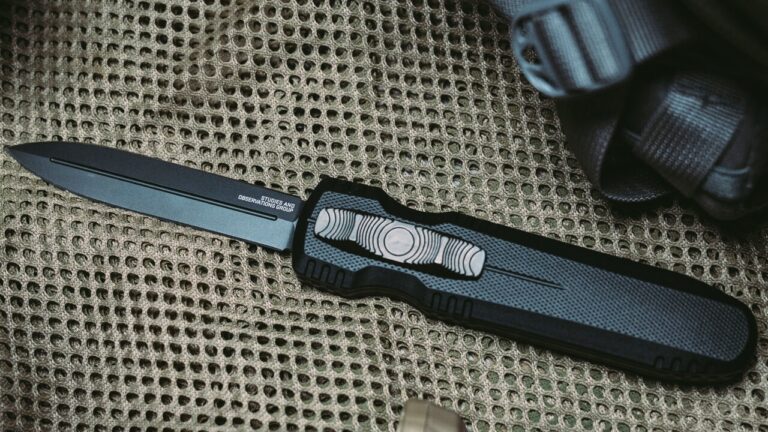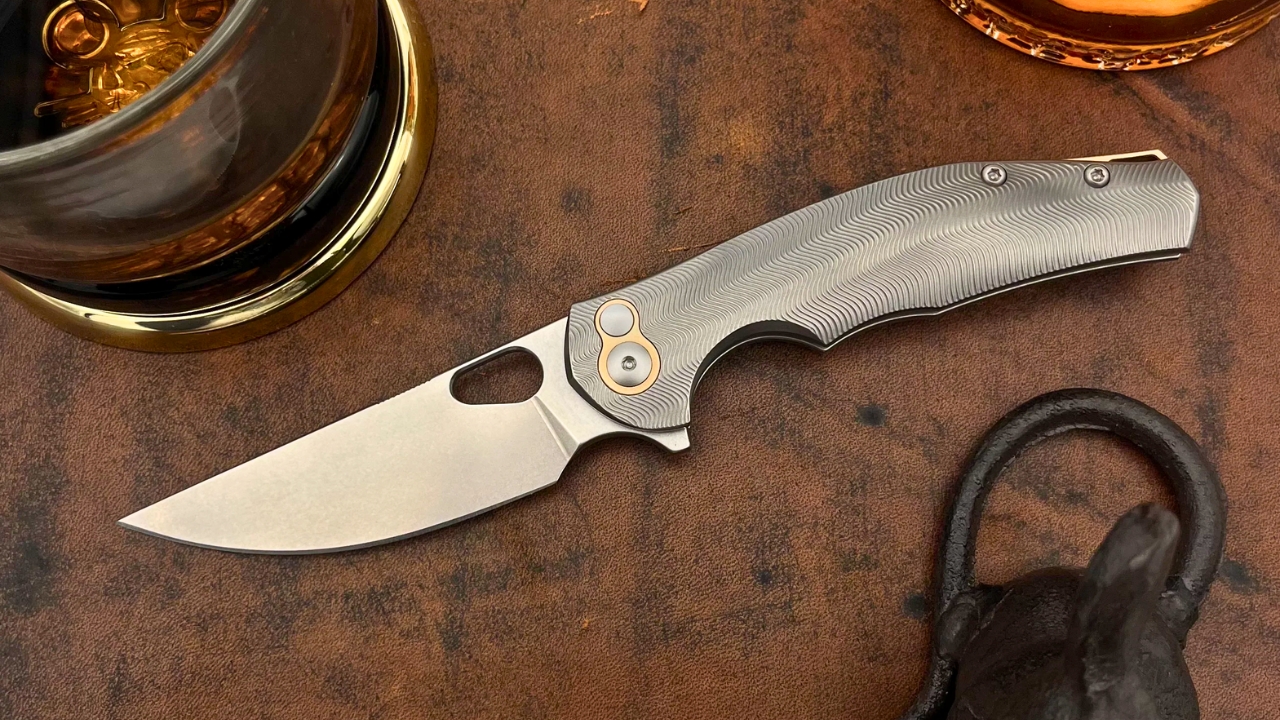
Photo credit: GiantMouse
GiantMouse has pulled two of its limited-run folding knives from the market after reports that their locks can fail in use, turning a premium everyday tool into a potential hazard. If you own the GM12 or GMP12, you are now part of a formal safety recall that asks you to stop carrying the knife and send it back for a refund. The move puts a spotlight on how even enthusiast-grade gear can go wrong, and what you should expect from a brand when it does.
How a boutique knife brand ended up in a federal recall
You might think of GiantMouse as a niche maker serving collectors and everyday carriers who obsess over blade steel and ergonomics, not a company you would expect to see on a federal recall list. Yet that is exactly where GiantMouse LLC now appears after regulators determined that the locking system on two of its folding knives can fail, creating a laceration risk for users who rely on the blade to stay open under pressure. The recall covers the GM12 and GMP12, both marketed as limited collection models that sit at the higher end of the company’s catalog.
According to the official recall notice, the problem is not cosmetic or theoretical, it is a safety defect in the lock that can allow the blade to close unexpectedly on your fingers. Federal regulators describe the issue as a locking mechanism that can fail and explicitly categorize the outcome as a laceration hazard, language that elevates the problem from a warranty annoyance to a consumer protection issue. The same notice explains that GiantMouse LLC is contacting all known purchasers directly and working with safety officials to explain the situation, a step that underscores how seriously the defect is being treated in the context of a formal laceration hazard.
What exactly is wrong with the GM12 and GMP12
From the outside, the GM12 and GMP12 look like the kind of overbuilt folders you buy precisely because you trust them not to fold on your hand. Both are part of a limited collection series that GiantMouse promoted to enthusiasts who follow the brand’s collaborations and special runs. Underneath the styling, however, the recall centers on a specific mechanical failure: the lock that is supposed to keep the blade open can disengage, allowing the knife to snap shut while you are cutting or applying pressure.
Reporting on the recall describes the defect in practical terms, noting that the locking mechanism can fail in use and that the knives pose a laceration hazard to anyone relying on them for everyday tasks. The issue is tied to the way the lock interfaces with the rest of the handle construction, including components inside the back spacer, which is where the internal parts of many modern folders are tucked away. Legal analysis of the situation points to the same mechanical concern, explaining that GiantMouse issued a safety recall for the GM12 and GMP12 after identifying a problem with the locking system and its relationship to parts inside of the back spacer, a detail that has already become central to emerging knife recall lawsuit discussions.
How the recall works and what GiantMouse is offering
If you own one of these knives, the recall process is straightforward but firm: you are told to stop using the GM12 or GMP12 immediately and store it in a safe place so it cannot accidentally injure you or someone else. GiantMouse has set up a dedicated recall page that walks you through the steps, starting with confirming that your knife is one of the affected models and then registering for a return. The company emphasizes that this is a voluntary safety recall, but the instructions leave little doubt that continued use is not recommended.
Once you register, GiantMouse offers to take the knife back and provide a refund to your original payment method, treating the recall as a full reversal of the purchase rather than a partial credit or repair. The recall notice spells this out in a series of steps, including the directive to immediately stop using the GM12 and GMP12, place the knife in a secure location, and then complete the online form so the company can process your return and refund. Those details are laid out in the official Recall Notice, which also clarifies that the refund goes back to the original payment method rather than store credit.
What GiantMouse is telling customers about the defect
GiantMouse has tried to frame its response as proactive, telling customers that it is conducting the recall to prevent injuries rather than waiting for a long list of incidents. On its site, the company explains that it is working in cooperation with the U.S. Consumer Product Safety Commission and that it has already reached out to known buyers to alert them to the problem. The messaging stresses that safety is the priority and that the brand is willing to take back every affected GM12 and GMP12 to remove the risk from circulation.
To answer the practical questions that follow any recall, GiantMouse has also published a detailed FAQ that addresses common concerns about proof of purchase, timelines, and eligibility. One of the most important clarifications is that you do not need a receipt to participate in the recall, a point the company makes explicitly when it tells owners that they can still return the product without a receipt and that the absence of paperwork will not block a refund. The same FAQ explains why GiantMouse is conducting this recall, directs you to the Recall Notice banner for more information, and sets expectations for how the process will unfold, all of which is laid out in the recall FAQ.
How regulators describe the risk to users
From a regulatory standpoint, the language around this recall is blunt. Safety officials describe the hazard as a locking mechanism that can fail, which in turn poses a laceration hazard to the user, a phrase that signals a clear risk of cuts rather than a vague possibility of discomfort. The recall is framed as a consumer product safety issue, not a niche enthusiast dispute, and it is listed alongside other household recalls that federal agencies track and enforce.
The federal recall entry notes that the GM12 and GMP12 are folding knives and that the defect involves the lock that is supposed to keep the blade in the open position during use. It also confirms that GiantMouse is contacting all known purchasers directly, a step that regulators expect when a company has sales records that can be used to reach affected customers. A separate consumer-focused summary of the recall reiterates that the GM12 and GMP12 folding knives are being pulled back due to a laceration hazard, describing the products as limited collection models and emphasizing that the recall is specifically tied to the risk of cuts from a blade that can close unexpectedly, a point highlighted in coverage of the Folding Knives Due to laceration hazard.
Where the recall fits in the broader knife market
For knife owners, the GiantMouse recall is a reminder that even premium gear can end up in the same regulatory bucket as mass-market tools when a safety defect surfaces. The GM12 and GMP12 were not bargain-bin folders, they were limited collection pieces marketed to enthusiasts who follow the brand’s collaborations and design language. Yet the recall treats them like any other consumer product with a dangerous flaw, reinforcing the idea that price and pedigree do not exempt a tool from basic safety expectations.
Industry coverage of the recall places it within a pattern of pocket folding knife issues that have drawn regulatory attention in recent years, particularly when locking mechanisms or handle components fail under load. One report on the GiantMouse situation describes it as a recall of pocket folding knives carried out in cooperation with the U.S. Consumer Product Safety Commiss, noting that the defect involves the locking mechanism and its interaction with parts inside of the back spacer. That framing situates the GM12 and GMP12 alongside other Pocket Folding Knives recalls, where the core issue is a lock that does not reliably keep the blade open when it matters.
What you should do if you own a GM12 or GMP12
If one of these knives is in your pocket or on your shelf, the first step is simple: stop using it. The recall instructions are explicit that you should immediately stop using the GM12 and GMP12 and put the knife in a safe place where it cannot accidentally injure you or someone else. From there, you should visit GiantMouse’s recall page, confirm that your knife matches the affected models, and register for the return process so the company can send you the necessary shipping details.
Because GiantMouse is offering a refund to the original payment method, you should be prepared to provide whatever information the company needs to verify the purchase, even though the FAQ makes clear that a missing receipt will not disqualify you. If you bought the knife through a retailer or an online marketplace, you may also see recall notices posted there, including product listings that now flag the GM12 and GMP12 as recalled items. Some shopping search results for the GM12 and GMP12 already point to recall information alongside the product details, a sign that the recall has filtered into broader product search tools that many buyers use to research gear.
How the recall intersects with legal rights and potential lawsuits
Any time a safety recall involves a product designed to be used around your hands, attorneys start asking whether injuries have already occurred and what rights owners have if they were hurt. Legal guides focused on the GiantMouse situation frame the recall as both a safety measure and a potential liability issue, explaining that owners who suffered cuts or other injuries when the lock failed may have claims that go beyond a simple refund. Those analyses walk through the basics of product liability, including the idea that a defective locking mechanism in a folding knife can be treated as a design or manufacturing defect if it fails under normal use.
One attorney-oriented overview of the situation presents the GiantMouse recall as a case study in how knife owners should think about legal rights and compensation when a product they trusted turns out to be unsafe. Under headings like Knife Recall Lawsuit and What Owners Need to Know About Legal Rights and Compensation, it explains that the recall itself is an important piece of evidence, because it shows that the manufacturer has acknowledged a safety problem with the GM12 and GMP12 and tied it to the locking mechanism and components inside of the back spacer. For you as an owner, that means the recall is not just a customer service gesture, it is also a formal record that could matter if you ever need to document how and why the knife failed, a point that is central to the What Owners Need to know about legal rights.
What this episode means for GiantMouse and for you as a buyer
For GiantMouse, the recall is a test of brand equity in a community that pays close attention to how companies handle problems. The decision to work with regulators, contact all known purchasers, and offer full refunds suggests that the company understands the stakes and is trying to protect both users and its reputation. At the same time, the fact that a limited collection knife with a premium price tag ended up with a defective lock will likely prompt some buyers to scrutinize future releases more closely, especially those that use similar construction or components.
For you as a buyer, the GM12 and GMP12 recall is a reminder to treat safety notices as part of responsible ownership, even when the product is a hobby item rather than a household appliance. Checking the manufacturer’s site periodically, especially for gear you use hard, can help you catch recalls early, and brands like GiantMouse now maintain recall banners and dedicated pages alongside their main catalogs. On the company’s primary site, you can browse current models, read about the brand’s design philosophy, and also find links to the recall notice that covers the GM12 and GMP12, a juxtaposition that reflects how safety communication now sits alongside product marketing on GiantMouse. If you own one of the affected knives, following the recall steps is not just about getting your money back, it is about making sure a tool you trusted does not become the source of a preventable injury.
Like The Avid Outdoorsman’s content? Be sure to follow us.
Here’s more from us: