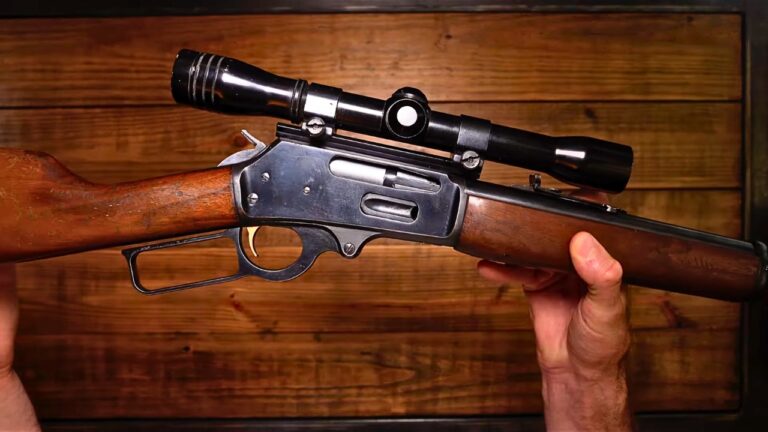
Photo credit: The Armory Life/YouTube
A lot of carry pistols run like sewing machines—right up until you cram the magazine to the brim and add one more variable: a closed slide, stiff spring pressure, and cartridges stacked at the steepest angle they’ll ever see. That’s where some guns get picky. It’s not always the pistol “hating” full capacity so much as tolerance stacking: a small mag tube, a strong spring, a tight feed path, and certain bullet shapes all trying to occupy the same space at the same time.
When something goes wrong, it usually looks the same: the magazine won’t seat cleanly on a closed slide, the first round drags, or you get a nose-dive or a sluggish return to battery. If you’ve ever felt that uneasy “did it seat?” moment, these are the kinds of carry pistols and setups that are known for being less forgiving when topped off.
SIG Sauer P365

The P365 packs a lot into a small grip, and that means the magazine is doing a lot of work. With a brand-new mag spring, getting a fully loaded magazine to seat on a closed slide can take more effort than you expect. New shooters often think they didn’t seat it, then they get a dead trigger or a failure to feed because the mag wasn’t locked in.
The other place you’ll notice it is the top round. With max spring pressure, the first cartridge can sit tight against the feed lips and drag more than it does when the mag is downloaded by one. That doesn’t mean the P365 is unreliable. It means you need to be consistent—same magazines, same ammo profile—and you need to confirm seating with the same firm, repeatable motion every time.
Springfield Hellcat

The Hellcat’s magazines are compact and strong, which is great for carry and less fun during loading. With a full mag, especially when the springs are fresh, seating on a closed slide can feel stubborn. If you’re not deliberate, you can end up with a mag that looks seated but isn’t fully latched.
The first round can also be where the gun tells on you. Max compression changes how the top round presents, and some ammo shapes are less forgiving than others. When a Hellcat chokes, it often happens right at the start—first round feed, or the slide hesitating as it strips that top cartridge. Once the stack pressure drops, the gun often smooths out. That “first round only” behavior is what makes people swear the pistol hates being topped off.
Glock 43X with Shield Arms S15 magazines

The Glock 43X itself is usually steady, but the story changes when you add high-capacity aftermarket mags. The Shield Arms S15 magazines squeeze more rounds into a similar footprint, and that can make seating on a closed slide harder—especially with a full mag and a fresh spring. Many shooters notice they need a more forceful seat than with factory mags.
The other common complaint is sensitivity to setup. Some people run them flawlessly, others see first-round issues, premature slide lock, or inconsistent feeding—often traced back to the magazine, spring condition, or the need for compatible parts like a metal magazine catch. When a carry pistol “hates” full capacity, it’s frequently the magazine system, not the gun. The 43X with S15s is a classic example of how extra capacity can demand extra attention.
Glock 26

The Glock 26 has a reputation for reliability, but it can still give you that stiff “full mag” feel, especially with newer magazines. Seating a fully loaded mag on a closed slide can take more push than people expect, because the stack is tight and the spring is working hard in a short tube.
Where the G26 gets people is when they treat it like a larger Glock and get casual with loading and seating. If the mag isn’t fully locked, the first shot can be a click instead of a bang. Another factor is mixing magazines—flush 10-rounders, extensions, and larger Glock mags. Different springs and baseplates change the way the top round presents at full pressure. The pistol usually isn’t the weak link. The “full mag” moment is where your consistency and your magazine choices matter most.
Smith & Wesson M&P Shield Plus

The Shield Plus increased capacity without adding much size, and the magazines reflect that. A full mag can feel like it’s fighting you when you try to seat it with the slide forward. That’s most noticeable when the mags are new or when you’re loading to the absolute limit and the top round is sitting high and tight.
Some shooters also notice the Shield Plus can be picky with certain bullet profiles when everything is at maximum spring pressure. It’s not that it won’t run good ammo—it usually will. It’s that the tightest conditions happen on the first round of a topped-off magazine. Once a round is fired and the stack pressure drops, feeding typically smooths out. That pattern—hard seating, first-round sensitivity, then normal function—is exactly what people mean when they say a carry pistol dislikes being loaded full.
Ruger Max-9

The Max-9 offers a lot of capacity in a slim package, and the magazines can feel stiff when they’re new. Seating a full mag with the slide forward can take more force than expected, and if you baby it, you can end up with a partial seat that shows up later as a failure to feed.
The other thing that trips people up is how the first round strips. With a full magazine, spring pressure is at its highest, and the slide has to overcome that friction plus any drag from the ammo stack. If your grip is still developing, or if the gun is a little dry, you may see sluggish feeding on that first round that clears up once the stack drops. None of that makes the Max-9 a bad choice. It means it’s a compact system that can be more sensitive at maximum load.
Kahr PM9 / CM9
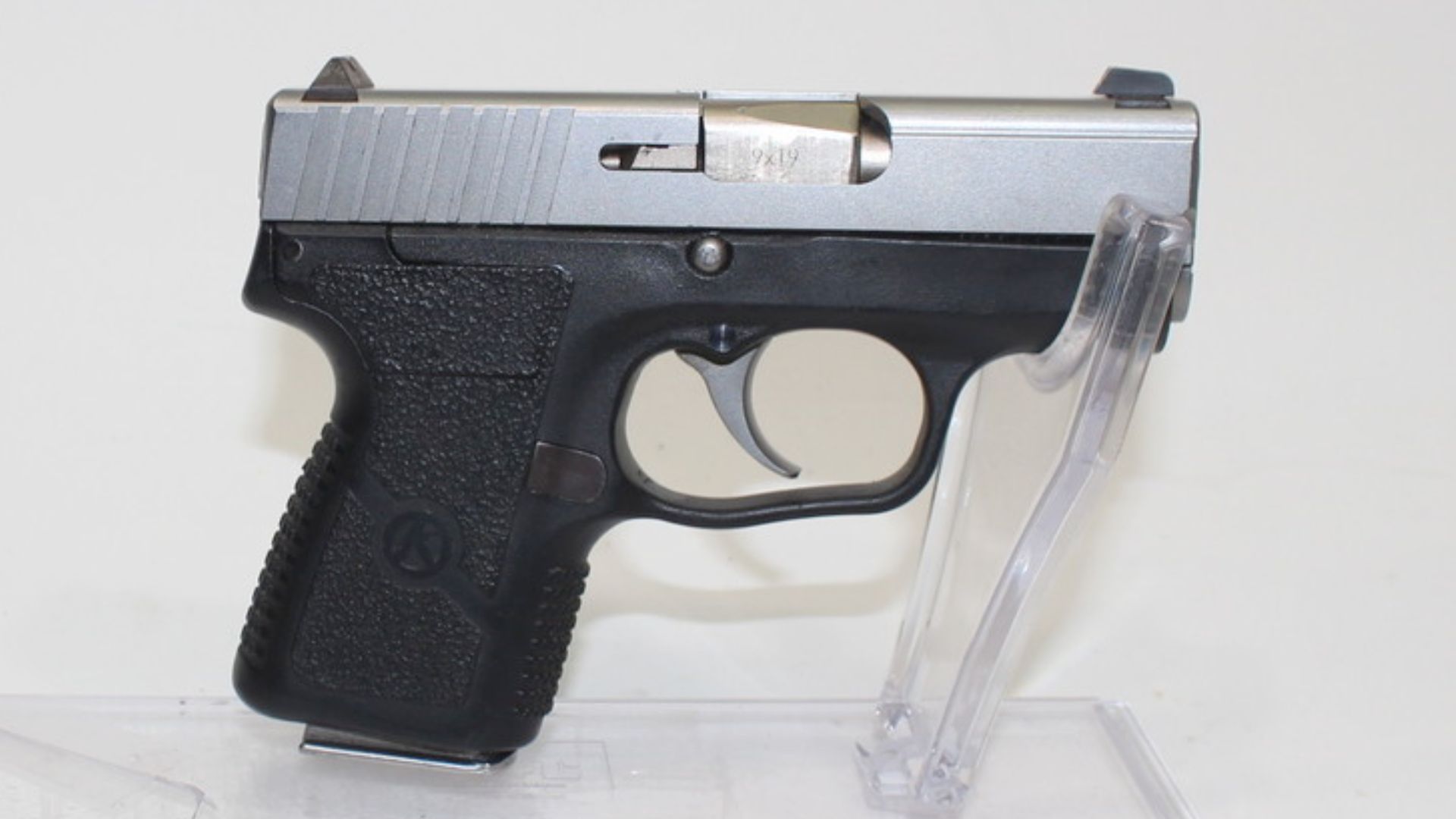
Kahr pistols are known for a smooth, deliberate feel, and they can be extremely dependable. They can also be stiff when new, especially with fully loaded magazines. Seating a topped-off mag on a closed slide can be tougher than you expect, and the first round can feel “tight” as the slide strips it.
A lot of Kahrs also have a break-in reputation, and whether you buy into that or not, the pattern is familiar: things often feel more reluctant in the first few hundred rounds, and maximum spring pressure highlights every bit of friction. The long, smooth trigger gets blamed when the real issue is that the shooter is dealing with a compact pistol that’s still settling in. If a Kahr seems grumpy at full capacity, it’s often the magazines and the new-gun tightness showing themselves at the worst possible moment.
Ruger LCP II

The LCP II is a tiny .380 meant to disappear in a pocket, and tiny pistols have tiny margins. With a full magazine, the top round can sit under heavy spring pressure in a short tube, and that can make feeding feel more abrupt. The gun is so light that any small inconsistency in grip or recoil control is magnified.
The more common “full mag” complaint is seating and stripping. With max pressure, the slide has to work harder to strip the first round cleanly, and certain hollow points can be less cooperative in these tiny feed paths than ball ammo. After the first shot, things often settle down. That first-round sensitivity is what makes owners download by one for peace of mind, even if the pistol runs fine most of the time.
SIG Sauer P938

The P938 is a micro 9mm with 1911-style controls, and that format brings its own quirks. Full magazines can be stiff, and seating them on a closed slide can feel more reluctant than on a larger pistol. If you’re not firm, you can get a mag that isn’t fully latched.
On the feeding side, short-slide pistols have less room for timing errors. With maximum spring pressure, the first round can present at a slightly different angle, and the gun may be more sensitive to ammo shape and overall length. When everything is perfect, the P938 runs great. When something is marginal—mag spring tension, limp grip, ammo profile—the first round is where it shows. That’s why many experienced owners pay close attention to magazines and choose carry ammo that’s proven in that specific pistol.
Kimber Micro 9
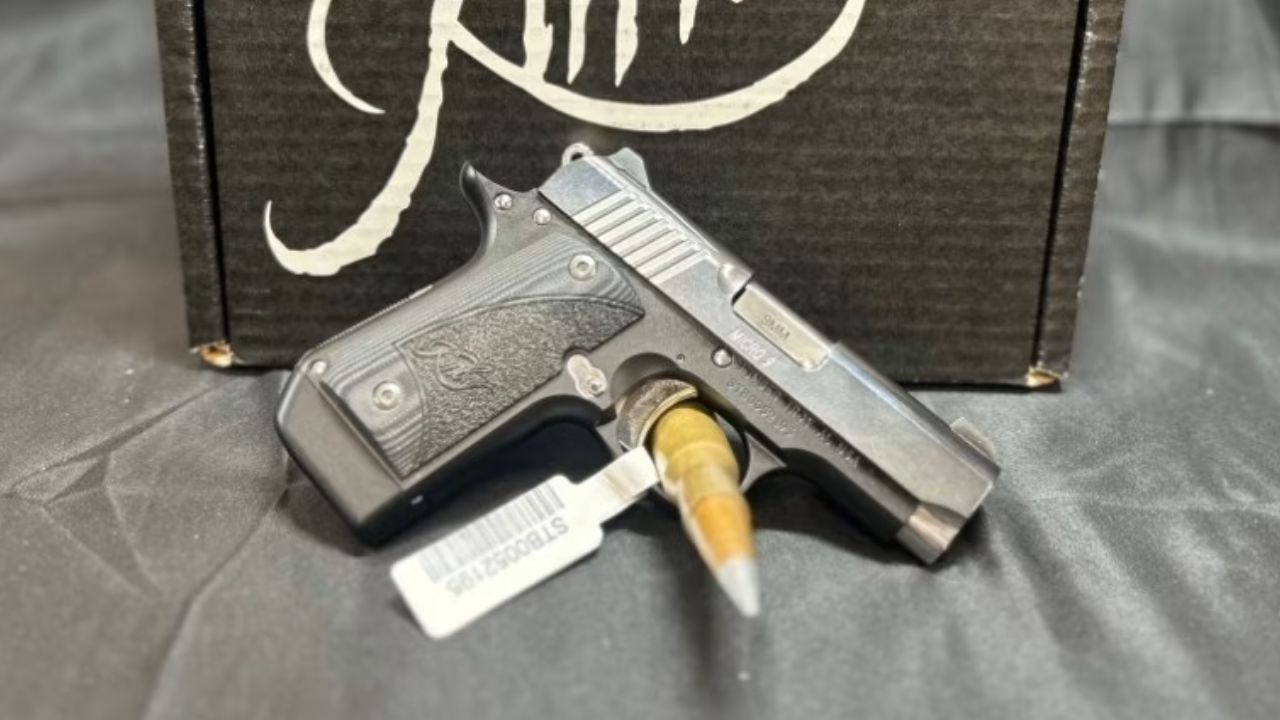
The Micro 9 looks and feels like a scaled-down 1911, and like many small 1911-style pistols, it can be more magazine-sensitive than people expect. A fully loaded magazine can be harder to seat with the slide forward, and if you’re gentle, you can end up with a magazine that isn’t locked in place.
The first round can also be the trouble spot. With the magazine fully compressed, the top round can sit tight and feed at a slightly different angle than it does after pressure drops. Combine that with a short slide stroke, and small differences in ammo shape can matter more than they would in a duty-size pistol. When the Micro 9 runs well, it’s a great carry companion. When it doesn’t, the “full mag on a closed slide” moment is often where the frustration starts.
Springfield 911 (.380)
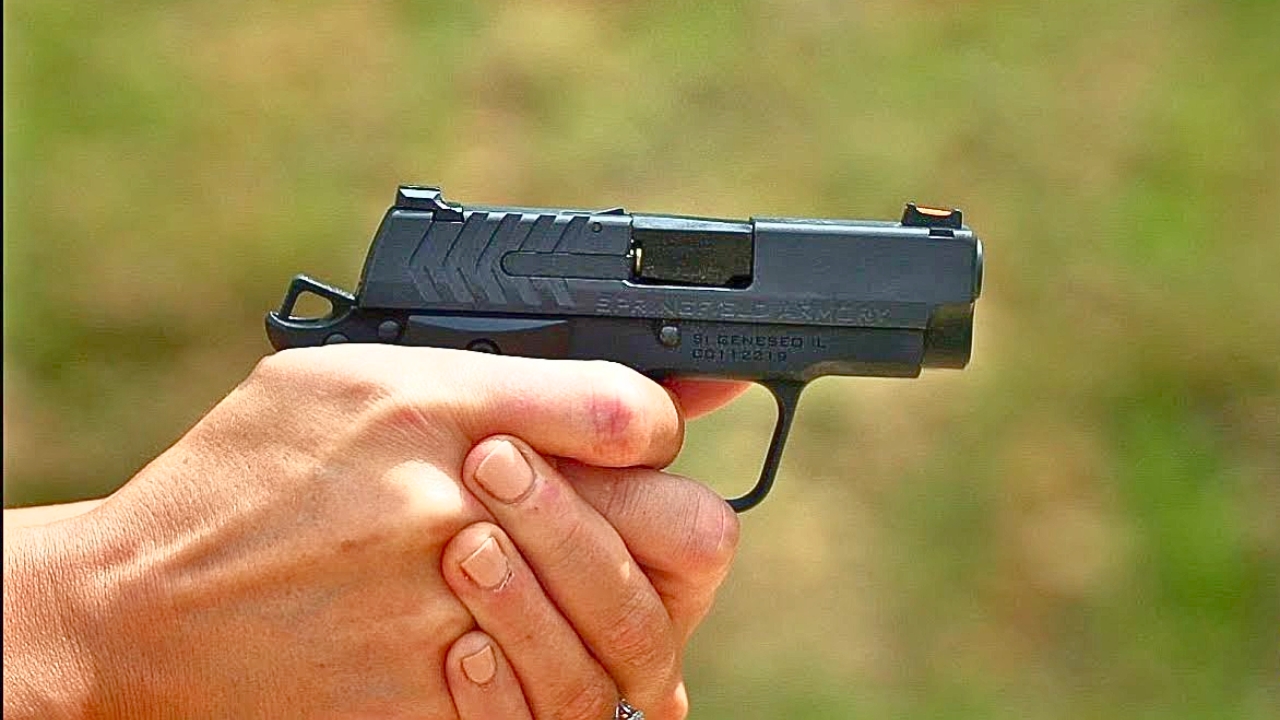
The Springfield 911 is another micro pistol where the magazine is doing a lot of work in very little space. With a full magazine, seating can be firm, and the top round can be under heavy pressure. That’s not unusual, but it becomes noticeable on a small gun where everything happens fast.
Feeding quirks often show up on the first round because that’s when the spring pressure is at its highest and the slide has the least forgiveness. Some ammo profiles run smoother than others, and the 911’s short feed path doesn’t always love wide-mouth hollow points at full stack pressure. Once you’re down a round or two, many of these pistols run more calmly. That’s the classic sign of a carry gun that feels pickier when it’s loaded to the ceiling.
Walther PPS M2

The PPS M2 is slim and accurate, and it generally has a good reputation. Where some shooters notice “full mag” irritation is with seating a topped-off magazine on a closed slide, especially when magazines are new. Slim single-stack mags can be stiff, and Walther springs are not shy.
If you’re not consistent, you can get a partial seat that turns into a failure to feed on the first shot. That problem often gets blamed on the gun when it’s really a seating issue under max pressure. The PPS also tends to reward a solid grip and consistent handling. When a new shooter is still building those habits, the pistol can feel more finicky than it really is. The PPS M2 is capable, but it still lives in the world of compact magazines where full compression can reveal weak technique.
CZ P-10 S

The P-10 S is a compact that shoots larger than it looks, but it’s still a short-grip pistol with a compact magazine. Seating a fully loaded mag on a closed slide can feel tight, especially with brand-new mags. If you’re used to bigger duty pistols, that extra resistance can surprise you.
The other area where people notice it is the first round stripping. With max spring pressure, the slide has to work harder to pull that top cartridge free, and if the gun is dry or the ammo profile is a little blunt, you may see a hesitation that doesn’t happen later in the magazine. Most P-10 S pistols run very well once you’re past that first round. That’s exactly what makes the issue annoying: it’s not constant, it’s concentrated right where you want maximum confidence.
FN 509 Compact

The 509 Compact is built like a duty gun that shrank, and those magazines can be stiff when new. Loading to full capacity and then seating on a closed slide can take real effort, especially if you’re topping off and trying to keep things quiet and controlled. That’s how you end up with a magazine that isn’t fully locked.
Some shooters also report the first round can feel “tight” with certain ammo shapes when everything is at maximum spring pressure. Once the pistol cycles and the stack pressure eases, the gun typically runs as expected. With FN pistols, the build is solid, but the springs can be firm and the tolerances can feel snug. That combination can create the impression that the gun hates being topped off, when it’s really telling you it wants a confident seat and proven magazines.
Taurus GX4

The GX4 gives you a lot of pistol in a small footprint, and that footprint makes the magazine work hard. With a fully loaded magazine—especially a new one—seating on a closed slide can be noticeably stiff. If you’re tentative, you can end up with a mag that’s close but not locked, and the first shot exposes it.
The other complaint you’ll hear is first-round feeding sensitivity that fades after the first cycle. That pattern often points back to magazine spring pressure, cartridge presentation, and ammo profile. Compact carry guns can be less forgiving of wide hollow points at full compression, and a small change in how the top round sits can matter. The GX4 can be a good carry option, but it’s a pistol where magazine condition and consistent loading habits tend to matter more than owners expect when they run it fully topped off.
Like The Avid Outdoorsman’s content? Subscribe to our newsletter so you never miss an article.
Here’s more from us: