Photo credit: Onyx ATX/YouTube
A rifle can look the part in the store lighting. Matte “tactical” finish, clean lines, maybe even a nice-looking stock pattern that reads expensive at a glance. Then you get it home, work the bolt a few times, and start noticing the little stuff: uneven gaps, sharp edges, gritty controls, or a finish that looks thin once you see it in daylight.
None of this automatically makes a rifle unsafe or inaccurate. Plenty of rifles with rough cosmetics still stack bullets where you aim. The issue is expectation. When a rifle is styled like it belongs in a higher price bracket, you expect the details to match. These are models that can fool your eyes at first, then remind you pretty fast where the cost cutting happened.
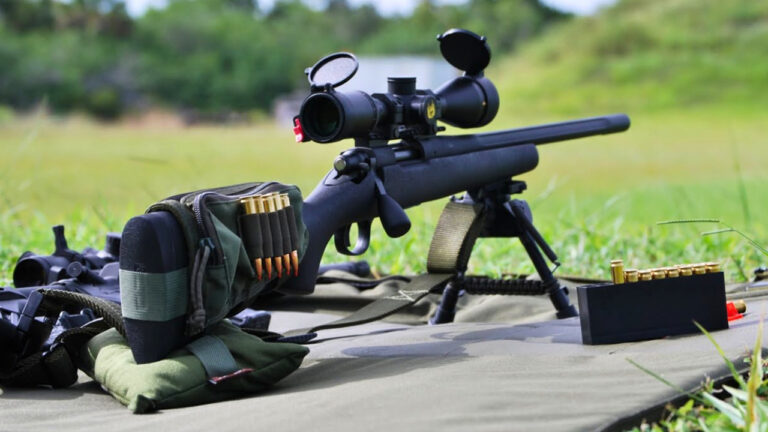
Remington 700 SPS

The 700 name carries a lot of weight, so when you pick up an SPS you expect the basics to feel “sorted.” Sometimes you’ll notice the opposite: a stock that feels hollow, mold lines you can see and feel, and a finish that looks more like a quick coat than a careful job. The metalwork can show small tool marks in places you don’t notice until you start cleaning it.
A lot of shooters end up swapping stocks not because the rifle won’t shoot, but because the factory furniture doesn’t feel like it belongs on a rifle with that reputation. When the stock-to-metal fit looks sloppy, it doesn’t inspire confidence, even if the action is sound. It’s the classic “premium badge, budget presentation” problem.
Remington 783

The 783 often looks sharper than you’d expect for the price, especially when it’s sitting next to plain-Jane budget rifles. Then you cycle it and start spotting the telltales: a bolt that can feel rough, a stock that doesn’t feel tightly fitted, and small finish details that look rushed. You may also see uneven texture or seams that weren’t cleaned up.
The rifle can still be a practical hunting tool, but the fit and finish can feel like it came from a different conversation than the marketing photos. If you’re the type who notices crooked mold lines, rough edges around the magazine area, or “good enough” machining marks, the 783 can scratch that itch in the wrong way. It’s a rifle that often performs better than it looks up close.
Remington 770
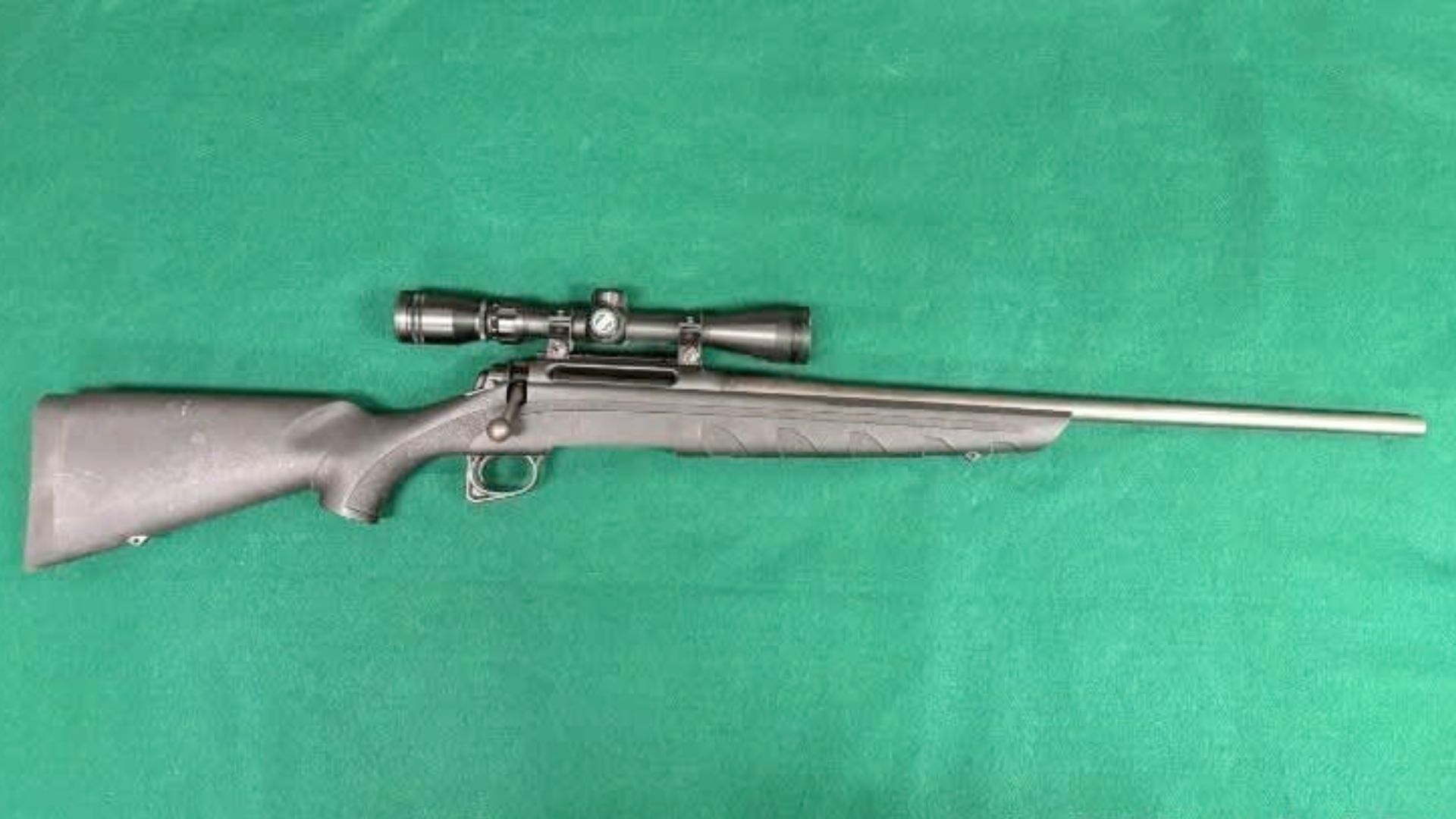
The 770 is a master of first impressions because the package format makes it feel complete. You’re holding a scoped rifle that looks ready for the woods. Then you spend time with it and notice how many corners were cut: thin-feeling stock, rough hardware, and a general “assembled fast” vibe in the small details.
You’ll often spot cosmetic shortcuts like uneven finish, visible gaps where you wish things seated tighter, and controls that don’t feel refined. Even if it holds zero well enough for hunting ranges, the rifle rarely feels like something you paid “rifle money” for once you look closely. It’s the kind of gun that can make you say, “It looked better in the box.”
Mossberg Patriot
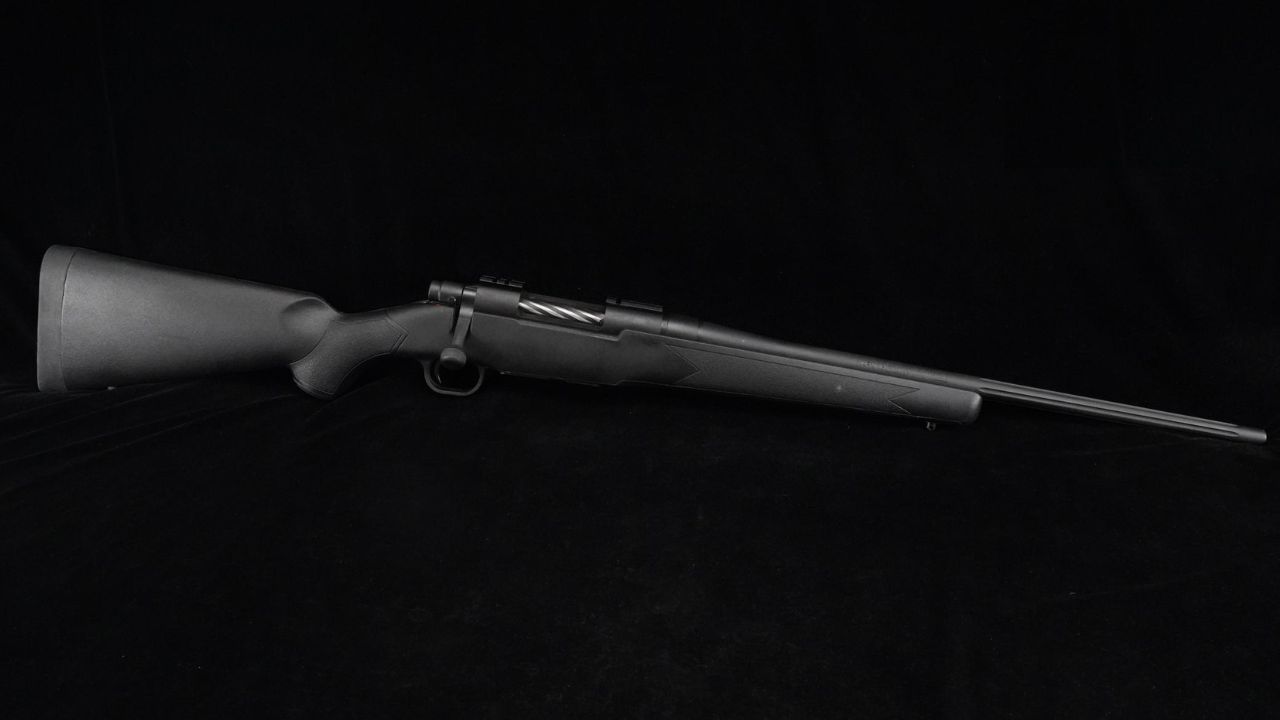
The Patriot can look slick on the rack, especially in certain finishes and stock patterns. In hand, you may notice the bargain side: sharper edges than you want, plastic parts that feel thin, and stock fit that can look a little gappy around the action. Some examples also show cosmetic inconsistencies in the finish that you won’t see until you’re outside.
Package versions add another layer. The optic and mounting hardware can feel like the budget got spent on the idea of a “complete rifle,” not on the details that make a rifle feel premium. You can hunt with one and be fine, but if you care about clean inletting, tidy seams, and metalwork that looks cared for, the Patriot can feel like it’s wearing a nicer suit than it can afford.
Savage Axis II

The Axis II often wins the beauty contest against other entry rifles because it looks modern and clean. But when you start paying attention, the stock can feel flexible, the molded surfaces can look unfinished, and the overall fit can come off more utilitarian than the styling suggests. You’ll also find small spots where the finish looks thin or uneven.
The rifle can shoot well, which makes the cosmetic letdown more noticeable. You’ll hold it and think, “This could’ve felt so much better with a little more attention.” If you’re picky about clean lines and tight stock-to-metal fit, the Axis can feel like a rifle that was designed with a sharp look, then built to a price with no time spent smoothing the rough edges.
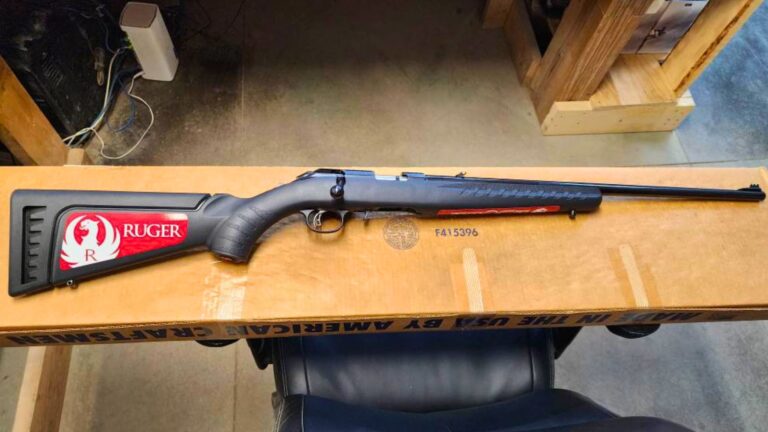
Ruger American

The Ruger American is another rifle that photographs better than it sometimes feels. On the shelf, the lines are clean and the finish looks consistent. In hand, you might notice molded seams, a stock that feels light in a way that reads “cheap,” and little cosmetic shortcuts around the bedding area and magazine system.
What gets people is the contrast. The action often runs well enough and the rifle often shoots well enough that you expect the surrounding details to match. Instead, you get a rifle that looks like it wants to be “nice,” but still wears the cost-saving choices openly once you handle it for a while. It’s not a deal breaker for a hunting rifle, but it’s not the kind of fit and finish that makes you grin during cleaning.
Thompson/Center Compass

The Compass is styled to look more refined than a typical bottom-dollar bolt gun. That’s why it can disappoint you once you get past the first glance. The stock and finish can feel “basic” up close, with visible molding artifacts and a general lack of polish in the small areas you touch most.
A common theme with rifles in this lane is that they’re built to work, not to impress you in the details. The Compass can fall into that hard. You may notice roughness in how parts meet, or a surface finish that looks fine until you compare it to a rifle that had more time on the finishing line. If you bought it expecting “budget price with premium feel,” you may end up wishing the feel matched the styling.
Winchester XPR

The XPR can look like a step above the entry-level crowd, especially in certain stock finishes. But the hands-on experience can be more mixed. You may find the stock feels more hollow than expected, the molded texture looks a little cheap, and the overall finishing touches don’t always match the rifle’s premium branding in your head.
The XPR is often bought as a straightforward hunting rifle, and that’s where it can shine. The disappointment tends to show up when you’re expecting a “Winchester-level” presentation throughout. Little cosmetic quirks, visible seams, or a finish that seems thin in certain spots can make it feel like a rifle wearing a nicer logo than its detailing supports. It’s not a bad rifle, but it can feel less classy than it looks.
Browning AB3
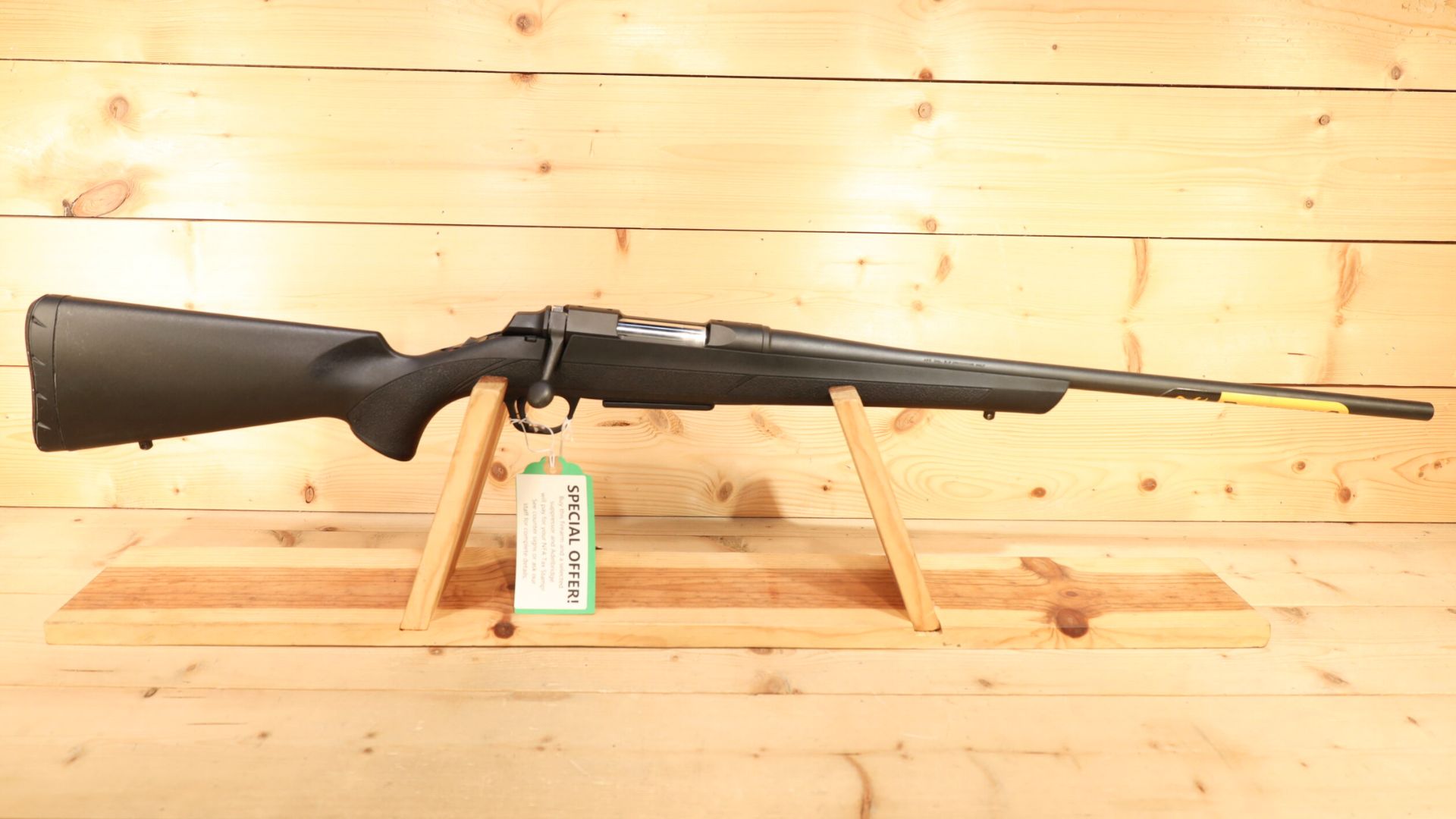
The Browning name makes you expect a certain level of refinement. The AB3 can look great at first glance, but it’s still a budget-minded rifle, and sometimes that shows in the finishing. You may notice stock fit that isn’t as tidy as you’d expect, and small cosmetic details that feel like they were rushed to hit a price point.
This one stings because expectations are higher. When you pay for a recognized brand, you want the rifle to feel “finished” in the hand—smooth edges, clean transitions, and consistent surface work. Some AB3s deliver a perfectly acceptable presentation, but others can feel more like a value rifle wearing a premium badge. It can shoot and hunt fine, yet still leave you wanting more pride-of-ownership in the details.
Marlin 336

A lever gun looks premium by default. Walnut-like furniture, classic lines, and that old-school vibe that makes you want to lean it in the corner by the door. The problem is that some 336s—especially rougher production examples—can show uneven wood-to-metal fit, proud edges, and finish work that looks hurried.
You’ll feel it in your hands: sharp corners, visible gaps, or sights and parts that don’t look as neatly installed as they should. Lever guns invite close inspection because you handle them differently than a bolt gun. When the fit and finish are off, it stands out. Many 336s are great rifles, but the inconsistent examples are the ones that make you realize “classic” doesn’t always mean “carefully finished.”
Marlin 1895
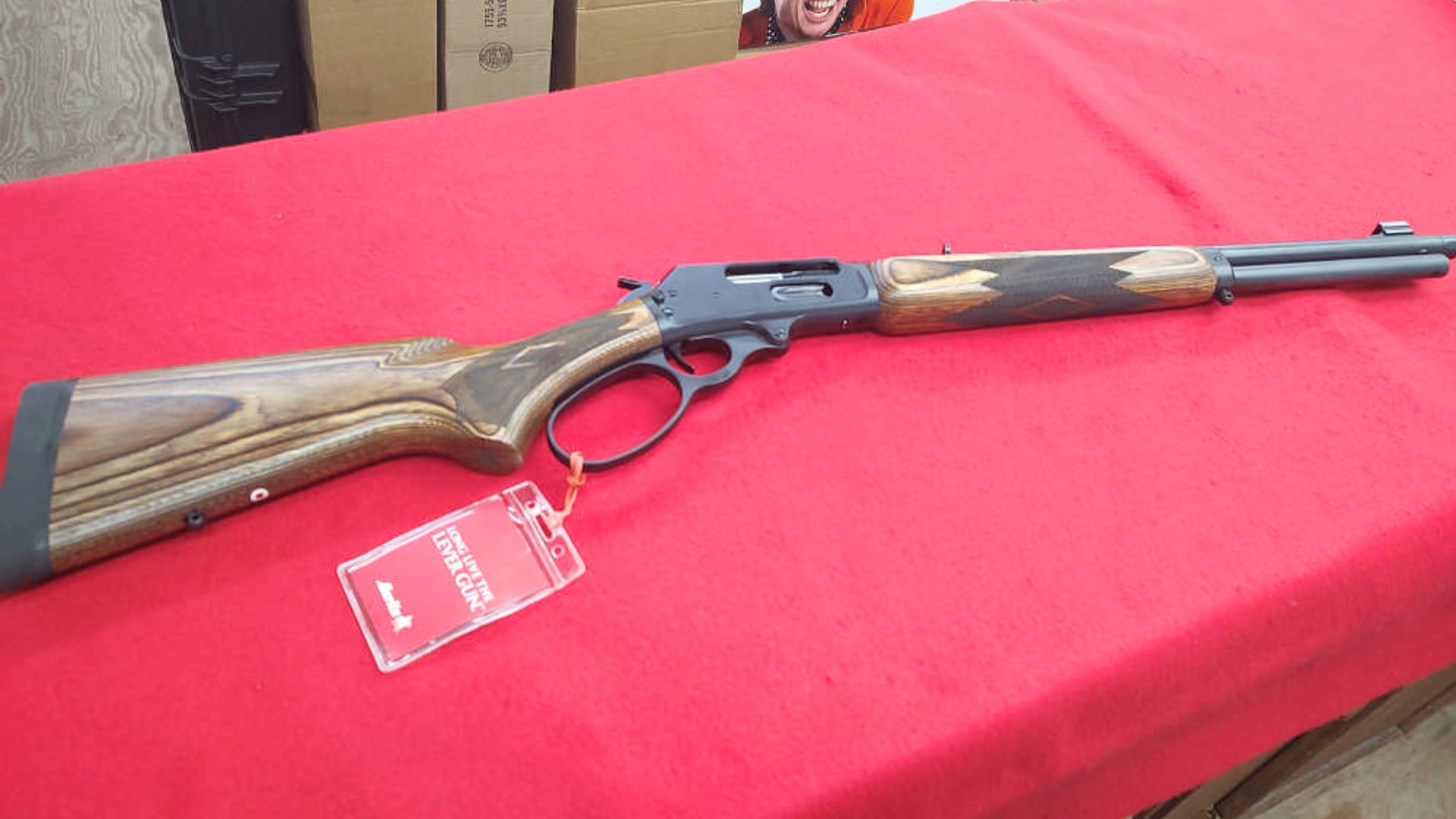
The 1895 looks like a premium rifle the second you see it. Big-bore lever gun, handsome profile, and the kind of rifle that carries a lot of romance. Then you encounter a rough one and the spell breaks: uneven stock fit, sloppy inletting, and finishing that looks like it was done in a hurry.
With hard-kicking rifles, little details matter more because you spend time checking screws, cleaning, and handling the gun. When wood-to-metal fit looks uneven or edges feel sharp, it cheapens the experience. The rifle might still shoot fine, but it won’t feel fine. A good 1895 is a joy to own. A rough 1895 feels like a premium idea built with bargain execution, and you notice it every time you pick it up.
Ruger Precision Rifle

The Precision Rifle looks like serious money. Adjustable everything, chassis styling, and the visual language of “high performance.” Some shooters pick one up expecting every surface to feel like a custom shop build, then get surprised by the industrial side: sharp edges in spots, tool marks you can see, and a general “functional first” finish approach.
That doesn’t mean the rifle can’t shoot—many do very well. It means the presentation can feel more like a machine than a jewel. If you’re expecting silky controls and perfectly dehorned edges everywhere, the RPR can feel rough around the edges despite the premium look. It’s built like equipment, not like a display piece, and that disconnect can read as bargain-bin finishing when your eyes expected boutique.
Springfield Armory M1A

The M1A looks premium because it’s iconic. Steel, wood, and that classic military-rifle presence. Then you start looking close and some examples can show fit quirks that don’t match the price: uneven stock-to-metal fit, rough edges, and small cosmetic inconsistencies that feel out of place on a rifle with that kind of reputation.
What makes it tricky is that the platform has lots of parts interfaces, and small variations show up quickly. If the stock fit isn’t clean or the metal finish looks uneven in places, it can feel like you paid for the silhouette more than the finishing work. Many M1As run and shoot well, but if your eye is tuned to craftsmanship, the rifle can look better across the room than it does on your bench.
Century Arms VSKA

AKs often look tougher than they feel. A rifle like the VSKA can look the part—stamped receiver style, classic profile—then you handle it and notice the roughness: uneven finish, gritty controls, and the kind of small fit quirks that scream “mass production.” Even the way furniture fits can look sloppy compared to cleaner AK builds.
Some AK roughness is normal. They’re not built like target rifles. But there’s a difference between “AK character” and “cheap execution.” When rivets, edges, and surfaces look messy, it doesn’t inspire confidence in the details you can’t see. If you’re buying with your eyes, the VSKA can draw you in. If you’re buying with your hands, you may start feeling like the rifle is all costume and not enough refinement.
PSA PA-15
A basic AR can look premium with the right furniture and finish. A PA-15 in a slick setup can give that impression, then you start noticing the “built to a price” details: machining marks in spots, sharper edges, and fit that feels more “serviceable” than refined. None of this is unusual in the entry AR market, but it’s easy to get fooled by the styling.
The AR world also hides a lot of cost cutting inside small parts you feel every time you run the gun—charging handle feel, selector feel, takedown pin tension. When those controls feel gritty or loose, the rifle feels cheaper than it looks. Many PA-15s run fine and serve owners well, but if you’re expecting premium-level finishing because it looks good in photos, the hands-on experience can be more basic.
DPMS Oracle
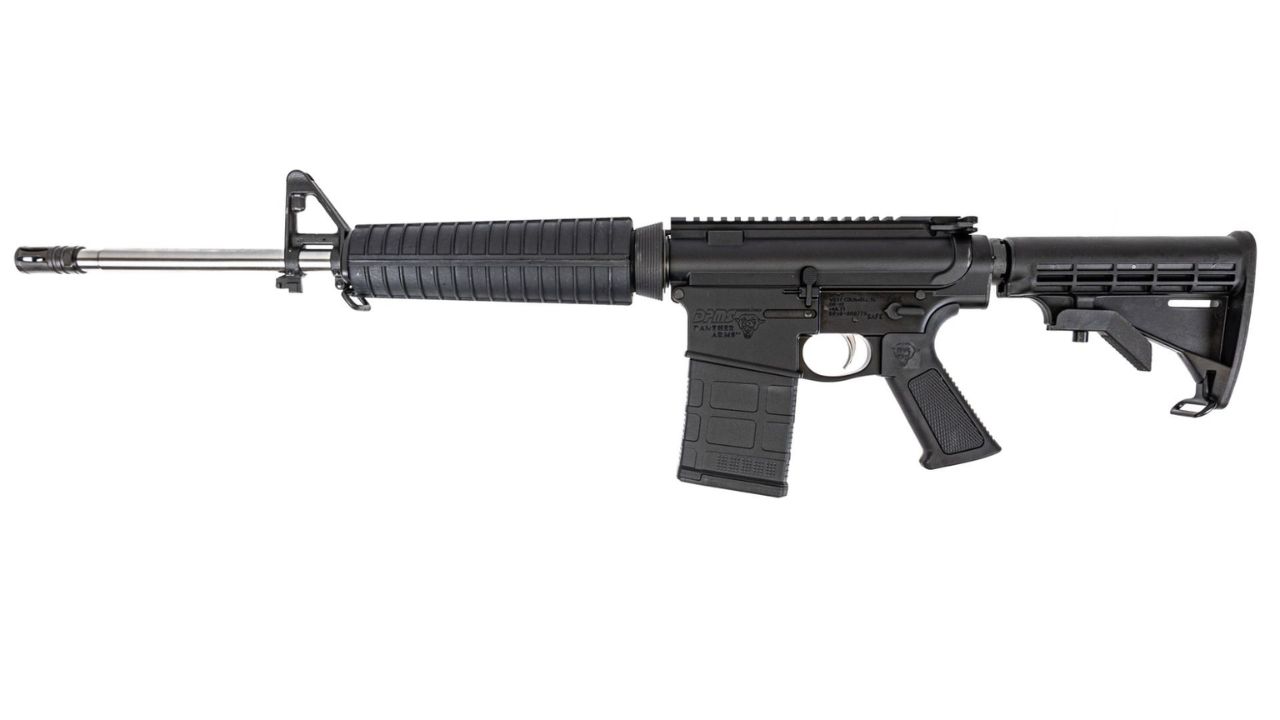
The Oracle is another AR that can look better than it feels when you start paying attention. It has the familiar AR silhouette and can be dressed up visually, but the finishing touches often reflect its price class. You may notice rougher edges, less refined control feel, and small inconsistencies that don’t show up until you’re cleaning it or swapping parts.
The bigger issue is expectation. The AR market is full of rifles that look similar, so “premium look” is easy to achieve. “Premium feel” costs more. When the bolt feels fine but the rest of the gun feels a little coarse, you realize you bought an entry rifle wearing standard AR clothing. The Oracle can still be a capable rifle. It simply doesn’t always deliver that tight, polished feel that its appearance suggests.
Like The Avid Outdoorsman’s content? Subscribe to our newsletter so you never miss an article.
Here’s more from us: