Photo credit: thegatman/YouTube
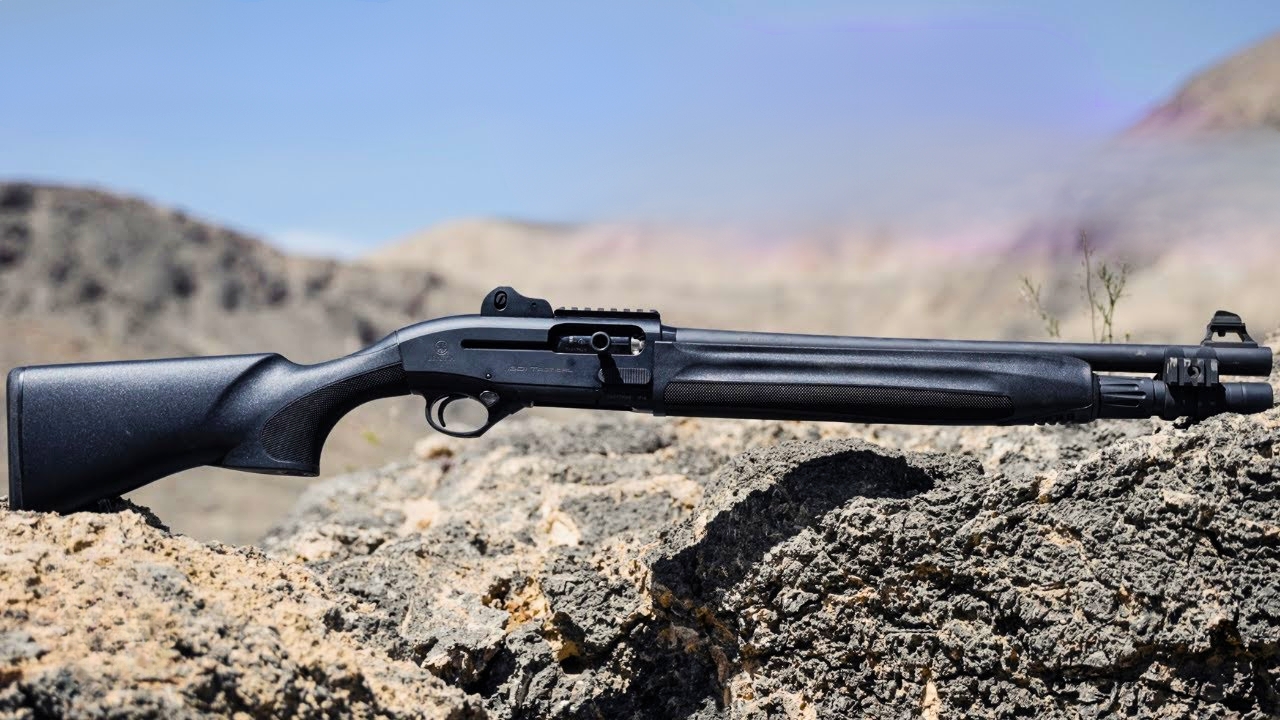
The Beretta 1301 used to feel like the shotgun people discovered after they had already tried a few others. Now it has become one of the first names serious buyers bring up when they want a semi-auto defensive or competition shotgun that does not feel like a project from day one.
That reputation did not come from one feature. The 1301 earned it with fast cycling, strong controls, good recoil behavior, practical defensive models, competition-ready versions, and enough refinement that people stopped treating it like “a nice alternative” and started treating it like a benchmark. Beretta describes the 1301 Tactical as a modern tactical shotgun with enlarged controls, a cold hammer-forged back-bored barrel, and the BLINK gas operating system with a cross-tube gas piston, which Beretta says cycles 36% faster than its competition.
1. The BLINK Gas System Is the Main Attraction
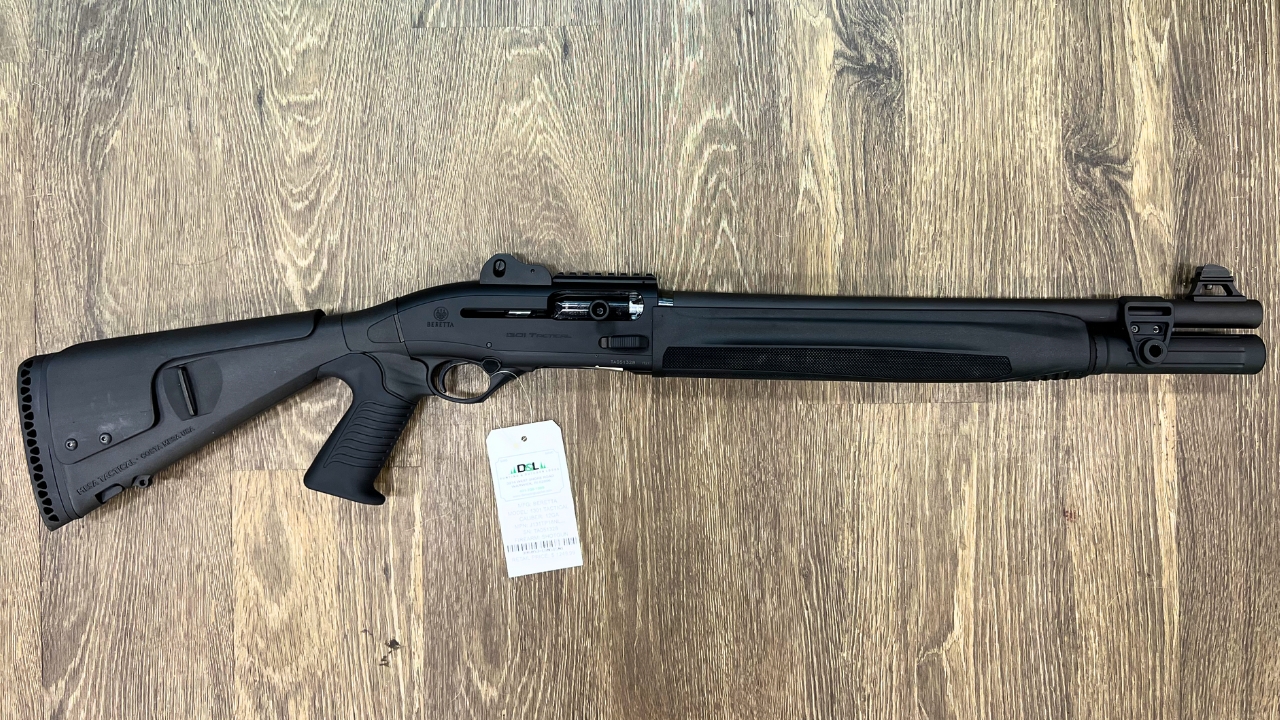
The 1301’s BLINK gas system is the core of why people trust it. Beretta describes the system as using a cross-tube gas piston and claims it cycles 36% faster than competing shotguns. That kind of cycling speed is not only there to sound good in a catalog. It is part of why the gun feels so quick when you actually run it.
A fast gas system matters most when the shooter knows how to use it. The shotgun can cycle quickly, but you still need to control recoil, track sights, and load efficiently. The 1301 gives capable shooters a platform that does not slow them down. That is one reason it became such a serious name in defensive and competition circles.
2. It Shoots Softer Than Many Tactical Shotguns
A gas-operated shotgun usually has an advantage in recoil feel, and the 1301 benefits from that. Compared with many inertia guns or pump shotguns, the 1301 feels softer and quicker back on target for a lot of shooters. That is a huge reason people like it for defensive training and high-volume range work.
That recoil behavior matters more than people admit. A 12-gauge can wear you out fast if the gun beats you up. The 1301 still has real recoil because it is still a 12-gauge, but the gas system helps make it more manageable. A shotgun that is easier to shoot well is a shotgun people are more likely to train with.
3. The Controls Are Built for Real Use

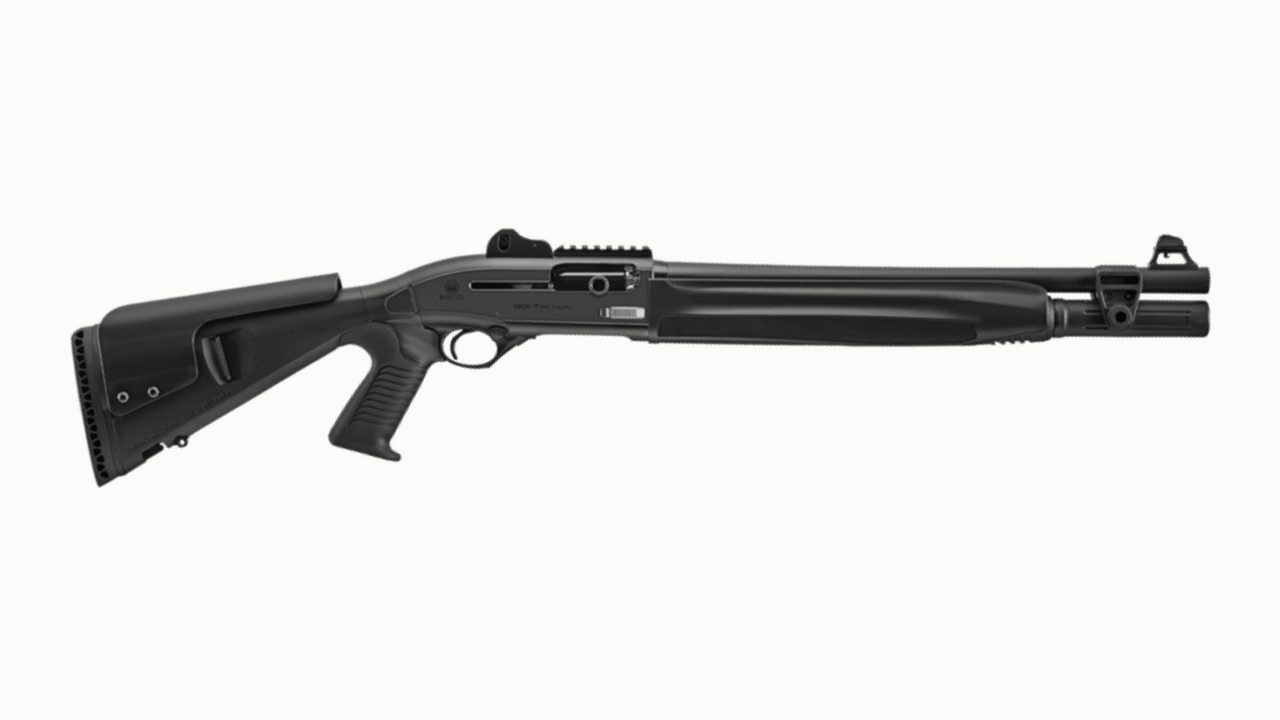
The 1301 Tactical comes with oversized controls from the factory, including an oversized charging handle, large textured bolt release, and oversized reversible safety button. Beretta says those controls are designed to be easy to use in weather, low light, or other difficult conditions where hands need to find them quickly.
That matters because shotgun controls can be clumsy under stress. A tiny charging handle or hard-to-find bolt release is annoying on the range and worse when time matters. The 1301 gives shooters controls that feel like someone actually watched people run shotguns hard and fixed the obvious weak spots.
4. It Does Not Feel Like a Converted Bird Gun

Some defensive shotguns feel like hunting guns that got shortened, painted black, and handed a new marketing label. The 1301 Tactical does not feel that way. It is purpose-built around home defense and tactical use, with features like an 18.5-inch barrel, large controls, ghost-ring sights on many versions, and modern accessory compatibility depending on model.
That identity matters. A defensive shotgun needs to be short enough to handle, reliable with serious loads, easy to operate under pressure, and simple to keep ready. The 1301 feels like Beretta started with that role in mind instead of trying to make a field gun pretend.
5. The Tactical Mod 2 Made It Even More Serious
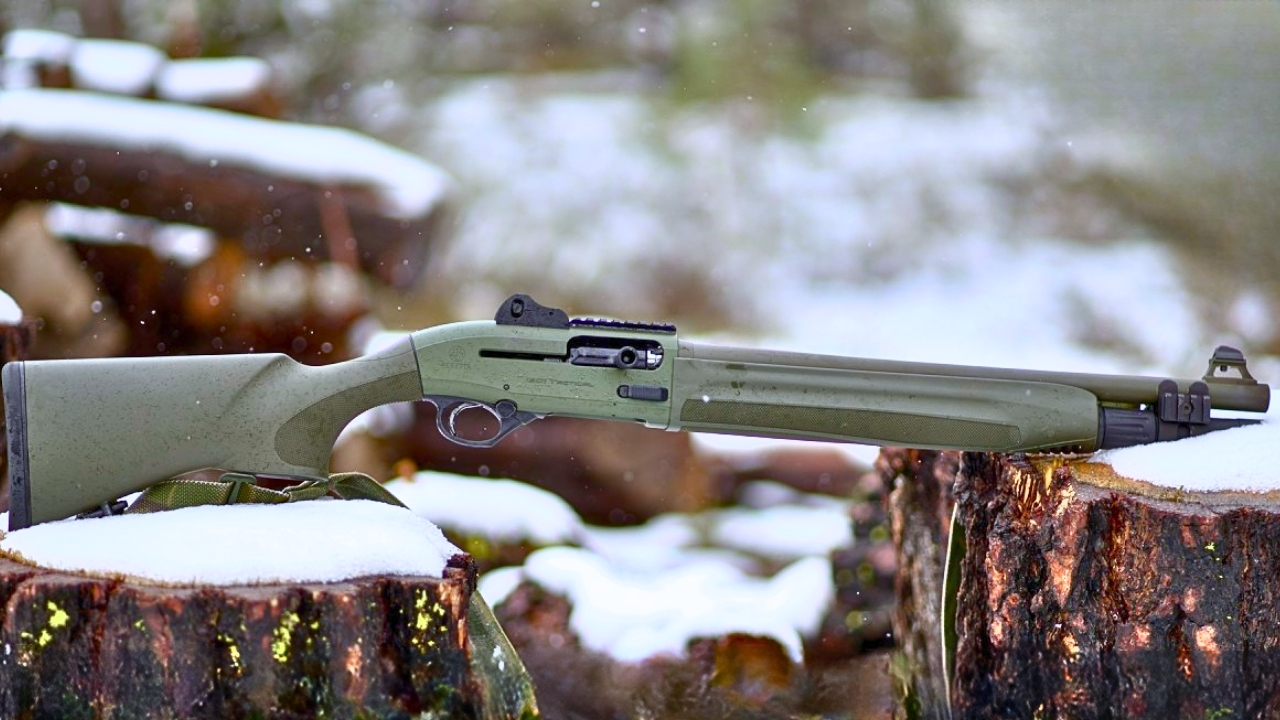
The 1301 Tactical Mod 2 helped the platform keep pace with what modern shotgun buyers want. Dealer and Beretta Gallery listings describe Mod 2 versions with an 18.5-inch barrel, 3-inch chamber, 7+1-style capacity depending on configuration, M-LOK forend, oversized controls, Pro-Lifter, and BLINK gas system.
That matters because the tactical shotgun market moved fast. Buyers wanted easier accessory mounting, better loading, optics, lights, and stronger out-of-box setups. The Mod 2 showed Beretta was not letting the 1301 coast on its early reputation. It kept improving the gun where real users wanted improvement.
6. The Pro-Lifter Solves a Real Shotgun Problem
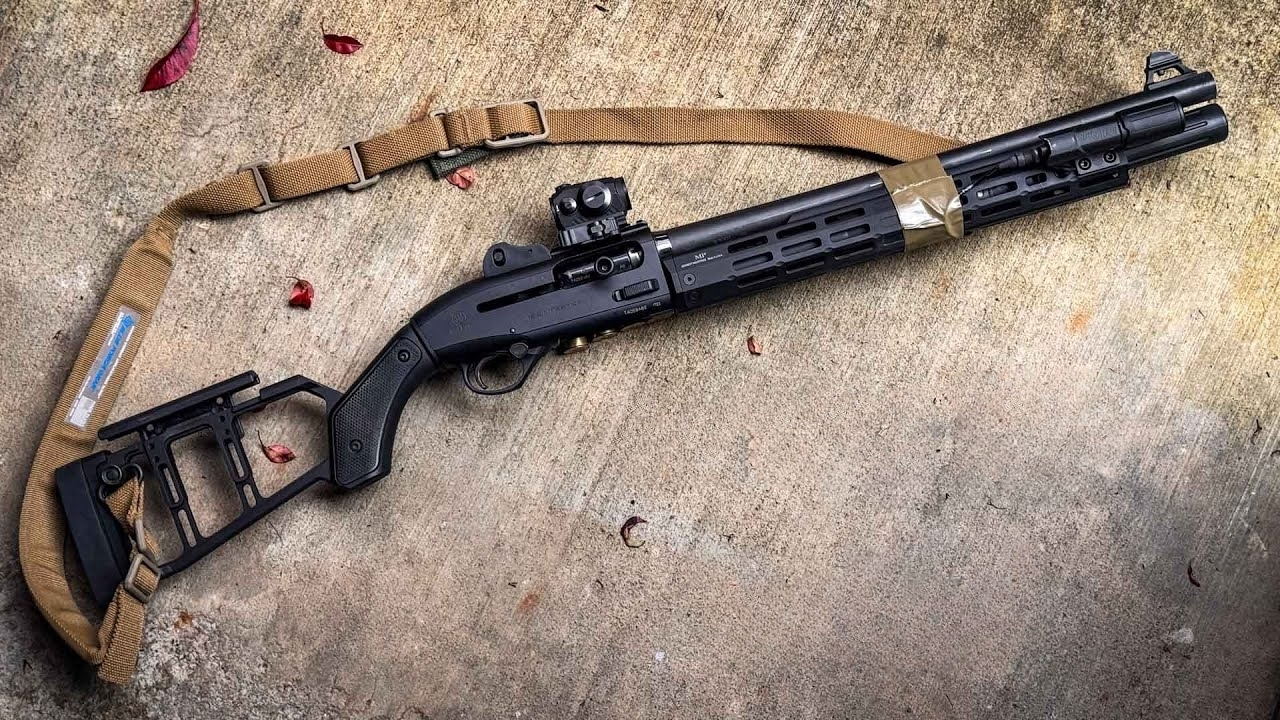
Loading a semi-auto shotgun quickly can be rough on fingers, especially when the lifter catches skin or gets in the way. The Pro-Lifter on newer 1301 Tactical Mod 2 models helps keep the lifter out of the way during loading, making reloads smoother and less painful.
That is not a small detail. Shotguns are often limited by how fast and cleanly the shooter can keep them fed. A lifter that makes loading easier matters in training, competition, and defensive practice. The 1301 already had speed. The Pro-Lifter helps the shooter keep up with the gun.
7. It Has Real Competition Blood in the Family
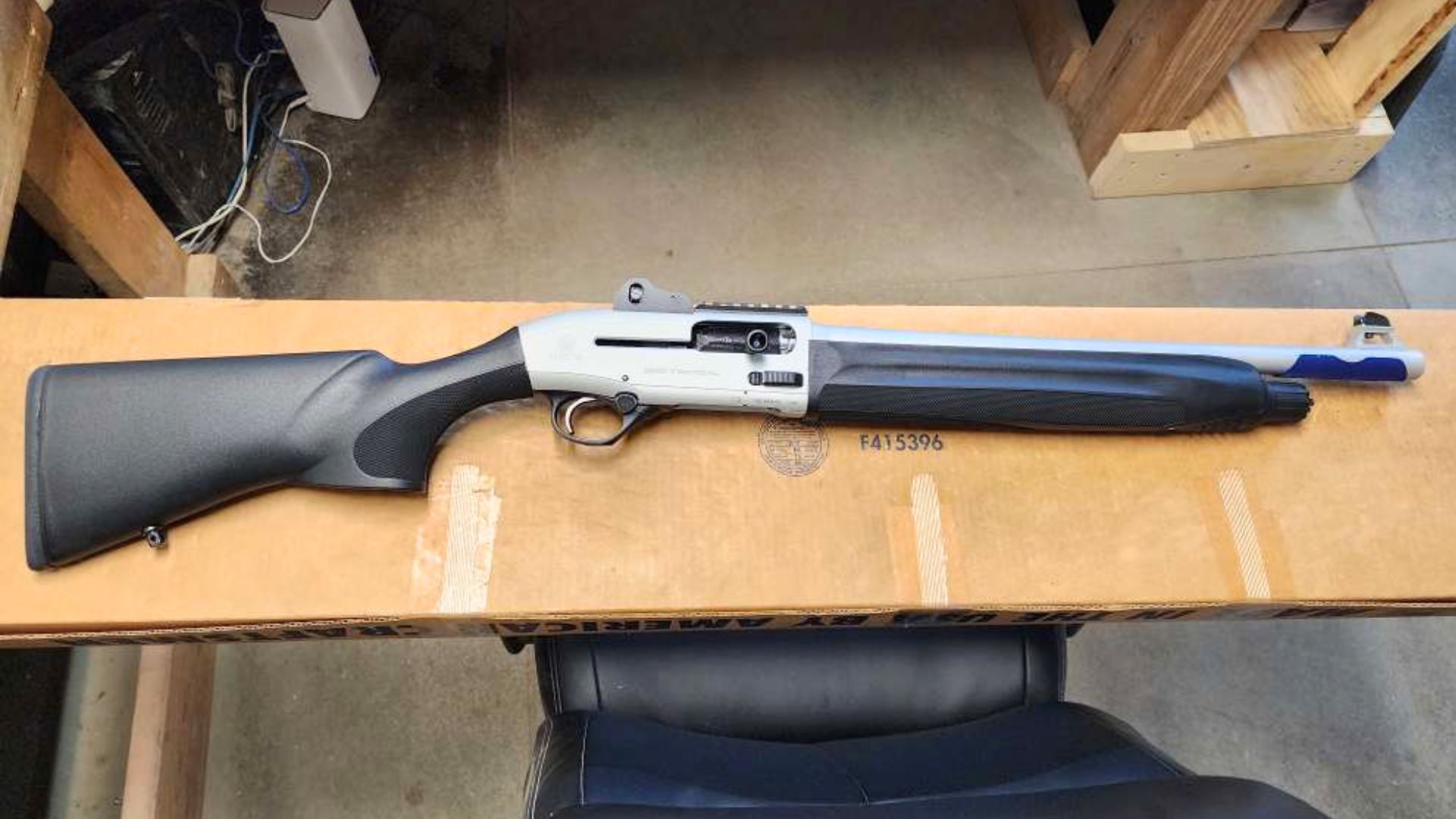
The 1301 is not only a defensive shotgun line. The 1301 Comp and Comp Pro models gave the platform serious competition credibility. Beretta says the 1301 Comp features the BLINK gas system and oversized controls, including oversized cocking handle, bolt-release lever, loading port, and ejection port for fast competition use.
That matters because competition exposes weaknesses fast. If a shotgun is hard to load, cycles poorly, or handles badly, competitive shooters will find out immediately. The 1301’s competition side helped strengthen the entire family’s reputation. Even defensive buyers benefit from features proven around speed and high round counts.
8. The Comp Pro Shows How Far the Platform Can Go
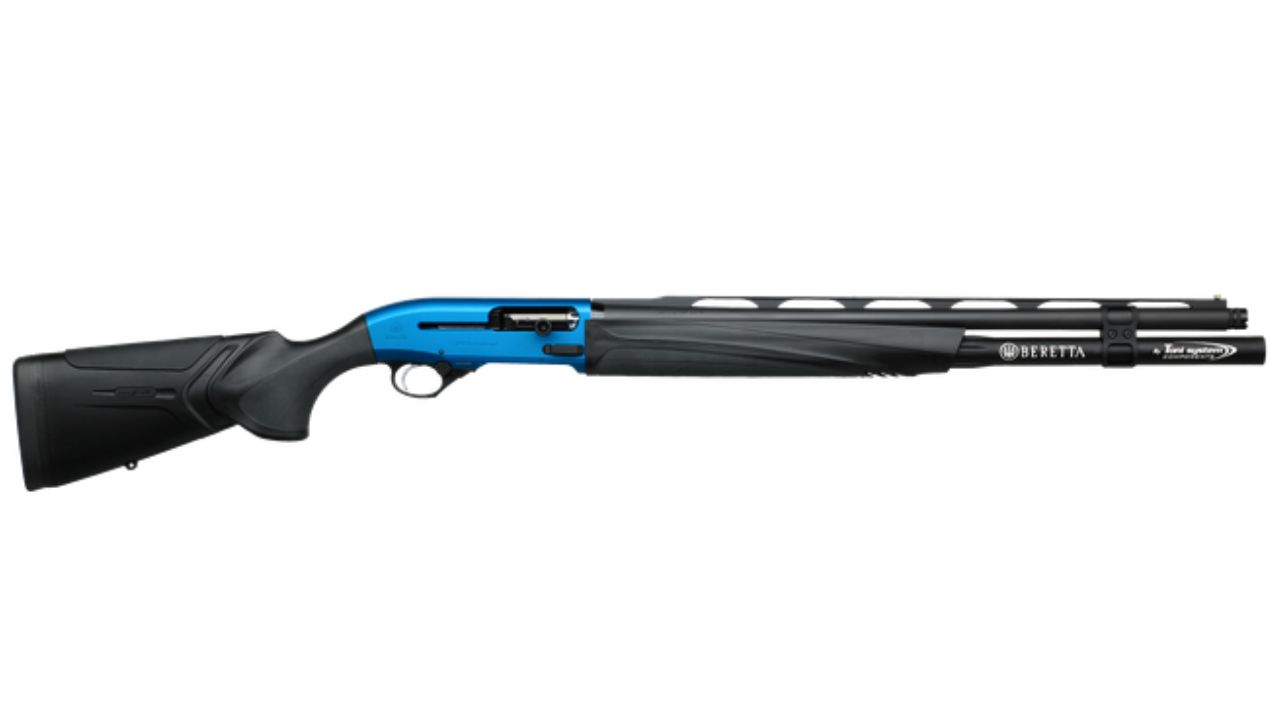
The 1301 Comp Pro takes the competition idea even further. Beretta says it was developed with input from medal-winning shooters and includes features such as a fast loading system, oversized cocking handle and bolt release, and Kick-Off Plus recoil-reduction stock system. Beretta says the Kick-Off Plus setup can reduce perceived recoil by up to 40%.
That model shows the 1301 is more than one tactical shotgun. It is a platform that can be tuned toward competition, defense, or high-volume shooting. A buyer may never need a Comp Pro, but its existence helps prove the system has enough performance headroom to matter.
9. It Is Lighter Than People Expect
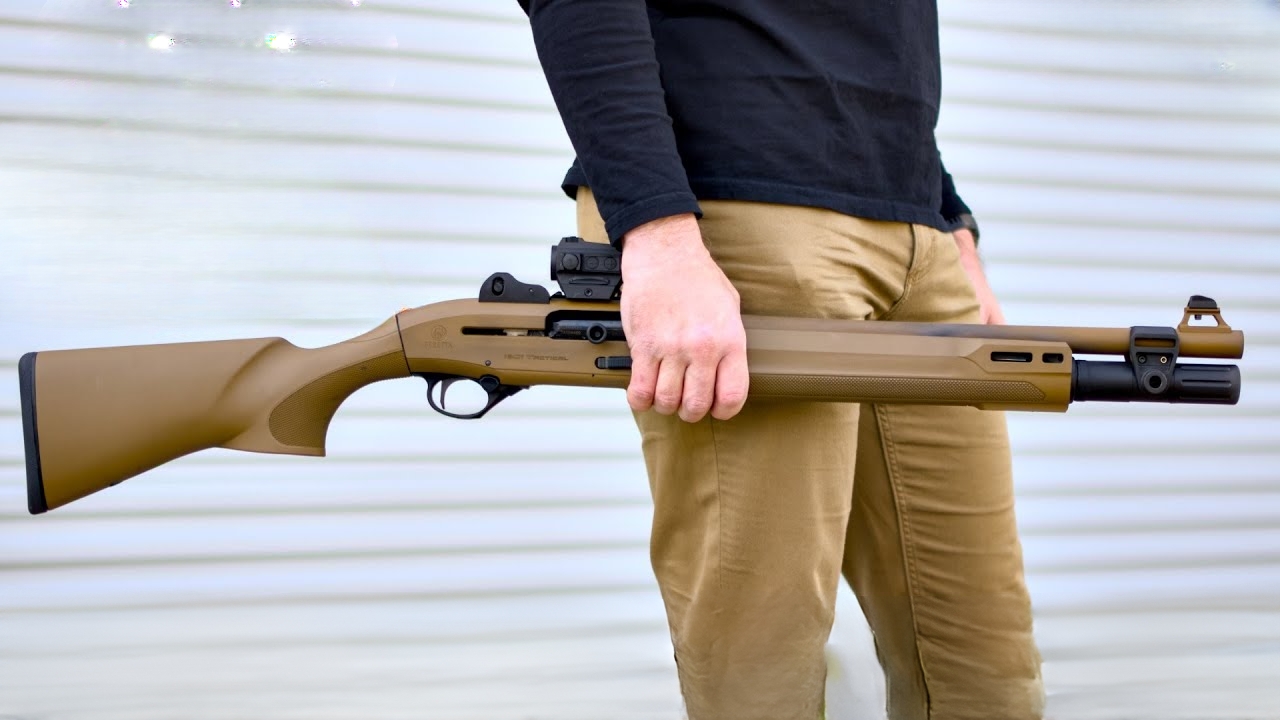
The 1301 Tactical is fairly light for a serious semi-auto 12-gauge. Beretta Gallery’s Mod 2 listing puts one version at 6.7 pounds unloaded with an 18.5-inch barrel and 37.8-inch overall length.
That weight makes the gun quick and handy, especially indoors or around vehicles and tight spaces. The tradeoff is that lighter shotguns can feel sharper under recoil than heavier ones, even with a gas system. The 1301 balances that well, but buyers should remember that a light tactical shotgun still needs proper stance and grip.
10. It Handles Lights and Accessories Better Now
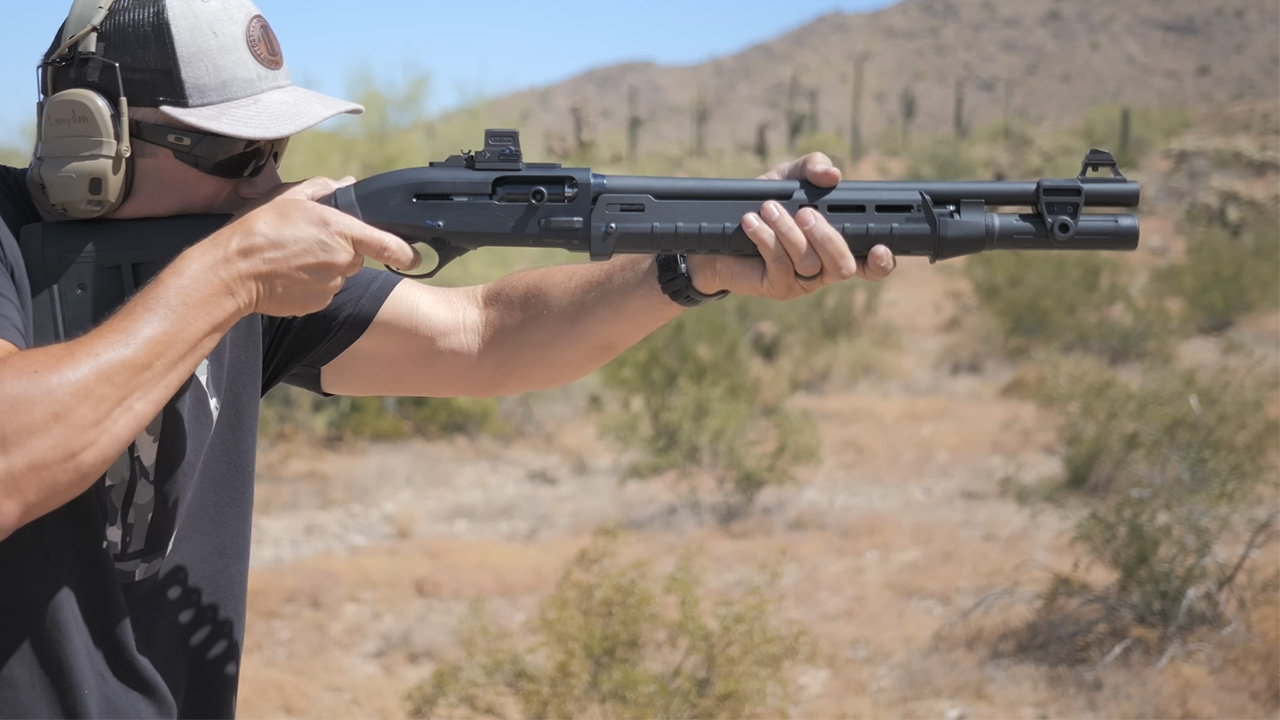
Modern defensive shotguns need a light, and older shotguns were often annoying to set up cleanly. The 1301 Tactical Mod 2’s M-LOK-style forend options make accessory mounting more practical than older clamp-and-hope setups. That is a big deal for anyone treating the shotgun as a serious home-defense tool.
A light is not decoration on a defensive firearm. You need to identify what you are looking at. A shotgun that makes light mounting easier is already ahead of many older designs. The 1301’s newer configurations understand that modern defensive shotguns need accessory support without turning into a heavy mess.
11. It Is Easier to Run Than a Pump for Many Shooters
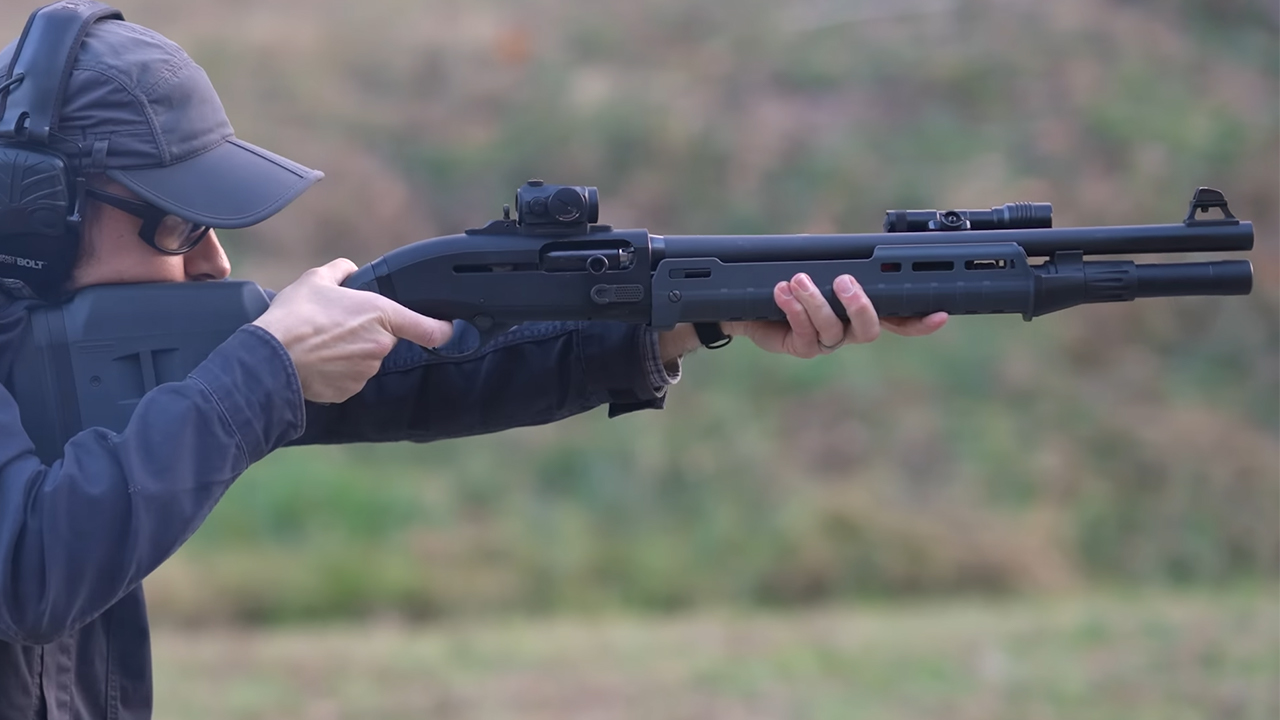
A pump shotgun is reliable when the shooter runs it correctly, but under stress, short-stroking is a real thing. The 1301 takes the manual cycling step out of the equation. That can make it easier for many shooters to fire accurate follow-up shots without losing their grip or mount.
That does not mean the 1301 replaces training. Semi-autos still require loading skill, malfunction clearing, recoil control, and load testing. But for many people, a well-running semi-auto like the 1301 is easier to shoot quickly than a pump. That practical advantage is part of why it keeps getting recommended.
12. It Competes Hard Against the Benelli M4
The Benelli M4 is the heavyweight name in tactical semi-auto shotguns, and the 1301 often gets compared to it. The Beretta is usually lighter and faster-feeling, while the M4 has its own military reputation and A.R.G.O. gas system. Neither gun is cheap, and neither one is a bad choice.
The 1301 earns respect because it does not feel like a lesser copy. It brings its own strengths: speed, weight, controls, recoil feel, and a very practical defensive setup. Some buyers will still prefer the M4. Others shoot the 1301 and realize it fits them better. That is when a gun becomes a real competitor, not simply an alternative.
13. It Still Needs Load Testing
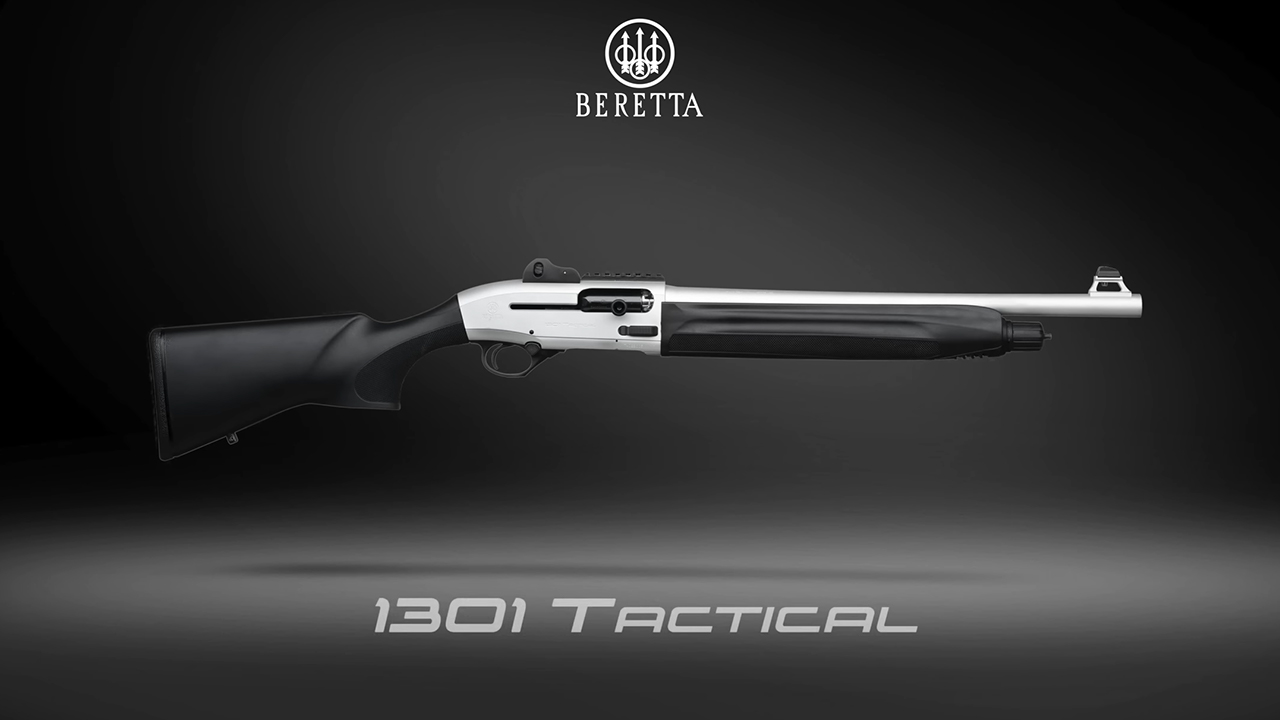
The 1301 is known for reliability, but no defensive shotgun should be trusted blindly. You still need to test your buckshot, slugs, and practice loads. Pattern your buckshot. Confirm slug point of impact. Make sure the gun cycles your chosen shells consistently.
That is not a knock against the 1301. It is how serious shotgun ownership works. Semi-autos are machines, and ammunition varies. The 1301 gives you a strong platform, but the owner has to confirm the exact setup. That means testing the gun with the loads you plan to keep on hand.
14. It Costs Enough That the Setup Matters
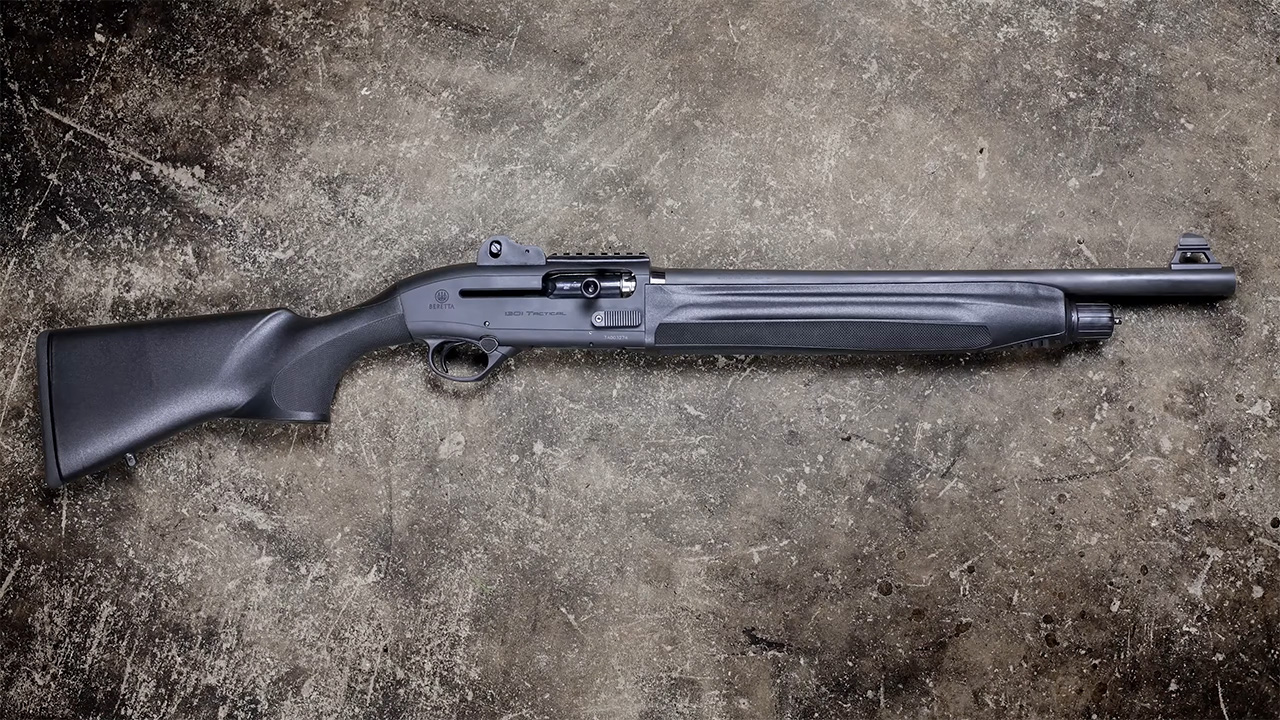
The 1301 is not the bargain shotgun. By the time you add a light, sling, optic, side saddle or shell carrier, and enough ammo to train, the total cost climbs quickly. That means buyers should think through the full setup before spending the money.
The good news is that the 1301 does not need much to be serious. A quality light, sling, reliable shell carrier, and maybe a red dot can make it very capable. The mistake is buying the shotgun and then covering it in cheap accessories. A premium shotgun deserves a smart, clean setup.
15. It Became a Buy-Once Shotgun Because It Solves Real Problems
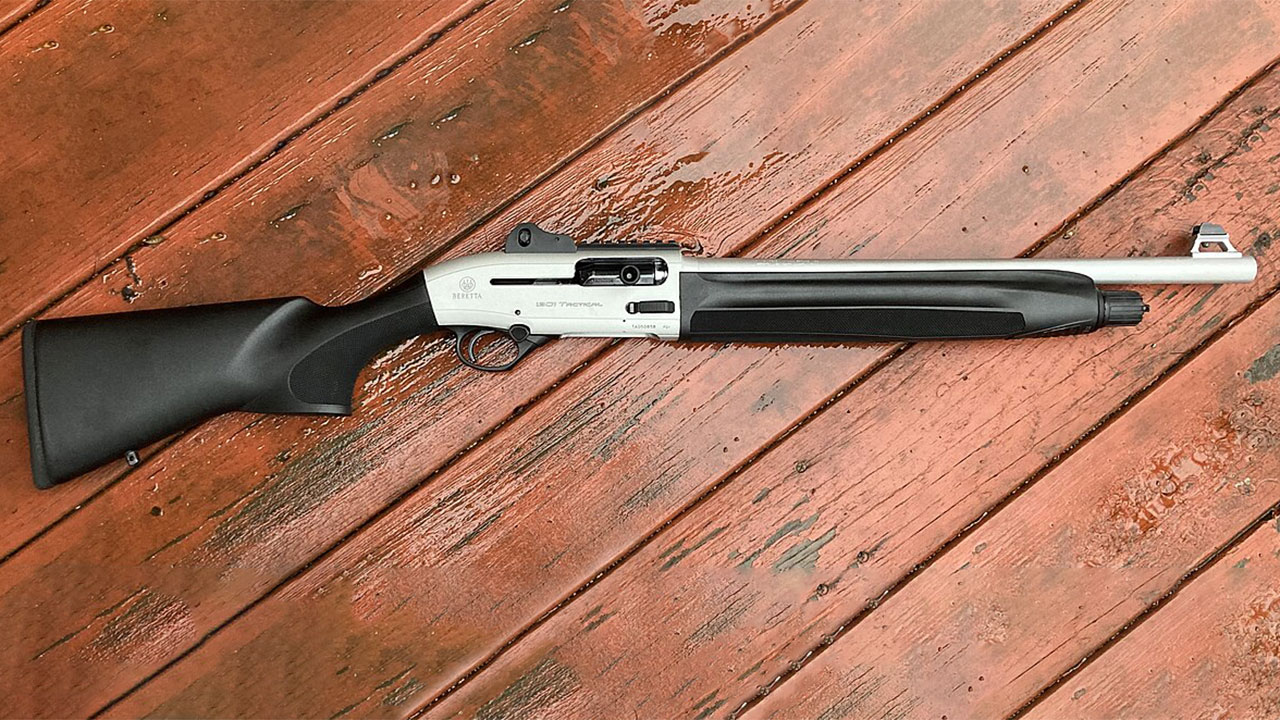
The Beretta 1301 became the shotgun people buy once and keep because it solves the problems that make shotguns frustrating. It cycles fast, shoots softer than many alternatives, handles well, loads better in newer versions, gives shooters serious controls, and comes in models that make sense for defense or competition.
It is not perfect. It is still a 12-gauge, still needs training, still needs load testing, and still costs real money. But it has earned its place because it makes a hard-running semi-auto shotgun feel easier to live with. For buyers who want one serious semi-auto shotgun and do not want to keep second-guessing the decision, the 1301 is one of the strongest answers on the market.
Like The Avid Outdoorsman’s content? Subscribe to our newsletter so you never miss an article.
Here’s more from us: