Photo credit: KriswandiBudiharto/shutterstock.com
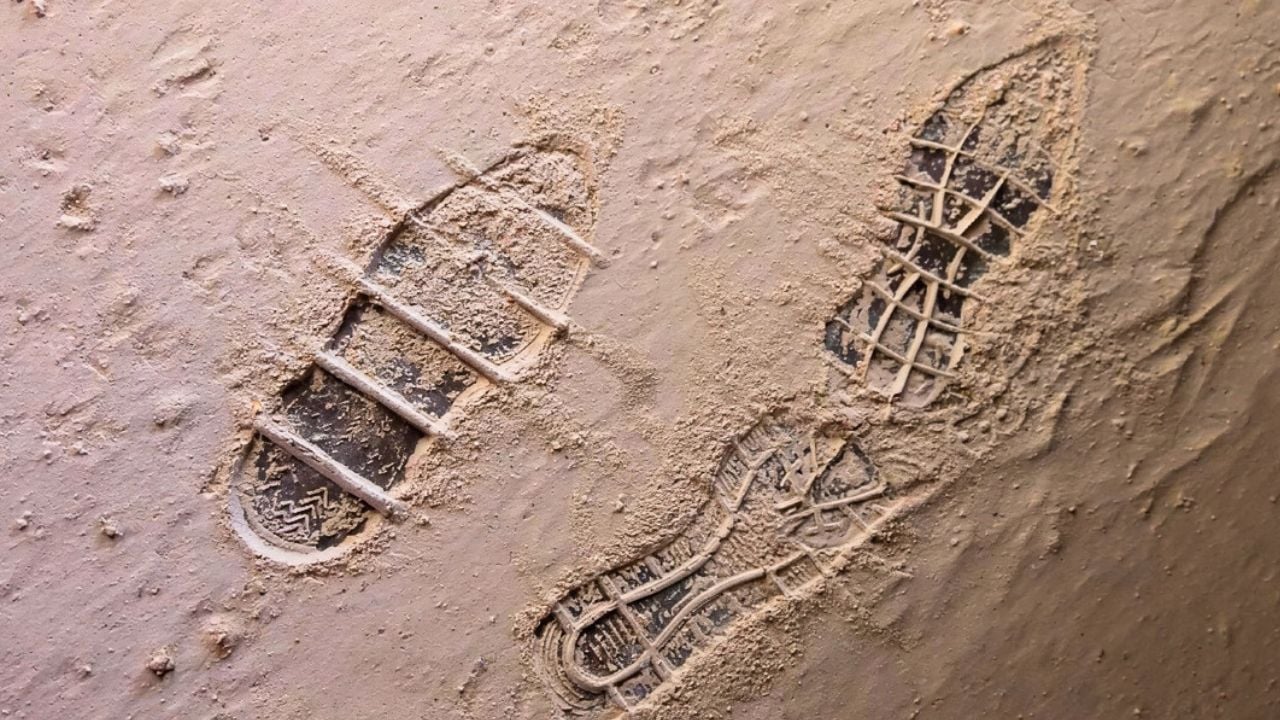
Fresh boot tracks under your stand will get your attention fast. It is one thing to know other people exist around the property. It is another thing to climb down, look at the mud, and realize somebody walked right through the spot you have been trying to keep quiet. Maybe the tracks are under a ladder stand on private land. Maybe they cut across a food plot, circle a feeder, or stop right below your trail camera. Either way, tracks tell a story. The trick is not jumping to the loudest version of that story before you know what you are looking at. Boot tracks can mean trespassing, scouting, confusion, a guest who wandered, a neighboring hunter crossing a line, or someone checking out your setup. None of those are worth ignoring, but they do not all call for the same response.
First, Figure Out How Fresh They Are
The age of the tracks matters. A crisp print in damp mud means something different than an old track softened by rain, leaves, and time. If the edges are sharp, the sole pattern is clear, and the ground is still freshly pressed, somebody may have been there recently. If leaves have blown into the print or rain has washed the shape out, it may be older than it first looks.
This matters because your next move depends on timing. If somebody walked under your stand an hour before daylight, your hunt may already be damaged. If the tracks are from a week ago, the better move may be to document them and watch for a pattern. Do not let one set of tracks make you spiral. Look at the ground, the weather, and your camera history before deciding what happened.
Look at Where the Tracks Came From
Tracks under the stand are only part of the story. The better question is where they came from and where they went. Did they follow a deer trail from a fence gap? Did they come down an old logging road? Did they start near a gate, creek crossing, neighboring property line, or public access point? Did they walk straight to your stand like the person knew it was there, or did they cut through like someone wandering?
That route tells you a lot. A clean path from the road to your setup may mean someone has been watching the place or using it before. Tracks from a boundary line may point to a neighbor or someone slipping across. A wandering route might mean a lost hunter, a guest, or someone scouting without knowing the property. None of it excuses being where they should not be, but the route helps you decide how serious it is.
Check Whether They Stopped at Your Gear
A person who simply walked past your stand is one thing. A person who stopped under it, circled it, climbed it, checked straps, looked at your camera, or disturbed anything nearby is a bigger problem. Look for scuffed dirt around the ladder, hand marks on muddy rungs, moved seat cushions, opened blind windows, shifted branches, or camera angles that suddenly changed.
If your gear was touched, document it. Take pictures before fixing anything. If a camera was moved, save the last photos. If a lock box was messed with, photograph scratches or damage. Tracks under a stand may be a clue. Signs that someone handled your equipment make it a property issue. That is when the landowner, lease manager, or game warden may need to know sooner rather than later.
Do Not Assume It Was a Poacher Right Away
It may be a poacher. It may be a trespasser. It may also be a lease member’s guest who had no clue where he was, a neighbor looking for a dog, a kid cutting across, a utility worker, or someone the landowner allowed in without telling you. That is frustrating, but it happens. Before you start accusing people, verify who could have been there.
If you lease the land, ask the person in charge. Send photos of the tracks and location. Ask if anyone else was supposed to be on the property. If you own it, think through who has access and who may have had a reason to be nearby. You still need to take it seriously, but a calm check keeps you from turning a simple explanation into a long neighbor fight.
Watch for a Pattern
One set of tracks may be a fluke. Repeated tracks under the same stand are not. If you keep finding boot prints in the same place, especially around cameras, feeders, blinds, or good travel corridors, somebody has gotten comfortable. That changes the situation. Now you are not dealing with one walk-through. You are dealing with repeated access.
This is where cameras help. Move one camera off the obvious deer trail and point it toward the human route. Put another on the gate, fence gap, creek crossing, or old road where the tracks seem to start. A lot of hunters only camera deer movement, then wonder why they cannot prove human movement. Once boot tracks show up, you need to watch how people are getting in.
Think About Wind and Deer Pressure
From a hunting standpoint, boot tracks matter because human pressure changes how deer use a spot. A person walking under your stand may leave scent right in the place you were trying to keep clean. If he crossed bedding cover, a scrape line, or the main trail leading into your setup, deer may notice long before you climb in. One careless walk-through can sour a sit, especially on mature deer that already do not tolerate much.
That does not mean the stand is ruined forever. Deer deal with human scent in farm country, timber country, and around rural properties all the time. But you need to read the reaction. Did camera activity drop after those tracks appeared? Did daytime movement vanish? Did deer shift to a different trail? Use the evidence. If the spot got pressured, rest it or adjust. Do not keep pounding the same stand out of stubbornness.
Mark the Evidence Without Wrecking It
If the tracks look important, do not stomp all over them while trying to inspect them. Take photos from different angles. Put something beside the print for scale if you can do it without destroying it. Get the tread pattern if it is clear. Photograph the route, nearby landmarks, and any signs, gates, or fence crossings tied to it.
This may feel like overkill, but clear photos can help if the problem continues. If the same tread pattern shows up later near a missing camera or opened gate, you have something to compare. You do not need to act like a crime scene tech. You just need enough documentation to show this was not all in your head.
Handle Private Land Differently Than Public Land
On private land, stranger boot tracks under your stand should raise a serious question: who was there and why? That does not mean you panic, but it does mean you check permission, access, cameras, and boundaries. If nobody had permission, you document it and tighten things up.
On public land, boot tracks are part of the deal. That stand may be yours, but the ground under it is not. Another hunter can walk through, scout, or hunt the same general area if the rules allow it. That can be annoying, but it is not automatically wrong. The line changes if someone messes with your gear, damages property, violates stand rules, or acts dangerously. Public land takes thicker skin and more backup plans.
The Tracks Are Telling You to Pay Attention
Boot tracks under your stand may not tell the whole story, but they are enough to make you start asking better questions. Who has access? Where did they come from? Did they touch anything? Has it happened before? Did deer movement change? Is this a one-time mistake or a pattern?
Do not ignore it, and do not overreact before you know what you have. Document the tracks, check cameras, verify permission, and adjust your hunt if the spot has been pressured. Tracks are not always proof of the worst-case scenario, but they are rarely meaningless. In the woods, small signs usually show up before big problems. A smart hunter pays attention before the situation gets expensive, dangerous, or impossible to prove.
Like The Avid Outdoorsman’s content? Subscribe to our newsletter so you never miss an article.
Here’s more from us: