Photo credit: New World Ordnance/YouTube
Every shooter has a story about a gun that didn’t live up to the price tag. Maybe it looked great in the shop, or maybe the internet sang its praises. Then you took it to the range—or worse, trusted it for carry or hunting—and it flat-out disappointed. This list calls out those firearms that cost too much, promise too much, and deliver far too little.
Kimber Solo Carry

The Kimber Solo Carry had all the makings of a solid CCW pistol—until you tried to run ammo through it. It’s notoriously picky, often choking on anything but premium +P loads, which kind of defeats the point of a compact defensive pistol.
For the price, shooters expected reliability. Instead, many found themselves clearing malfunctions more than shooting. It’s sleek, sure—but function matters more than form in a carry gun.
Desert Eagle .50 AE

There’s no denying it’s a beast, but that’s also the problem. The Desert Eagle is heavy, bulky, and expensive to feed. It’s more at home on a movie set than in any serious range bag or holster.
While it grabs attention, its usefulness is limited. Recoil is brutal, follow-up shots are slow, and most shooters find it’s more of a novelty than a practical tool.
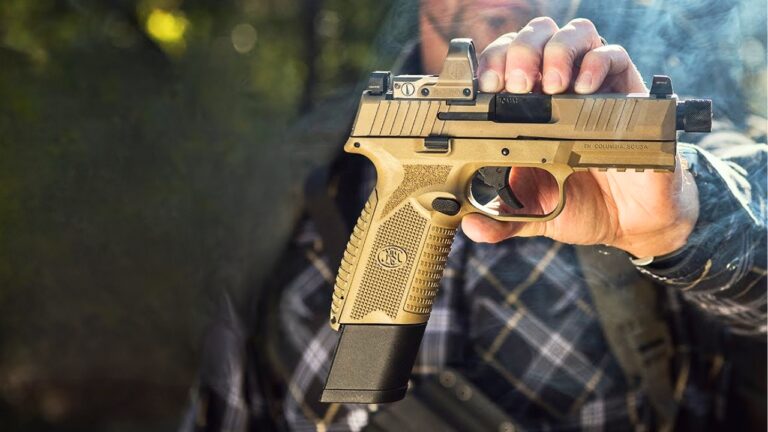
FN Five-seveN

The FN Five-seveN makes big claims with its 5.7x28mm round, but in the real world, it often underwhelms. The ammo is pricey, hard to find, and the terminal ballistics don’t exactly blow people away.
For what it costs, you’d expect something more versatile or impactful. But most folks walk away feeling like they paid for a gimmick, not a game-changer.
Taurus Judge

The Judge is pitched as the ultimate close-range defense gun, but in practice, it doesn’t excel at much. The .410 shells are weak from a short barrel, and the .45 Colt accuracy isn’t great either.
It’s a jack of two trades and master of neither. Many shooters end up ditching it once they realize it’s more novelty than reliable defense.
Remington R51 (Gen 1)

When Remington re-released the R51, it was supposed to be a comeback story. Instead, it turned into a mess. Early models were plagued with feed issues, poor fit and finish, and design flaws that made them tough to trust.
Even after updates, the damage was done. Most buyers expected something sleek and reliable but got a headache instead.
SIG Sauer P320 (Early Models)

The P320 has come a long way, but those early drop-fire issues were no joke. SIG’s reputation took a hit when videos started popping up of the gun firing without anyone touching the trigger.
If you paid full price for one before the upgrade program, you were basically beta testing a carry gun—not a great feeling when your life could depend on it.
H&K VP70

The VP70 was ahead of its time in some ways, but that doesn’t mean it’s enjoyable to shoot. The trigger is infamously heavy, with a pull that feels like it belongs on a staple gun.
It also promised a burst-fire capability—if you had the rare stock to go with it. Most people never did. So what you’re left with is a clunky, overpriced 9mm with one of the worst triggers out there.
Colt All American 2000
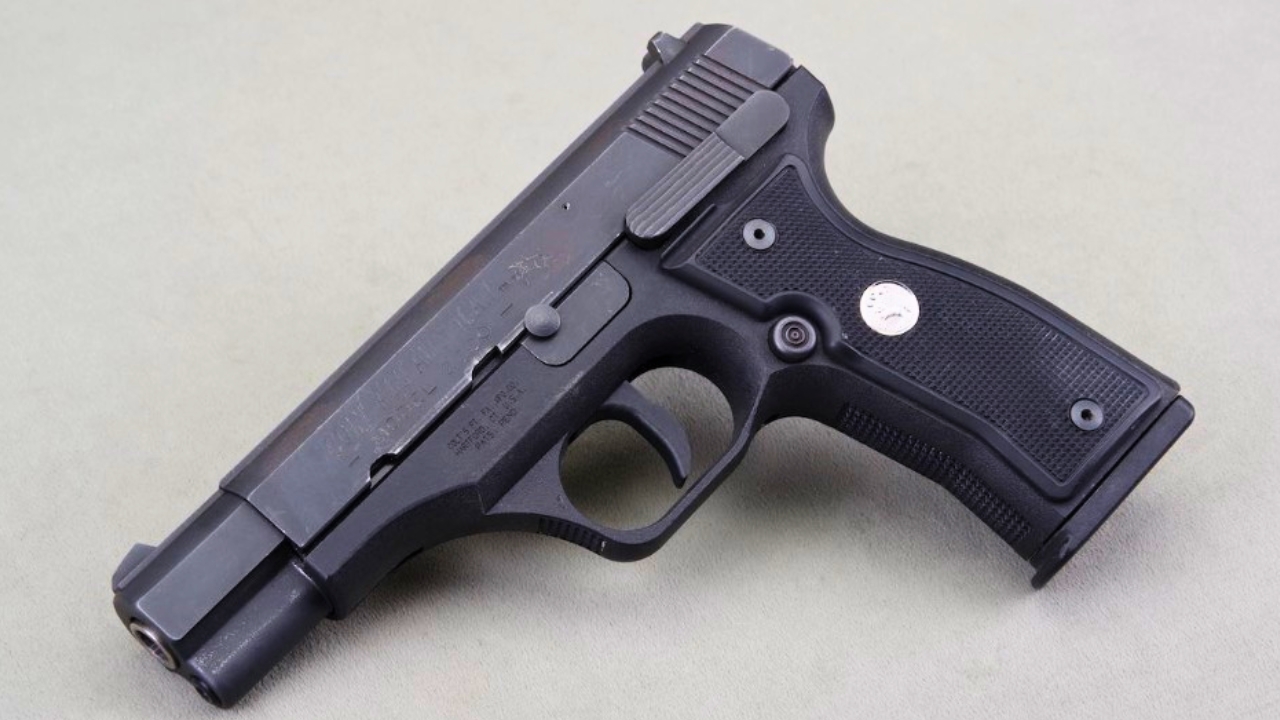
Colt’s attempt at a polymer pistol flopped hard. The All American 2000 had accuracy issues, a gritty trigger, and reliability problems that made it a poor competitor to Glock and SIG.
It was expensive when it came out, and even collectors mostly avoid it now. Colt tried to get modern too late and missed the mark by a mile.
Beretta Pico

The Beretta Pico looked good on paper—tiny, snag-free, and modular. But in actual use, it was a frustrating gun to operate. The slide was stiff, the trigger was rough, and the takedown process wasn’t user-friendly.
For a .380, it should have been a soft shooter, but even that didn’t deliver. Most folks who bought one eventually swapped it for something more practical.
IWI Tavor X95 (in 5.56)

Bullpups are cool in theory, but the X95 didn’t do itself many favors. It’s front-heavy, awkward to reload, and the trigger—well, it’s classic bullpup: mushy and long.
At its price point, people expected a more refined rifle. Instead, they found a gun that felt more like a compromise than an upgrade over a decent AR.
Glock 44 (.22 LR)

Everyone expected the Glock 44 to be a slam dunk—a .22 trainer with Glock reliability. Instead, the early batches had cycling issues, especially with bulk ammo, and cracked slides started showing up in user reports.
It’s better now with updates, but many shooters who paid full price at launch were left scratching their heads. When a gun struggles with .22, it’s a problem.
Springfield Hellion

Another bullpup that looks cool but comes with a learning curve most people didn’t sign up for. The Hellion is pricey, and the ergonomics aren’t for everyone. Between the odd controls and stiff charging handle, it feels less intuitive than a good AR.
At the cost of entry, most folks realize they could’ve built a top-tier rifle and still had money left for ammo and optics.
*This article was developed with AI-powered tools and has been carefully reviewed by our editors.