Photo credit: Savage Arms
A lot of deer calibers catch blame they don’t deserve. A guy has a bad blood trail or a deer runs farther than expected, and the cartridge becomes the villain. Most of the time, the real culprit is the bullet. Wrong design for the job, wrong weight for the impact speed, or a match bullet that was never meant to punch through bone and keep driving.
If you’ve hunted long enough, you’ve seen it. The same cartridge can look “weak” with one load and absolutely crush deer with another. That’s why it pays to separate caliber performance from bullet performance. These are common deer rounds that get trashed in camp talk, when the problem is usually a bullet choice that doesn’t match your distances, angles, and the way you actually hunt.
.243 Winchester
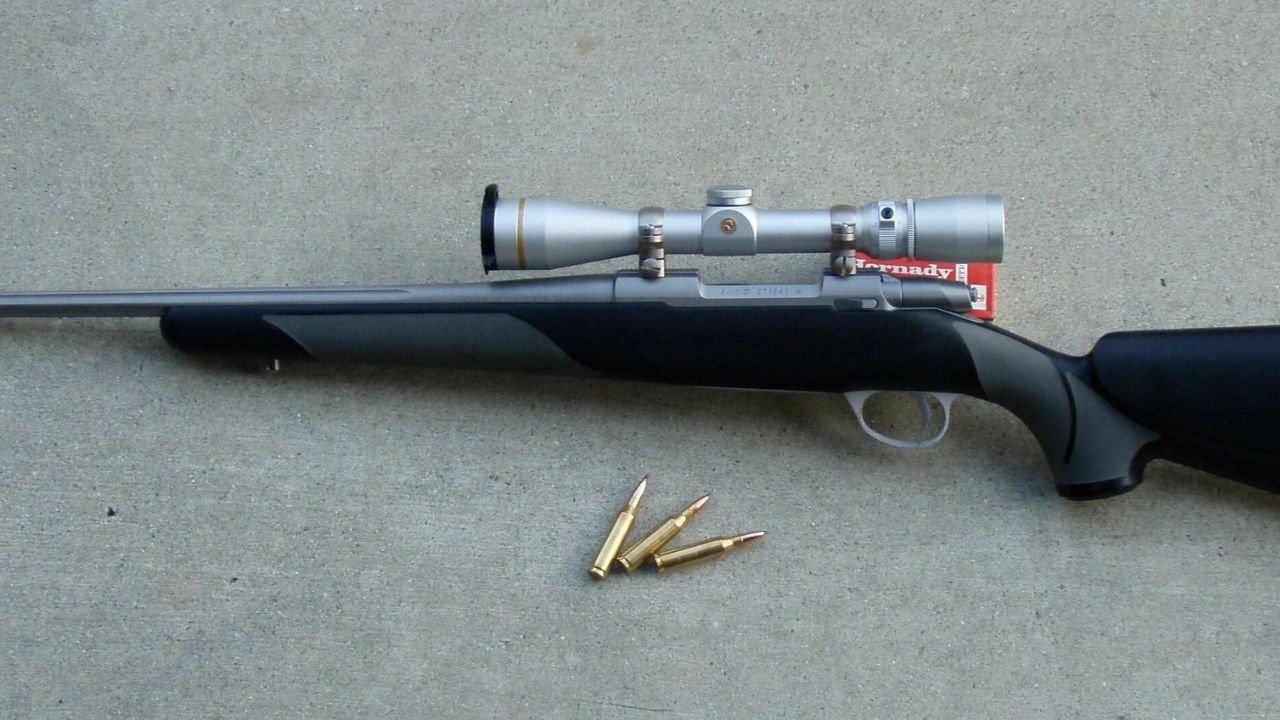
The .243 gets called “too small” every year, usually after someone uses a light, fast varmint bullet and hits a deer in the wrong spot. Those thin jackets can come apart on shoulder or fail to penetrate on quartering shots. Then the story becomes that the .243 can’t kill deer, even though millions of clean kills say otherwise.
When you pick a controlled-expansion deer bullet in a sensible weight, the .243 punches way above its reputation. It does best with broadside lung shots and disciplined ranges, but it can handle more than people admit if you aren’t asking it to behave like a magnum. The cartridge isn’t the weak link. The weak link is expecting a fragile bullet to act like a deep-driving hunting design.
.270 Winchester

The .270 gets blamed when deer drop slow or tracking jobs get messy, and a lot of that comes from overly soft bullets at high impact speeds. At close range, some bullets can expand violently, shed weight, and leave you with less penetration than you expected. That can turn a good hit into a marginal one, especially on shoulder or steep angles.
With a tougher bullet, the .270 is one of the most reliable deer cartridges ever made. It shoots flat, recoils reasonably, and kills clean when the bullet holds together and drives through the chest. The trick is matching the bullet to how you hunt. If your season is thick woods and 40-yard shots, choose a controlled-expansion load. If your season is open country, you can lean into a bullet that opens easier at distance.
.30-30 Winchester

People love to blame the .30-30 for long tracking jobs, but most of that comes from bullet behavior at the edges of its comfort zone. Some loads expand fast and don’t exit, especially when you hit heavy bone. Other loads are tough and poke through, but can leave a smaller exit hole if they don’t open much. Either way, the cartridge gets blamed when the real issue is how that bullet performs in tissue.
When you pick a proven deer bullet and keep shots inside realistic ranges, the .30-30 is boringly effective. It’s not a long-range cartridge, and it doesn’t need to be. It works because it puts a proper bullet through lungs with enough penetration to reach the far side. If you hunt with it like a woods rifle and choose bullets made for deer, the bad stories dry up fast.
.308 Winchester

The .308 gets blamed for “not hitting hard” or “not dropping them” when the real problem is often a bullet that doesn’t match the shot. Match bullets can fragment unpredictably. Very tough bullets can pencil through at lower impact speeds. Very soft bullets can open too fast on close shoulder hits. Any of those can make the .308 look inconsistent.
With the right hunting bullet, the .308 is one of the most dependable deer rounds you can carry. It gives you plenty of penetration, good accuracy, and manageable recoil for quick follow-up shots. The key is choosing a bullet built for deer-sized game and your typical distances. If you’re mostly inside 150 yards, a controlled-expansion bullet that holds together is a smart pick. If you’re stretching farther, choose one that still opens reliably at lower speed.
.30-06 Springfield
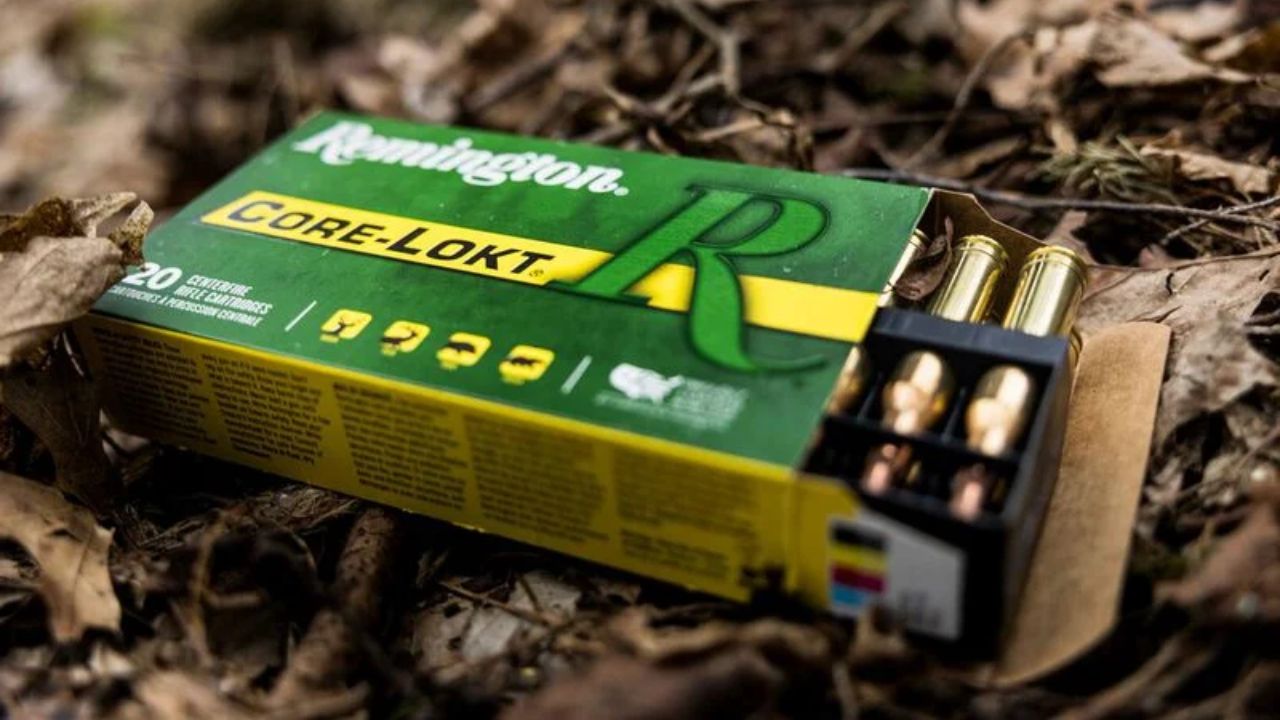
The .30-06 gets blamed because it’s so common. When a cartridge is everywhere, every mistake gets pinned on it. The biggest issue is that people treat all .30-06 ammo like it’s the same. They’ll grab a very soft bullet for close woods hunting and get explosive expansion on shoulder. Or they’ll grab an extremely tough bullet meant for larger game and get limited expansion on deer.
The cartridge itself has the horsepower and flexibility to do nearly anything a deer hunter needs. What makes it look “hit or miss” is bullet mismatch. Pick a bullet designed for deer, not for paper, and not for elk unless you actually need that toughness. When you do, the .30-06 does what it’s always done: drives deep, breaks things when it has to, and gives you a wide safety margin on imperfect angles.
6.5 Creedmoor

The Creedmoor catches blame because it’s trendy and because a lot of people shoot match ammo. You’ll hear stories about deer running off or shallow wounds, and a surprising number trace back to match bullets or bullets that fragment too early at close range. It’s not that 6.5 can’t kill deer. It’s that some popular bullets were designed to print tight groups, not to hold together through bone.
With a real hunting bullet, the 6.5 Creedmoor is a clean killer with mild recoil and excellent accuracy. That combination helps you place shots well, which matters more than any caliber debate. If you’re hunting thick woods inside 60 yards, choose a bullet that holds together at higher impact speed. If you’re hunting open country, pick one that still opens reliably at distance. Most Creedmoor complaints disappear when the bullet choice gets smarter.
.25-06 Remington

The .25-06 has a reputation for being flat and fast, and that speed is exactly why bullet choice matters. Some lighter bullets can expand violently at close range, especially on shoulder. That can lead to big surface damage and not enough deep penetration, which makes people say the cartridge is “too fast for deer” or “blows them up.”
The cartridge is fine. What you need is a bullet that can handle its impact speed. Choose a controlled-expansion deer bullet and you get great trajectory, mild recoil, and clean kills. The .25-06 is at its best when you put the bullet through lungs and let it work through soft tissue. If you want shoulder-breaking performance, pick a tougher bullet and keep your angles reasonable. Most bad stories come from treating it like a varmint rifle with a deer tag.
7mm Remington Magnum

The 7mm mag gets blamed for bloodshot meat and odd wound channels, but again, that’s usually bullet behavior at close range. High impact speeds can make softer bullets expand too fast, especially when bone is involved. That can cause dramatic surface damage and sometimes less penetration than you’d expect for a “magnum.”
With a tougher bullet, the 7mm Rem Mag is a fantastic deer cartridge, especially when shots can stretch. It shoots flat, bucks wind well, and carries energy without needing perfect conditions. The mistake is choosing a bullet that’s too soft for your typical distances. If you hunt thick timber and most deer are inside 100 yards, choose a controlled-expansion bullet that won’t grenade on impact. If you hunt across canyons, you can choose a bullet that opens easier at lower speeds.
.300 Winchester Magnum
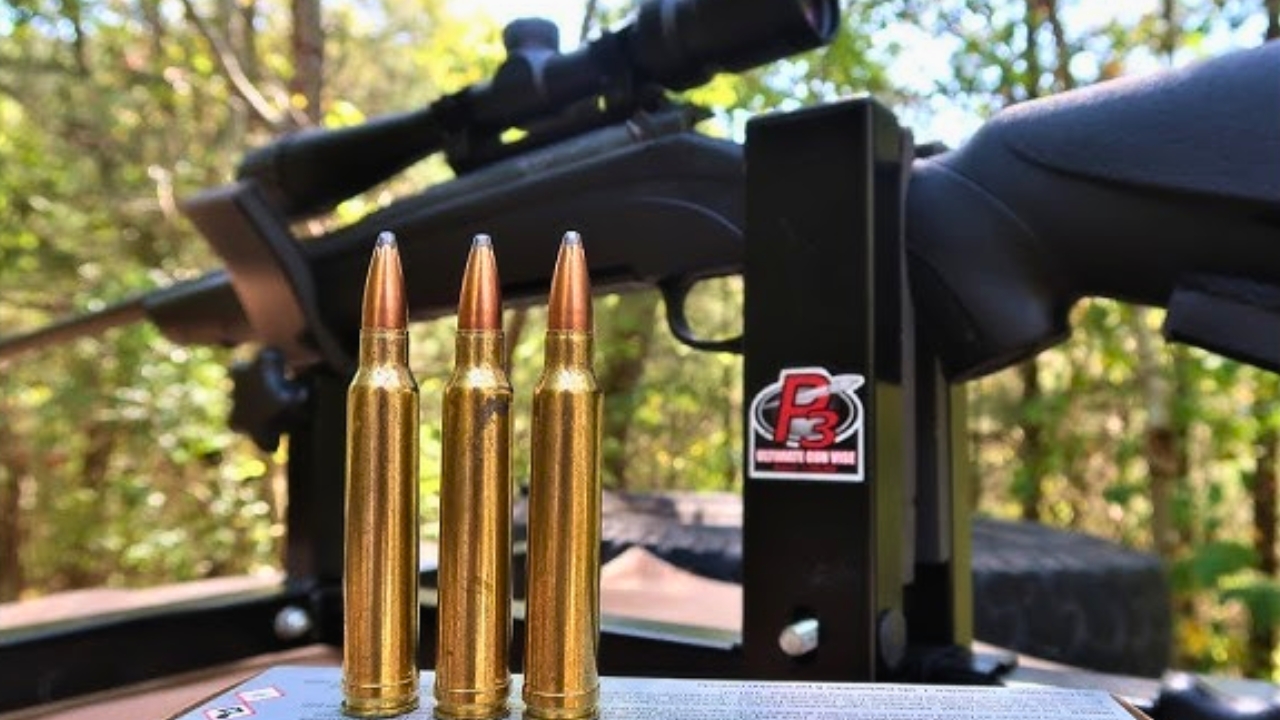
The .300 Win Mag gets blamed for being “too much gun,” and sometimes it is, but bullet choice is still the big driver of complaints. With a very soft bullet at close range, you can get massive expansion and meat damage. With a very tough bullet, you can get a pass-through that doesn’t leave much internal disruption on a perfectly broadside deer, which can lead to longer runs.
The cartridge gives you a huge performance envelope. That’s a blessing if you choose the right bullet, and a headache if you don’t. If your deer hunting is mostly inside 150 yards, you don’t need a fragile bullet that explodes. Choose one that holds together and drives deep. If you’re hunting big country and might shoot far, choose a bullet that still opens at lower impact speeds. The .300’s reputation swings because people feed it wildly different bullets.
.350 Legend
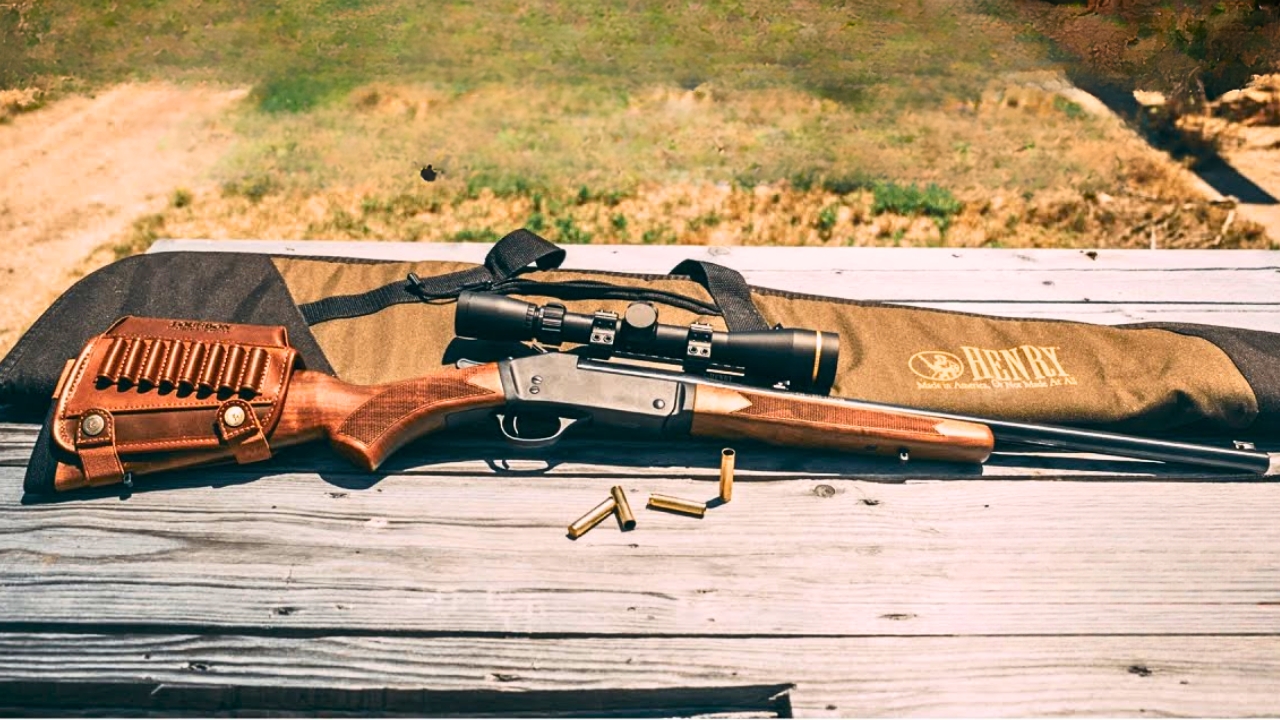
The .350 Legend gets blamed for poor blood trails or deer running off, and a lot of that comes down to bullet design. Some loads expand aggressively and don’t exit, especially on shoulder. Others don’t expand much at all and poke through. In either case, people call the cartridge “weak,” when the issue is that straight-wall bullets vary a lot in construction and performance.
With the right hunting bullet, the .350 Legend does what it’s meant to do: clean kills at moderate ranges with mild recoil. It’s not a long-range tool and it’s not a heavy-bone breaker like a big bore. If you keep shots sensible and use bullets built for deer, it performs consistently. The hunters who struggle most are often the ones grabbing whatever’s on the shelf without checking what that bullet is designed to do.
.45-70 Government

The .45-70 gets blamed when deer run after a big hit, which surprises people because the bullet is so large. A lot of that comes from bullet selection at the extremes. Hard-cast or very tough bullets can punch through with limited expansion, giving you less tissue disruption than you expected. Very soft bullets can expand so fast they don’t drive as deep as they should on shoulder.
The cartridge is versatile, and that versatility is where people get tripped up. If you want quick, reliable kills on deer, choose a bullet that expands in deer-sized tissue and still penetrates. Don’t assume any .45-70 load is perfect for every job. Some are built for deep penetration on larger game. Some are built for fast expansion at moderate velocity. When you match the bullet to your purpose, the .45-70 stops being “mysterious” and becomes predictably effective.
.22-250 Remington

When the .22-250 gets blamed, it’s usually because someone tried to make a coyote round behave like a deer round. The cartridge is fast, and many common bullets for it are meant to explode in small targets. On deer, especially on shoulder, that can lead to shallow wounds, poor penetration, and heartbreak tracking jobs.
With a tough, deer-capable bullet, the .22-250 can work in legal states, but it offers less margin for error than traditional deer calibers. That’s the real point. People blame the cartridge when they should blame the mismatch between bullet design and target size. If you insist on using it, keep shots broadside and into the lungs, and choose bullets built to hold together. If you want shoulder shots and quartering angles, pick a cartridge that’s built for that workload.
.257 Roberts

The .257 Roberts gets blamed because it doesn’t have the marketing machine of modern cartridges, and people assume it’s underpowered. When a deer runs off, they point at the mild cartridge instead of looking at the bullet. Older-style soft bullets can expand quickly at close range. Very tough bullets can act too slow in the chest if impact speed is low.
With a proper deer bullet, the .257 Roberts is an honest, effective cartridge with mild recoil and great shootability. It rewards good shot placement and doesn’t punish you at the bench, which usually leads to better field accuracy. If you hunt it like a deer rifle and choose a bullet that opens reliably while still penetrating, it does its job cleanly. Most complaints come from people who treat it like a curiosity instead of selecting ammo with intent.
.35 Remington

The .35 Rem gets blamed when blood trails are thin, and a big reason is bullet style. Many .35 Rem loads are built around round-nose bullets that penetrate well but may not produce dramatic exits in every scenario. If expansion is modest and you don’t hit major vessels, the deer may run and the trail may start slow.
That doesn’t mean the cartridge failed. It means your bullet and your hit didn’t produce the kind of exit and internal damage that makes tracking easy. With a bullet designed for good expansion in deer and a solid lung hit, the .35 Rem kills very well. It’s a woods cartridge, not a long-range tool, and it does best when you embrace that. Choose a bullet that expands reliably at .35 Rem speeds and you’ll see why the old timers trusted it.
.300 Blackout

The Blackout gets blamed constantly, and most of it is bullet confusion. People feed it light bullets meant for other cartridges, or they hunt with subsonic loads that don’t expand, then wonder why deer don’t go down fast. At close range, some bullets expand violently and stop short. At longer ranges, some bullets don’t expand at all. That inconsistency gets pinned on the cartridge.
The Blackout can be effective on deer, but it has a narrower window than classic deer rounds. You need a bullet designed for its velocities, and you need to respect distance and angles. If you pick a purpose-built hunting load and keep shots in the lungs at realistic ranges, it works. If you treat it like a do-everything .30 caliber and grab random ammo, you’re setting yourself up for exactly the stories that give it a bad name.
.44 Magnum from a carbine

The .44 Magnum in a lever gun gets blamed when deer run off after what looks like a solid hit. That often comes from bullet choice. Some pistol bullets are designed for defense, which means rapid expansion and shallow penetration. Out of a carbine, velocity jumps, and those bullets can expand too fast, especially on shoulder, leaving you with less depth than you expected.
With a proper hunting bullet, the .44 carbine is a very effective woods setup. It hits hard, carries well, and keeps recoil manageable. The cartridge isn’t the problem. The problem is assuming any .44 bullet is a deer bullet. Choose bullets built for penetration and controlled expansion at carbine velocities and you’ll get better exits, better blood trails, and more consistent kills. When you match the load to the platform, the .44 stops being a coin flip.
Like The Avid Outdoorsman’s content? Be sure to follow us.
Here’s more from us: