Photo credit: Ana Hollan/Shutterstock.com
Every shooter has a few cartridges in the safe they’d rather not talk about. You know the ones—the rounds that looked impressive in magazines or promised “next-level performance” but never lived up to it once the brass started flying. Maybe the ammo was impossible to find, the recoil was brutal, or the rifle never grouped tighter than a fist at 100 yards. But pride gets in the way, so folks keep quiet and tell themselves it’s “just picky about loads.” Truth is, plenty of these cartridges were flops from the start, and anyone who’s been behind a bench long enough has probably fallen for at least one of them.
.30 Remington AR
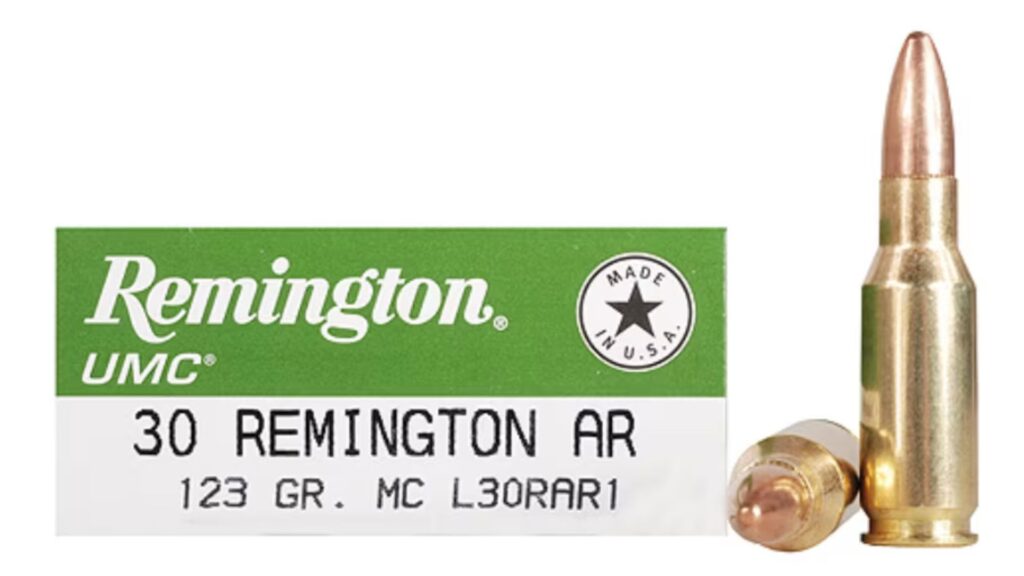
The .30 Remington AR was hyped as the AR-15’s big-game solution—a short-action powerhouse that could match .308 Winchester performance in a smaller package. The concept had potential, but it fell flat fast. The case design limited magazine capacity, and the proprietary bolt setup caused feeding issues. Accuracy wasn’t terrible, but the cartridge was never efficient enough to justify the effort.
Ammo was expensive and scarce from day one, and brass availability tanked once Remington stopped pushing it. Reloaders could make it work, but not without headaches. Between poor support, limited factory options, and rifles that never ran smoothly, most owners quietly parked their .30 RARs in the back of the safe and pretended they were early adopters of a “collector’s round.”
.300 Remington Short Action Ultra Magnum
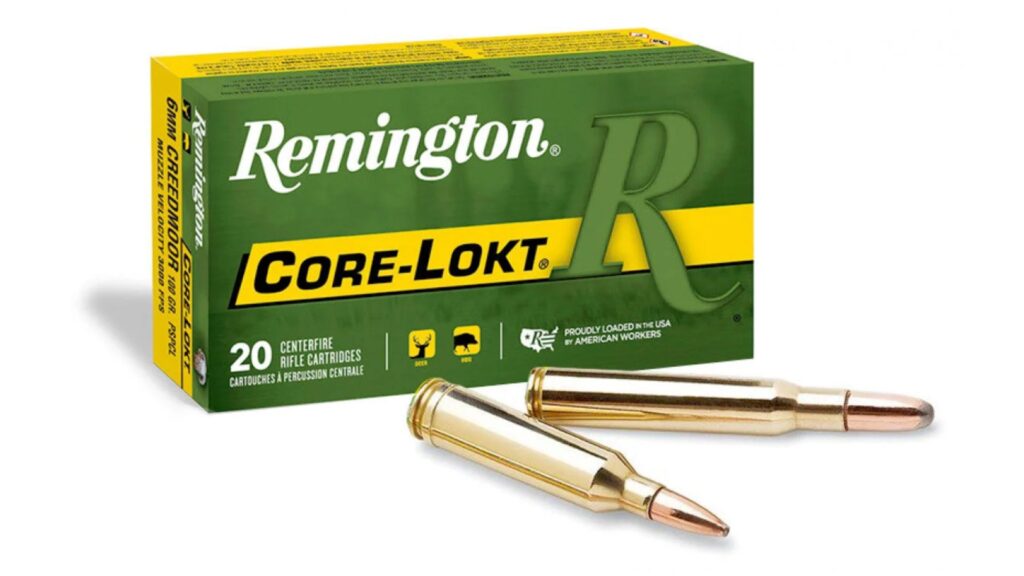
Remington’s .300 SAUM was supposed to challenge Winchester’s .300 WSM. It didn’t. It hit the market late, lacked rifle support, and struggled to gain traction with hunters who already had reliable options. While it offered good ballistics, the performance edge was negligible compared to the WSM—and ammo availability was far worse.
Once factory support faded, so did enthusiasm. Handloaders could wring good groups from it, but at a cost. Brass became nearly impossible to find, and the reloading data was inconsistent between manuals. It’s one of those cartridges that performs fine on paper but left most shooters wondering why they didn’t just stick with .300 Win Mag. Nobody wants to admit they backed the wrong short magnum horse, but the .300 SAUM made that mistake painfully clear.
.25 WSSM
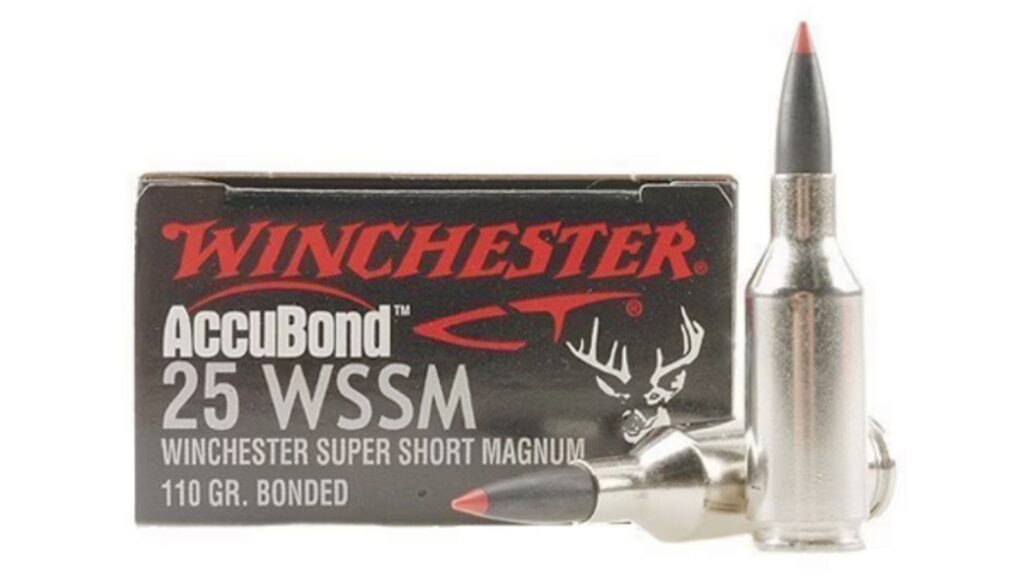
The .25 Winchester Super Short Magnum looked like the next big thing when it launched. It promised big velocity in a compact package and offered impressive numbers at the muzzle. But once hunters started using it, reality hit hard. The cartridge’s overbore design led to short barrel life, heavy fouling, and tricky accuracy tuning.
It also suffered from inconsistent factory ammo and brass that stretched after just a few reloads. For a round that was supposed to modernize the .25-06, it ended up doing the opposite—making shooters nostalgic for the old standby. Winchester stopped supporting it before it ever really took off, leaving those who bought in early holding rifles for a caliber that was effectively dead within a few seasons.
.30 T/C
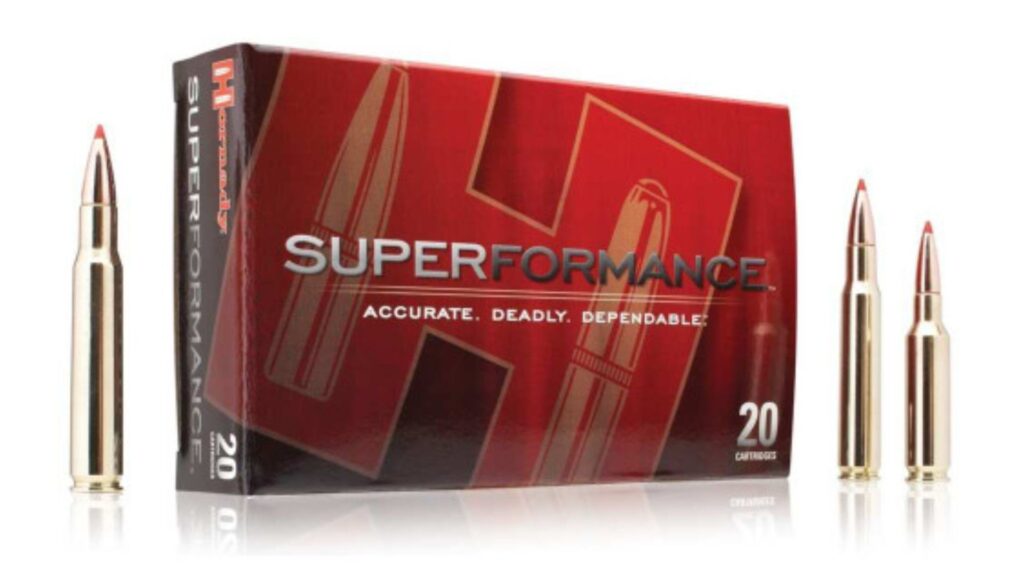
The .30 Thompson/Center was marketed as the next evolution of the .308—a round that would deliver better ballistics in a shorter case. In reality, it barely offered anything new. Velocity gains were minimal, recoil was sharp for its size, and rifle options were few. The T/C Venture rifles chambered for it shot decently, but the cartridge never found a niche.
Ammo availability was miserable even during its launch window. Reloaders discovered quickly that brass was rare, and no major manufacturer stuck with it. Once the marketing faded, the .30 T/C disappeared almost overnight. It’s one of those cartridges that sounded clever on paper but left everyone wondering, “What was the point?”
.35 Whelen AI
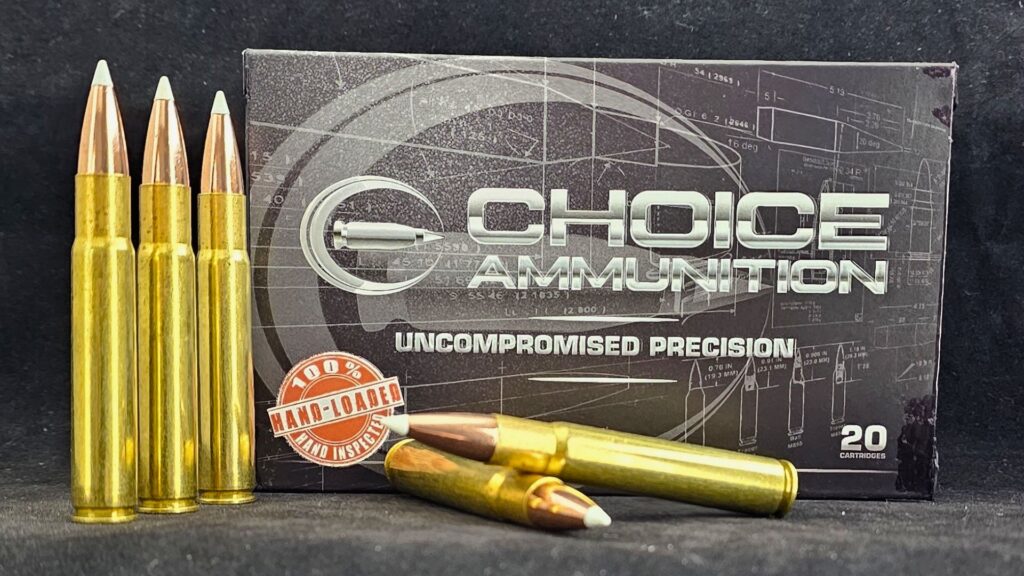
The .35 Whelen Ackley Improved is a tinkerer’s dream—and a reloader’s regret. It promises .338 Win Mag energy with less recoil, but achieving that means pushing the cartridge near its pressure limits. Load development is tedious, brass is hard to find, and the performance bump over standard .35 Whelen isn’t worth the hassle.
You’ll get bragging rights, sure, but you’ll also spend hours at the bench trying to find a node that doesn’t spike pressure. For most hunters, the standard Whelen already does everything needed in the woods. The “Improved” version is a solution in search of a problem, and most who try it once quietly move back to easier rounds.
.450 Marlin

The .450 Marlin was designed to give lever guns .45-70-level power in a modern case that couldn’t be overloaded. It succeeded in theory but failed in the marketplace. Factory ammo was expensive, brass was proprietary, and reloading components were always limited. The few rifles chambered for it were heavy and kicked hard.
The problem is that the .45-70, with modern loads, does everything the .450 can—and does it with cheaper ammo and broader rifle support. It’s one of those cartridges that loyal fans defend fiercely but rarely shoot. The few still hanging onto their .450 Marlins usually have more empty brass than full boxes of ammo.
.17 WSM
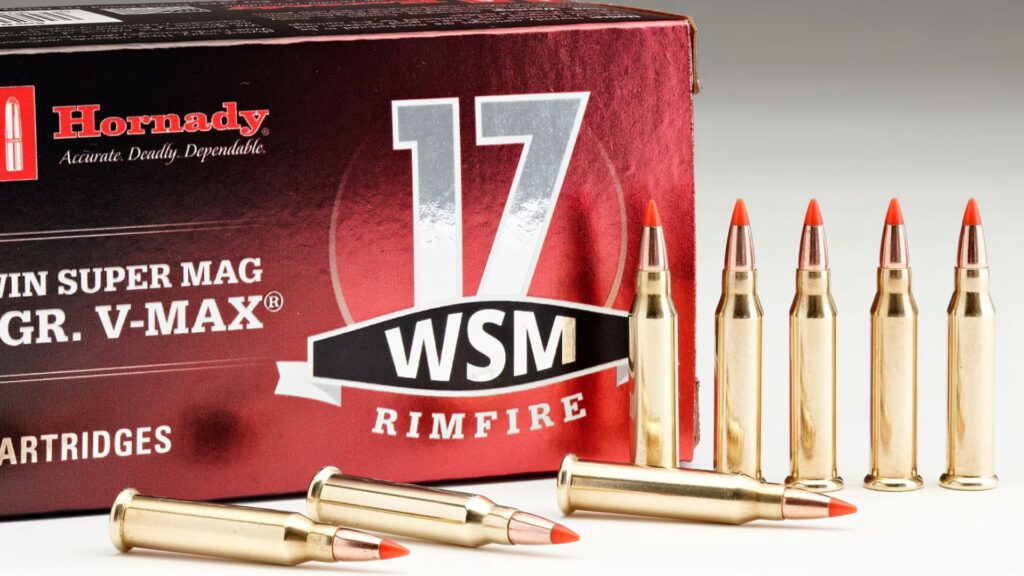
When Winchester rolled out the .17 WSM, rimfire fans got excited about the velocity. It was faster than .17 HMR and flatter-shooting too. The problem was accuracy—and price. The round is extremely sensitive to barrel harmonics, and most factory rifles never grouped better than mediocre. Combine that with ammo that costs nearly as much as centerfire reloads, and the novelty wore off quickly.
The trajectory was great in theory, but wind drift made it unreliable beyond 150 yards. Most varmint shooters went right back to .22-250 or .223 after a few boxes. The .17 WSM sounded like the perfect high-speed rimfire, but it ended up being a reminder that more speed isn’t always better.
.224 Valkyrie
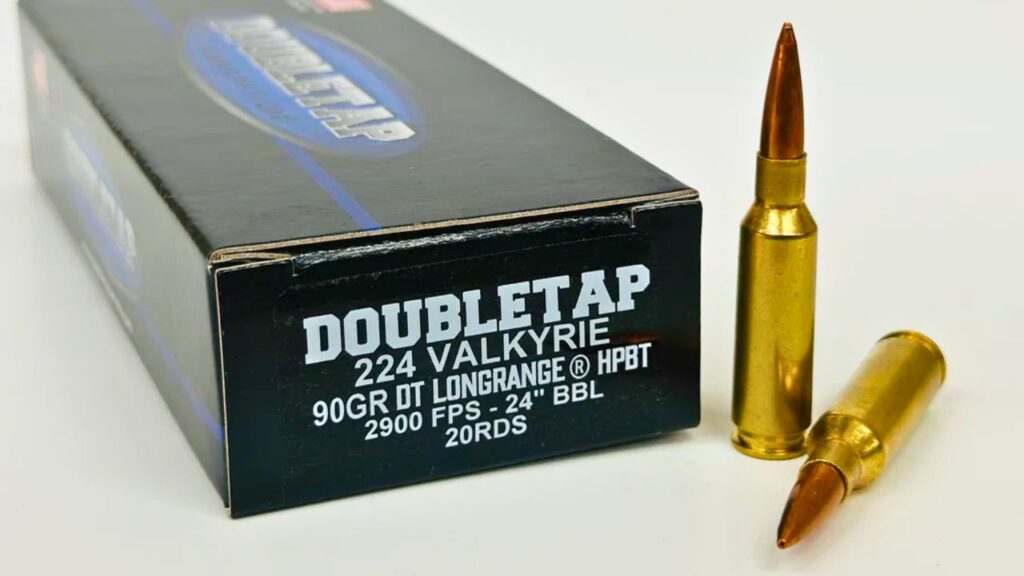
The .224 Valkyrie came in hot—promising long-range precision from an AR-15. For a while, it looked like it would replace .223 and 6.5 Grendel entirely. But early ammo had poor consistency, and chambers varied between manufacturers, leading to unpredictable accuracy. Some rifles grouped great, others scattered bullets like a shotgun.
Federal eventually fixed some of the issues, but the damage was done. Reloaders still fight to find stable powder combinations that deliver advertised speeds. On paper, it’s an impressive design, but in practice, it’s finicky and unforgiving. The .224 Valkyrie was supposed to be the future of AR precision shooting, but for most shooters, it turned into an expensive experiment.
.338 Federal
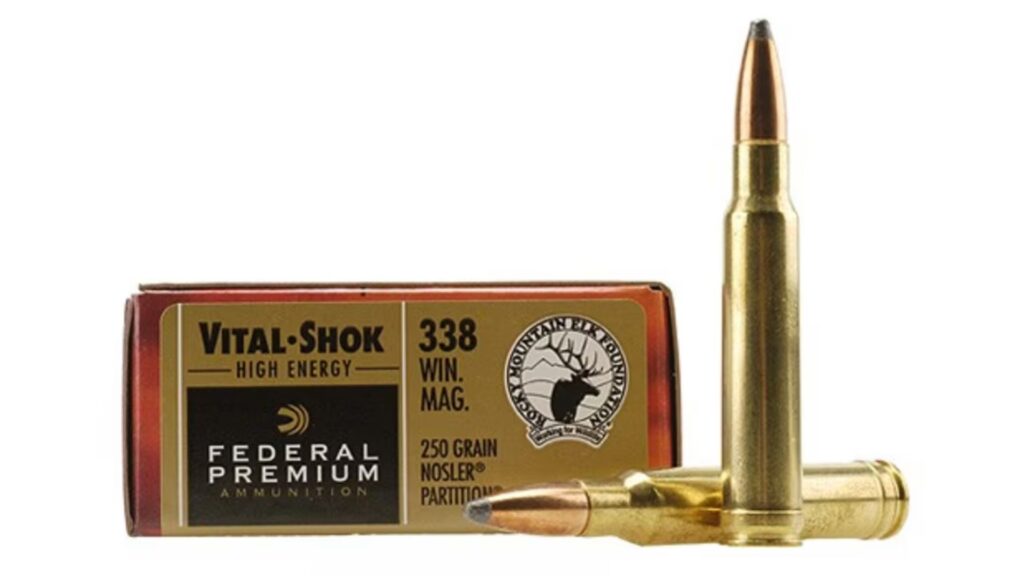
The .338 Federal looked like a great idea—a hard-hitting cartridge that fit in a .308-length action. It delivers decent energy, but it never gained traction. Ammo has always been limited and pricey, and reloaders discovered that bullet selection doesn’t line up perfectly with the case’s capacity.
For hunting, it works fine inside 300 yards, but the trajectory drops off fast, and recoil is sharper than you’d expect. It’s not terrible, but it’s not better than a .308 or .30-06 either. Federal pushed it hard, but the industry never followed. Most who bought one end up letting it sit in the safe, too stubborn to admit it wasn’t the upgrade they hoped for.
.480 Ruger
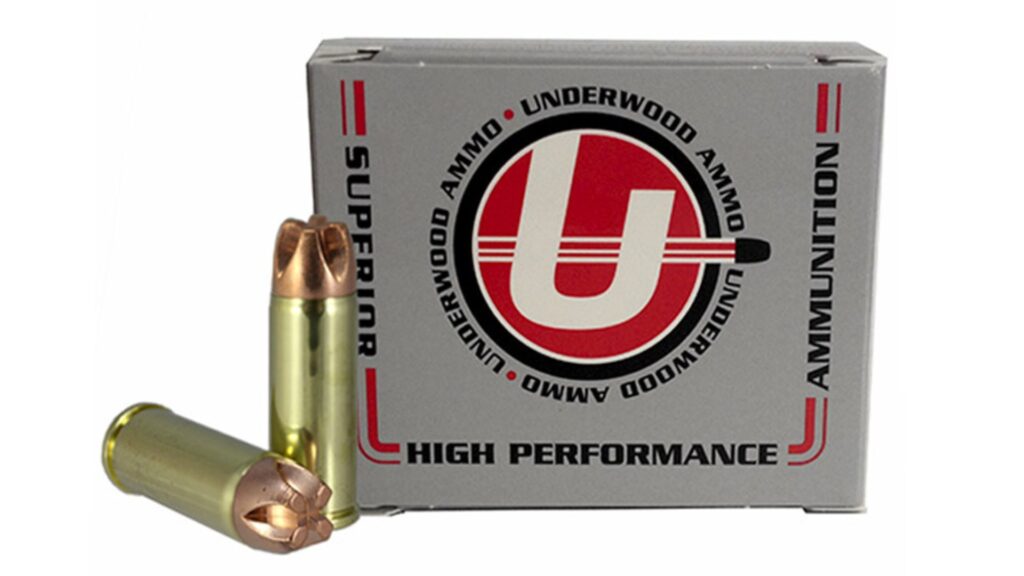
The .480 Ruger tried to split the difference between .44 Magnum and .454 Casull, and in doing so, it lost both markets. It’s powerful, accurate, and effective—but only in theory. Factory ammo is expensive, recoil is brutal, and brass is nearly impossible to find.
Reloaders can make it work, but few bother. There’s no practical advantage over the .44 Magnum, and the added recoil makes practice unpleasant. It’s a solid cartridge that deserved more attention, but without widespread adoption, it’s fading fast. Most owners quietly admit—though rarely out loud—that they bought into an experiment that didn’t stick.
.22 Nosler
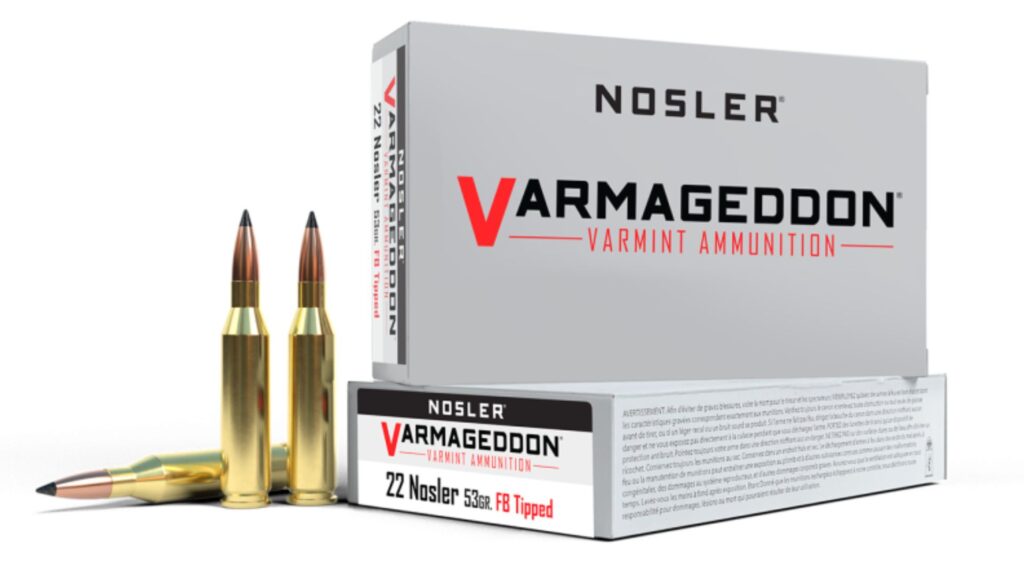
The .22 Nosler was supposed to be a ballistic upgrade for AR shooters. It delivered impressive velocity, but the performance edge came with headaches. Brass life is short, pressure signs show up fast, and accuracy varies from rifle to rifle. It’s also rough on barrels, especially with heavier bullets.
Reloaders find it finicky, and factory ammo is expensive enough to make you hesitate before pulling the trigger. It’s fast, loud, and flashy—but it doesn’t do much the .223 or .22-250 can’t already handle more reliably. Once the excitement fades, most owners box up the brass and move on. It’s one of those cartridges that sounds great at first, until you realize it was designed to sell rifles—not outperform them.
*This article was developed with AI-powered tools and has been carefully reviewed by our editors.