Photo credit: Costas-1963 – CC BY-SA 4.0, /Wikimedia Commons
Some cartridges disappear because they were ahead of their time. Others vanish because they flat-out didn’t work the way they were supposed to. Ammo companies love to promise flatter trajectories, harder hits, and recoil so soft your shoulder will thank you—but the market has a way of sorting truth from marketing. When a round fades away, there’s almost always a story behind it: poor performance, awkward design, or zero real-world advantage. These are the cartridges that looked good on paper but never earned a permanent spot in anyone’s gun cabinet.
.17 Remington
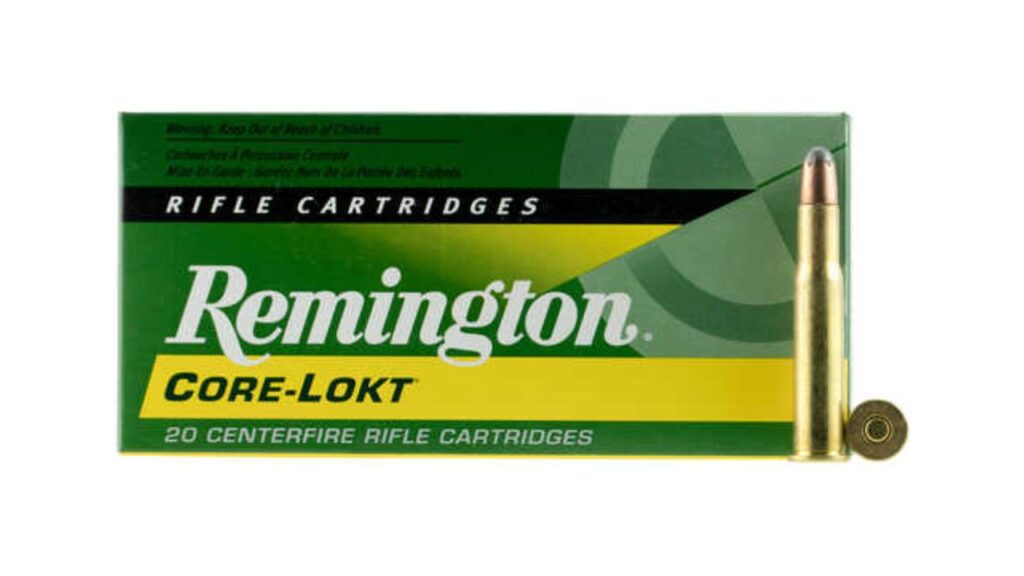
The .17 Remington came screaming onto the scene in 1971 promising blistering speed and pinpoint accuracy. It delivered on both counts, but the tradeoff was ugly—fouling, barrel wear, and unpredictable performance in wind. Tiny, lightweight bullets going over 4,000 feet per second sound great until you try to keep them steady past 150 yards.
Cleaning this cartridge’s copper fouling was a chore, and its terminal performance was inconsistent. On small varmints, it could work well. On anything bigger, it often exploded on contact or failed to penetrate. Handloaders loved tinkering with it, but the average hunter realized it was too finicky and too specialized. The .17 Remington still has a cult following, but there’s a reason factory loads collect dust—it demands more patience than most shooters have.
.22 Remington Jet

The .22 Remington Jet was born from an idea that didn’t quite translate to reality. Designed for revolvers, it promised rifle-like velocity from a handgun. What shooters got instead was a cartridge that locked up cylinders and required constant cleaning. The bottlenecked case design caused cases to stretch and jam, making it unreliable in the very guns it was built for.
In theory, it should’ve been perfect for varmints and small game hunters who wanted a flat-shooting revolver. In practice, it was a headache. Brass life was short, accuracy was inconsistent, and velocity drops made it hard to trust. When factory ammo is more trouble than fun, it doesn’t last long. By the late 1960s, the Jet had already run out of steam. Today, it’s a curiosity for collectors—a reminder that clever doesn’t always mean practical.
.30 Remington AR
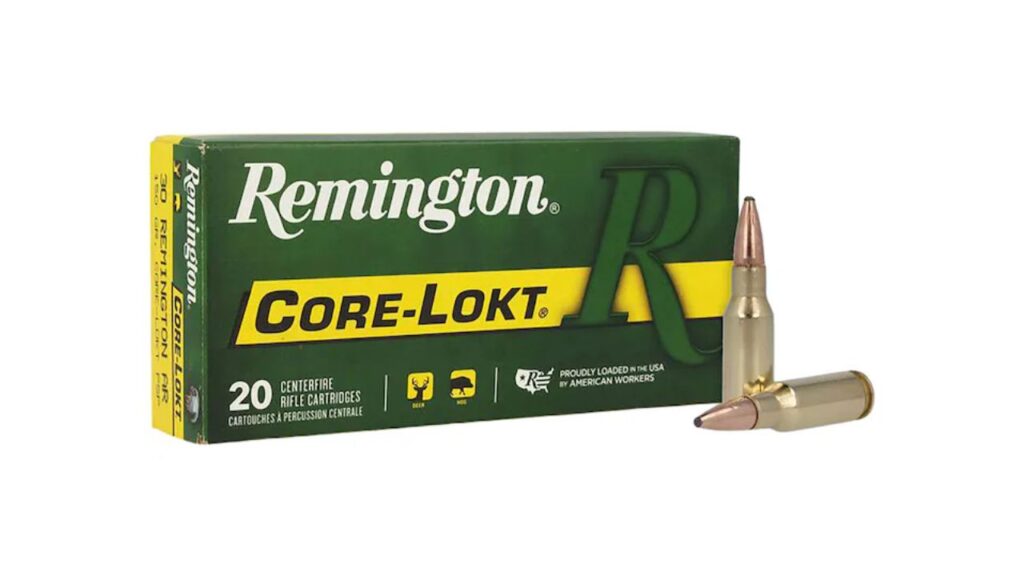
The .30 Remington AR looked like a winner when it launched. It aimed to bring .308 Winchester power to the AR-15 platform, bridging the gap between 5.56 NATO and heavier AR-10 calibers. The problem was logistics. It required a unique case, bolt, and magazine setup. That meant limited rifle options and expensive parts—hardly a recipe for widespread adoption.
Performance-wise, it was decent, sitting between the .300 Blackout and .308. But when the .300 Blackout came along, shooters got nearly the same ballistics with fewer headaches. Ammo availability for the .30 AR dried up fast, and even Remington stopped pushing it. For a cartridge designed to modernize the hunting AR, it faded faster than most new rounds do. You’ll still find die-hard fans, but they’re likely sitting on handloads because factory ammo is long gone.
.45 GAP
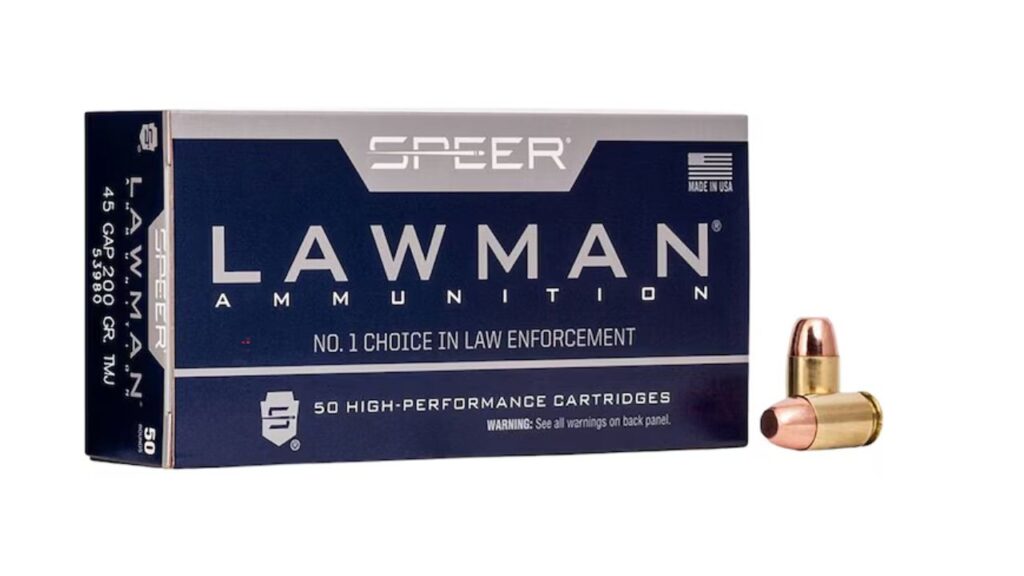
The .45 GAP (Glock Auto Pistol) was Glock’s attempt to shrink .45 ACP performance into a smaller package. On paper, it worked. In real life, it didn’t matter. The .45 ACP already had a century of reliability and popularity behind it, and nobody was clamoring for a shorter version.
Ammo manufacturers hesitated to keep shelves stocked with a round only a handful of pistols used. Police departments briefly adopted it, but most switched back when ammo logistics became a hassle. The .45 GAP never really failed—it was just unnecessary. When shooters can’t easily find ammo or share it across multiple platforms, a cartridge’s days are numbered. By the late 2010s, even Glock had mostly moved on, leaving the .45 GAP to fade quietly into the background.
.17 WSM
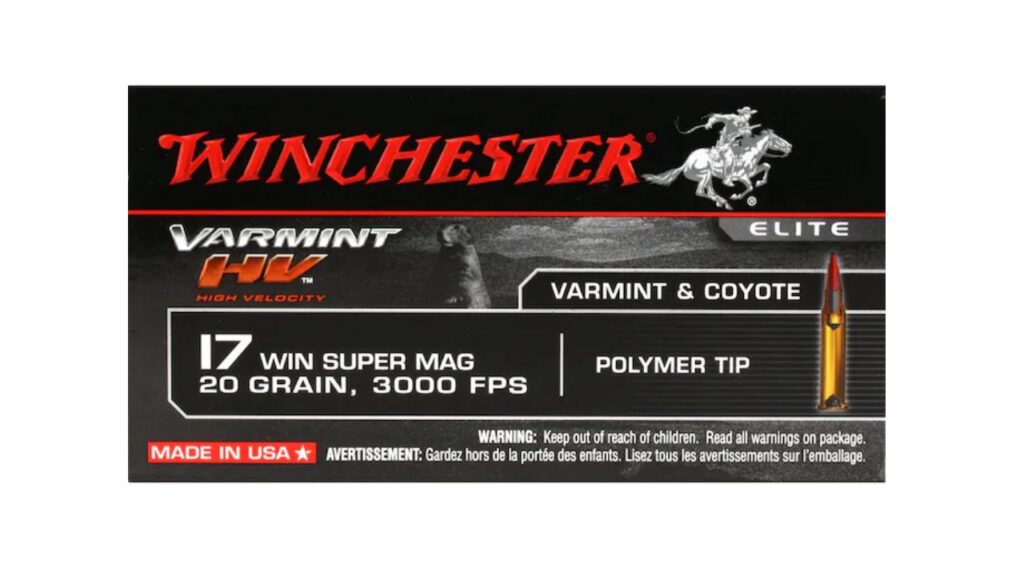
The .17 Winchester Super Magnum tried to reinvent rimfire with record-breaking speed. It promised centerfire-like performance from a rimfire case, but it came at a cost—literally. Rifles were expensive, ammo wasn’t cheap, and results didn’t live up to the hype.
Barrel life was short, accuracy inconsistent, and few manufacturers wanted to commit to building rifles for it. The .17 WSM hit 3,000 fps, but shooters realized it didn’t hit any harder than cheaper, easier-to-find options like the .17 HMR or .22 WMR. Most rimfire fans prioritize affordability and convenience, not another niche speed demon. The .17 WSM didn’t vanish overnight—it fizzled. You can still find it occasionally, but few are pulling it off the shelf.
5mm Remington Rimfire Magnum
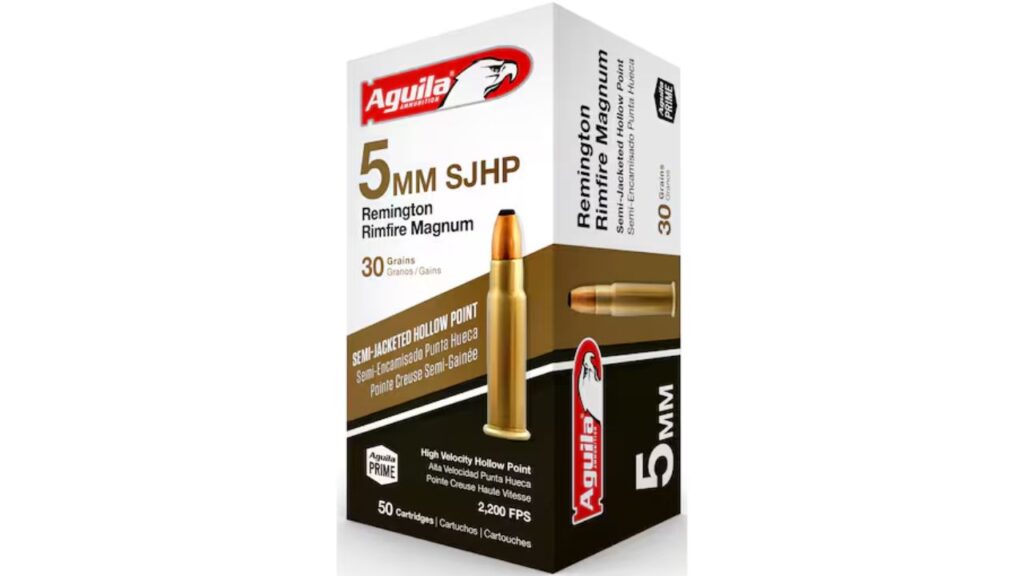
The 5mm Remington Rimfire Magnum had the misfortune of being both ahead of its time and poorly supported. Introduced in the late ’60s, it offered high velocity and excellent accuracy—on paper. But Remington was the only one making rifles and ammo for it. When sales stalled, so did production.
For years, 5mm owners were stuck with rifles they couldn’t feed. Ammo disappeared, and the cartridge’s reputation went with it. Decades later, a small revival tried to bring it back, but by then, the .17 HMR had already filled its niche. The 5mm taught shooters a hard lesson: even great performance means nothing without widespread availability.
.224 Weatherby Magnum
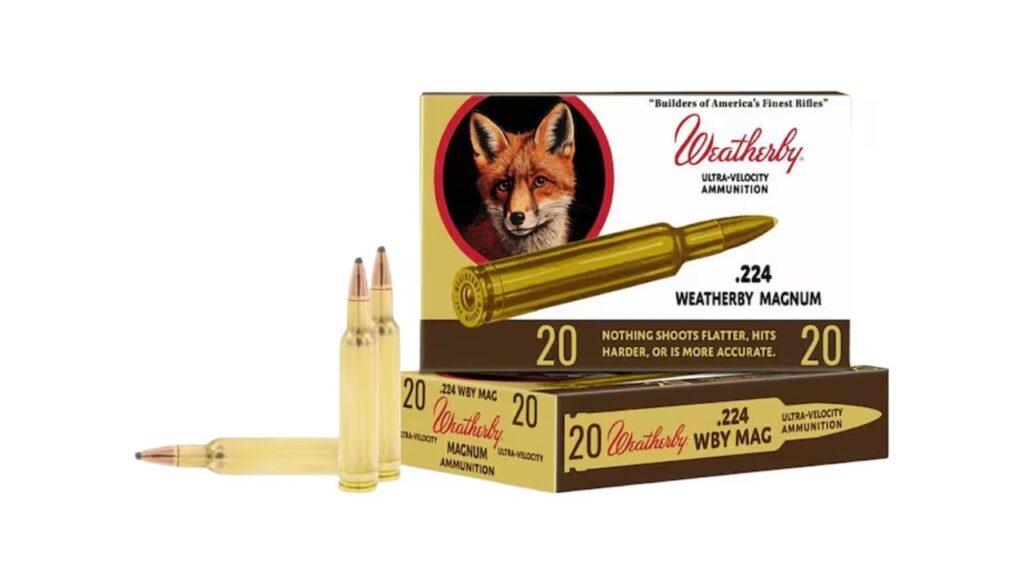
The .224 Weatherby Magnum was the company’s take on the hot varmint market, and while it was fast and flashy, it was also redundant. It offered marginal gains over the .22-250 or .220 Swift, yet came with higher costs and limited rifle availability.
Weatherby’s signature belted case design added complexity without real benefit. The result was a cartridge that performed well but didn’t outperform enough to justify its price. Shooters already had easier, cheaper options that did the same job. Even Weatherby fans didn’t flock to it, and by the 1980s, it had slipped into obscurity. When a company known for long-range excellence can’t keep its own round alive, that tells you everything.
.356 Winchester

The .356 Winchester was designed for lever-action rifles like the Model 94 Big Bore. It had great intentions: bring near-.308 performance to a classic platform. The issue was limited rifle selection and recoil that exceeded what most lever-gun fans wanted.
It never achieved the widespread appeal of the .30-30 or .35 Remington. Ammo was expensive, hard to find, and unnecessary for most hunting applications. The .356 offered marginal improvements but demanded more punishment. When Winchester stopped chambering rifles for it, the ammo followed suit. It wasn’t a bad round—it was a redundant one, and the market moved on fast.
.264 Winchester Magnum
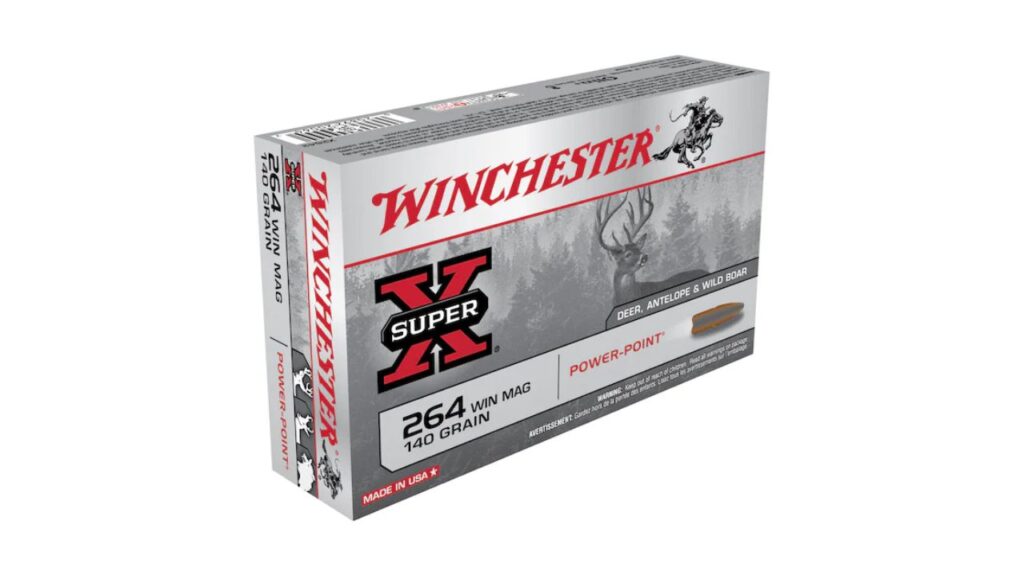
The .264 Winchester Magnum was supposed to be the flat-shooting long-range king of its era, but it got outshined by newer 7mm magnums almost overnight. It delivered impressive speed but at the cost of brutal throat erosion and short barrel life.
Hunters loved its trajectory but hated replacing barrels every few seasons. It also suffered from limited bullet selection at the time—140-grain bullets didn’t have the high BC options that modern shooters take for granted. Once the 7mm Rem Mag hit the market, the .264 started fading fast. You’ll still find a few devoted reloaders who swear by it, but there’s a reason stores stopped keeping it stocked.
.41 Action Express

The .41 Action Express was a clever idea that arrived at the wrong time. It was designed to give 9mm pistols .41 Magnum-like power with a simple barrel swap. It actually worked—but then the .40 S&W came along and buried it. The .40 offered similar ballistics with none of the conversion headaches.
Manufacturers dropped support for the .41 AE almost immediately after the .40’s rise. It was the victim of bad timing more than poor performance. Still, when the market moves on that quickly, ammo disappears with it. Today, it’s little more than a reloader’s curiosity and a footnote in the evolution of handgun cartridges.
.280 Remington
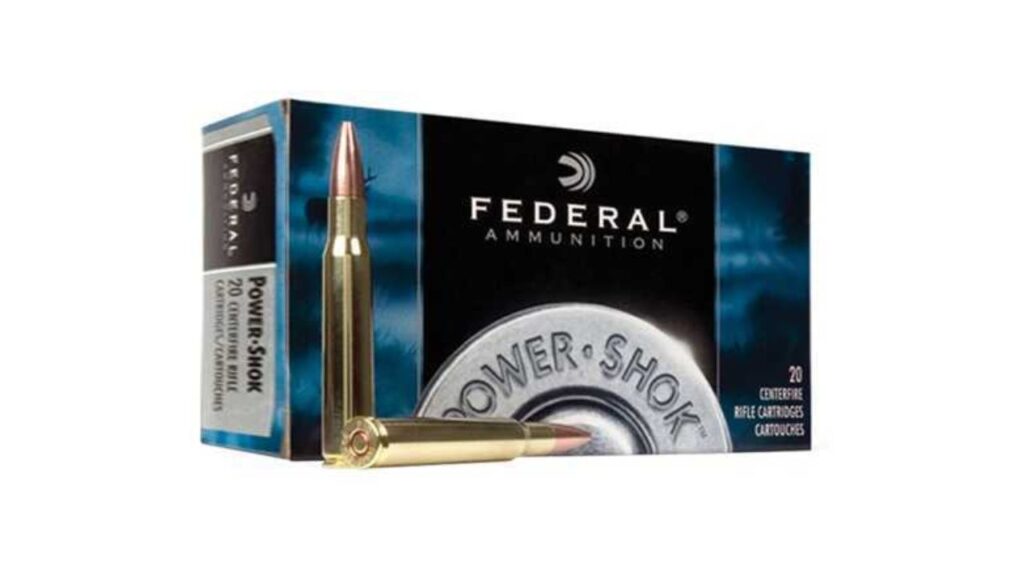
The .280 Remington deserved better, but it fell victim to poor marketing and bad timing. Introduced between the .270 Winchester and the .30-06 Springfield, it never found a clear audience. It was too similar to both—close enough in performance that nobody saw the need for another mid-size .30-caliber alternative.
Guides and hunters alike appreciated its balance, but sales never took off. Even after being rebranded as the 7mm Express, confusion lingered, and shooters stuck with what they knew. The .280 shoots flat, hits hard, and recoils mildly—but in a world dominated by its older siblings, it simply couldn’t hold a shelf spot. It didn’t vanish because it failed—it vanished because it never got the chance to compete fairly.
*This article was developed with AI-powered tools and has been carefully reviewed by our editors.