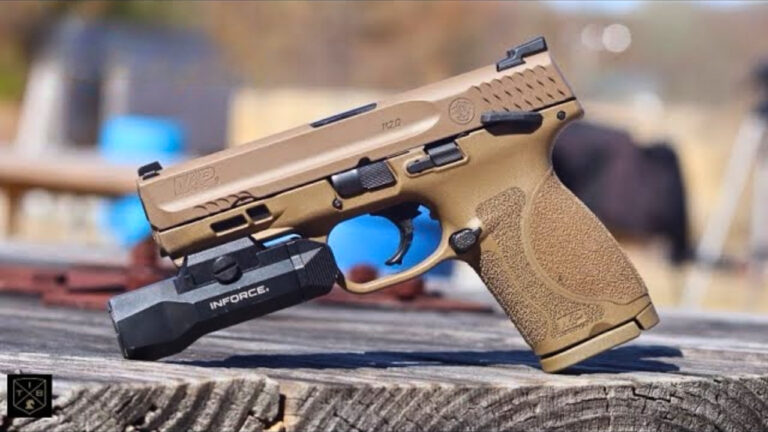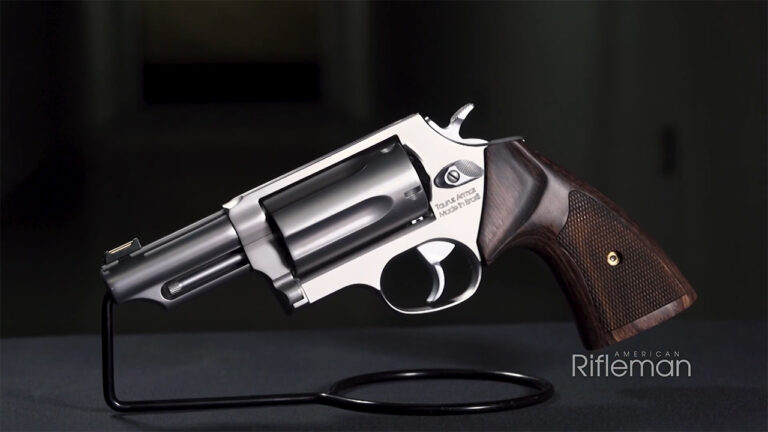
Photo credit: WHO_TEE_WHO/YouTube
You’ve probably handled a pistol that looked like it meant business—steel slide, tactical styling, rail for a light, maybe even fiber optics or suppressor-height sights. But once you fired it, reality kicked in. Sloppy trigger. Wandering groups. Slide that won’t track right. Some handguns dress the part but can’t hold up on the range. Whether it’s poor fitment, questionable tolerances, or marketing that oversold the platform, there are pistols that seem like solid tools until the first shot breaks. If you’ve spent enough time behind a bench or drawing from concealment, you’ve seen how often good looks don’t equal good shooting.
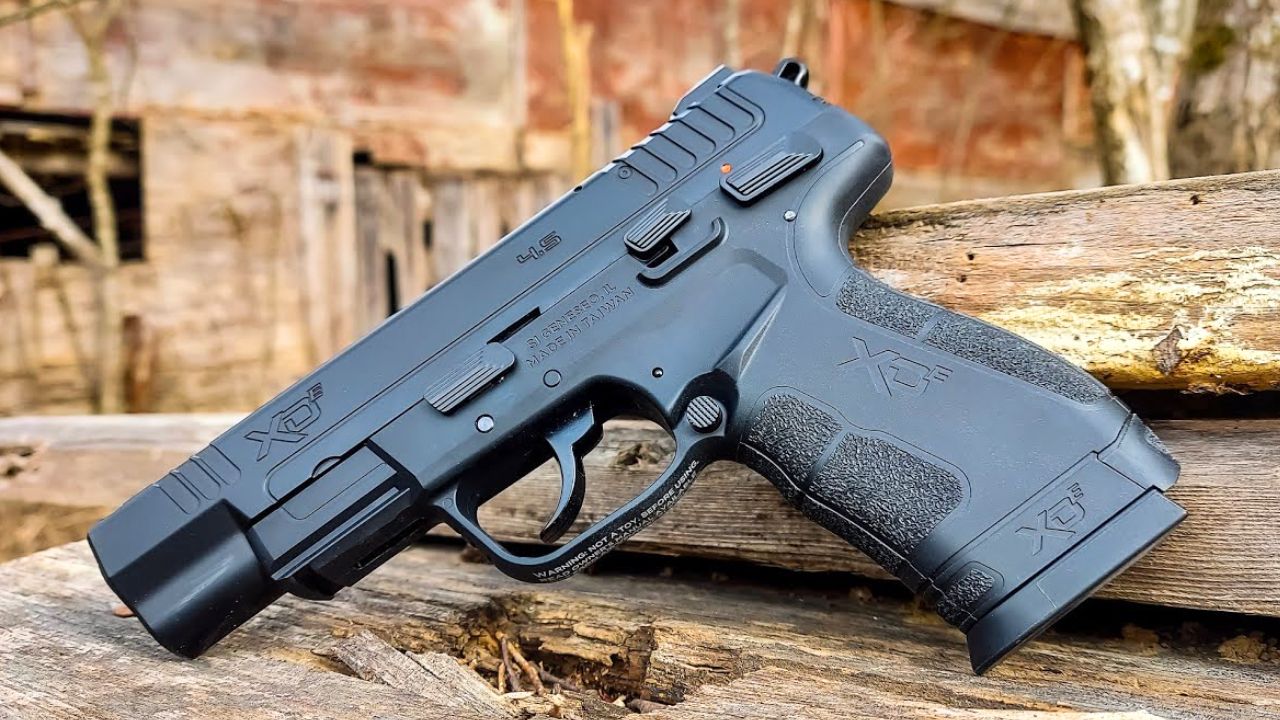
Springfield XD-E

At a glance, the XD-E looks ready to ride on any duty belt. It’s got a hammer-fired action, front and rear cocking serrations, and that tall slide that screams control. But once you start running it hard, it shows its limitations. The trigger has a long, gritty pull in double action and a mushy reset in single.
It doesn’t balance well during quick transitions, and follow-up shots feel disconnected. Accuracy is passable, but never impressive. Some shooters also fight the aggressive grip texture, especially in long sessions. The gun looks tough, but once you start pressing for performance, it comes up short.
Remington RP9
The RP9 gives off big-service-gun energy. It looks like it’s built for high round counts and serious range work. But that’s not how it plays out. The trigger is spongy with a lazy reset, and the grip feels oversized for no real benefit. For many hands, it’s awkward and top-heavy.
Recoil impulse feels odd—more like a bounce than a push—and it doesn’t settle well in fast strings. Despite its full-size frame, accuracy can be surprisingly inconsistent. Feed issues aren’t rare either, especially with weaker loads. It might look like a duty-grade pistol, but it’s more suited to the shelf than the holster.
Sig Sauer P250
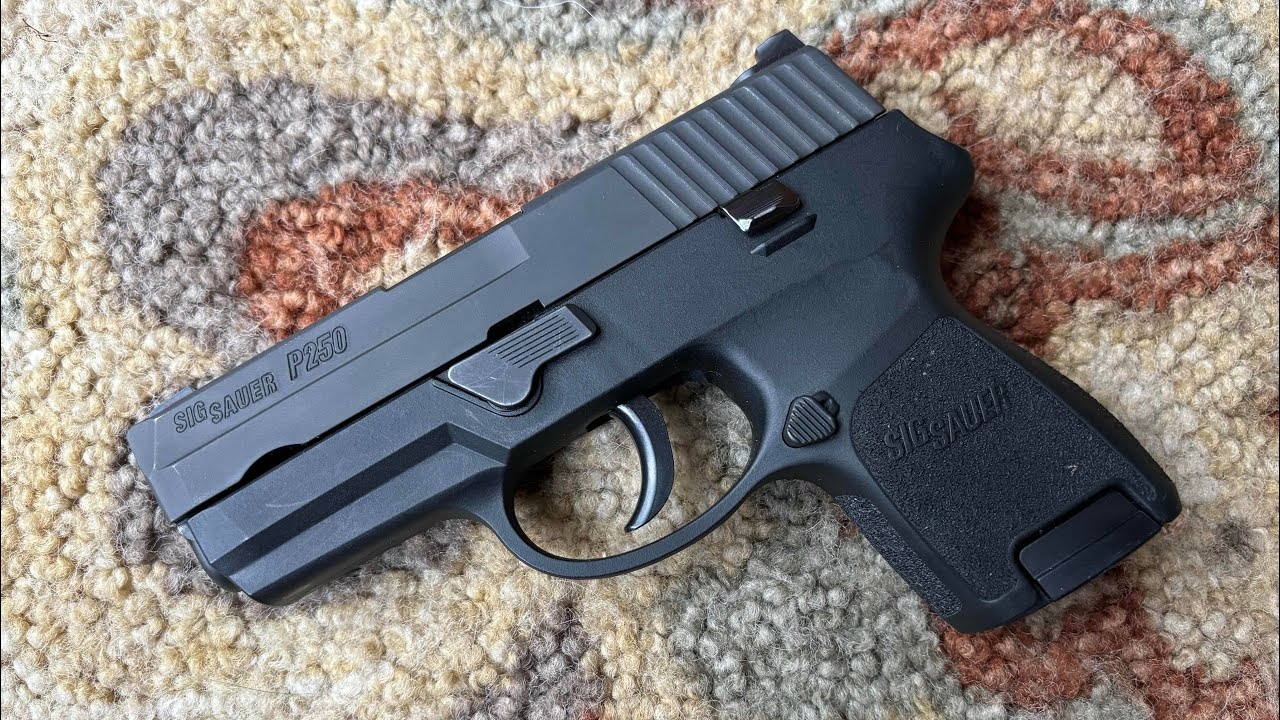
The P250 has that classic SIG profile with a modular chassis and clean lines that suggest precision. But this one’s always been more style than substance. The double-action-only trigger is long and heavy without any kind of meaningful break. It slows you down and drags your group sizes out wide.
Even when benched, it struggles to shoot tight unless you’re really concentrating. It’s not a confidence-inspiring gun to run fast, and it doesn’t recover well from rushed shots. People expected it to perform like a P226 or P320, but it never earned that trust. It looks like a shooter but handles like a chore.
Canik TP9 DA
Canik’s TP9 series turned heads for their features, and the DA version looks like a serious fighting pistol. But once you start working through strings of fire, things start to drift. The DA trigger pull is too heavy to be practical, and the SA follow-up isn’t clean enough to redeem it.
You’ll also notice inconsistent accuracy across different loads. The bore axis isn’t terrible, but the muzzle flip can feel exaggerated on quick transitions. Some guns feel more tuned than others, which hurts trust. It wears all the right gear, but that doesn’t mean it shoots clean or feels sharp under pressure.
FN FNS-9

This gun looks duty-ready and comes from a brand that knows how to build fighting pistols. But the FNS-9 always felt a little loose where it should’ve been tight. The trigger isn’t great—gritty, inconsistent, and vague on reset. Groups wander, and it doesn’t respond well to different loads.
The slide rides high, and that creates more muzzle rise than you’d expect for a full-size 9mm. Controls aren’t always intuitive either, especially under stress. FN eventually moved away from it in favor of the 509 line, and for good reason. The FNS-9 looks confident in photos but struggles when you really test it.
Beretta PX4 Storm
The PX4 Storm looks high-speed with its rotating barrel and space-age slide cuts. On paper, it should shoot flat and smooth. But the trigger, especially in double-action, feels like a chore. Reset’s vague. The safety is awkward. And the rotating barrel system doesn’t live up to the hype for reducing recoil.
It’s got a wide grip, odd weight balance, and slide controls that feel clunky during fast reloads. Even benched, it can be hit or miss with accuracy. Plenty of shooters try to like this gun because of how it looks—but it doesn’t reward you with performance where it counts.
Ruger American Pistol

The Ruger American was designed to be a duty-ready contender. It’s got a serious, squared-off look and an aggressive frame texture. But behind the curtain, the trigger is heavy, the recoil impulse feels sharp, and the reset is long and vague. None of it encourages confident shooting.
The grip frame doesn’t settle into your hand the way it should, and the bore axis sits higher than it looks. That leads to more muzzle movement than you’d expect, especially on double taps. It’s a gun that presents well on the shelf, but once you start running it, you’ll find out fast it’s not tuned for speed or consistency.
Like The Avid Outdoorsman’s content? Be sure to follow us.
Here’s more from us:
The worst deer rifles money can buy
Sidearms That Belong in the Safe — Not Your Belt
*This article was developed with AI-powered tools and has been carefully reviewed by our editors.