Photo credit: CW Longshot/YouTube
Ammo prices have a way of making you rethink what you “need.” Plenty of cartridges work exactly as advertised, but some of them ask for premium money while giving you results you can get from cheaper, easier-to-find rounds. Sometimes you’re paying for novelty. Sometimes you’re paying for a small performance bump that doesn’t matter inside real hunting distances. And sometimes you’re paying for a round that’s hard on barrels, picky about loads, or only shines in a narrow set of conditions.
This isn’t about calling any caliber useless. These cartridges can all do good work. The point is value—what you actually get for each dollar, especially once you start practicing enough to shoot well. When a cartridge costs so much that you train less, the performance you paid for can disappear fast.
.28 Nosler

The .28 Nosler is fast, flat, and undeniably capable. The problem is you pay for that speed every time you open a box, and you keep paying when you realize it’s not a “shoot it forever” cartridge. Barrel life tends to be shorter than milder rounds, and that’s part of the cost that doesn’t show up on the shelf tag.
In the field, you’re often getting a narrow advantage: flatter trajectory and more energy at distance. That matters for some hunters, but most shots aren’t taken at the far edge of the cartridge’s capability. If your typical hunting is 100 to 300 yards, you can get the job done with cheaper rounds while practicing more. The .28 Nosler can be impressive, but it’s easy to spend a lot chasing performance you don’t actually use.
.300 PRC

The .300 PRC is built for serious long-range work, and it does that well. The issue is cost versus real-world need. Factory ammo is often expensive, and it’s not the kind of cartridge you casually plink with. When you’re paying that much per trigger press, you tend to shoot less, and that’s a problem with any rifle you plan to hunt with.
For most big game hunting, you can get similar results inside normal distances from more common .30-caliber rounds. The PRC shines when you’re stretching range and you’ve got the skill to manage wind, dope, and shot angles. If that isn’t your reality, the price feels out of proportion to what you gain. It’s a great tool, but it’s an expensive tool to use for ordinary work.
6.5 PRC

The 6.5 PRC is a strong cartridge, especially when you want more speed and reach than a Creedmoor. The downside is that the price often climbs faster than the practical advantage for most hunters. Factory loads can be pricey, and availability can be spotty depending on where you live.
In actual hunting, the PRC’s benefits show up most when you’re shooting farther and you’ve got a rifle setup that lets you take advantage of it. If your deer and elk shots are inside typical ranges, you might not see a meaningful difference on game compared to cheaper, more common rounds with the right bullet. The PRC isn’t a bad cartridge at all. The problem is paying premium money for a performance edge you might not actually use enough to justify the cost.
6.8 Western

The 6.8 Western is an interesting idea: heavy-for-caliber bullets and strong downrange performance. The challenge is that it often costs a lot to feed, and it lives in a crowded space where plenty of other cartridges already do the job. When you’re paying more per box, you’re paying for a niche rather than a universal improvement.
On game, you’re not suddenly getting a different outcome at normal distances. Deer and elk still require good placement and good bullets. The round can shine in certain setups and certain ranges, but for many hunters it’s a solution looking for a problem. If you’re not committed to the cartridge and willing to stock ammo or handload, the cost and limited shelf presence can make it feel like you’re paying extra to be different.
.458 SOCOM
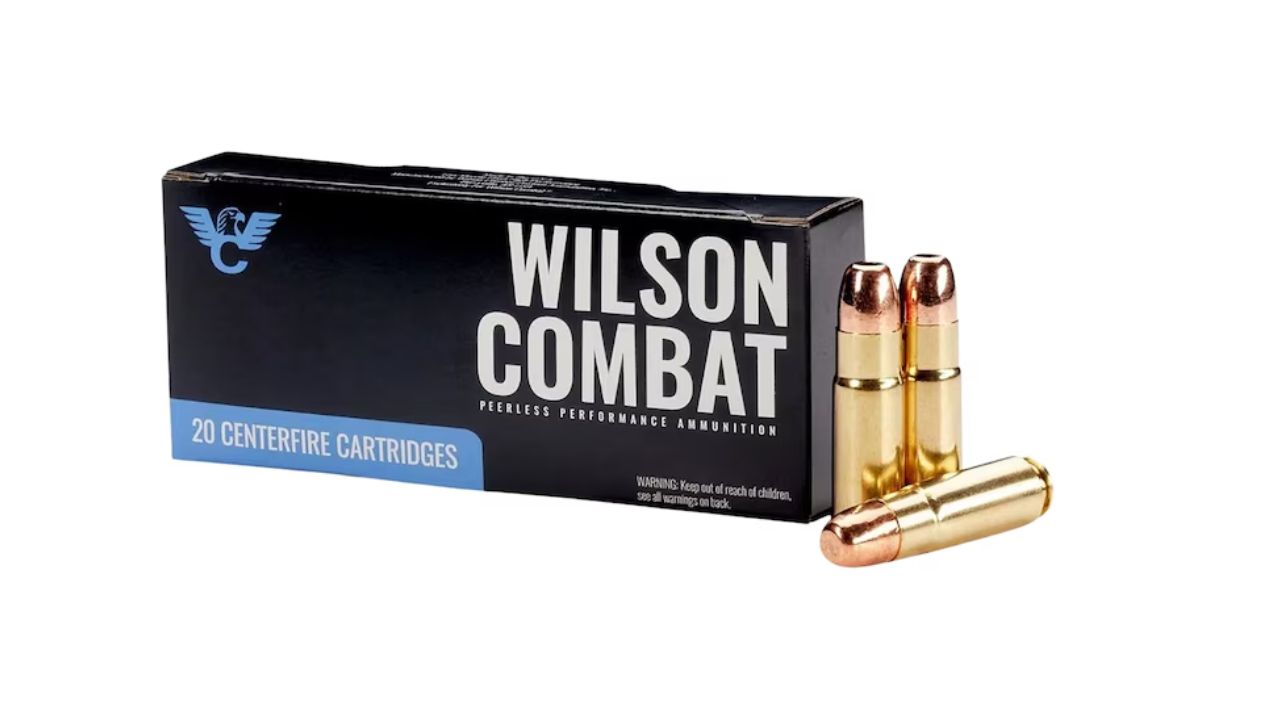
The .458 SOCOM is fun, effective in its lane, and undeniably cool. It’s also one of those cartridges that can empty your wallet fast for the amount of shooting you get. Factory ammo is expensive, and even reloaders find it’s not a cheap round to feed once you factor in bullets, brass, and powder.
In practical terms, it’s a specialty cartridge. It can be great for hogs or thick-cover work at close range, but you’re not getting general-purpose rifle performance for the money. A lot of shooters buy it, fire a few boxes, then realize they can’t afford to practice enough to really master it. If you have a specific reason to own one, it can make sense. If you’re buying it as a “do everything” cartridge, the cost-to-results ratio turns ugly fast.
.450 Bushmaster

The .450 Bushmaster can do good work on deer and hogs, especially where straight-wall rules apply. The cost problem is that ammo can be pricey for what is basically a close-to-moderate range hunting tool. You’re often paying more per shot than you would for traditional deer cartridges that offer flatter trajectory and wider load selection.
In the field, the Bushmaster shines in a specific role: short-to-mid range hits with big frontal area. If that’s your reality, it can be worth it. But if you’re not restricted by straight-wall rules, you may find yourself paying more for a round that doesn’t give you more practical range or flexibility. It’s not weak. It’s not ineffective. It’s simply expensive for a cartridge that often lives inside distances where many cheaper options do the same job.
.338 Lapua Magnum

The .338 Lapua is famous for a reason, and it can do impressive things at distance. The cost is brutal, and it’s not only the ammo. Rifles, optics, recoil management, and barrel wear all add up. If you’re not using the cartridge for its intended purpose, the price feels like you’re paying for a reputation.
In real hunting terms, it’s far more than most North American big game requires. You can take game with it, but it’s hard to argue you’re getting value when you could do the same job with cheaper cartridges while practicing more. The Lapua makes sense for dedicated long-range shooters who are committed to the whole system. For the average hunter, it’s an expensive way to get results you can already get without turning every range trip into a budget meeting.
.30-378 Weatherby Magnum

The .30-378 is a speed demon, and it can push .30-caliber bullets extremely fast. That comes at a cost you feel every time you buy ammo and every time you shoot enough to heat the barrel. It’s also a cartridge that tends to be hard on throats, which matters if you practice like you should.
In hunting, the performance is real, but the practical advantage is narrow unless you’re truly shooting long distances and doing it skillfully. Most hunters aren’t. You end up paying premium money for velocity you don’t use, recoil that can reduce your accuracy, and ammo cost that discourages practice. It’s a cartridge that can impress on paper and in certain hands. But for most people, the cost is out of line with the real-world return.
.257 Weatherby Magnum

The .257 Weatherby is flat-shooting and hits deer-sized game hard. The cost-to-benefit problem shows up when you realize how many other cartridges can do the same deer work with cheaper ammo and easier availability. Weatherby ammo isn’t typically bargain-bin stuff, and you’ll feel it if you like to practice.
In real hunting, a lot of the advantage comes down to trajectory at longer ranges. If you’re hunting open country and you’re disciplined about shot placement, it can be a great tool. But many hunters aren’t taking long shots often enough to justify the premium. The .257 Weatherby isn’t overrated as a performer. It’s simply a pricey way to do a job that plenty of cheaper, more common cartridges can do extremely well.
.264 Winchester Magnum

The .264 Win Mag has a cool history and real capability, but it’s never been the easiest cartridge to live with. Ammo can be expensive and inconsistent in availability, and it’s not the kind of round most small-town shelves stay stocked with. That alone drives the “cost too much” feeling.
On game, it can perform well, but it occupies the same general space as other 6.5mm cartridges that are easier to feed and often cheaper to shoot. The .264 can be fast, but speed isn’t free, and you don’t always see a meaningful advantage in normal hunting distances. If you already own one and love it, that’s fine. But if you’re choosing today, it can feel like you’re paying extra for a round that’s harder to support than it needs to be.
.327 Federal Magnum
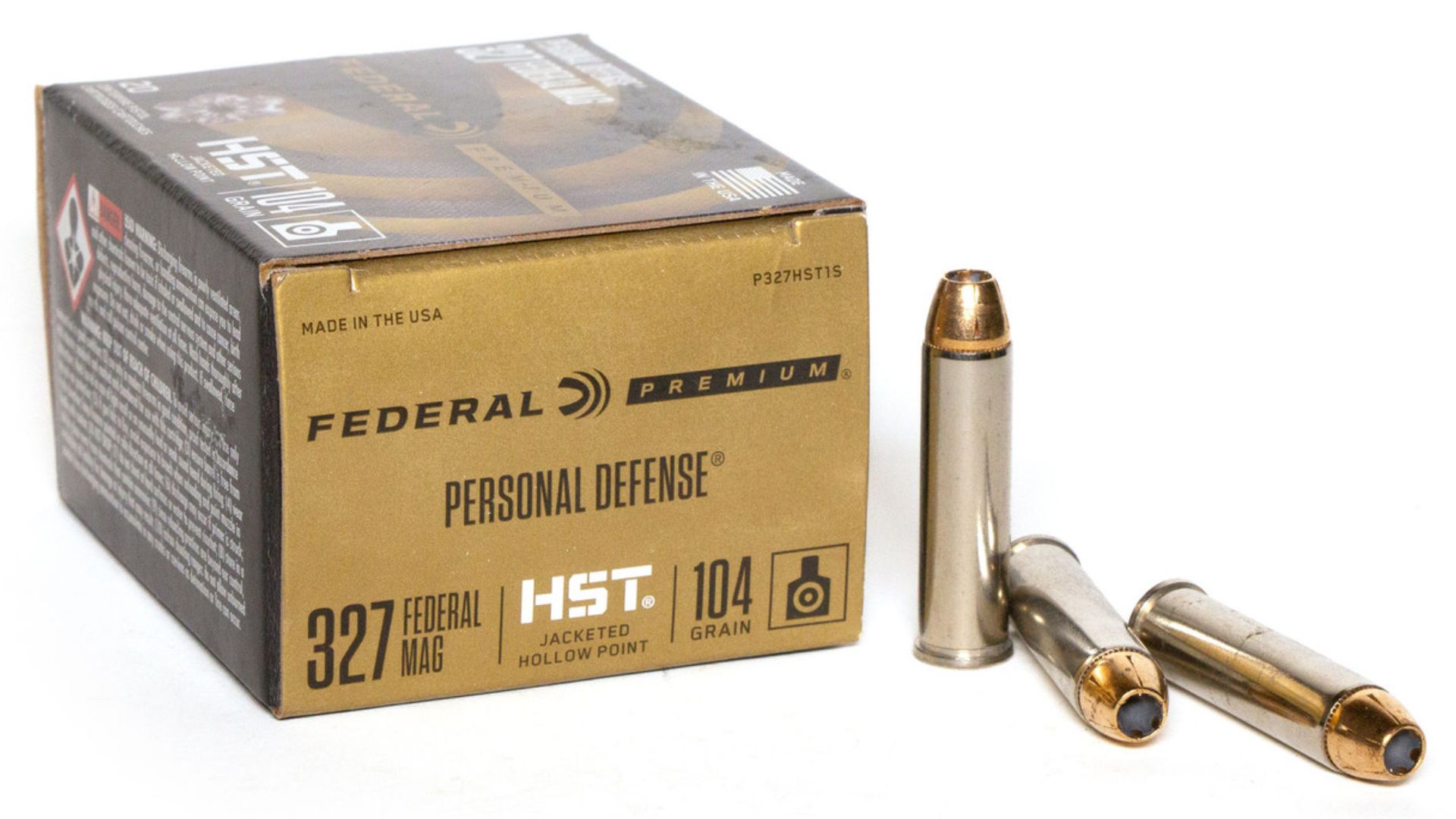
The .327 Federal is a smart cartridge on paper: more punch than .32 H&R, more capacity than some larger revolver rounds, and good performance for small game and defense. The issue is price and availability. When ammo is expensive and hard to find, practice becomes limited, and that undermines the whole point of a shootable revolver cartridge.
In real use, the .327 can do good work, but it’s competing with more common calibers that cost less and show up everywhere. You can get similar real-world outcomes from easier-to-find rounds if you’re honest about your needs. The .327 isn’t a bad idea. It’s a bad value for many shooters because the cost and scarcity make it harder to train with, and training is where revolvers live or die.
10mm Auto
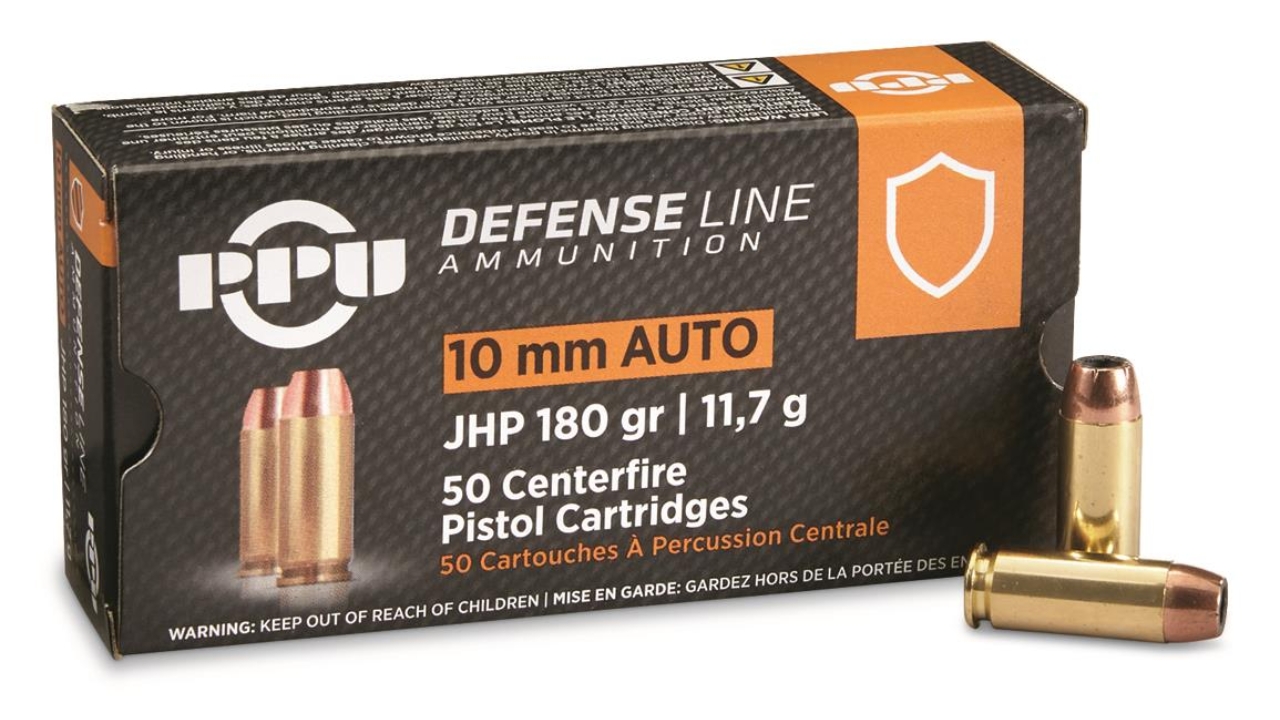
10mm is having a moment, and it’s a capable cartridge when loaded properly. The cost problem is that the stuff many people want—true full-power hunting or hard-cast loads—often carries a premium. Then you realize that cheap practice ammo doesn’t always match the recoil and point of impact of the loads you plan to carry.
In the real world, you can make 10mm work for defense, woods carry, and even hunting. But you pay extra to do it, and you pay extra again if you want consistent performance across practice and carry ammo. For many shooters, a more common caliber lets them train more and shoot better, which matters more than raw power. 10mm can be worth it. It just often costs more than the practical benefit for the average carrier.
.41 Magnum

The .41 Magnum has loyal fans, and it’s a solid performer. The value problem is that it often costs more than .44 Magnum while offering fewer choices on the shelf. Ammo can be pricey, and if you don’t handload, you’re at the mercy of whatever happens to be available.
In practical hunting and field carry, you’re not always getting a clear advantage for the money. The .41 can shoot flatter than some expect and hit hard, but the real-world difference compared to more common options often isn’t worth the price and scarcity. It’s a great cartridge for people who truly love it. For everyone else, it can feel like you’re paying extra to live with a less supported caliber while getting results you could have gotten with something cheaper and easier to find.
.22 Hornet

The .22 Hornet is charming, quiet compared to bigger centerfires, and effective on small game and varmints. The cost problem is that it often isn’t priced like a “small” cartridge. Depending on the market, Hornet ammo can be surprisingly expensive for what you’re doing with it.
In the field, it does its job well within its limits. But you can often get similar or better results with more common cartridges that are cheaper and easier to find. If you reload, the Hornet can become more reasonable. If you rely on factory ammo, you can end up paying a premium for a cartridge that sits in a narrow niche. It’s not a bad round. It’s simply one that often costs more than its practical performance suggests.
5.7×28mm

5.7×28 has become popular, and it’s fun to shoot. The value problem is that ammo is often expensive, and the real-world performance doesn’t always match the hype you hear online. For many shooters, it ends up being a costly range toy because they’re paying a lot per shot without gaining a clear advantage over more common calibers.
In practical terms, you’re also dealing with availability swings. When 5.7 is scarce, prices jump, and practice slows down. That matters because any cartridge that discourages training can become a bad choice for serious use. 5.7 can do certain things well, but the cost-to-benefit ratio is hard to justify for most people. If you love it and shoot it a lot, fine. But plenty of shooters buy it, shoot a few boxes, and realize the price is the whole story.
.17 Hornady Magnum Rimfire (.17 HMR)

The .17 HMR is accurate, flat for a rimfire, and excellent for small varmints at sensible distances. The cost issue is that it often sells at a premium compared to other rimfires, and you’re still working with rimfire reliability and rimfire limitations. You pay more, but you don’t get centerfire consistency.
In the field, it’s a great cartridge for what it’s meant to do—clean hits on small targets where a .22 LR starts to arc. But the return gets questionable when you realize how fast you burn through ammo during practice, and how much the price adds up compared to cheaper rimfires. It’s effective. It’s enjoyable. It’s also a cartridge that can make you feel the cost every time you want to shoot “a few more magazines” for fun.
Like The Avid Outdoorsman’s content? Be sure to follow us.
Here’s more from us: